10 WW2 Sites in Germany: Best Places by Region
Choose among 10 WW2 sites in Germany by region: castles, rocket sites, battlefields and bunkers, with what remains, access and route planning.
In this guide
Last updated November 2026: the best ww2 sites in Germany are spread across the country, so pick a region first and a site second. Berlin is the usual base for the east, with Potsdam and Sachsenhausen close by. Beyond it, you can reach Saxony, the Baltic coast, the Eifel and the Rhine for battlefields, rocket history and fortifications. Scroll to the route section if you only want a plan.
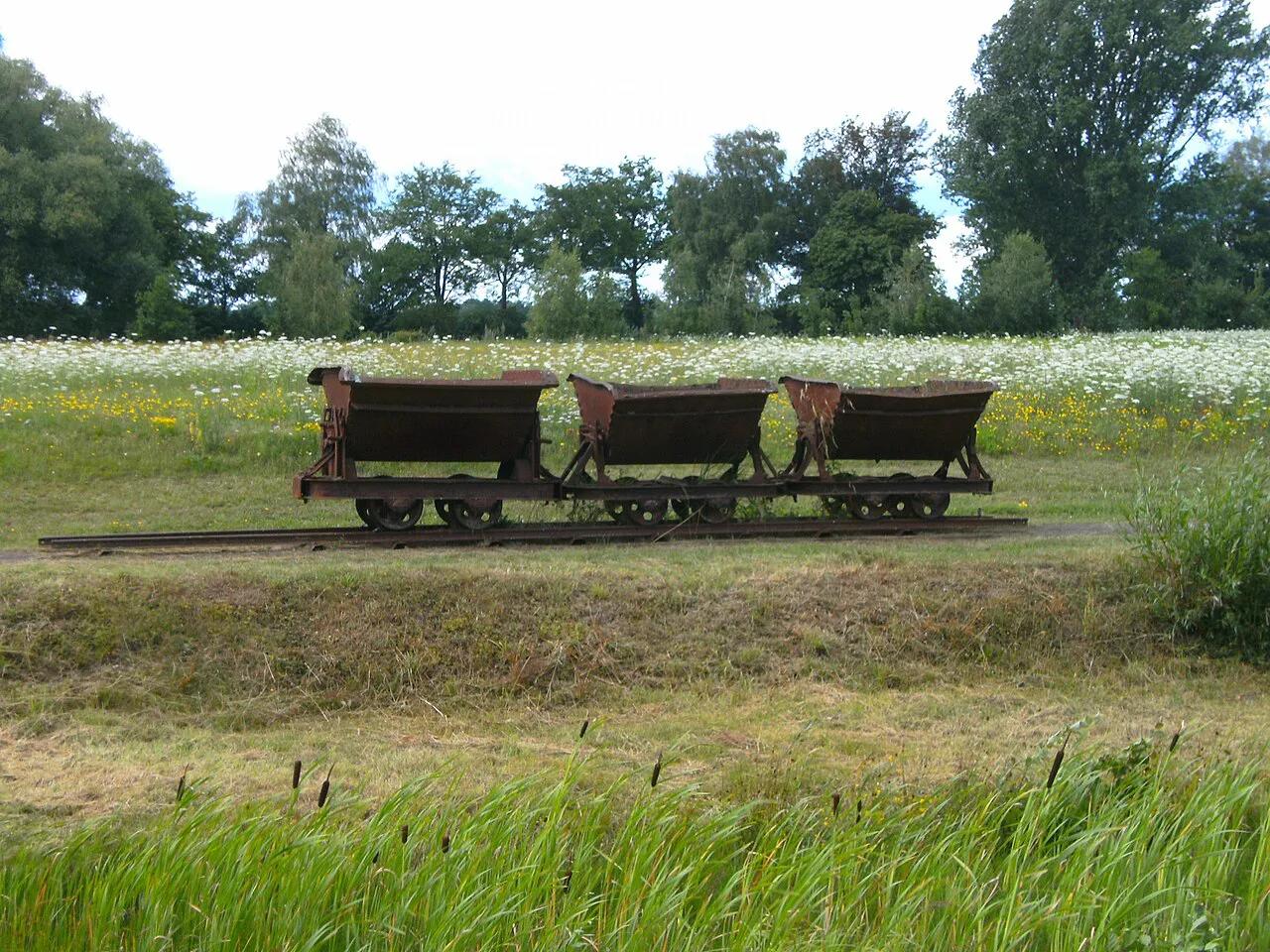
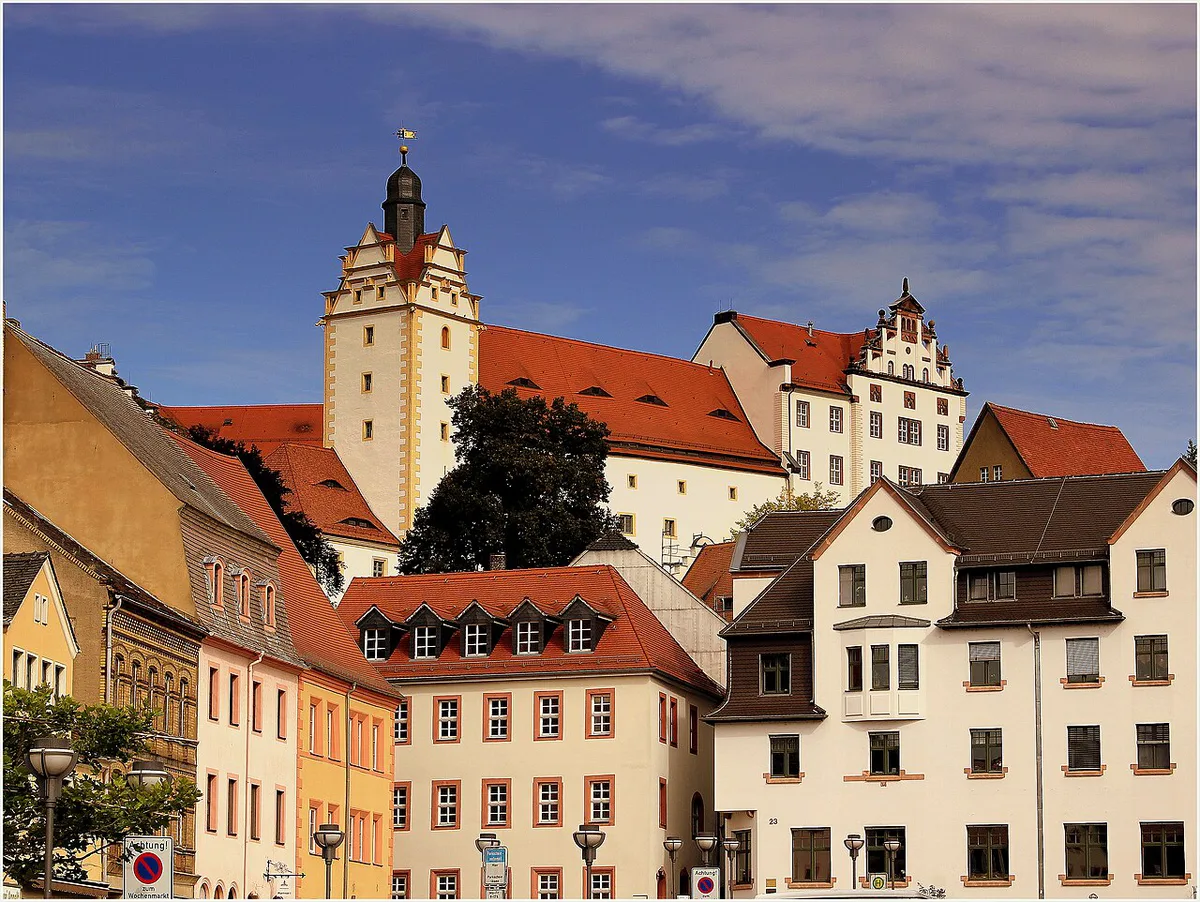
Featured image: Guido Radig, CC BY-SA 3.0, via Wikimedia Commons.
Quick answer: the best WW2 sites in Germany at a glance
Each entry below says plainly what survives on the ground. Some places hold a museum, some a ruin or bunker line, and a few only a marker and a view. Use the table to shortlist, then read the numbered entries for detail.
| Site | Region | What you will see | Best for |
|---|---|---|---|
| Colditz | Saxony | Castle fortress and prisoner-of-war story | Escape and captivity history |
| Peenemünde | Usedom, Baltic coast | Museum on the V-2 rocket programme | Military technology |
| Prora | Rügen, Baltic coast | Unfinished Nazi seaside complex with documentation centre | Nazi propaganda and architecture |
| Hürtgen Forest | Eifel | Forest battlefield and museum | Western Front fighting |
| Remagen | Rhine | Bridge towers and a peace museum | Rhine crossing of March 1945 |
| Siegfried Line | Western border zone | Bunker and tank-trap remnants | Fortifications |
| Seelow Heights | East of Berlin | Memorial and museum on the heights | Final battle for Berlin |
| Wewelsburg | North Rhine-Westphalia | SS-used castle with an exhibition | Nazi ideology and the SS |
| Obersalzberg | Bavarian Alps | Documentation exhibition | How the regime used the mountain retreat |
| Hamburg | North Germany | City with bombing history traces | Air war and remembrance |
10 WW2 Sites in Germany Worth Planning Around
Hours and entry rules were checked in November 2026, and each official site carries the current details. Every entry names what you will actually see. Several are documentation centres or memorials, so treat them as places of study and remembrance.
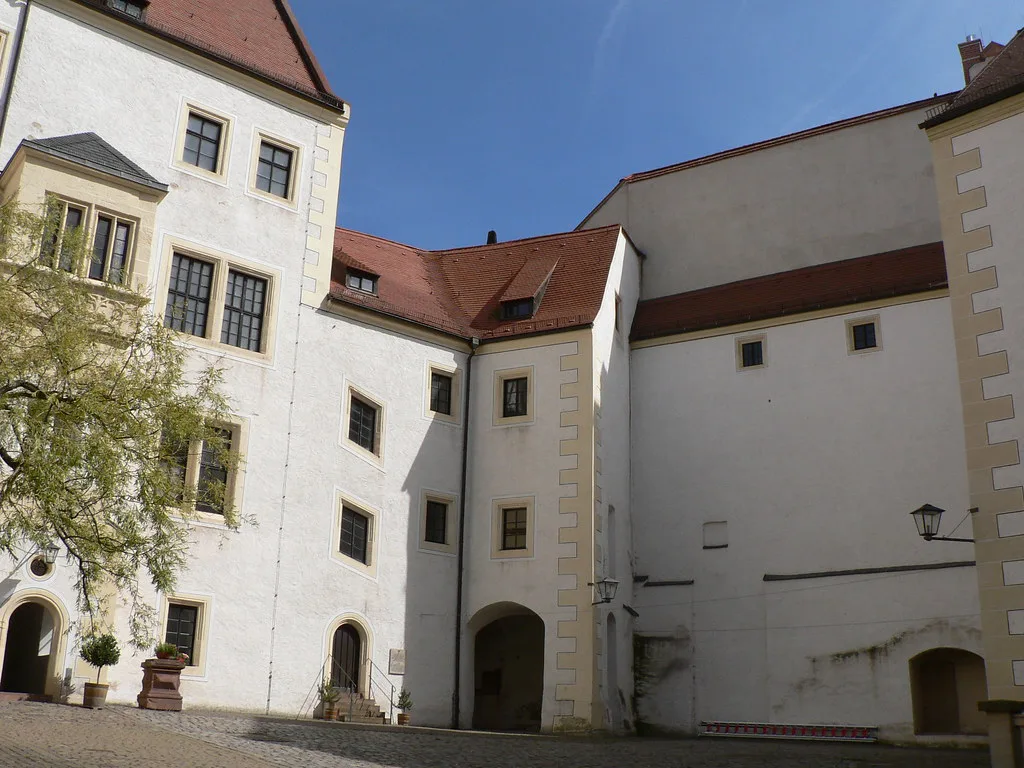
1. Colditz prisoner-of-war fortress, Saxony
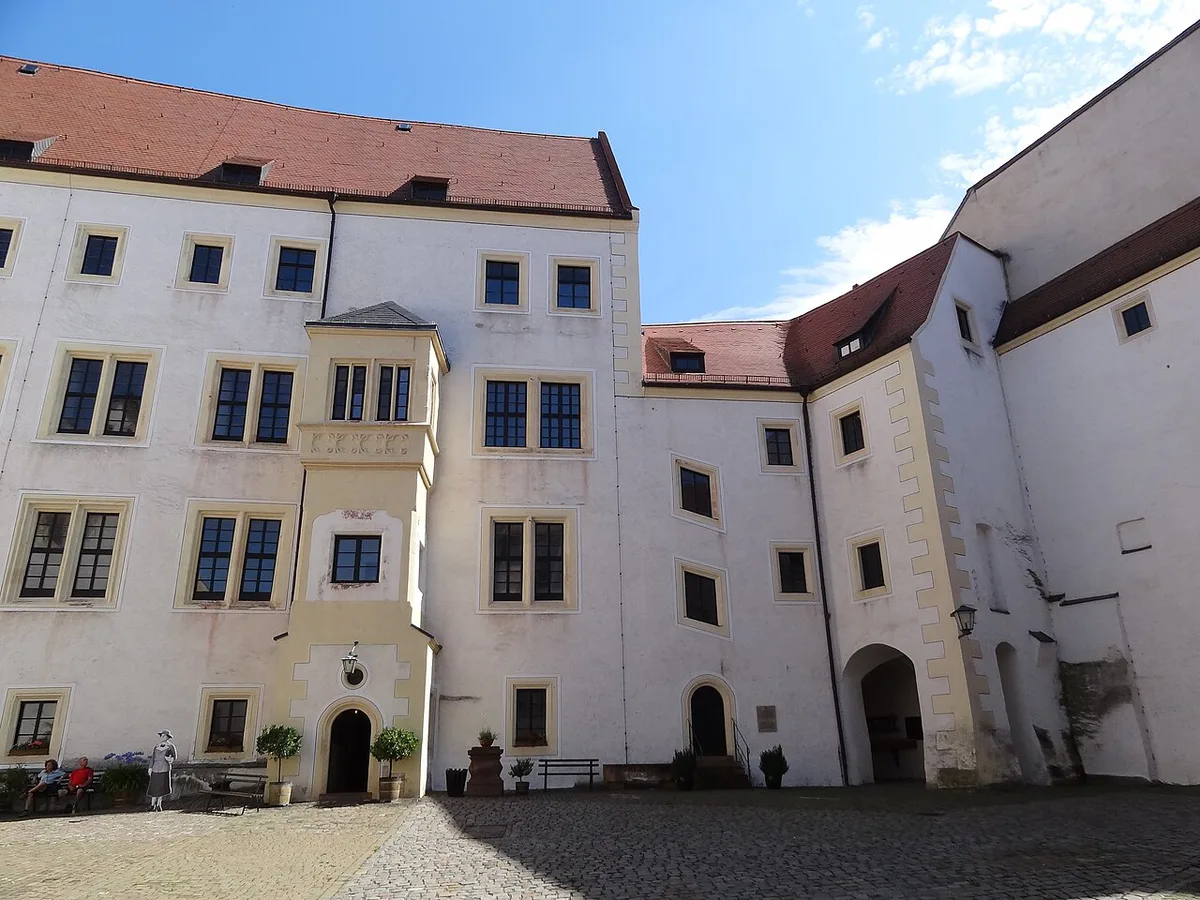
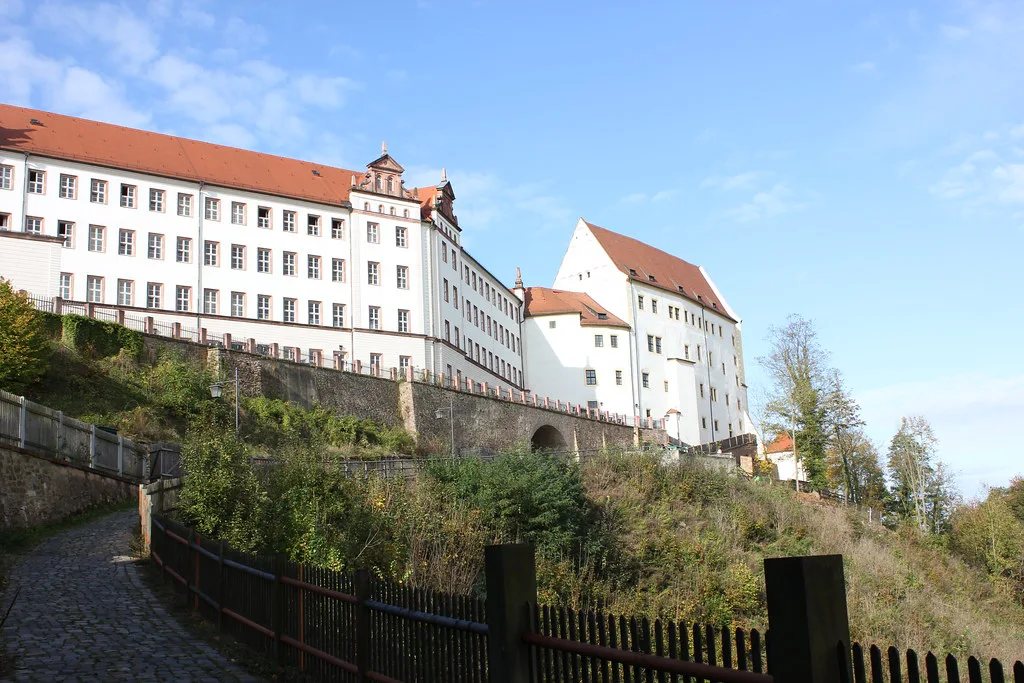
Colditz is a castle in Saxony that held Allied officers as prisoners during the war, and it is the best-known escape story on this list. Read the full history in our guide to the Colditz prisoner-of-war fortress. What you see is the fortress itself and the exhibitions about captivity and escape attempts.
Opening times and tickets are listed on the castle's official site. It suits visitors who prefer a single story told in one building. Skip it if you want open battlefield terrain.
2. Peenemünde V-2 site, Usedom
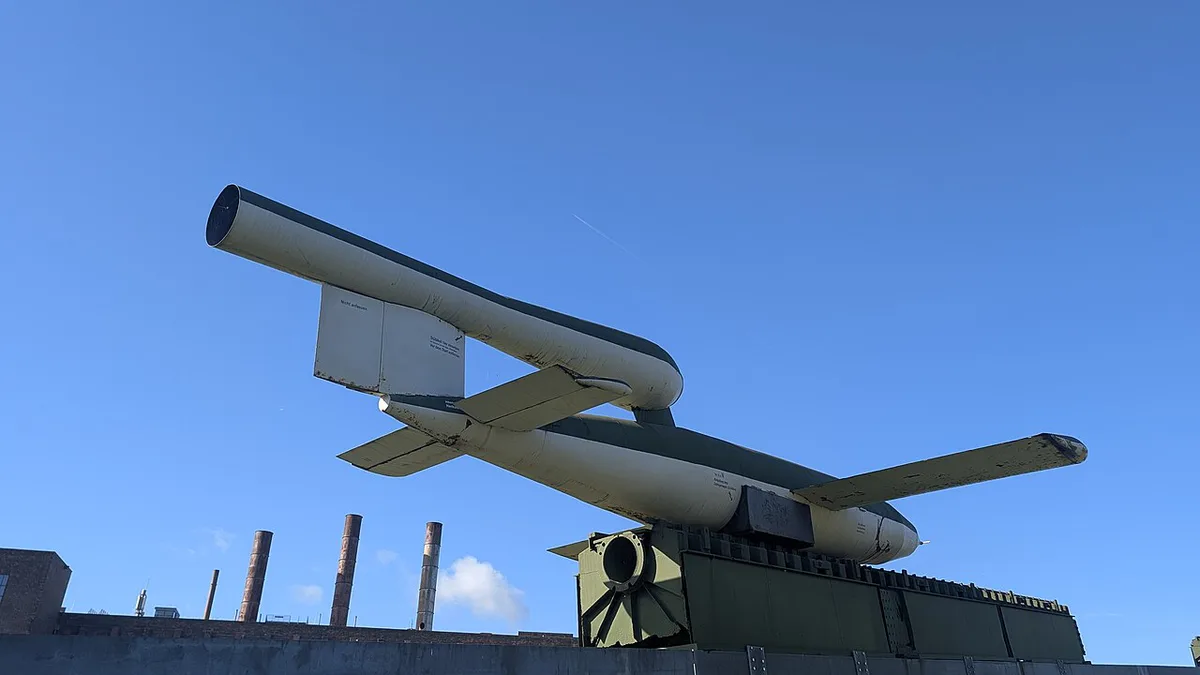
Peenemünde on the island of Usedom is where the V-2 rocket was developed, and the site explains the programme's military, technical and human cost. Our page on the Peenemünde V-2 site covers the history in depth. The Historical Technical Museum Peenemünde holds the main exhibition.
Expect a museum visit with outdoor industrial remains rather than a battlefield. It works well for readers drawn to engineering and the ethics of forced labour. Pass on it if you want an intimate, small-scale stop.
3. Prora seaside complex, Rügen
Prora on the island of Rügen was planned as a vast Nazi leisure resort and never finished, so it is not a combat site. You can learn more in our guide to the Prora seaside complex. What remains is a long row of monumental blocks beside the Baltic.
The Dokumentationszentrum Prora explains the project and its propaganda purpose. Pair it with Peenemünde for a Baltic coast trip. Skip it if you want wartime fighting or camp history.
4. Hürtgen Forest battlefield, Eifel
Hürtgen Forest in the Eifel saw grinding infantry fighting in the autumn of 1944, and it is a core stop for Western Front readers. Our Hürtgen Forest battlefield guide explains the terrain and the museum. Expect woodland paths and local museum displays rather than large monuments.
Many visitors find a car the easiest way to link the scattered stops. It rewards walkers who read the history before they arrive. Give it a miss if you only have a day in a city.
5. Remagen bridge towers, Rhine
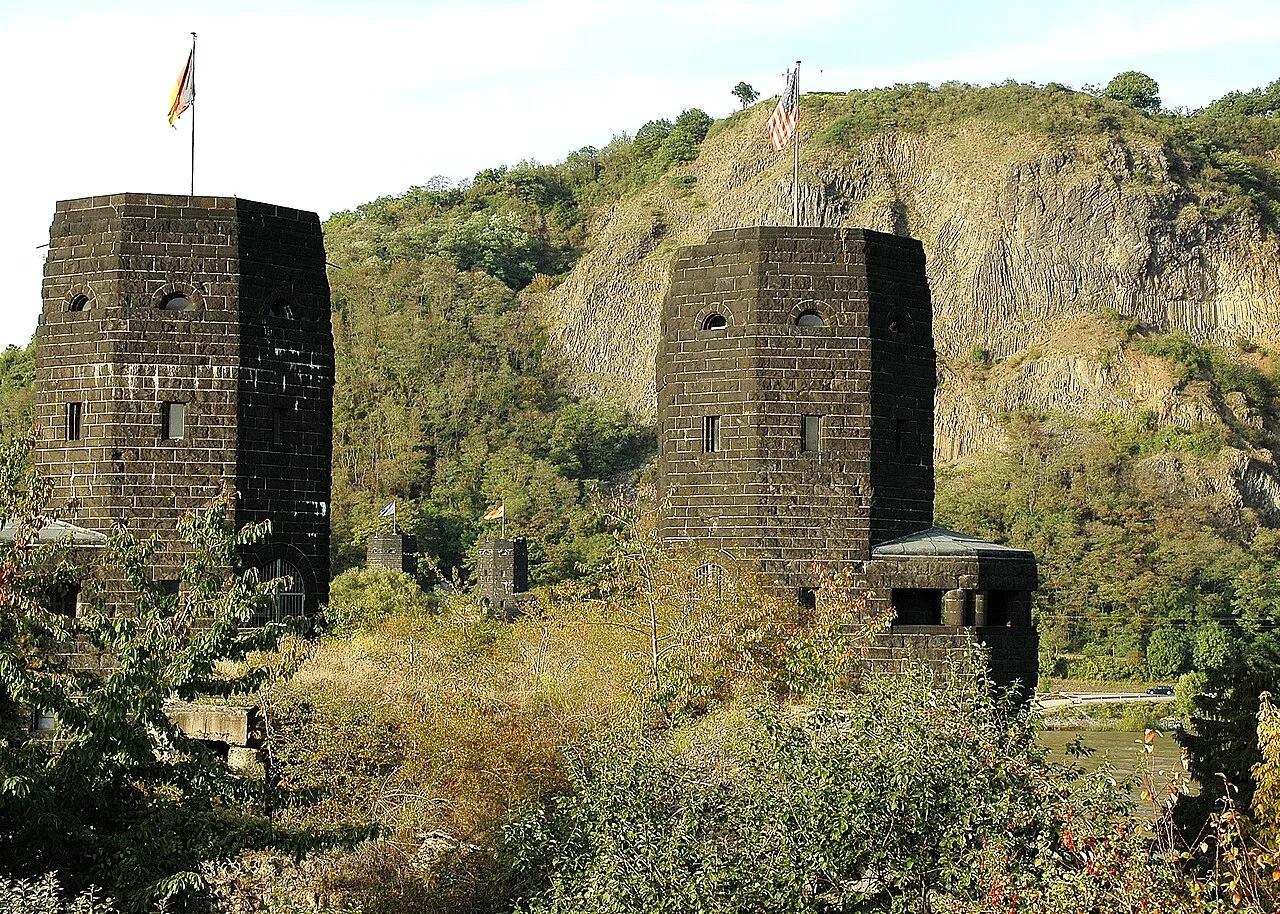
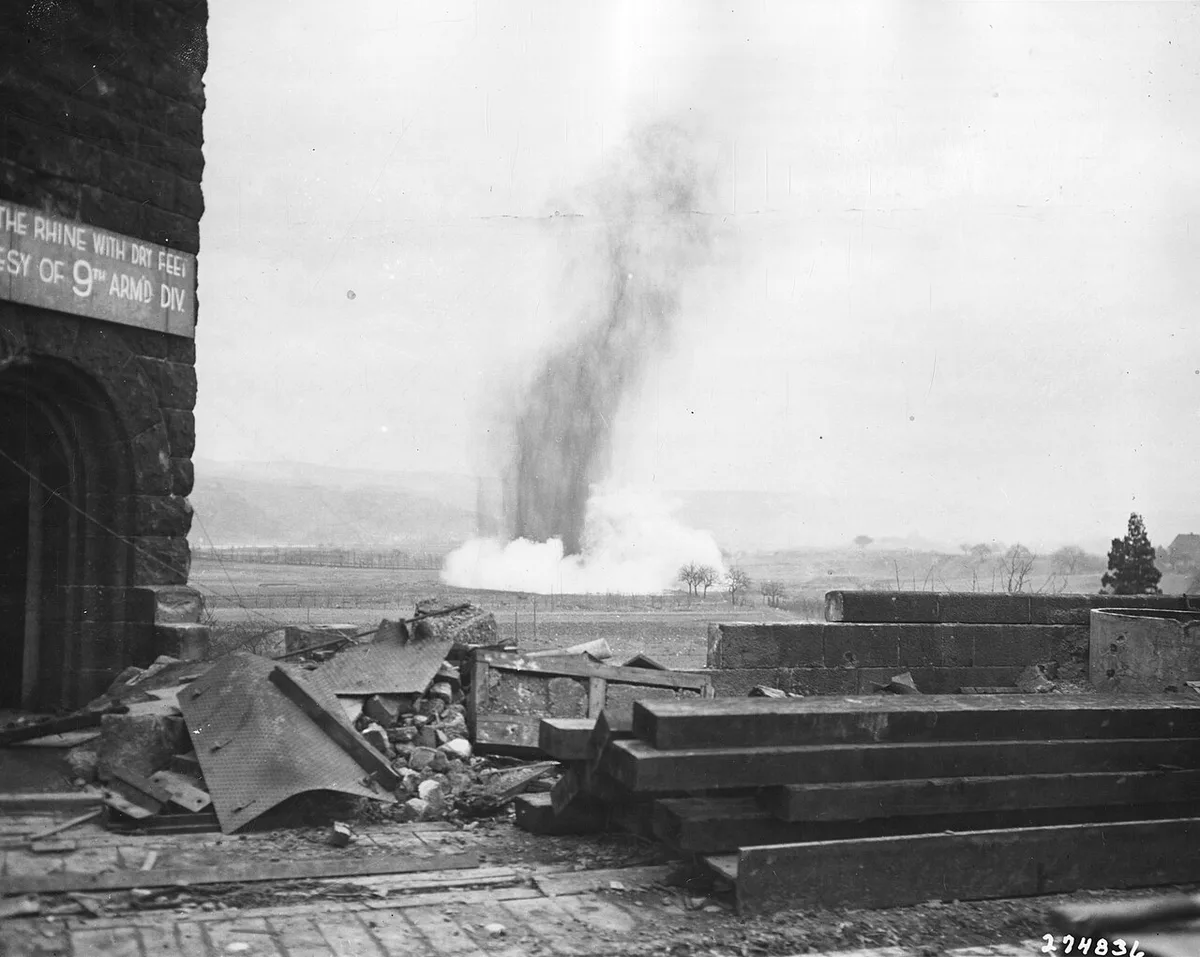
Remagen is where Allied troops seized a Rhine bridge in March 1945, a turning point in the western advance. Details of the crossing appear in our page on the Remagen bridge towers. The bridge itself fell, but towers remain on both banks.
A museum, the Friedensmuseum Brücke von Remagen, occupies the towers and presents the story as a lesson in peace. It is a short, accessible stop for most itineraries along the Rhine. Skip it if you expect surviving steel spans.
6. Siegfried Line bunker remnants, western border
The Siegfried Line was a belt of bunkers and tank obstacles along Germany's western frontier, fought over in 1944 and 1945. Our guide to the Siegfried Line bunker remnants lists what survives. You will see concrete blocks, bunker ruins and obstacle lines in woodland and fields.
Signage varies, so read the route notes before heading out. It pairs naturally with Hürtgen Forest in one Eifel trip. Skip it if you dislike walking on uneven ground.
7. Seelow Heights battlefield, east of Berlin
Seelow Heights was the last major defensive position before Berlin, and Soviet forces attacked it in April 1945. Our page on the Seelow Heights battlefield explains the fighting. The Gedenkstätte Seelower Höhen combines a museum with a memorial site on the heights.
It sits east of Berlin, so it fits a day out from the capital. It suits readers who want the final-battle story in its landscape. Pass on it if you want sites inside the city.
8. Wewelsburg castle, North Rhine-Westphalia
Wewelsburg is a castle that the SS adopted and reshaped for its own ideology. Our guide to Wewelsburg castle sets out that history. The visit centres on an exhibition that documents the SS's use of the building and its victims.
Treat it as a study of ideology, not a monument to it. It suits readers focused on how the SS built its image. Skip it if you want battlefield or camp history.
9. Obersalzberg documentation exhibition, Bavarian Alps
Obersalzberg is the Alpine mountainside where Nazi leaders built a private retreat, and a documentation exhibition now examines that history. Our page on the Obersalzberg documentation exhibition explains what it covers. Little of the original complex stands, so expect interpretation rather than ruins.
It works as an Alpine side trip on a southern route. Skip it if your route stays in the north and east.
10. Hamburg bombing history, northern Germany
Hamburg is the best city on this list for understanding the air war against German cities. Our guide to Hamburg bombing history maps the traces. Expect memorials and rebuilt districts, with the damage told through plaques and exhibitions.
It pairs easily with a Baltic coast journey by rail. Pass on it if you want intact military structures.
How to choose your ww2 sites in Germany route
Match the site to the question you want answered. Heavy sites need space around them, so choose one demanding stop per day.
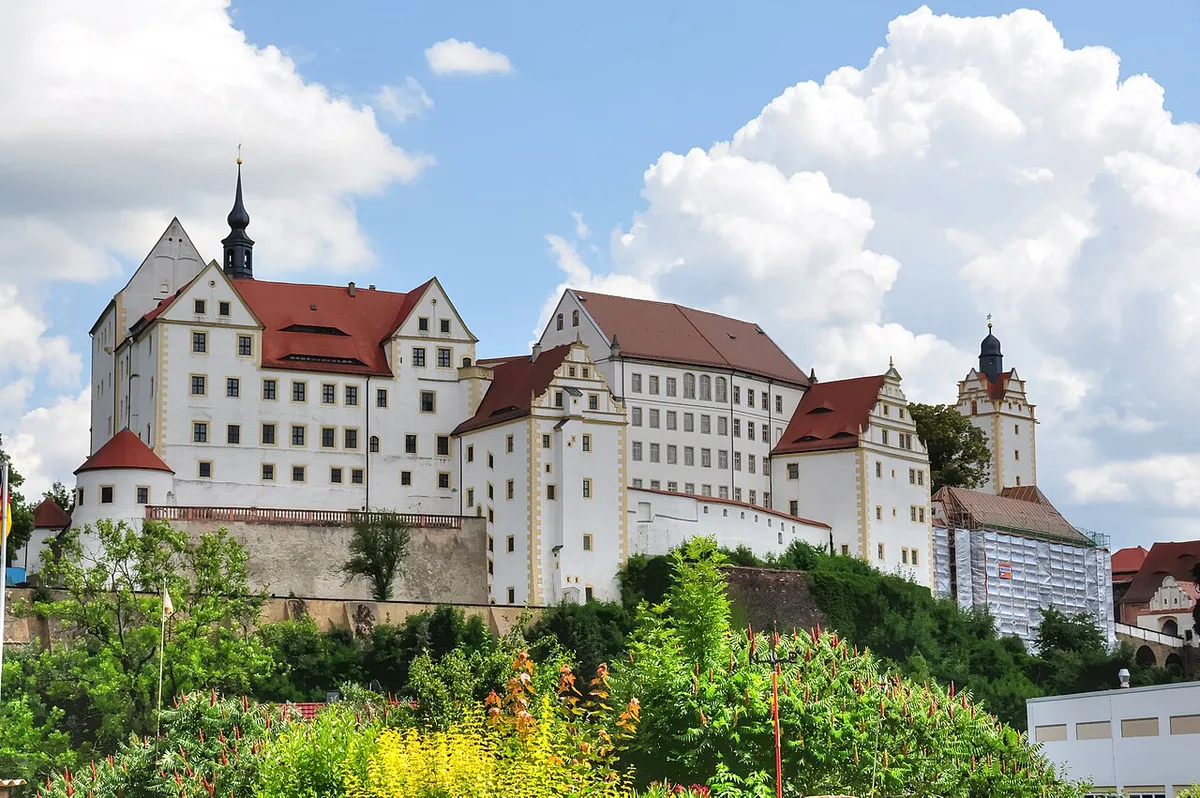
- Pick Colditz if you want a single, contained story about captivity.
- Pick Peenemünde if military technology and rockets interest you.
- Pick Hürtgen Forest, Remagen or the Siegfried Line if you want the Western Front.
- Pick Seelow Heights if you want the final battle for Berlin.
- Pick Wewelsburg or Obersalzberg if you want to understand Nazi ideology and image-making.
- Pick Prora if you want an unfinished project and a lighter day.
- Pick Hamburg if you want the air war and city rebuilding.
- Choose documentation centres over memorial sites for younger or sensitive visitors, and read each site's own guidance first.
Camps, cemeteries and bombing remembrance
Concentration camp memorials are places of mourning, not attractions to rank. Near Berlin, Sachsenhausen in Oranienburg opened in 1936, and Ravensbrück near Fürstenberg/Havel was the largest camp mainly for women. Other former camps, including Dachau and Buchenwald, are covered elsewhere. Visit with time and quiet, and follow each memorial's own conduct rules. War graves deserve the same respect, and the Volksbund Deutsche Kriegsgräberfürsorge cares for German war cemeteries abroad and at home. Our guide to German War Cemeteries: Visiting, Finding Graves, Etiquette explains how to visit them quietly. For city bombing, read about Dresden's bombing and rebuilding alongside Hamburg.
Planning a WW2 trip through Germany
Group sites by region to avoid backtracking. In Berlin you can add Potsdam, where leaders of the United States, Britain and the Soviet Union met at Cecilienhof Palace from 17 July to 2 August 1945. Seelow Heights and Sachsenhausen also fit day trips from the capital. A Baltic loop links Peenemünde and Prora, with Hamburg as a rail-friendly northern stop. The Eifel and Rhine stops are easier with a car, so check regional rail timetables before you decide. Leipzig's 1813 monument, covered in Leipzig's 1813 monument, is not a WWII site, so leave it off a wartime itinerary. Start with the Baltic coast or the Western Front, whichever matches your interest, and add the rest as time allows.
Mistakes to avoid and visitor etiquette
Most problems come from over-packing days and from expecting more than a site holds.
- Do not stack several heavy sites into one day.
- Do not expect remains where only a plaque or a view exists.
- Check opening days on each official site before travelling.
- Keep photography respectful and follow posted rules at memorials.
- Avoid souvenirs or poses that glorify the regime.
Berlin: the essential WWII sites in one base city
Berlin is the best starting point if you want government, persecution, resistance and the war’s aftermath in one city. Begin at the Topography of Terror, on the former SS and Gestapo headquarters site. Admission is free, and allow about 2 hours for the permanent exhibition and outdoor remains.
Continue to the Memorial to the Murdered Jews of Europe. Its field contains 2,711 concrete stelae, while the underground information centre gives individual victims and families a human scale. The Führerbunker site is nearby, but expect only an information panel rather than an interior or museum.
Add the German Resistance Memorial Center for opposition to the regime. The Reichstag dome is useful for placing the battle for Berlin in the modern city, but advance registration is required. Keep Checkpoint Charlie and the Berlin Wall separate in your planning: they are chiefly Cold War sites.
For the divided Germany that followed, see our guide to Cold War sites, from Point Alpha to Marienborn.
Explore More Guides
Keep planning your trip with these guides.
Guides
- Colditz Castle: WW2 POW Camp, Tours and Getting There
- History, Tickets and Planning
- Prora Guide
- Hürtgen Forest
- Remagen Bridge: What Remains, Museum & Visiting Guide
- Siegfried Line (Westwall) Today
- Seelow Heights: Visit the 1945 Battlefield from Berlin
- Wewelsburg Castle
- Obersalzberg Documentation Center: Hours, Access & Visit Guide
- Hamburg WW2 Sites: Flak Tower, Memorials & What's Worth Visiting
- Dresden WW2: Bombing History & Sites to Visit Today
- German War Cemeteries: Visiting, Finding Graves, Etiquette
- Monument to the Battle of the Nations, Leipzig
Keep planning
Guides on the same trip