Remagen Bridge: What Remains, Museum & Visiting Guide
The Ludendorff Bridge at Remagen is a ruin, not a crossing. See what remains, the Peace Museum, how to get there and whether it is worth the trip.
In this guide
Last updated November 2026: the Remagen Bridge is a ruin, not a crossing you can walk. US forces captured the Ludendorff Bridge largely intact on 7 March 1945, and it collapsed on 17 March. Two stone towers survive on the Remagen bank and hold the Friedensmuseum Brücke von Remagen.
Featured image: Jedihanky, CC0, via Wikimedia Commons.
Remagen Bridge at a glance
Nothing spans the Rhine at this spot today. What remains is a set of towers, a museum and a riverside setting for reflection. After its capture the bridge stood for only ten days. Visitors who expect a walkable crossing leave disappointed, so set that expectation first.
- Captured: 7 March 1945, by the US 9th Armored Division of the US First Army.
- Collapsed: 17 March 1945, when 28 American engineers died.
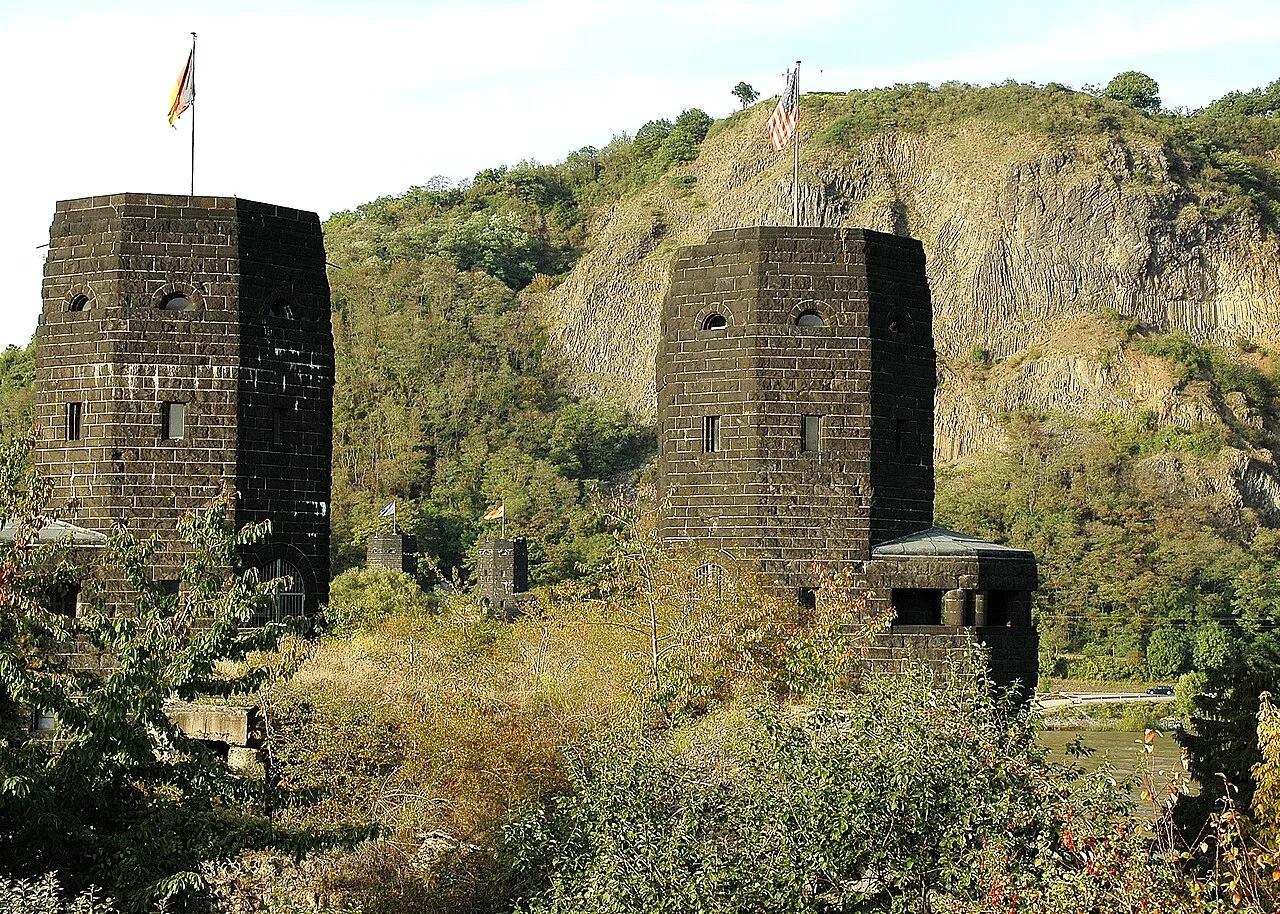
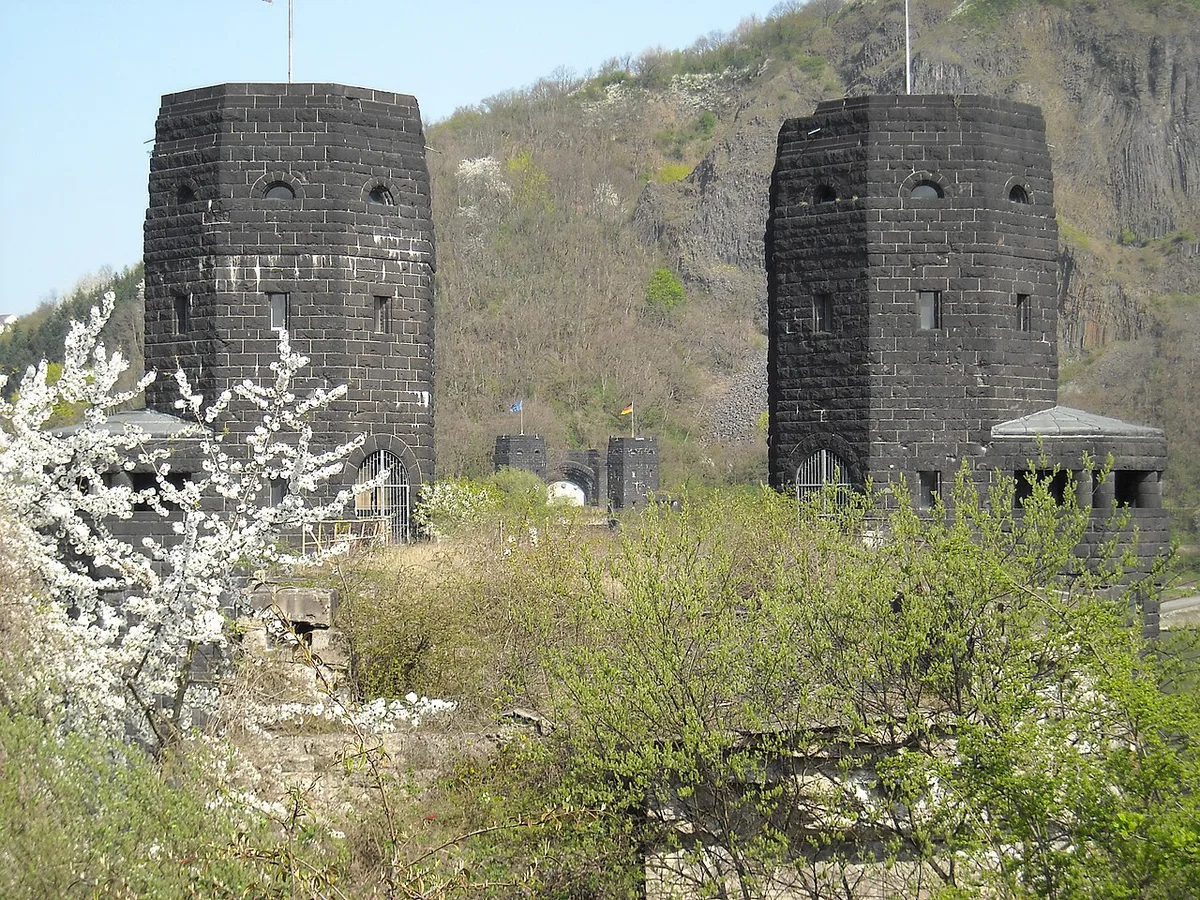
- Surviving: stone towers on the Remagen bank, which house the Friedensmuseum.
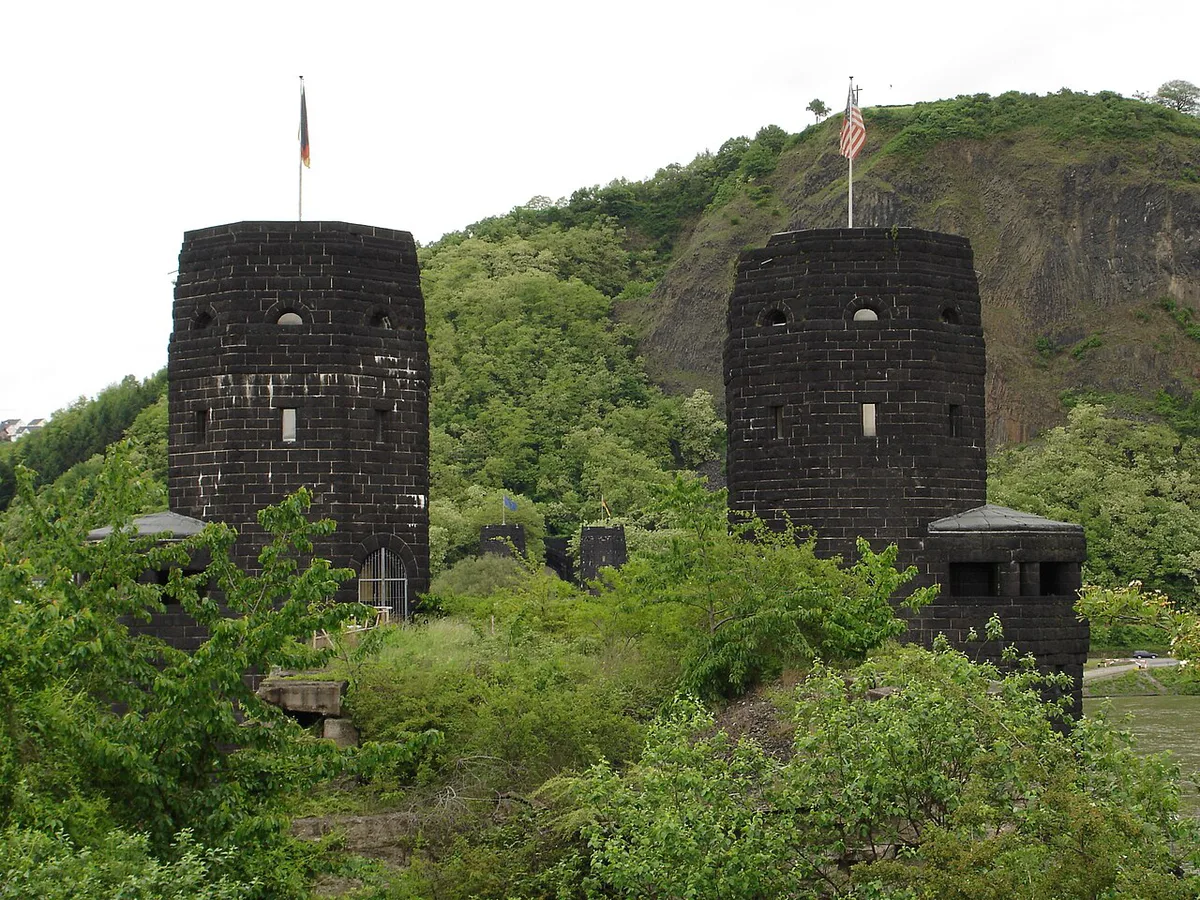
- Opposite bank: towers also remain on the Erpel side.
- Best for: readers of Western Front history and anyone following the Rhine.
- Core visit: roughly 1–2 hours at the museum.
What happened in March 1945
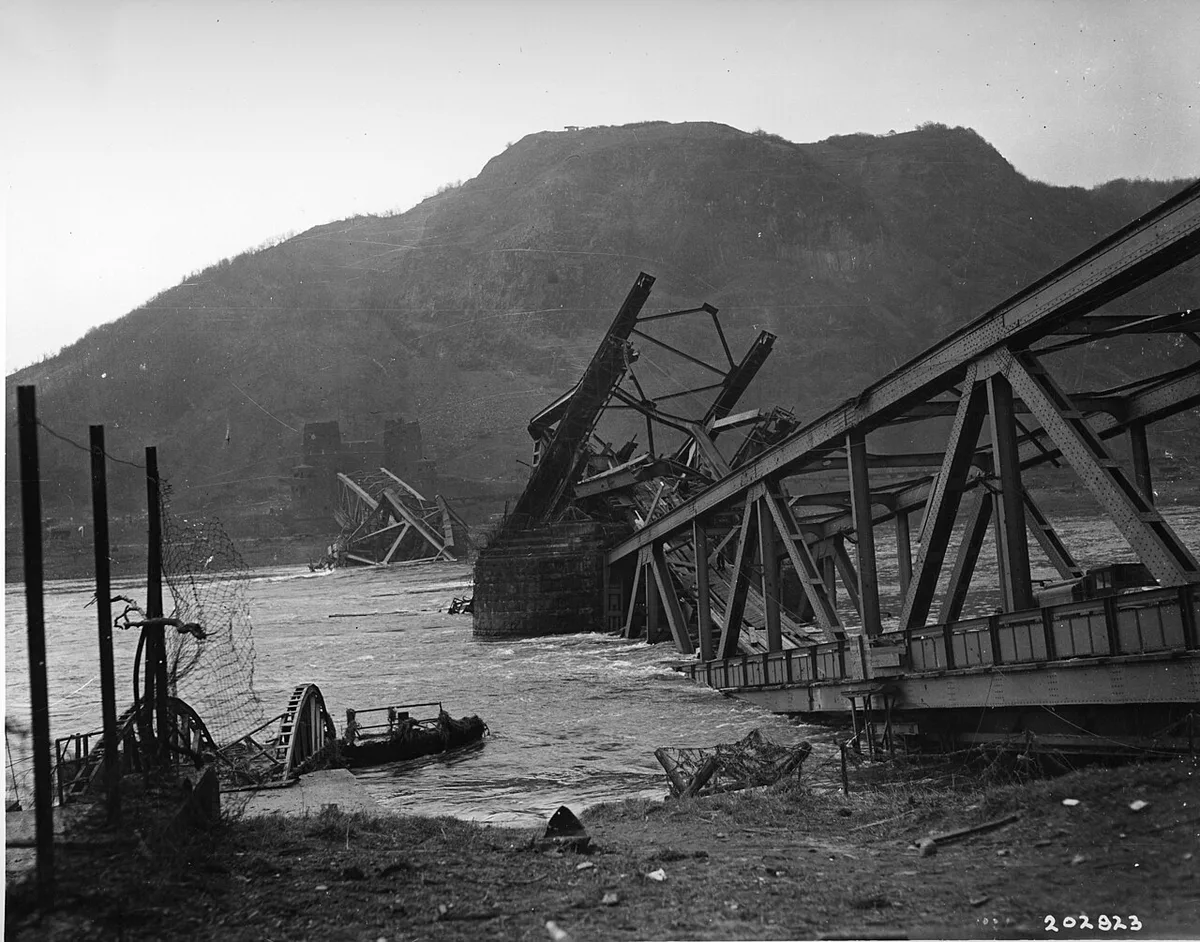
Retreating German forces had demolished most Rhine bridges by early 1945. At Remagen, the demolition charges failed to bring the Ludendorff Bridge down. On 7 March 1945, scouts of the US 9th Armored Division found it still standing. Combat Command B seized it, and troops began crossing to the east bank.
Engineers worked to keep the bridge usable while it came under repeated attack. Ten days later, on 17 March 1945, it collapsed and 28 American engineers were killed. By then pontoon bridges were in place, so the Allies kept their bridgehead. Those 28 deaths are why the site is a place of remembrance as well as a military story.
Months of fighting led to this moment. Our guide to the Siegfried Line (Westwall) Today: What Remains and Where to Visit covers the border defenses that preceded it. A separate page on the Hürtgen Forest covers one of the costly autumn campaigns.
Why the Ludendorff Bridge Fell Into American Hands
The railway bridge was built during the First World War, partly to move troops and supplies west, and was named after General Erich Ludendorff. In March, German defenders had wired it for demolition and tried to blow it as the Americans closed in. One blast damaged the approach, and a later charge shook the structure, but the span stayed standing. Explanations for the failure differ, so be wary of any account that gives a single certain cause.
The first men across
Infantry of Company A, 27th Armored Infantry Battalion, led the rush under fire. Lieutenant Karl Timmermann commanded the company, and Sergeant Alexander Drabik is credited as the first American soldier to reach the east bank. Brigadier General William Hoge, who led Combat Command B, took the decision to seize the chance and push troops over.
German efforts to destroy it
Germany then tried to knock out the crossing with artillery, air raids that included Arado Ar 234 jet bombers, and V-2 rockets. Swimmers carrying explosives were also sent against the Rhine crossings. The failure had consequences for German officers too: a hastily convened military court sentenced five to death, and four were executed. The fifth, Captain Willi Bratge, had been captured by the Americans and was sentenced in his absence.
Remagen is remembered for a bridge seized by ground troops who found it standing. For contrast, read about Pegasus Bridge, taken in a planned British glider assault, and Arnhem Bridge, where British airborne troops could not hold out until relief arrived. For more background on the Rhine span, see the Ludendorff Bridge overview on Wikipedia.
What you can see today
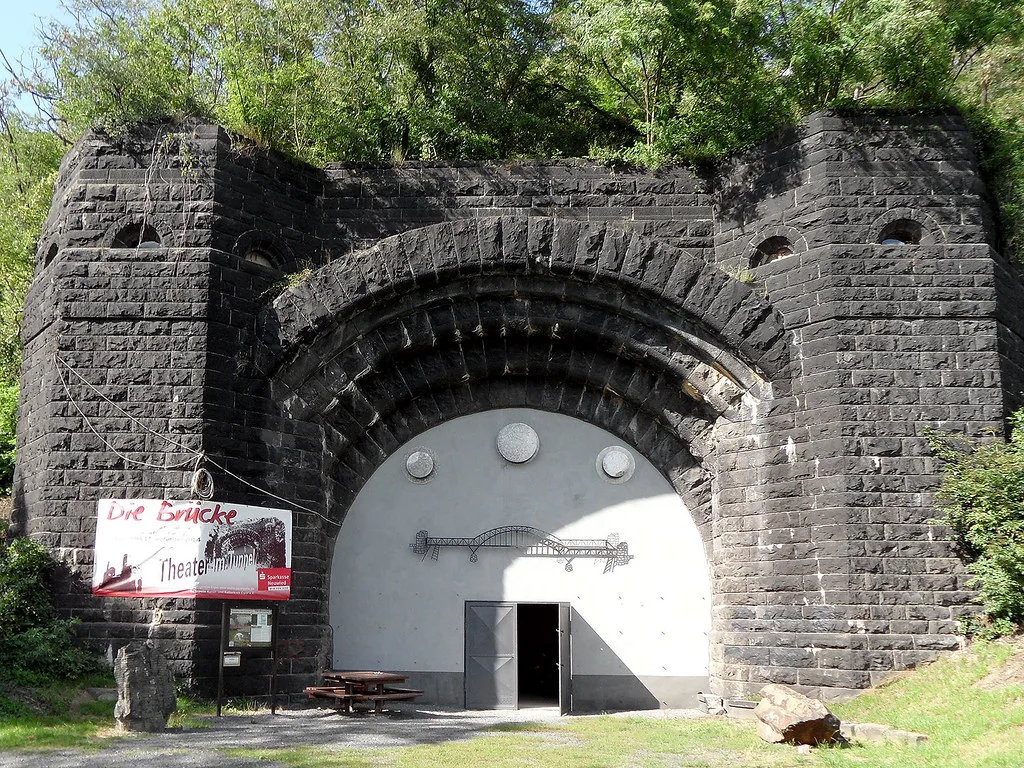
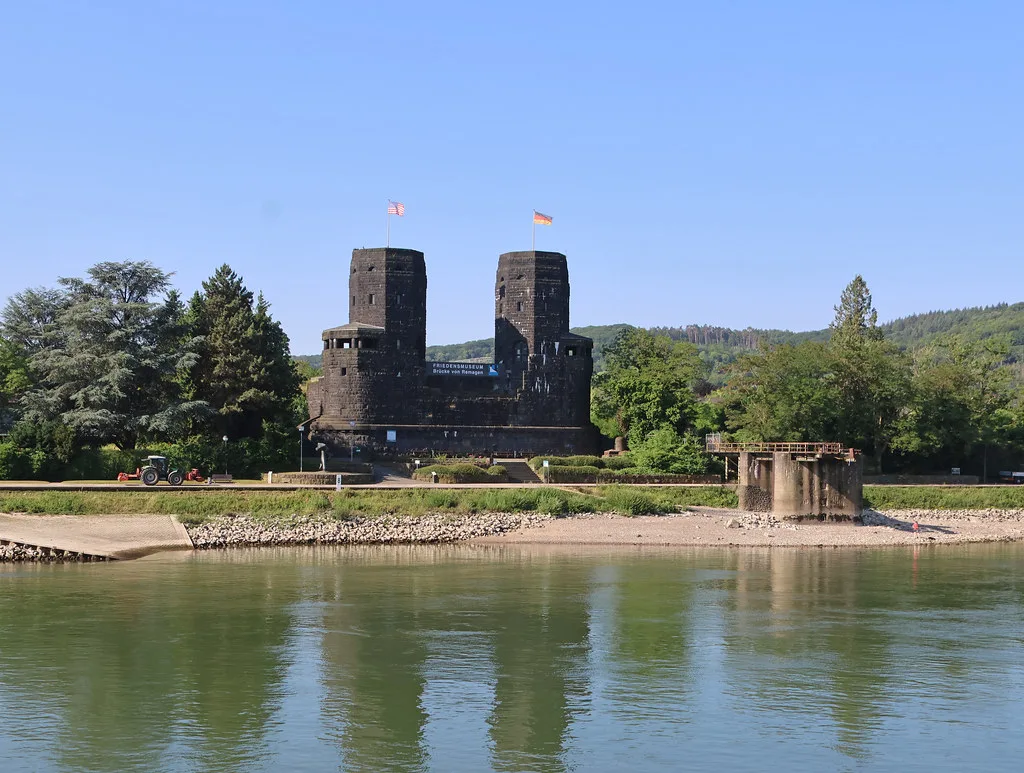
Two surviving towers stand on the Remagen bank of the Rhine. They house the Peace Museum, which uses artifacts, photographs and documents to tell the story of the bridge and the battle. Its stated theme is peace, and the tone inside is sober.
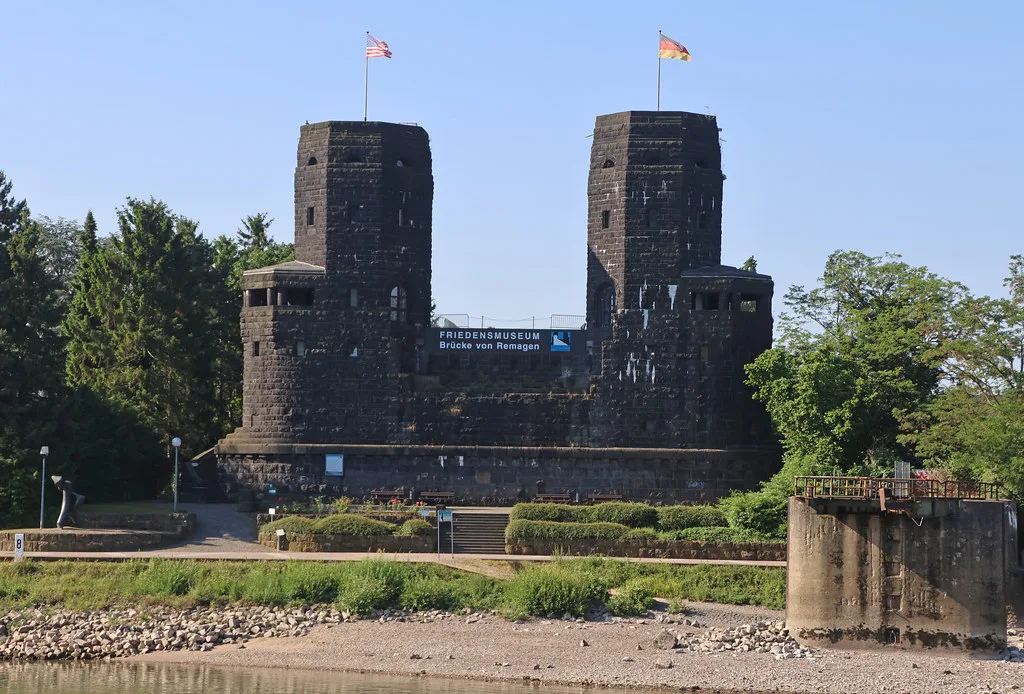
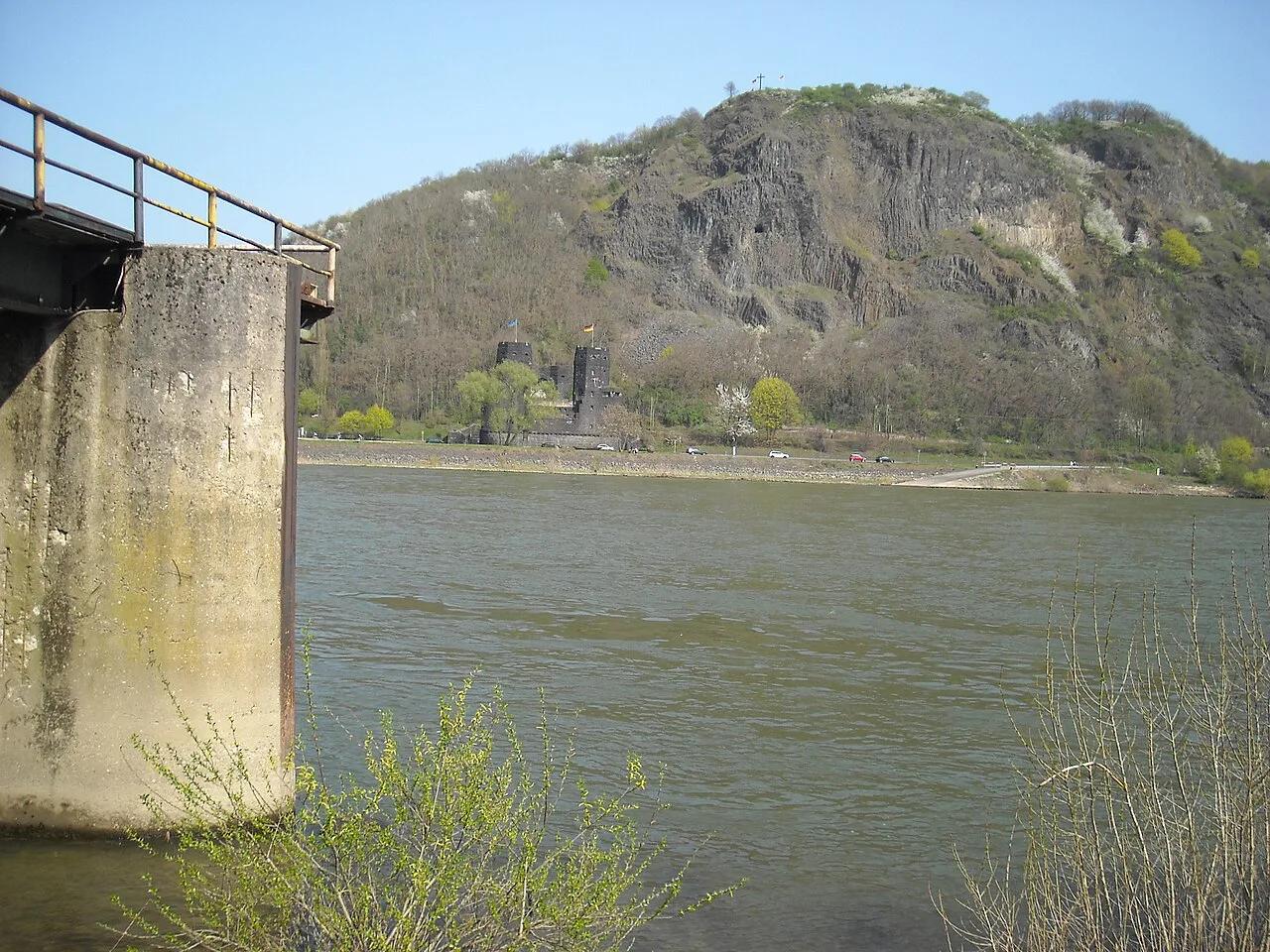
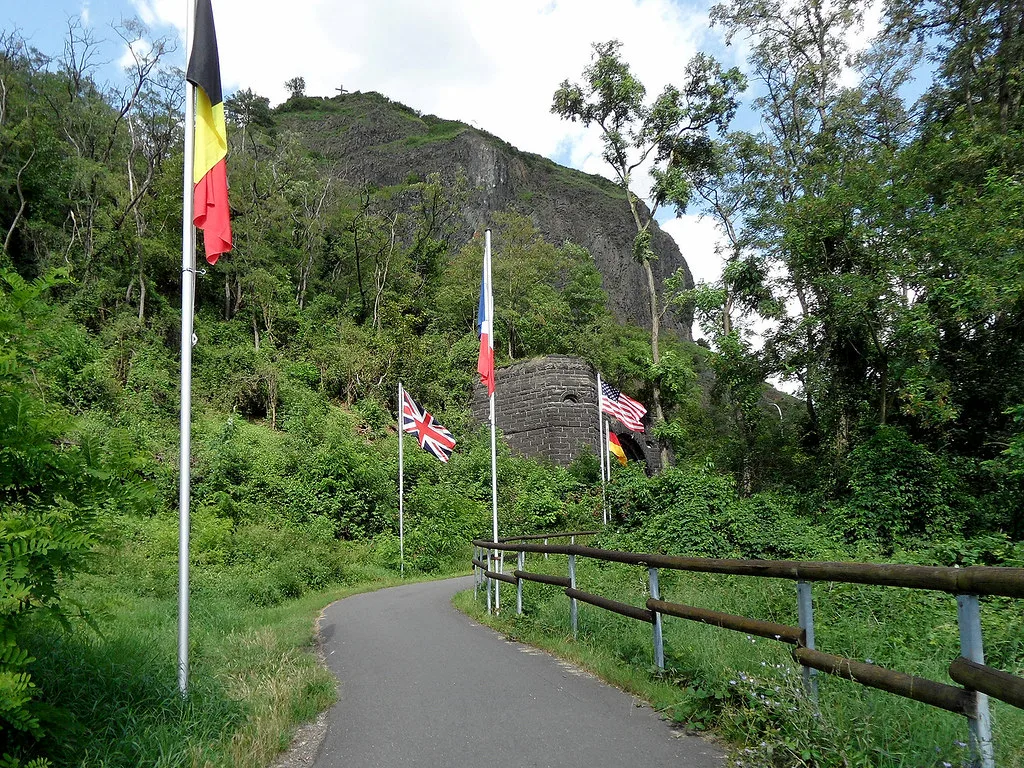
Towers also remain on the opposite Erpel bank. Seen from the Remagen side, they show how wide the span once was. Walk the riverside promenade for the same view with the water in front of you. Check the museum's site before assuming that any part of the Erpel towers is open to visitors.
Is the Remagen Bridge worth the trip?
It is worth it if you want to stand where the Rhine crossing happened and read the primary story. It is not worth a long detour if you want a large site with many sights. Use the table to match your own plans.
| Visitor type | Time needed | Verdict |
|---|---|---|
| History reader | 1–2 hours at the museum, plus riverside time | Worth it; the core reason to come |
| Day-tripper from Cologne or Bonn | Half a day with travel | Worth it as a focused stop |
| Rhine cyclist | A short stop beside the route | Good break; the museum adds time |
| Family with young children | Under 1 hour outdoors, longer indoors | Depends on interest; the river walk is the easy part |
| Bus tour | One scheduled stop | Fine for the towers; the museum may feel rushed |
| Visitor wanting a walkable bridge | Not applicable | Skip; the bridge no longer exists |
Tickets, opening hours and accessibility
Ticket prices, opening days, seasonal hours and accessibility details change from year to year. Use the museum's official site for current information, including group visits.
Getting there and getting around
Regional trains link Remagen with Cologne, Bonn and Koblenz. Check Deutsche Bahn for current timetables, because services vary by day. From Remagen station you reach the riverside on foot. Driving works too, but parking in a small town can be tight on busy weekends.
Most visitors do this as a day trip from Cologne or Bonn. Stay in Remagen only if you are cycling the Rhine or want a slower pace. Because the bridge is gone, plan your crossing to Erpel using local transit information rather than assuming a quick walk.
Planning your time
Allow 1–2 hours for the museum and the towers. Add time for the promenade, then decide whether Erpel or a Rhine cycle segment fits your day. Start with the museum so the river view makes more sense afterward. Treat the site quietly, as the museum's peace theme asks.
Day-trippers from Cologne or Bonn budget half a day with travel, and the museum itself takes 1–2 hours.
- Mistake to avoid: arriving without checking opening days on the museum's site.
- Mistake to avoid: expecting a bridge to walk across.
- Mistake to avoid: leaving too little time to read the exhibits.
- Mistake to avoid: planning to cross to Erpel on foot without checking the route.
More WWII sites in Germany
Our guide to WWII sites in Germany places Remagen within the wider campaign. For remembrance, see the page on German War Cemeteries: Visiting, Finding Graves, Etiquette. The Volksbund cares for German war graves. A longer trip east could include Seelow Heights: Visit the 1945 Battlefield from Berlin, which belongs to a different phase of the war.
The Bridge at Remagen Film: Fact, Fiction and Locations
The Bridge at Remagen is a war film directed by John Guillermin, with George Segal, Robert Vaughn and Ben Gazzara. It takes its title from the book by Ken Hechler, who served as a US Army combat historian. If you watch it before your visit, treat it as a drama built around a real event.
- Grounded in history: the American race to the Rhine, the German plan to demolish the bridge and the surprise of finding it still standing.
- Dramatized: characters, personal conflicts, dialogue and the staging of the action. Don't use the film to identify who did what on the day.
- Not filmed in Remagen: the bridge scenes were shot in Czechoslovakia, at Davle on the Vltava River south of Prague. The Warsaw Pact invasion interrupted the production.
This matters when planning a trip: don't expect the riverbanks or town in the film to match what you see on the Rhine. To connect the screen version with the real site, compare its picture of the crossing with the museum's photographs and documents. Look at the surviving towers and the high ground across the river at Erpel, which give you the actual setting of the assault.
Frequently Asked Questions
Is Remagen worth visiting?
Yes, if you care about the final campaign in the West. Expect towers, a museum and a river view, with 1–2 hours at the core site. Skip it if you want a bridge to walk or a full-day attraction.
Is The Bridge at Remagen based on a true story?
The title refers to the real capture of the Ludendorff Bridge on 7 March 1945. Films and books dramatize events, so use the museum for the documented account.
Keep planning
Guides on the same trip