
Pegasus Bridge Visit Guide: History, What to See and Planning
A visitor guide to Pegasus Bridge in Bénouville: the D-Day glider assault, what to see today, and how to fit it into a Normandy route.
In this guide
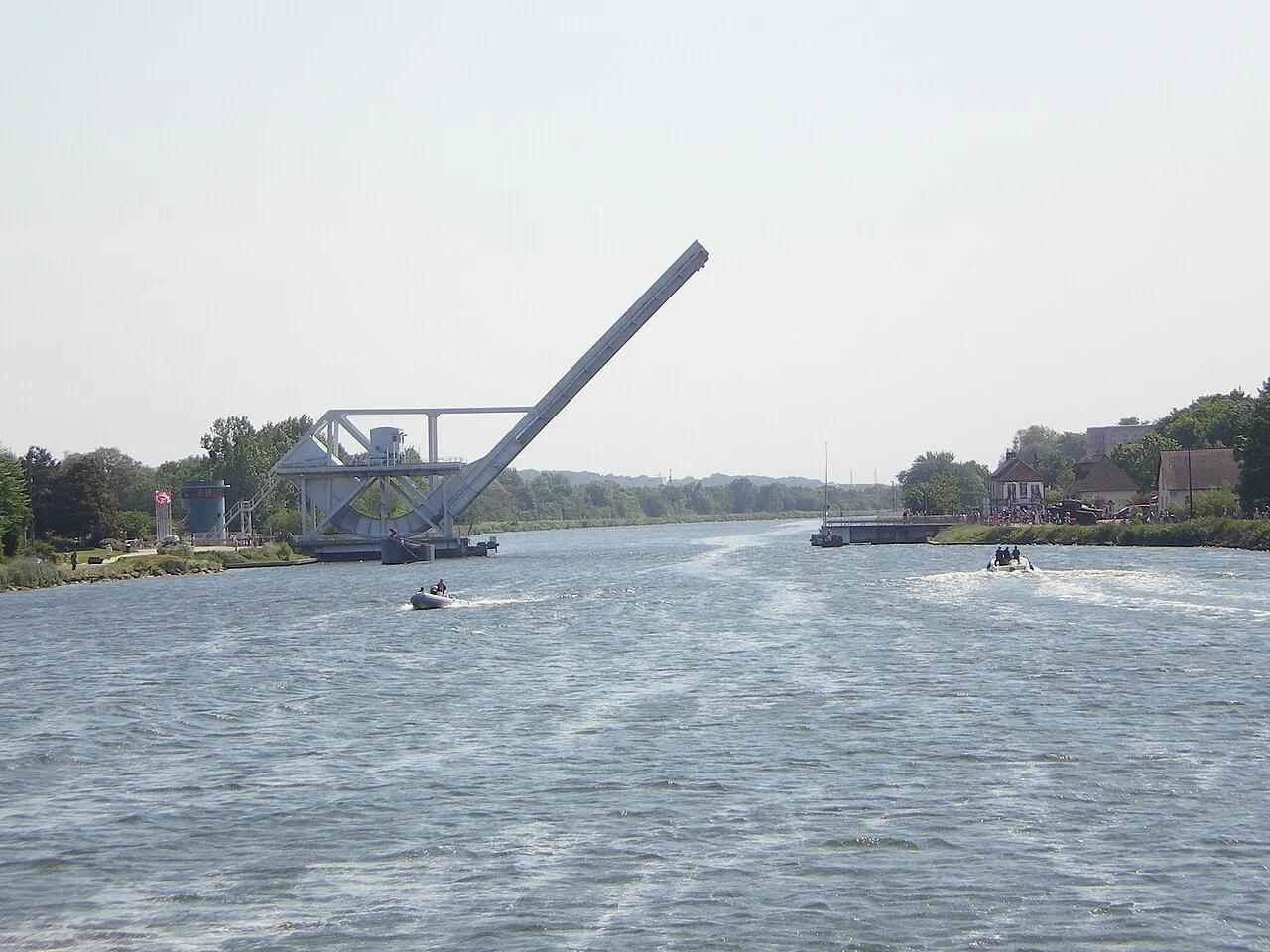
Last updated November 2026: Pegasus Bridge crosses the Caen canal at Bénouville and was seized by British glider troops of the 6th Airborne Division in the early hours of June 6, 1944. You can visit it today, and it works best as a short stop in the airborne sector east of the beaches. This guide covers what to see, how to pair it with other sites and who can skip it.
Featured image: Rundvald, Public domain, via Wikimedia Commons.
What Pegasus Bridge Is and Why It Mattered
Pegasus Bridge is also called the Bénouville Bridge, after the neighbouring village. It was a main objective of Operation Deadstick, part of Operation Tonga, alongside the Ranville bridge near the Orne. A unit of the British 6th Airborne Division, commanded by Major John Howard, was to land by glider, take the bridges intact and hold them until relieved. The name comes from the flying-horse Pegasus shoulder emblem worn by British airborne forces. Accounts commonly date the renaming to 1945.
The Night of 5–6 June 1944, in Brief
Gliders carrying Howard's troops landed near the crossings in the opening minutes of D-Day on June 6, 1944. Their orders were to capture both bridges intact. Holding them helped limit the German counter-attack on the eastern flank in the days and weeks that followed. That outcome is why the bridge became a lasting symbol for airborne forces. Fuller accounts of the assault belong to the museum exhibits and unit histories, so this page stays with the visit.
What to See at Pegasus Bridge Today
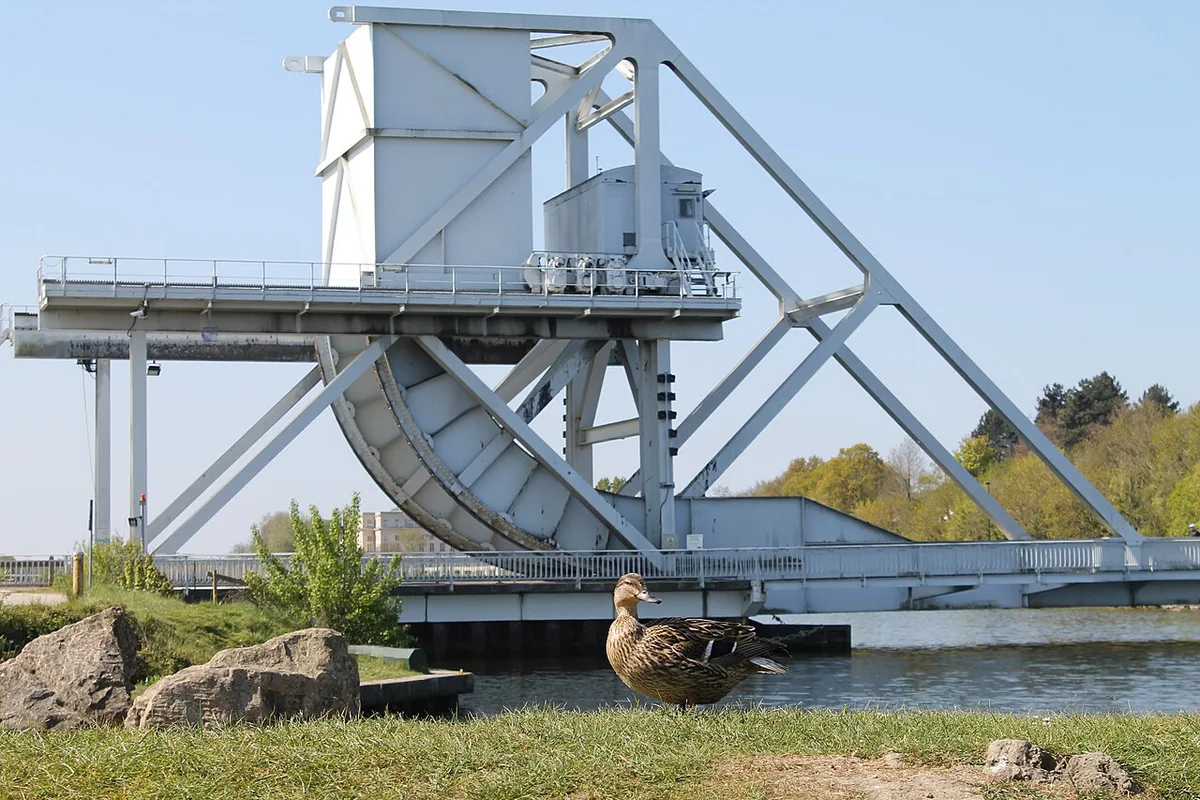
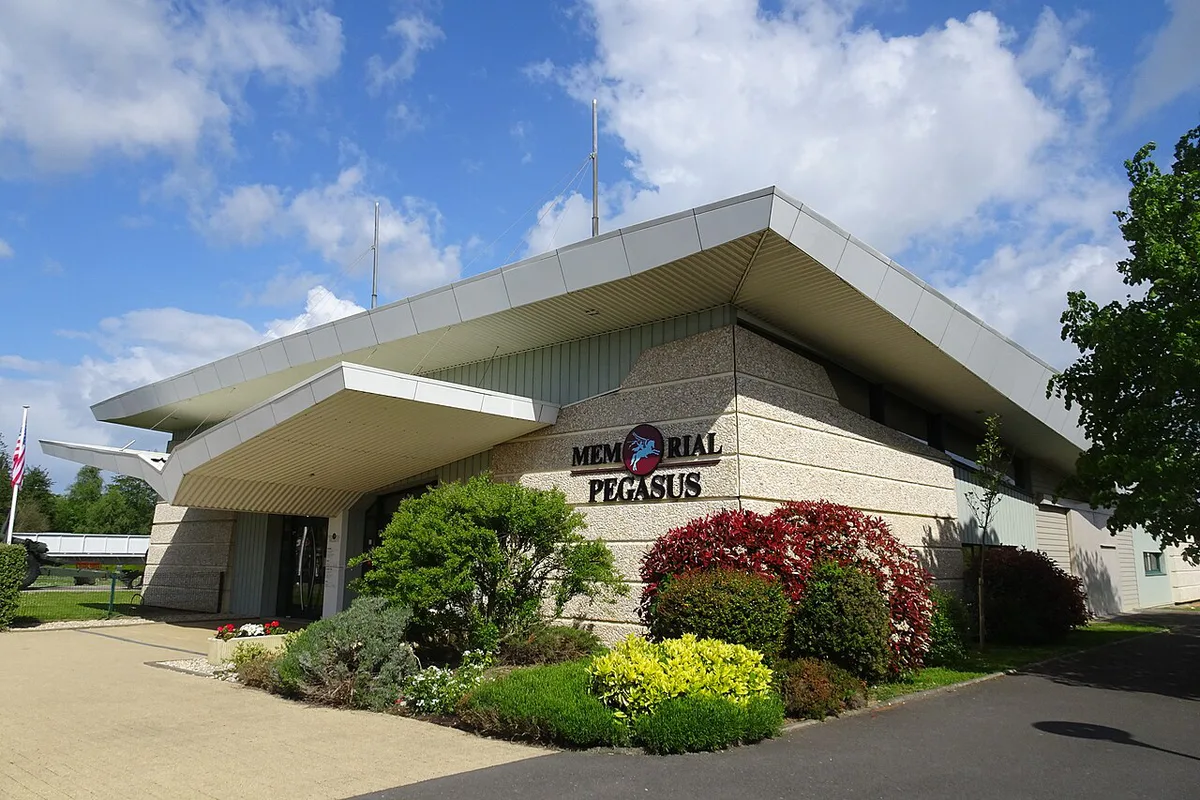
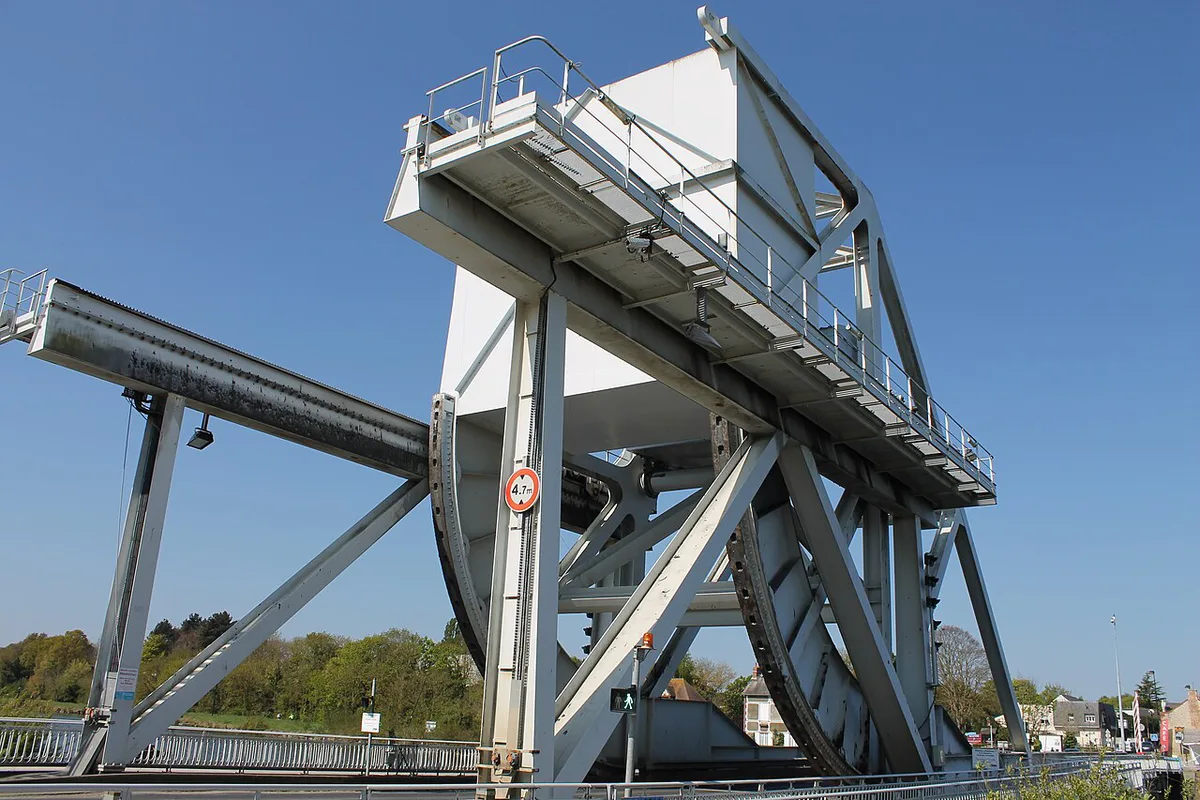
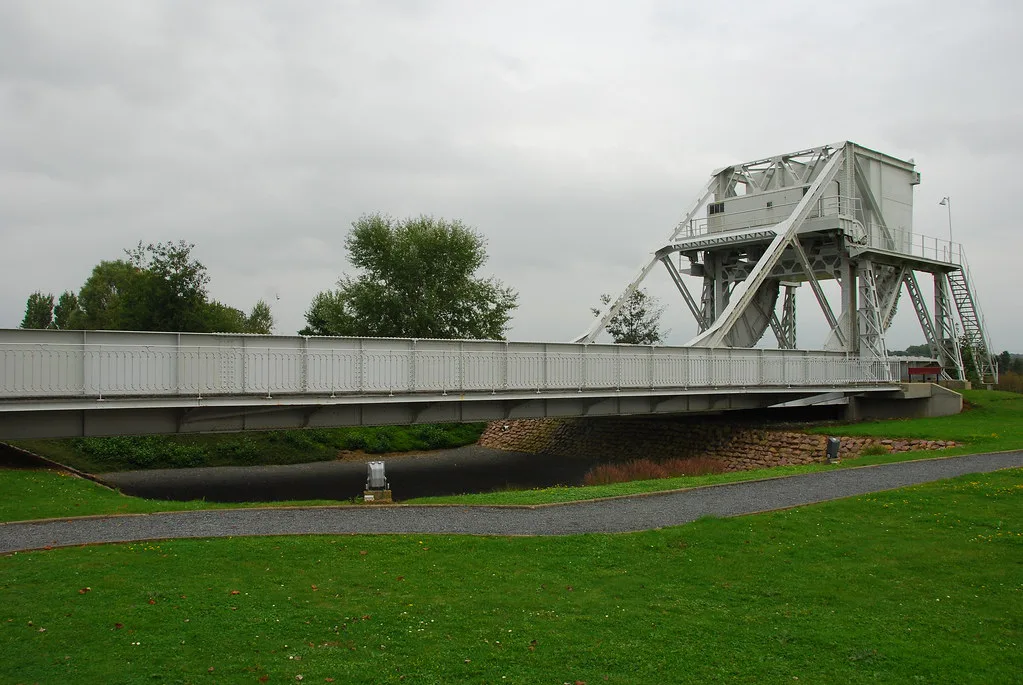
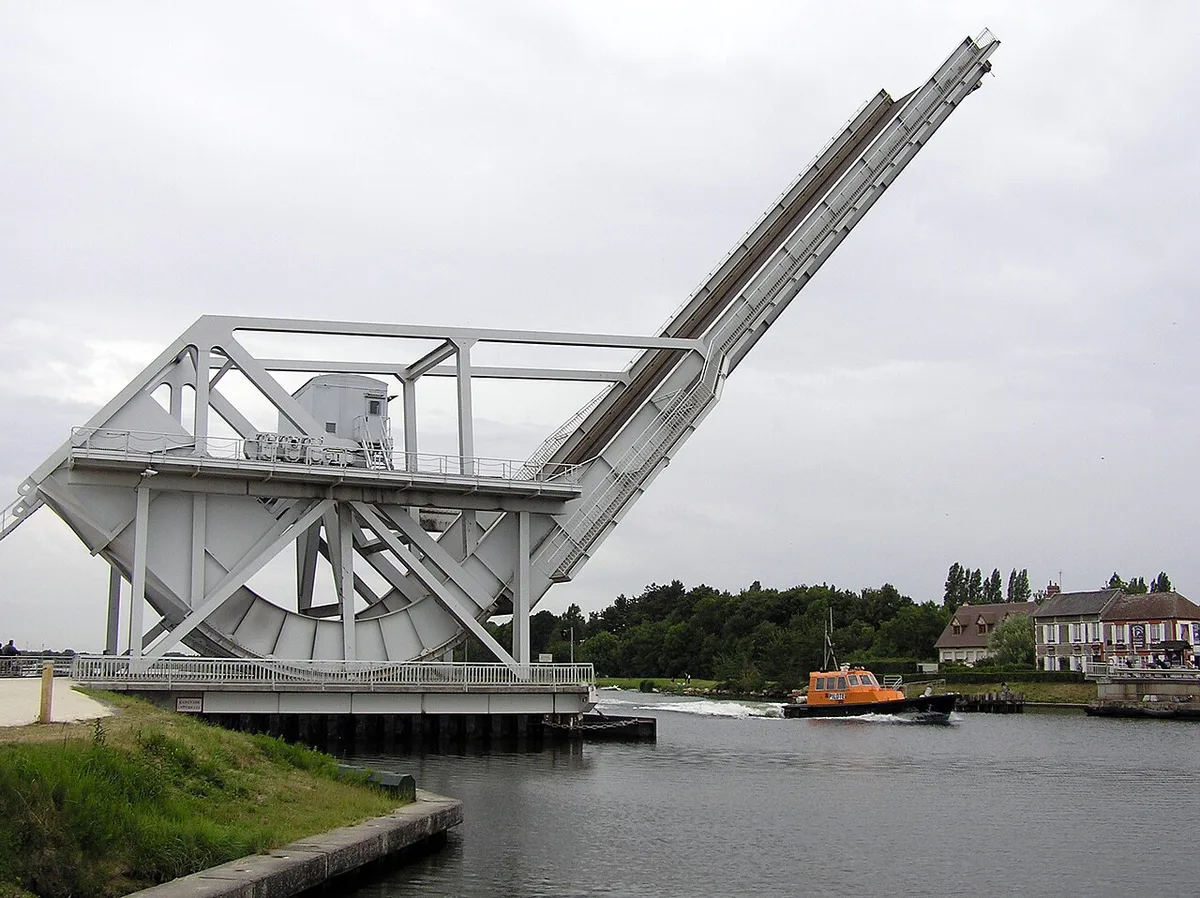
Most visitors combine three things in one stop: the bridge, the memorial museum and Café Gondrée. The Mémorial Pegasus official site describes the museum and its exhibits. The original bridge has been replaced, and the original span is displayed nearby. Check which bridge you are standing on before you photograph it. Plan for a compact stop rather than a large site.
Glider Markers, Café Gondrée and Details Not to Miss
The ground beside the crossing helps explain the assault. Know which side of the fence or road each of these is on, because the outdoor memorials and the museum collection are separate parts of a visit.
- Glider landing markers: on the east side of the canal, markers show where Howard's gliders came to rest. Stand by them and look toward the water to see how close to their objective the pilots landed. A bust of John Howard is in the same area.
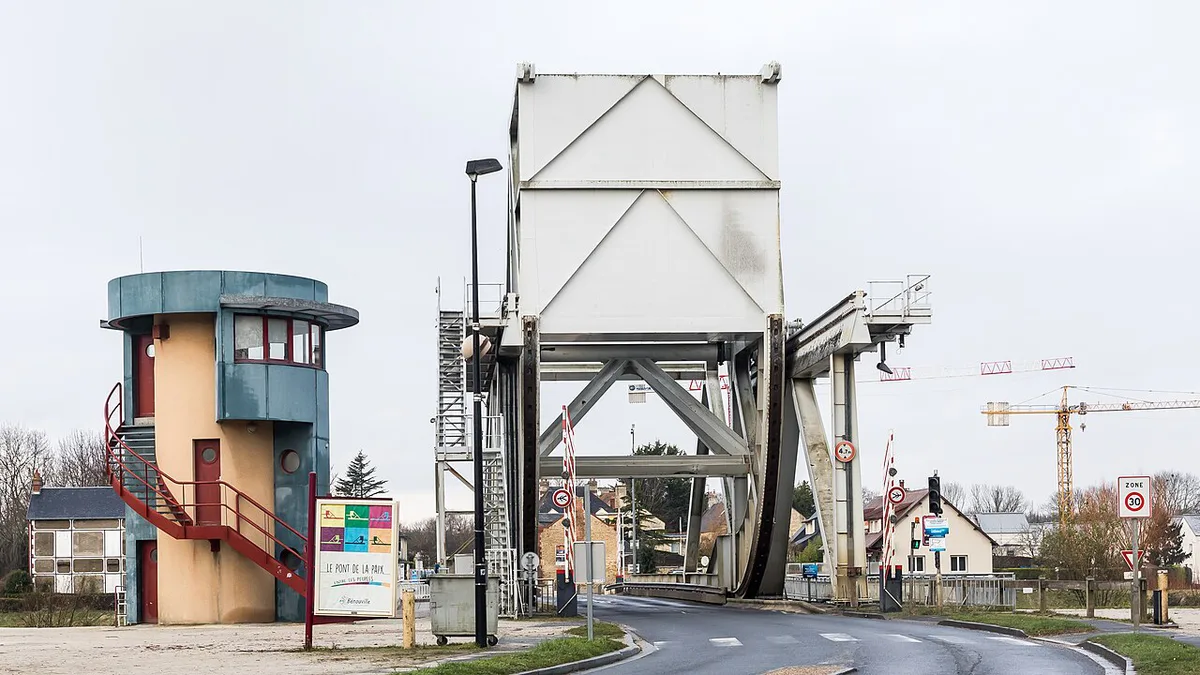
- The original span: the bridge carrying traffic today dates from the 1990s. It resembles its predecessor but is larger. On the older span in the museum grounds, look for surviving battle damage.
- Horsa glider replica: the museum grounds include a full-size reconstruction of the type of glider used in the operation. It gives a sense of the cramped, largely wooden aircraft that carried the troops in.
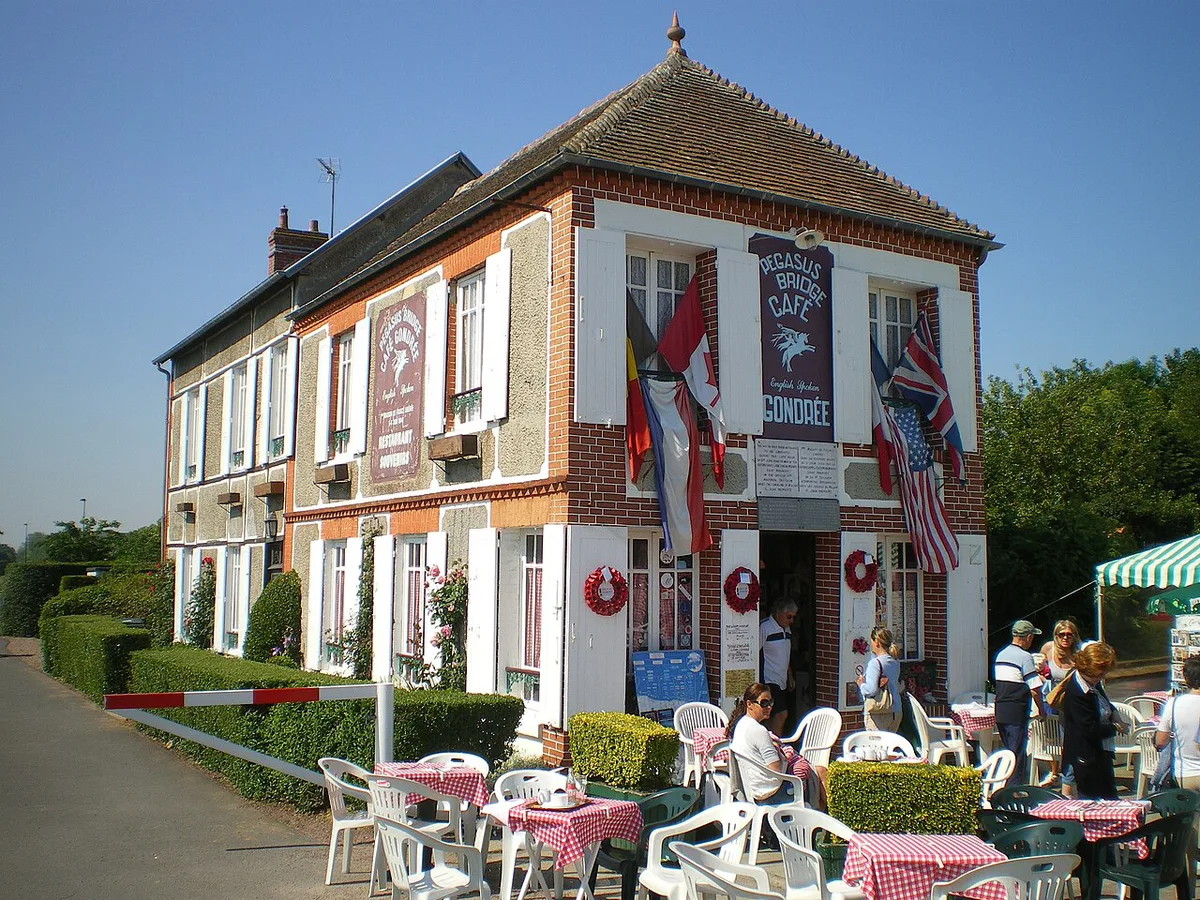
- Café Gondrée: the house stands by the western end of the bridge. The Gondrée family lived there during the occupation, and the café is closely tied to veterans' memories and its claim to be among the first houses liberated in France. It is a private business, so check that it is open before planning a drink or meal around it.
For more on the operation before you go, the Pegasus Bridge overview on Wikipedia gives useful background. If bridge battles are a particular interest, compare this canal crossing with the American airborne fight at La Fière Bridge, elsewhere in Normandy.
Hours, Tickets and Getting There
Opening hours, ticket prices and seasonal closures change, so this page does not quote them. Use the Mémorial Pegasus site above for current figures. For routes from Caen or Ouistreham and for bus or parking information, start with Normandy Tourism.
Pairing It With Other Sites and the Beaches
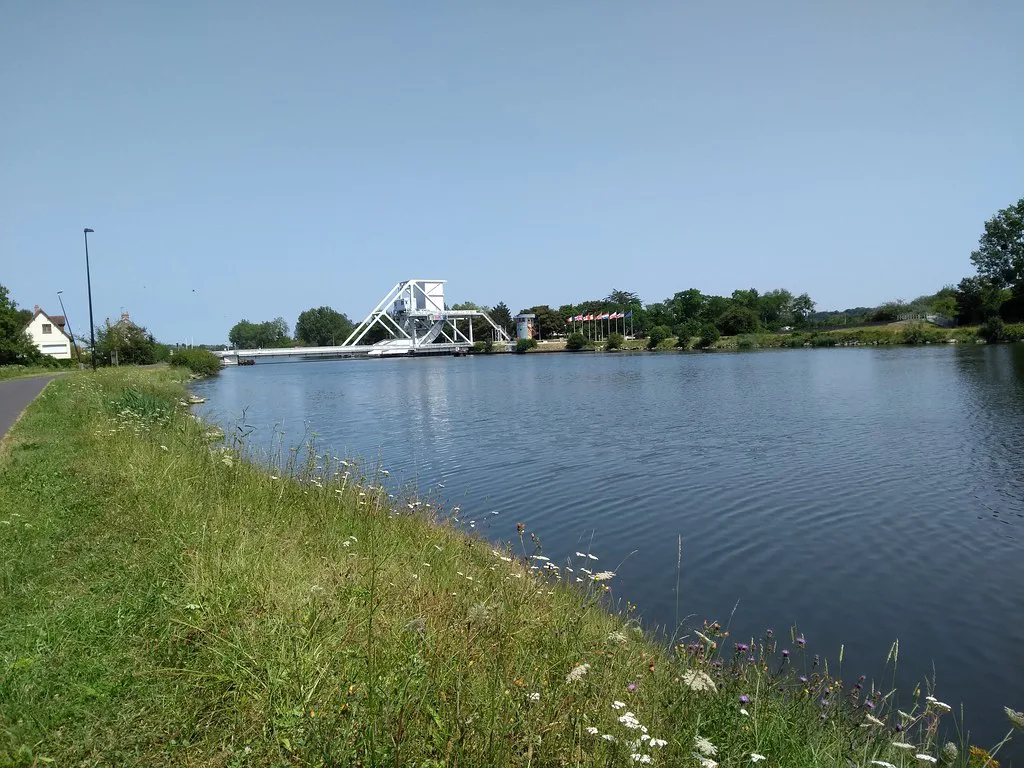
Look east of the beaches for the airborne sector, where Pegasus Bridge stands. The Merville Battery: D-Day History and Visit Planning belongs to the same sector, and its official site lists visitor details. In Ouistreham, the Grand Bunker museum makes a second stop. Our British D-Day sites guide places these stops in the wider campaign. Pegasus Bridge was an airborne objective, not a landing beach. If your day is beach-focused, plan it around 5 Things to See at Juno Beach, Normandy and skip the bridge. For the beach contrast, read Omaha versus Juno.
Budget 30–45 minutes here, then add Merville Battery or the Grand Bunker in Ouistreham for a wider look at the eastern flank.
- Treating the bridge as a landing beach.
- Arriving without checking the museum's current hours.
- Expecting a large site instead of a compact stop.
- Skipping the museum and expecting a full account of the assault.
Horsa Bridge and Ranville: A Short Detour East
Pegasus Bridge was one half of a two-bridge objective. The other crossing, over the River Orne a short distance to the east, became known as Horsa Bridge, after the glider. The wartime structure has been replaced, so go for the geography and the memorial. Seeing both crossings shows why taking only one would not have secured the route between the canal and the land east of the river.
Continue to the village of Ranville for a quieter and more personal part of the story. Ranville War Cemetery, maintained by the Commonwealth War Graves Commission, contains more than 2,000 burials, many connected with the airborne fighting in this area. Lieutenant Den Brotheridge, who led the first platoon across the canal bridge and was fatally wounded in the assault, is buried in the adjoining churchyard rather than among the main cemetery rows. Check both if you are looking for particular graves.
Add this detour on top of your time at Pegasus Bridge and the museum. A car or bicycle gives you the most flexibility. If you plan to walk, check your route and the return journey before setting out. At the cemetery and churchyard, keep voices low and allow for services or commemorations, particularly around the 6 June anniversary.
Travellers following British airborne history beyond Normandy can continue the subject at Arnhem Bridge in the Netherlands, the focus of a separate airborne operation in September 1944.
How Long to Allow at Pegasus Bridge
Allow 30–45 minutes for a focused stop at Pegasus Bridge. This suits visitors who want to see the crossing, view the original span nearby and understand its place in the opening hours of D-Day on June 6, 1944.
Choose a longer visit if you want the museum exhibits to provide the fuller context for Operation Deadstick and the British 6th Airborne Division. Check the Mémorial Pegasus website before travelling, because opening arrangements and seasonal closures can affect whether a museum visit fits your day.
The site works especially well with other airborne-sector stops east of the beaches. Combine it with Merville Battery or the Grand Bunker in Ouistreham if you want a wider picture of the eastern flank. Skip Pegasus Bridge on a tightly timed beach-only day centred on Juno or Omaha. It is not a landing beach, and the visit is most rewarding when the airborne story is part of your plan.
Keep planning
Guides on the same trip






