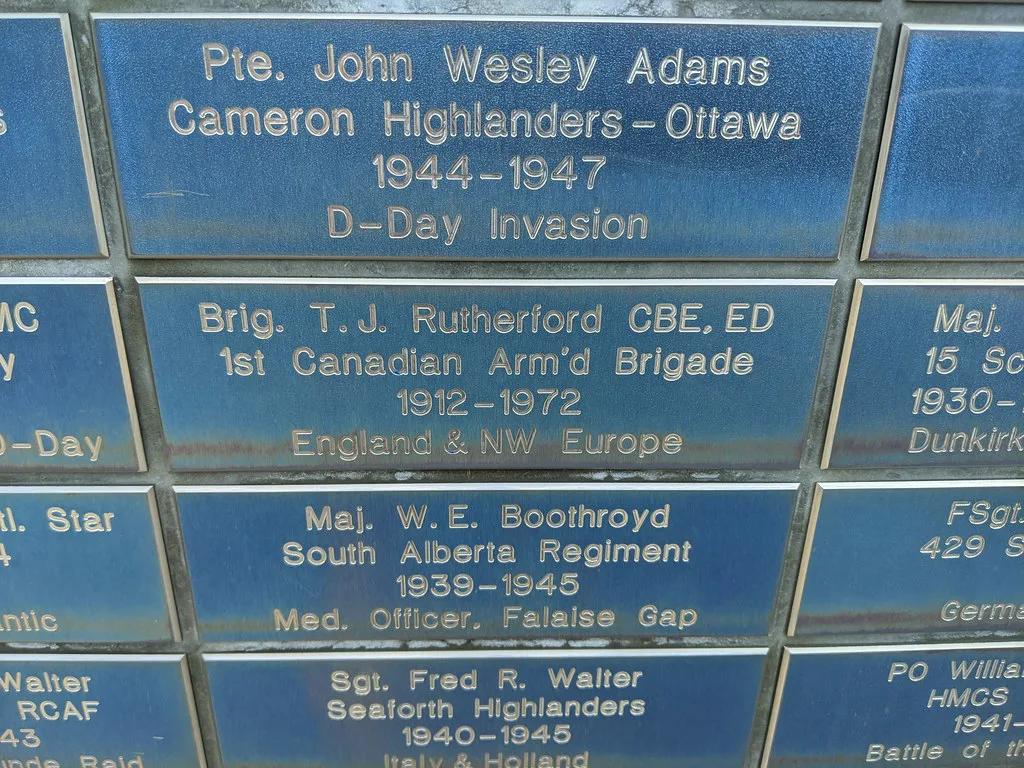
5 Things to See at Juno Beach, Normandy
Plan a visit to Juno Beach in Normandy: five stops in the Canadian D-Day sector, how to split your time, getting there and how it compares with Omaha.

In this guide
Last updated November 2026. Juno Beach was the Canadian landing sector on D-Day, and it centres on Courseulles-sur-Mer on the Normandy coast. This guide covers the Normandy beach, not Juno Beach, Florida. Use it to pick your stops, then follow the links to the detailed pages for each one.
Featured image: Gzen92, CC BY-SA 4.0, via Wikimedia Commons.
Juno Beach at a glance
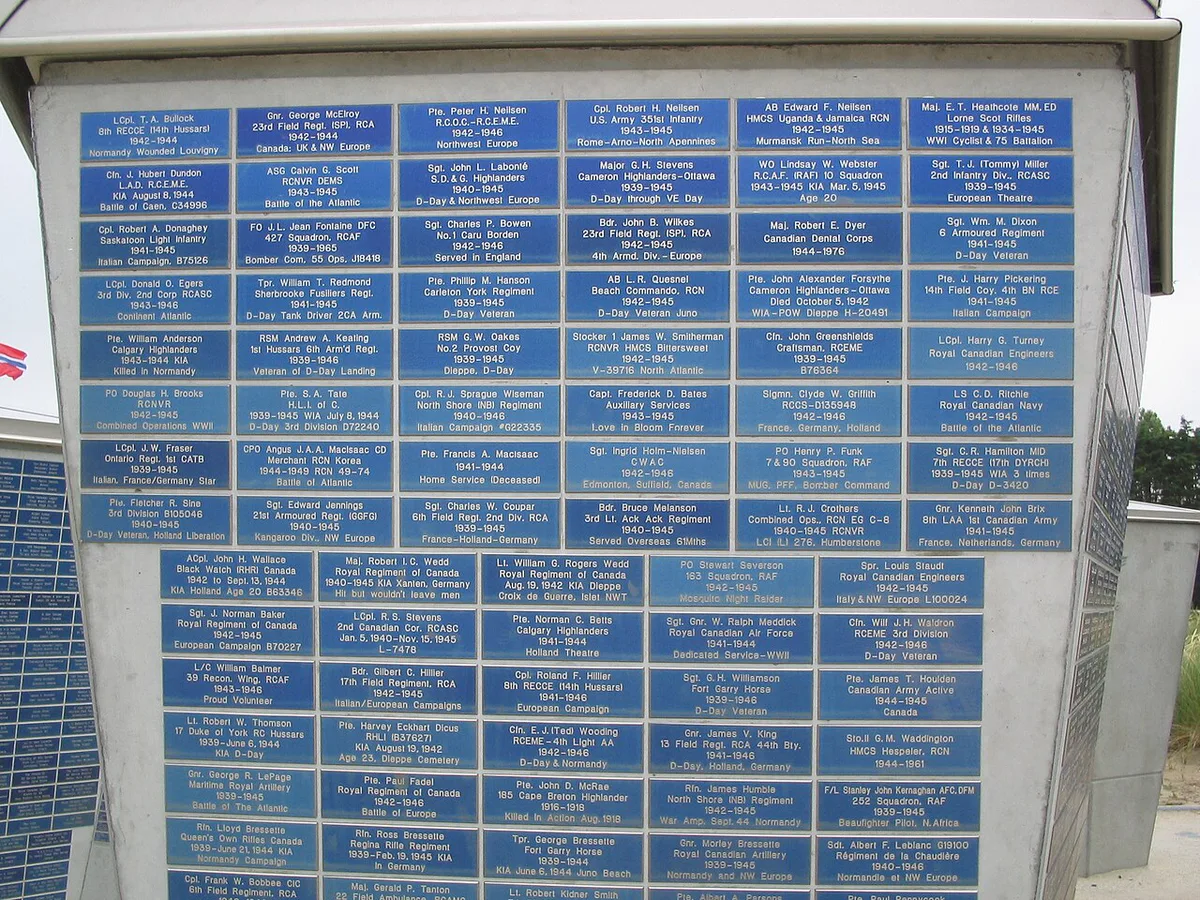
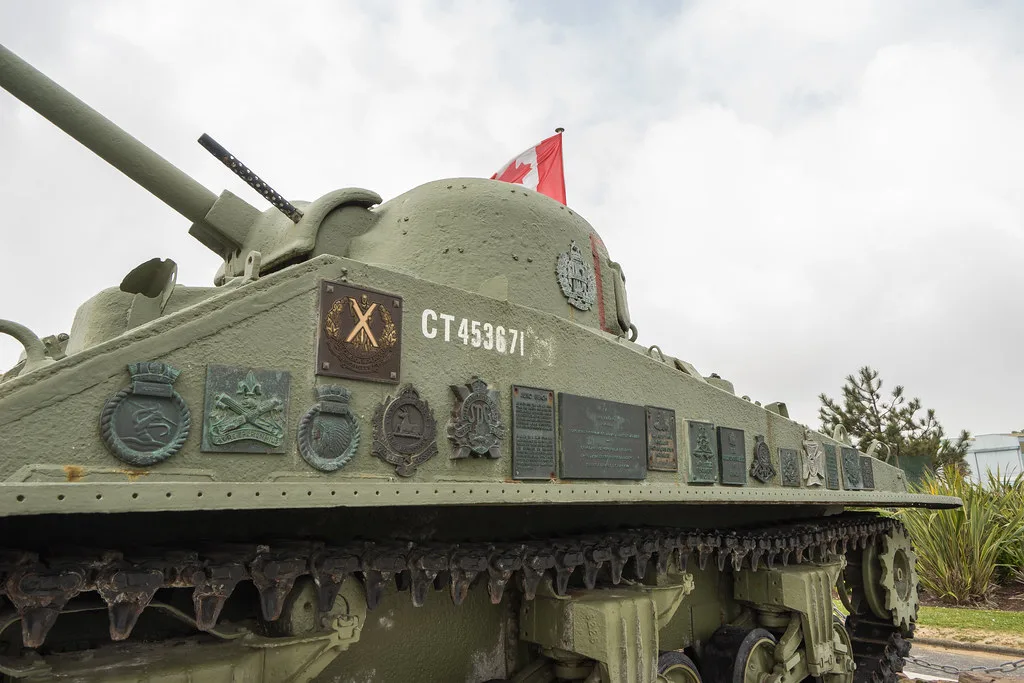
Canadian forces landed here on D-Day, and the sector today is a mix of seaside town, beach and memorials. Courseulles-sur-Mer is the base for most visits. Plan around the Canadian visitor centre first, because it explains the landings before you walk the sand. Treat the area as a place of remembrance as well as a seaside destination.
5 best things to see and do at Juno Beach
Prices and hours checked November 2026 at the official sources linked below. Each stop works on its own, but the order here follows a natural half-day route from the beach to the cemetery.
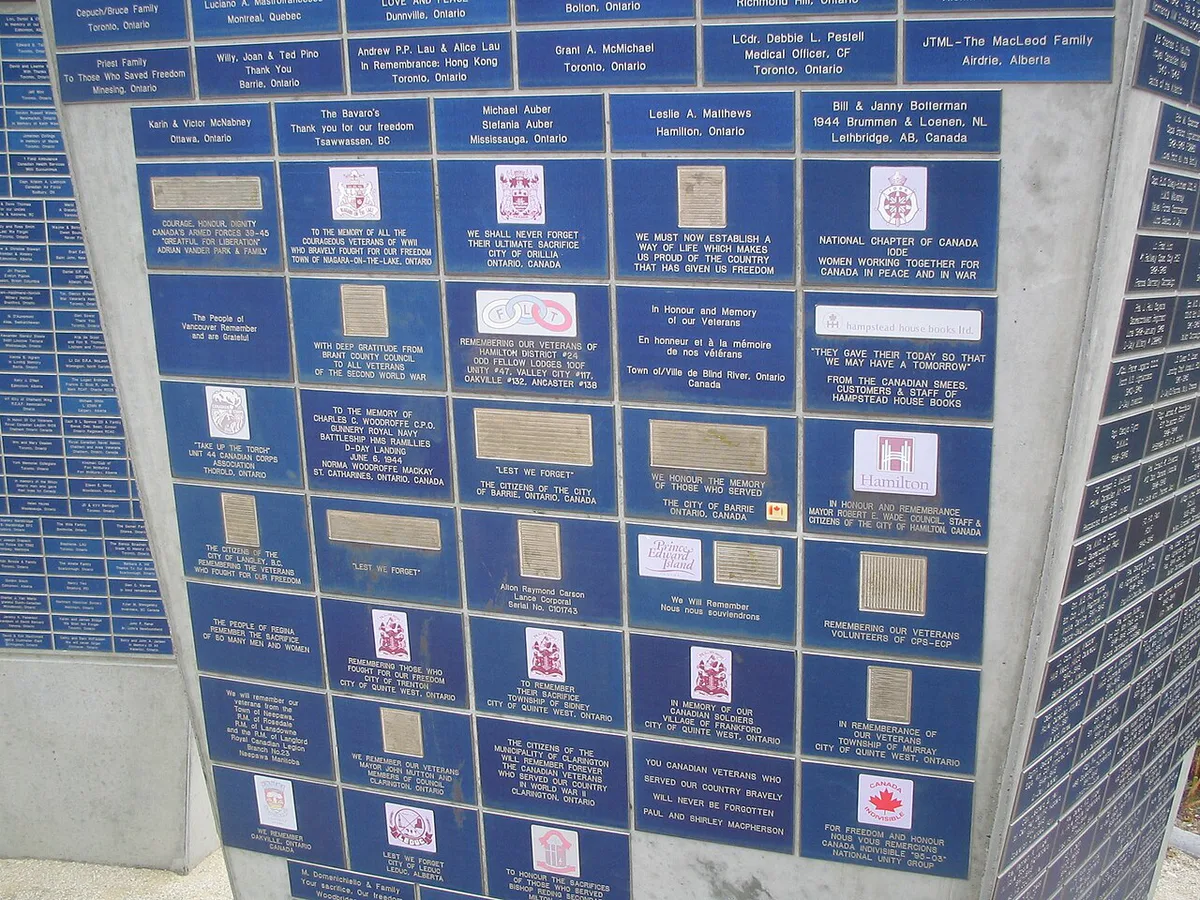
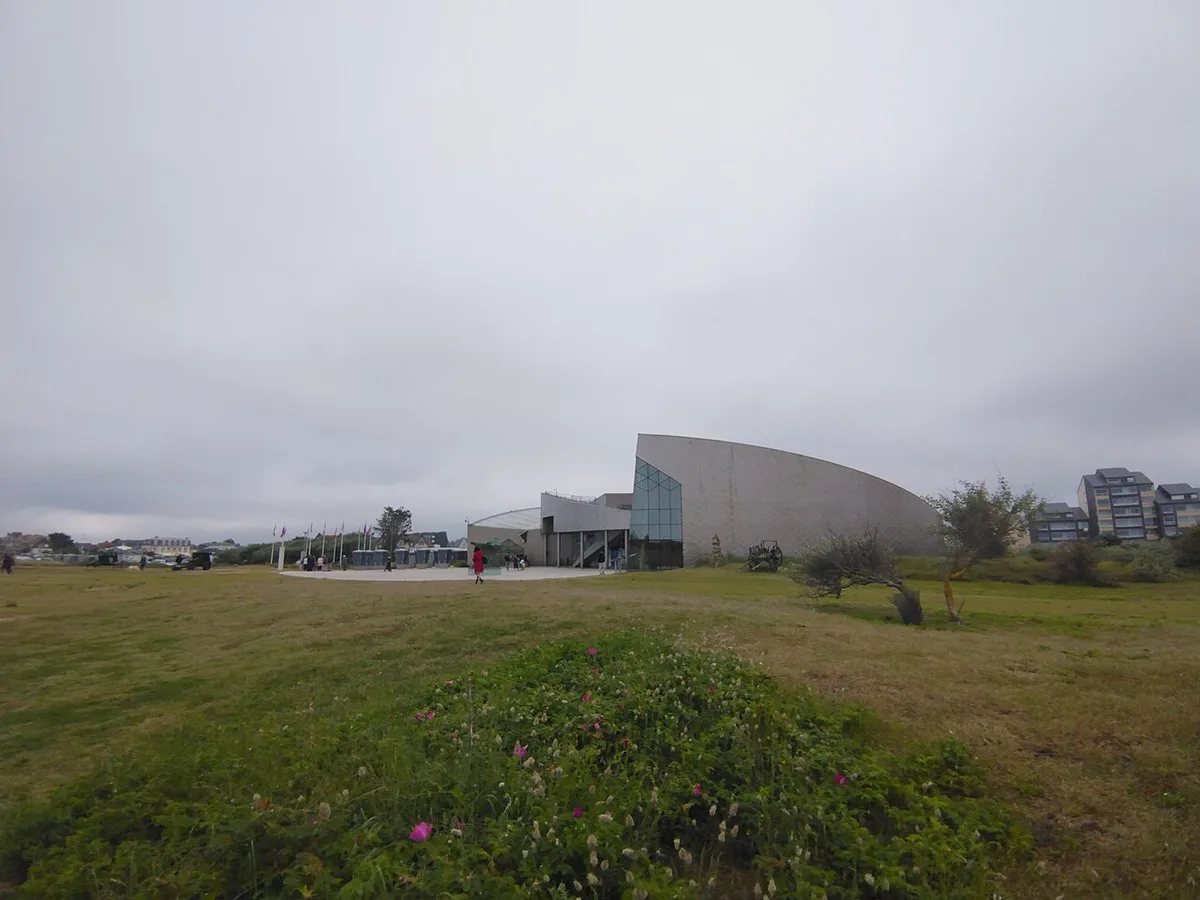
1. Juno Beach Centre
This is the Canadian museum and education centre at Courseulles-sur-Mer, and the best first stop for context. Its exhibits explain the Canadian role in the war and on D-Day, and the site sits right behind the beach. Start here so the sand and memorials make sense afterwards.
Opening days and ticket prices are published on the official Juno Beach Centre site. Skip it only if you have under an hour and want the beach itself.

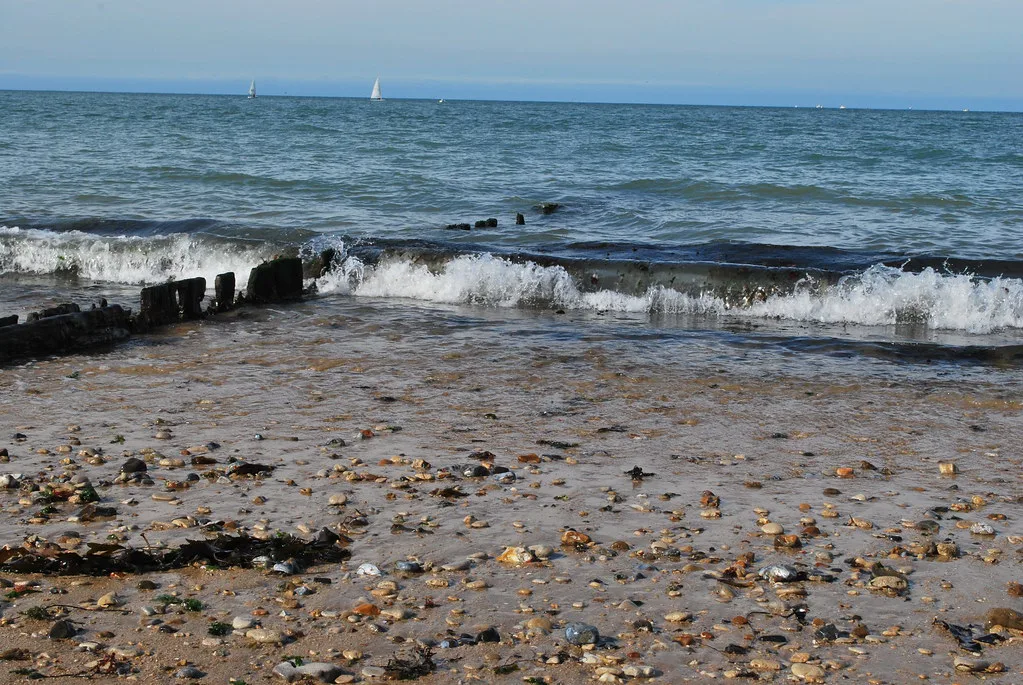
2. The beach at Courseulles-sur-Mer
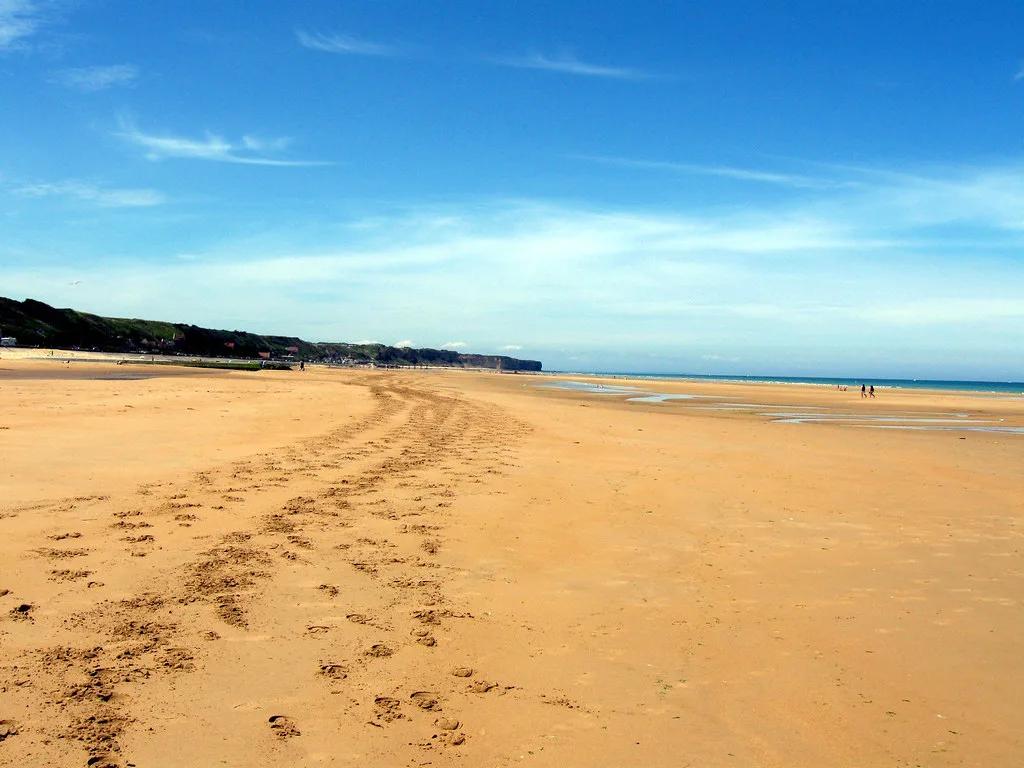
The landing beach is open sand beside the town, and walking it is the simplest way to grasp the ground the Canadians crossed. Stand at the water line and look back toward the seafront to see how exposed the approach was. Tides change how much sand is open, so allow time when the water is out or coming in.
Read our town guide to Courseulles-sur-Mer for parking and food stops. Visitors wanting a swim should follow local signs and flags, since the beach is a memorial site first.
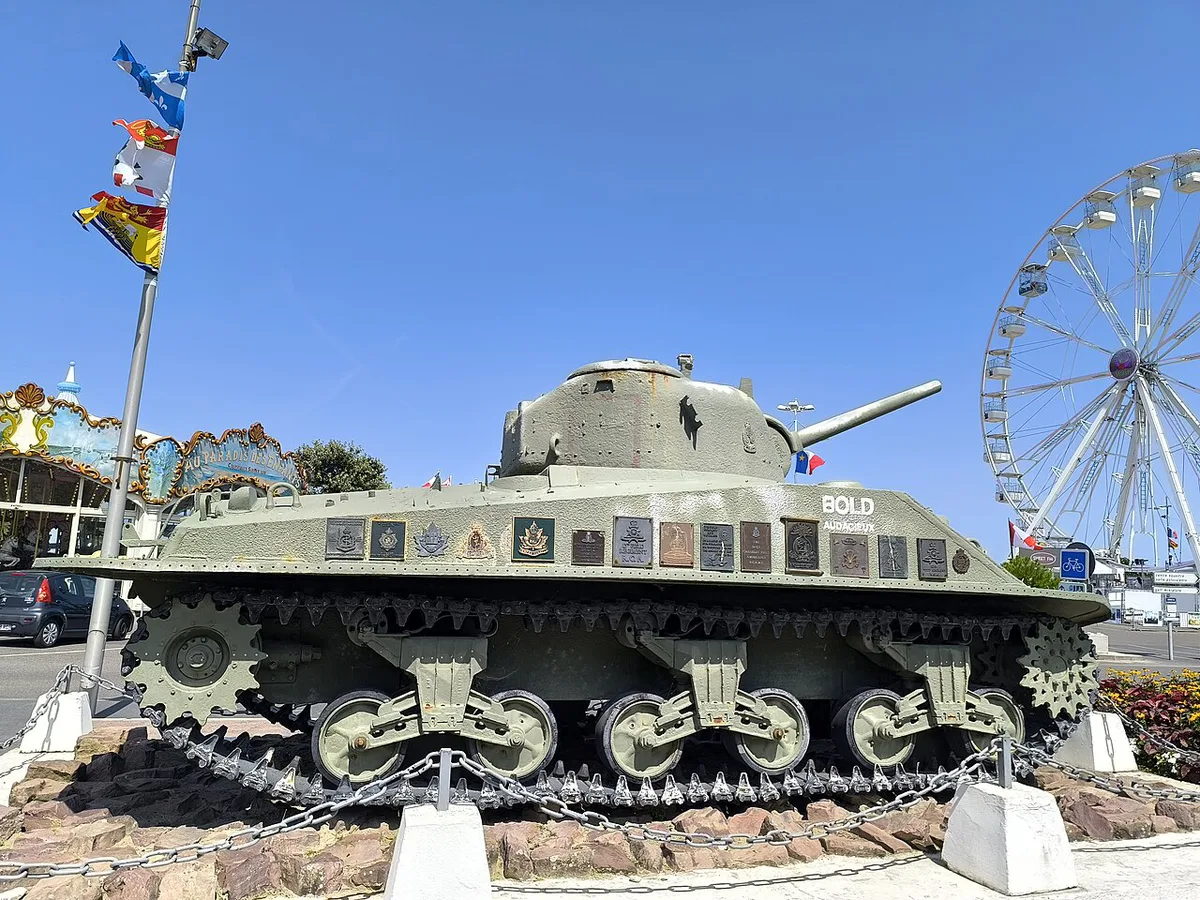
3. Cross of Lorraine memorial
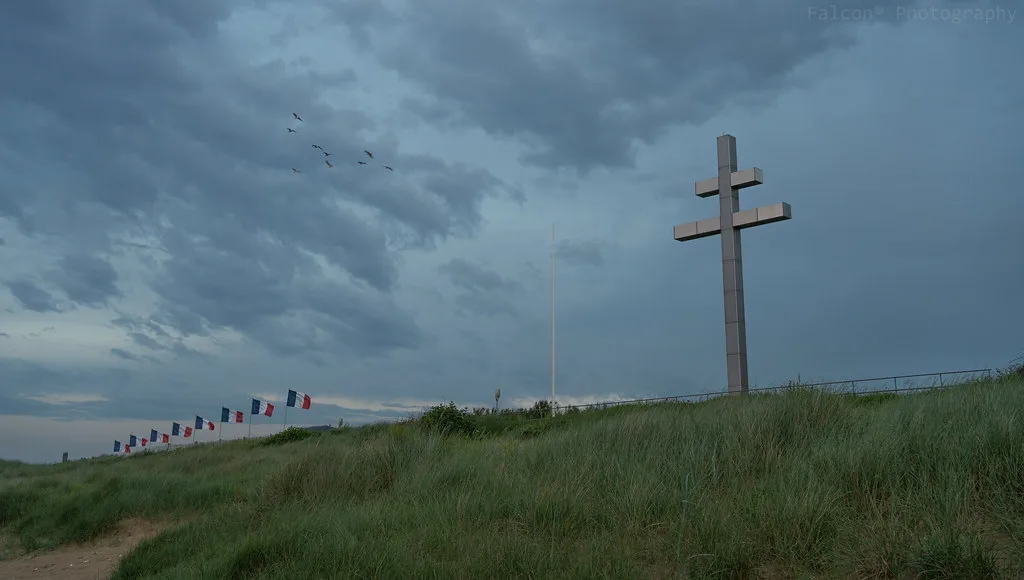
This Canadian-built memorial stands on the seafront at Courseulles-sur-Mer, close to the centre and the beach. It marks a moment in the liberation of the town, and it is a quiet place to pause rather than a long visit. Read any plaque text slowly, because it names the units and the occasion.
Plan about ten minutes here as part of the seafront walk. Skip a dedicated trip if you are short on time, since it sits on the same route as the beach and the centre.
4. Bény-sur-Mer Canadian War Cemetery
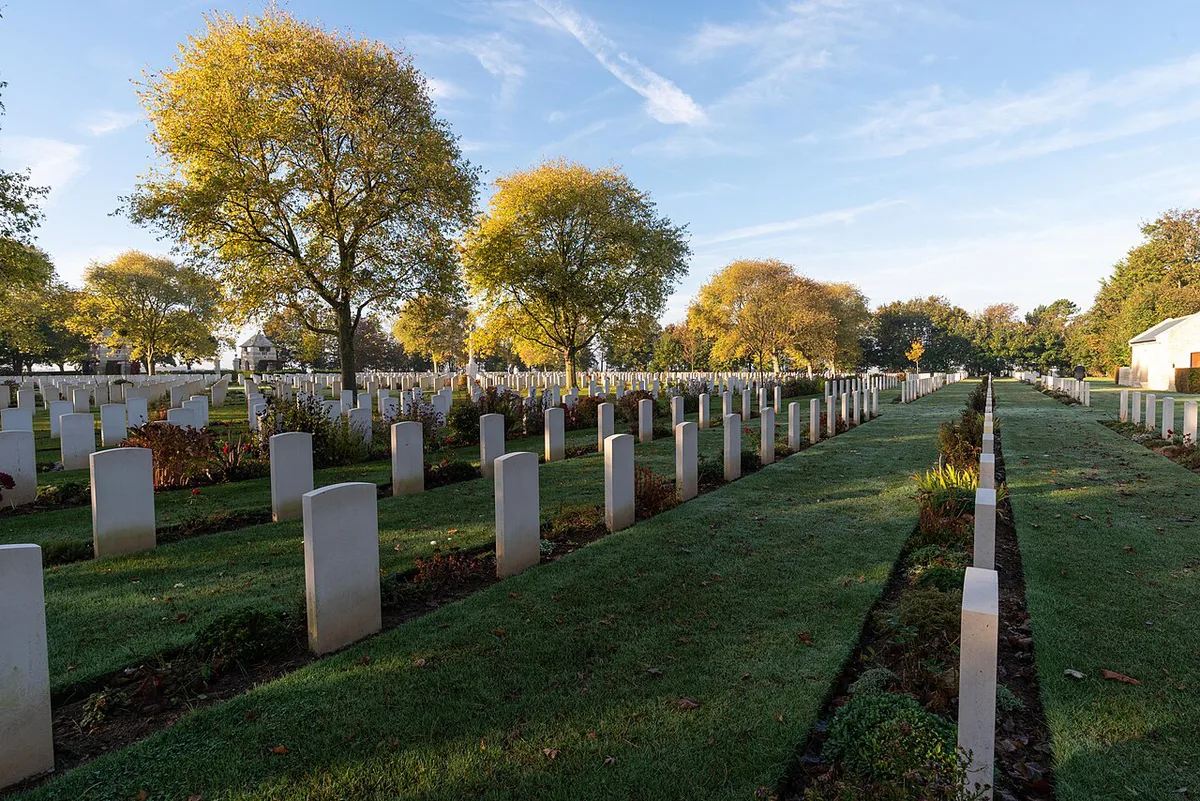
This is the Canadian war cemetery inland from the beaches, and it holds many of the Canadians who died in the Normandy fighting. Walk slowly along the rows and read the headstones, which carry names, units and personal inscriptions. Keep voices low, stay on the paths and do not lean on or step across graves.
Allow time for a respectful visit rather than a photo stop. Skip it if you are travelling with very young children who cannot stay quiet, or return without them.
5. Mulberry harbour remains at Arromanches
Arromanches lies along the coast and shows the artificial harbour built after D-Day, with remains still visible in the bay. Our Mulberry Harbour remains page explains what you are looking at. Add the Arromanches landing museum if you want the engineering story.
Choose this stop when you want a second sector in the same day. Skip it if you only have a few hours and want to stay inside the Canadian area.
How to plan your time
Match your stops to the time you have. A short visit covers one place well, and a longer one adds the neighbouring sectors.
A 1 hour visit leaves out the museum and cemetery, so keep the beach and seafront memorial as your priority.
| Time available | Combine | What you give up |
|---|---|---|
| 1 hour | Beach walk and seafront memorial | The museum and cemetery |
| Half day | Juno Beach Centre, beach, Bény-sur-Mer cemetery | Arromanches and the batteries |
| Full day | Half-day route plus Arromanches | The British sector sites |
Getting there and getting around
A car gives the most flexibility, because the sites sit along the coast and inland roads. Bayeux and Caen are the usual bases. Guided tours from those towns suit visitors who prefer not to drive. Public transport links are limited, so check current timetables with the local operator before relying on it. Tide times and seasonal changes can affect beach access, so look them up for the day you go.
Costs, tickets and opening hours
Ticket prices and opening days change by season. Check the Juno Beach Centre website for the current figures.
Juno vs Omaha and the other beaches
Juno was the Canadian sector and Omaha was the American one, so the two tell different parts of the D-Day story. Our Juno and Omaha comparison sets out the differences in detail.
| Choose | If you want |
|---|---|
| Juno Beach | Canadian history, a seaside town and a dedicated visitor centre |
| Omaha Beach | The American sector and its larger memorial landscape |
| Both | A full coastal day with a car |
Combining Juno with nearby D-Day sites
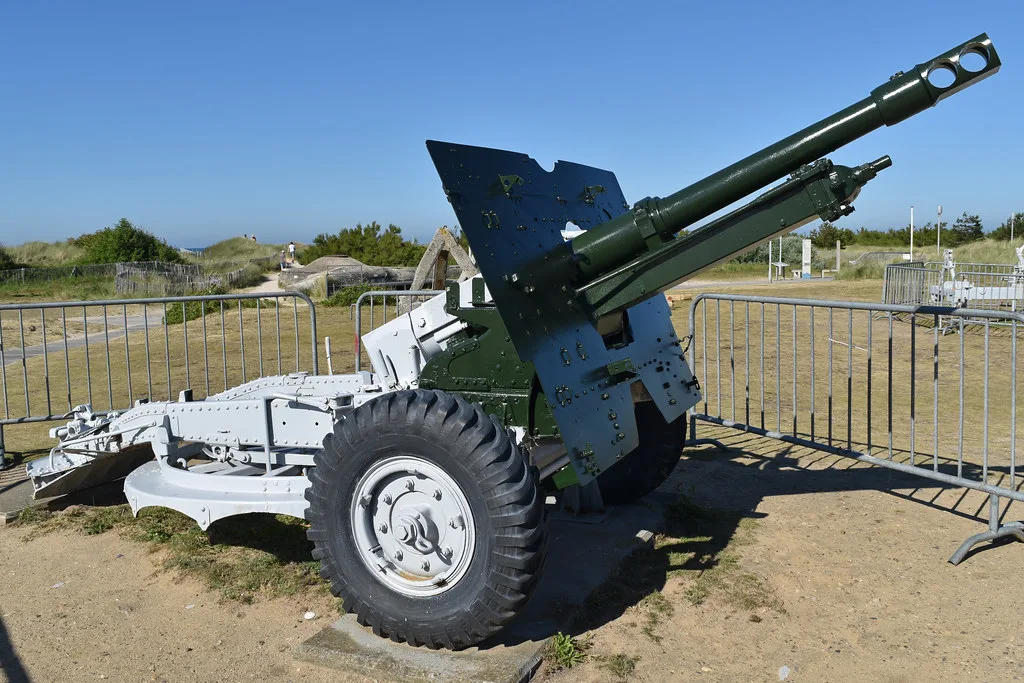
Arromanches is the natural next stop, and the Arromanches visitor guide covers the town. Add the circular cinema there if you want film footage of the landings. West of the area, the Longues-sur-Mer guns show an intact German coastal battery. For a second day, our British sector guide opens up the eastern end. Good choices there include Pegasus Bridge Visit Guide: History, What to See and Planning and the Merville Battery: D-Day History and Visit Planning. You can also see the Hillman strongpoint and the Ouistreham Grand Bunker.
Mistakes to avoid and respectful-visit tips
Do not assume one beach covers D-Day, because each sector tells a different story. Skipping a booking in peak season can cost you a slot at popular sites. Never climb on memorials or leave litter on the beach. In cemeteries, keep to paths and speak quietly. Check tide times before a long beach walk, and wear shoes you can walk in on sand. Official regional guidance is at Normandy Tourism.
Canadian troops who landed here went on to liberate much of the Netherlands; our guide to WWII sites in the Netherlands includes the Canadian war cemetery at Holten.
Explore More Guides
Keep planning your trip with these guides.
Guides
- Juno Beach Centre: Tickets, Hours, Bunker Tour & Visit Tips
- Arromanches Guide
- Mulberry Harbour Arromanches: What's Left & How to See It
- Arromanches D-Day Museum
- Arromanches 360: Is the Circular Cinema Worth Visiting?
- Longues-sur-Mer Battery
- Pegasus Bridge Visit Guide
- Merville Battery: D-Day History and Visit Planning
- Hillman Bunker (WN17) Colleville-Montgomery
- Courseulles-sur-Mer Guide
- British D-Day Sites in Normandy
- Grand Bunker Ouistreham: Visit Guide & Tips
- Juno Beach vs Omaha Beach
Keep planning
Guides on the same trip