
Longues-sur-Mer Battery: Visiting the D-Day Guns (Guide)
What you see at Longues-sur-Mer Battery, who should visit, how to pair it with Arromanches and other Normandy D-Day stops, and where to check hours.
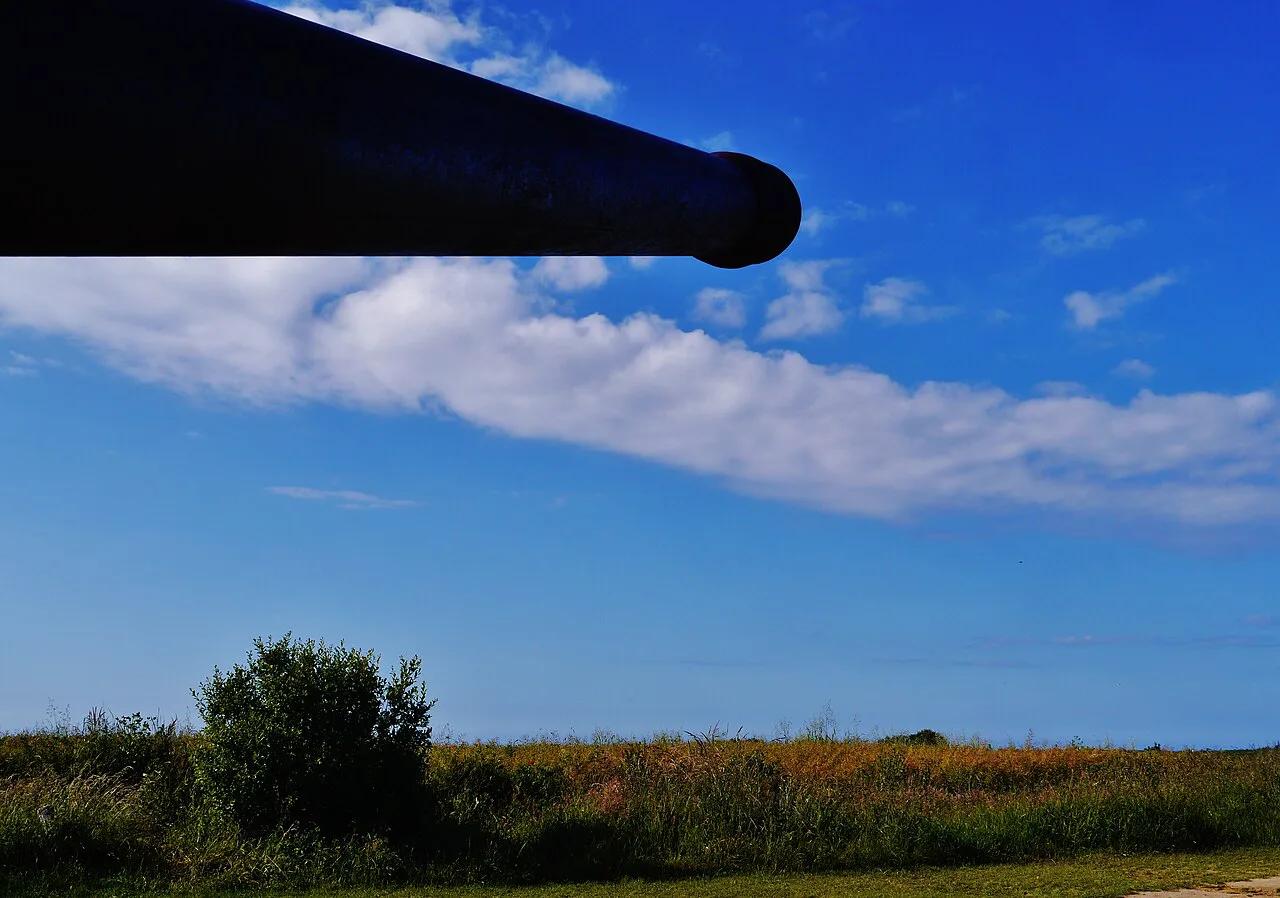
In this guide
Last updated November 2026. Longues-sur-Mer Battery is a German coastal artillery position of the Atlantic Wall on the Gold sector, with its guns still standing in their casemates. It suits history readers who want to see how coastal fire was organised, and it earns a stop on most Normandy routes.
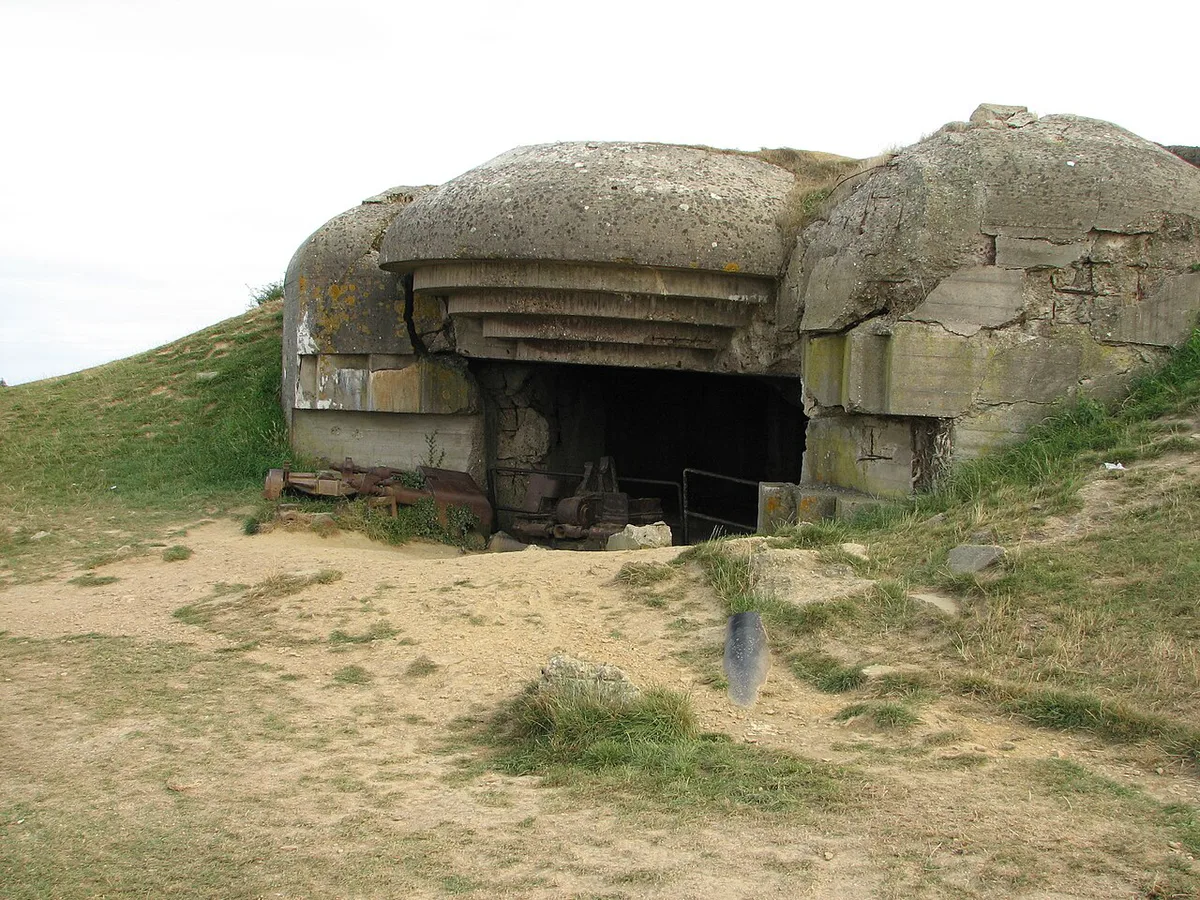
Featured image: Zairon, CC BY-SA 4.0, via Wikimedia Commons.
What you will see at Longues-sur-Mer Battery
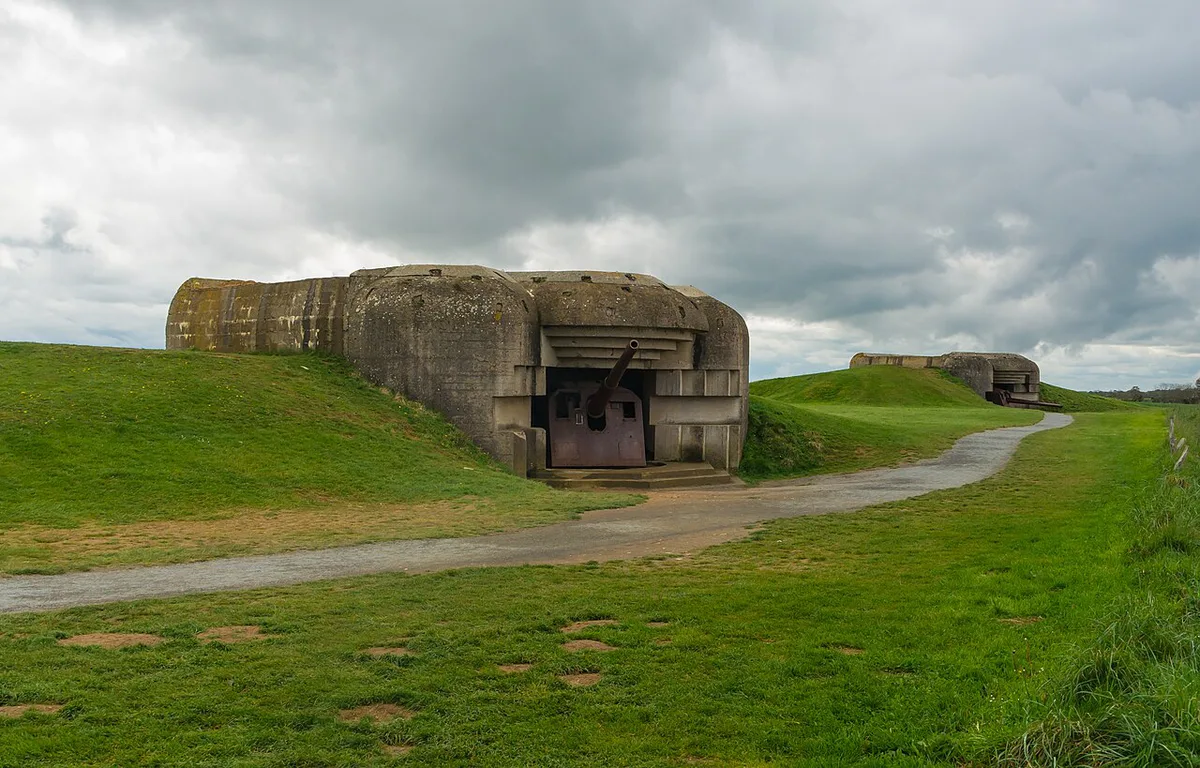
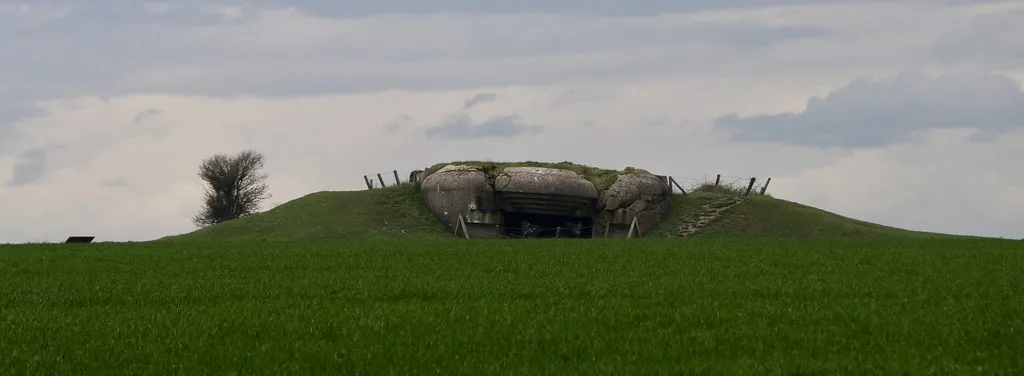
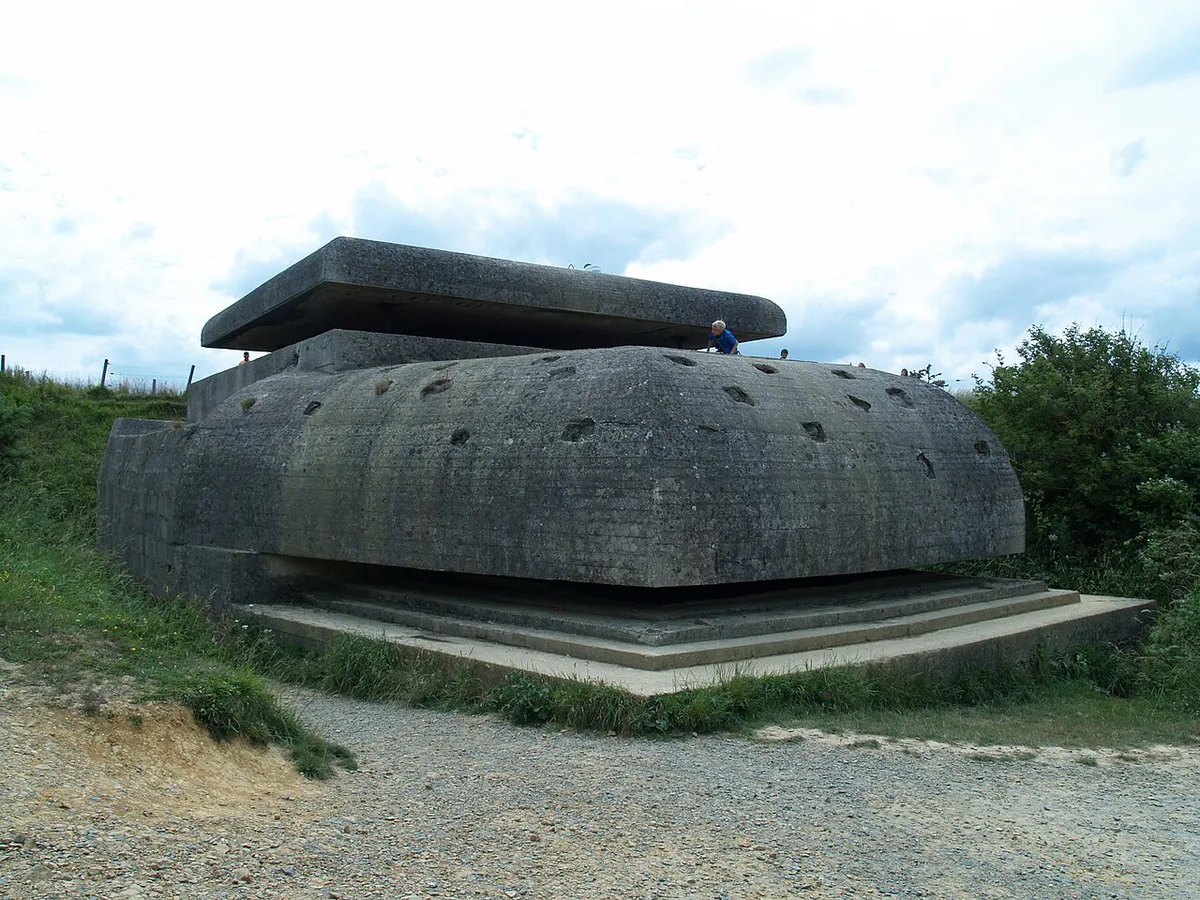
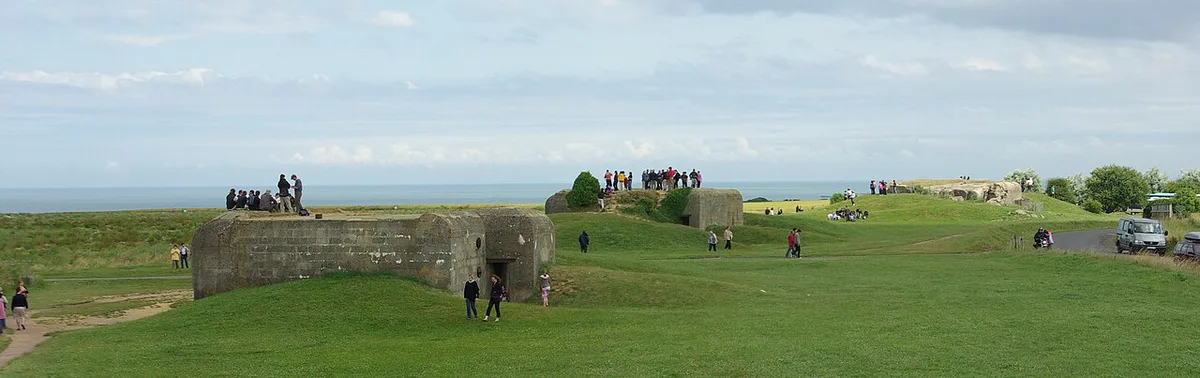
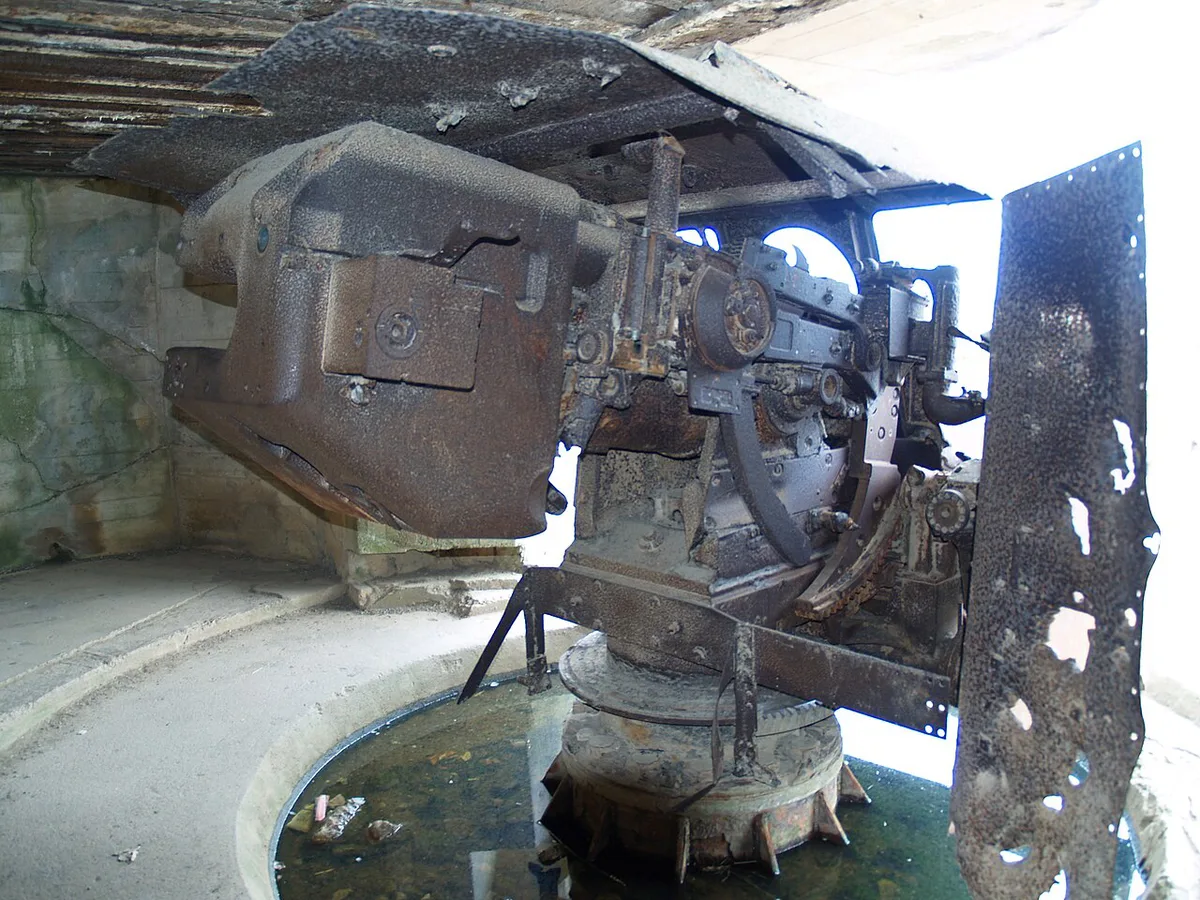
Four concrete casemates stand in a line, each housing a 150 mm naval gun. The guns are still in place, which makes the layout easy to read. Walk the line first, then look for the observation post nearer the cliff edge, which directed the fire.
- Casemate interiors: gun mounts, thick concrete walls and the narrow firing apertures facing the sea.
- Observation post: a low concrete block set toward the coast, built for spotting and ranging.
- Spacing between casemates: a deliberate layout meant to stop one hit from disabling the whole battery.
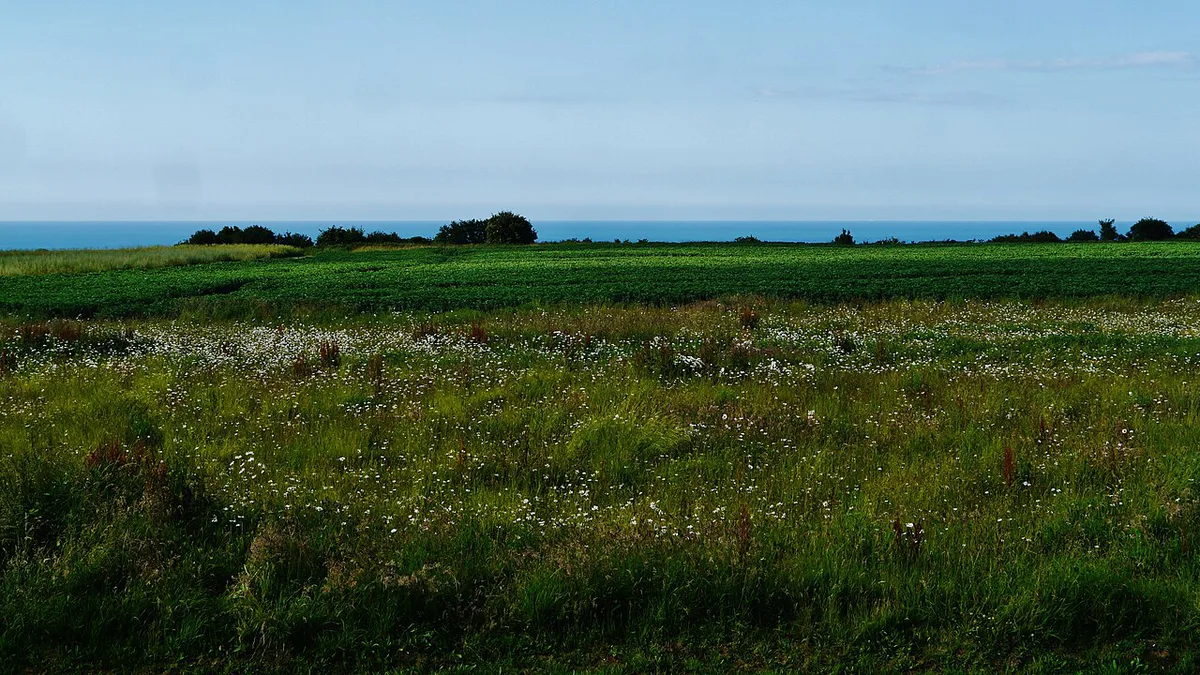
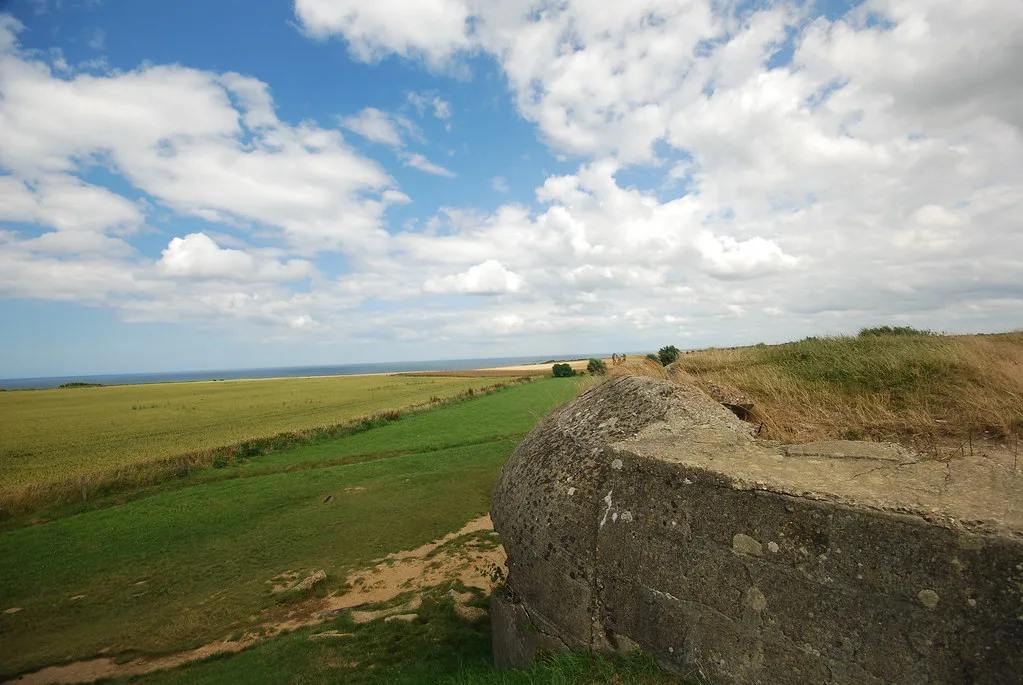
- Surrounding coastline: an open, exposed cliff-top with long views over the Channel.
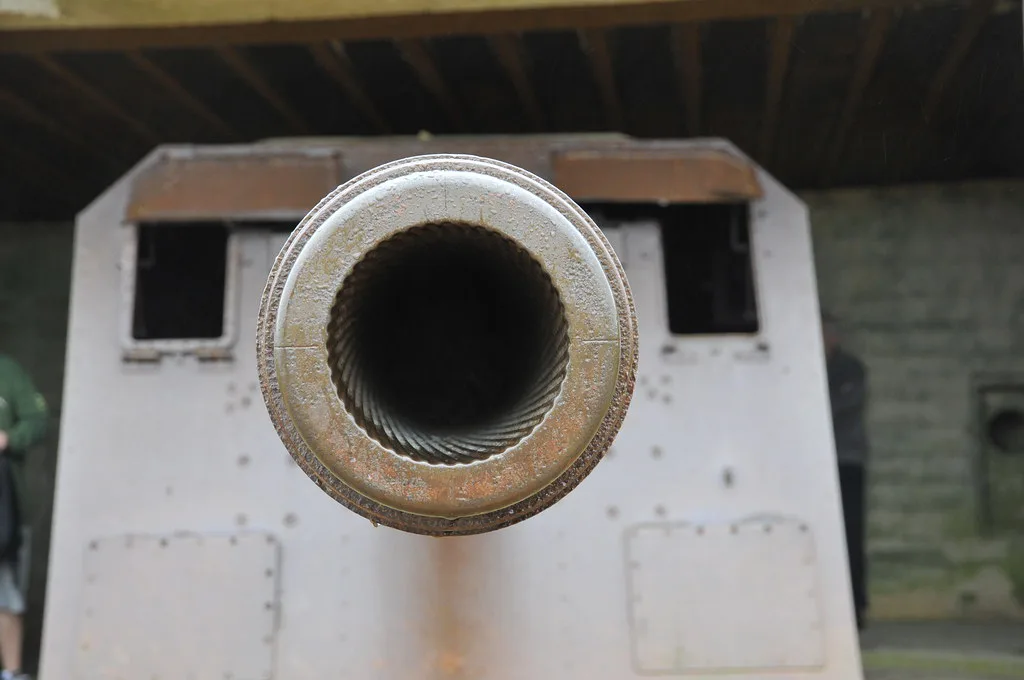
Why the battery mattered on D-Day
Coastal batteries like this one were built to hit ships, not troops on the sand. Its guns threatened the invasion fleet offshore, which is why it sits among the defences covered by Bayeux Bessin Tourisme. That role differs from beach obstacles and bunkers such as the Hillman Bunker (WN17) Colleville-Montgomery: D-Day Visit Guide, which defended ground inland. Treat the site as a place of remembrance as well as engineering, and stay on the marked paths.
Is it worth visiting? A decision guide
Pick this stop if you want intact guns rather than a museum. Compare it with the Merville Battery: D-Day History and Visit Planning and the Grand Bunker at Ouistreham, which are other German positions on our site.
| Visit it if | Skip it if |
|---|---|
| You are a first-timer who wants one clear German gun position | You only have time for one beach and museum stop |
| You enjoy exploring concrete structures outdoors | You expect exhibits, films or a guided museum |
| You travel with older children who like climbing around casemates | Wind and rain would ruin an exposed cliff-top walk |
| You are building a full Gold and Juno route | You prefer a site with a visitor centre and cafe on the spot |
How to fit it into a day
Allow a short outdoor visit rather than a half day, since there is no museum to work through. Pair it with Arromanches, where the D-Day museum explains the artificial harbour. Add the Mulberry Harbour remains at low tide if the schedule allows. A longer day can continue to other British-sector sites.
Getting there, costs and opening hours
Hours, any charge and parking arrangements change by season, and no figures are published here. Check the Normandy Tourism site for current details before you set out.
Common mistakes to avoid
Do not treat it as a beach stop, because the battery stands on a cliff-top away from the sand. Check the weather first, since the coastal paths are open to wind. Do not expect a museum, as the experience is the structures themselves. Wear shoes that suit uneven concrete and grass.
Where to base yourself and what to link it with
Juno is a different sector from this one, so read Omaha versus Juno if you are deciding which coast to prioritise. Staying near Courseulles-sur-Mer puts the Juno Beach Centre: Tickets, Hours, Bunker Tour & Visit Tips close at hand. A full itinerary can extend east to Pegasus Bridge Visit Guide: History, What to See and Planning.
Visiting with children or limited mobility
Longues-sur-Mer is an outdoor historical site, so plan for an uneven surface rather than a museum-style visit. The four casemates are spread across open ground, and the 150 mm guns are best understood from outside their concrete shelters. Children interested in military history can see the scale of the structures clearly, but they need close supervision around rough concrete and exposed ground.
Visitors with limited mobility should consider the weather and walking conditions before committing to the stop. Wind and rain can make the cliff-top setting less comfortable. Sturdy footwear is more useful here than museum facilities. If the terrain does not suit your group, use Arromanches for a more museum-led D-Day stop, then view the coast from accessible public areas where available.
Pair this with our broader tourism attractions guide for the full city overview.
Keep planning
Guides on the same trip






