
5 D-Day Beaches of Normandy: Which to Visit First
Utah, Omaha, Gold, Juno and Sword compared: what you'll see at each, how to link them, and how to choose a base and a route.
In this guide
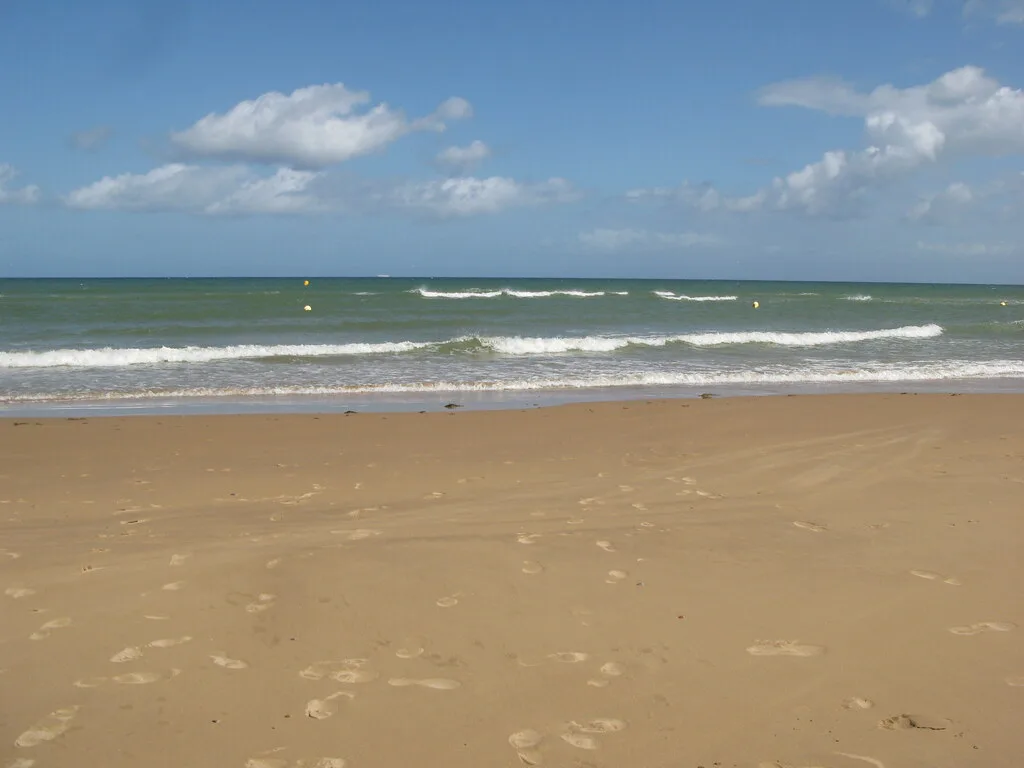
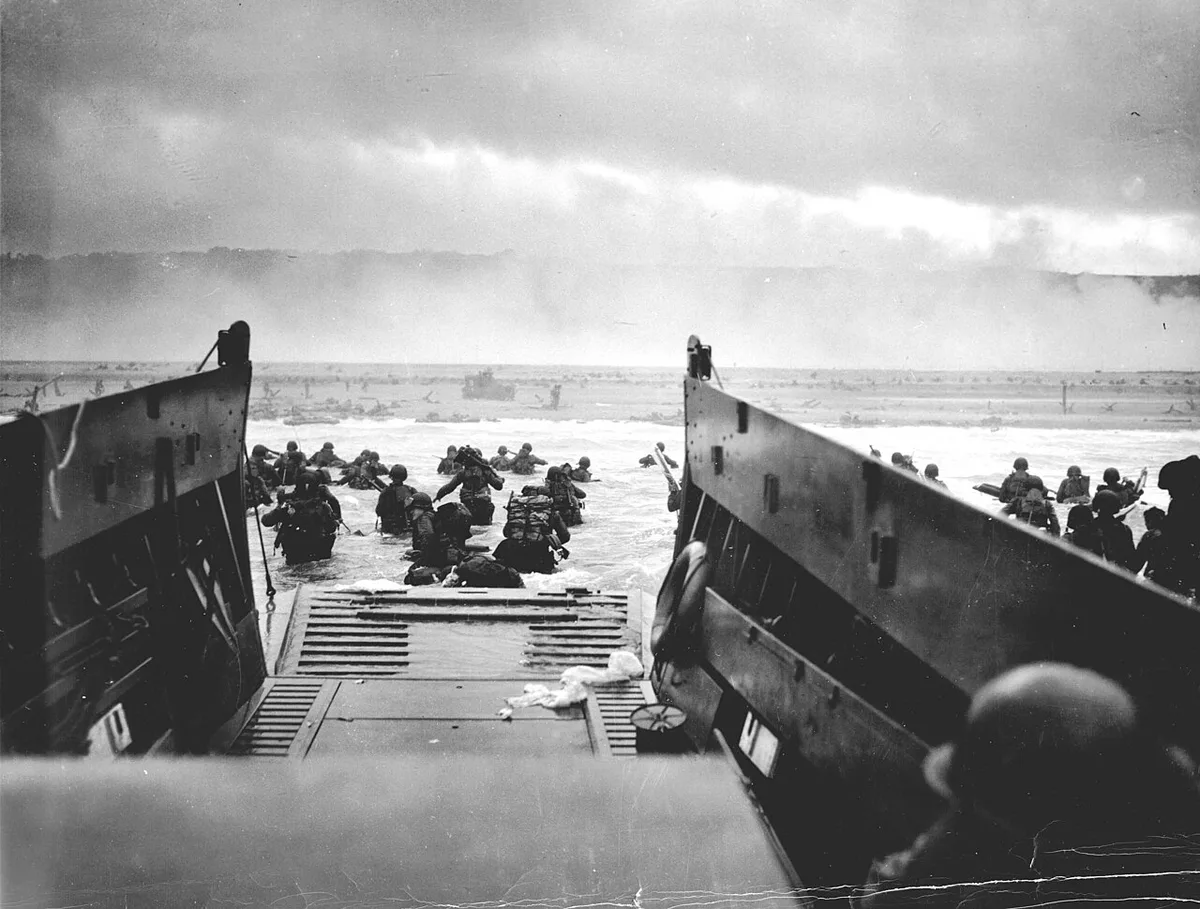
Last updated November 2026. The D-Day beaches are five stretches of Normandy coast (Utah, Omaha, Gold, Juno and Sword) where Allied forces landed on 6 June 1944. They run along the Manche and Calvados coast, and no single stop shows the whole story. This guide compares each beach by what you can see there, then helps you choose a route and a base.
Featured image: ho visto nina volare, CC BY-SA 2.0, via Flickr.
D-Day beaches at a glance
Utah and Omaha formed the American sector, Gold and Sword the British, and Juno the Canadian. Each beach now has a different character: a cemetery, a museum, a harbour ruin or a quiet stretch of sand. Pick the two or three that match your interests rather than racing through all five. Our route map of the landing coast shows how the beaches line up from west to east.
The 5 D-Day beaches in Normandy: what to see at each
Beaches run from west to east below. Each entry names one thing worth your time and who can skip it.
1. Utah Beach
Utah is the westernmost landing beach and was part of the American sector. It sits on the Manche side of the coast, away from the Calvados cluster of beaches. Come for the open dune shoreline and the memorials along the sand. They give a sense of the scale of the landing area.
Plan a half-day here if you have the time, since it adds real driving to a route. Skip it if you have a single day and no car. Omaha and Gold fit a short route far more easily.
2. Omaha Beach
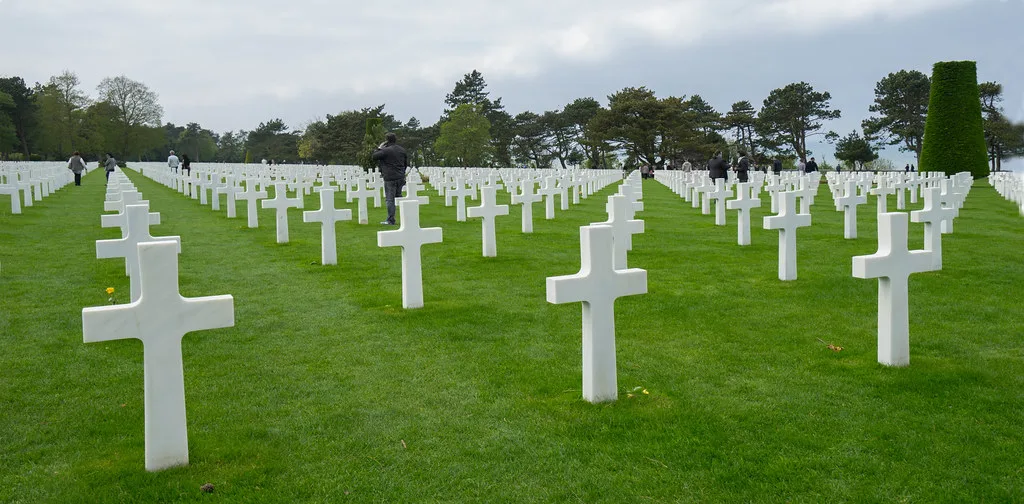
Omaha was also an American beach, and it is the one most visitors put first. Its main anchor is the Normandy American Cemetery, which the American Battle Monuments Commission administers. Walk the cemetery slowly, then go down to the shore to see the ground the landing crossed.
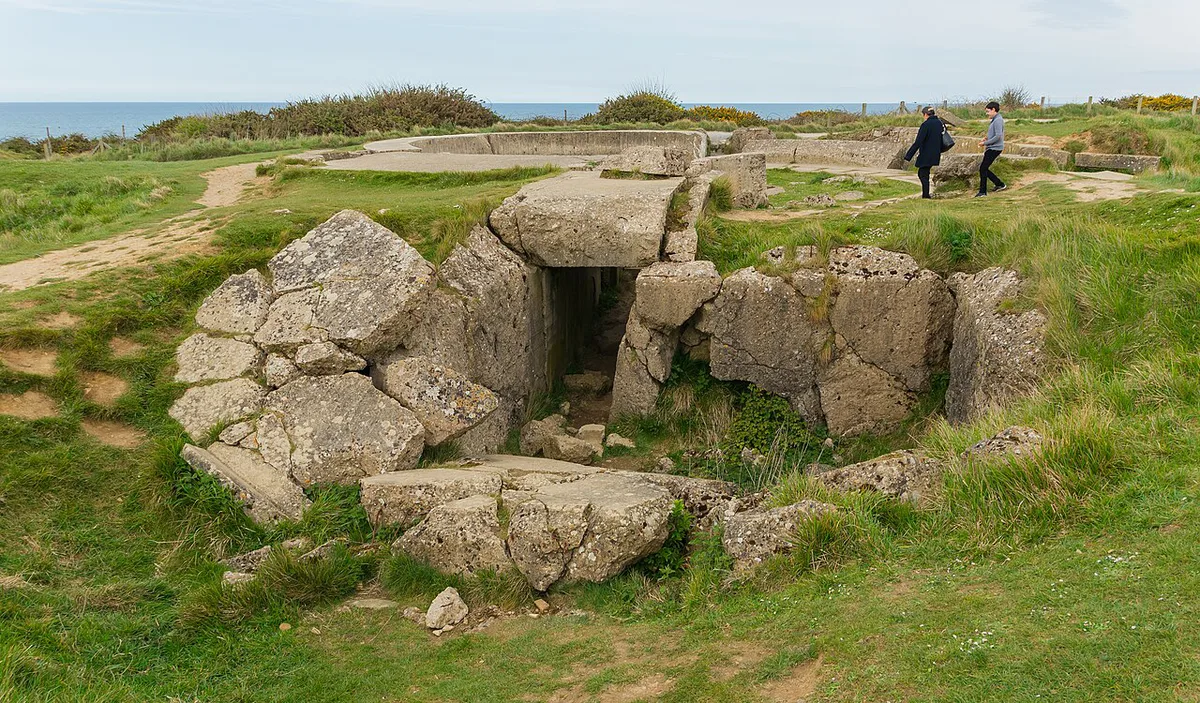
Expect to spend a half-day here, longer if you read the visitor centre exhibits. Skip it only if you want preserved wartime structures. The beach itself is open sand, and the cemetery carries most of the interpretation.
3. Gold Beach
Gold lay in the British sector, and Arromanches is its best-known stop. Remains of the artificial harbour built after the landings still lie offshore, and you can view them from the town. The setting suits visitors who want to understand how supplies reached the troops. It also gives context that Omaha does not.
Allow a couple of hours, plus more if you add a museum visit in town. Skip it if you want a solemn, memorial-centred stop, because Arromanches is a lively seaside town.
4. Juno Beach
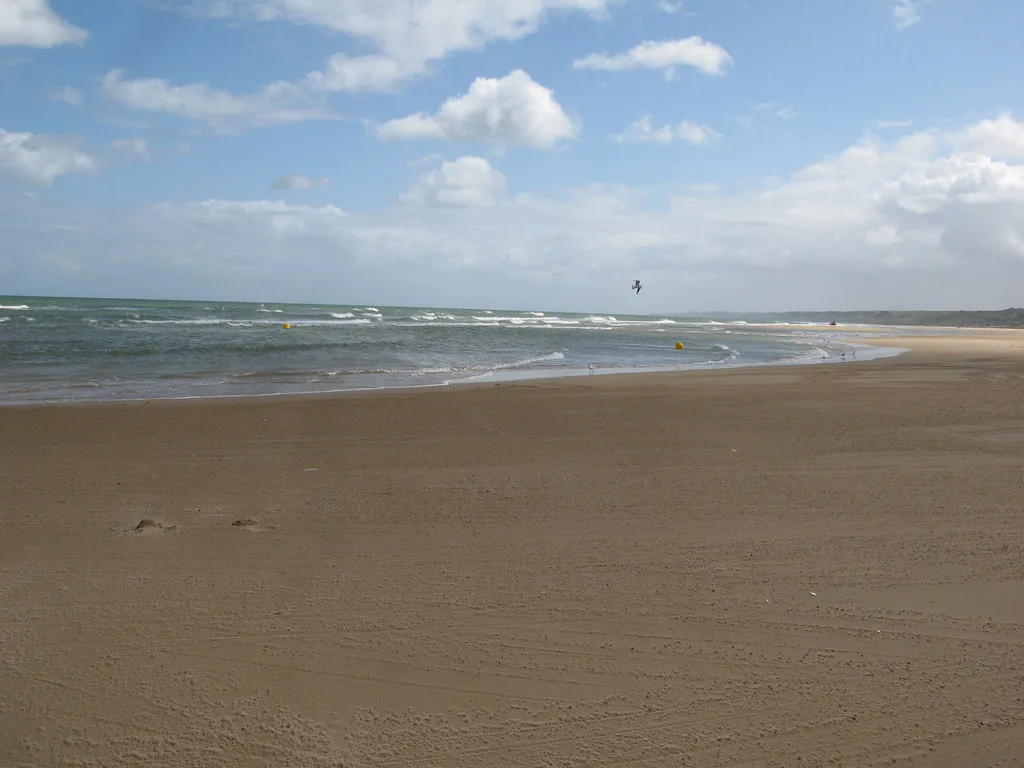
Juno was the Canadian beach, and Courseulles-sur-Mer is the place to see it. The Juno Beach Centre covers Canada's role in the landings and the wider war effort. Visit if you want a nation-specific story told with personal accounts. Guided tours at the centre are one way to deepen the visit.
Allow a half-day for the centre and a walk on the beach. Skip it on a very short trip when you have already filled your time at Omaha and Gold.
5. Sword Beach
Sword is the easternmost beach and was in the British sector. It sits near Ouistreham and the Calvados coast closest to Caen, which makes it an easy add-on from a Caen base. Pair it with the Mémorial de Caen for a fuller picture of the Battle of Normandy.
Allow a half-day for Sword, and more if you add the museum. Skip it if you are based in Bayeux with one day and a car. Gold and Omaha already fill that route.
Which D-Day beaches to prioritise
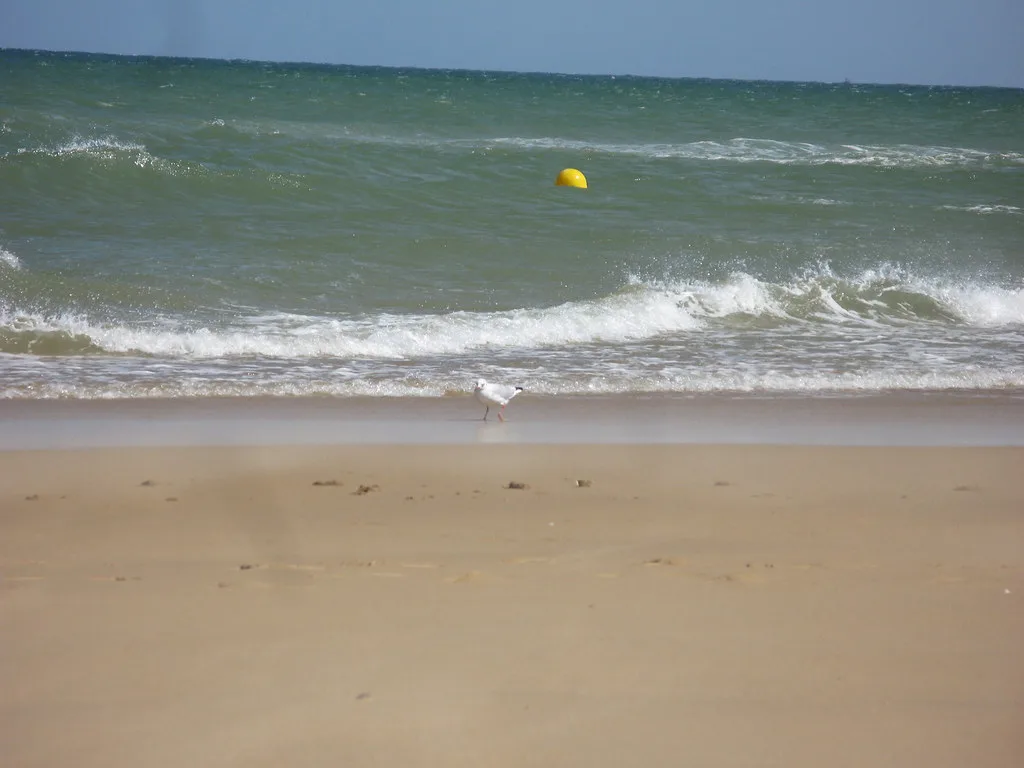
Your time and transport decide the route more than any ranking does. First-timers with one day should combine Omaha and Gold. History-focused visitors should add Utah or Sword and spend longer at each. Families with children usually do better with fewer stops and a beach break. Visitors without a car should stick to guided tours or the stops nearest Bayeux, because public transport between beaches is limited.
| Your situation | Start with | Skip if short on time |
|---|---|---|
| First visit, one day | Omaha and Gold | Utah and Sword |
| Interested in Canada's role | Juno | Utah |
| Strong interest in the museum story | Sword plus the Mémorial de Caen | Gold |
| No car | Guided tour from Bayeux or Caen | Utah |
| Want depth over breadth | Omaha, spread across a full day | Any extra beach |
Beyond the beaches: cemeteries, museums and memorials
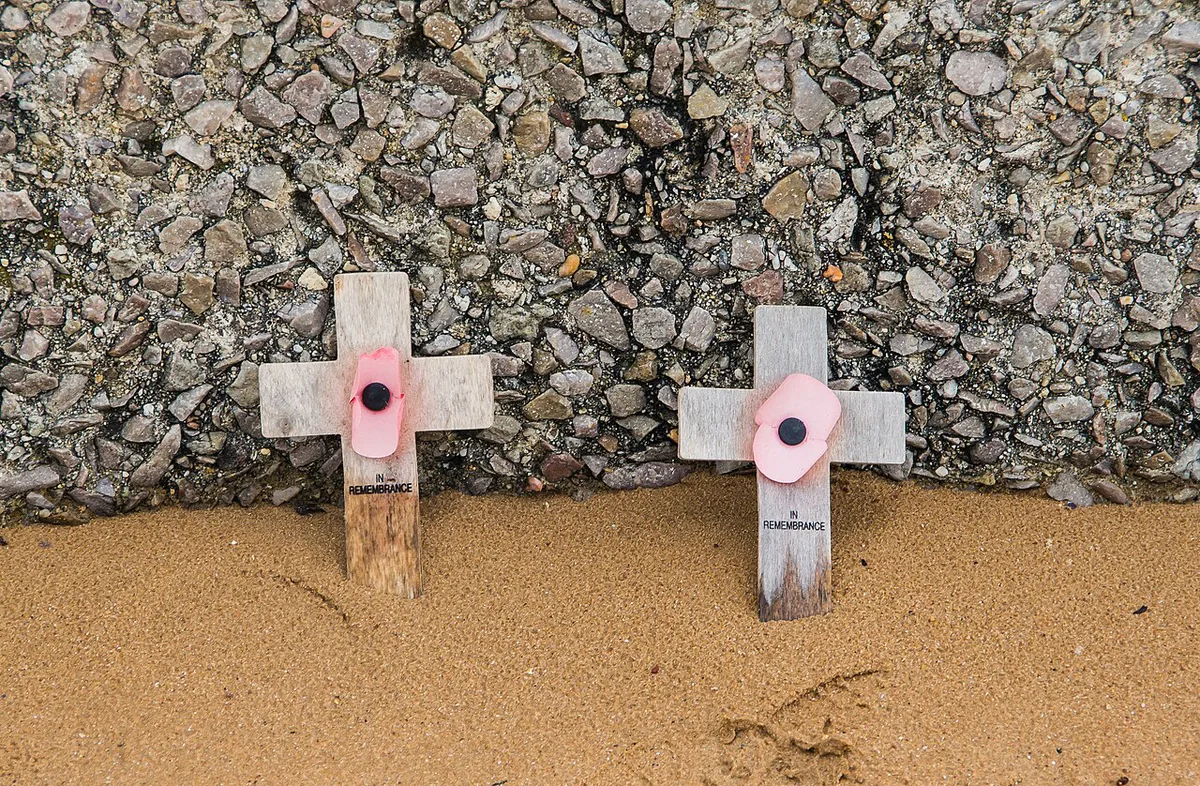
Beach visits make more sense with a museum or cemetery alongside them. The Normandy American Cemetery above Omaha is the central memorial for many visitors. The Mémorial de Caen offers wider context on the Battle of Normandy. In Bayeux, the Bayeux Museum holds the Bayeux Tapestry, a medieval work that suits an evening or a rainy day. Each of these adds history that the sand alone cannot show.
How much time to plan
A rushed day trip lets you see two beaches and one museum at most. One full day gives you Omaha, Gold and a meal in Bayeux. Two or more days let you add Utah, Juno and Sword without driving back and forth. Our guide to how many days you need weighs these trade-offs in more detail. For stop-by-stop plans, use the sample route plan.
Getting there and getting around
Self-drive gives the most flexibility, because the beaches are spread along the coast. A guided tour removes parking and navigation stress, but it fixes your stops and timing. Public transport reaches Bayeux and Caen well, yet it rarely links individual beaches. Paris day trips are possible, though they are long and leave little time at each site, as our guide to the trip from Paris explains. Use the route map to see which beaches sit close together.
| Option | Cost level | Flexibility | Effort |
|---|---|---|---|
| Self-drive | Moderate, with fuel and parking | High | Moderate |
| Guided tour | Higher up front | Low | Low |
| Public transport | Low | Low between beaches | High |
Where to base yourself
Bayeux offers an old-town atmosphere and a short run to Omaha and Gold. Caen is larger, usually has more transport options, and sits closer to Sword. Coastal campsites near Port-en-Bessin and Ravenoville put you beside the beaches but away from restaurants. Compare the two towns in our Bayeux and Caen comparison. For specific lodging options, see where to stay along the coast.
Costs, tickets and opening hours
Cemeteries and beaches are free to visit, while museums charge admission and tours cost the most. Current prices and hours change by season, so use the venue pages, such as the Normandy tourism site, for exact figures.
When to go

Late spring and early autumn balance daylight, milder weather and thinner crowds. Summer brings the longest days but the busiest sites. See our month-by-month visit guide for the trade-offs. Early June draws commemoration crowds, so read about the anniversary period in Normandy before booking. Winter is quiet, and our winter visit notes cover what stays open.
Visiting respectfully and common mistakes
Cemeteries and memorials are places of remembrance, so keep voices low and follow posted rules. Before you go, avoid these common errors.
- Trying to see all five beaches in one day, which leaves each visit rushed.
- Ignoring the tide when walking on the sand, since beach access can change.
- Treating cemeteries as photo stops instead of places of remembrance.
- Leaving museum visits to chance in busy periods, when booking may be needed.
- Assuming public transport links the beaches the way it links Bayeux and Caen.
Is it worth it?
For history-minded travellers, yes, because the sites carry weight that books do not. Our guide on whether Normandy is worth visiting covers the wider region. Choose two or three beaches, add one museum, and give each stop real time.
The invasion was planned and launched from England; our guide to WWII sites in England covers the places where that work happened.
Explore More Guides
Keep planning your trip with these guides.
Guides
- D-Day Beaches Map
- D-Day Beaches Itinerary
- How Many Days for the D-Day Beaches? 1, 2 or 3 Days Compared
- D-Day Beaches From Paris
- 9 Best Places to Stay for the D-Day Beaches
- Bayeux or Caen
- Best Time to Visit the Normandy D-Day Beaches
- D-Day Anniversary in Normandy
- D-Day Beaches, What's Open & Trip Tips
- Is Normandy Worth Visiting? Verdict, Days and Costs
Keep planning
Guides on the same trip





