
Normandy in Winter: D-Day Beaches, What's Open & Trip Tips
Planning Normandy in winter? See what to expect on the D-Day beaches: daylight, weather, opening checks, transport, where to base yourself and what to do when it rains.
In this guide
Last updated November 2026. Normandy in winter works well for history-focused travelers who want quiet cemeteries and empty beaches. It suits beach-weather seekers and anyone relying on seasonal-only sites far less. The trade-off is simple: fewer crowds and easier lodging against short daylight, exposed coastline and possible reduced museum hours.
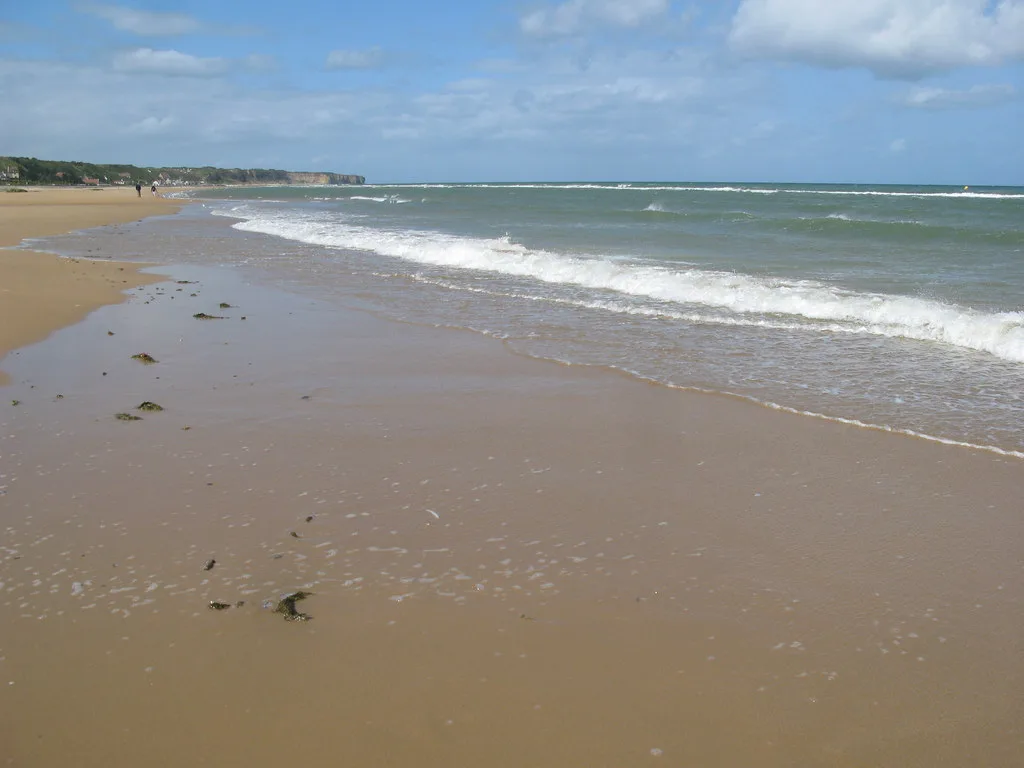
Featured image: ho visto nina volare, CC BY-SA 2.0, via Flickr.
Is Normandy in Winter Worth It?
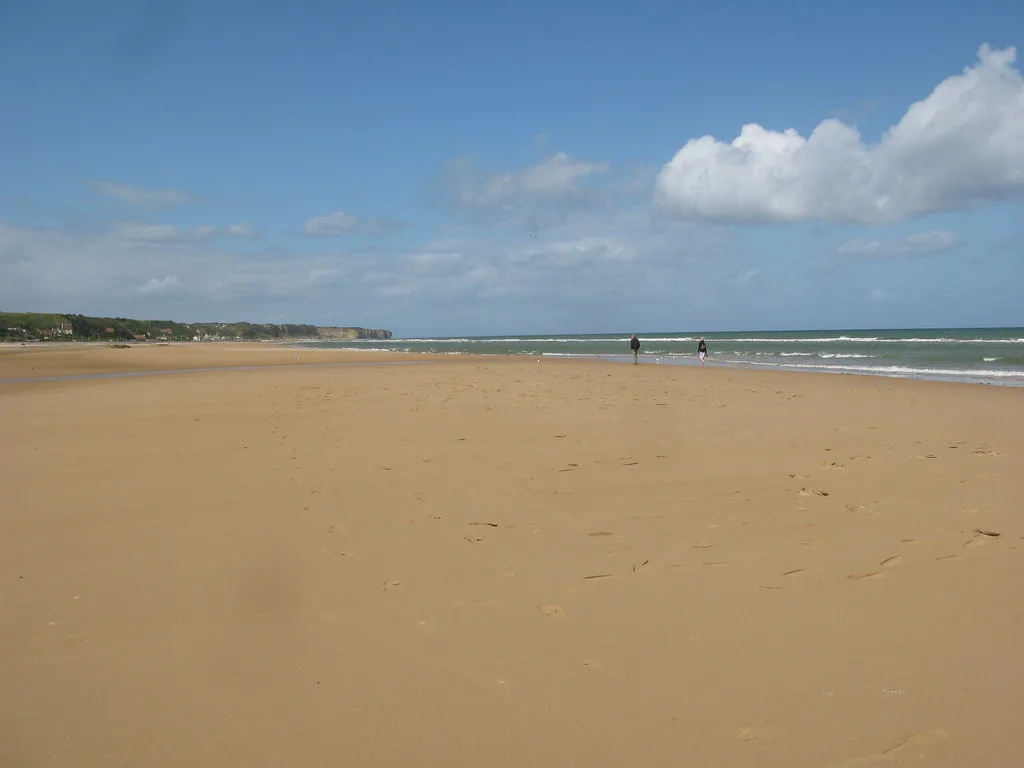
Yes, if your goal is the history rather than the sunshine. Beaches, cemeteries and memorials are open-air and stay accessible year-round. Some museums run shorter hours or close for part of the winter, so each site's own calendar decides your route. Our guide on whether Normandy is worth visiting covers the wider region. Compare winter with other months in the best time for the D-Day beaches. Skip winter if you need swimming weather or a packed schedule of seasonal attractions.
What to Expect: Weather, Daylight and Crowds
Daylight is the real limit. Short days cap you at a few stops, and late-afternoon visits to exposed sites can end in the dark. Daytime highs on the coast are typically around 7°C (45°F), with nights near 2°C (36°F). Frost around 0°C (32°F) is possible, and coastal wind makes it feel colder. Snow is uncommon on the coast. Check Météo-France before you travel, because winter storms can close clifftop paths. Expect shorter queues at museums and far less pressure on lodging than in summer.
What's Open and What to Check Before You Go
Group your plan by site type, then check each official calendar for winter hours, annual closure weeks and last-entry times. Note that many museums close their ticket desk well before dusk. Prices and hours were last reviewed in November 2026, and they change by season. The Mémorial de Caen publishes its own opening calendar. The Normandy American Cemetery page, run by the American Battle Monuments Commission, is the place to check cemetery and visitor center times.
| Site group | Winter reality to verify | Where to check |
|---|---|---|
| Museums and memorials (Caen Memorial, Airborne Museum, Omaha Beach Museum, Overlord Museum) | Shorter hours, closure weeks, last entry | Each museum's own website |
| American Cemetery and visitor center | Visitor center hours and any holiday closures | American Battle Monuments Commission page |
| Open-air sites (Pointe du Hoc, Utah and Omaha beaches, Arromanches, Longues-sur-Mer battery) | Access during storms, tide, muddy paths | Local tourism office, Normandy Tourism |
| Juno Beach Centre | Seasonal hours and closure weeks | Juno Beach Centre website |
Best D-Day Beach Stops in Winter
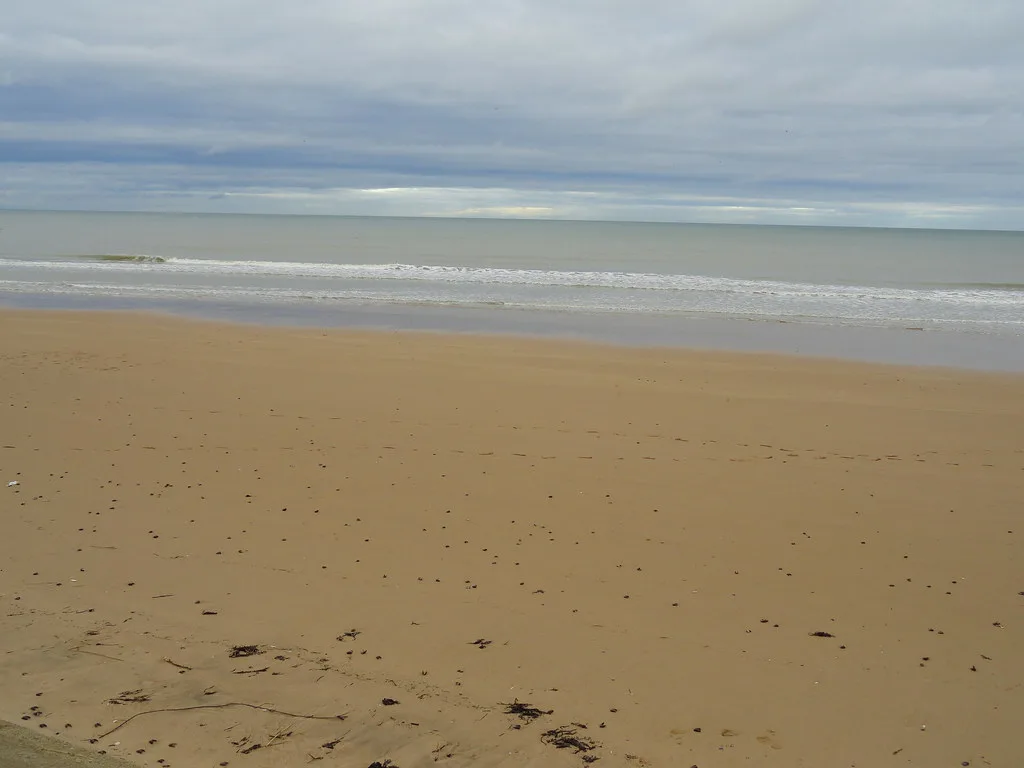
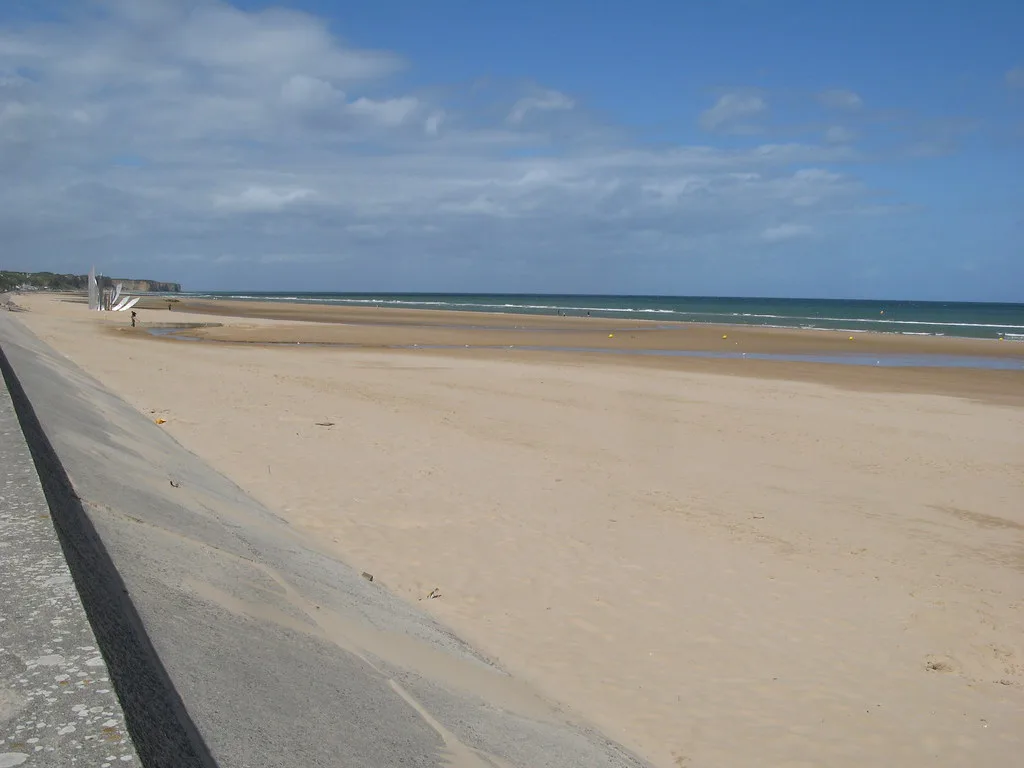
Rank stops by weather resilience. Indoor museums come first on wet or windy days. The Juno Beach Centre and the Mémorial de Caen suit rain, provided they are open. Short-visit sites such as Arromanches and the Longues-sur-Mer battery fit a gap between showers. Exposed sites like Pointe du Hoc, Omaha Beach and Utah Beach are best in the brightest part of the day. Tide and wind change the beach experience, so check conditions before you walk the sand. Our D-Day beaches overview lists every stop, and the D-Day beaches map shows how far apart they are.
- Wet-weather first: Caen Memorial, Airborne Museum, Omaha Beach Museum, Overlord Museum (look up winter hours).
- Short stops: Arromanches viewpoint, Longues-sur-Mer battery.
- Best in clear light: Pointe du Hoc, Omaha Beach, Utah Beach.
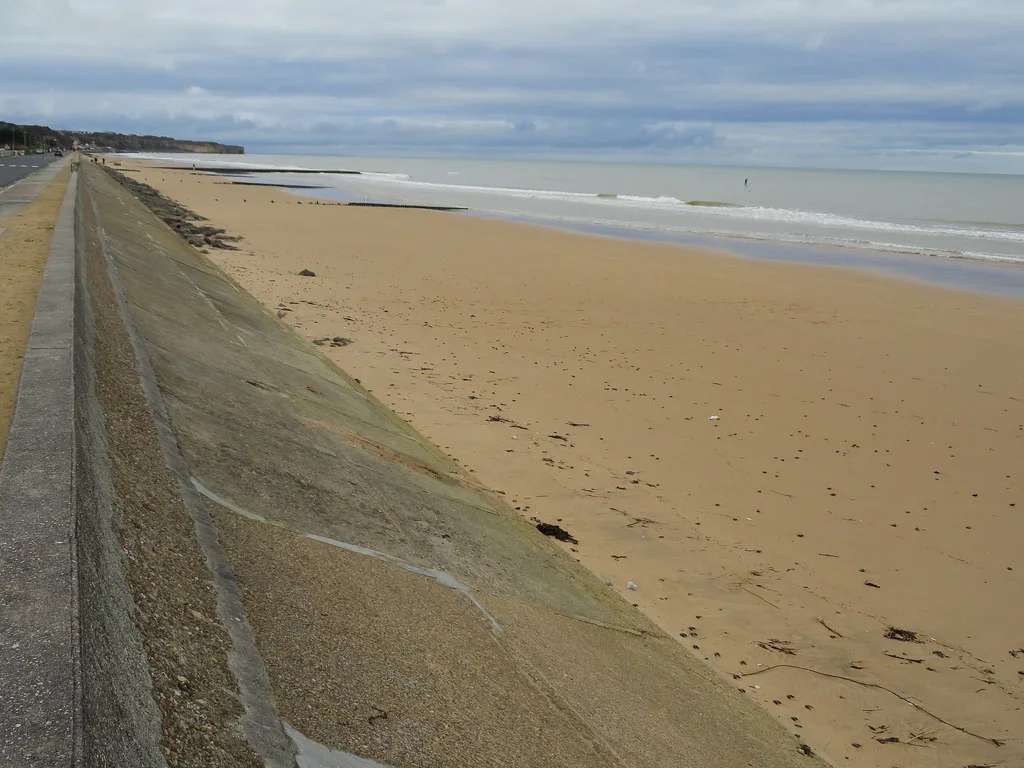
Getting Around in Winter: Car, Train, Bus or Guided Tour
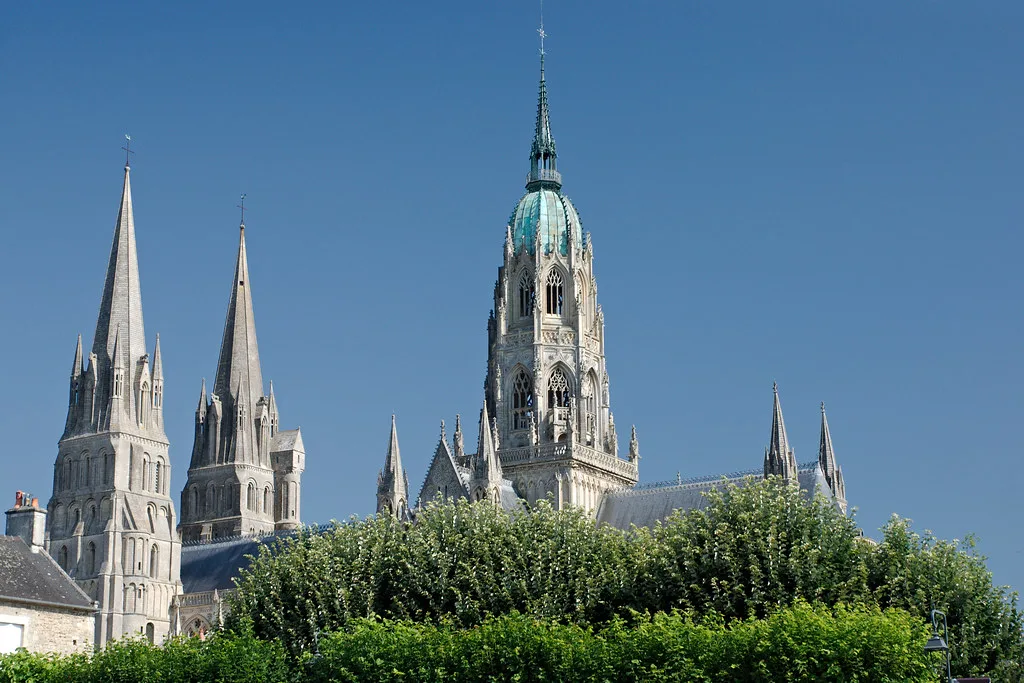
A car gives the most flexibility when daylight is short, because you can reorder stops around the weather. Trains from Paris reach Bayeux and Caen, and local buses link Bayeux to the coast. Winter timetables can be thinner, so check SNCF Connect and the regional operator before you book. Guided tours may run less often in winter, so ask the operator for the schedule. See getting to the D-Day beaches from Paris for the route options.
- Car: flexible, best for fitting several sites into short days.
- Train and bus: cheaper and low stress, but you depend on winter timetables.
- Guided tour: no driving on dark or wet roads, though you follow a fixed schedule.
Where to Stay: Bayeux vs Caen in Winter
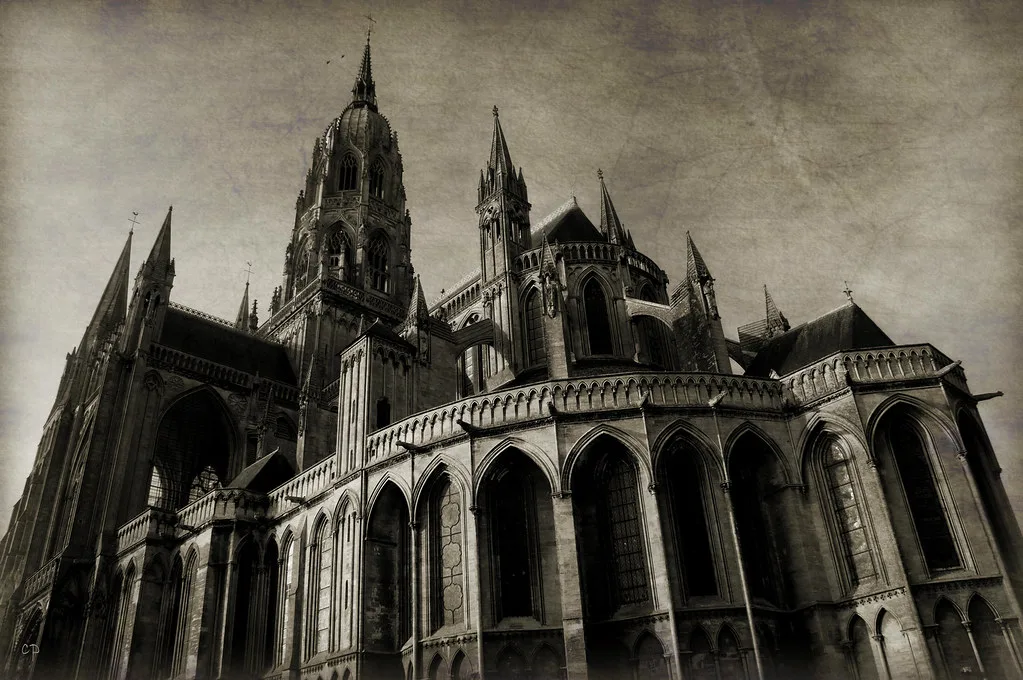
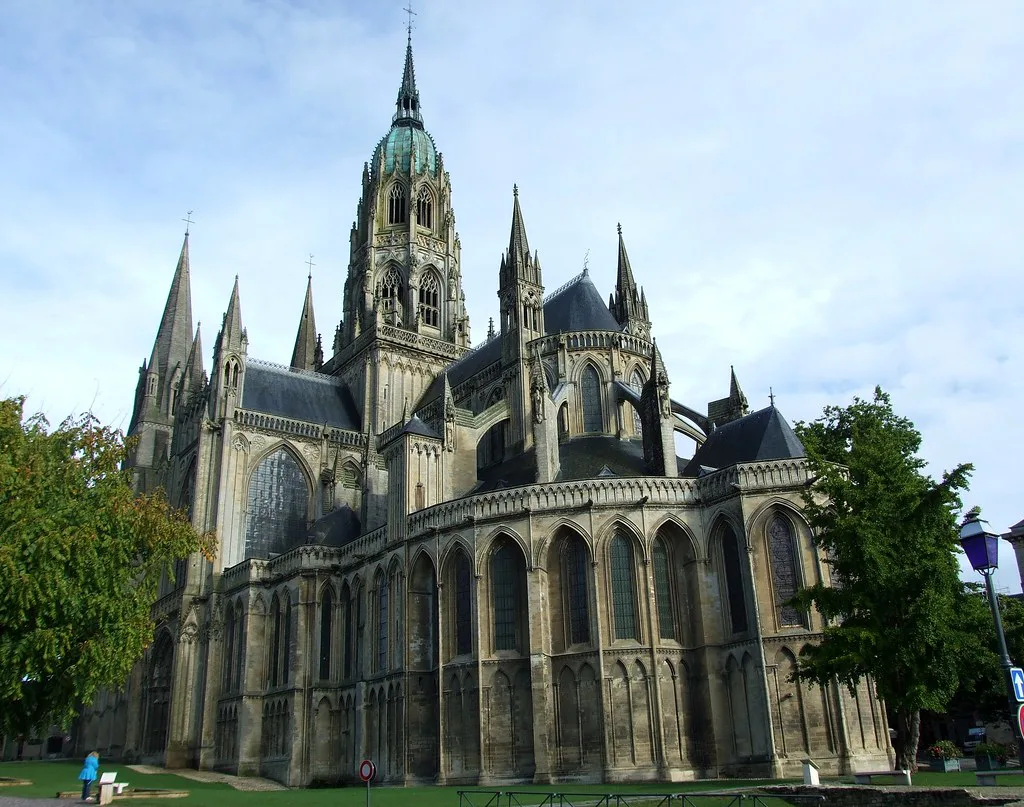
Bayeux is compact and walkable, with the Bayeux Museum and the town center close together. Caen is larger, with more evening options and the Mémorial de Caen. Make sure your hotel and your dinner choice stay open in winter, since small restaurants may close for a few days each week. Lodging pressure is lower than in peak season. As a planning example, a room at €90 in February could be €150 or more in July, so compare your dates on a booking platform. Read Bayeux versus Caen to choose, then see where to stay near the D-Day beaches.
Sample Winter Plans: One Rainy Day and Two Days
Build the day around daylight, not a long checklist. Put indoor sites in the morning and one open-air stop in the brightest hour. Keep a fallback for each outdoor stop. For more structure, see the D-Day beaches itinerary. Our guide on how many days to allow helps with timing.
- One rainy day: a museum first, a second indoor stop after lunch, and one short coastal viewpoint if the rain eases.
- Two days, day one: Bayeux and the nearest open sites, with an indoor fallback for each outdoor stop.
- Two days, day two: Pointe du Hoc, Omaha Beach and the cemetery in the best light, then a museum if weather turns.
Winter Events and Commemorations
Use the Normandy Tourism events calendar for current winter listings. It has filters for D-Day, World War II, Christmas and Commemorations. The major anniversary events fall outside winter, as our D-Day anniversary guide explains. Check dates directly before you plan a trip around any event.
Common Winter Mistakes to Avoid
Most winter problems come from planning like it is summer.
- Assuming summer hours at museums and visitor centers.
- Packing too many outdoor stops into a short day.
- Skipping booking checks for tours, hotels and restaurants.
- Underestimating wind and wet ground at Pointe du Hoc and on the beaches.
- Leaving key sites for late afternoon, when light fades and last entry may have passed.
Frequently Asked Questions
How cold is France in winter?
It varies by region. On the Normandy coast, expect daytime highs around 7°C (45°F) and nights near 0°C (32°F). Wind makes it feel colder, so pack layers and waterproofs.
Does Normandy get snow?
Snow is uncommon on the coast, though frost and cold rain are normal. Check Météo-France before you travel, and have an indoor fallback.
How many days do you need to spend in Normandy?
Two days covers the main D-Day sites at a winter pace. One day works if you focus on a few indoor stops. See our guide on how many days to allow for more.
Keep planning
Guides on the same trip





