
Bayeux or Caen: Which Base for D-Day Beaches?
Bayeux or Caen for your D-Day trip? Pick by car access, evenings, cost and season. Includes a decision table and typical room-rate ranges in euros.

In this guide
Last updated November 2026. Bayeux or Caen comes down to one question: do you want a small medieval town or a larger city as your base? Choose Bayeux if you want a walkable old centre and quick starts toward the beaches. Choose Caen if you arrive by train, want more evening choice, or plan to pair the beaches with a visit to the Mémorial de Caen.
Featured image: Bwonder25, CC BY-SA 3.0, via Wikimedia Commons.
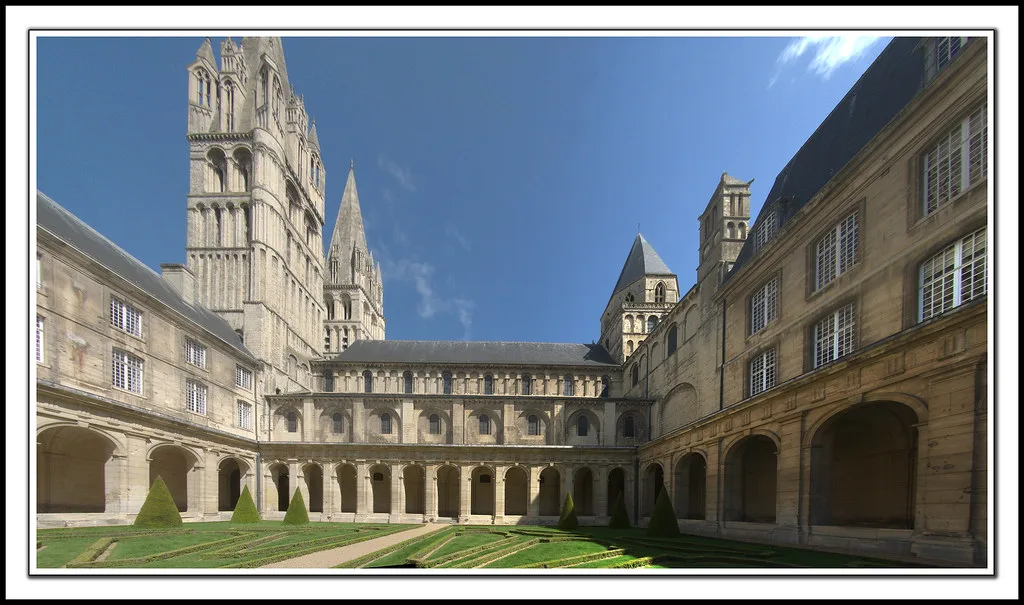
Bayeux or Caen: quick decision table
This is a choice of base, not of sights. Both towns work for the landing beaches, and each has its own history. Rates below are typical planning ranges for a double room, based on our editorial assessment in November 2026. Expect sharp rises around the anniversary and in summer.
| Traveller type | Best base | Typical double room per night |
|---|---|---|
| First-timer wanting an old-town feel | Bayeux | €80–€160 |
| Train arrival from Paris, late evening | Caen | €70–€140 |
| Driver covering the beaches over 2–3 nights | Bayeux | €80–€160 |
| Museum-heavy trip with city dining | Caen | €70–€140 |
| Winter visit with limited transport | Caen | €70–€140 |
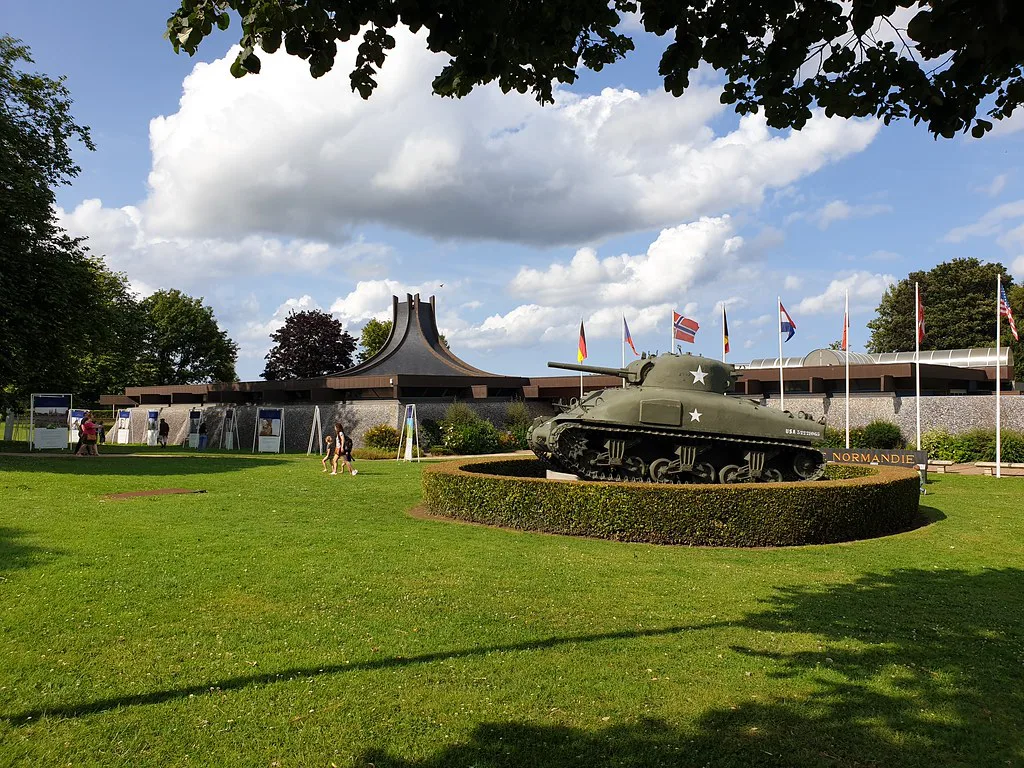
Bayeux as a base
Bayeux is compact. You can walk between the Bayeux Cathedral, the Bayeux War Cemetery and the tapestry museum in a short loop. The Bayeux Museum holds the famous tapestry, so a rainy morning is easy to fill. Bayeux also sits closer to the landing beaches than Caen, which shortens early starts for drivers. The trade-off is a quieter evening scene. Restaurants thin out early, and the choice of lodging narrows fast in peak season. Parking near the centre can also be tight, so ask your hotel about it when booking.
Caen as a base
Caen is a real city, with more restaurants, bars and shops open late. The Mémorial de Caen and the Musée Mémorial de la Bataille de Normandie help you place the beaches in the wider campaign. Caen suits travellers who value services over atmosphere. It is also easier if you arrive late by train, because a city station offers more onward options than a small town. The trade-offs are heavier traffic and city parking rules, plus a longer transfer to the beaches than from Bayeux. Its medieval sights are real, but the centre feels less like a single historic town.
Getting there and getting around
Both towns connect to Paris by train, and our guide to reaching Normandy from Paris covers the routes. Without a car, Caen gives you more train options, while Bayeux gives you a calmer walk to the station and the old town. Check the SNCF timetable for last trains before you plan a dinner out. Bayeux is roughly 30 km from Caen, so a day trip from one to the other is simple. With a car, Bayeux saves time each morning on the road toward the American sector. Use our D-Day beaches map to see how far each beach is from your chosen base. Guided tours often collect from Bayeux, so confirm your pickup point with the operator.
Cost, evenings and atmosphere

Bayeux typically costs a little more per night, around €80–€160, because supply is smaller and demand is concentrated. Caen often runs lower, around €70–€140, with more rooms to choose from. If you want a late meal, a drink after the museums or a lively street, pick Caen. If you want a quiet evening walk past the cathedral, pick Bayeux. Our guide on where to stay near the beaches compares other bases, including coastal villages.
How many nights change the answer
One night favours the base that matches your arrival. Take Caen if you land by late train, and Bayeux if you drive in. Two nights suit Bayeux well, because the tapestry, cemetery and a beach day fit without rushing. With three nights, consider splitting. Our guide on how many days to allow helps you size the trip. For a day-by-day plan, see our D-Day beaches itinerary.
Caen sits 30 km from Bayeux, so the nights question is mostly about arrival, not travel time between the two towns.
When the answer flips

Late train arrival flips the answer to Caen. Relying on a guided tour keeps Bayeux attractive, since many tours start there. Winter also changes things. Smaller towns have fewer open restaurants and some sites shorten their hours, so read our winter guide to the beaches before you commit. Around the anniversary, both towns fill early, so book far ahead and read our anniversary guide. For shoulder-season timing, see the best time to visit.
Splitting your stay and the final pick

A split stay works if you have three or more nights. Spend the first in Caen for the Mémorial and city dining, then move to Bayeux for the old town and the beach run. If you also want a wider regional trip, our piece on whether Normandy is worth visiting helps you decide. In short, pick Bayeux for atmosphere, car access and a compact old town. Pick Caen for trains, evenings, museums and flexibility. For the full regional picture, start with our D-Day beaches overview.
A driver covering beaches over 2–3 nights is pointed to Bayeux, but a split stay only starts at three or more nights.
Frequently Asked Questions
Where to stay in Caen or Bayeux?
Stay in Bayeux if you drive or want a walkable medieval centre. Stay in Caen if you arrive by train or want more restaurants and nightlife.
What is Caen known for?
Caen is known for the Mémorial de Caen and for its role in the Battle of Normandy. It is also a larger city with a wider choice of dining and lodging.
Keep planning
Guides on the same trip






