6 Dunkirk 1940 Sites to Visit Today: Beaches, Mole and Museum
Visit Dunkirk's 1940 evacuation sites: the museum, beaches, Mole and memorial, with a one-day plan and tips for getting there from the UK.

In this guide
Last updated November 2026: Dunkirk 1940 means Operation Dynamo, the evacuation of Allied troops from the town's harbour and beaches between late May and 4 June 1940. Today you can walk the sands, stand on the harbour breakwater and visit a museum and memorial in one compact area. Below are six sites in a sensible visiting order, plus a one-day route and the practical decisions that matter.
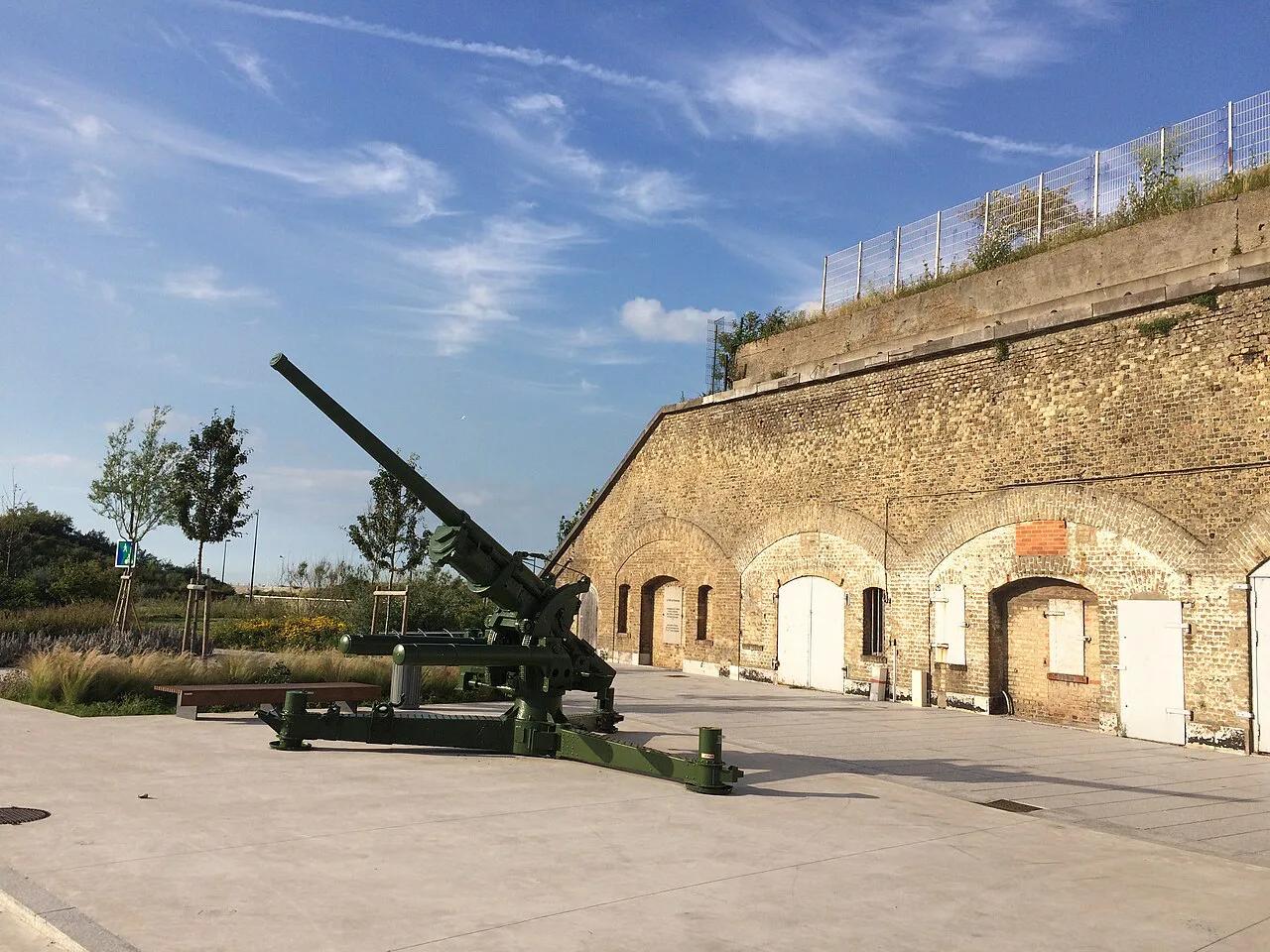
Featured image: Chris Whippet, CC BY-SA 2.0, via Wikimedia Commons.
Dunkirk 1940 in Brief
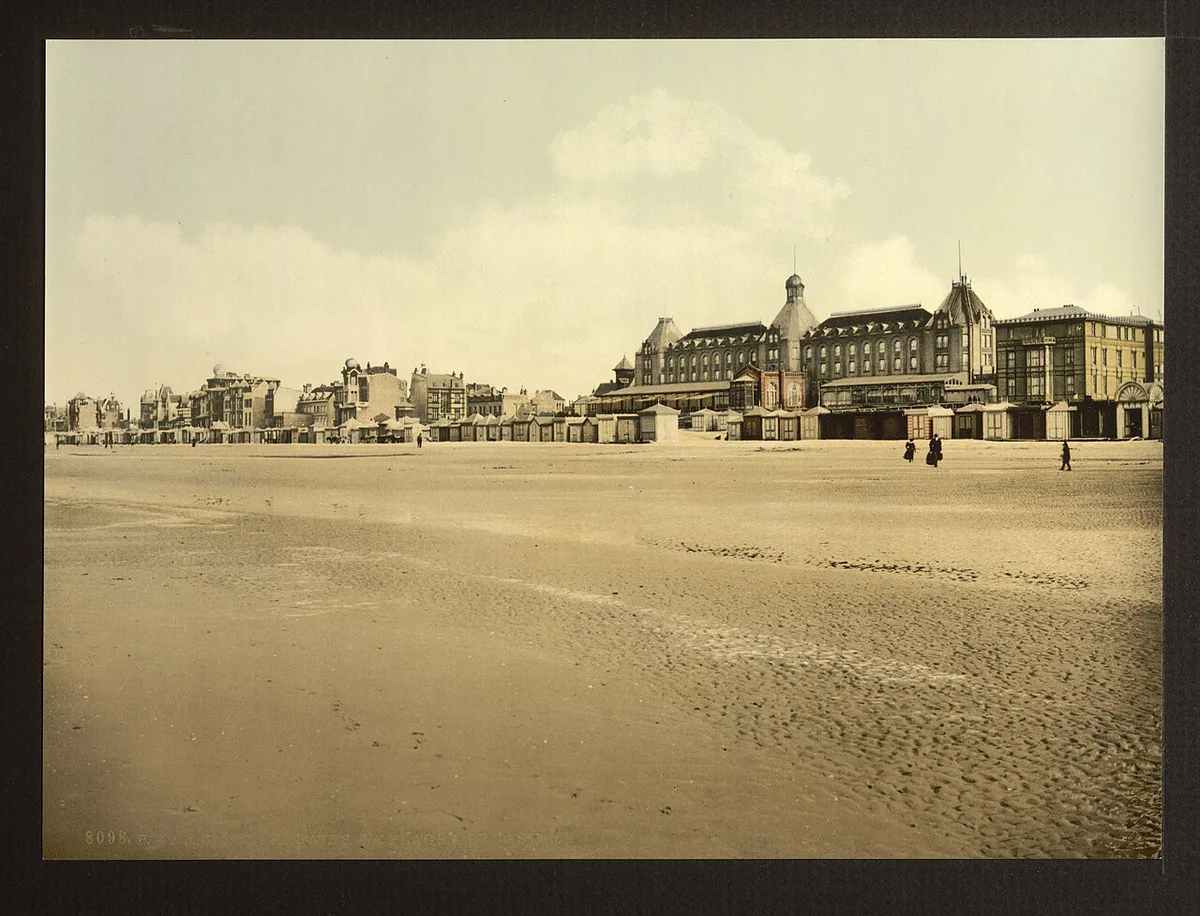
The order to begin Operation Dynamo was given at 1900 on 26 May 1940. Vice Admiral Bertram Ramsay led the planning. Troops left from the beaches and from the harbour breakwater known as the Mole. One historical account puts the total rescued at 338,226 men, while other writers say nearly 350,000, so "more than 330,000" is the safest summary. Civilian little ships took part, but published counts differ, so no single figure is reliable. The last troops were evacuated by 4 June. Historians still debate why German armour halted before Dunkirk. The town is about 30 miles across the Channel from Dover and about 8 miles from the Belgian border. For the Allies this was a retreat, and many men died or were captured, so these sites call for quiet and respect.
Dunkirk 1940 Sites at a Glance
Use this table to decide how much of Dunkirk 1940 fits your day. Each site has its own detailed guide, linked in the list that follows.
| Site | What it shows | Time needed | Best for | Skip if |
|---|---|---|---|---|
| 1940 museum | Operation Dynamo story indoors | Half a morning | History fans, rainy days | You only want open-air sites |
| Malo-les-Bains and Zuydcoote beaches | Wide sands where troops waited | Flexible, 1 to 2 hours | Families, walkers | You expect preserved relics |
| The Mole | Harbour breakwater used for embarkation | Short stop | Evacuation geography | You dislike exposed, windy walks |
| British memorial | Names of casualties with no known grave | Short, quiet visit | Remembrance | You are rushing |
| Other war sites | Wider wartime remains around the area | Half a day | Repeat visitors | You have under half a day |
| Film locations | Places linked to the Dunkirk film | Optional add-on | Film fans | You want history only |
6 Dunkirk 1940 Sites to Visit, in Visiting Order
Hours and prices checked November 2026 against official pages. The Dunkirk tourist office publishes current opening times and event dates for the sites below.
1. The Dunkirk 1940 Museum (Musée Dunkerque 1940)
Start here for the story before you see the ground. The museum covers Operation Dynamo and sits near the Bastion 32 area. Allow the first part of your morning for the Musée Dunkerque 1940 museum. It explains what you will later see outdoors.
Opening days vary by season, so check the tourist office before you go. Skip it if you only want open-air sites and have under half a day.
2. Malo-les-Bains and Zuydcoote Beaches
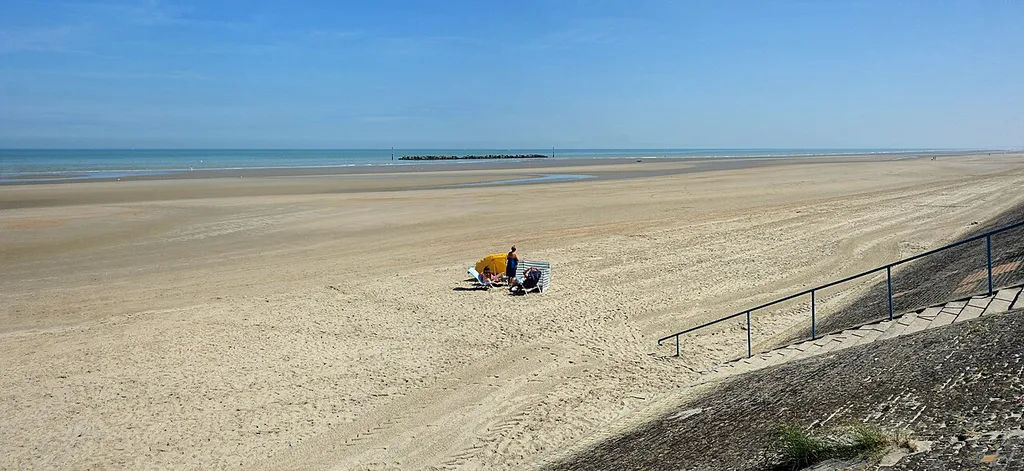
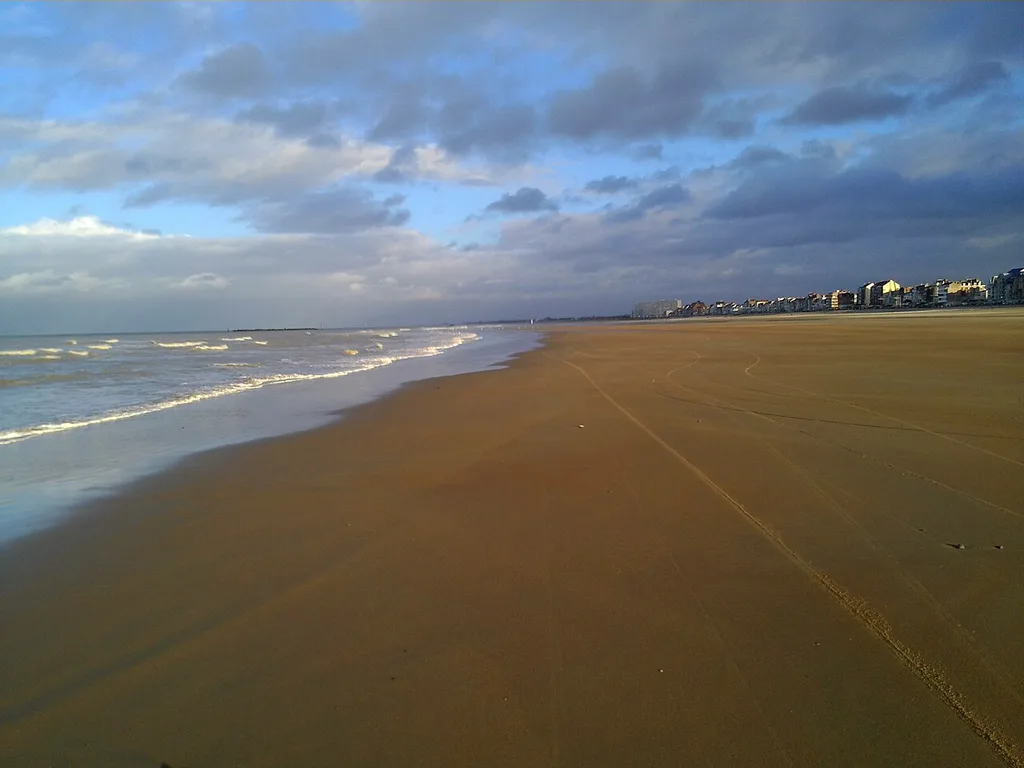
These wide sands are where troops queued in late May and early June 1940. Nothing from that week survives on the surface. That is the point of the visit. Walking the long, flat shoreline shows how exposed the men were.
Read the Malo-les-Bains and Zuydcoote beaches guide first. Tides change how much sand you can walk, so check tide times and wear shoes you can get wet. Skip them if you expect preserved relics.
3. The Mole, the Harbour Breakwater
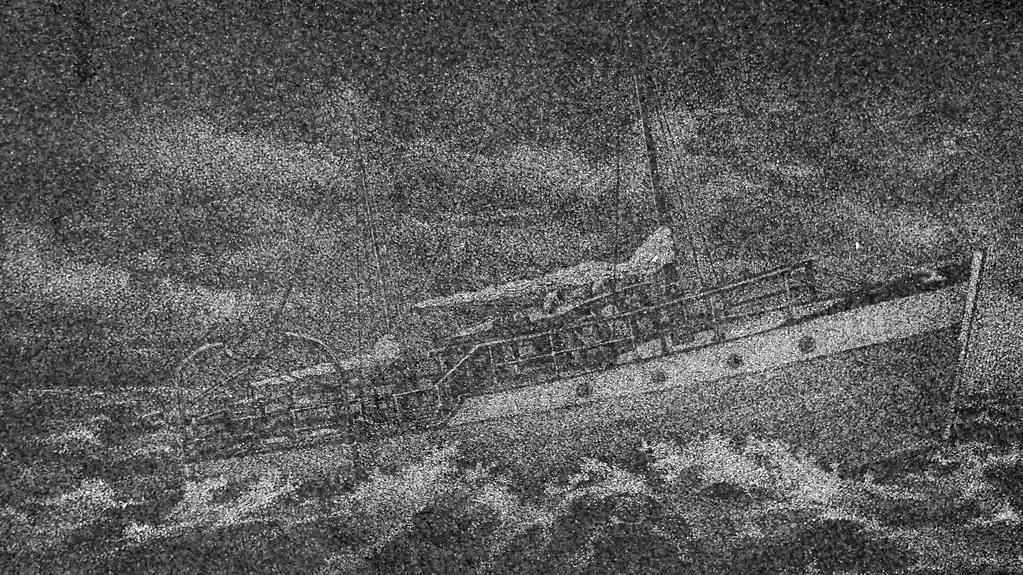
Evacuation also ran from this long breakwater. One account says about two-thirds of those rescued left from it on navy destroyers and larger ships. Stand on the harbour breakwater known as the Mole and look back at the town. The geography explains why ships could load here.
Wind is strong and the surface is exposed. Skip it if the weather is poor or you have mobility concerns.
4. The British Memorial
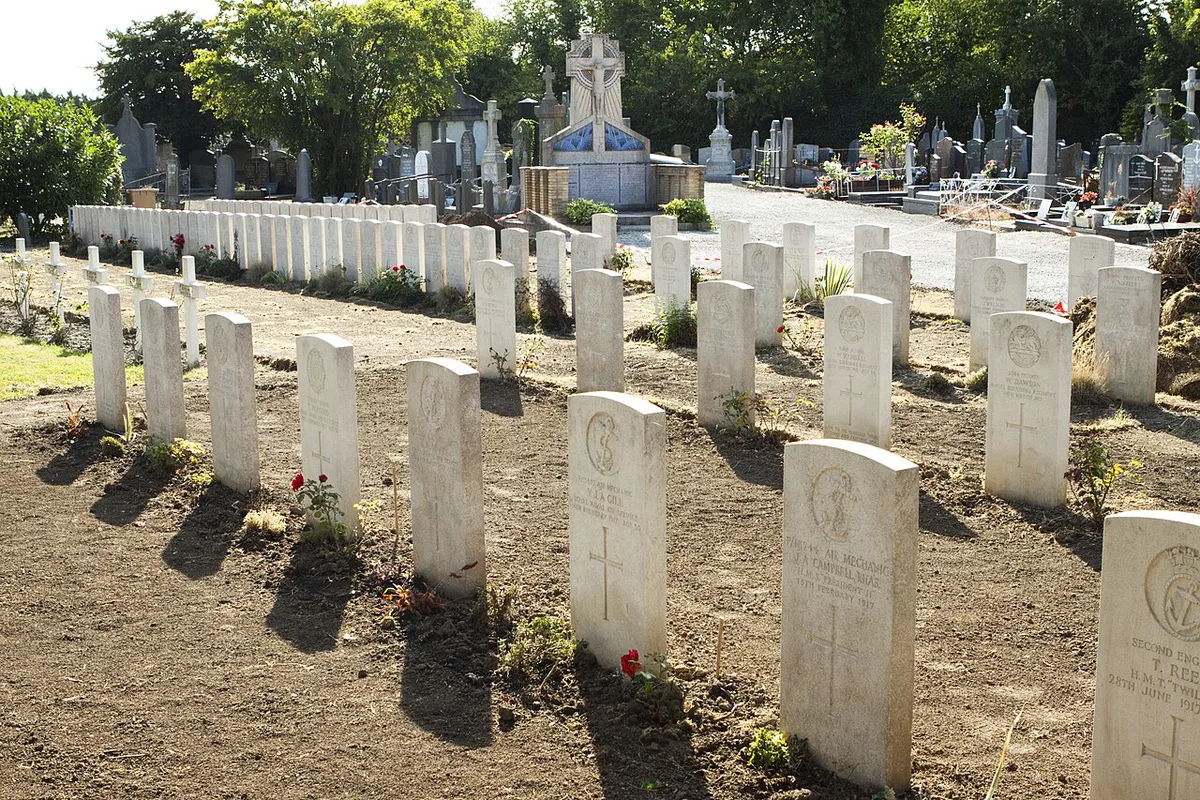
The Dunkirk Memorial in the town commemorates more than 4,500 British Expeditionary Force casualties who died or were captured and have no known grave. Read the British memorial in town guide for its setting.
Visit quietly and follow any site rules posted at the entrance. Skip it only if your schedule truly cannot spare a short, respectful stop.
5. Other Wartime Sites Around Dunkirk
Beyond the main four, the area holds further wartime remains and smaller memorials. Our guide to the other war sites nearby helps you choose.
These suit a second day or a car-based half day. Skip them on a short trip. The museum, beaches, Mole and memorial give you the core story.
6. Dunkirk Film Locations
Film fans link Dunkirk's seafront to the 2017 movie. Verify which scenes were shot where before you plan around them. The film locations guide lists what is worth a detour.
This is an optional add-on rather than a core stop. Skip it if you want history only. A film is not a record of what happened.
One-Day Dunkirk 1940 Itinerary
A single day covers the core sites if you start early. Dunkirk's sites sit within the same town and coast, so a car helps but is not essential. Public transport works for the museum, Mole and memorial. The beaches are easier by car or taxi. With only half a day, choose the museum and the Mole.
| Time block | Stop | Notes |
|---|---|---|
| Morning | 1940 museum | Learn the story first |
| Late morning | The Mole | Short walk, exposed to wind |
| Midday | Lunch in town | Plan around museum hours |
| Afternoon | Malo-les-Bains beach | Check tide times |
| Late afternoon | British memorial | Quiet close to the day |
Getting There and Getting Around
Dunkirk lies about 30 miles across the Channel from Dover. From the UK, see the route from London for options. Ferry and rail timetables change, so check the operator's site for current times. From Paris and Lille, check rail operators for current services. Locally, the town centre, museum and Mole are close together, while the beaches are further along the coast.
Costs, Tickets and Opening Hours
No published prices are confirmed here, so none are quoted. Check the official city site and the tourist office for current ticket costs, closing days and any combined ticket. Beaches, the Mole and the memorial are outdoor places, so entry to them needs no ticket. Museum hours vary by season.
When to Visit Dunkirk
2026 marks the 86th anniversary of the evacuation, and commemoration events fall in late May and early June. Expect more visitors then, so check official event pages for dates. Quieter months suit the museum and memorial. Wind and tides matter most on the beaches, so check the forecast for the day before you go.
Crowds peak around the 86th anniversary in late May and early June, the same window as the 1940 evacuation, so visit the beaches on quieter days.
Guided Tours Versus Self-Guided
A guide helps most when you want context at the beaches, where little survives. Self-guided visits suit those on a tight budget or schedule. Compare guided tour options for cost and timing.
Common Mistakes to Avoid
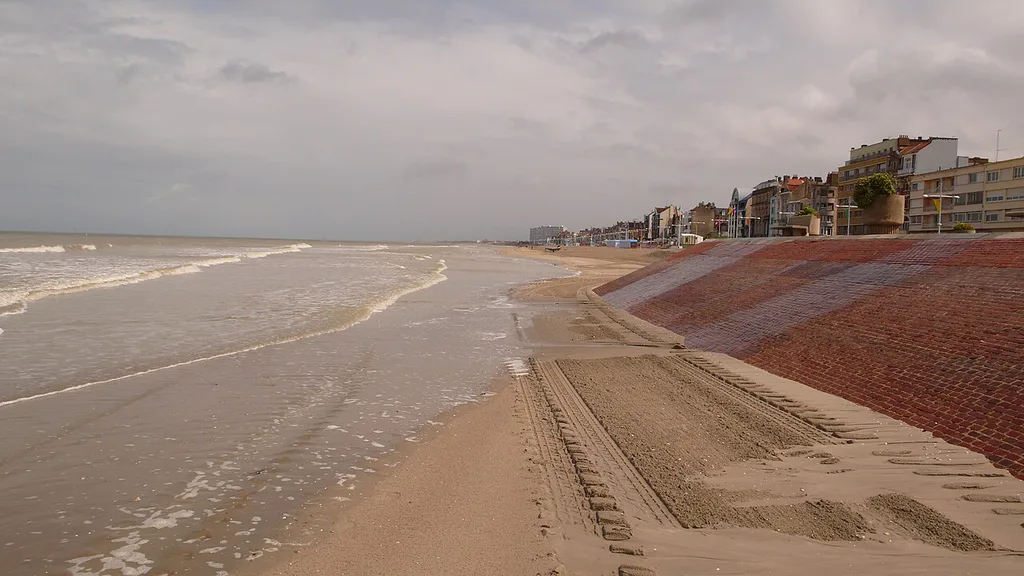
Do not expect a preserved battlefield. Do not underestimate the distance between the town and the beaches. Do not ignore tide times. Do not treat the memorial and beaches as photo backdrops.
Where to Stay
Staying in Dunkirk saves travel time and lets you see the beaches at the quiet ends of the day. A day trip from elsewhere works if you take the core route above. History fans benefit from the second day for the wider sites.
Dover's tunnels are about 30 miles apart from Dunkirk across the Channel, and Dynamo's order came at 1900, so both halves of one story fit one trip.
Pair Dunkirk with Dover Castle’s Dynamo tunnels
Dunkirk makes more sense when paired with the command centre across the Channel. Vice Admiral Bertram Ramsay planned Operation Dynamo from tunnels beneath Dover Castle. The order to begin the evacuation was issued at 1900 on 26 May 1940. The last troops left Dunkirk by 4 June.
For visitors arriving from the UK, the tunnels add the British half of the story before or after a visit to France. Dunkirk shows the beaches, harbour and memorials where men waited and embarked. Dover explains the naval planning behind the rescue. The two places are about 30 miles apart across the Channel, although ferry and rail journeys require advance timetable checks.
Allow time for each place separately rather than treating Dover as a quick stop. Check Dover Castle’s official visitor information before travelling, especially for tunnel access and opening arrangements. The Dunkirk museum and the Mole then provide a useful continuation of the same story on the French side.
What came next is told at the Battle of Britain sites in southern England, from the airfields to the cliff-top memorial at Capel-le-Ferne.
Frequently Asked Questions
Is Dunkirk set in WW1?
No. Dunkirk 1940 belongs to the Second World War. Operation Dynamo ran from late May to 4 June 1940.
Explore More Guides
Keep planning your trip with these guides.
Guides
- Dunkirk 1940 Museum: Hours, Tickets & Is It Worth It
- Dunkirk Beaches: Malo-les-Bains and 1940 History
- Dunkirk From London: Ferry, Train & Car Options
- Dunkirk War Sites: Museum, Beaches, Memorials and Day Plan
- Dunkirk Film Locations: Where Nolan Filmed and What You Can Visit
- Dunkirk Memorial
- Dunkirk Mole: History, Visiting & Getting There
- Dunkirk Tour: Guided, Self-Drive or Mixed? How to Choose
Keep planning
Guides on the same trip