
Dunkirk Mole: History, Visiting & Getting There
What the Dunkirk Mole was in 1940, how to find it today, and how to combine it with the beaches, museum and memorials.
In this guide
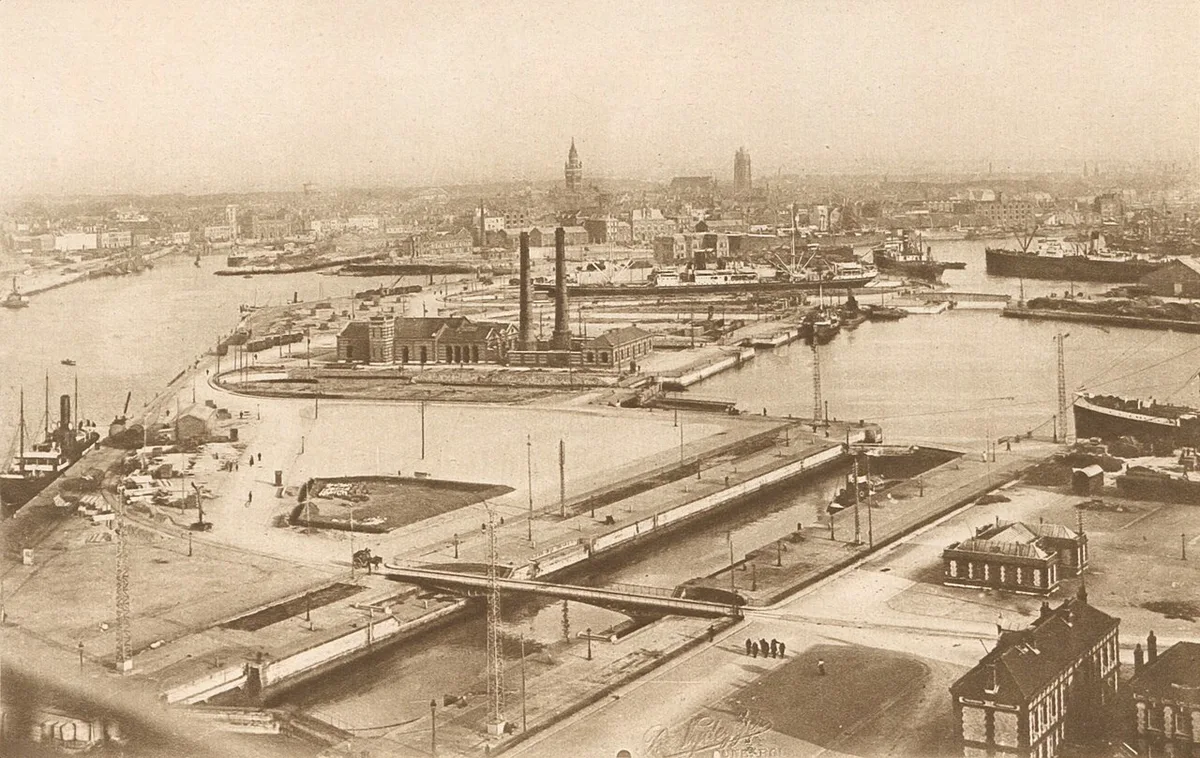
Last updated November 2026. The Dunkirk Mole, usually called the East Mole, is the long breakwater at Dunkirk (Dunkerque) harbour from which a large share of troops were embarked in late May and early June 1940. Whether you can walk it depends on current harbour access rules, so check the local tourist office before you set out. This guide covers the history, the access questions, and how to fit the Mole into a wider day of Dunkirk 1940 sites.
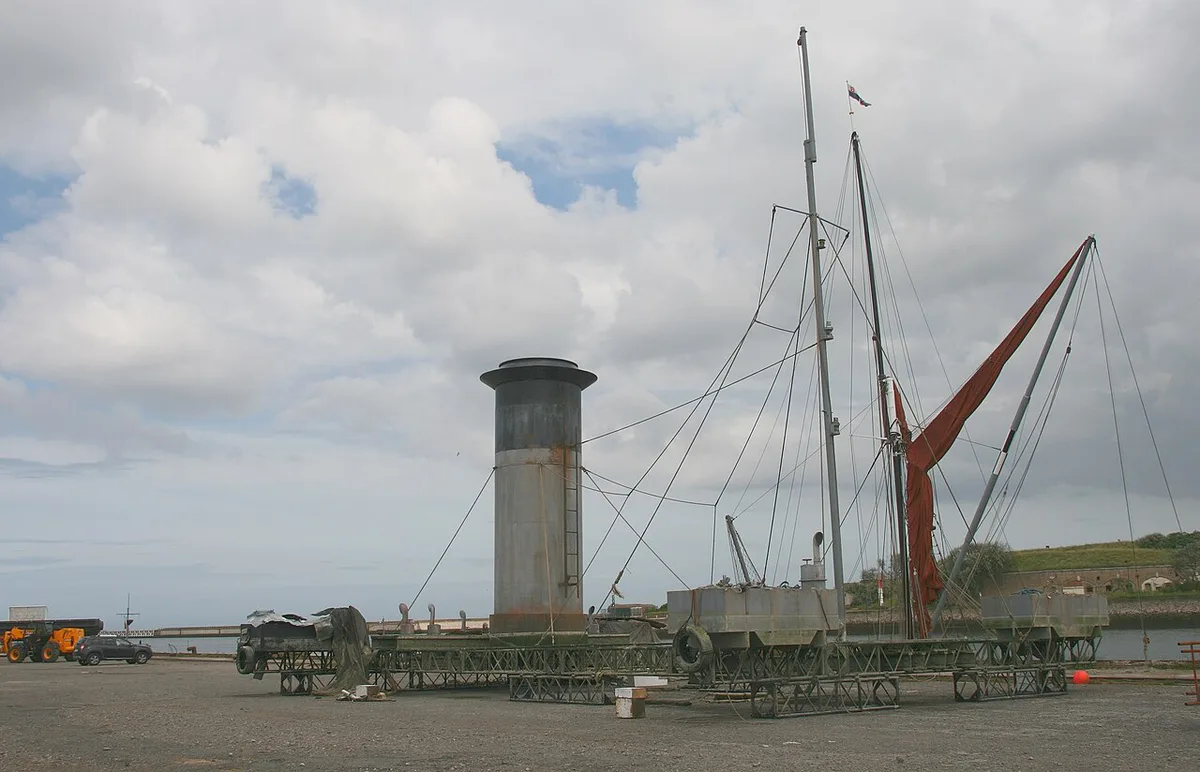
Featured image: Eugène Isabey, Public domain, via Wikimedia Commons.
What the Dunkirk Mole was (quick answer)
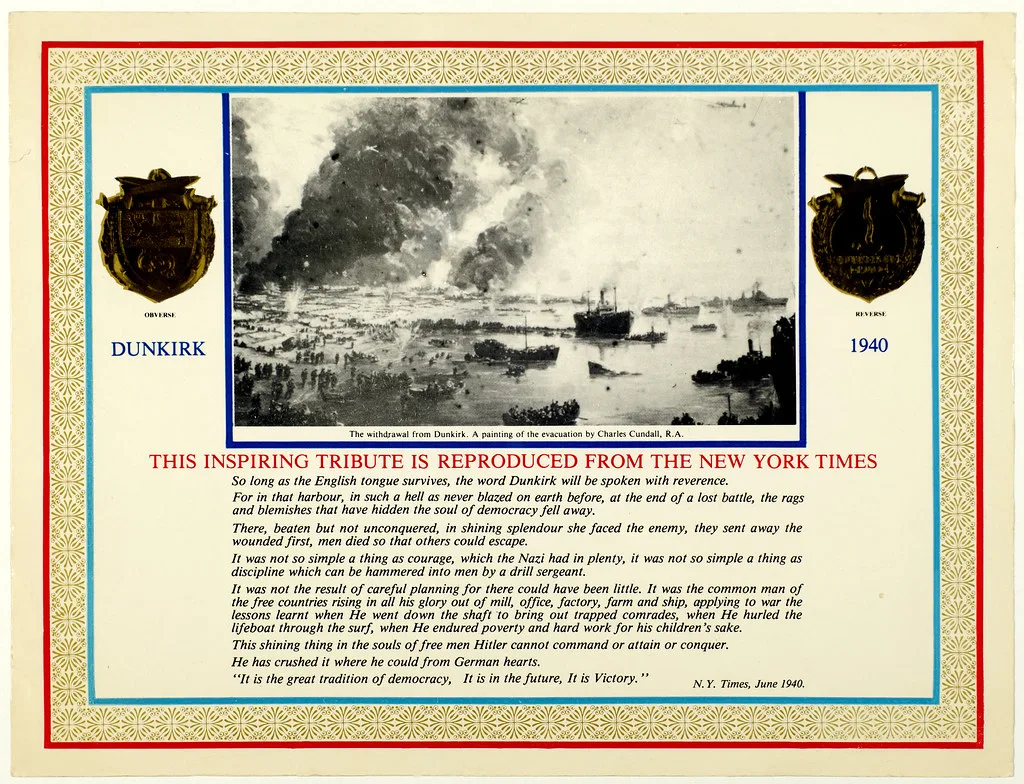
The East Mole is a long, narrow breakwater protecting the harbour entrance. In 1940 it worked as an improvised pier. Ships could tie up alongside and take soldiers straight from its walkway. That made it very different from the open sands to the east, where troops waited for small boats. Sources differ on exact totals, but the evacuation is usually said to have saved roughly 330,000 to 340,000 Allied soldiers.
Why the Mole mattered next to the beaches
Shallow water kept larger ships away from the sand. Troops on the Dunkirk beaches had to wade out or be ferried by small craft. A breakwater with deep water alongside let ships load men faster and in larger groups. Both methods ran side by side during the evacuation. Seeing the Mole and the beaches on the same day makes that contrast easy to grasp.
Ships at the Mole and small boats on the sand ran side by side across an evacuation usually put at 330,000 to 340,000 soldiers.
Can you visit the Mole today?
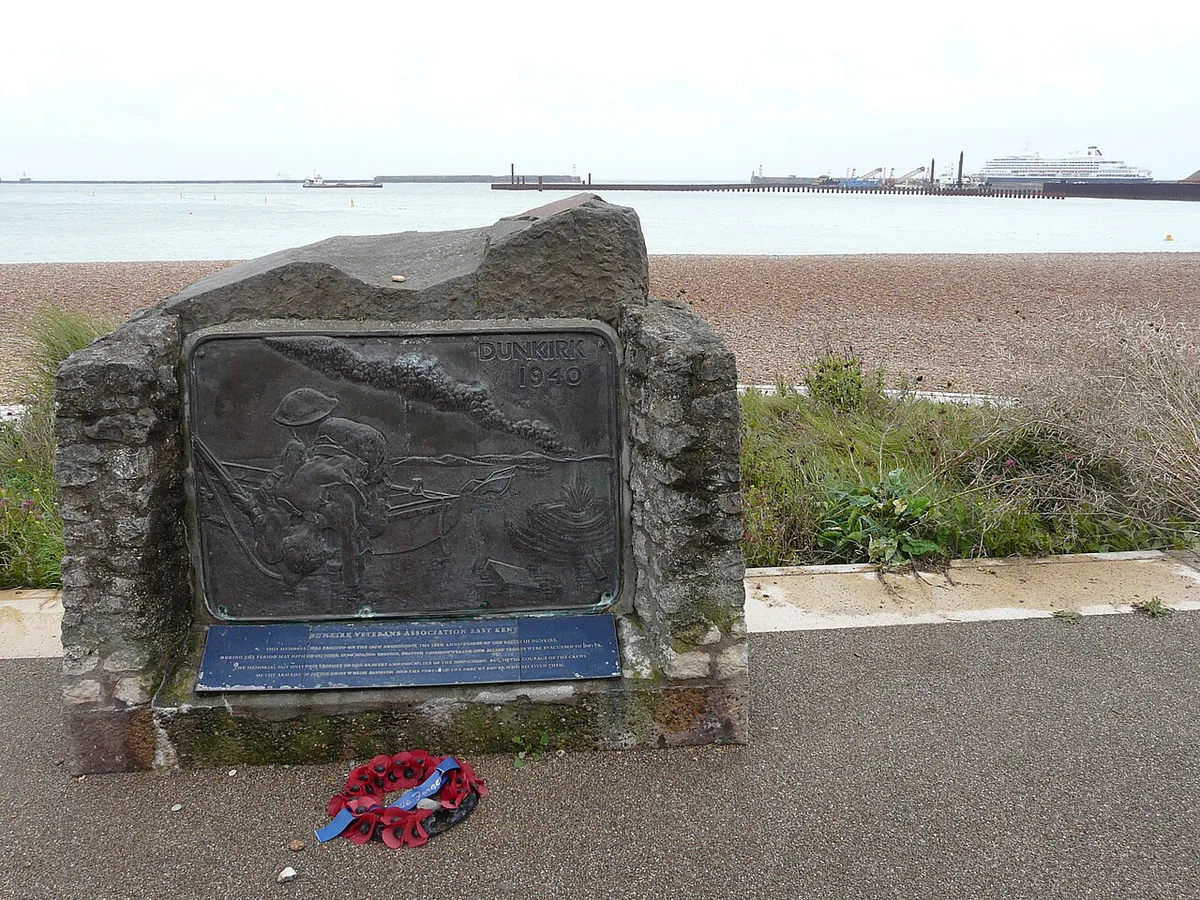
Access to a working harbour structure can change with maintenance, weather and port rules. This page does not assert opening times or a fixed route. The Dunkirk Tourist Office is the right place to ask what is open to walkers now. The breakwater is exposed, so expect wind and spray even on a mild day.
- Current access status and any closures, from the tourist office or the city.
- Wind and sea conditions on the day, since a breakwater has no shelter.
- Tide state, which changes how the harbour and beaches look.
- Who maintains the structure, and whether any works are under way.
- Footwear and clothing for a long, open walk.
Getting there and logistics
Start from Dunkirk town or the beach area and ask the tourist office for the current approach. Local transport options and timetables change, so rely on the city's official site for up-to-date details. UK visitors can plan a single day using our day trip from London guide. Travellers who would rather have a guide can look at a guided Dunkirk tour. Fans arriving after the film may also like our notes on film locations in Dunkirk.
Mole vs. beaches vs. museum: how to split your time
Pick the stops that match your weather and your energy. The wider Dunkirk war sites circuit links them in one route.
| Site | What you see | Best for | Weather dependence | Time to allow |
|---|---|---|---|---|
| Mole | Long harbour breakwater | WWII-focused walkers | High | Check locally |
| Beaches | Open sand and shallow water | Understanding the small-boat embarkation | High | Check locally |
| Museum | Indoor exhibits at the Dunkirk 1940 Museum: Hours, Tickets & Is It Worth It | Context in poor weather | Low | Check locally |
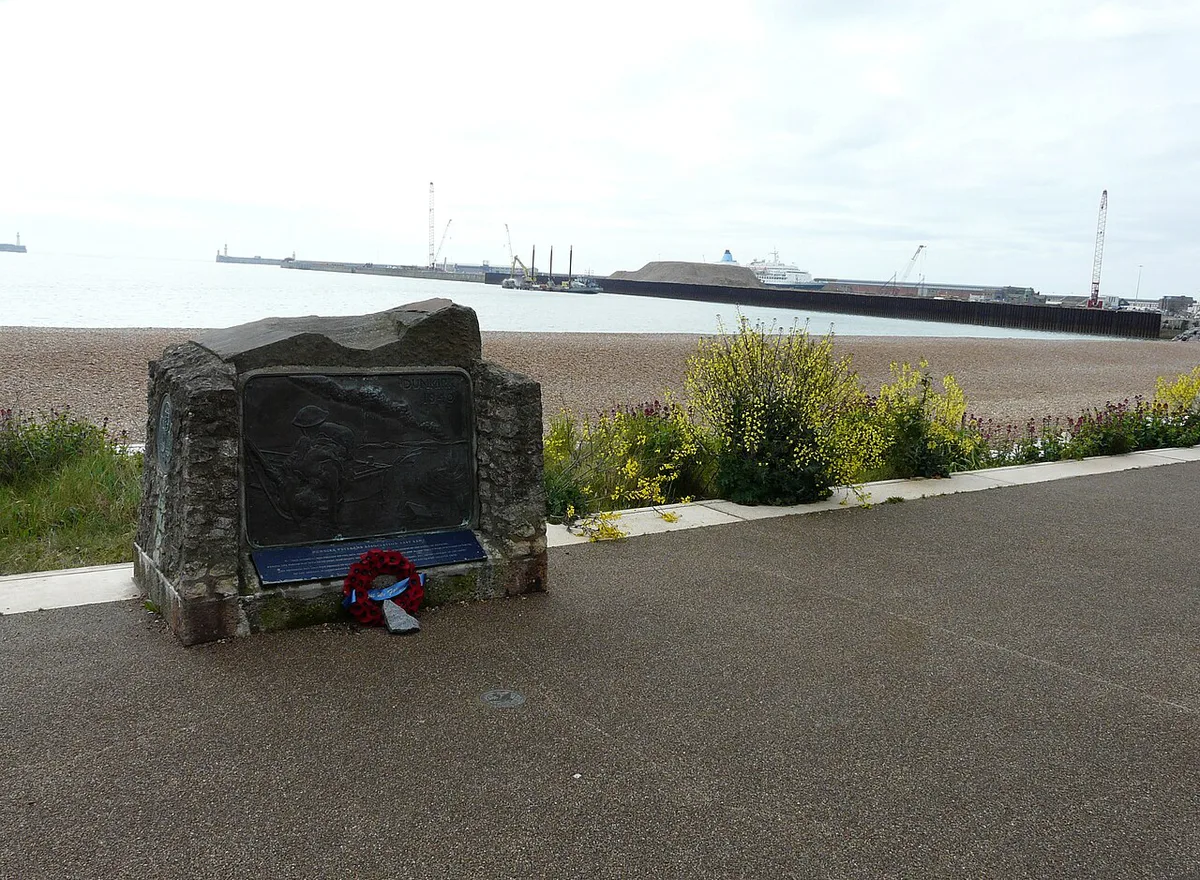
| Memorial | The British memorial | Quiet commemoration | Medium | Check locally |
Mistakes to avoid
Treat each of these as a point to verify rather than an assumption.
- Assuming the Mole is a staffed attraction with set hours.
- Going in strong wind or poor visibility without checking conditions.
- Planning around the tide without looking at the tide table.
- Skipping the museum on a wet day, when it is the better choice.
- Rushing the memorial, which is a place for quiet reflection.
Who should walk the Mole
Walk it if you tolerate weather and want to stand where ships once berthed. Skip it if you are short on time, have limited mobility, or face a stormy day. In those cases the beaches and the museum tell most of the story.
Keep planning
Guides on the same trip






