8 Sites to Compare Before Booking D-Day Tours
Compare D-Day tours by departure city, format and sector, then check eight landing sites to match your family's history.

In this guide
Last updated November 2026: D-Day tours are guided visits to the Normandy landing beaches and the memorials around them. Three choices shape every booking: departure city (Paris, Bayeux, Caen and others), group size or private guide, and American, British or Canadian sector focus. A day trip from Paris is long, so Bayeux and Caen departures suit travelers who can stay in Normandy.
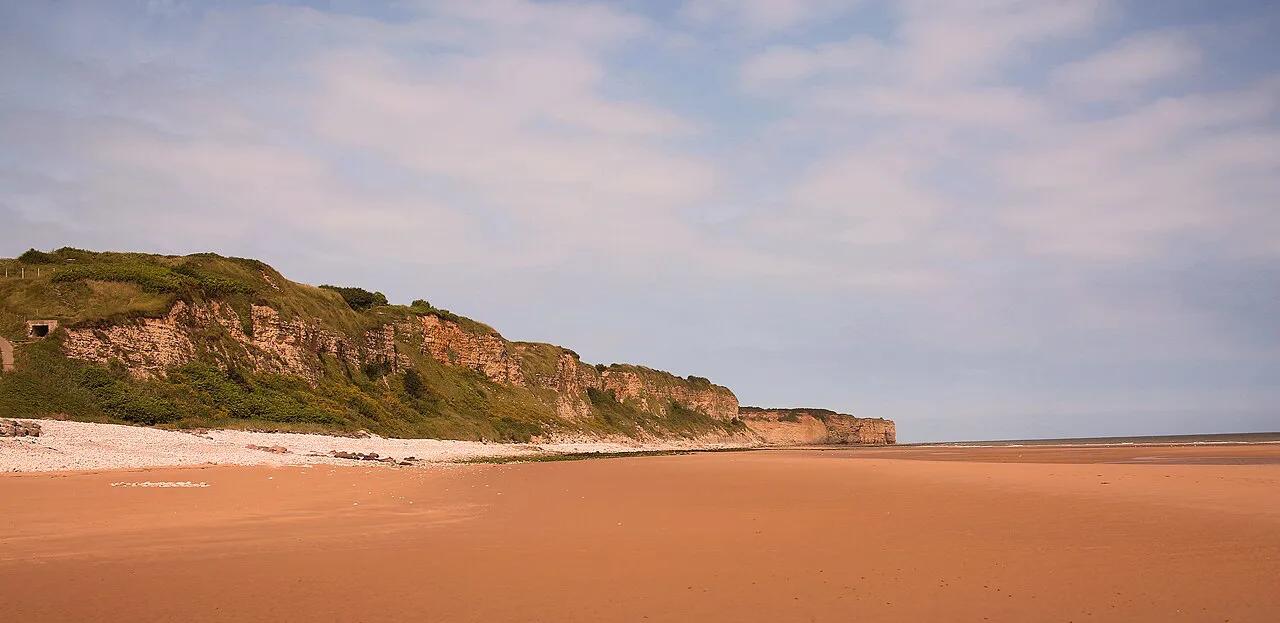
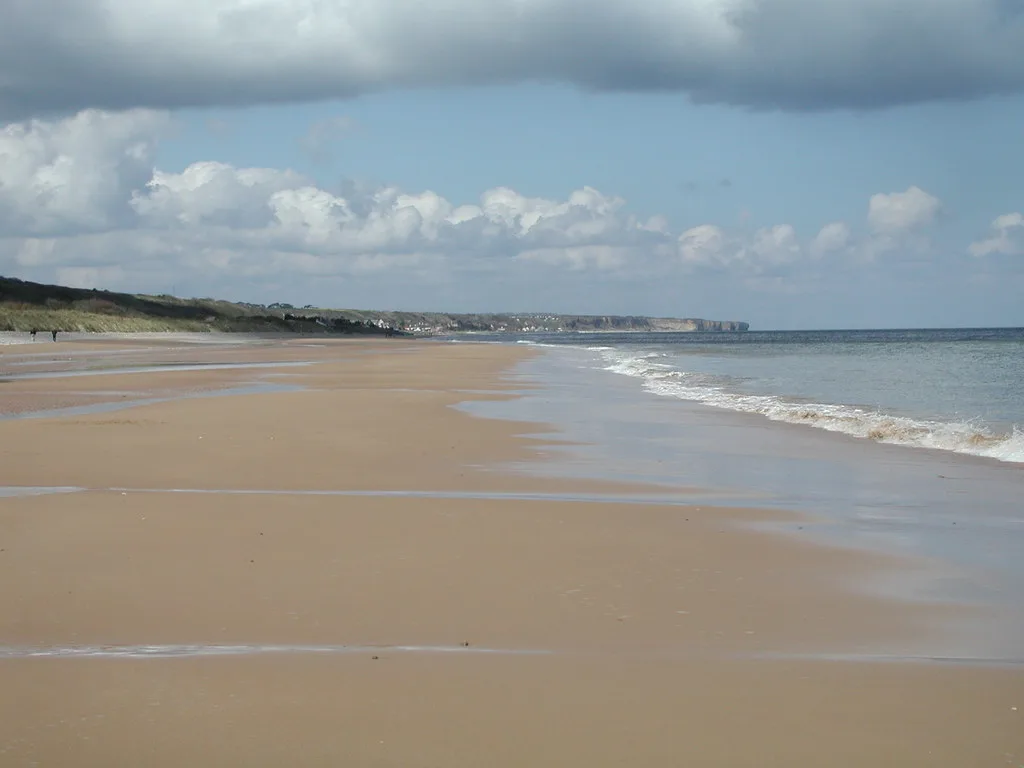
Featured image: Bradley Weber, CC BY 2.0, via Wikimedia Commons.
Quick answer: which D-Day tour should you book?
Start with your sector, then choose your base. Five beaches were assigned on 6 June 1944. Utah and Omaha went to American forces, Juno to Canadian forces, Gold to British forces, and Sword to British and French forces. A tour that skips your family's beach can feel generic. Most American-focused tours cover Omaha, Pointe du Hoc and the Normandy American Cemetery. Canadian, British and German-side stops usually need a tour built around them. Bayeux and Caen departures start inside the battlefield area, while Paris departures spend much of the day on the road. Operators change itineraries, so confirm inclusions and pickup points before you pay.
| Traveler | Best-fit tour | Where to start |
|---|---|---|
| First-timer | Full-day small-group tour covering Omaha, Pointe du Hoc and the cemetery | Bayeux or Caen departure |
| American descendant | Full-day tour with Utah, Sainte-Mère-Église and Omaha, or a private guide | Bayeux departure |
| Canadian family | Small-group tour that names Juno Beach and the Juno Beach Centre | Paris or Caen departure |
| British family | Private or custom tour that names Gold, Arromanches and Sword | Bayeux or Caen departure |
| History enthusiast | Private guide or multi-day package, with the German side included | Private operator |
| Limited time | Half-day Bayeux tour for the Omaha sector | Bayeux departure |
D-Day tours by departure city
Departure city decides how much of the day you spend at the sites. Each guide below covers routes and meeting points in more detail.
- Paris: Full-day minibus trips leave central Paris and return the same evening. Travel eats a large share of the day. Compare options in our guide to Paris minibus day trips.
- Bayeux: Meeting points sit in town, and routes reach Omaha, Pointe du Hoc and Utah without a long transfer. Half-day and full-day versions both exist. See tours leaving Bayeux for the differences.
- Caen: Caen suits travelers who want a museum alongside the beaches, and some tours bundle a Mémorial de Caen ticket. Read about Caen-based departures before choosing.
- London: A cross-Channel leg comes first, so check the whole journey before assuming a day trip works. Our London departure guide covers the trade-offs. Rail travelers can start with Eurostar to Paris.
- Cherbourg: Cruise passengers on a port day can use Cherbourg shore options. Match any tour to your ship's all-aboard time. Local information is on Cherbourg Tourism.
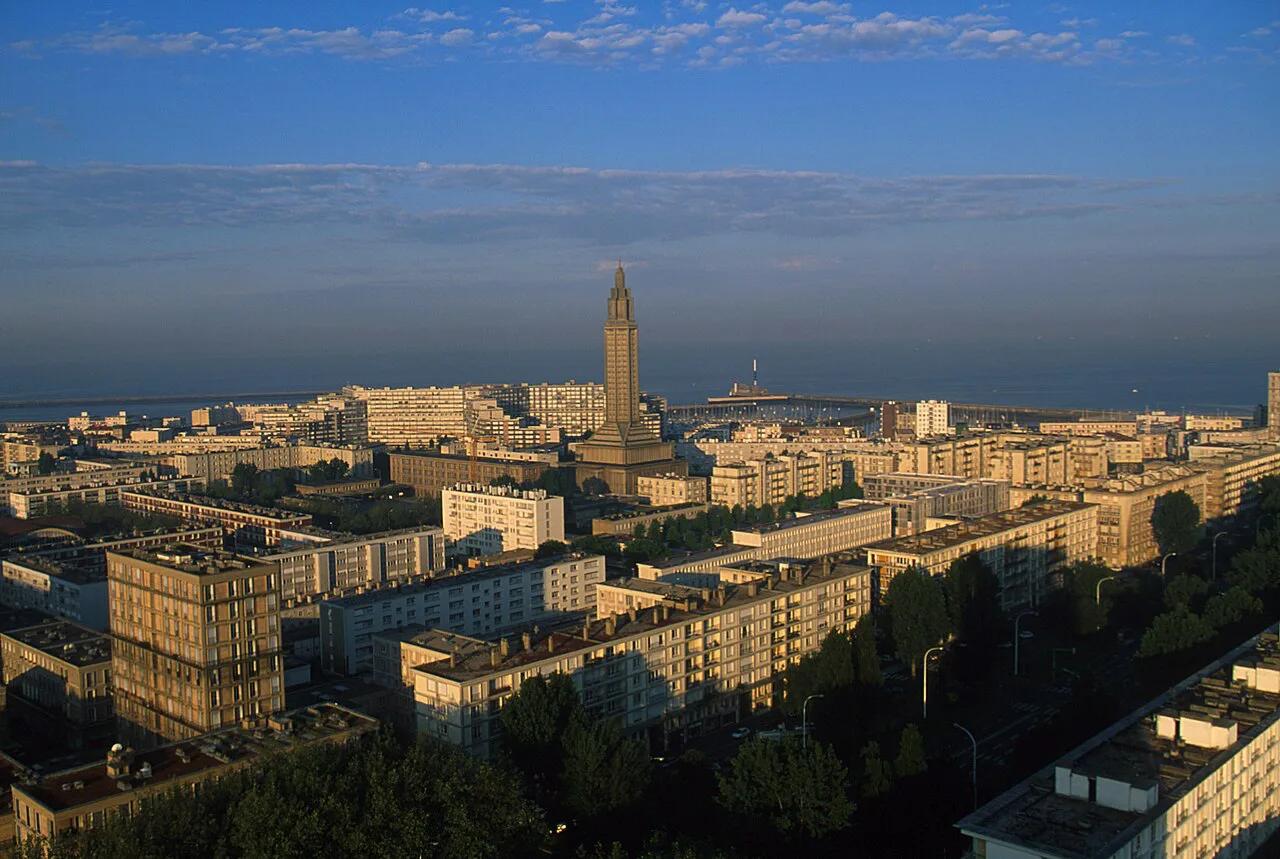
- Le Havre: Port-day visitors have a similar decision. Read Le Havre cruise-day tours and compare the route length with your ship's schedule.
Tour formats compared: small group, coach, private and self-drive
Format changes pace more than it changes the sites. Small-group minibus tours are the most common option, and some Bayeux departures cap groups at 8 people. Large coaches carry more visitors and stop less flexibly. A private guide or driver lets you set the route, which helps families with a specific unit, a sector or mobility needs. Self-drive gives full control over time at each site but removes the guide's context, and our tour versus self-drive comparison weighs that trade-off. Some operators also sell six-day packages from Paris that include hotels and meals and cost far more than a day tour.
Look for Bayeux departures that cap groups at 8 people, since their routes reach Omaha without the long transfer Paris trips need.
| Format | Departure base | Typical day length | Sector emphasis | Best for | Main trade-off | Cost level |
|---|---|---|---|---|---|---|
| Small-group minibus | Paris, Bayeux, Caen | Full day; half-day from Bayeux | Mostly American, some Juno routes | First-timers wanting a guide | Fixed itinerary and stop times | Mid |
| Large coach | Paris, ports | Full day | Mostly American | Travelers on a tight budget | Less flexibility, bigger crowds at stops | Budget |
| Private guide or driver | Any base | Half-day to multi-day | Any sector you choose | Families, mobility needs, specific units | Highest cost per person for solo travelers | Private |
| Self-drive | Bayeux or Caen base | Your own pace | Any sector you plan | Confident drivers who want flexibility | No on-site guide, more planning | Mid |
| Multi-day package | Paris start | Several days | Often American-focused | History enthusiasts wanting all-inclusive | Fixed dates and the highest total cost | Premium |
8 Sites to Check When Comparing D-Day Tours
Match each stop below to your sector and time. Itineraries and sites checked November 2026.
1. Omaha Beach and the Normandy American Cemetery
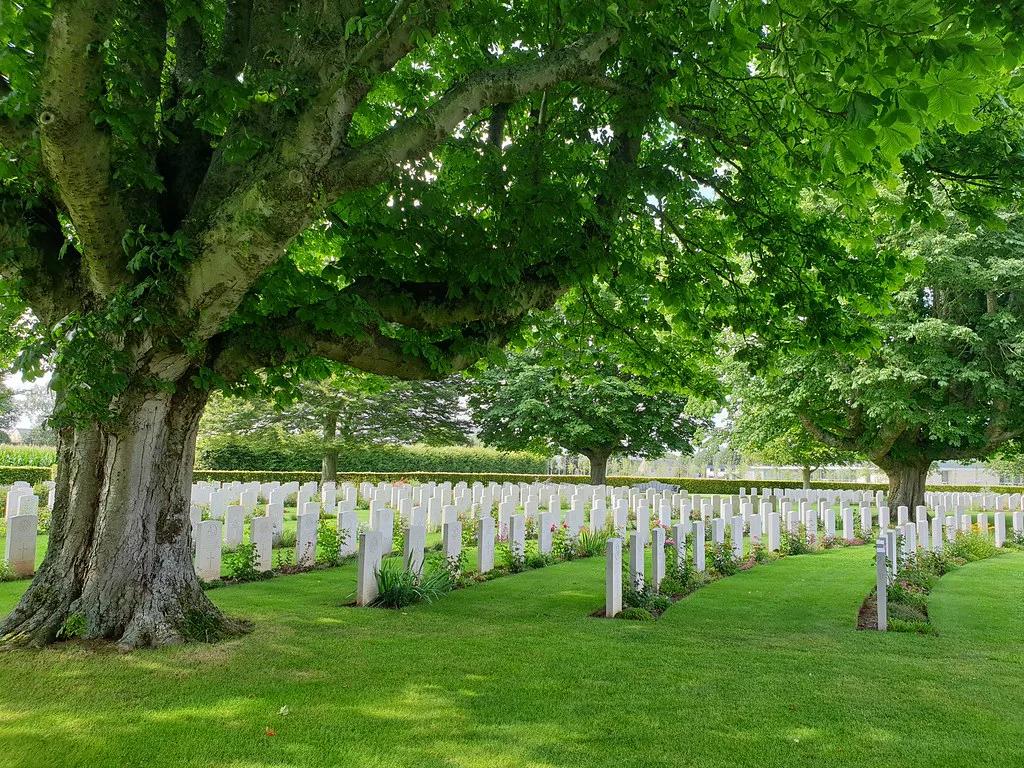
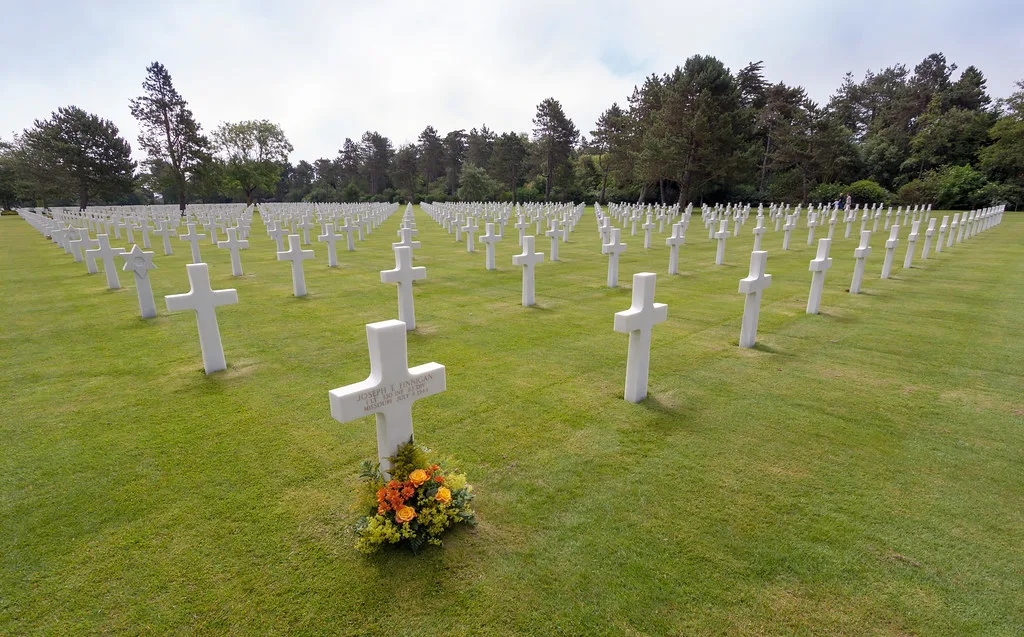
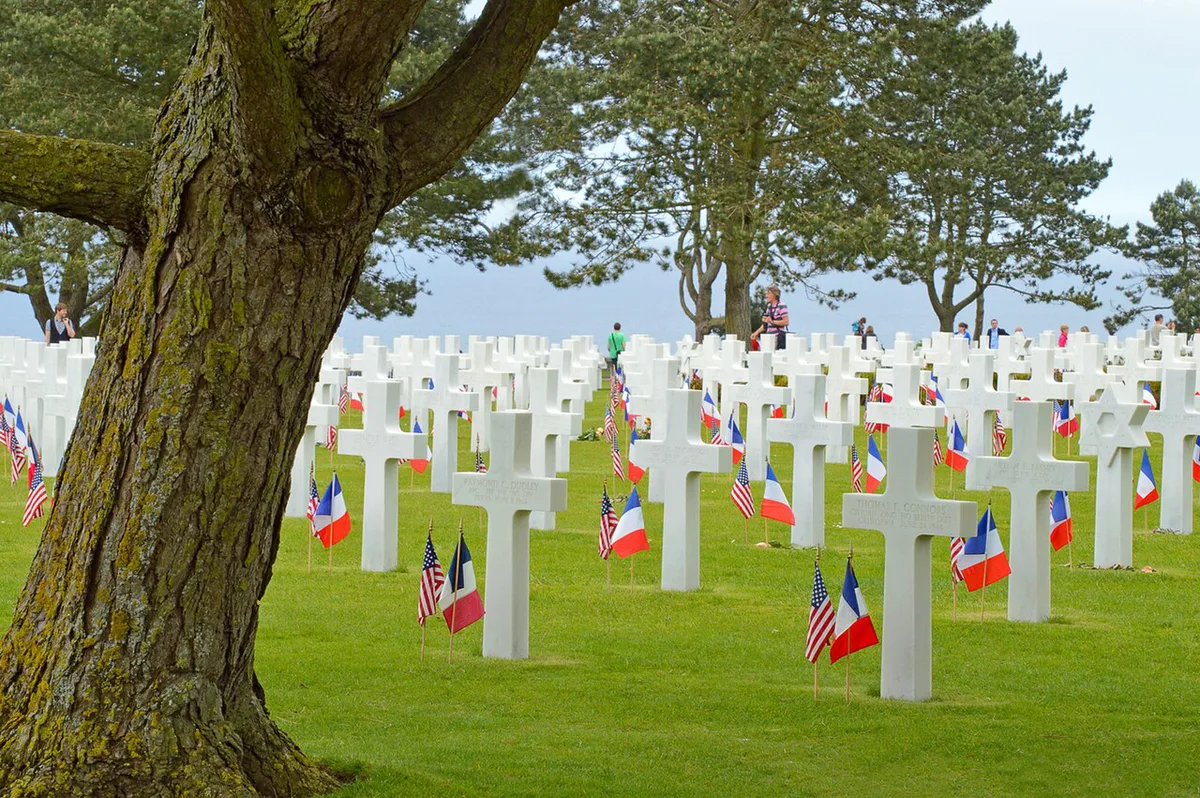
Omaha was the American sector with the heaviest fighting on 6 June 1944, and Les Braves Memorial on the sand is the main marker of the landings. Normandy American Cemetery at Colleville-sur-Mer overlooks the beach. The American Battle Monuments Commission manages it and publishes hours and visitor information. A guide explains the sequence of the landings, and the visitor center adds personal stories worth reading in full.
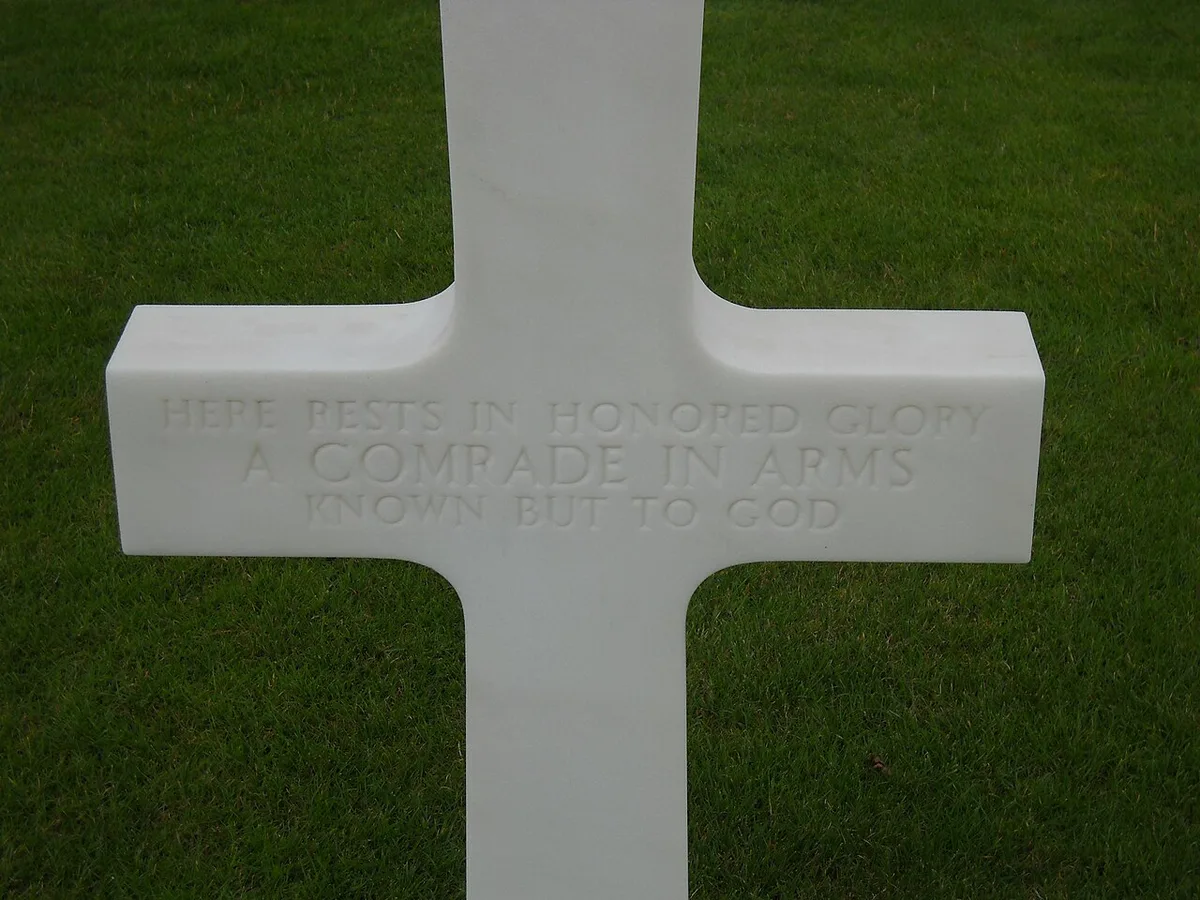
Allow well beyond 45 minutes here, because a rushed visit to a cemetery feels wrong to many people. Skip tours that time this stop to the minute, and choose one that lets you walk the rows quietly in respectful dress.
2. Pointe du Hoc
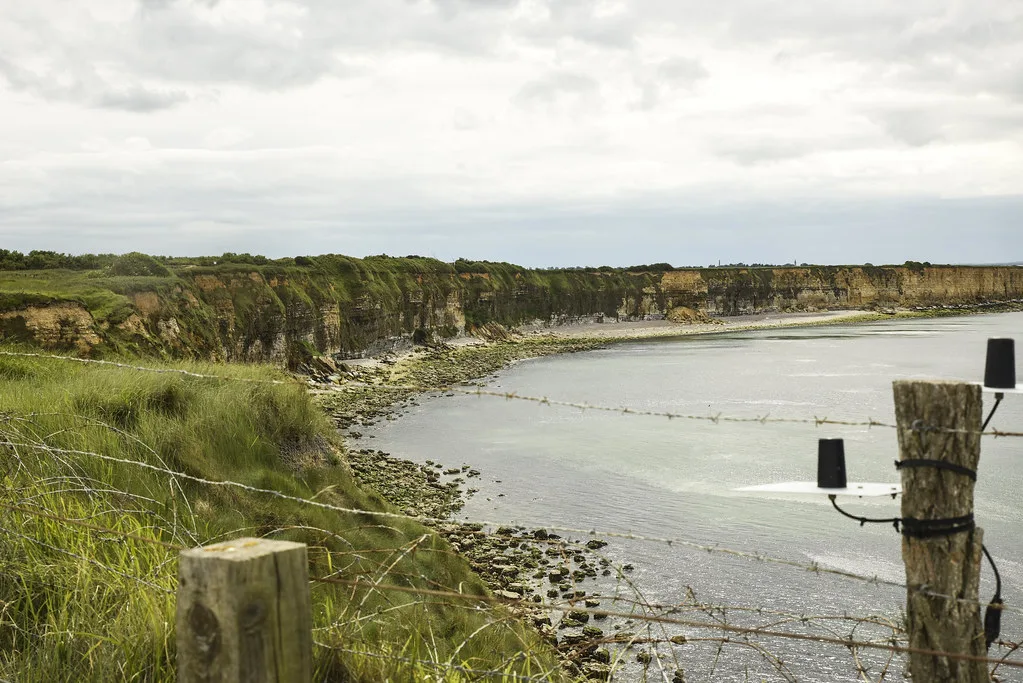
Pointe du Hoc is a clifftop position that the U.S. Army's 2nd Ranger Battalion scaled on 6 June 1944 to reach German artillery. Craters and bunkers still mark the ground, and information panels explain the assault. It sits between Omaha and Utah, so Bayeux full-day and Paris full-day routes usually include it.
Paths cross uneven, cratered ground, which matters for travelers with limited mobility. Ask your operator about access in advance. Read the panels rather than treating it as a photo stop, and skip it only if your route must stay on level paving.
3. Utah Beach and Sainte-Mère-Église
Utah was the westernmost of the five beaches and was assigned to the U.S. 4th Infantry Division. Utah Beach Museum displays a B-26 Marauder bomber and personal stories from the landings. A red granite memorial and German bunkers stand on the dunes. Sainte-Mère-Église was a drop zone of the 82nd Airborne Division. A replica of paratrooper John Steele hangs from the church steeple.
Full-day Bayeux tours add this western leg, while half-day tours usually leave it out. Skip it if your family's unit landed in the British or Canadian sectors, since the drive west costs time.

4. Longues-sur-Mer Battery
Longues-sur-Mer is a German coastal battery where naval guns still sit in their casemates. Visitors can walk around the guns and through the bunkers. It lies on the coast between the American and British sectors, so some Paris minibus itineraries include it.
It shows the German defensive side of the story, which American-only itineraries often omit. History enthusiasts get the most from it. Limited-time travelers can swap it for Arromanches.
5. Gold Beach and Arromanches
Gold was a British sector, and Arromanches-les-Bains holds the remains of the Mulberry artificial harbour. Walking the shore shows the concrete sections close up, and Arromanches also has a D-Day museum. Paris full-day minibus routes reach Arromanches in the early afternoon, often around lunch.
British families should ask for Gold and Sword by name, since American-focused tours cover them thinly. Skip a long stop if you have only a half-day. Arromanches works best as a lunch break.
6. Juno Beach
Juno was the Canadian sector, and its capture helped link Gold and Sword into one continuous front. Juno Beach Centre is a museum on the Canadian landings, and the Canadian cemetery at Bény-sur-Mer is on Juno-focused itineraries. Some small-group Juno tours depart from Paris, and others can be arranged privately.
Canadian descendants should choose a tour that names Juno, because general American tours do not stop here. Skip it only if your family history lies entirely in the American sectors.
7. Sword Beach
British and French forces landed on Sword on 6 June 1944. A statue of piper Bill Millin stands here, honoring the Scottish piper who played during the landings. Caen is nearby, and Mémorial de Caen covers the twentieth century and the wider war.
Tours departing from Caen are the easiest way to combine Sword with a museum visit. Few tours feature Sword, so confirm it is on your itinerary. Skip it if your time allows only the Omaha sector.
8. La Cambe German War Cemetery
La Cambe is the German war cemetery for soldiers who died in the Battle of Normandy. A visitor center explains personal stories, and the site is quiet and somber. Few standard tours stop here, so ask a private guide to add it.
Visiting adds balance to a day that otherwise follows the Allied story. Skip it if time is short, but consider it for a full picture of the campaign.
How long do you need? Half-day, full-day and multi-day

One day cannot cover all five sectors. A half-day tour from Bayeux typically covers Omaha, the American cemetery and Pointe du Hoc. A full-day Bayeux tour adds Sainte-Mère-Église and Utah. Reports from travelers who tried to see the beaches in 1.5 days say it only covers a subset. Paris full-day trips fit the main American sites but leave little time at each. Multi-day packages and private tours spread the sectors across several days. For a deeper look at the departure from a Bayeux base, compare half-day and full-day plans there.
Costs and what's included
Cost depends on format, group size, lunch, tastings and museum entries. Budget coach tours cost least, mid-range small-group minibuses cost more, private guides cost most for solo travelers, and multi-day packages run far higher than any day tour. Operators set their own fares, so check the operator's site for current rates. Use this checklist to compare tours on equal terms.
- Museum tickets: Overlord Museum, Utah Beach Museum, Juno Beach Centre or a Mémorial de Caen ticket.
- Lunch: some tours include a set meal, others leave it to you.
- Tastings: cider or Calvados stops appear on some itineraries.
- Group size: ask for the maximum number of travelers per vehicle.
- Pickup point: confirm the exact meeting place and return time.
- Sectors: confirm which beaches and cemeteries are on the route.
When to go and what to expect
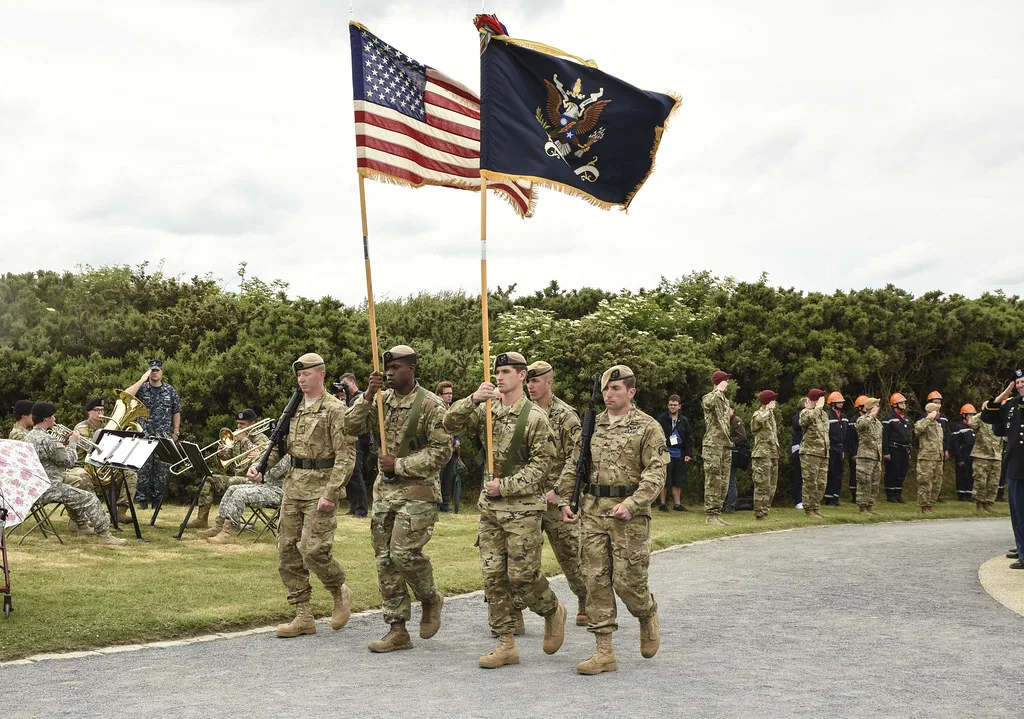
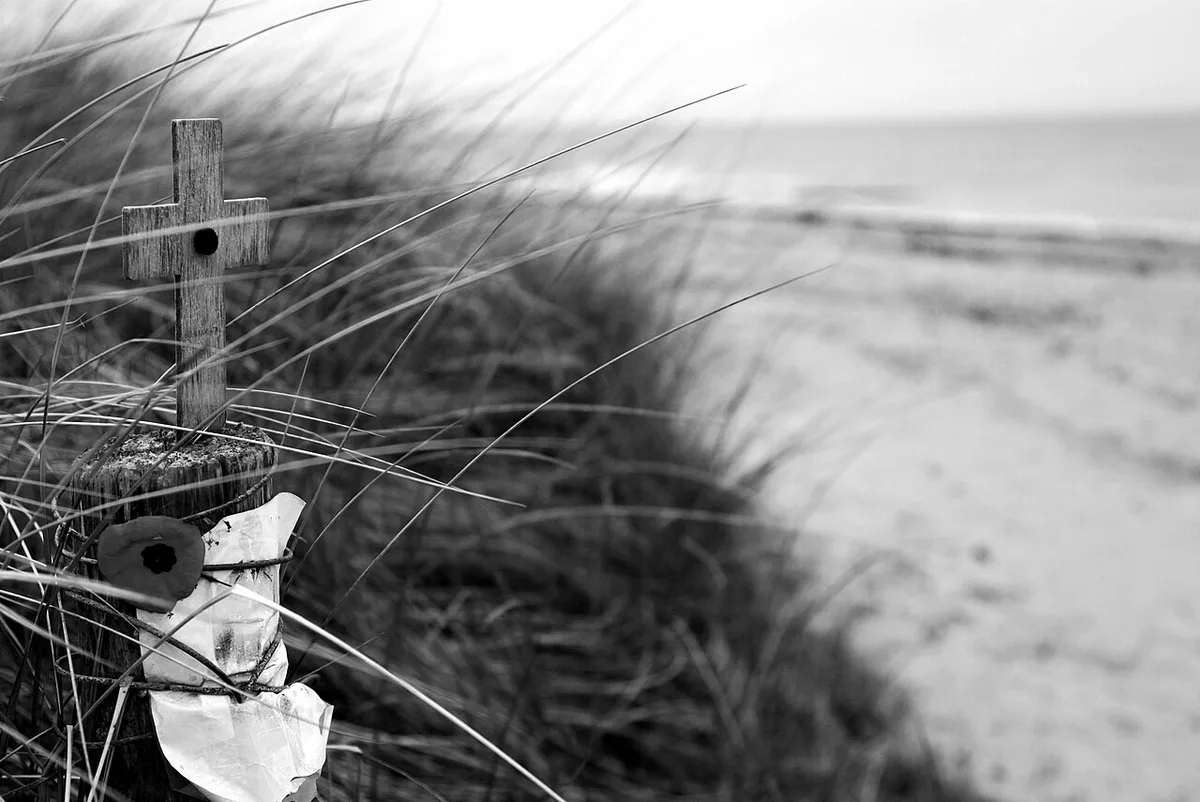
Normandy's coast is exposed, so weather changes quickly and open sites like Pointe du Hoc feel it. Around 6 June each year, expect commemorations, larger crowds and possible road restrictions near the beaches. Book earlier if you plan to be there that week. Check the Normandy Tourism pages for current events and seasonal information. Cemeteries are places of mourning, so speak quietly, dress respectfully and follow posted visitor rules at each site. Give yourself time at the cemetery rather than fitting it between two other stops.
Practical logistics
Most visitors reach Normandy by train from Paris to Bayeux or Caen, so check SNCF for the current schedule. Bayeux and Caen both work as bases, and Bayeux sits close to the Omaha, Gold and Arromanches routes. Local information is on the Bayeux tourism office site. Ferry travelers can check Brittany Ferries for sailings. Terrain varies: Pointe du Hoc has uneven ground, and beaches mean walking on sand. Wear sturdy shoes and bring a wind layer. Ask a private operator about access if anyone in your group has limited mobility.
Mistakes to avoid when booking D-Day tours
A few planning errors recur.
Plan well beyond 45 minutes at the Normandy American Cemetery, since a tour that rushes it to fit the next stop is a common booking mistake.
- Booking a tour that skips your family's sector, such as a Paris tour with no Juno, Gold or Sword stop.
- Underestimating travel time on a Paris day trip, which cuts time at each site.
- Rushing the cemetery to catch the next stop.
- Assuming every tour includes museum entry, lunch or a particular beach.
- Choosing a guide when you want freedom, or self-driving when you want context. The tour versus self-drive comparison helps you decide.
Some multi-day tours continue from Normandy to Arnhem and the Market Garden battlefields in the Netherlands.
Frequently Asked Questions
Can you do Normandy as a day trip from Paris?
Yes, operators run full-day minibus trips from Paris. The day is long, so most of it is spent traveling. Check the current SNCF schedule if you plan to go by train.
Which is the best D-Day museum to visit?
It depends on your sector. Mémorial de Caen covers the wider war, Juno Beach Centre covers the Canadian landings, and Utah Beach Museum covers the American beach. The Overlord Museum and the Arromanches museum are also common stops.
Why is D-Day so famous?
On 6 June 1944, American, British and Canadian forces landed on five Normandy beaches to begin the liberation of Western Europe. It was a large amphibious assault, and the sites remain open to visitors.
Is there still wreckage at Normandy beach?
Yes. Remains of the Mulberry artificial harbour stand at Arromanches, and German bunkers survive at Utah Beach and Longues-sur-Mer. Treat all remains with respect and stay on marked paths.
Explore More Guides
Keep planning your trip with these guides.
Guides
Keep planning
Guides on the same trip