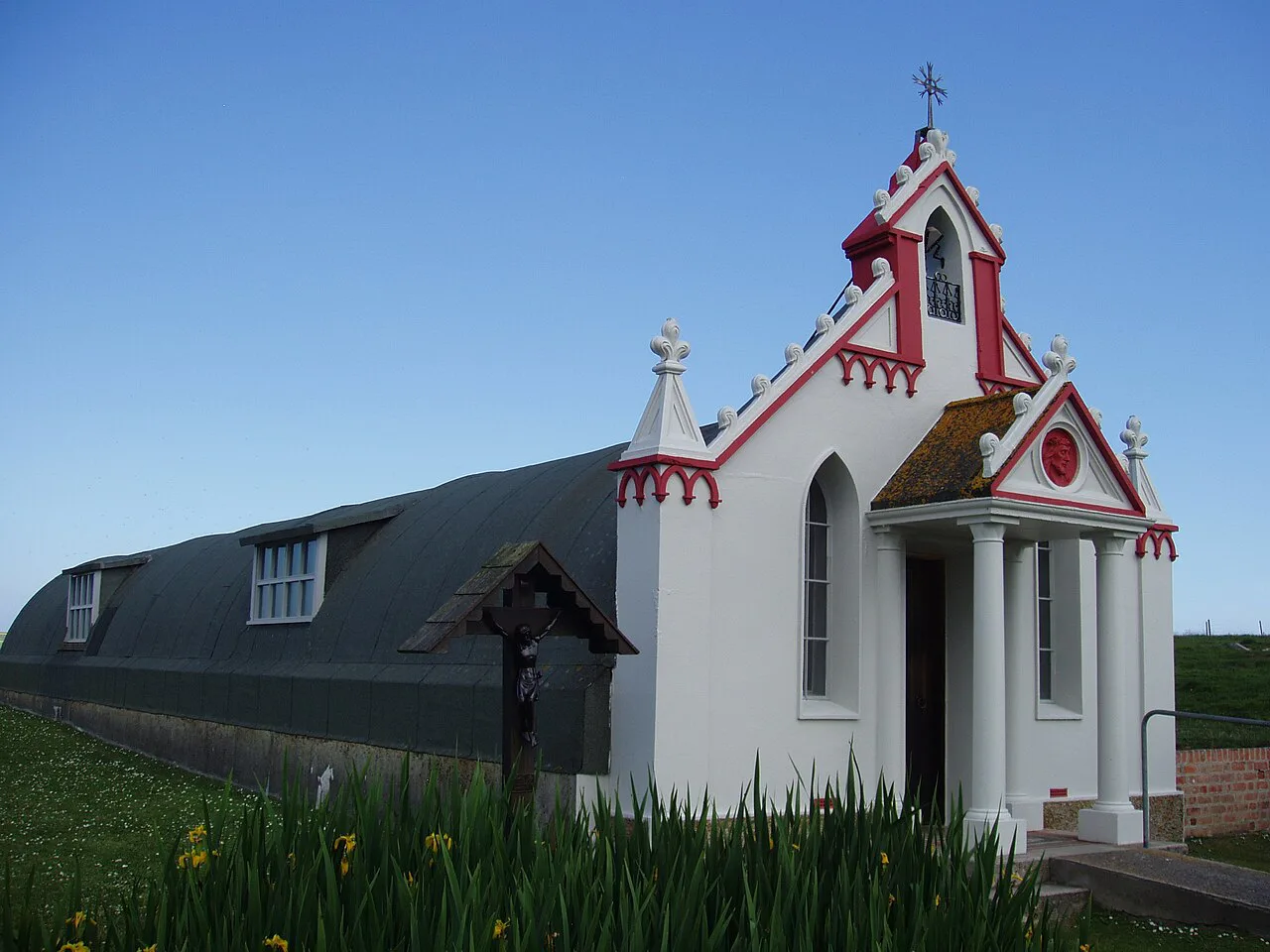
8 Channel Islands Occupation Sites to Visit Today
What the Channel Islands occupation was, plus 8 WW2 sites to visit in Jersey, Guernsey and Alderney, with island-by-island planning tips.

In this guide
Last updated November 2026: the Channel Islands occupation ran from 1940 to 1945 and left tunnels, bunkers and museums across Jersey, Guernsey and Alderney. Sark and Herm were occupied too, but most visitor sites sit on the first three islands. Use this page to match each site to your interests, your time and your ferry plans.
Featured image: Cassowary Colorizations, CC BY 2.0, via Flickr.
The Channel Islands occupation in brief
German forces took control of Jersey, Guernsey, Alderney, Herm and Sark in 1940, after Britain withdrew its armed forces. Germany held the islands until May 1945. They were the only British territory in this part of the world occupied by Nazi Germany. Concrete batteries, observation towers, tunnels and bunkers from the Atlantic Wall still stand, and several now hold museums.
Which island suits which kind of visit
Pick your island by interest first. Jersey and Guernsey each hold several sites, so a single island can fill a full day. Alderney needs separate planning. Sark and Herm have occupation history, but this guide lists no ticketed site on either. Prices and hours checked November 2026 against official pages; confirm ferry and flight options with operators.
| Island | Main occupation sites | Best for | Time needed | Access friction | Skip if |
|---|---|---|---|---|---|
| Jersey | War Tunnels, La Hougue Bie, bunkers, tapestry | Tunnels, bunkers, personal stories | Most of a day, longer for all four | Moderate: tunnel steps and cold | You dislike enclosed spaces |
| Guernsey | Occupation Museum, Underground Hospital, Pleinmont | Museums, coastal defences | Most of a day | Moderate: hospital tunnels, exposed headland | You want a single compact site |
| Alderney | Wartime fortifications and forced-labour history | Quiet coastal walking and history | Needs its own planning | Highest: check routes and timings | You only have a day for two islands |
| Sark and Herm | Occupation history without a main ticketed site | Context for a wider island trip | Check locally | Needs checking before you go | You want museum-style interpretation |
8 Channel Islands occupation sites worth visiting
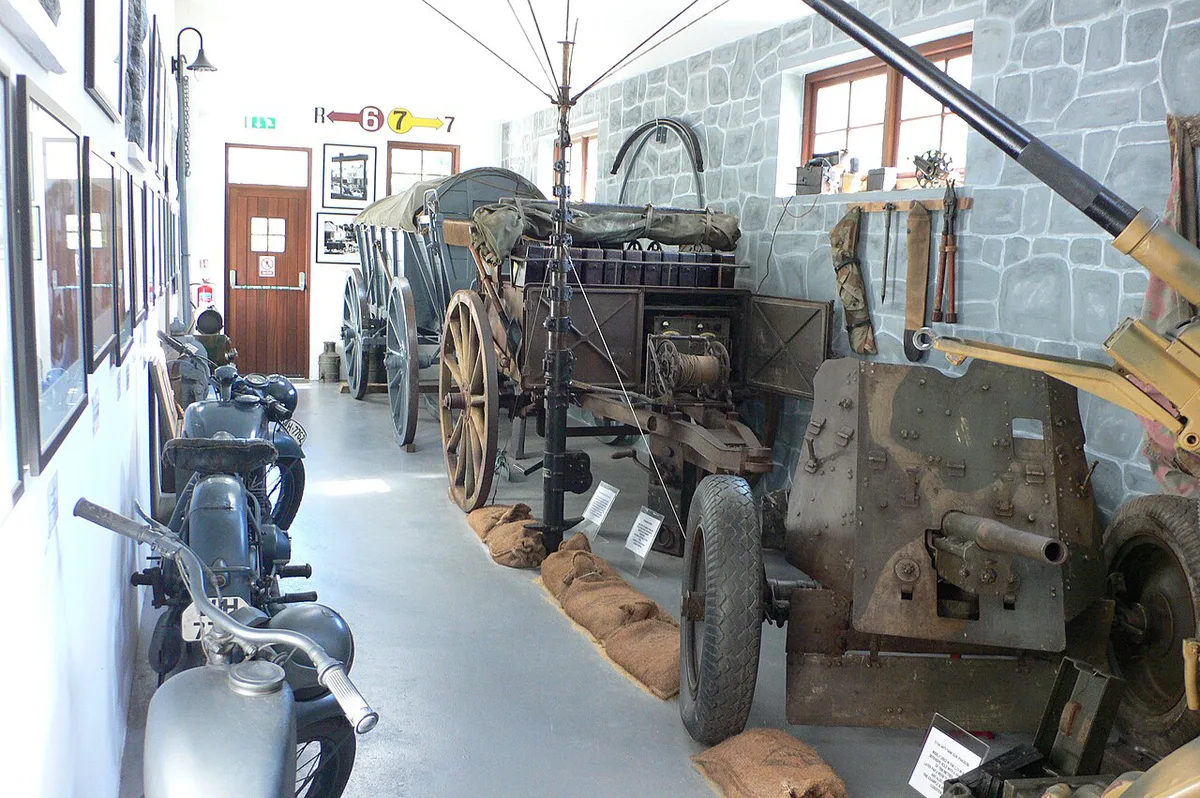
These 8 sites cover Jersey, Guernsey and Alderney. Each entry says what you see, who it suits and who might skip it. Several sites tell the story of forced labourers, deportations and hunger, so read the care notes below before you plan.
1. Jersey War Tunnels
This tunnel complex in Jersey is the island's best-known occupation site, and our guide to Jersey War Tunnels: Visit Guide, Tickets & Tips covers it in depth. It was dug with forced labour, and the exhibitions place that work in the wider story of the occupation. Go for the underground galleries and the islanders' accounts of daily life under German rule.
Hours and tickets are listed on the official War Tunnels site. Skip it if steps, cold air or enclosed spaces are a problem, or if you are bringing young children.

2. La Hougue Bie bunker, Jersey
La Hougue Bie combines an ancient mound with a German bunker, so one visit covers two periods of history. Our page on the La Hougue Bie, Jersey: Bunker, Tomb and Visit Guide explains what the occupation-era structure was used for. Jersey Heritage runs the site, and its official pages give current opening details.
It suits visitors who want a shorter stop between larger sites. Skip it if you want a full museum narrative of the occupation years.
3. Jersey coastal bunkers and towers
Concrete batteries and observation towers ring Jersey's coast as part of the Atlantic Wall. Our guide to Jersey WW2 Bunkers: Which to Visit, Hours & Tours helps you choose which to visit. This is the free-roaming option: you see the engineering and the clifftop positions at your own pace.
Not every bunker is open, so treat locked structures as exterior views. Skip it in poor weather, when exposed paths and tide-affected sections are no fun.
4. Jersey Maritime and Occupation Tapestry
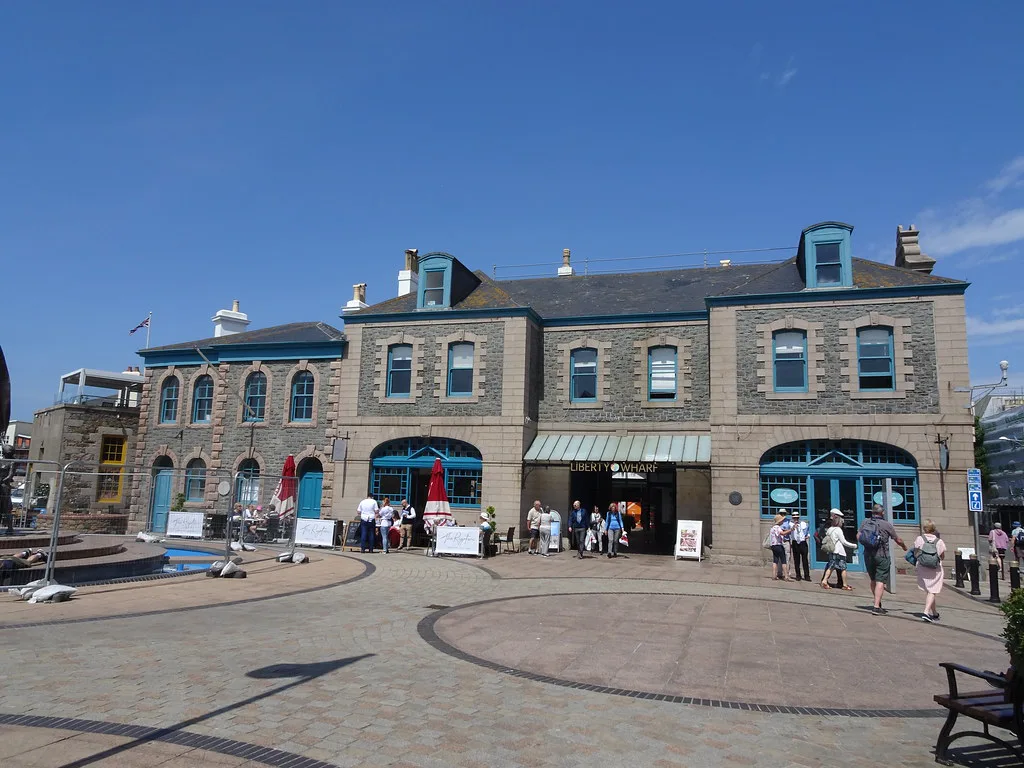
The tapestry records the occupation through island communities, with each panel built around local people. Our page on the occupation tapestry in Jersey explains how to see it. It works well after a tunnel visit, because it shifts from structures to people.
Allow a short stop rather than a half day. Skip it if you want hands-on military relics.
5. German Occupation Museum, Guernsey
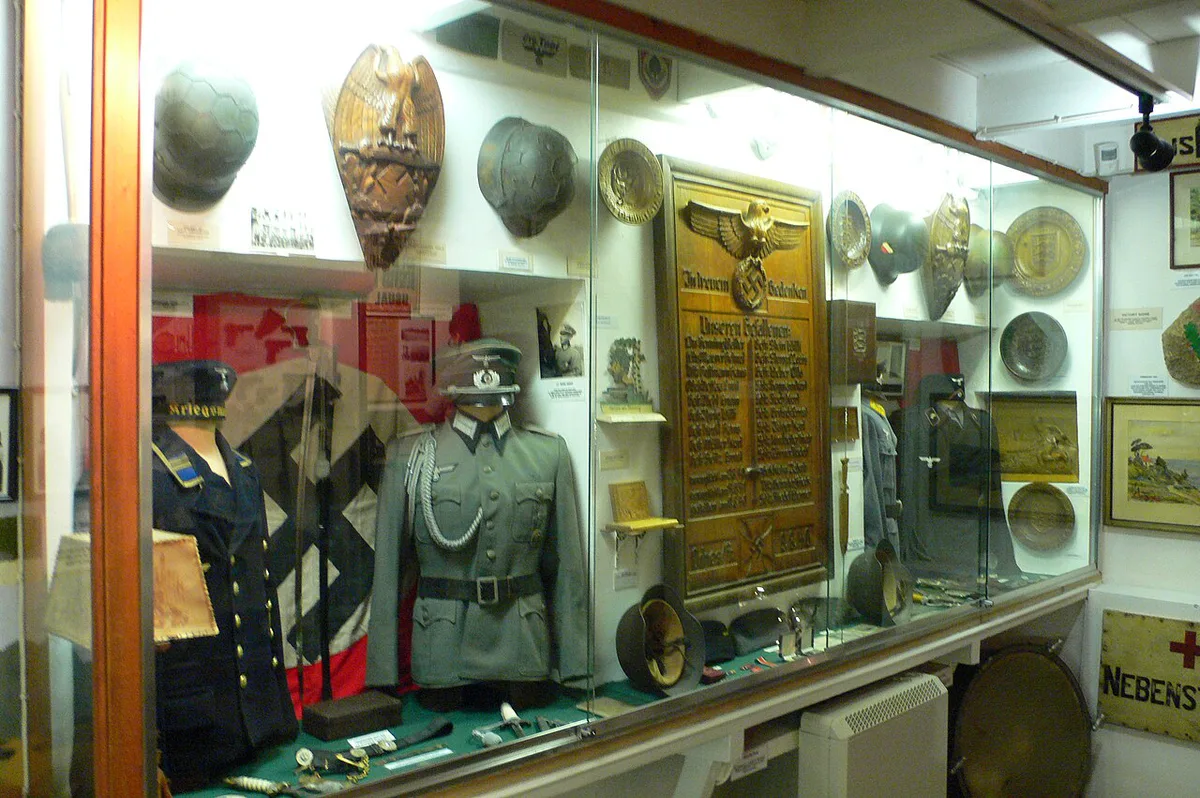
This Guernsey museum collects objects, documents and reconstructed scenes from daily life during the occupation. Our guide to the German Occupation Museum Guernsey: Visitor Guide covers what you see. Opening times and entry details sit on the museum's own website.
It suits anyone who wants the human story before visiting the defences. Skip it if you prefer open-air sites to indoor displays.
6. German Underground Hospital, Guernsey
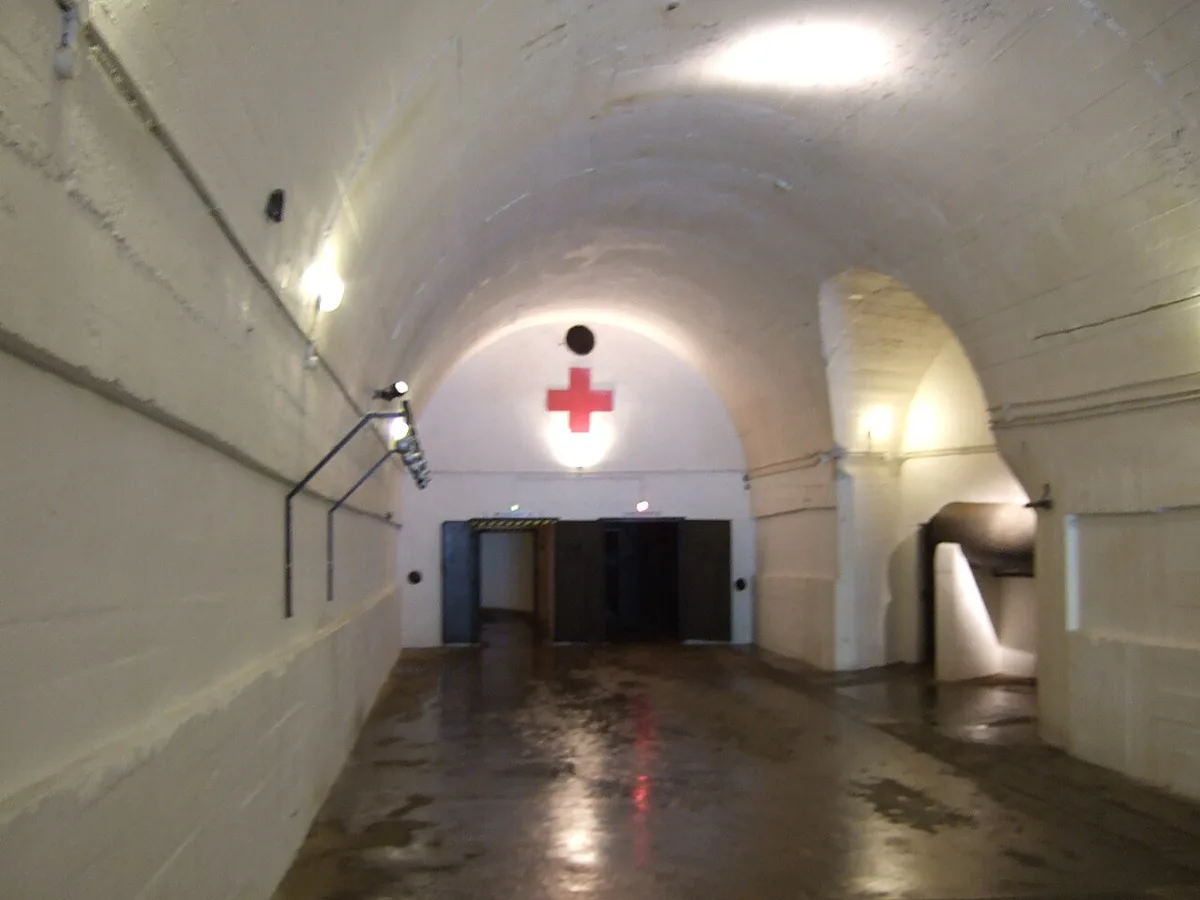
This hospital was cut into rock on Guernsey, and forced labour built the tunnels. Our page on the German Underground Hospital describes the layout and the visit. Expect low light, damp rock and steps, so wear sturdy shoes and a warm layer.
It suits visitors who are comfortable underground and want a physical sense of the construction effort. Skip it if mobility, claustrophobia or very young children make tunnels a poor fit.
7. Pleinmont Tower, Guernsey
Pleinmont Tower is a German observation structure on Guernsey's coast, and it shows how the island was fortified against the sea. Our guide to Pleinmont Tower, Guernsey: What It Is and How to Visit explains the setting. Go on a clear day for the cliff views, and check wind and tide before walking the headland.
It costs little in time and pairs well with the museum or hospital. Skip it in low cloud or storms, when the exposed coast is unpleasant.
8. Alderney's wartime sites
Alderney was heavily fortified, and forced labourers built much of the defences there. Our page on Alderney WW2 sites covers the history and access. Alderney needs its own plan, because ferry and flight options change by season.
Check routes with operators and use Visit Alderney for local information. Skip it if you only have one day for several islands, because a rushed visit does the history no justice.
Short history: from withdrawal to Liberation
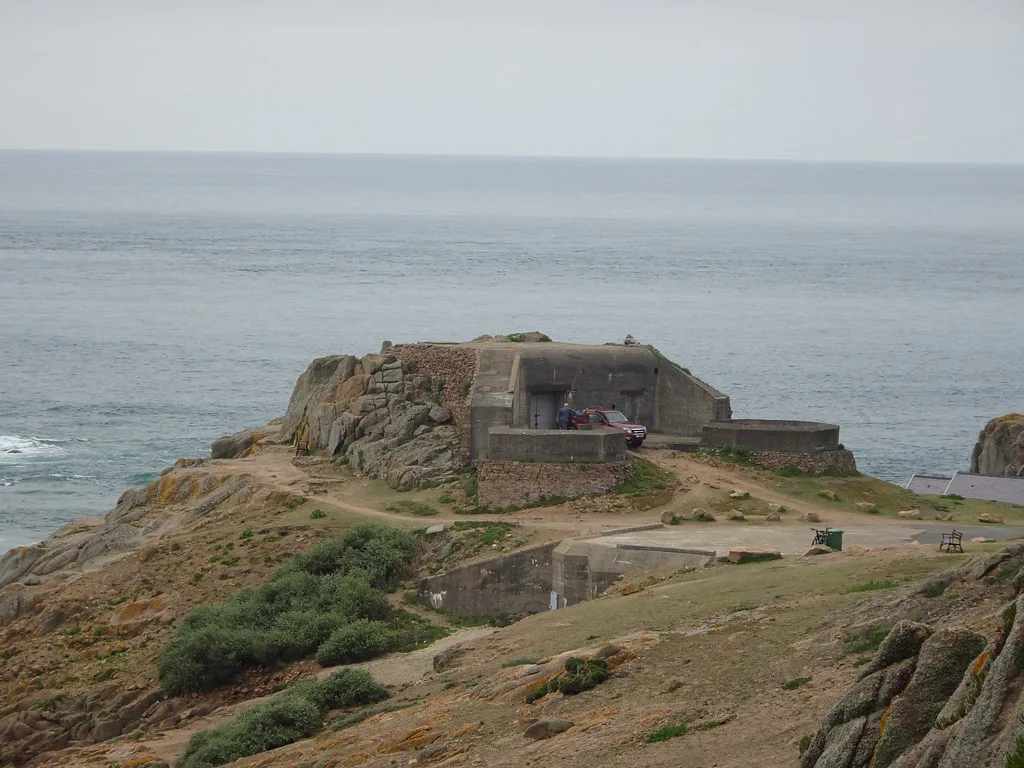
Britain withdrew its armed forces in 1940. Defending the islands would have left England's south and east coasts exposed. German troops took control in June 1940, and some islanders were evacuated while others stayed. Slave and forced workers then built large defences on Guernsey, Jersey and Alderney. Some islanders were deported to camps on the continent. Hardship peaked after the D-Day landings of June 1944, when supplies stopped and islanders and German troops alike came close to starvation. The surrender was signed at St Peter Port at 0714 on 9 May 1945, and troops landed on 12 May under Operation Nest-Egg. Our guide to Liberation Day events covers the commemorations.
Planning your trip to the occupation sites
Match the plan to the days you have. These routes are starting points, and each assumes you have checked current ferry or flight times with the operators.
Plan 3-4 days to add Alderney, since its ferry and flight options change by season and need checking early.
- 1 day
- Stay on one island. Jersey suits tunnels and bunkers, while Guernsey suits museum and coast.
- Do not try to cover both main islands in 1 day.
- 2 days
- Give 1 day to Jersey and 1 day to Guernsey.
- Allow time for the sea crossing between them.
- Check ferry timing before you book hotels.
- 3-4 days
- Add Alderney as a separate stop if routes allow.
- Spend any spare day on coastal walks and the Liberation heritage.
Where to base yourself, costs and weather
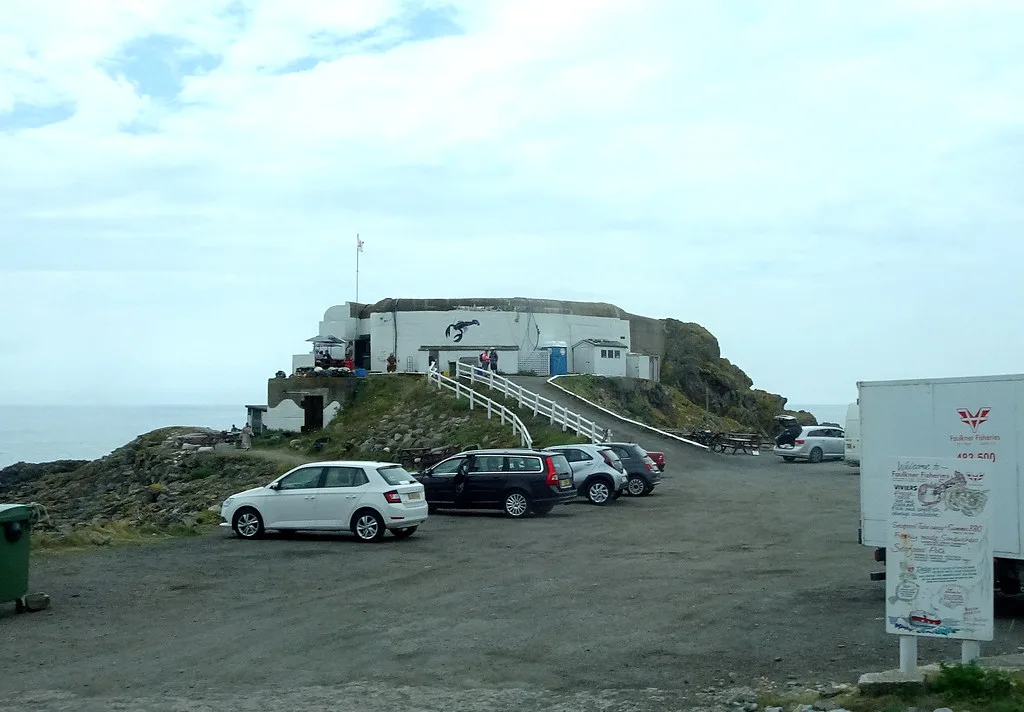
Base yourself near the main town on each island: St Helier on Jersey and St Peter Port on Guernsey. Both put you close to ferry links and bus or taxi routes to the sites. Multi-site tickets may exist, so ask each official site before paying twice. Visit Guernsey lists current local information. Coastal sites such as Pleinmont Tower are exposed, so check wind and tide before you go.
Liberation Day and when to go
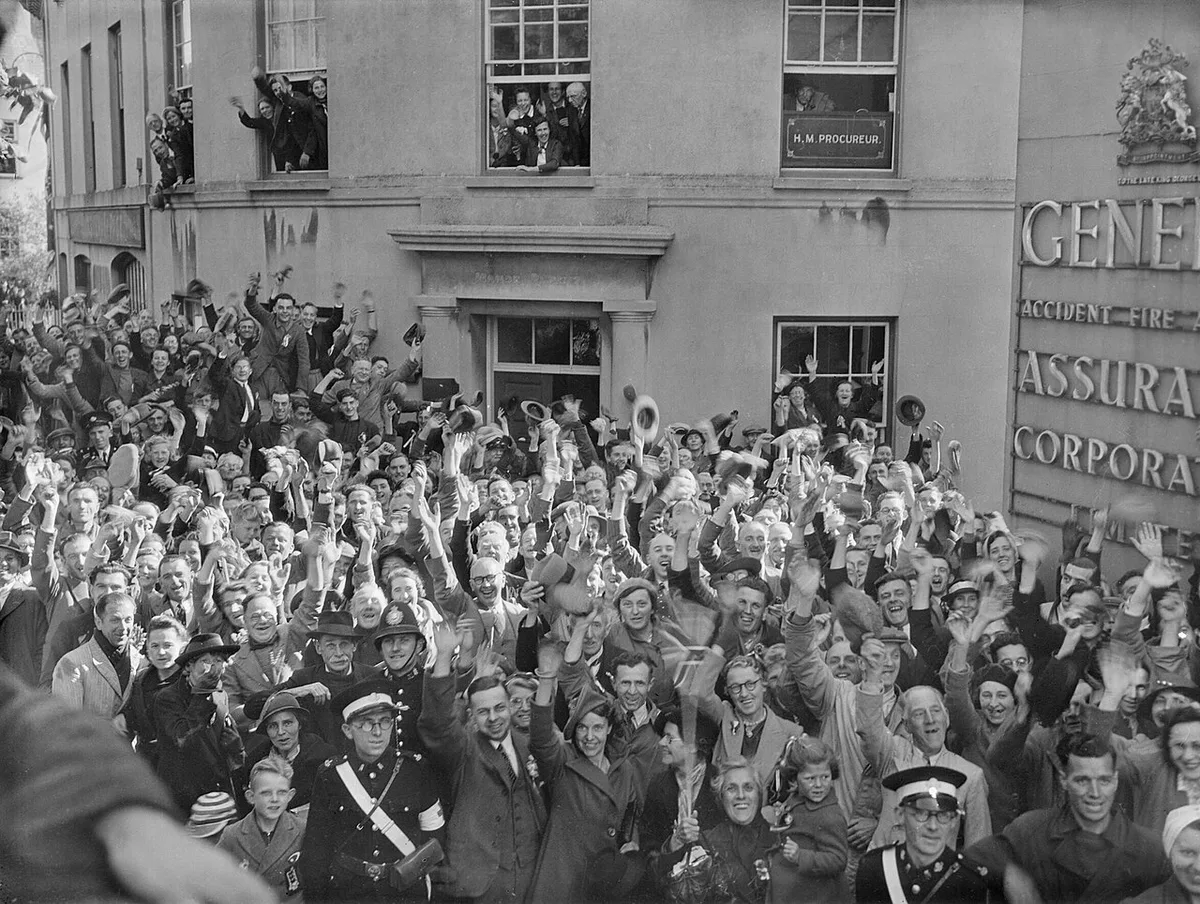
Liberation Day falls on 9 May, the day the surrender was signed at St Peter Port. Jersey marks events from 8 May, when its Bailiff spoke in the Royal Square. Expect crowds and tighter booking around the date. Outside the main season, some sites run reduced hours or close, so check official pages. Visitors are welcome at public ceremonies, but follow local guidance.
Jersey marks events from 8 May, a day before the 9 May surrender at St Peter Port, so a stay across both dates catches each.
Visiting with care
These sites cover forced labour, deportation and hunger, and some islanders were never reunited with family. Treat the sites as places of remembrance. Follow each site's own visitor rules. Tunnels are cold, damp and stepped, so check access if you have mobility needs. Parents should judge whether children are ready for the subject, since much of the material is distressing. Do not climb on structures or enter closed bunkers.
The islands’ bunkers and towers were part of the Atlantic Wall, the German coastal defences that ran from Norway to the Spanish border.
Frequently Asked Questions
Which Channel Islands were occupied in WWII?
Jersey, Guernsey, Alderney, Sark and Herm were all occupied by German forces from 1940 to 1945. Most visitor sites are on Jersey, Guernsey and Alderney.
Explore More Guides
Keep planning your trip with these guides.
Guides
- Jersey War Tunnels: Visit Guide, Tickets & Tips
- German Occupation Museum Guernsey
- German Underground Hospital Guernsey: Visiting Guide
- La Hougue Bie, Jersey
- Jersey WW2 Bunkers: Which to Visit, Hours & Tours
- Liberation Day Jersey (9 May)
- Alderney WW2: Camps, Bunkers & What to See Today
- Pleinmont Tower, Guernsey
- Occupation Tapestry Jersey
Keep planning
Guides on the same trip