Atlantic Wall: 5 Sites to Visit and How to Choose
Compare 5 Atlantic Wall sites in Normandy and Pas-de-Calais. Choose a museum or outdoor bunkers, then plan access, transport and safety.
In this guide
Last updated November 2026. The Atlantic Wall was Nazi Germany's coastal defence line from Norway to the Spanish border, so you are choosing among separate sites rather than visiting one attraction. Start in Normandy for a trip built around D-Day history, or in Pas-de-Calais to compare a gun battery museum with coastal remains.
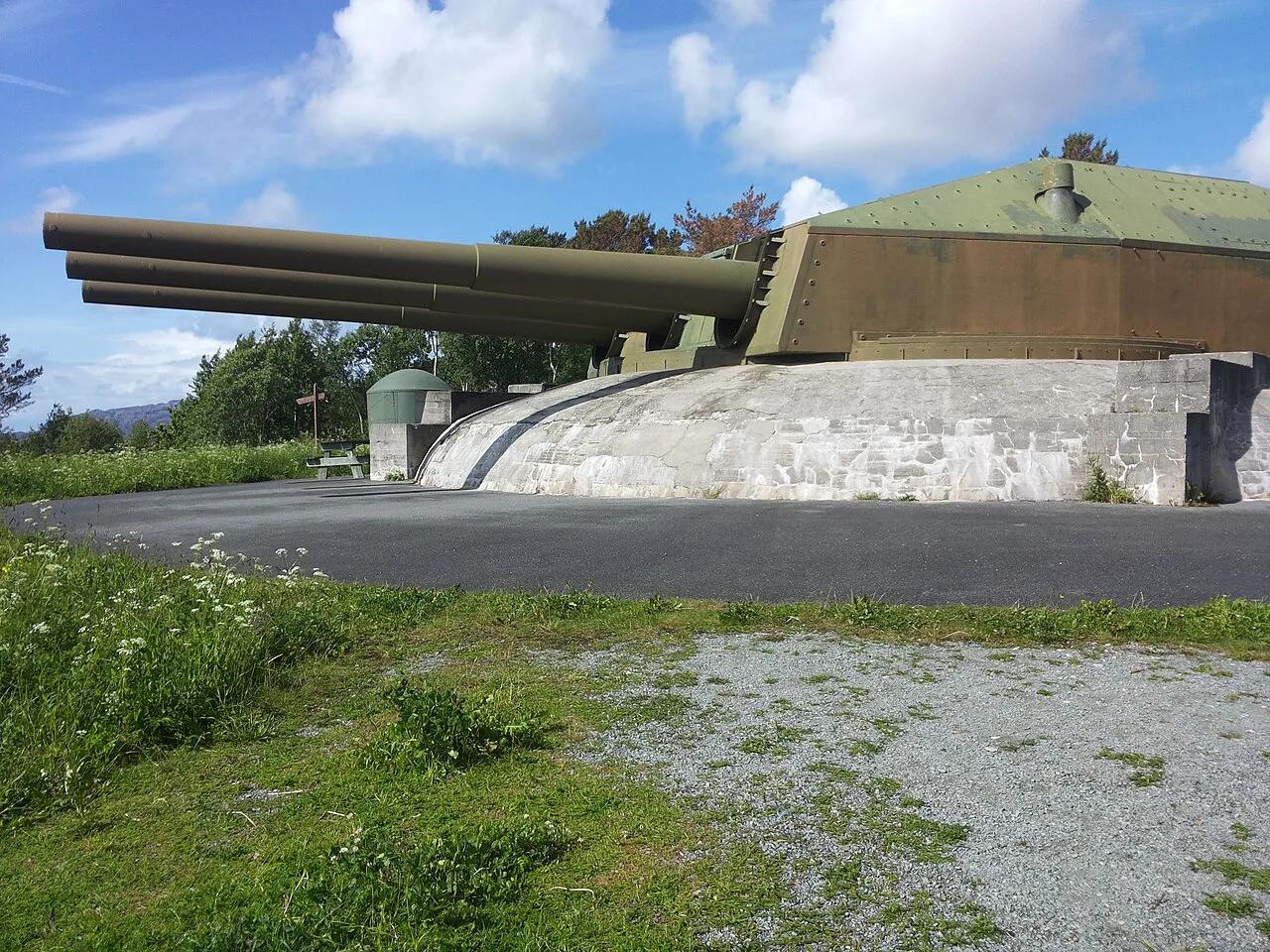
Featured image: Olgierd Rudak, CC BY-SA 4.0, via Wikimedia Commons.
What Was the Atlantic Wall?
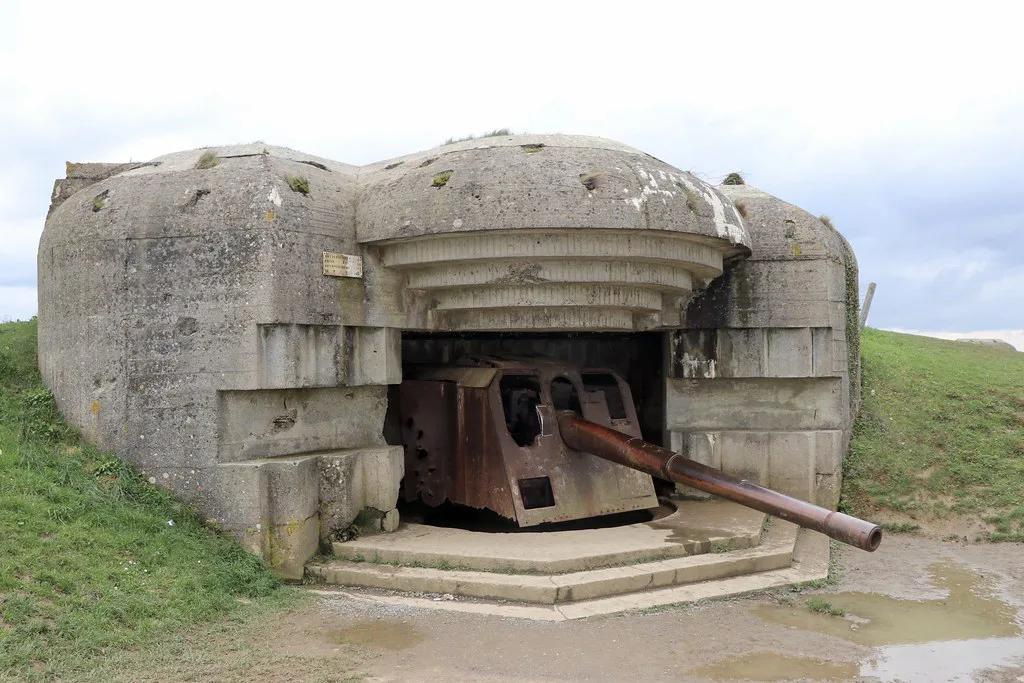
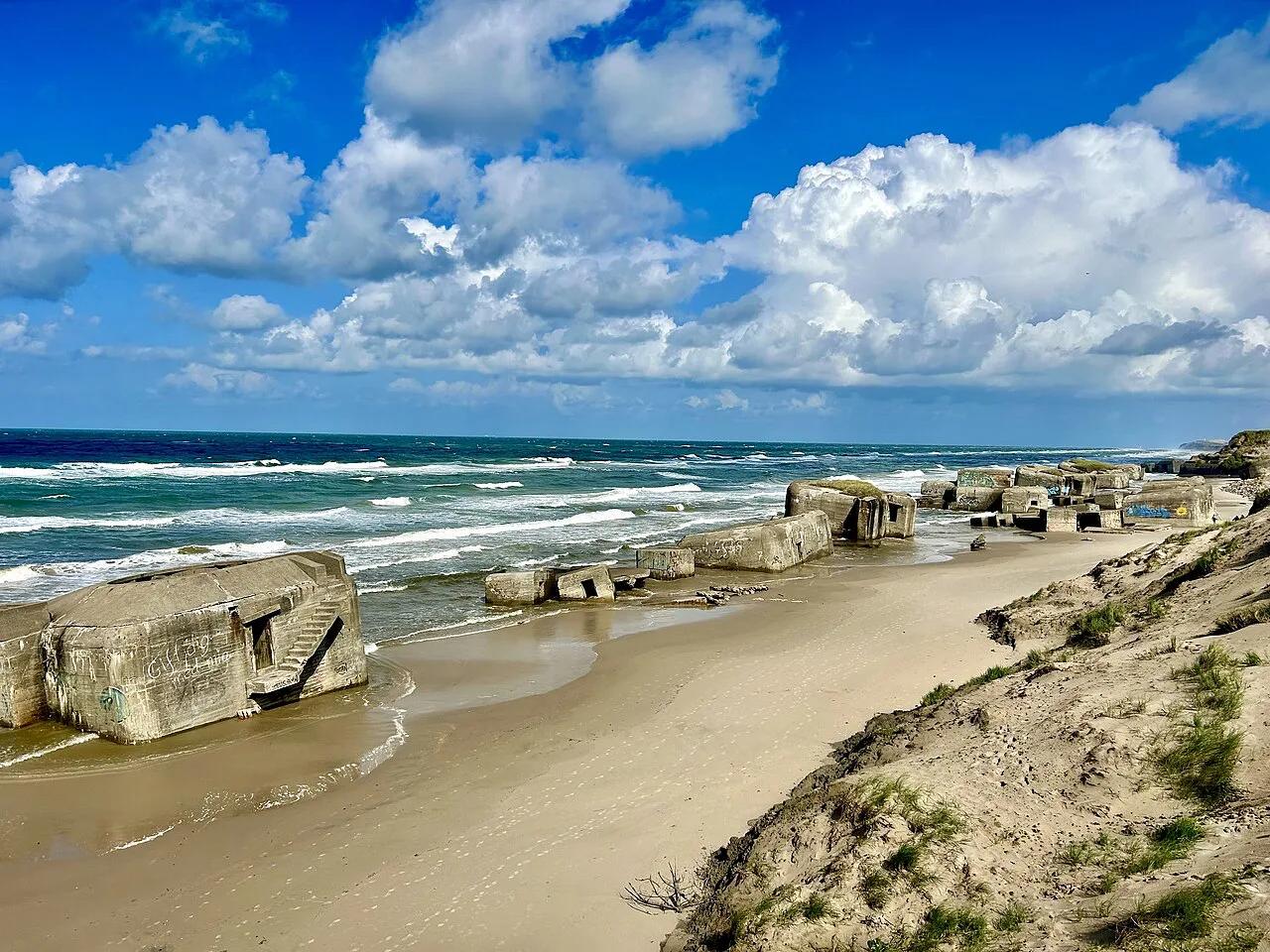
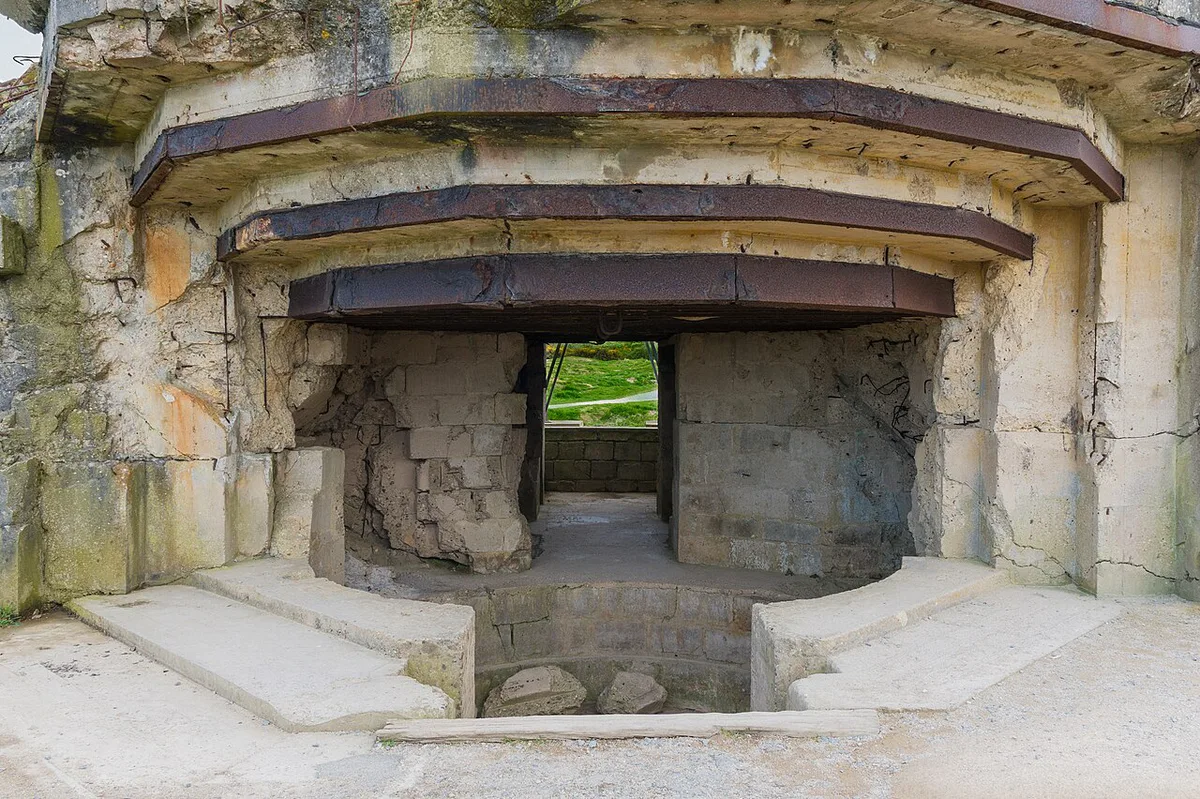
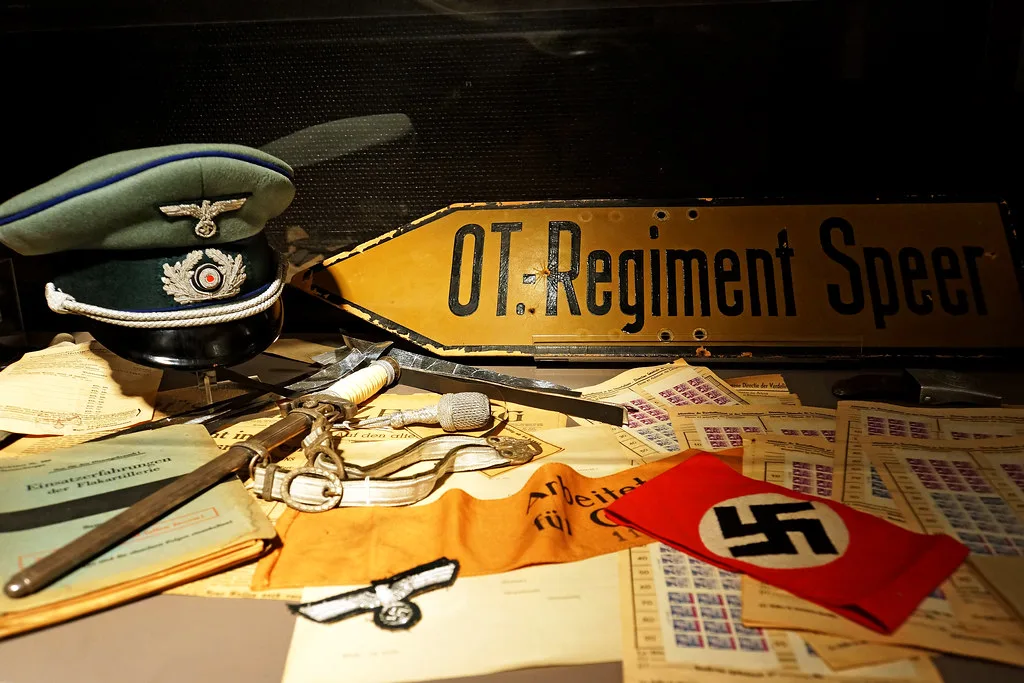
It was a chain of coastal defences facing possible Allied attack from the sea. Nazi Germany created the line, and Organisation Todt was responsible for building many of its defences. That organisation was headed by Fritz Todt. Its reach, from Norway to the Spanish border, explains why no single route covers it. Surviving remains can include gun casemates (protective concrete gun housings), observation posts and personnel bunkers. Seeing a structure from outside does not mean you may enter it.
Which Atlantic Wall Site Should You Choose?
Pick the kind of visit first. Museums are the logical starting point for context, while the headlands suit walkers who can read a landscape with potentially limited explanation. This selection covers only Normandy and Pas-de-Calais, not the whole line. No entry here can yet be recommended for step-free access or a car-free visit. If Denmark is on your route, use the separate Hanstholm Fortress guide.
| Site and area | Best for | Visit type | Main limitation |
|---|---|---|---|
| Ouistreham museum, Normandy | A Normandy trip | Museum | Far from the Pas-de-Calais group |
| Batterie Todt, Pas-de-Calais | Museum context and a large casemate | Museum in Turret 1 | Other turrets need separate access permission |
| Cap Gris-Nez, Pas-de-Calais | Varied military remains | Outdoor coastal visit | Interior access is not assured |
| Cap Blanc-Nez, Pas-de-Calais | Bunkers and Channel views | Outdoor hill and slopes | Sloping ground |
| Wissant, Pas-de-Calais | A shorter coastal addition | Beach, promenade and dunes | Some known installations were demolished |
5 Atlantic Wall Sites to Visit in France
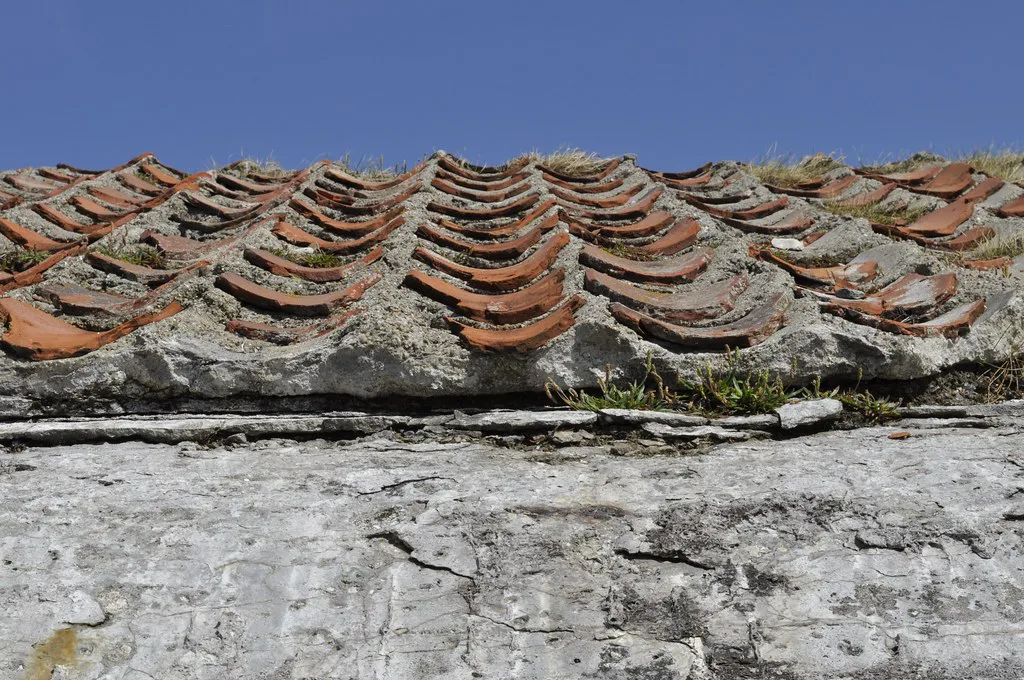
Normandy comes first, followed by four Pas-de-Calais stops; the order is not a ranking. Pas-de-Calais site descriptions reflect a <strong>July 2014</strong> visitor account in War History Online, so conditions may have changed. Admission prices and opening hours are not listed here as of November 2026. For wider regional planning, see our guide to French Atlantic Wall sites.
1. Musée du Mur de l'Atlantique, Ouistreham (Normandy)
This Normandy museum takes the Atlantic Wall as its named subject, making it a focused choice for travellers based around Ouistreham. Use the Ouistreham museum's official website to see what is displayed and arrange your visit. Before booking transport, check opening dates, admission, last entry and how much of the building involves stairs.
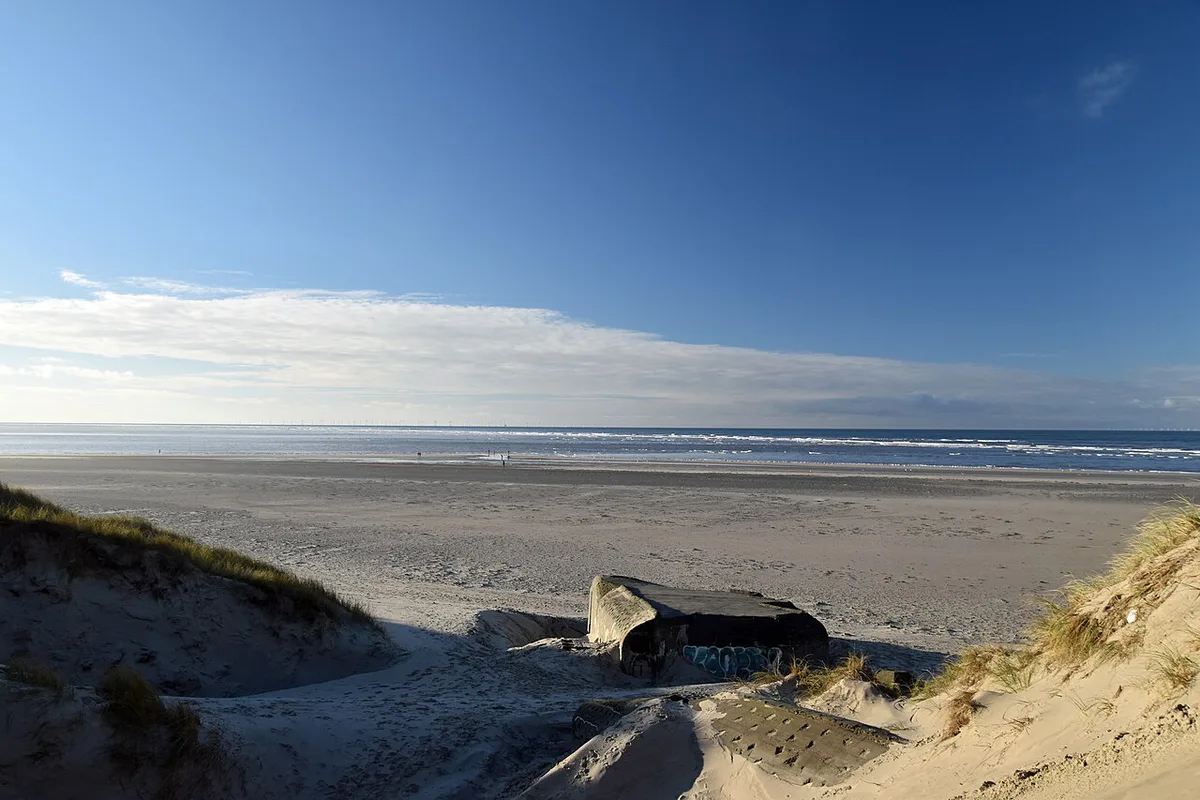
Do not confuse it with the Pas-de-Calais museum at Batterie Todt, which has used the same French name. Skip it on a Calais-only trip, since adding Normandy creates a separate leg. For other places to stay and explore nearby, browse Normandy's official tourism website.
2. Batterie Todt and its museum (Pas-de-Calais)
Choose this former German gun battery if you want museum context alongside very large concrete architecture. It centred on four gun casemates with support bunkers; construction began in autumn 1940, and the battery became operational in January 1942. Its guns shelled Dover and Folkestone across the Channel.
In 2014, Turret 1 housed the Musée du Mur de l'Atlantique, with German and Allied artefacts and visitor parking. Check the museum's current operator, hours, fee and accessibility before travelling; it then closed on certain out-of-season days. Treat the other turrets separately: one was fenced, and museum admission should not be assumed to permit entry elsewhere.
3. Cap Gris-Nez (Pas-de-Calais)
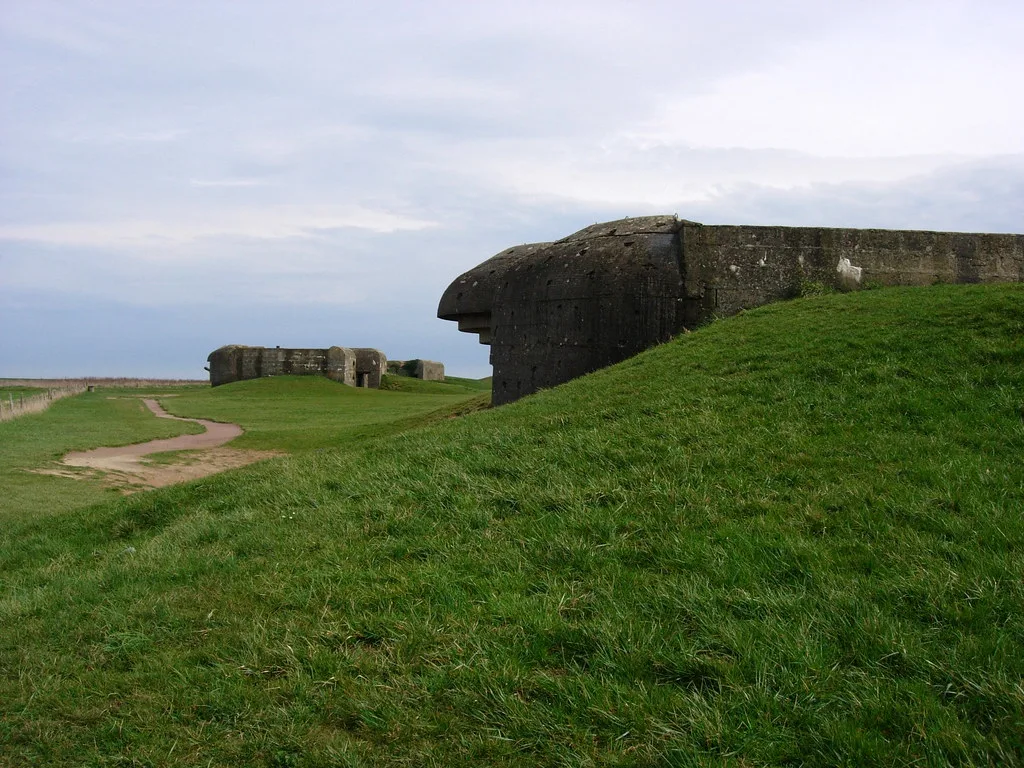
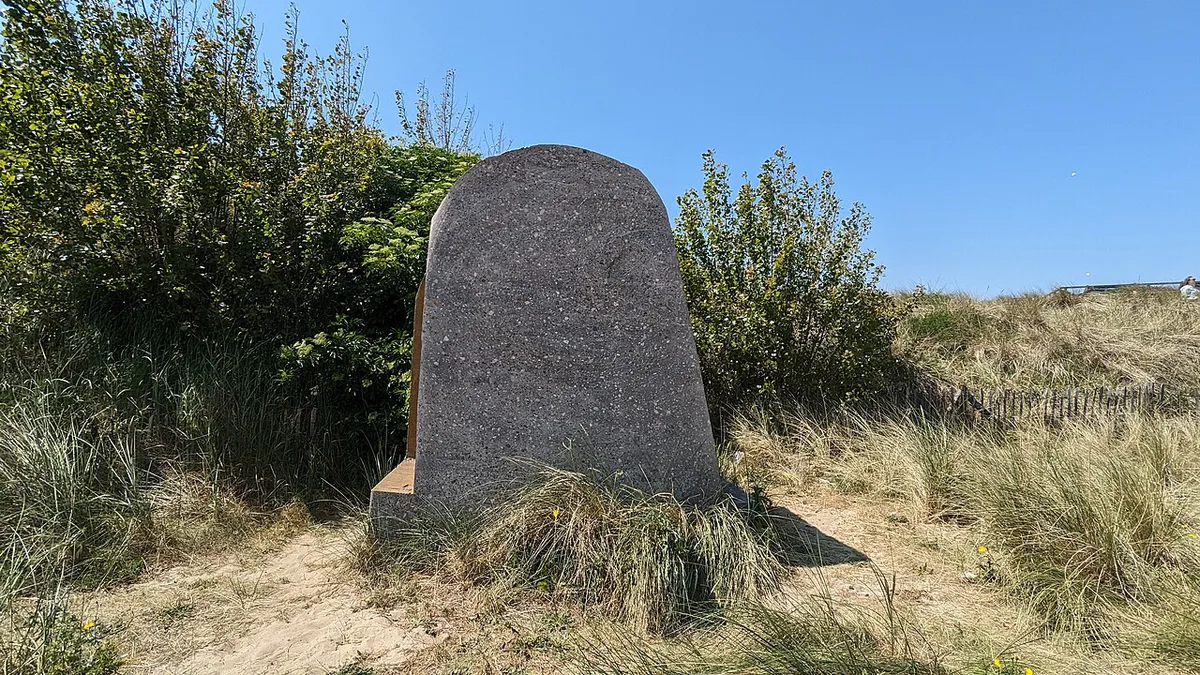
Cap Gris-Nez suits you if variety matters more than a curated indoor collection. In 2014, a scenic clifftop loop from the car park near the coastguard lookout passed many emplacements. Remains included flak platforms, observation and control bunkers, and bases for radar cupolas.
Barracks and part of a trench system also survived, with sheep sharing the ground; walk-in access then does not establish permission today. Follow current path signs and stay behind barriers, especially near cliff edges. Skip it if uneven outdoor ground is difficult or you want detailed interpretation indoors.
4. Cap Blanc-Nez (Pas-de-Calais)
Come here to combine observation and personnel bunkers with views across the Channel toward Dover. In 2014, bunkers and pillboxes stood along the ridge and two slopes, while paths and parking served the headland. Look for the Royal Navy's Dover Patrol memorial on the summit, a prominent landmark first erected in 1921.
German forces demolished it during the war, and it was reassembled after liberation; it commemorates naval service and deserves respectful behaviour. Choose this stop for an outdoor visit, but skip it if slopes or exposed weather would limit you.
5. Wissant beach and dunes (Pas-de-Calais)
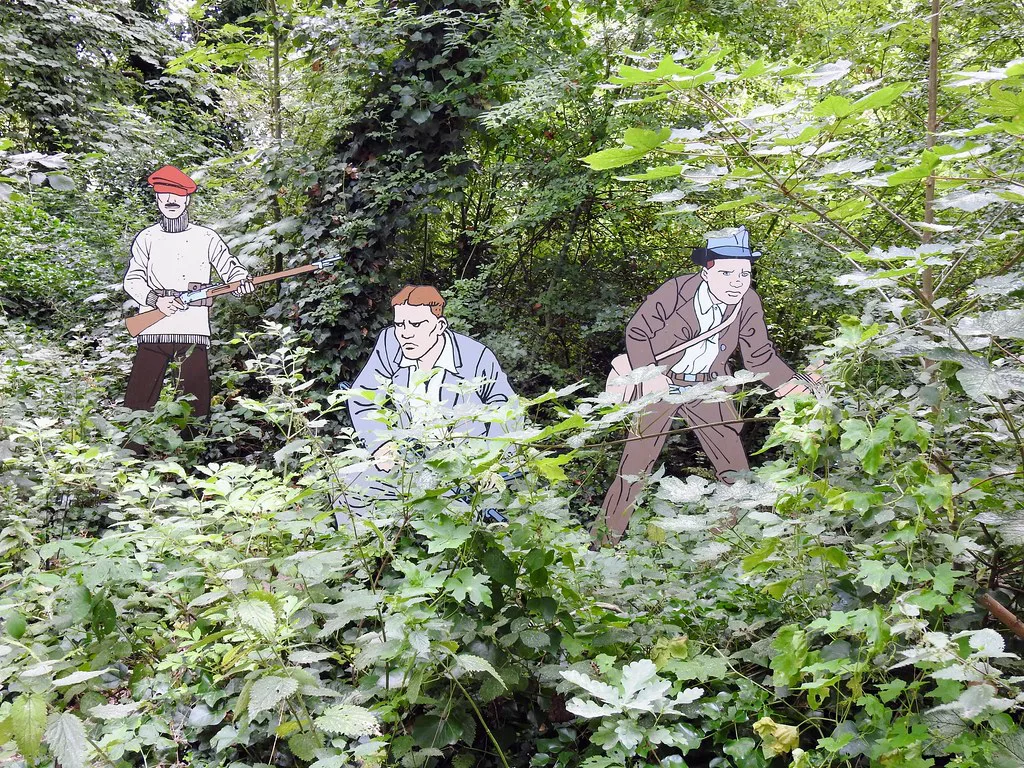
Wissant works as a coastal addition for travellers interested in how defences related to a beach. In 2014, the modern promenade incorporated an anti-tank wall. Look along the shore and dunes to understand the setting that defenders overlooked.
Local authorities had demolished some of the best-known installations shortly before that account, citing health and safety. Surviving features may therefore be limited, so avoid making a long detour solely for a particular bunker. Stay on permitted routes through the dunes, follow conservation signs and skip this stop if you want guaranteed interiors.
How to Plan Your Route and Time
Treat Normandy and Pas-de-Calais as separate trips unless your wider itinerary already links them. Around Calais, a compact drive can combine Batterie Todt with the 2 capes and Wissant. UK travellers can cross from Dover by ferry or use the tunnel from Folkestone, arriving near Calais or Coquelles. In 2014, Cap Blanc-Nez was about 15 minutes' drive away and Batterie Todt about 20 minutes. Those estimates referred broadly to the Calais port and tunnel arrival points, so map your exact route.
Cap Blanc-Nez was about 15 minutes' drive away from Calais arrival points, and Batterie Todt about 20, per the 2014 estimate.
- One stop: choose a museum for context or one headland for outdoor remains.
- Pas-de-Calais cluster: allow slack for parking, walking and museum entry; a weekend gives more room than a Channel day trip.
- By car: UK drivers should consult official French entry and driving guidance and confirm cover with their insurer.
- Without a car: research current buses, walking approaches and cycling routes before booking. Driving was presented in 2014 as the practical way to link these four stops.
Atlantic Wall Costs, Tickets and Opening Hours
Current admission and parking charges are not given here, so budget for them separately from transport. Get museum hours and booking rules from each operator, and do not assume outdoor access or parking is free.
Bunker Access and Safety
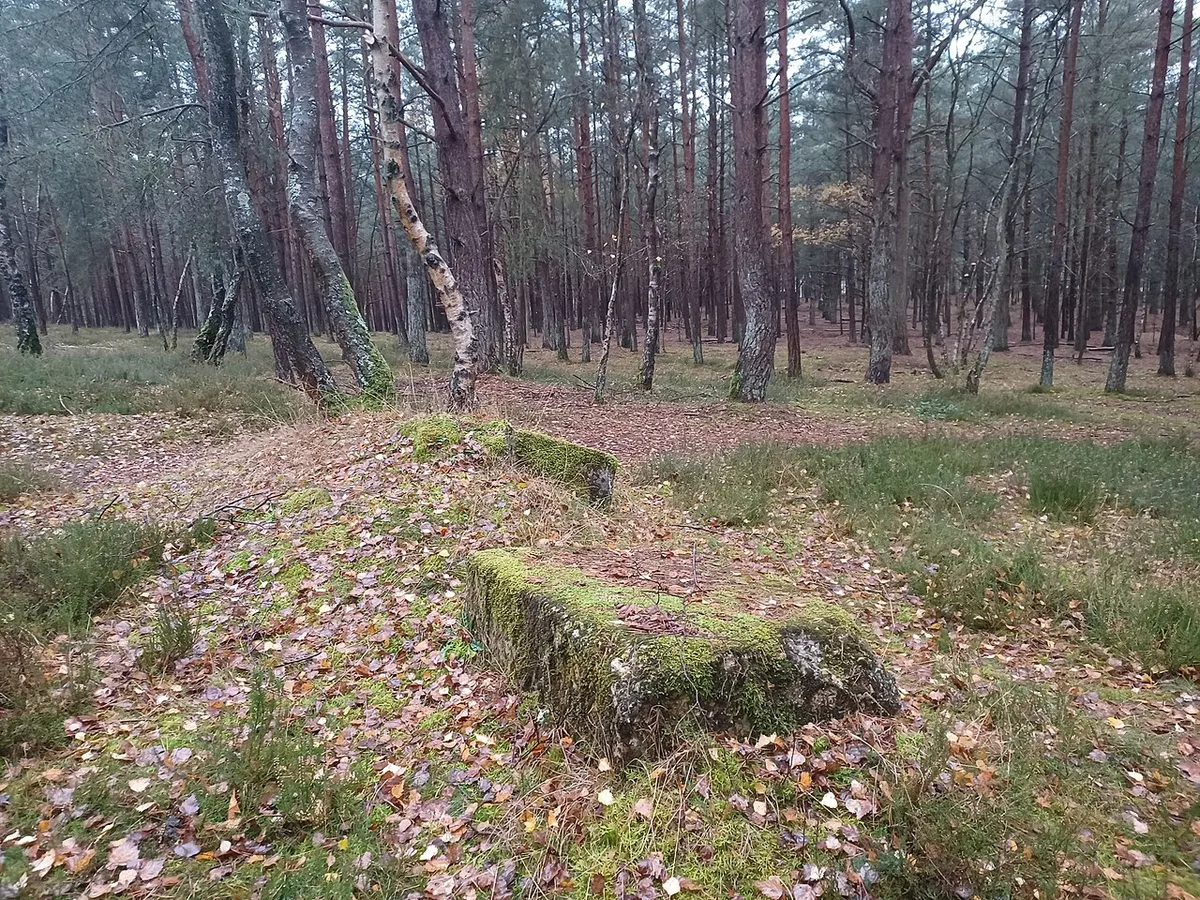
An open doorway is not permission to enter. In 2014, Batterie Todt's Turret 2 was a bat sanctuary in a nature park, with overgrown and usually slippery surroundings. Respect current closures even when older photographs show people inside. For broader choices, compare WWII bunkers open to visitors.
- Obey fences and signs, and stay on public paths rather than crossing farmland.
- Watch for falling debris, low concrete, uneven floors and other trip hazards.
- Wear sturdy footwear. Carry a torch for permitted dark interiors; it cannot make a closed structure safe.
- Never touch, move or collect suspected ammunition or other battlefield objects, which may still be live. Move away and alert local authorities.
- Protect bats and habitats, and leave graffiti, fittings and wartime material alone.
Related WWII Sites for a Wider Trip
Keep related subjects distinct from your coastal-defence list. V-weapon history concerns a different military purpose, covered in our guide to V-weapon sites. In northern France, visitors interested in that subject can consult the Blockhaus d'Eperlecques website. Naval travellers can explore the separate subject of wartime U-boat pens. Planning around that port heritage starts with Saint-Nazaire's tourism office. For a German naval construction topic, read about Bunker Valentin, Bremen: History and Visitor Guide as its own visit. Air-defence architecture belongs in a separate plan, using our flak towers guide.
Explore More Guides
Keep planning your trip with these guides.
Guides
Keep planning
Guides on the same trip