Flak Towers: WWII History and Sites in Europe
What were WWII flak towers? See how they worked in Berlin, Hamburg and Vienna, what remains today, and what to know about access before you visit.
In this guide
Last updated November 2026, this guide explains flak towers, German anti-aircraft structures of World War II that also sheltered civilians in Berlin, Hamburg and Vienna. Best-known surviving sites include Vienna's towers, Hamburg's Heiligengeistfeld and Berlin's Humboldthain, but access differs, so choose between going inside and viewing from outside.
Featured image: DALIBRI, CC BY-SA 3.0, via Wikimedia Commons.
What Were Flak Towers?
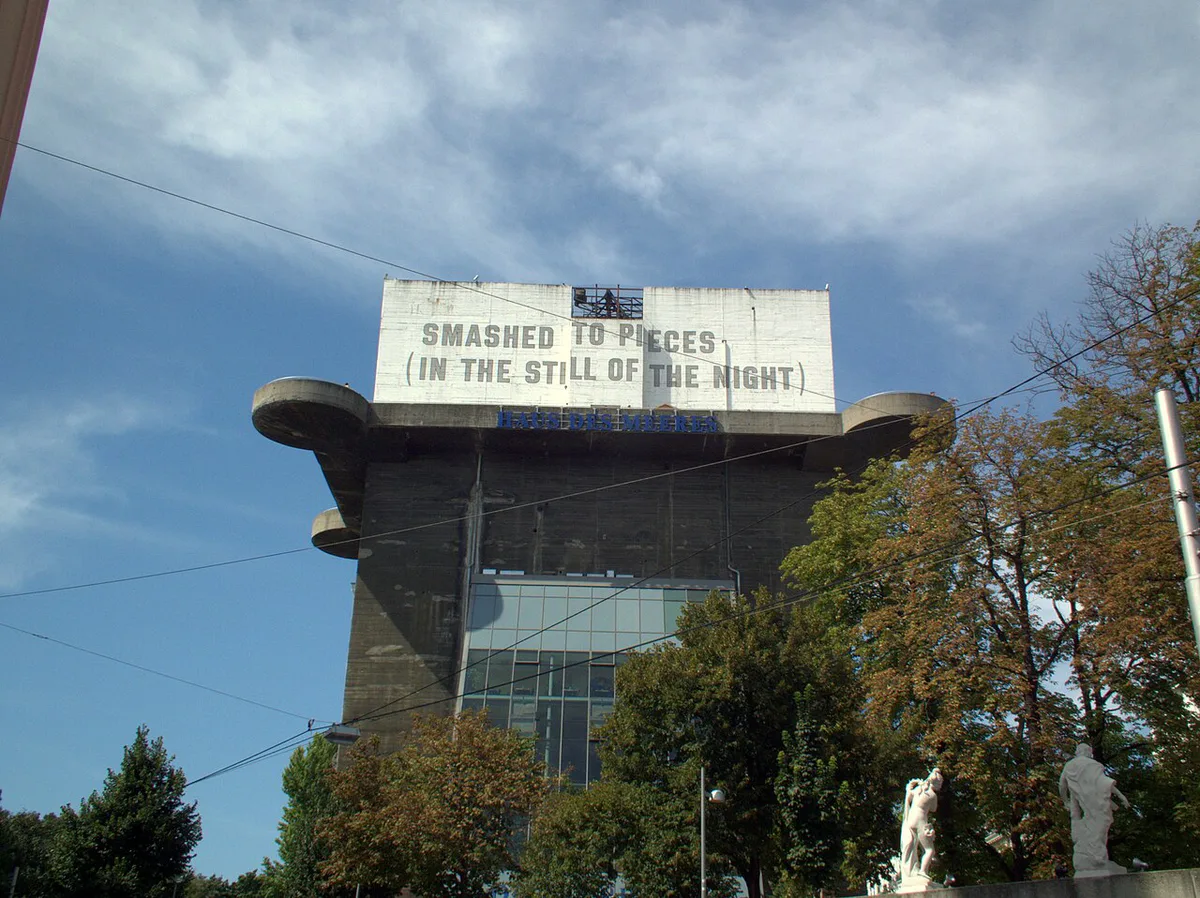
"Flak" comes from Flugabwehrkanone, meaning an air-defense cannon. These military structures of the Nazi regime combined gun platforms with air-raid shelter. Accounts of Vienna's towers say they were built mainly by forced laborers, a central part of their history. They worked in pairs. A larger G-Tower (Gefechtsturm, or gun tower) carried the anti-aircraft guns. Its smaller partner, the L-Tower (Leitturm, or control tower), held radar and searchlights. Spacing differed: about 100 m (330 ft) is given for Arenbergpark and 400 m (1,300 ft) for Augarten. Berlin's 3 installations are said to have been ordered after a 1940 RAF raid. For Vienna, Hitler's construction order is dated September 9, 1942.
How Did They Work, and How Well?
Heavy 128 mm Flak 40 guns targeted bombers, while lighter weapons covered lower altitudes. Vienna's heavy guns are credited with a 20 km (12.4 mi) defense radius, which is not the same as effective altitude. An Ohio State-hosted overview gives main towers 2.6 m (8.5 ft) walls and 3.8 m (12.5 ft) roofs. Dimensions differ between accounts, so don't apply one measurement to every structure. Judging air-defense performance is harder. Citywide results involved more than these towers and don't show what any single tower achieved.
- Shelter design: the Ohio State overview gives a capacity of up to 15,000 people, while another account says 10,000.
- Wartime crowding: reports for one Berlin tower during the 1945 battle range from 30,000 to 45,000 people.
- Ground combat: Zoo Tower's 128 mm guns are said to have covered the approach to the Reichstag, 2 km (1.2 mi) away.
- End of fighting: Soviet 203 mm howitzers reportedly failed to bring the towers down, and surrender was eventually negotiated.
Berlin, Hamburg and Vienna Flak Towers Compared
Common historical counts are 3 for Berlin, 2 for Hamburg and 3 for Vienna. Read these as tower installations rather than individual buildings, because gun and control towers formed pairs. Surviving fabric also differs from public access. A tower can remain visible while its wartime interior stays closed.
| City | Original installations | Sites to know | Access | Best fit |
|---|---|---|---|---|
| Berlin | 3 | Humboldthain; Zoo and Friedrichshain were targeted for demolition | Humboldthain is associated with guided tours | Tour-focused history |
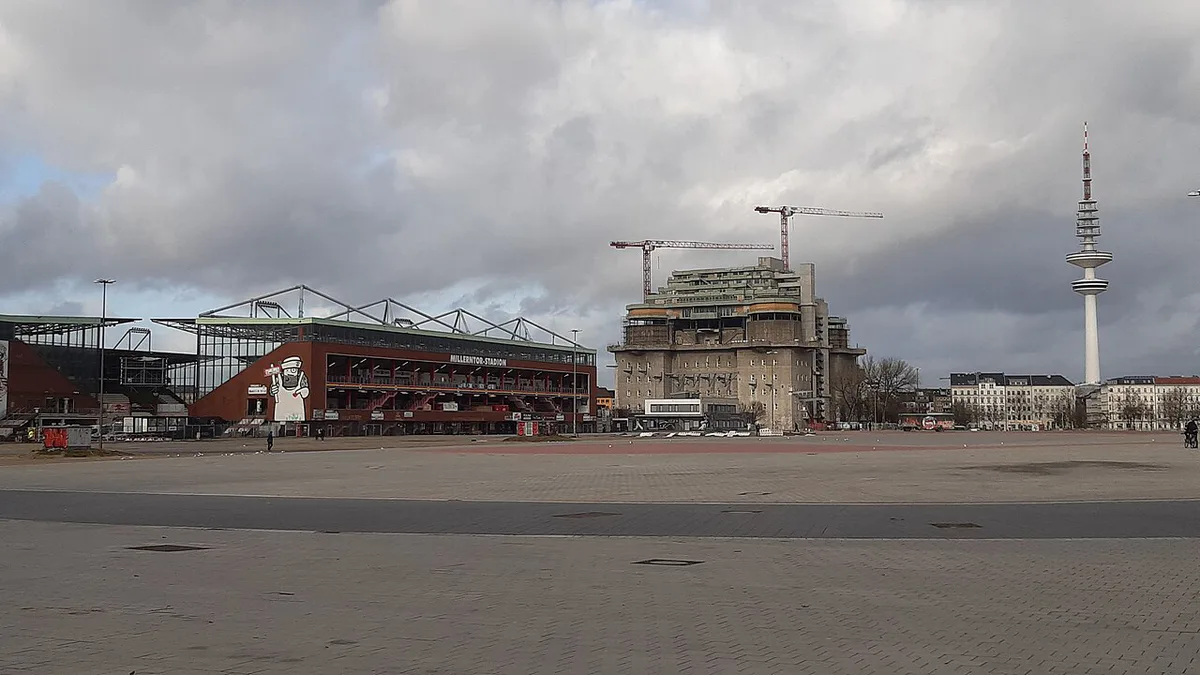
| Hamburg | 2 | Heiligengeistfeld; Wilhelmsburg (Tower VI) | Check each current operator | Seeing postwar reuse and alteration |
| Vienna | 3 | Augarten, Arenbergpark, Esterházypark, Stiftskaserne | Varies by tower; do not assume entry | Comparing tower designs |
Where Can You See Flak Towers in Berlin?
Start with Humboldthain if Berlin is your base. Berliner Unterwelten's official website is the place to check tour dates, booking terms, language, meeting point and accessible areas. A tour suits you if wartime space matters more than a quick photograph. Its main limitation is that you need to fit the operator's conditions, and a visit may not cover the whole structure. Zoo Tower is not an equivalent stop, since it was blown up after the war. Friedrichshain's tower also appears in postwar demolition records. Don't plan on entering remains at either location.
Zoo Tower's guns are said to have covered the approach to the Reichstag, 2 km (1.2 mi) away, but the tower itself was blown up after the war.
Where Are Hamburg's Flak Towers?
Hamburg's 2 names to know are Heiligengeistfeld and Wilhelmsburg, the latter identified as Flak Tower VI. Both suit travelers interested in what happens to military structures after a war. Alterations can make their present appearance quite different from 1945 photographs. Before travelling, check each operator's current information for public areas, opening times and entrances. An old rooftop photo does not establish that a café or viewing area operates now. If interiors are unavailable, decide whether an exterior view justifies the detour from your route. Use Hamburg's official transit planner for the journey.
Which Vienna Flak Towers Can You See?
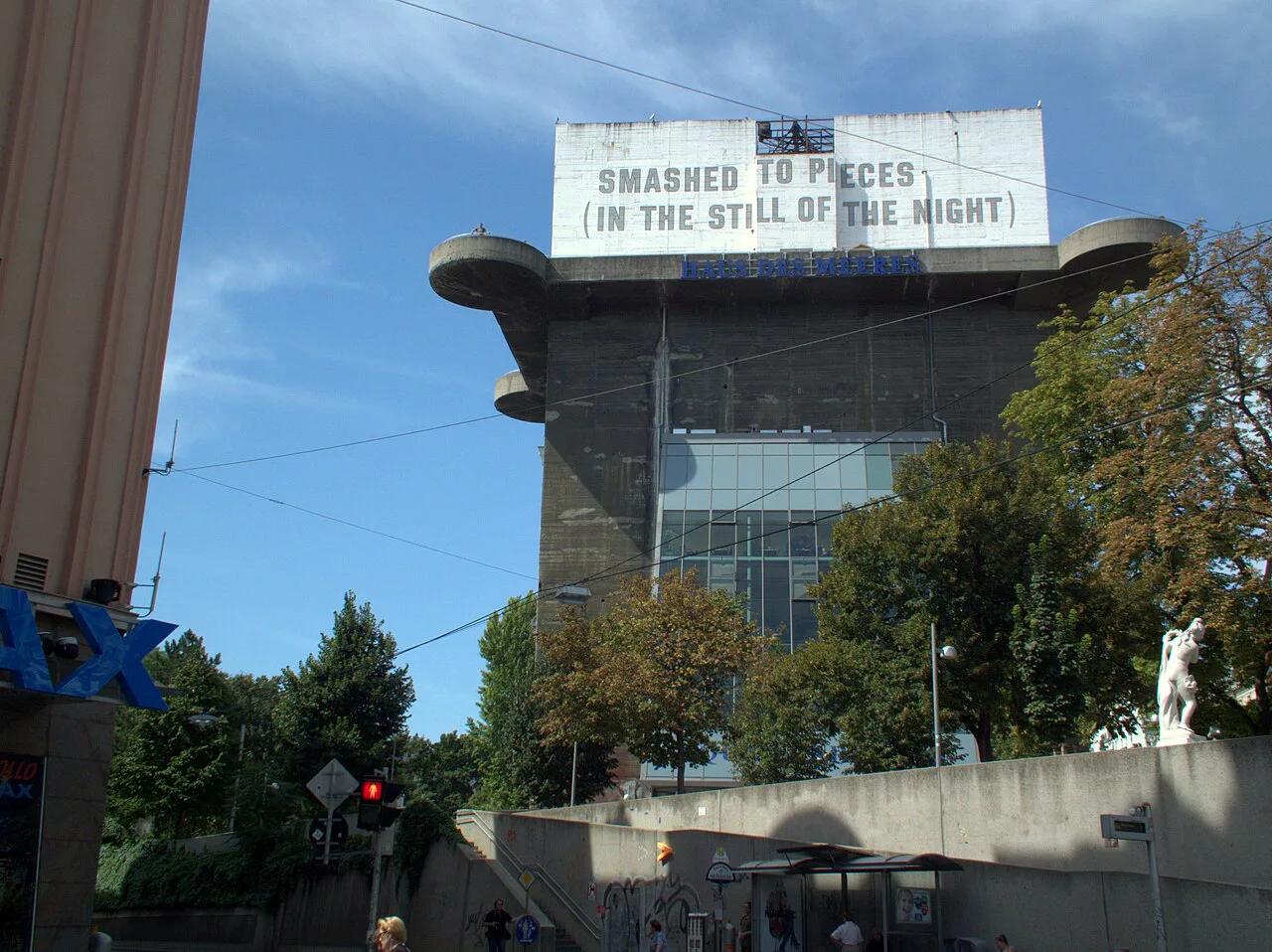
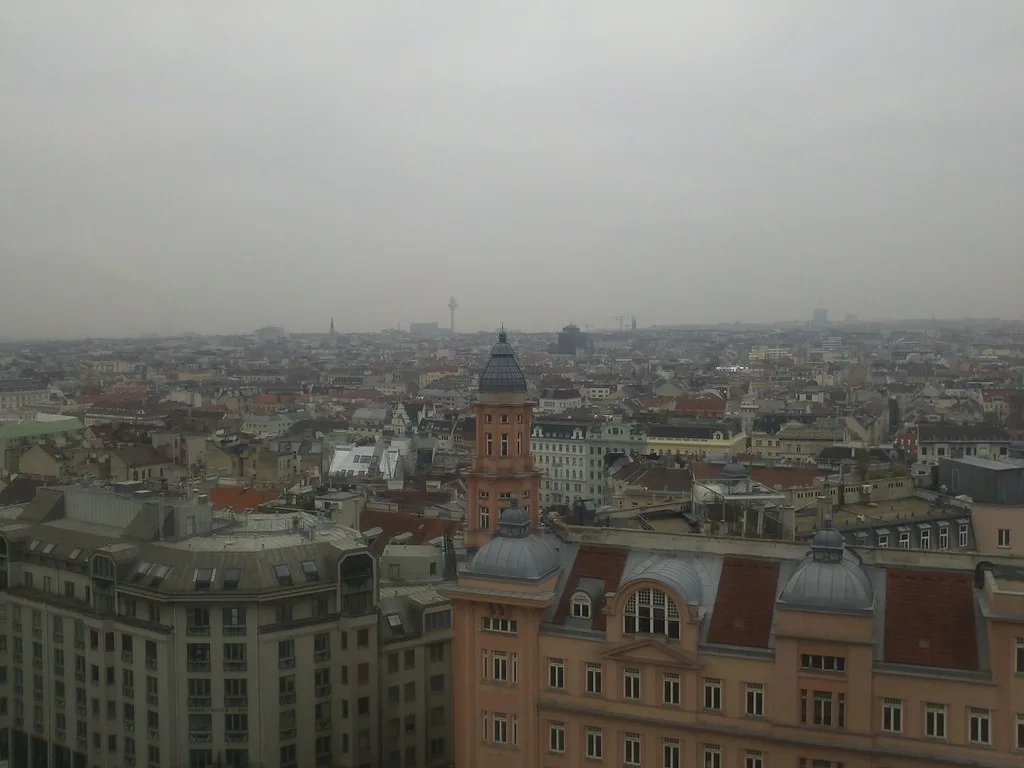
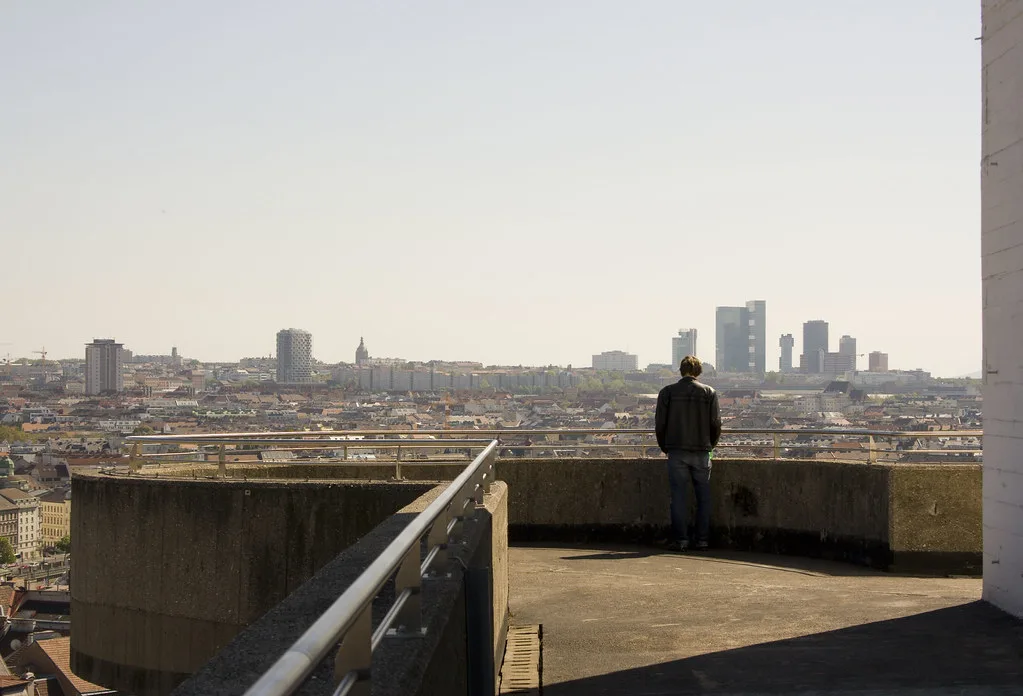
Vienna is the natural choice for comparing designs. Its best-known names also include the Stiftskaserne gun tower, so check legal viewpoints before adding it. Plan other park visits as exterior stops unless an official operator offers entry. Use Vienna's official transit planner to connect them.
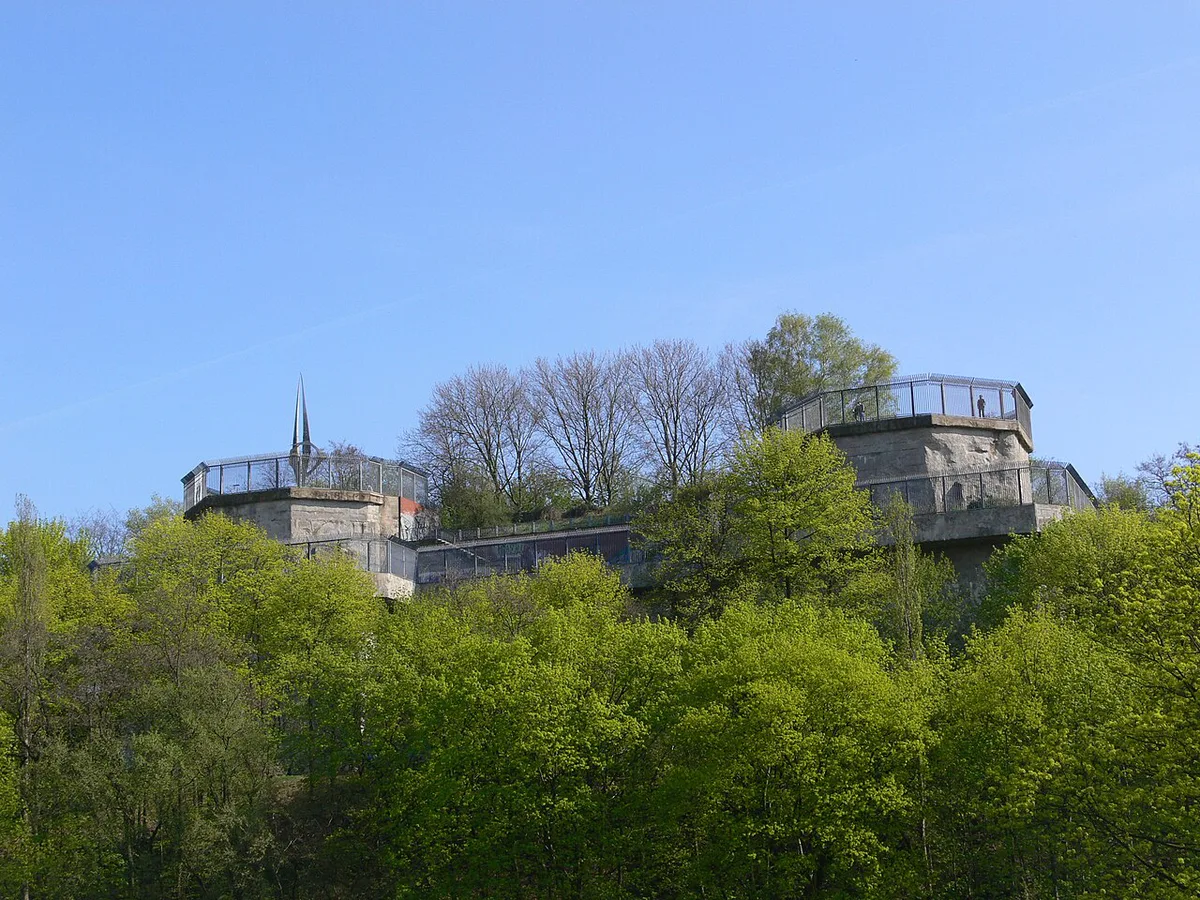
- Arenbergpark: about 2 km (1.2 mi) southeast of Stephansplatz, with 2 towers about 100 m (330 ft) apart. Construction is dated December 1942 to October 1943, and the gun tower has a square design. It suits an architecture-focused exterior visit.
- Augarten: about 2.5 km (1.5 mi) north of the historic center. Its pair is dated July 1944 to January 1945, and the gun tower's reported height is 55 m (180 ft). It suits visitors comparing a later design; do not assume interior access.
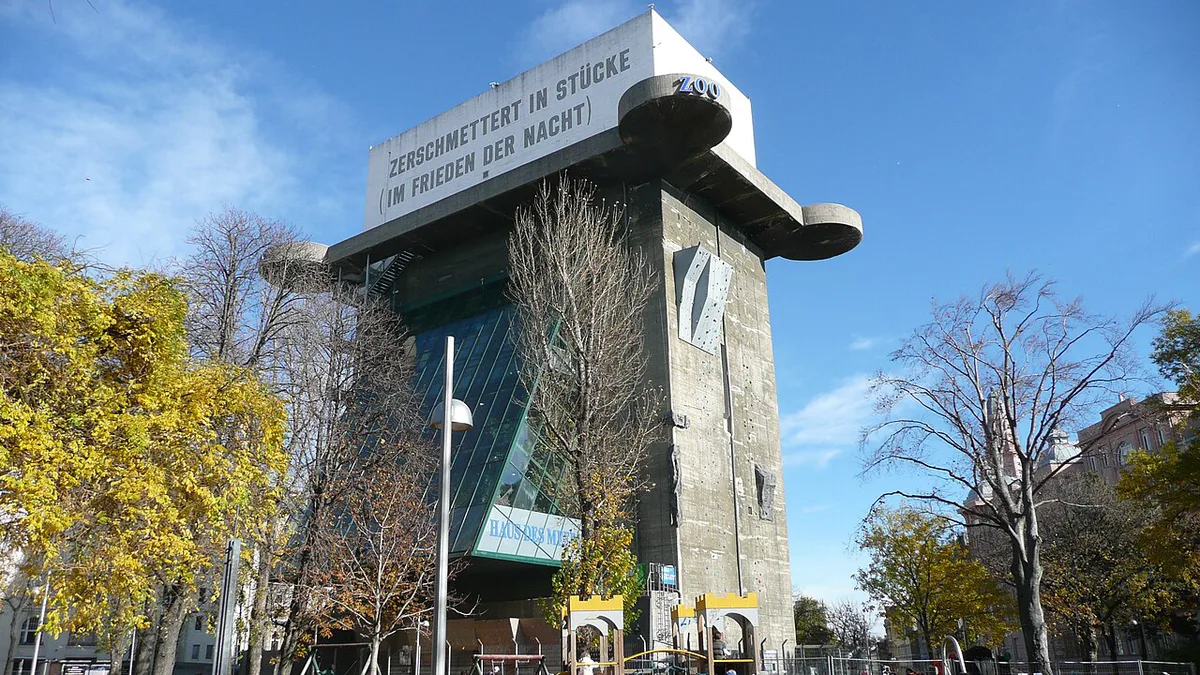
- Esterházypark: its L-Tower has been linked with Vienna's aqua terra zoo. See Haus des Meeres visitor information for admission and access. It may suit families, but zoo entry should not be treated as a tour of the wartime interior.
Which Flak Tower Visit Is Right for You?
Choose by access first, then location. For a short city break, pick the city already on your route and compare transit time with time available at the site. For more fortifications beyond these 3 cities, browse WWII bunkers open to visitors.
| Your priority | What to compare | Trade-off |
|---|---|---|
| Wartime interior | Humboldthain tour coverage | Fixed booking conditions in return for historical access |
| Short stop | Arenbergpark or Augarten, based on your route | Quick exterior viewing, without assumed entry |
| Architecture and photos | Arenbergpark and Augarten designs | Check viewpoints and visibility; no promise of interiors |
| Limited mobility | Step-free approach, stairs, surfaces and tour rules | An exterior view may be more practical |
| Visiting with children | Haus des Meeres access or tour age rules | General venue entry differs from a historical tour |
What Should You Check Before You Go?
For each of your chosen sites, separate venue admission or a paid tour from simply viewing a structure from public space. Current official listings should settle cost, hours, season, booking and tour language. Allow travel time separately from time on site. Ask about age limits, footwear, clothing, stairs and step-free access. These sites reflect war, dictatorship and civilian danger, so follow posted conduct rules and keep your visit respectful.
- Don't assume a surviving tower is open.
- Don't assume a venue ticket includes wartime rooms.
- Don't expect a gun tower and control tower to share access.
- Don't pass barriers or enter closed areas.
Why Do Some Flak Towers Still Stand?
Postwar demolition succeeded at some sites, while the towers' massive construction made removal difficult elsewhere. Strength alone does not explain every survivor; each site has its own postwar history. Build time was short for structures of this scale. One Berlin-focused account gives 6 months, while a Vienna-focused account gives 7 to 11 months. Those figures should not be merged into one standard schedule. For wider reading on German wartime fortifications, explore the Atlantic Wall guide. These city towers were not part of that coastal system. You can also compare another form of heavy wartime construction through surviving U-boat pens.
Frequently Asked Questions
How many flak towers are still standing?
A single total can mislead because counts may mean paired installations, individual buildings or partial remains. Vienna and Hamburg have surviving sites, and Berlin's Humboldthain remains a key place to explore this history.
Are there any German flak towers still standing today?
Yes. In Germany, look to Humboldthain in Berlin and the Hamburg sites, allowing for postwar changes. German wartime towers also survive in Vienna, Austria.
Keep planning
Guides on the same trip