WW2 Bunkers You Can Visit in Europe: How to Choose
Choose among WW2 bunkers and fortified sites in France, Germany, Denmark and Austria. Compare site types, then plan access, booking and travel.
In this guide
Last updated November 2026: for WW2 bunkers you can visit, start with Atlantic Wall museums and batteries in Normandy and Pas-de-Calais, or the U-boat bases at Lorient and Saint-Nazaire. Other choices in this selective shortlist include a V-weapon bunker, flak towers, Hanstholm in Denmark and Bunker Valentin in Germany. Access differs by site, so check which interior areas are open on your date.
Featured image: M.Strīķis, CC BY-SA 3.0, via Wikimedia Commons.
WW2 Bunkers You Can Visit: Which Type Suits You?
Pick by the story you want to understand. Here, “bunker” includes reinforced military structures with quite different jobs, from coastal defence to submarine shelter. For interiors, choose your date first and then match it with the operator's visitor page. An open museum, a guided route and an outside view are three separate kinds of access.
| Site or area | Original military type | Best for | Access to check |
|---|---|---|---|
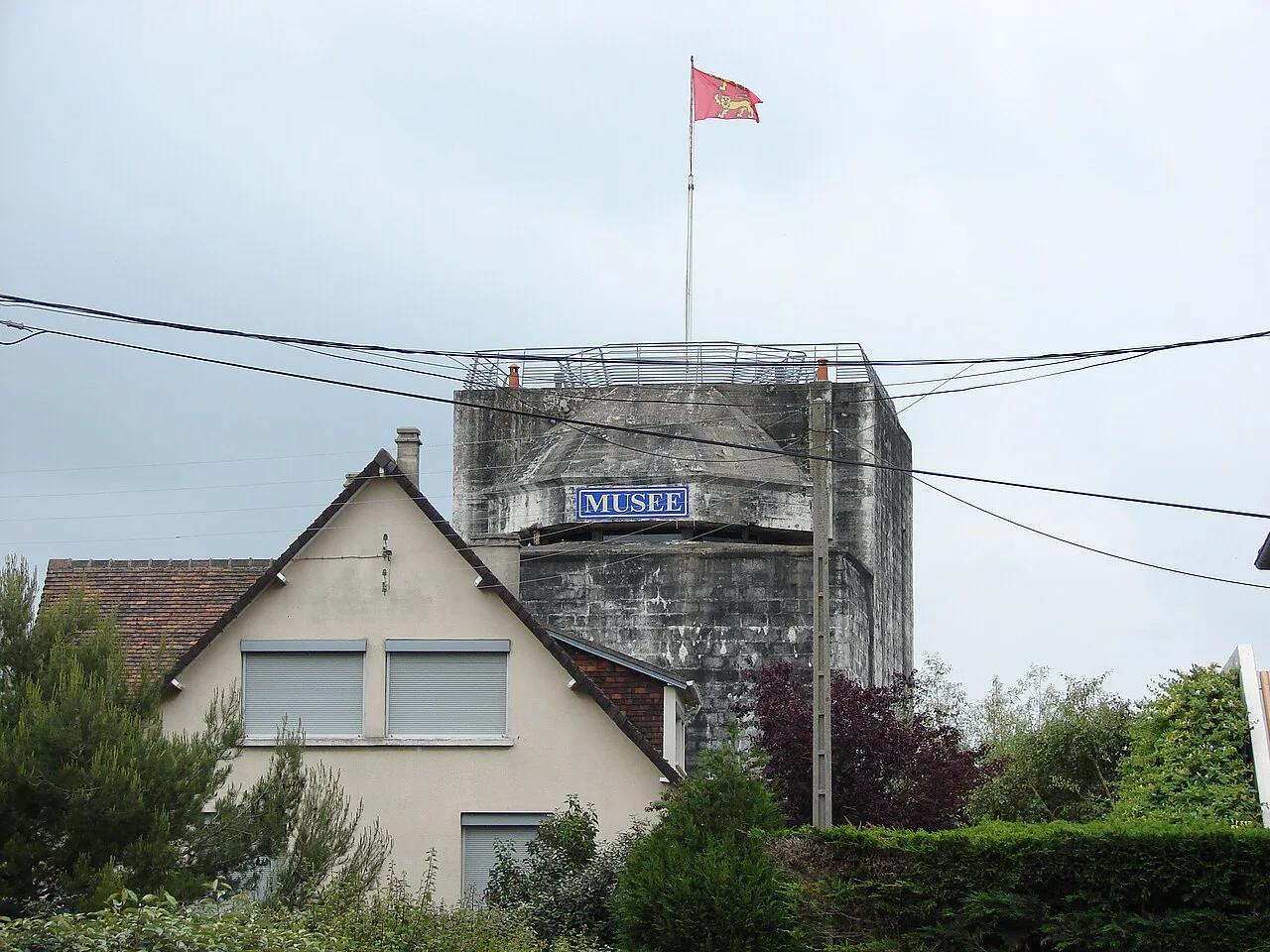
| Ouistreham, France | Atlantic Wall subject | A museum-based visit | Museum opening and interior areas |
| Éperlecques, France | V-weapon bunker | Rocket war and forced labour | Open season and visitor route |
| Saint-Nazaire, France | U-boat base | Submarine war in a port | Areas and tours open |
| Lorient, France | U-boat base | A submarine-base focus | Interior and tour access |
| Hanstholm, Denmark | Coastal fortress | German defences in Denmark | Museum and outdoor access |
| Bunker Valentin, Germany | U-boat construction bunker | Forced labour history | Memorial access and tours |
| Humboldthain, Berlin | Flak tower | A tour-based visit | Tour dates, language and booking |
| Haus des Meeres, Vienna | Former flak tower | Seeing a wartime structure reused | Which areas relate to the tower |
Atlantic Wall Museums and Batteries in France
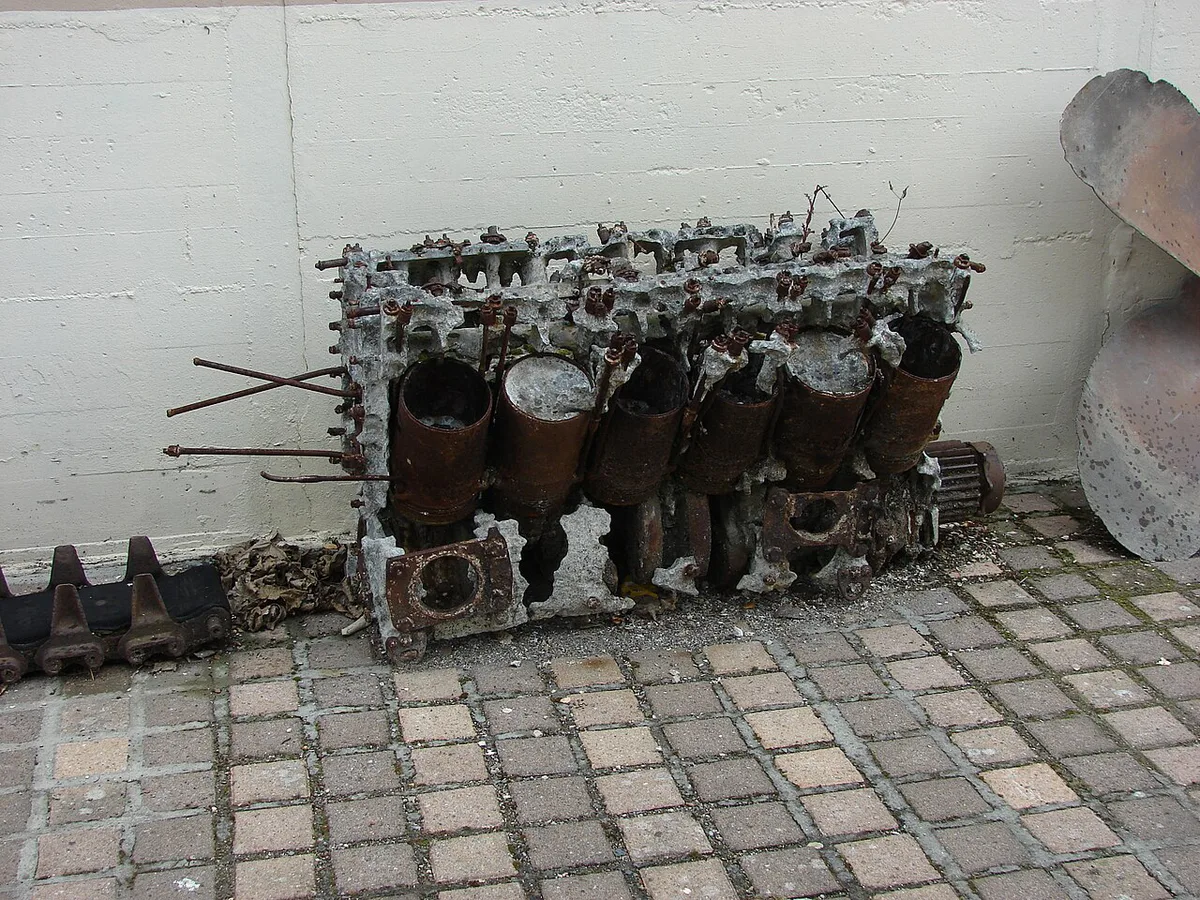
Atlantic Wall sites suit you if coastal defence is your main interest. For background, read about Germany's wartime coast defences. In Normandy, the Atlantic Wall Museum in Ouistreham gives you a named museum to plan around. Use its official site for admission, hours and access inside.
Batteries in Normandy and Pas-de-Calais widen the choice, but treat each one as a separate visit. One may have a museum interior, while access at another may differ. Our guide to French coastal defence visits can help you narrow the area. For wider regional planning, use Normandy's official tourism website.
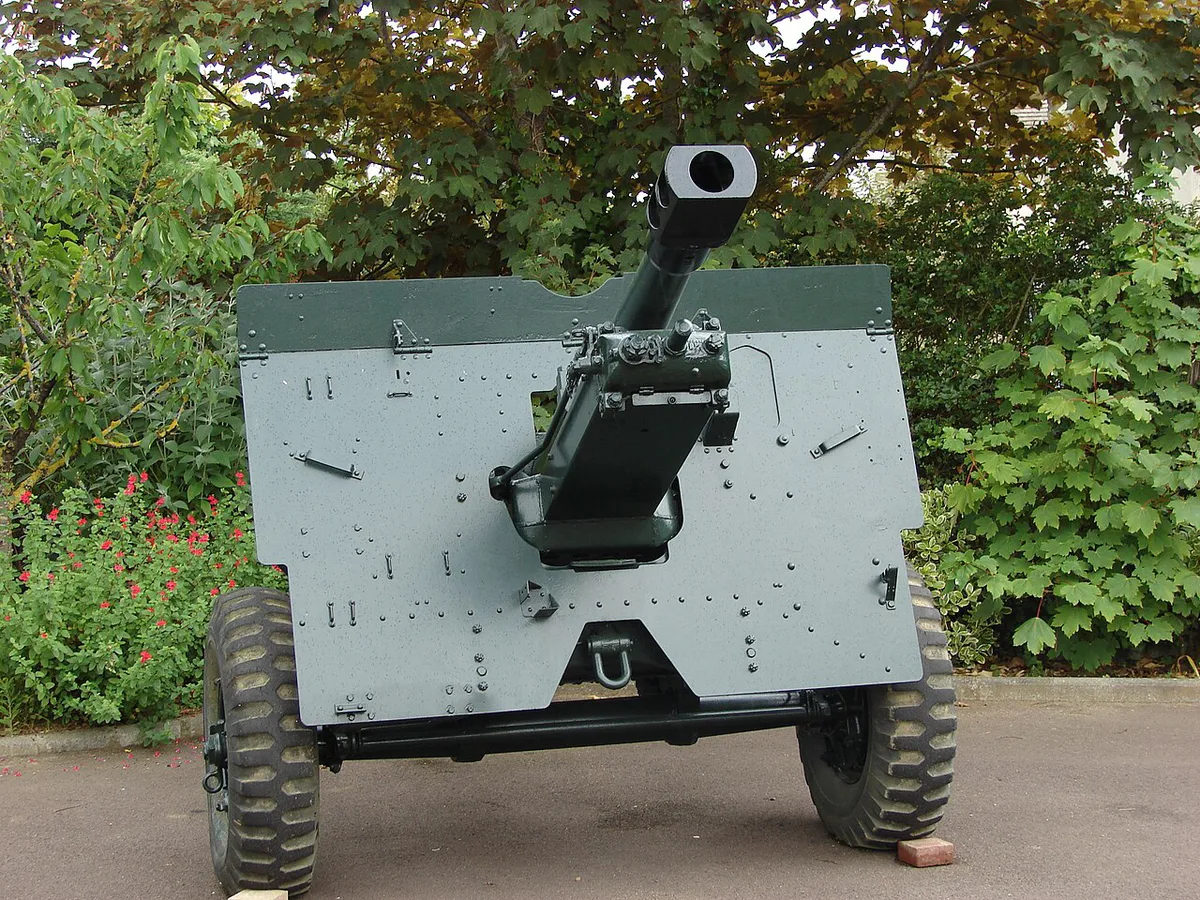
- Choose a museum if you want objects and explanation alongside the structure.
- Choose a battery if gun positions and their coastal setting interest you more.
- Plan Normandy and Pas-de-Calais as separate areas, and check the route before pairing any stops.
Éperlecques and the V-Weapon War
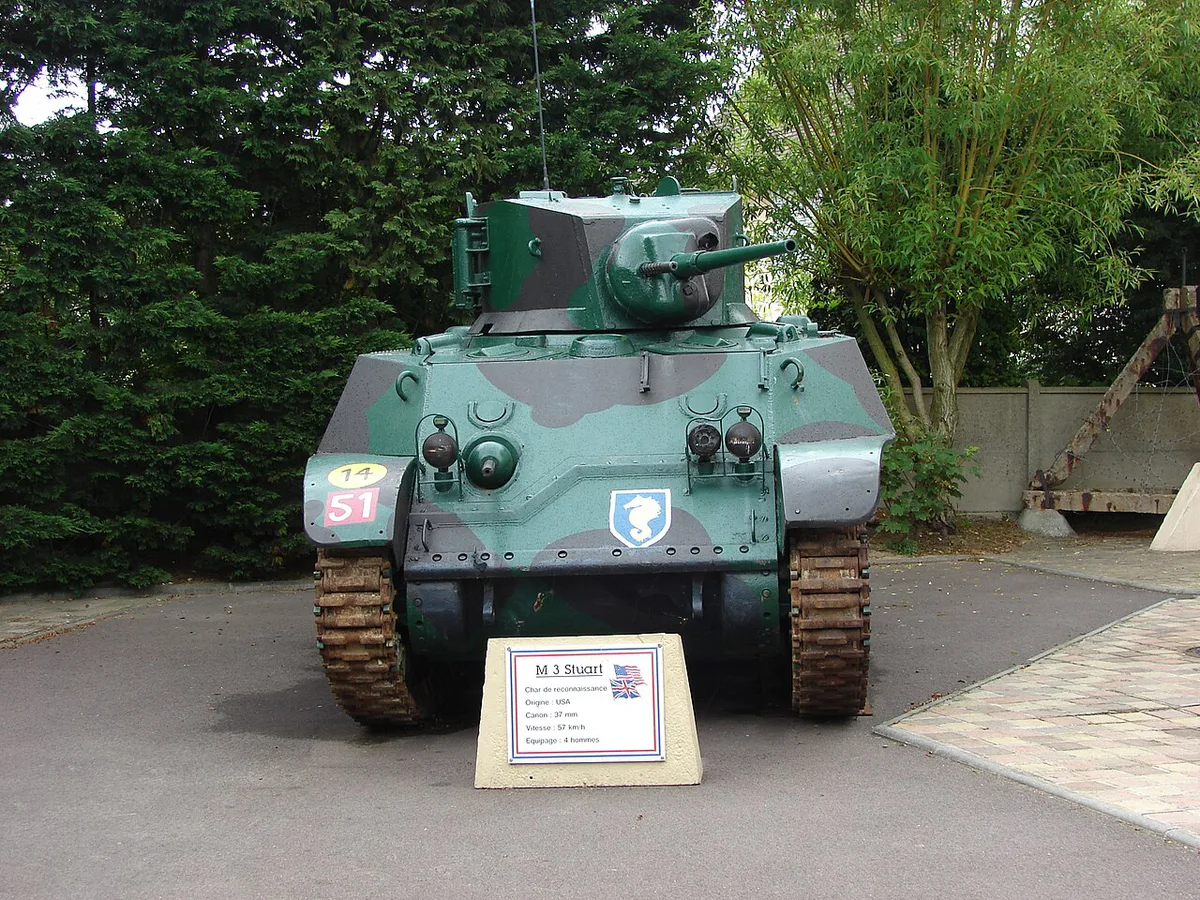
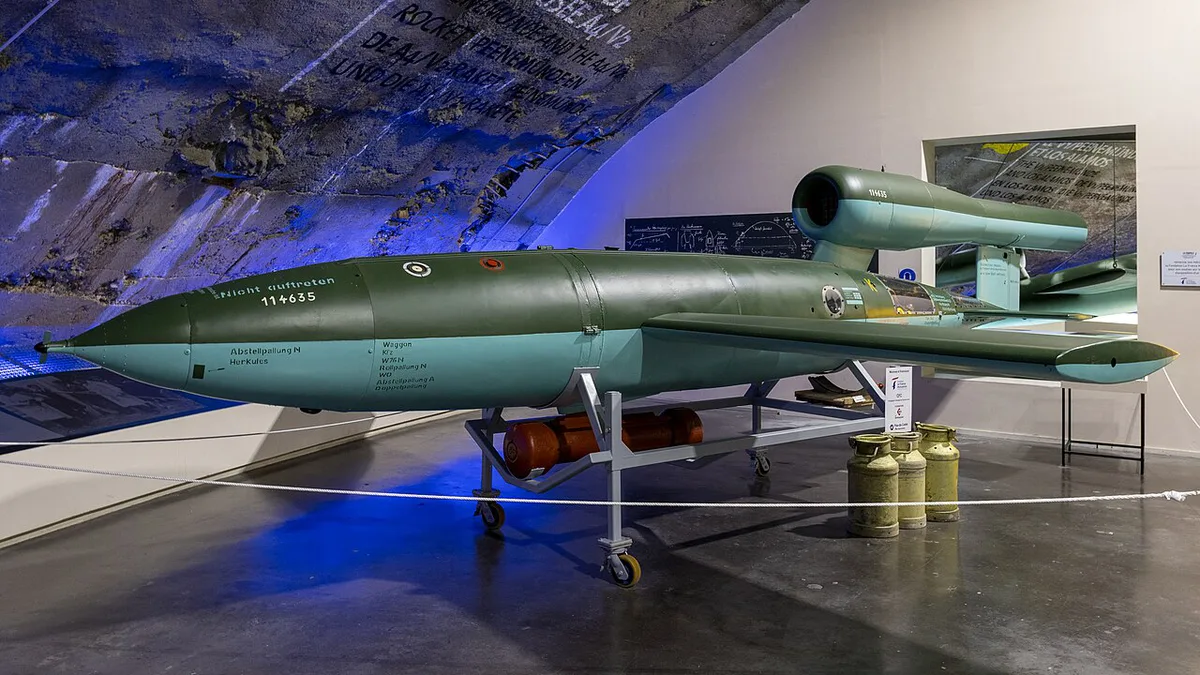
In Pas-de-Calais, the Blockhaus d'Éperlecques is a massive bunker that Nazi Germany began for its V-2 rocket programme. Forced labourers were made to build it, and their experience belongs at the centre of the visit. Choose this site if weapons production and occupation matter more to you than beach defences. For related places, see our overview of surviving V-weapon locations. Check the official site for its season, admission, visitor route and rules before travelling.
U-Boat Bases at Saint-Nazaire and Lorient
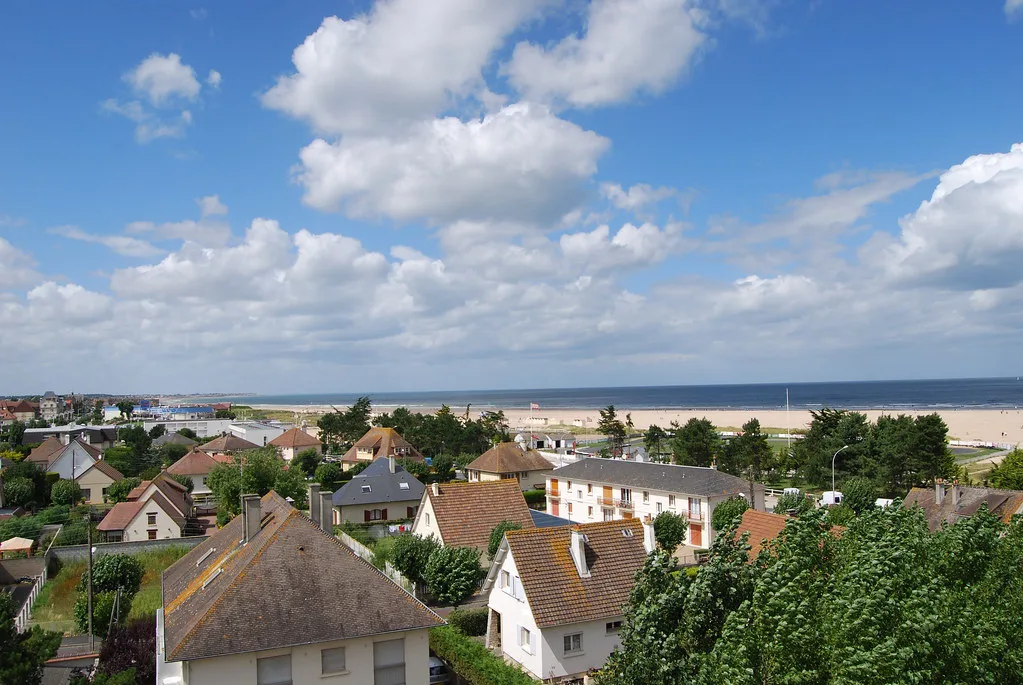
German U-boat bases at Saint-Nazaire and Lorient were built to shelter submarines in occupied France. Their huge concrete structures served a different purpose from a personal shelter or a gun casemate. Entry to one part of a former base does not necessarily include its other pens, roof or museum spaces.
For the western Loire port, check Saint-Nazaire's official tourism information for current visits. At Lorient in Brittany, use the operator's latest details before choosing a tour. Our guide to Germany's wartime submarine shelters explains the wider category.
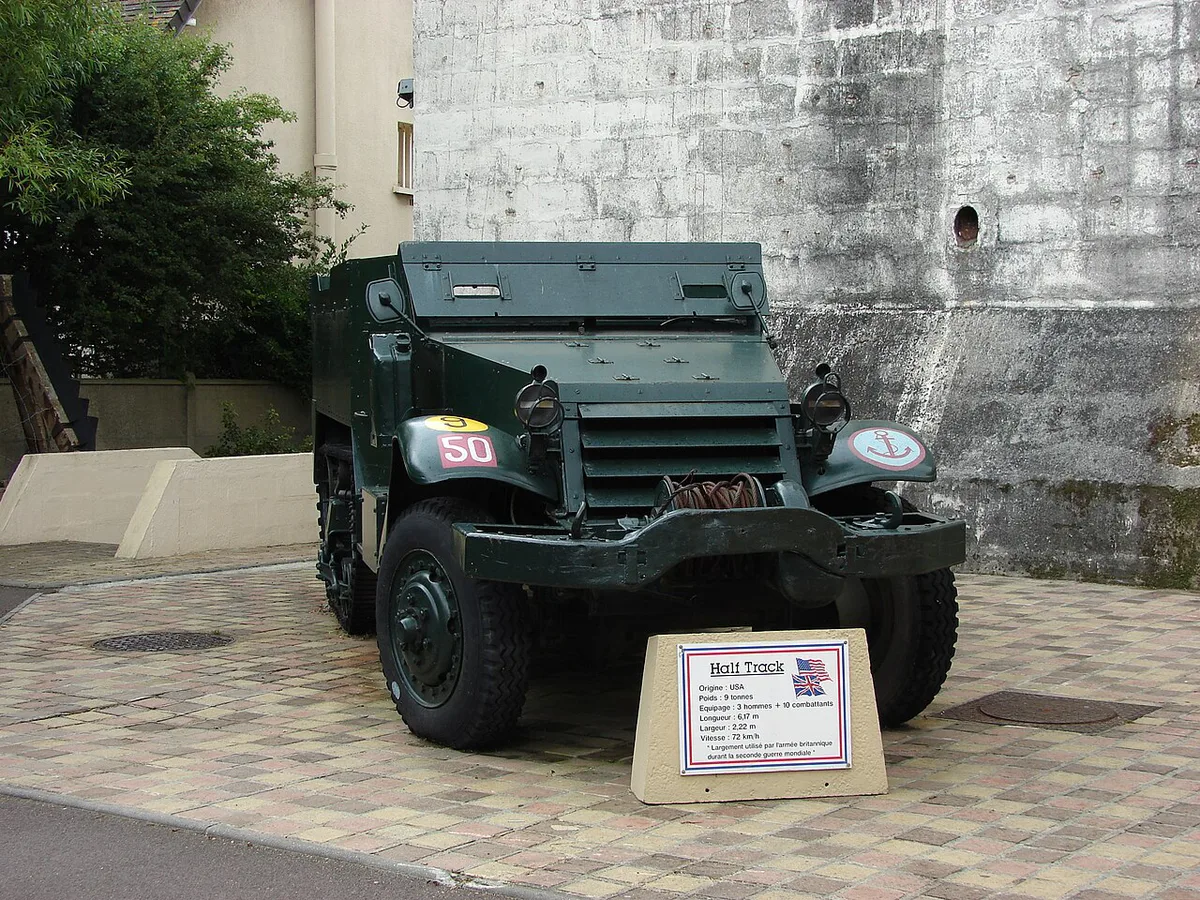
- Saint-Nazaire: choose it if you want to focus on the base within its port setting.
- Lorient: choose it if your route is centred on Brittany.
- Either base: check whether your booking covers a wartime interior, a museum, a submarine visit or an outdoor route.
Hanstholm and Bunker Valentin
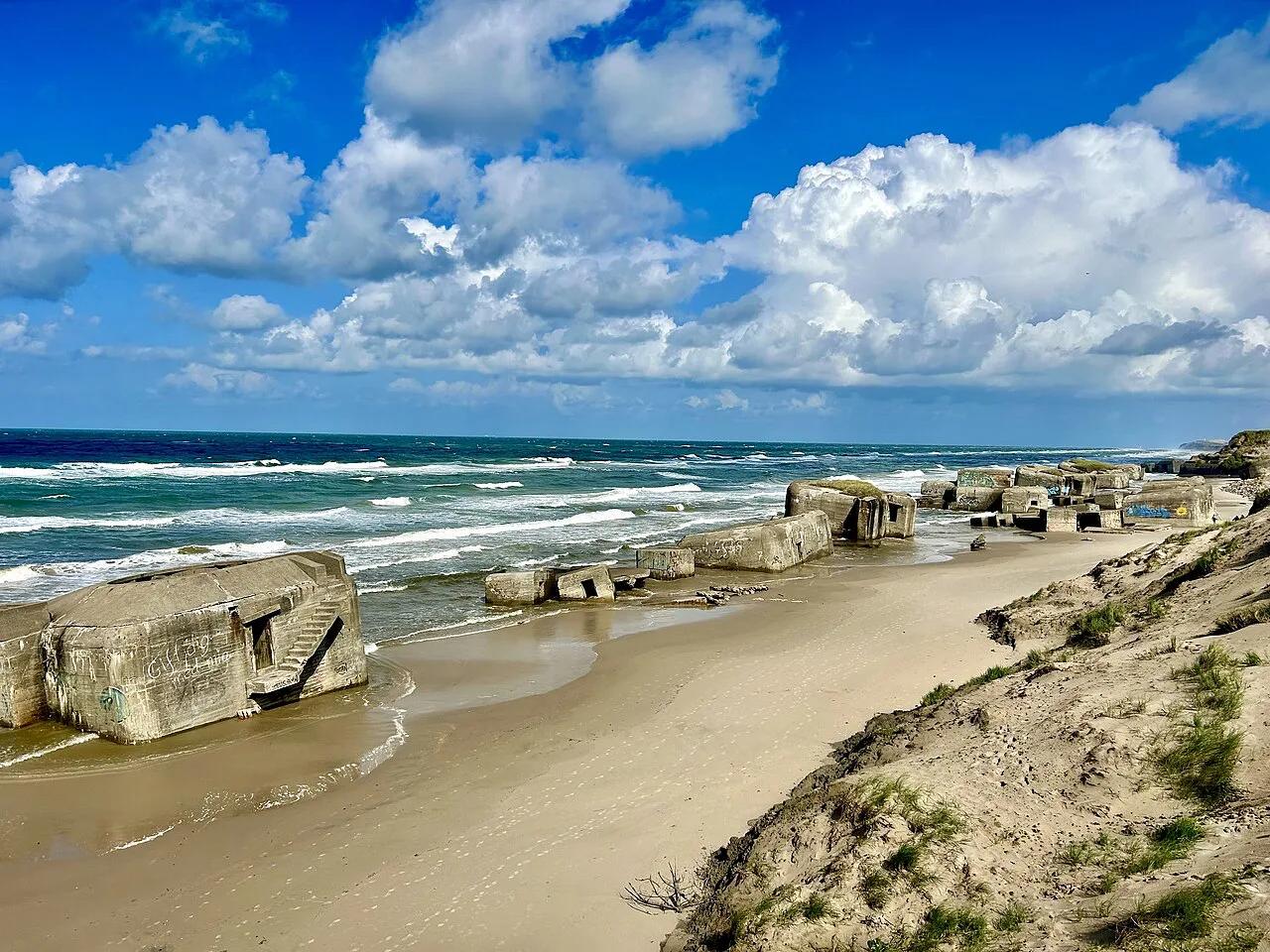
Hanstholm in Denmark was a German coastal fortress and part of the Atlantic Wall. Choose it for a wider defensive position instead of a submarine base. Start with Denmark's official visitor website, then check the local operator's access details. Our Hanstholm planning guide offers a focused next step.
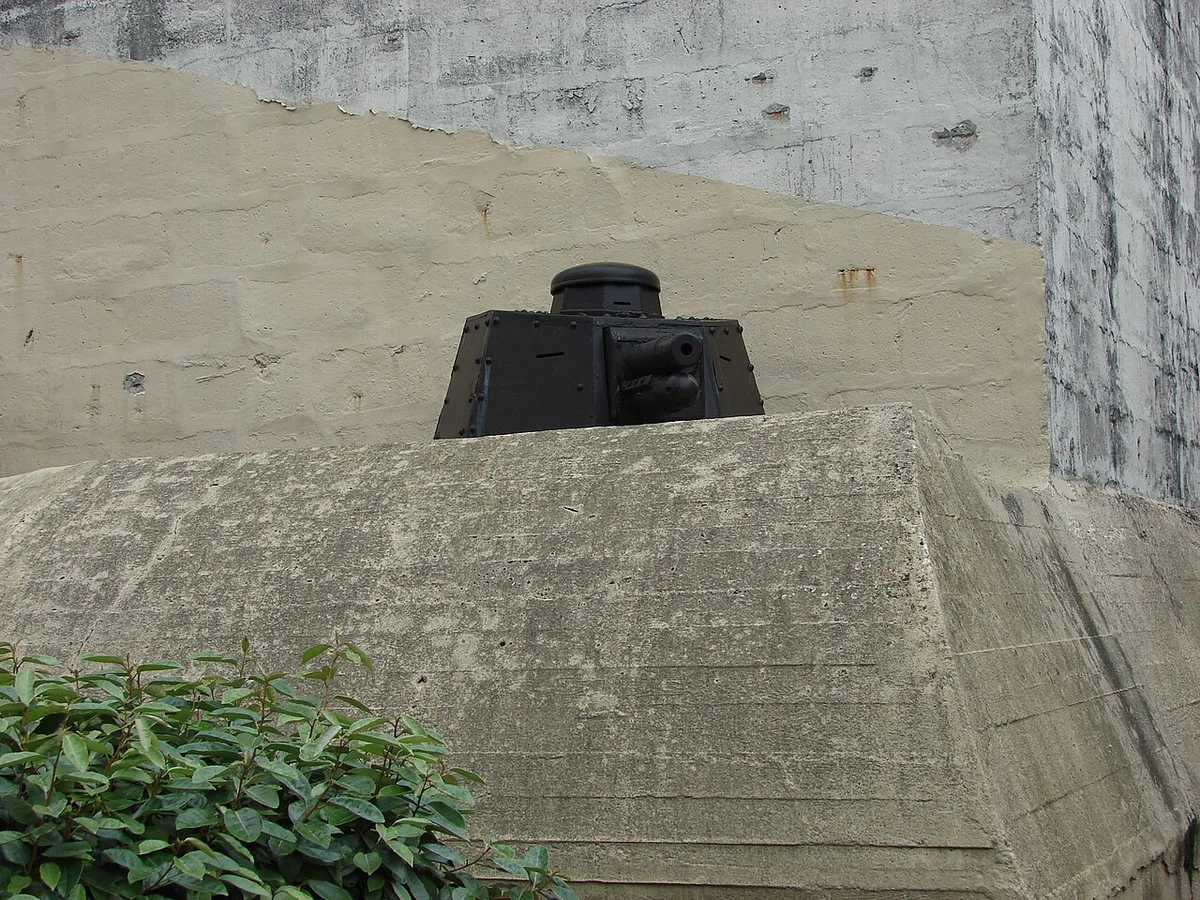
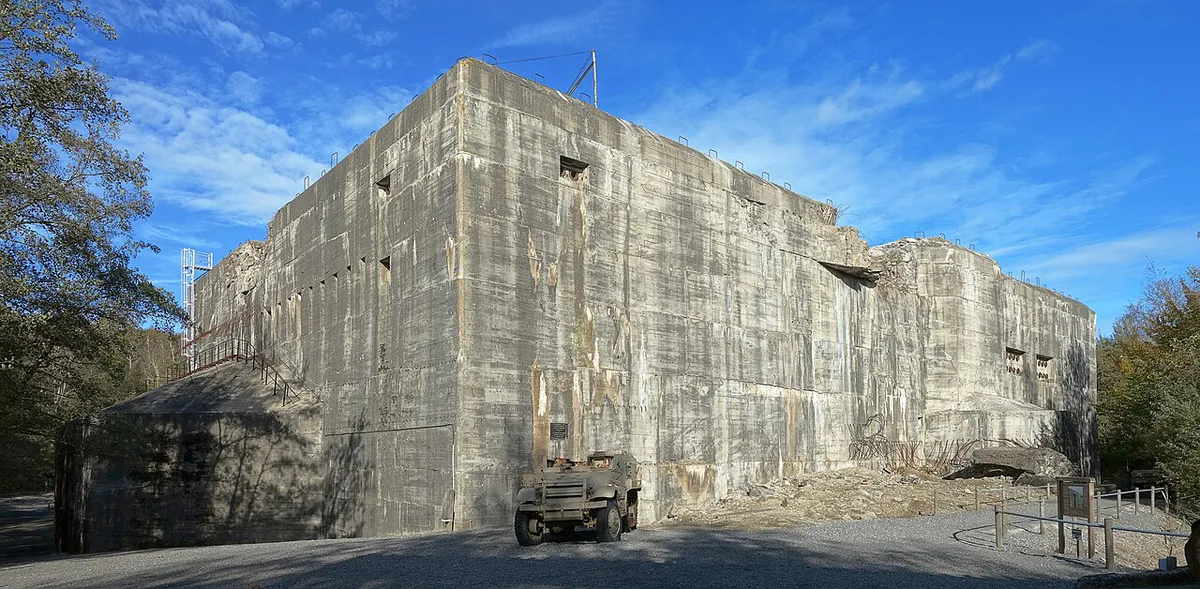
Bunker Valentin, in the Bremen area of Germany, was built to assemble U-boats. Its construction relied on forced labour, including concentration camp prisoners, and many people died. This is a place of remembrance as well as military history. Follow its published conduct rules, keep your voice low and treat memorial areas with care. Before arranging entry or a tour, read the Valentin visitor guide.
Flak Towers in Berlin and Vienna
Flak towers combined anti-aircraft positions with heavily protected interior space. In Berlin, Berliner Unterwelten's tour information is the place to check Humboldthain tour dates, languages and entry conditions. Choose this option if you want a visit focused on the wartime structure.
Vienna's Haus des Meeres aquarium occupies a former flak tower. It suits you if adaptive reuse is part of the appeal, but an aquarium visit is different from a bunker tour. For more context before choosing, use our anti-aircraft tower guide.
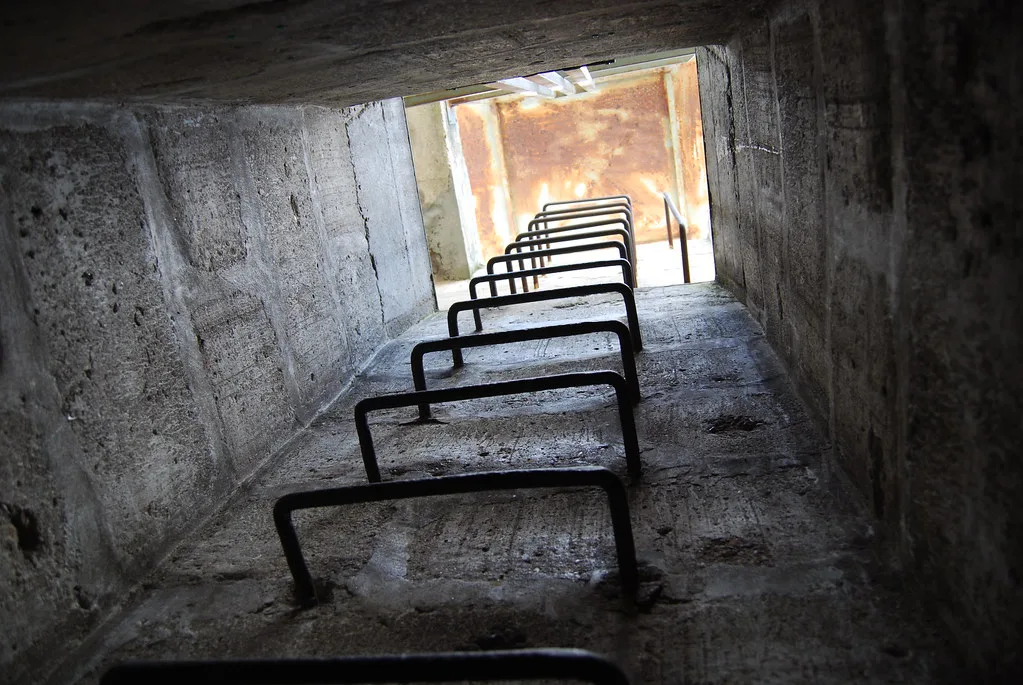
Guided, Independent or Exterior-Only?
Access type affects what you can see and how freely you can plan. Before paying or setting out, find the exact description for your chosen date. Never assume that a visible entrance, public park or surrounding path gives permission to enter a structure.
- Independent interior visit: check opening hours, last entry and any closed rooms.
- Guided interior visit: check booking rules, tour language, meeting point and departure time.
- Exterior viewing: expect no interior access unless the operator separately offers it.
- Closed, sealed or abandoned structure: stay out. Wartime concrete is no guarantee of safety, and land access may be restricted.
How to Plan Your Bunker Trip
This guide does not compare fares, admission prices or journey times. Use each operator's official page for entry costs and directions, then check transport providers for your travel date.
- Cost: add admission, any required tour, local transport and parking.
- Time: list travel separately from the visit or scheduled tour.
- Without a car: check the outward service, return service and final walk before booking.
- Season: match museum opening dates with tour dates, as they may differ.
- Route: choose one main site first, then add another only if both timetables work.
Before You Go: Access, Comfort and Conduct
Wartime structures can involve stairs, uneven ground, narrow passages or dim rooms, though conditions differ between sites. Ask the operator about your specific needs instead of relying on a general accessibility label.
- Mobility: ask about steps, surfaces, seating, toilets and any step-free route.
- Comfort: check indoor temperature, lighting and confined spaces.
- Families: read age limits and consider whether the subject matter suits your children.
- Photography: follow posted restrictions, especially in exhibitions and places of remembrance.
- Respect: do not climb on memorials or remove objects, and follow staff instructions.
Keep planning
Guides on the same trip