Atlantic Wall Sites in France: Where to Visit
Compare Atlantic Wall sites in France by region and visit type, with practical access advice for choosing bunkers, batteries and coastal remains.
In this guide
Last updated November 2026: Atlantic Wall sites in France lie along several stretches of coast, so choose by your base and interests. For a first visit centered on German coastal defenses, start in Normandy, where you can pair a museum bunker with gun battery sites.
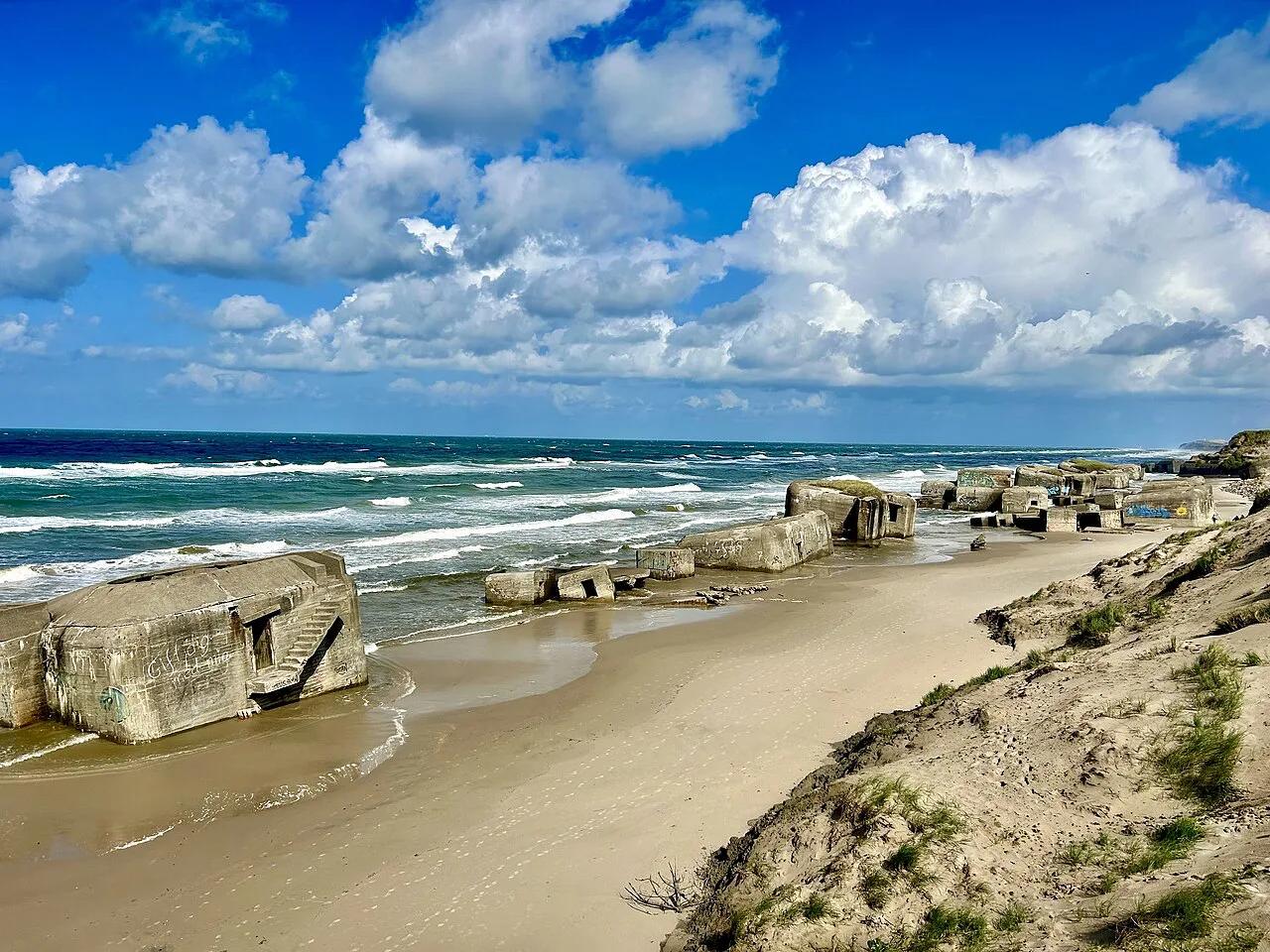
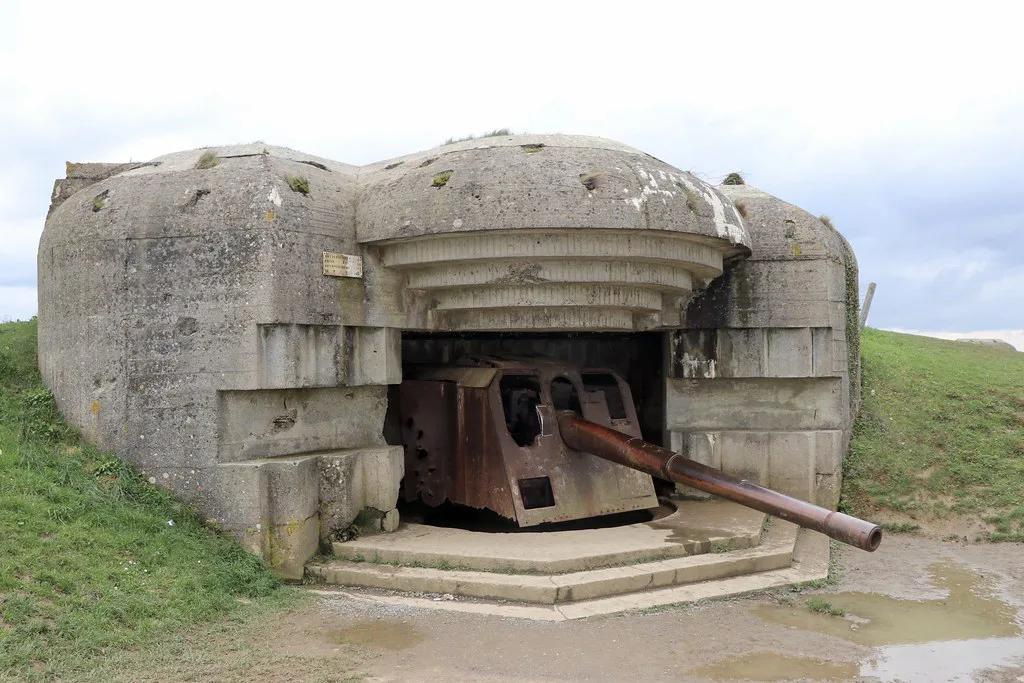
Featured image: Navin75, CC BY-SA 2.0, via Flickr.
Which Atlantic Wall Sites in France Should You Visit?

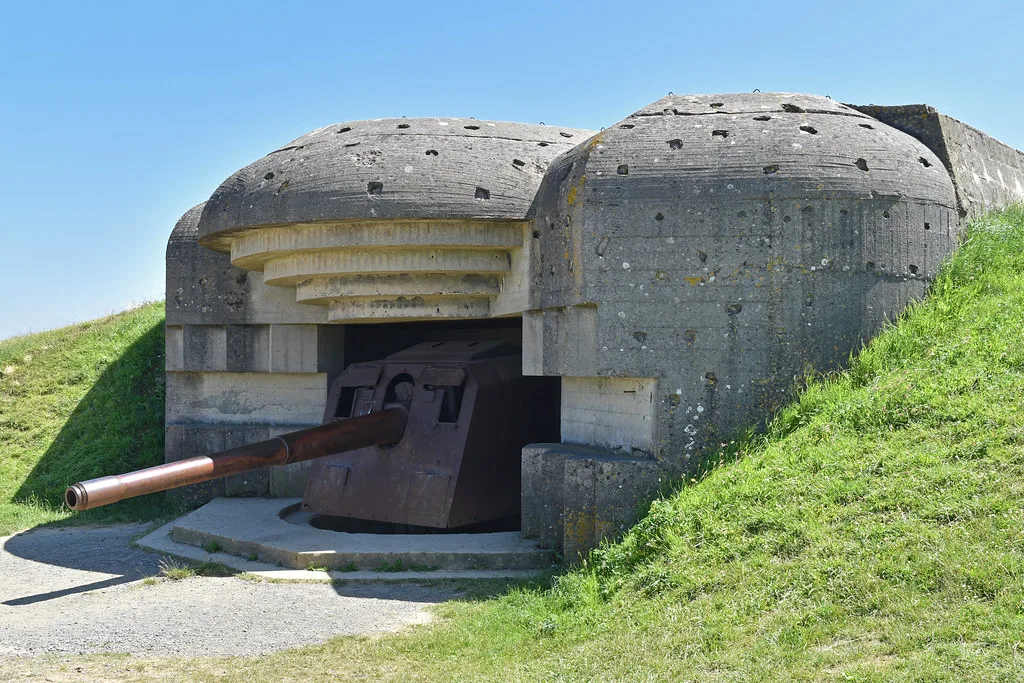
Our editorial first pick for interpretation is the Grand Bunker in Ouistreham. Its Atlantic Wall Museum gives you a managed starting point. Longues-sur-Mer suits visitors who want to focus on a coastal gun battery. Azeville and Crisbecq make a natural pairing for a second battery-focused outing. Pointe du Hoc belongs on your list if the D-Day assault matters as much as the fortifications.
| Site | Area | Visit focus | Best for | Skip if |
|---|---|---|---|---|
| Grand Bunker, Ouistreham | Normandy | Museum in a German bunker | First visit and interpretation | You mainly want outdoor gun positions |
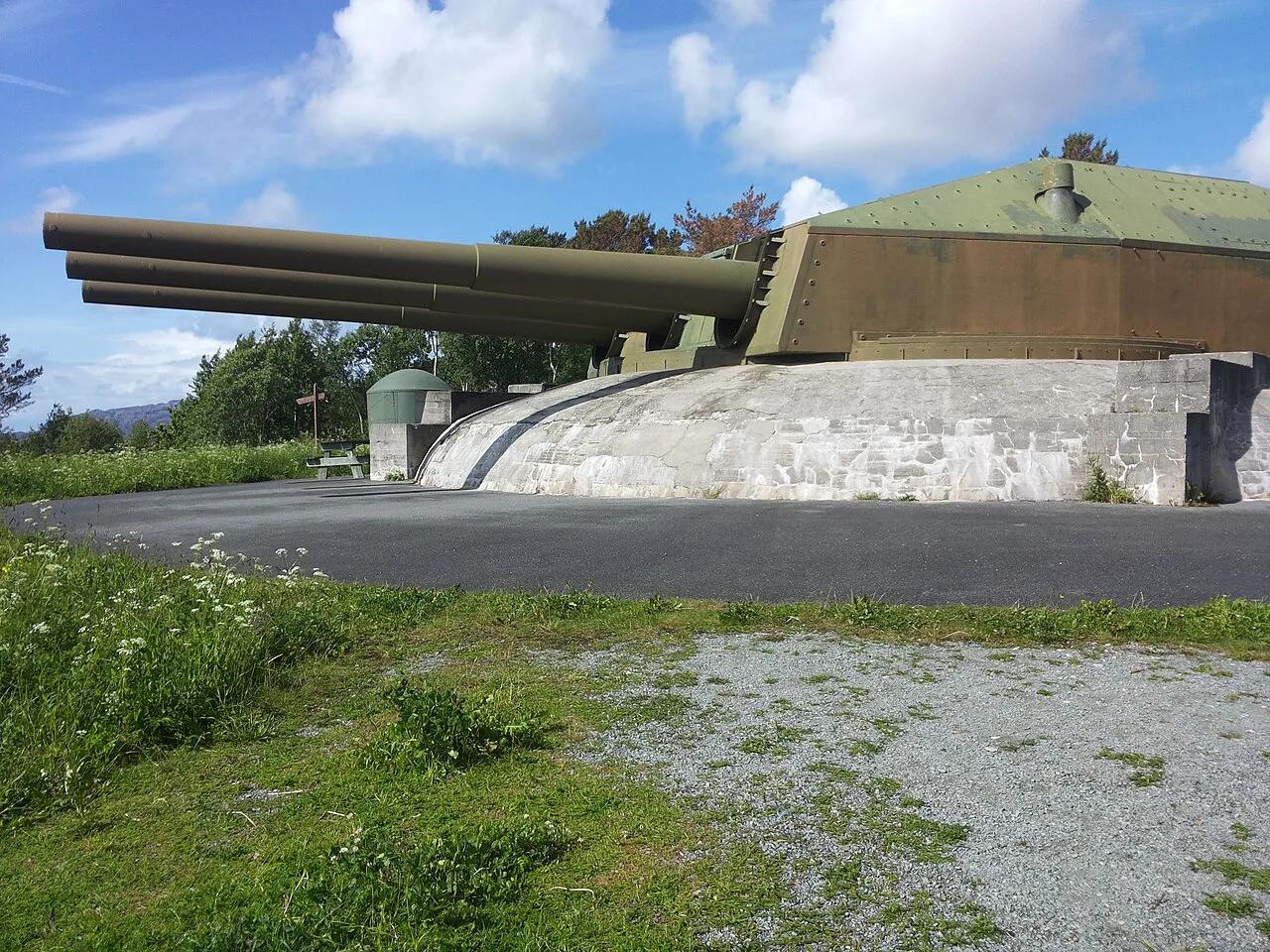
| Longues-sur-Mer battery | Normandy | Coastal gun battery | Understanding coastal artillery | You want a museum-led visit |
| Pointe du Hoc | Normandy | Battlefield and German battery position | D-Day history and landscape | You only want intact defensive buildings |
| Azeville battery | Normandy | German coastal battery | Military-history depth | You have room for just one eastern Normandy stop |
| Crisbecq battery | Normandy | German coastal battery | Comparing battery sites | You prefer a single bunker museum |
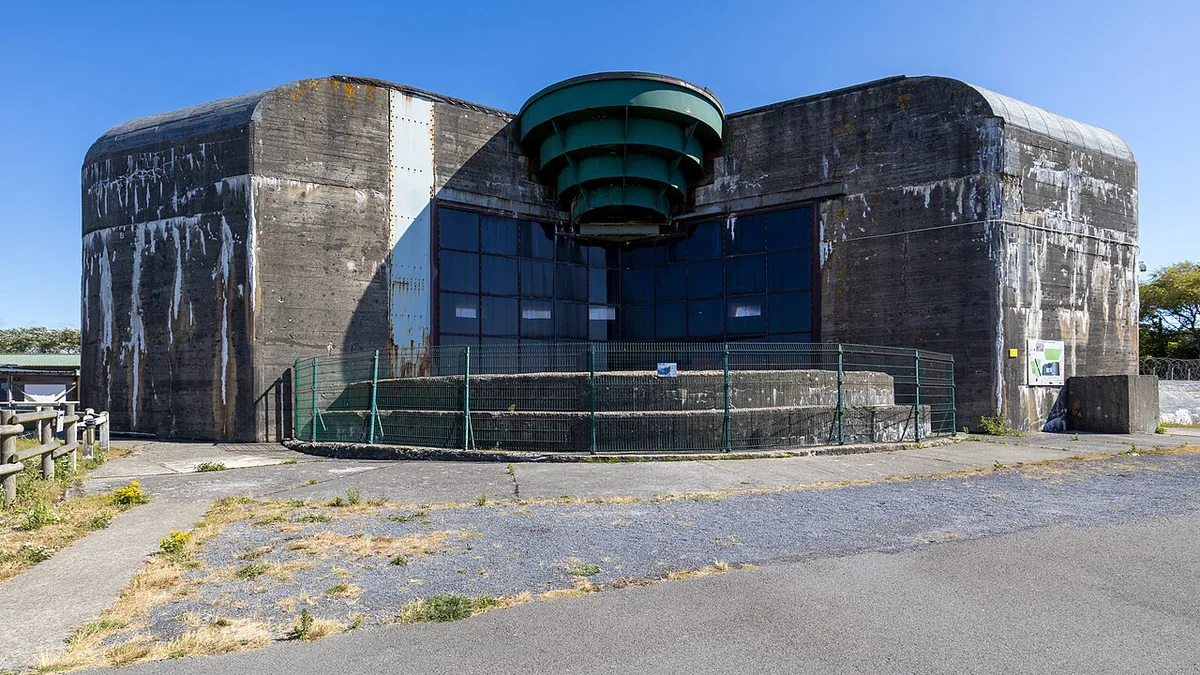
| Saint-Nazaire submarine base | Atlantic coast | German naval base structure | Submarine war and large-scale architecture | You want coastal gun positions |
What Was the Atlantic Wall?
Germany built this coastal defense system during the Second World War to resist an Allied invasion from the sea. It extended beyond France and combined fortified positions of different kinds. Allied forces landed in Normandy on 6 June 1944 and broke through the defenses there. Our Atlantic Wall history guide gives the wider context. For your route, the key distinction is what survives at each stop and how you can visit it.
Normandy: The Easiest Place to Start Comparing
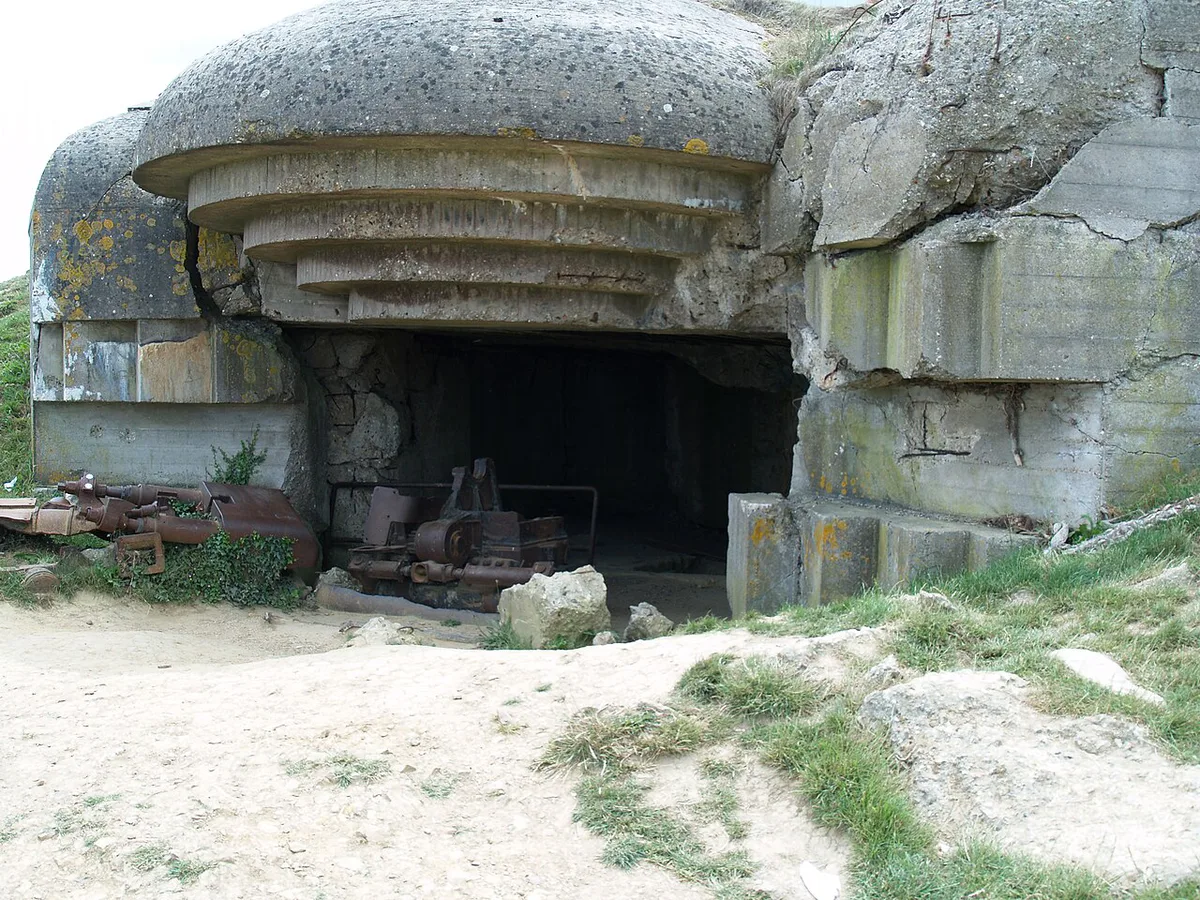
Normandy lets you compare a bunker museum, gun batteries and a battlefield within one regional trip. It still covers a broad area, so group your stops instead of treating them as neighbors. Ouistreham works as one anchor. Longues-sur-Mer and Pointe du Hoc suit a plan built around the D-Day coast. Utah Beach can anchor a separate day with Azeville or Crisbecq. Treat that beach mainly as a landing site, rather than assuming it offers the same experience as a battery.
- Ouistreham: choose the Grand Bunker for a museum visit focused on the Wall.
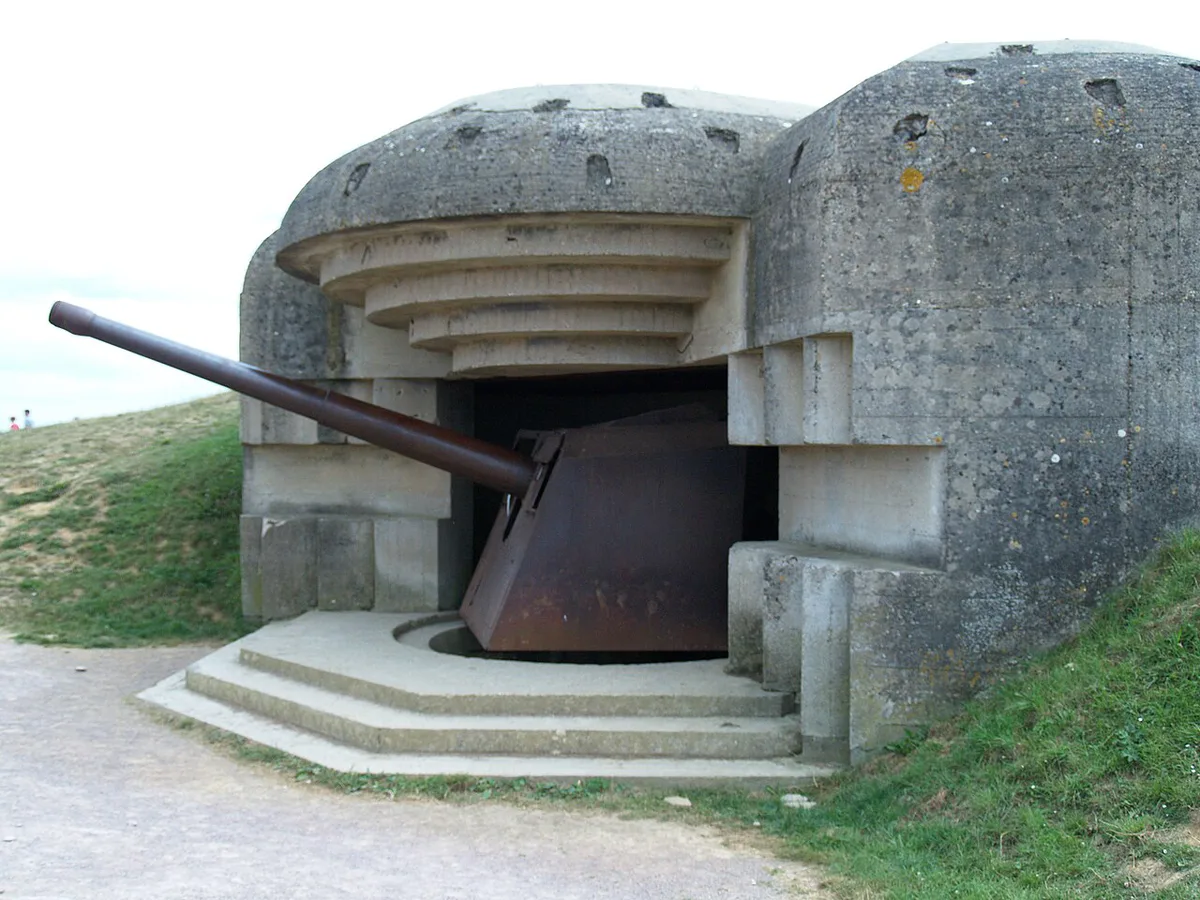
- Longues-sur-Mer: choose the battery to study how artillery was positioned for coastal defense.
- Pointe du Hoc: visit for the German position and the US Rangers' assault on D-Day.
- Utah Beach: add it for landing history alongside your fortification stops.
- Azeville and Crisbecq: compare two German batteries if this subject is your priority.
Dunkirk, Calais and the Northern Coast
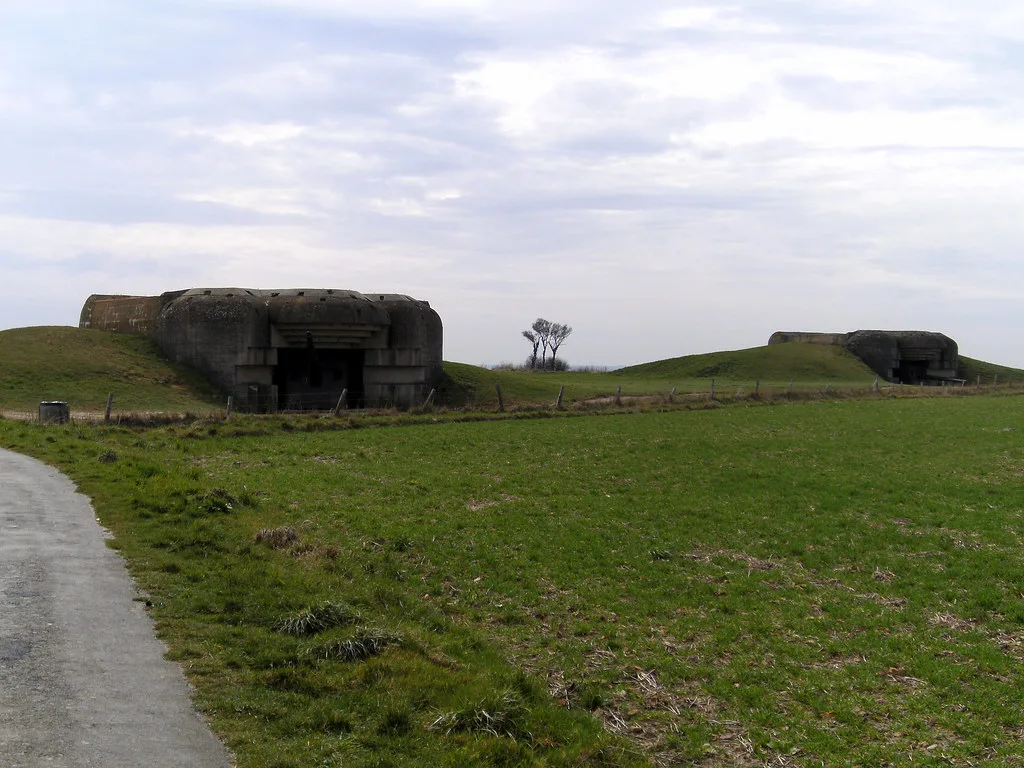
Northern France can suit you if you are already traveling between Dunkirk, Calais and nearby coastal towns. Audinghen, Cap Blanc-Nez and the shore between Sainte-Cécile and Hardelot are useful names for further planning. A name or old photograph does not establish that remains are open, safe or legal to enter. Ask the local tourist office which structures have public access before building a walk around them. Inland, the Blockhaus d'Éperlecques offers a different subject. This huge German bunker belongs to the V-weapon program, so do not count it as a coastal battery. Use our V-weapon sites guide if that story interests you.
Brittany and Its Submarine Bases
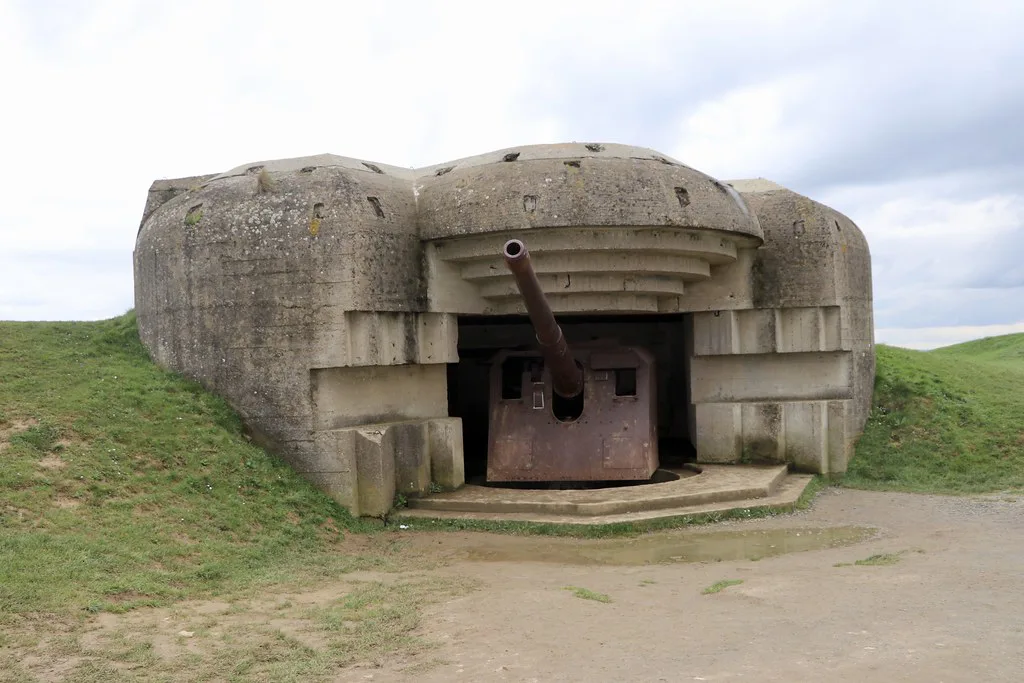
Brittany is worth considering when your trip already takes you west. Le Fort Bloqué, in Morbihan, is associated with surviving German bunker remains. Establish public access locally before approaching any structure there. Lorient and Brest also have important links to German submarine operations. Their submarine bases were naval shelters and support facilities, not coastal gun batteries. Access to one part of a naval or port area does not imply access elsewhere. Our guide to U-boat pens explains this separate type of visit.
Saint-Nazaire and the Southern Atlantic Coast
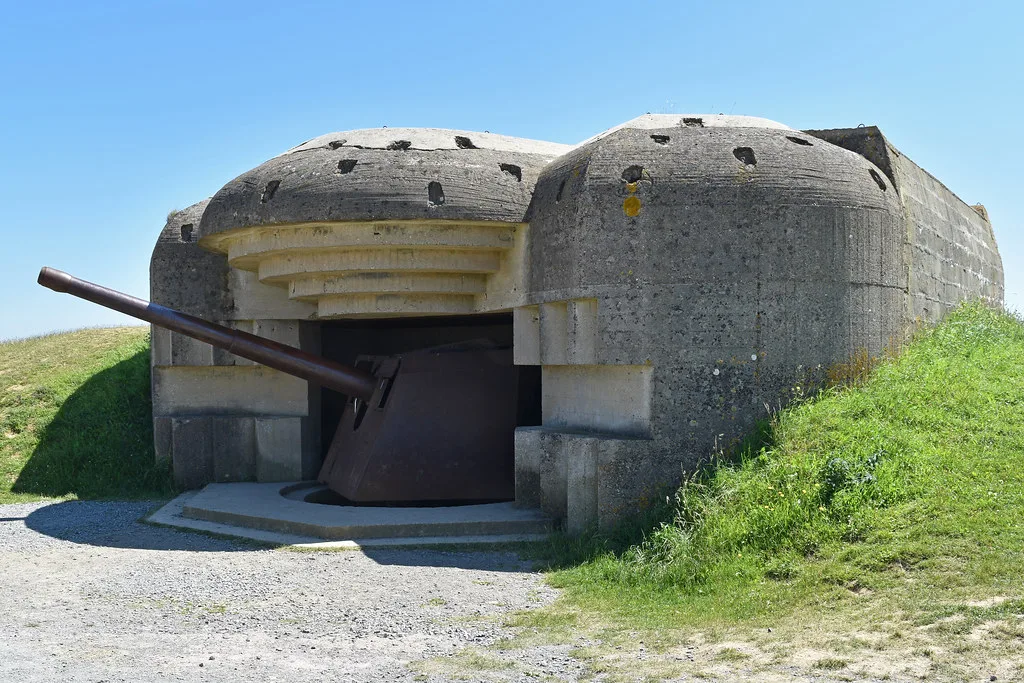
Saint-Nazaire is the clearest choice here if submarine warfare interests you. Its German-built submarine base shows the naval side of occupied France's fortified coast. Use Saint-Nazaire's tourism office to see which areas and visits are currently offered. Farther south, La Rochelle, Île de Ré, Île d'Oléron and Soulac-sur-Mer are places to investigate for coastal remains. Plan each as a local search with confirmed access. Do not assume every beach structure belongs to a visitor attraction.
Museum, Battery or Beach Ruin?
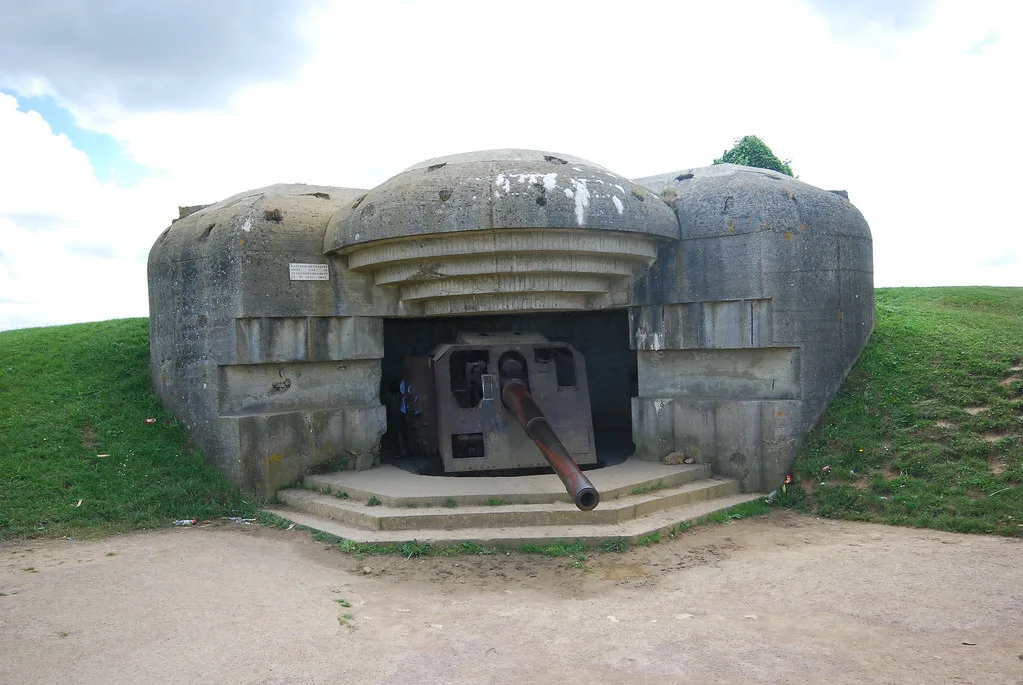
Your preferred kind of visit should narrow the list quickly. Museums favor explanation, while outdoor batteries help you read positions in the landscape. Unstaffed ruins may offer little context and uncertain access. Families and first-time visitors will usually find a managed site easier to plan. Photographers may prefer exterior views, but should stay on permitted ground. For choices beyond this coast, browse WWII bunkers open to visitors. If you want a comparison outside France, consider Denmark's Hanstholm fortress for a separate trip.
- Museum bunker: choose it for interpretation; skip it if you only want an outdoor walk.
- Managed battery: choose it for military layout; verify which interiors admit visitors.
- Beach or rural ruin: view it from legal public ground; skip it if access or conditions are unclear.
- Submarine base: choose it for naval history; skip it if your focus is coastal artillery.
How to Plan a Route Between Bunker Sites
Pick one coastal region before choosing individual stops. Normandy, Brittany, the northern coast and Saint-Nazaire should not be treated as one easy outing. A car gives you more flexibility for scattered batteries, although parking and the final walk still matter. Without one, begin with a town-based visit such as Ouistreham or Saint-Nazaire. Plan both directions with current transit timetables, including the final walk and your return connection. Anyone with limited mobility should ask operators about steps, surfaces and interior routes. Put timed or seasonal visits into your plan first. Add outdoor stops only when their access fits around them.
- First visit: make Ouistreham your interpretation stop, then decide whether another battery fits.
- Artillery focus: consider Longues-sur-Mer, Azeville and Crisbecq, allowing for transfers between areas.
- D-Day focus: build around Pointe du Hoc or Utah Beach without trying to cover every defense.
- Naval focus: choose Saint-Nazaire, or research a Brittany submarine base if you are traveling there.
Tickets, Seasons and Access
Admission and opening seasons depend on the individual site, and current figures are not listed here. Check the operator's official page before travel; Normandy's tourism website can also help you plan the region.
- Confirm admission, booking rules and last entry for your chosen date.
- Ask whether the visit includes interiors or only outdoor areas.
- Verify parking, public transport and mobility access separately.
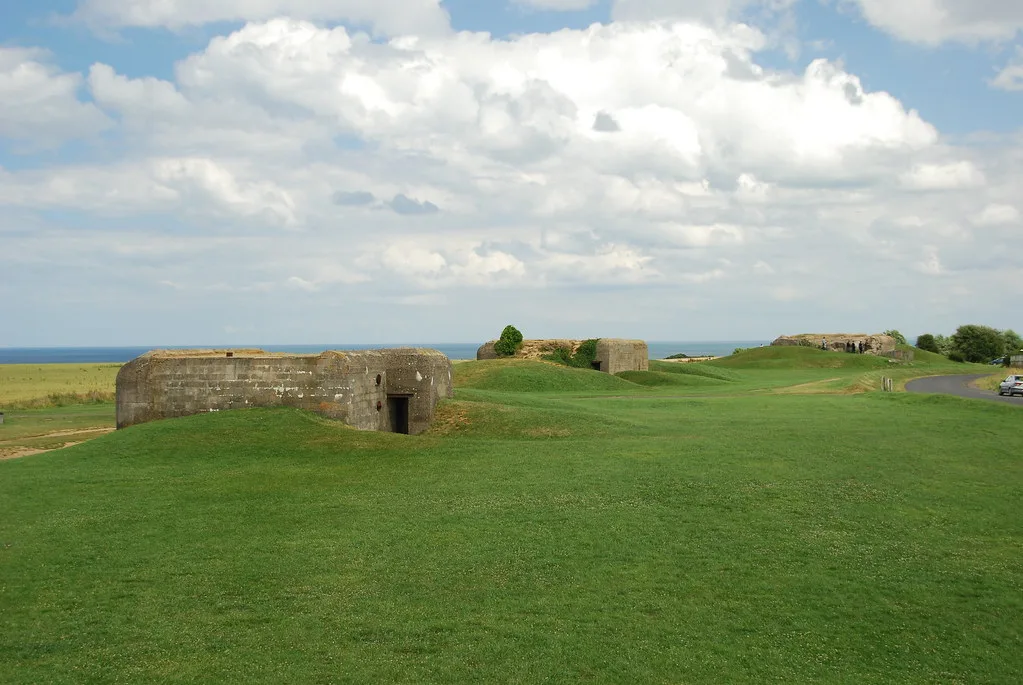
- Do not assume an outdoor ruin is free, continuously open or on public land.
Safety and Respect at Atlantic Wall Bunkers
Treat battlefield sites as places connected with wartime loss. Keep your behavior restrained, follow posted visitor rules and leave every object where you find it. Coastal remains can sit on changing ground. Before a shoreline walk, consult tide information and local closure notices. Turn back when barriers, water, erosion or private property block the route. A visible doorway is not permission to enter.
- Mistake to avoid: assuming a mapped or photographed bunker still looks the same or admits visitors.
- Mistake to avoid: relying on an old visit account for current access.
- Mistake to avoid: entering sealed, flooded, unstable or private structures.
- Mistake to avoid: climbing on remains where site rules or barriers prohibit it.
- Mistake to avoid: starting a beach walk without a safe return around the tide.
Keep planning
Guides on the same trip