Atlantic Wall in Norway: Where to See Coastal Defences
What the Atlantic Wall meant in Norway, which German coastal fortifications you can visit, and how to plan access, seasons and travel time.
In this guide
Last updated November 2026. The Atlantic Wall in Norway was the northern end of Germany's coastal defence system. It is a scatter of coastal batteries, bunkers and fortresses, not one continuous wall. Many remains are free to see but poorly signed, so this guide matches each site to a type of visitor. For the wider picture, start with our overview of WW2 sites in Norway.
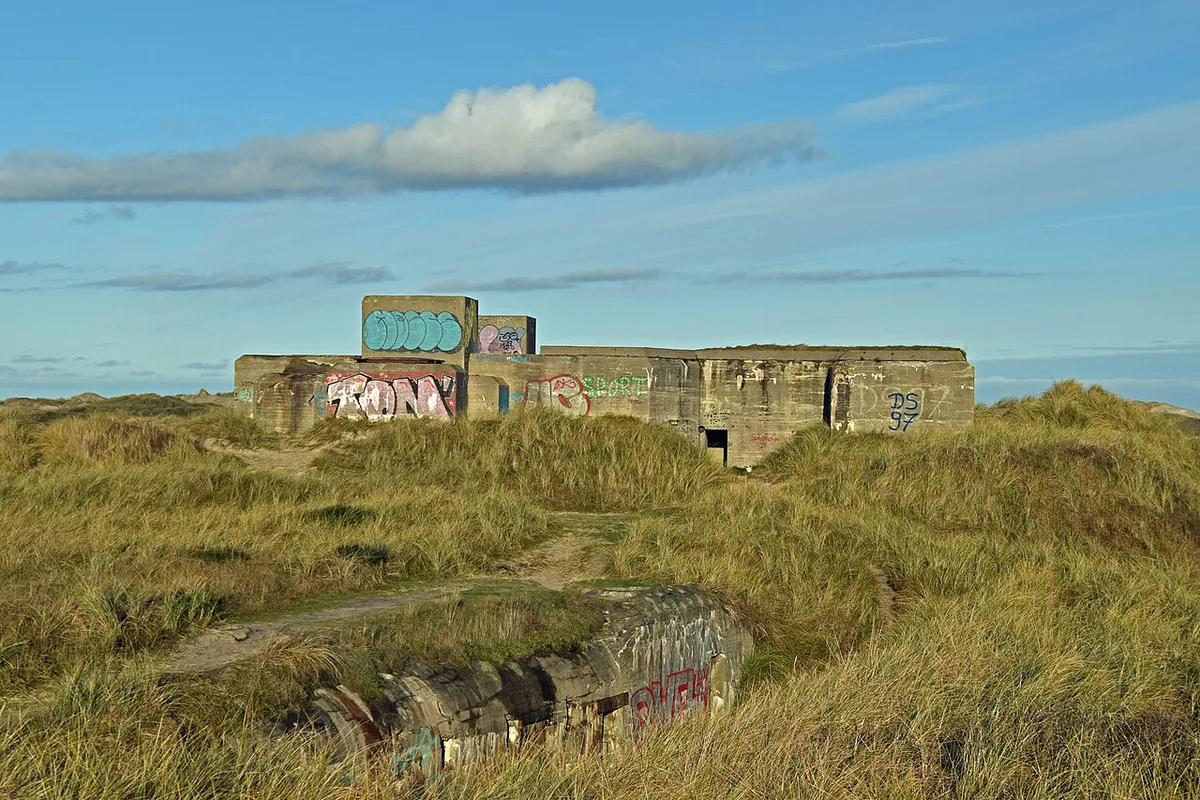
Featured image: Mari Haugen, CC BY-SA 4.0, via Wikimedia Commons.
What the Atlantic Wall Was in Norway
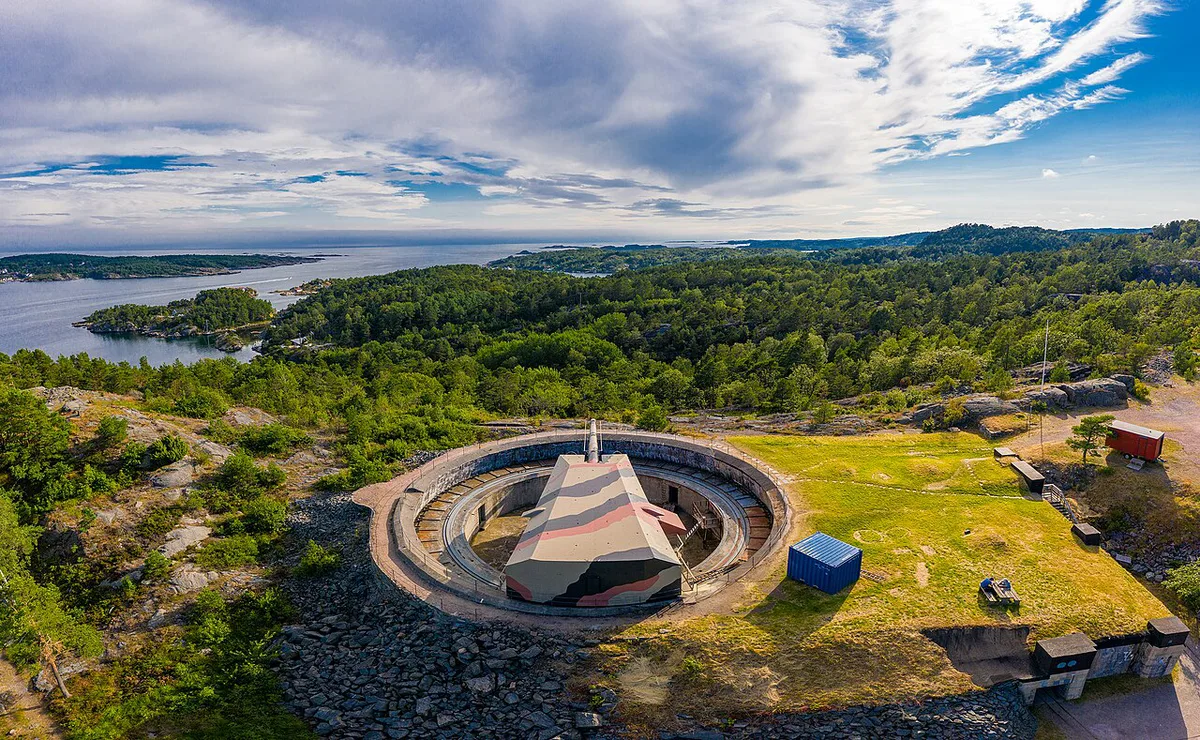
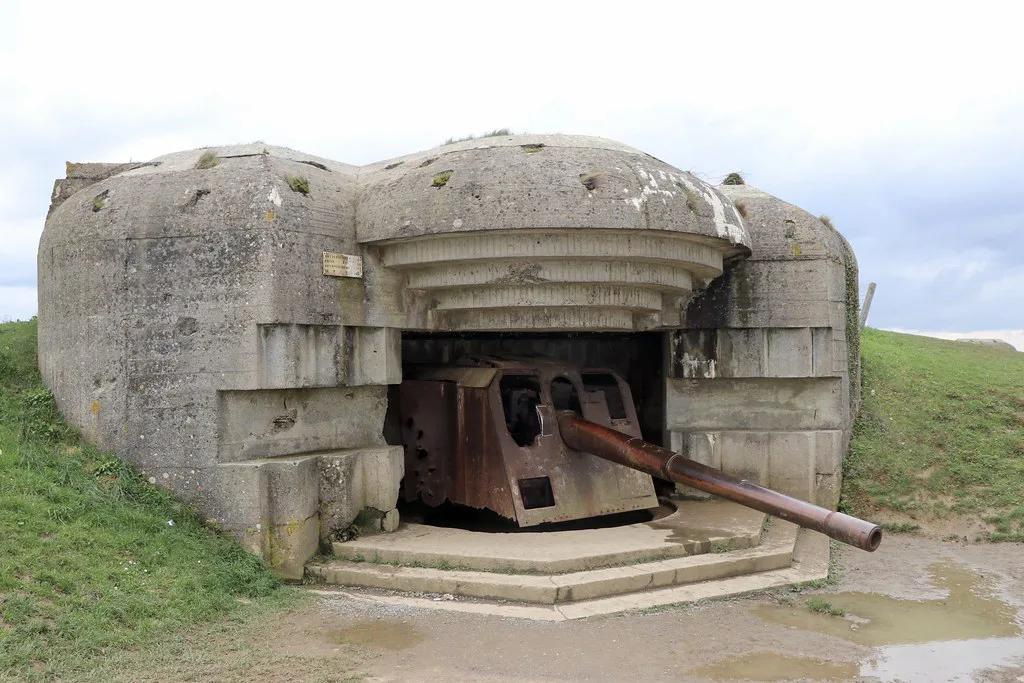
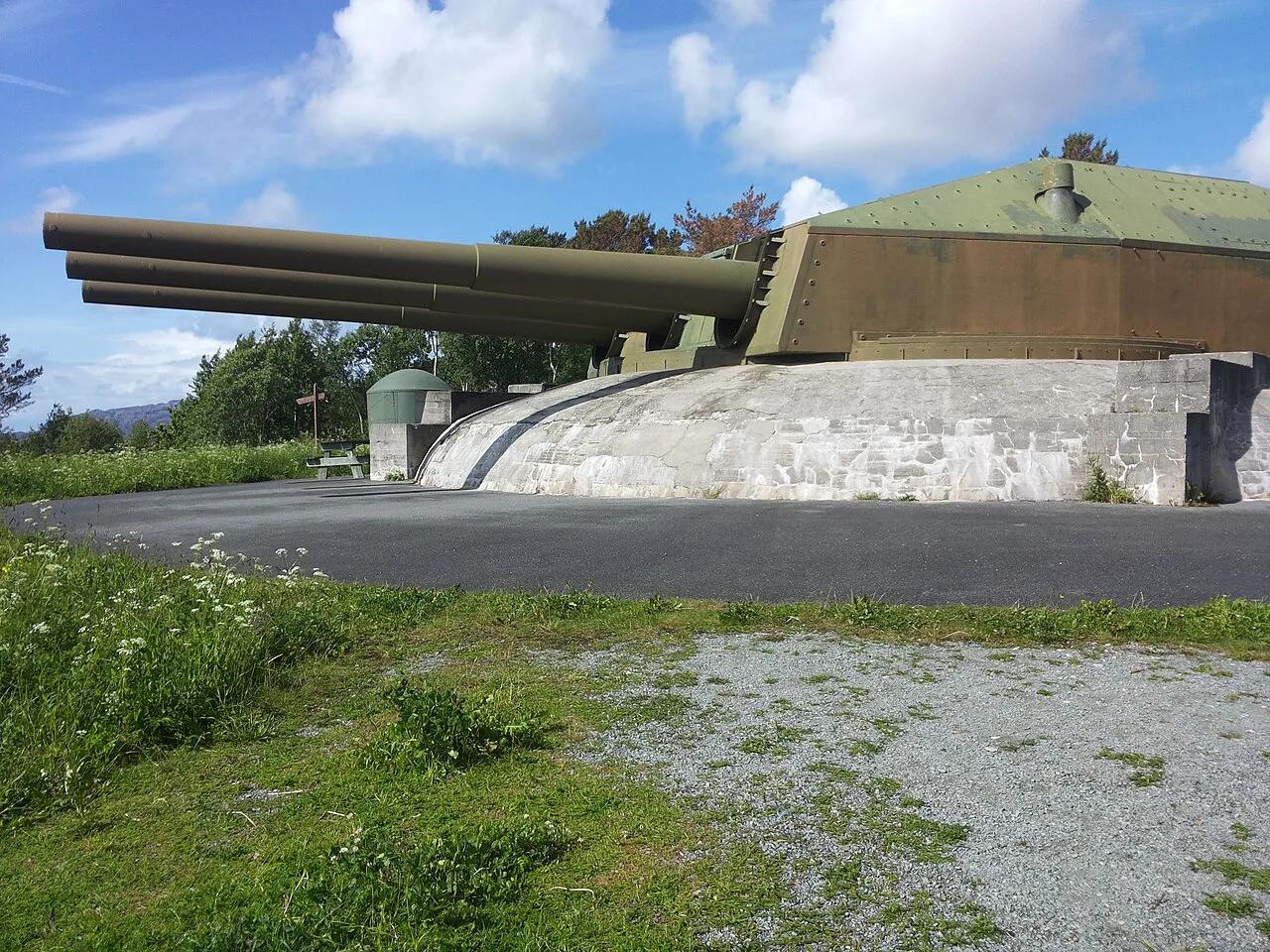
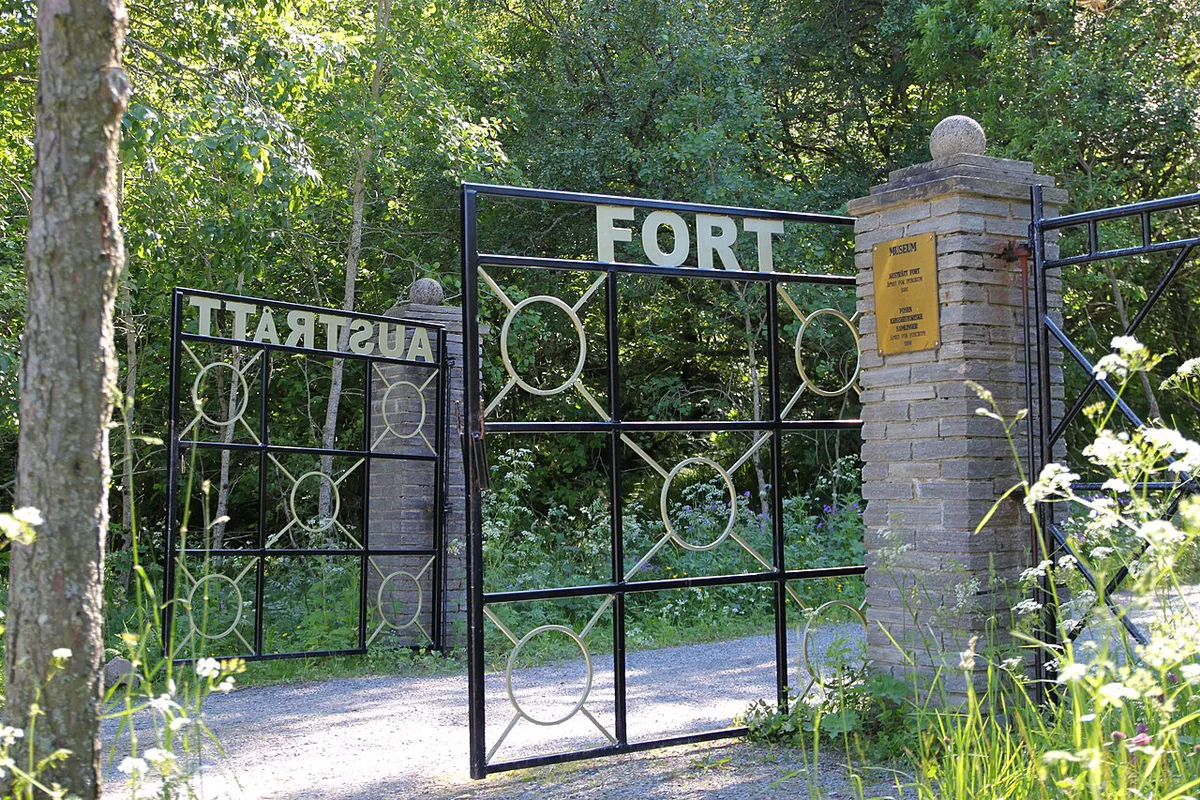
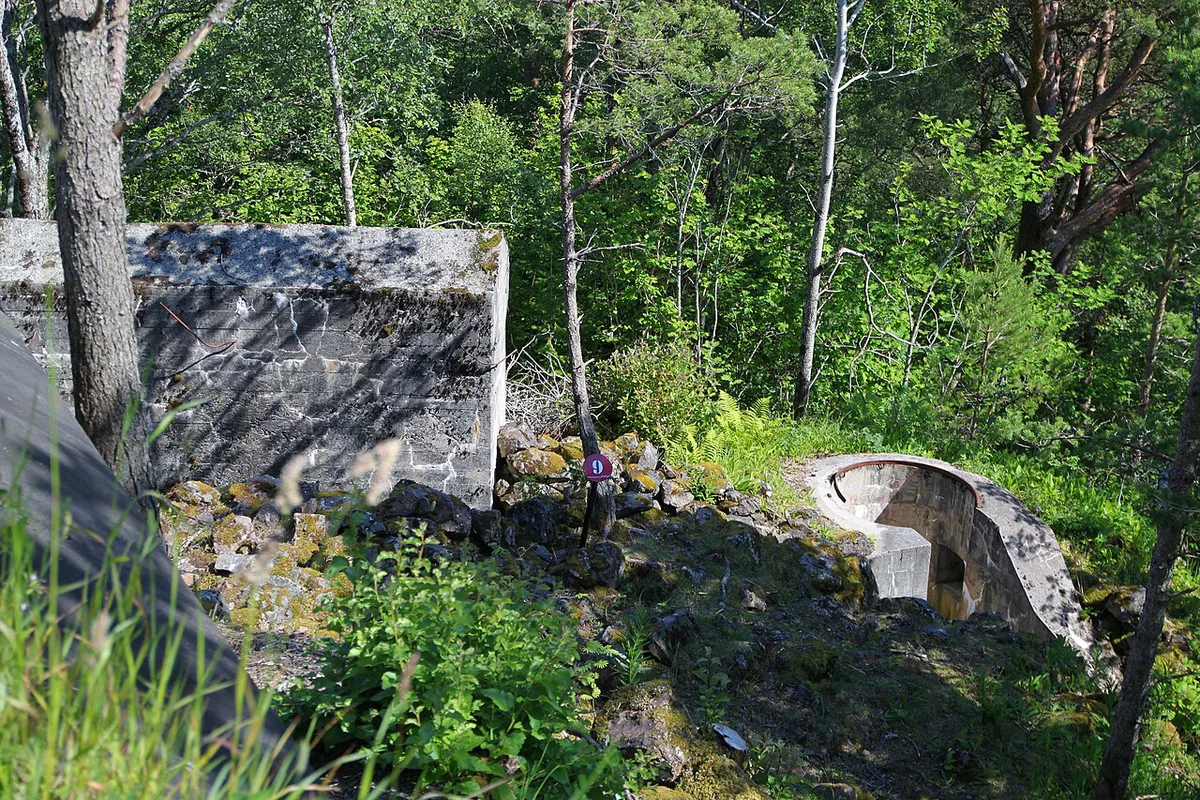
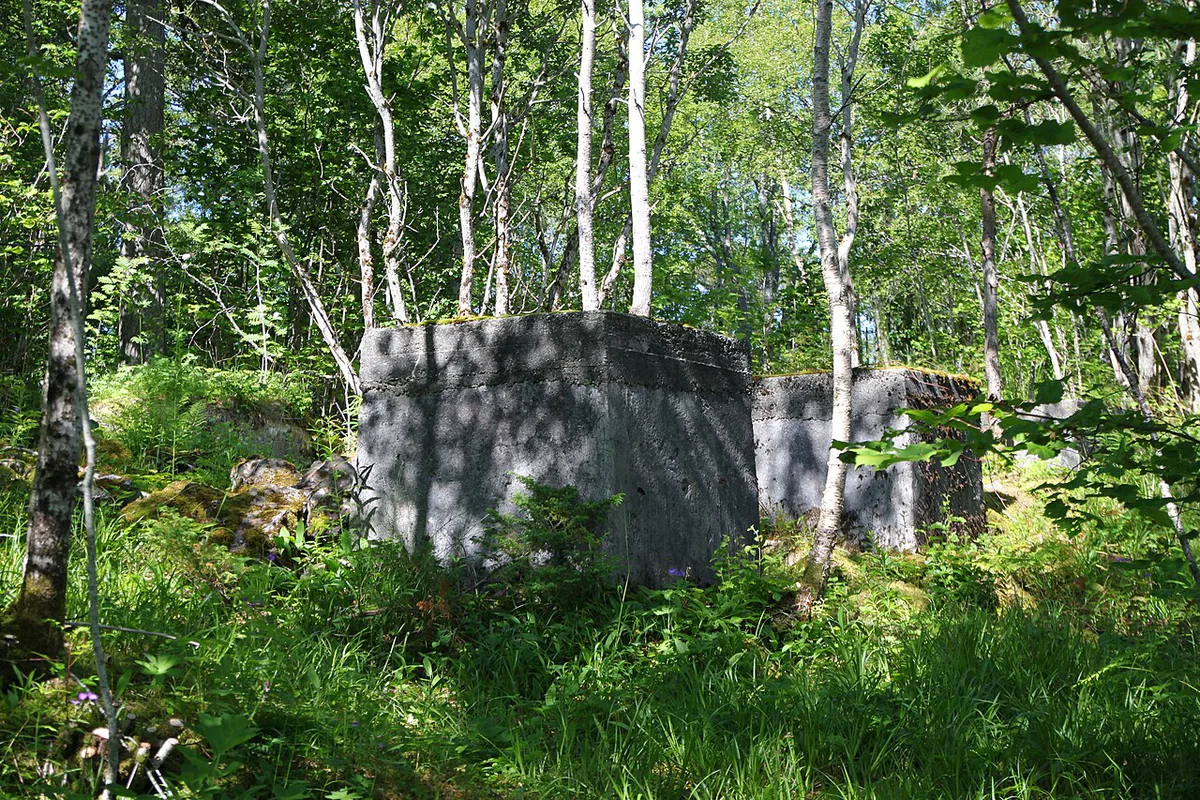
German forces occupied Norway during the Second World War. They fortified the coast against a feared Allied landing. Defences went up around ports, fjord entrances and other strategic points rather than along every mile of shore. Today you find concrete bunkers, gun positions and fortress sites, some preserved and some left as ruins. Treat the phrase as a label for many separate sites, and do not expect a line you can follow.
How Norway's Coastal Defences Differ From France and Denmark
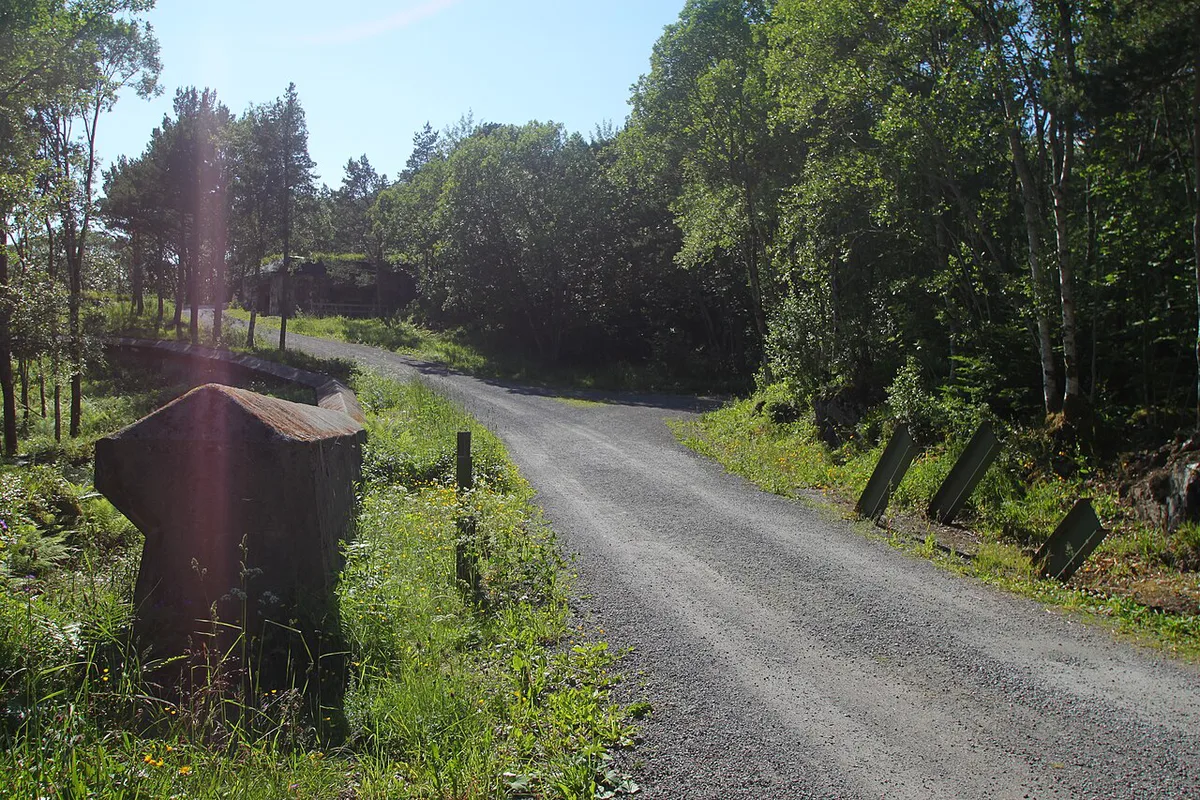
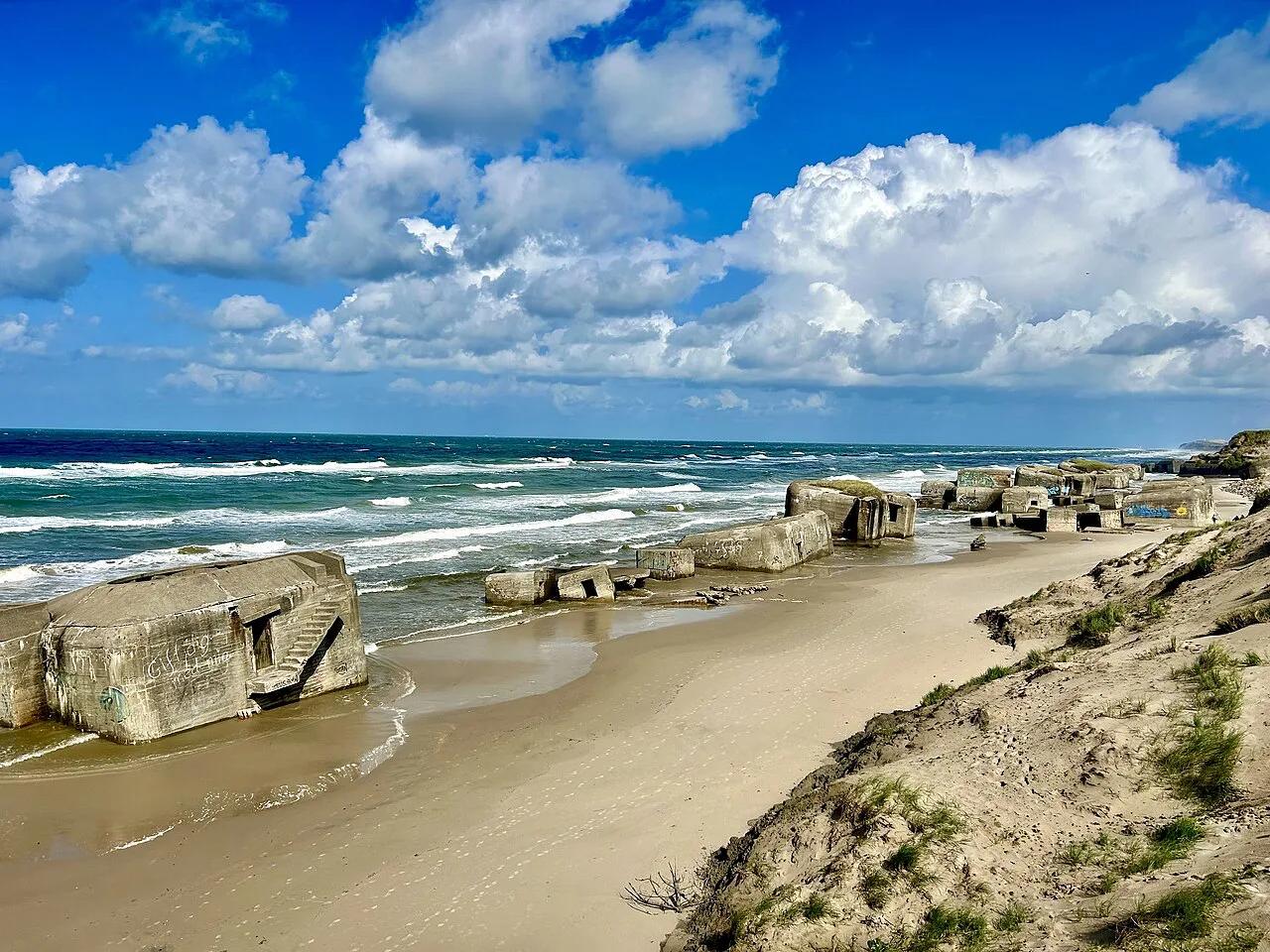
Normandy and the Danish west coast suggest long,連続 beach defences. Norway looks different. The coast is long and cut by fjords, so defences cluster at harbours and narrow approaches. Many sit on islands or in remote places, and heavy coastal artillery was set into the landscape. Ruins are often free to reach but rarely signposted. Museums and fortress sites give the clearest explanation, so pair a ruin with one of them.
Where to See Atlantic Wall Norway Remains
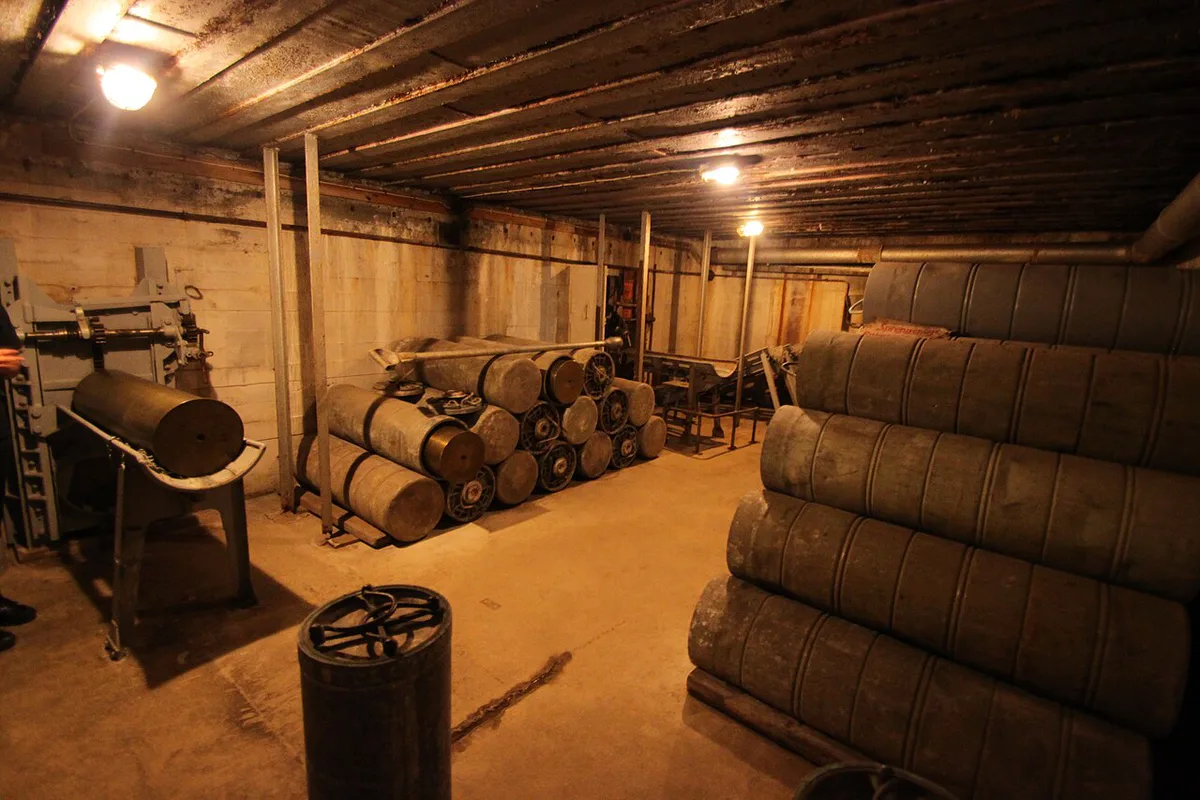
Each site below has its own guide. Pick by visitor type: fortress visits, museums, or roadside ruin stops. Access and seasons vary, so use the official site listed in each guide.
| Site | Region | What remains | Access | Best for |
|---|---|---|---|---|
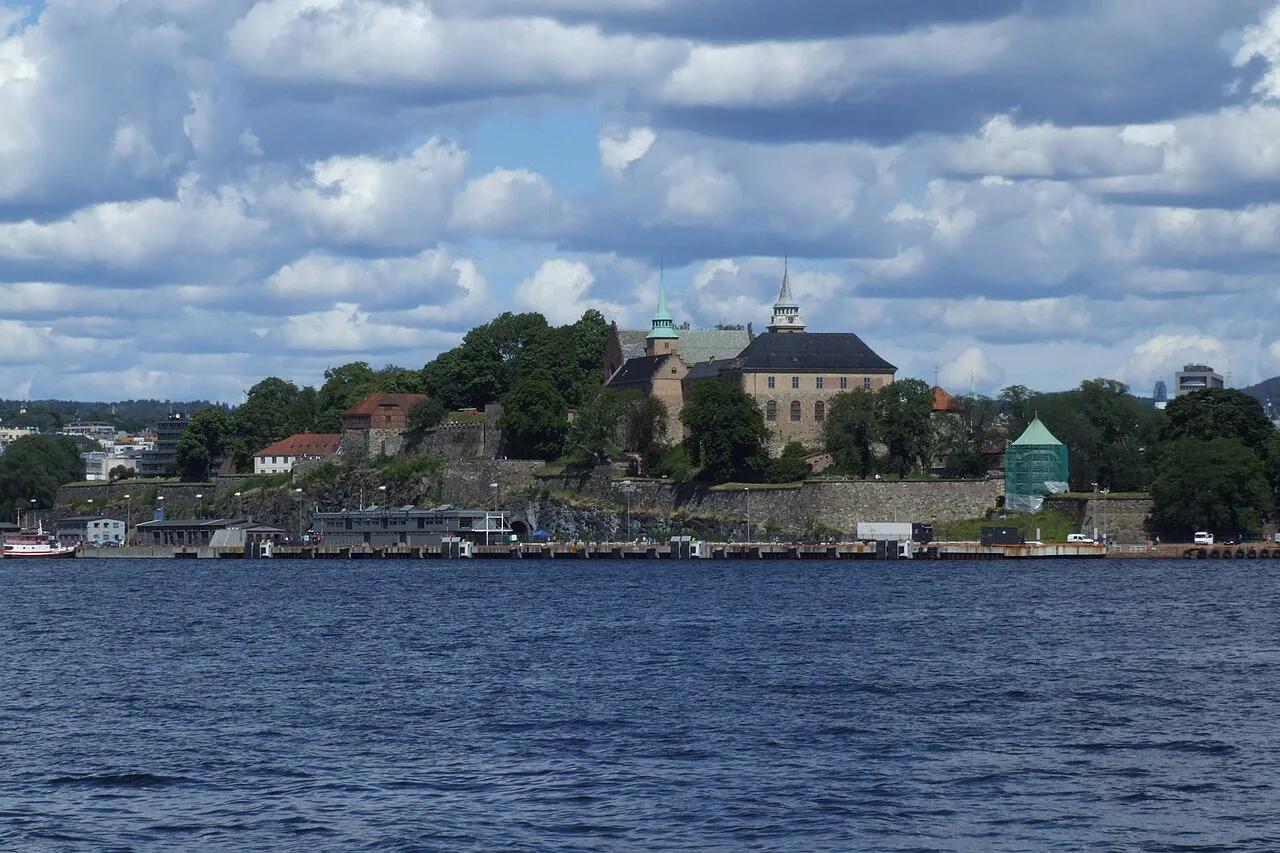
| Oscarsborg | Oslofjord | Island fortress with wartime history | Check official site | Fortress visitors |
| Bergen area | West coast | Wartime defences and sites around the port | Check official site | City-based trips |
| Tirpitz Museum: Denmark Bunker vs the Norway Battleship Sites | Northern Norway | Museum on Kriegsmarine fjord history | Check official site | Museum visitors |
| Narvik War Museum: What to See and Visit Tips | Narvik | Museum covering the northern campaign | Check official site | History-focused travelers |
| Finnmark | Arctic north | Remote wartime remains | Seasonal; car needed | Experienced road-trippers |
How to Plan Your Route and Time
One trip cannot cover Norway's coast. Pick one region and go deep. For Oslo and the fjord, use our Oslo WW2 route. For the west coast, Bergen's wartime sites make a good base. Northern routes need more driving and ferry planning, plus attention to Arctic daylight and weather. Allow generous drive times, and keep lodging close to your chosen sites. If you want one nearby WWII stop that was not a coastal defence, Vemork and the heavy water story is a separate inland history.
Costs, Access and Opening Seasons
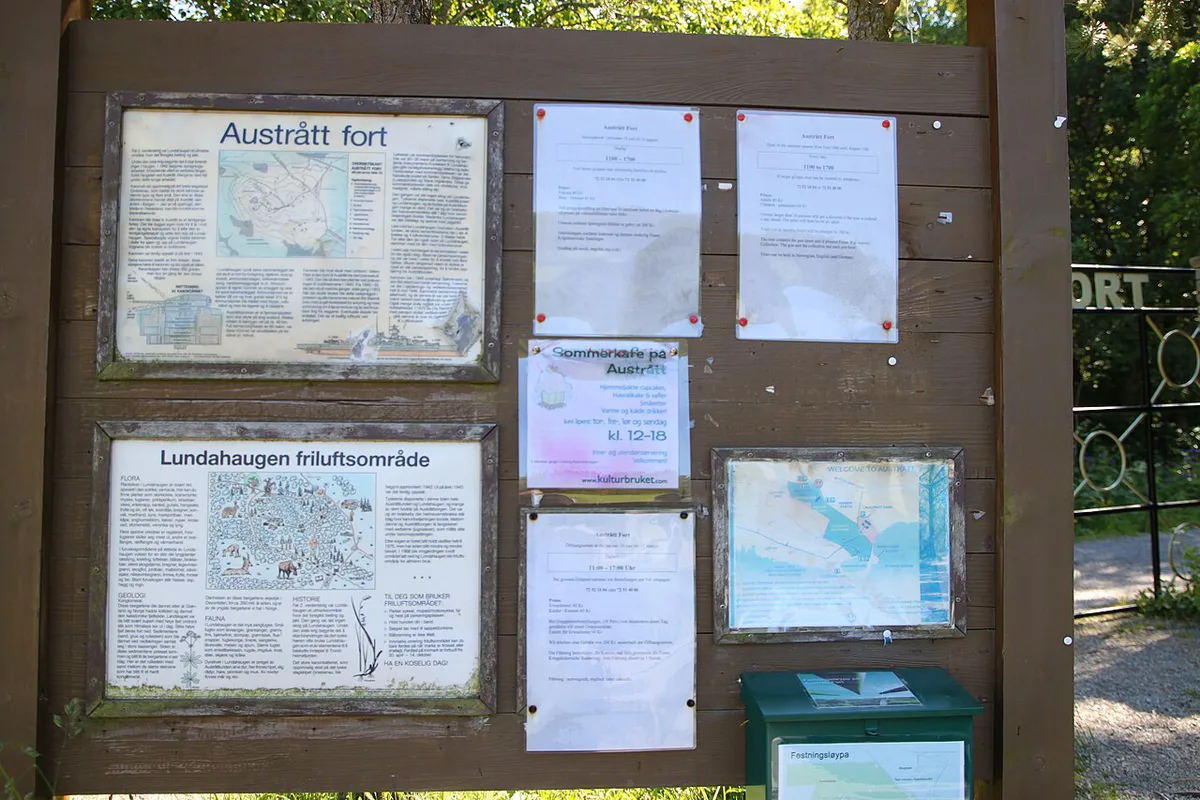
Costs run from free ruins to ticketed museums and fortress visits. Prices and hours were last checked November 2026 on official pages, and they change by season. Check the Oscarsborg Fortress site and the Narvik War Museum site for current details. The Norwegian Armed Forces Museum is a useful starting point for wider context.
Safety and Respect at Wartime Sites
Do not enter unsecured bunkers or tunnels. Stay out of restricted military areas and private land. Do not climb on ruins. Some sites are memorials tied to forced labour and prisoners of war, such as the Blood Road near Mo i Rana. Telavåg is a village memorial, so treat it with the same care.
- Mistake: expecting one continuous wall.
- Mistake: not checking opening seasons.
- Mistake: underestimating drive times.
- Mistake: entering unsecured structures.
Frequently Asked Questions
What is the status of Hitler's Atlantic Wall today?
In Norway the remains are scattered bunkers, batteries and fortress sites. Some are preserved or interpreted by museums, while many are unsigned ruins. Check each site's official page for access.
Keep planning
Guides on the same trip