Blood Road Norway: History and How to Visit
What Norway's Blood Road (Blodveien) was, why prisoners of war built it in Nordland, and how to plan a respectful visit from Mo i Rana.
In this guide
Last updated November 2026. Blood road Norway refers to Blodveien, the Nordland railway and road built by forced laborers during the German occupation. This guide covers the Norwegian wartime road, not the cycling documentary of the same name. Most of the workers were Soviet and Yugoslav prisoners of war, and this page explains how to approach the story and the places linked to it from Mo i Rana.
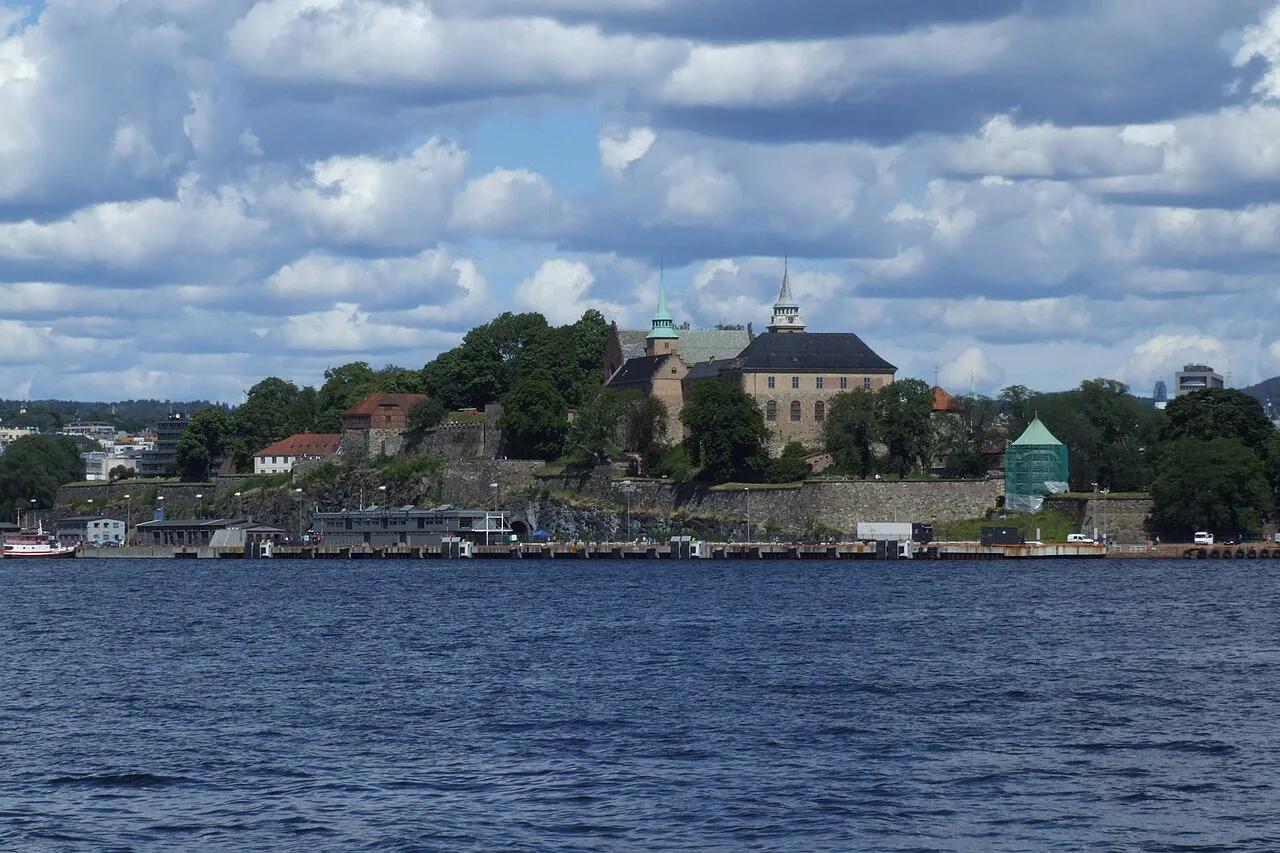
Featured image: Kabelleger / David Gubler, CC BY-SA 4.0, via Wikimedia Commons.
What the Blood Road in Norway is
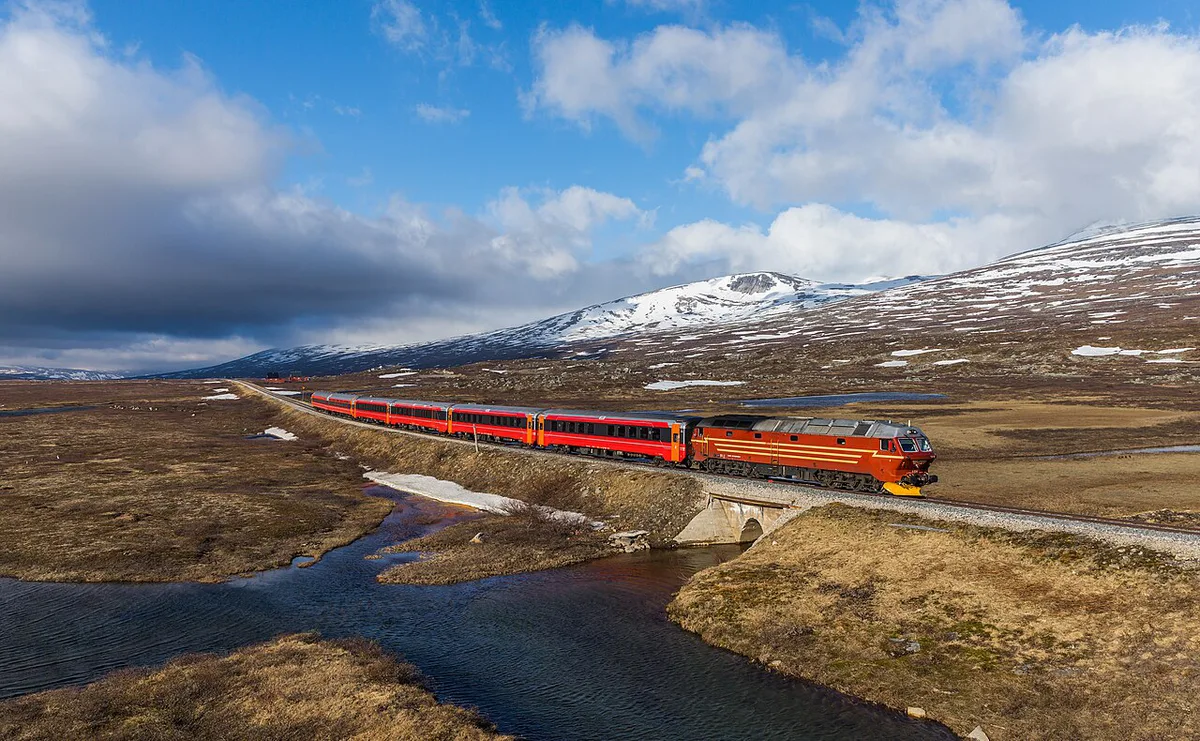
Blodveien means "the Blood Road" in Norwegian. It names the railway and road construction in Nordland county carried out under German occupation. Forced laborers did the work, and most were Soviet and Yugoslav prisoners of war. Many died from hunger, cold, disease and violence. The name records that human cost. Mo i Rana is the usual starting point for a visit. This is a place of remembrance, not a scenic attraction with visitor facilities. Our guide to WW2 sites in Norway places it within the wider occupation story.
History: who built it, and why
Germany occupied Norway from 1940 and wanted a land link running north through Nordland to supply its forces in the Arctic. Prisoners of war were put to work on the route in harsh conditions with little shelter or food. Soviet and Yugoslav prisoners formed the largest groups. Exact death tolls, camp locations and construction dates vary between accounts, so this page gives none. For figures, rely on museum and archive publications rather than travel listings. The Norwegian Armed Forces Museum is a sound starting point through its national defence museums site.
Where it is and how to get there from Mo i Rana
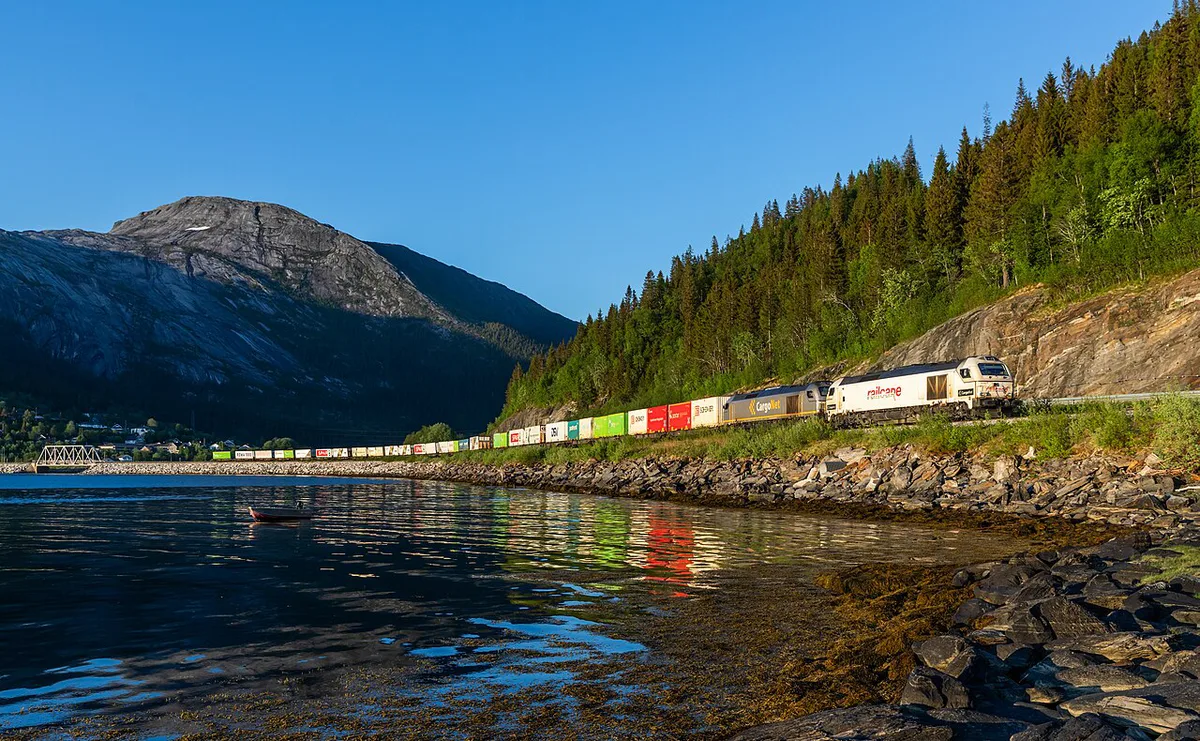
Mo i Rana is in Nordland, and the route runs through that county. A rental car gives you the most freedom to stop at roadside sites. Without a car, ask the local tourist office about guided options before you plan. Regional tourism information is available through Visit Helgeland. We have not found a published timetable, ticket price or opening hours for a dedicated Blood Road visit. Ask locally for the current position on road sections, markers and any guided tours.
| Option | Effort | Best for |
|---|---|---|
| Drive the route | Low physical effort, needs a car | Seeing the landscape the labor crews worked in |
| Walk a marked section | Moderate, depends on terrain and weather | Quiet reflection at a specific site |
| Museum stop | Low, mostly indoors | Context, names and documented history |
What you can see today
Expect a working road and railway landscape rather than a purpose-built heritage park. Memorials, information boards or graves may exist along some sections, but check with local sources before you set out. Do not expect cafes, toilets or staffed entrances at every stop. Anyone wanting a scenic attraction with facilities should choose a museum instead.
Best way to visit: drive, walk, or museum
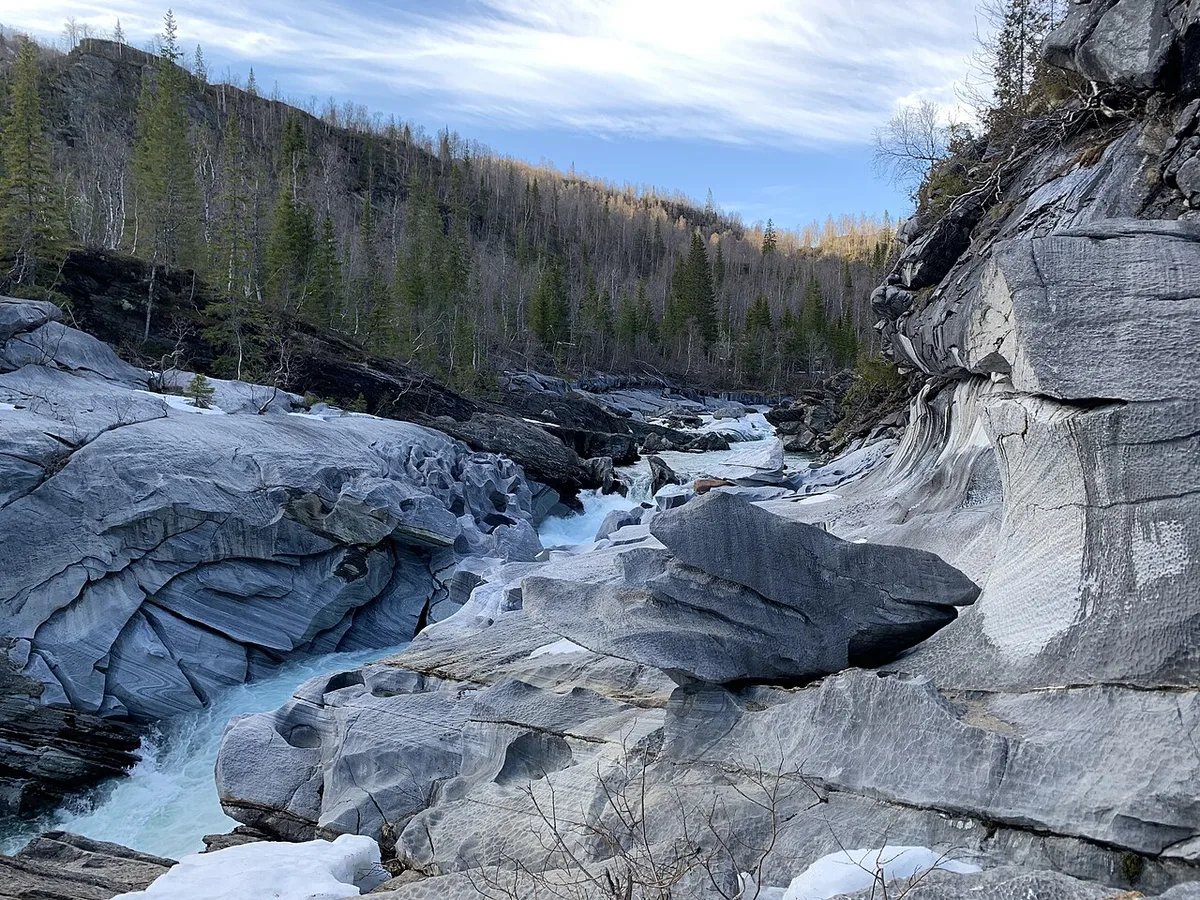
Match the format to your interest and the season. Driving suits a short stay. Walking suits a visitor who has located a specific marked site in advance. A museum visit suits anyone who wants documented names, objects and dates, which a roadside stop rarely provides.
| Format | Season | Who it suits |
|---|---|---|
| Drive | Best in snow-free months; winter conditions vary | Visitors with a car and flexible time |
| Walk | Summer and early autumn, in dry weather | Prepared walkers with local directions |
| Museum | Year-round, subject to opening hours | History-focused travelers and families |
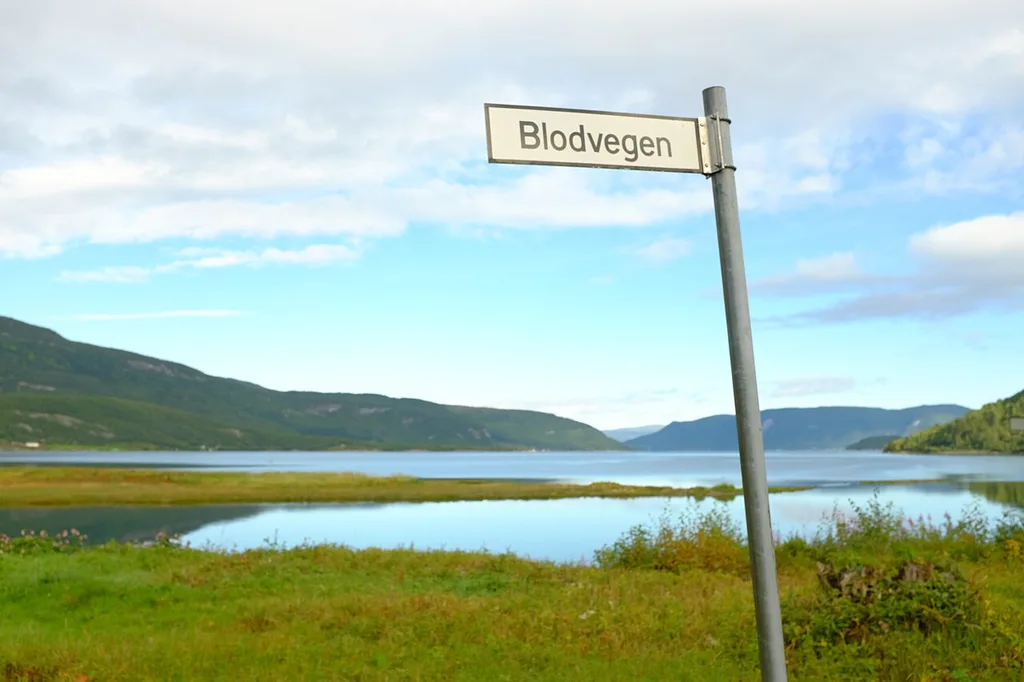
Seasonal timing and safety
Nordland has long winter nights and heavy snow. Many side roads and paths are unsuitable in winter. Daylight is short in midwinter and nearly continuous in midsummer. Check road status with Statens vegvesen and the forecast from the Norwegian Meteorological Institute on the day you travel. Wear sturdy footwear and carry water if you plan to leave the road.
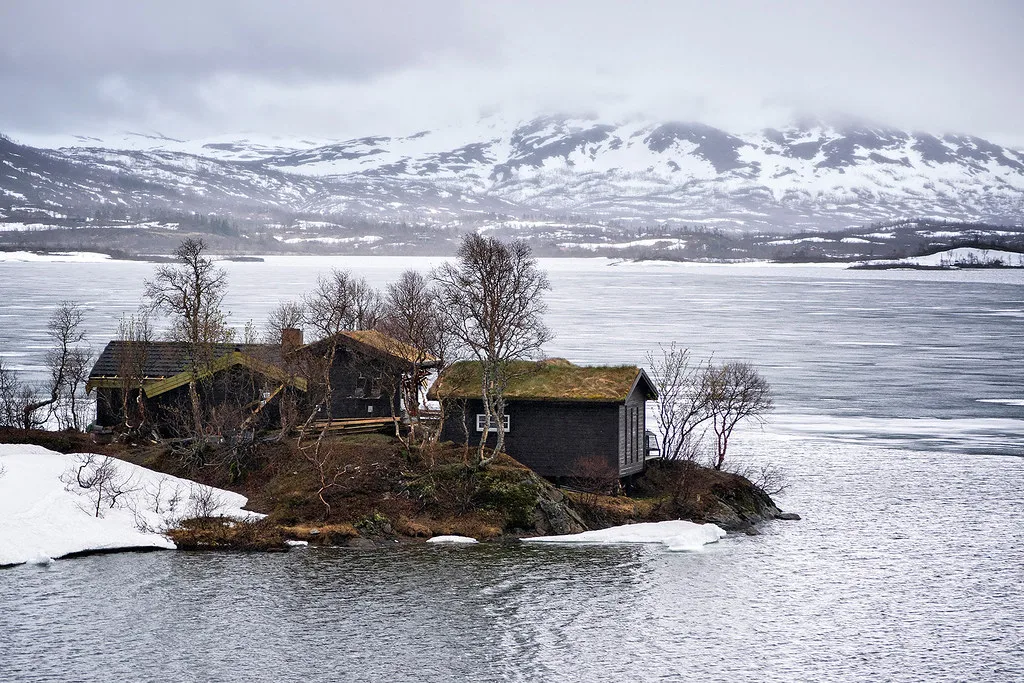
Visiting respectfully
Treat every marker, grave and memorial as a place of mourning. Keep to marked paths, and speak quietly.
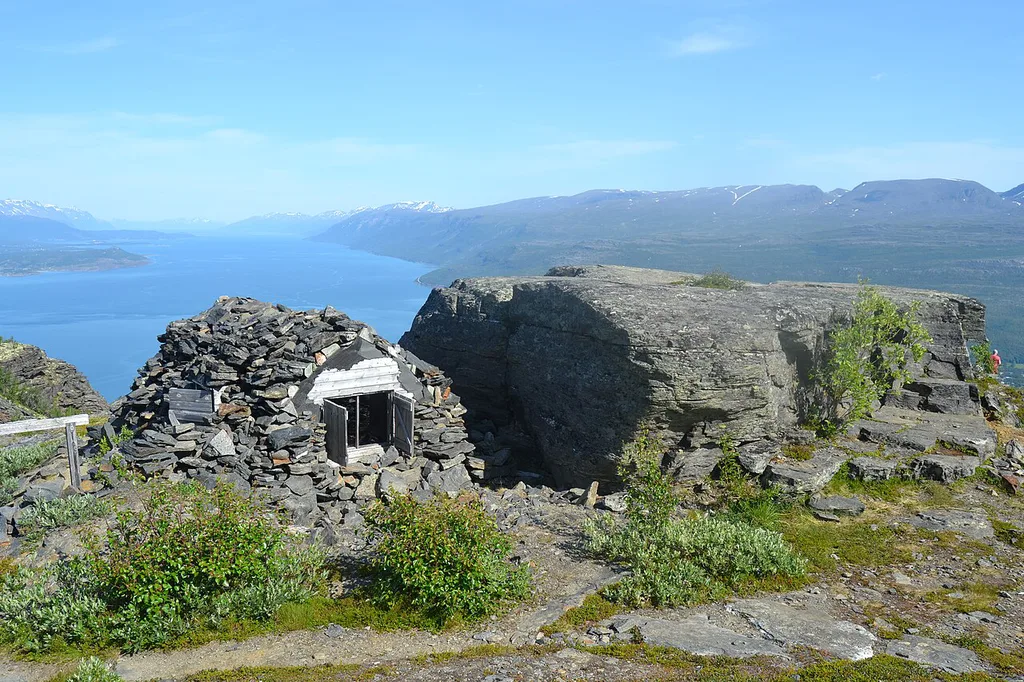
- Do not remove stones, rails, metal or other objects as souvenirs.
- Do not climb on memorials or disturb offerings left by visitors.
- Photograph with restraint, and avoid posing for portraits at graves.
- Follow any rules posted at the site or by the local authority.
- Skip the visit if you are expecting entertainment or a viewpoint.
Combine with other WW2 stops in northern Norway
A longer northern trip can add more occupation sites. The Narvik War Museum: What to See and Visit Tips covers the 1940 fighting there, and the museum's own site lists current visiting details. Plan Narvik as its own stop and check the distance first. For the far north, see our Finnmark WW2 overview. Wider coastal defenses are covered in our Atlantic Wall guide.
Narvik's 1940 fighting falls in the same year Germany's occupation of Norway began, so the two stops share one timeline.
Keep planning
Guides on the same trip