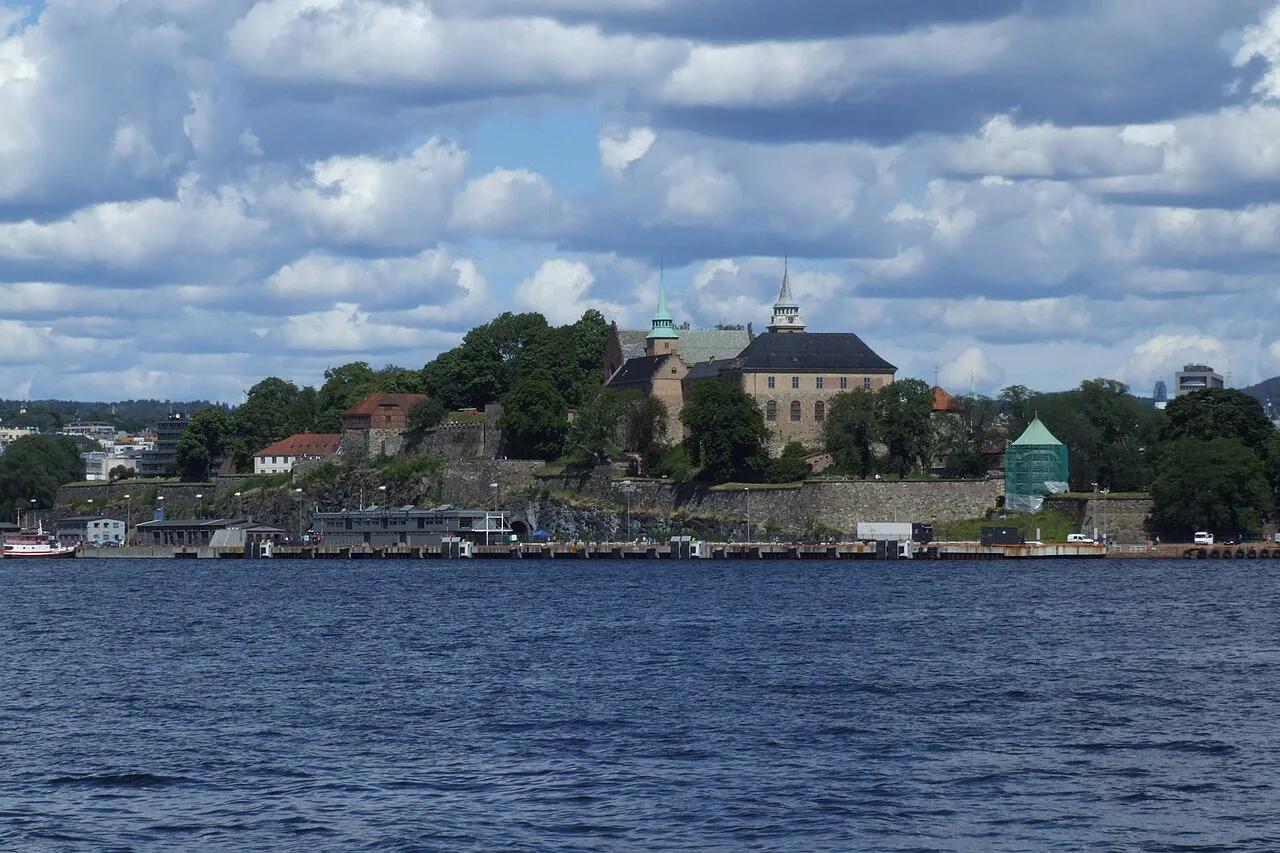
Narvik War Museum: What to See and Visit Tips
A plain guide to the Narvik war museum: what the exhibits cover, how to plan the visit, how to reach Kongens gate, and how it fits with other WW2 sites in Norway.
In this guide
Last updated November 2026: Narvik Krigsmuseum, the Narvik war museum on Kongens gate in the town centre, covers the 1940 Battle of Narvik and the German occupation that followed. Norwegian, British, French, Polish and German forces all took part in that battle. Hours, tickets and exhibit details are on the museum's official site, so read them before you set a day aside.
Featured image: Manxruler, CC BY-SA 3.0, via Wikimedia Commons.
What the Narvik War Museum Covers
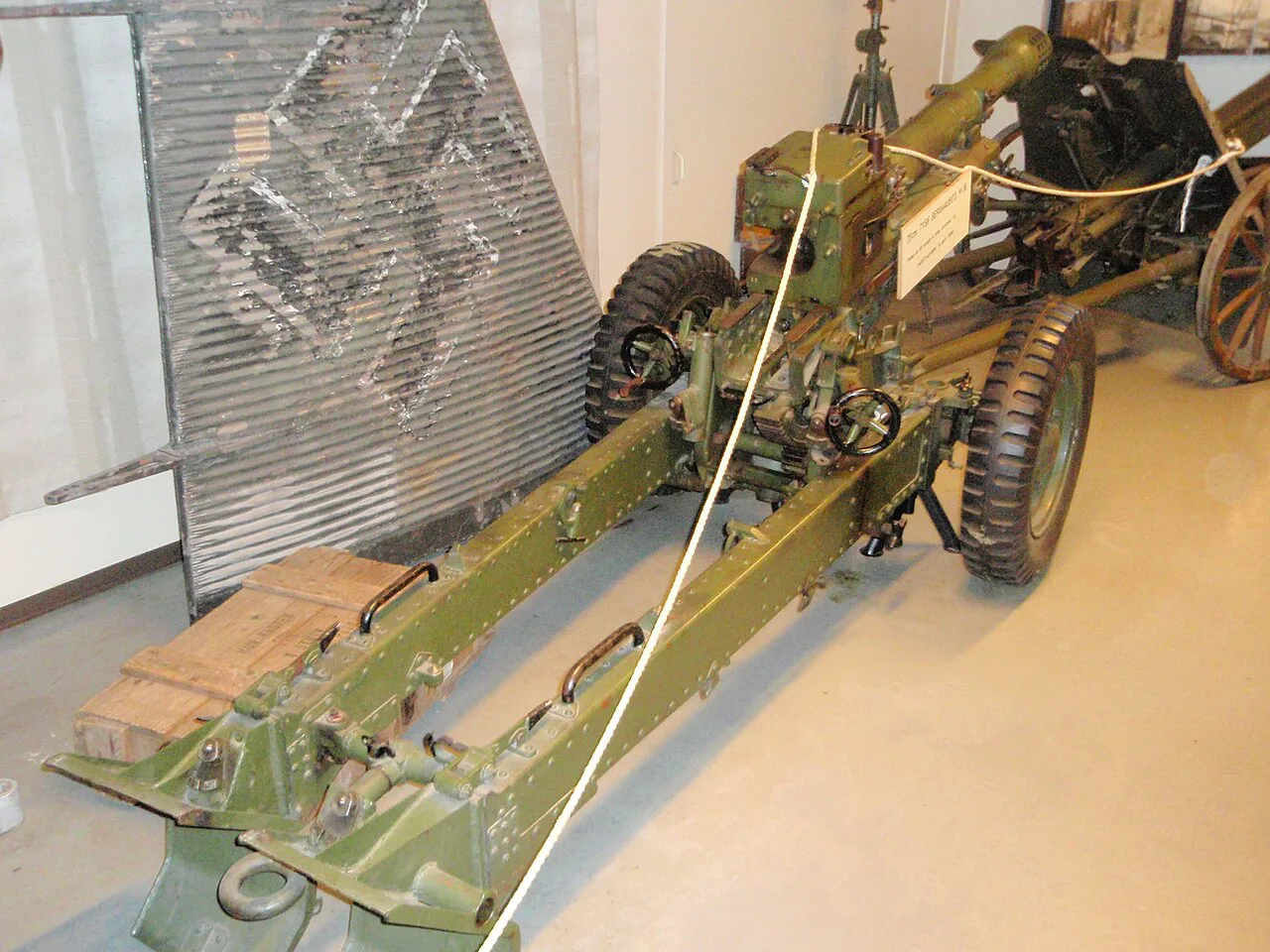
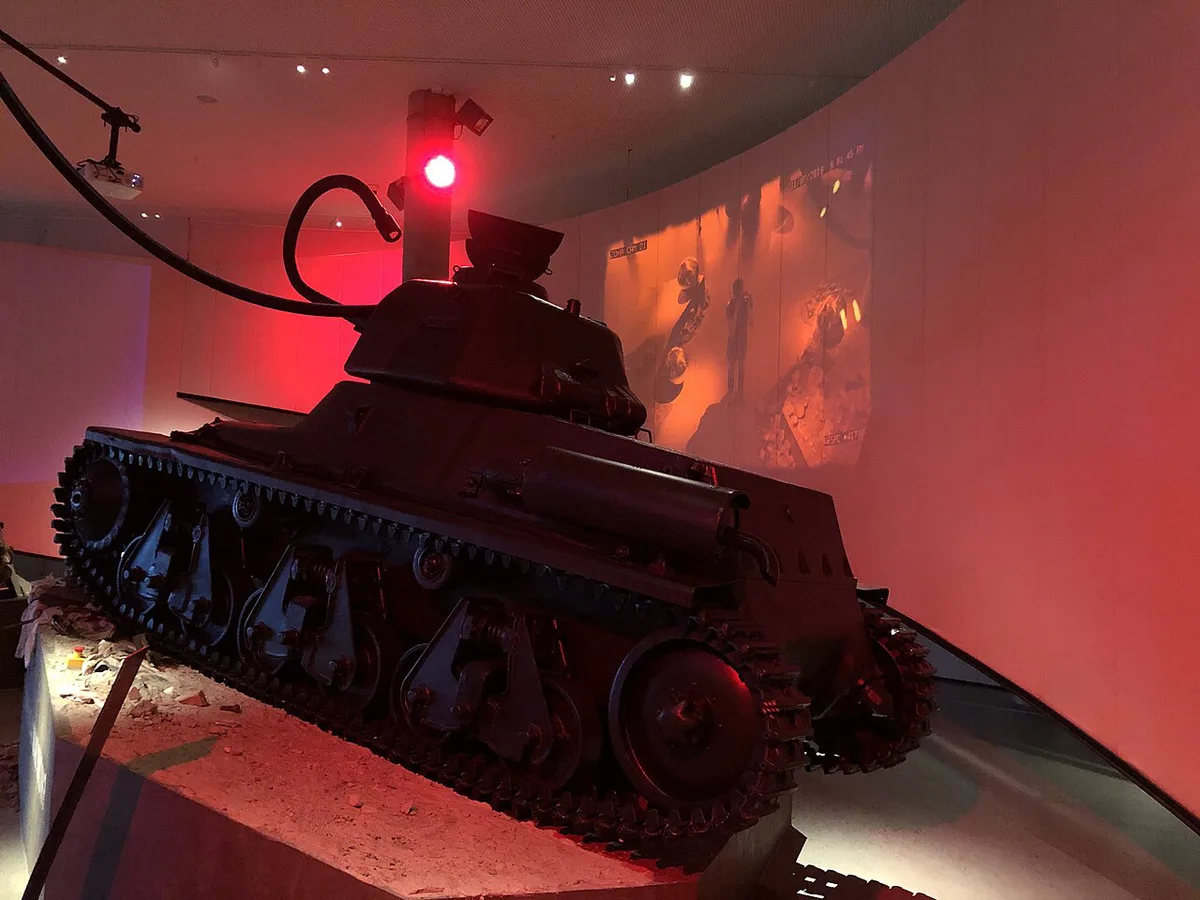
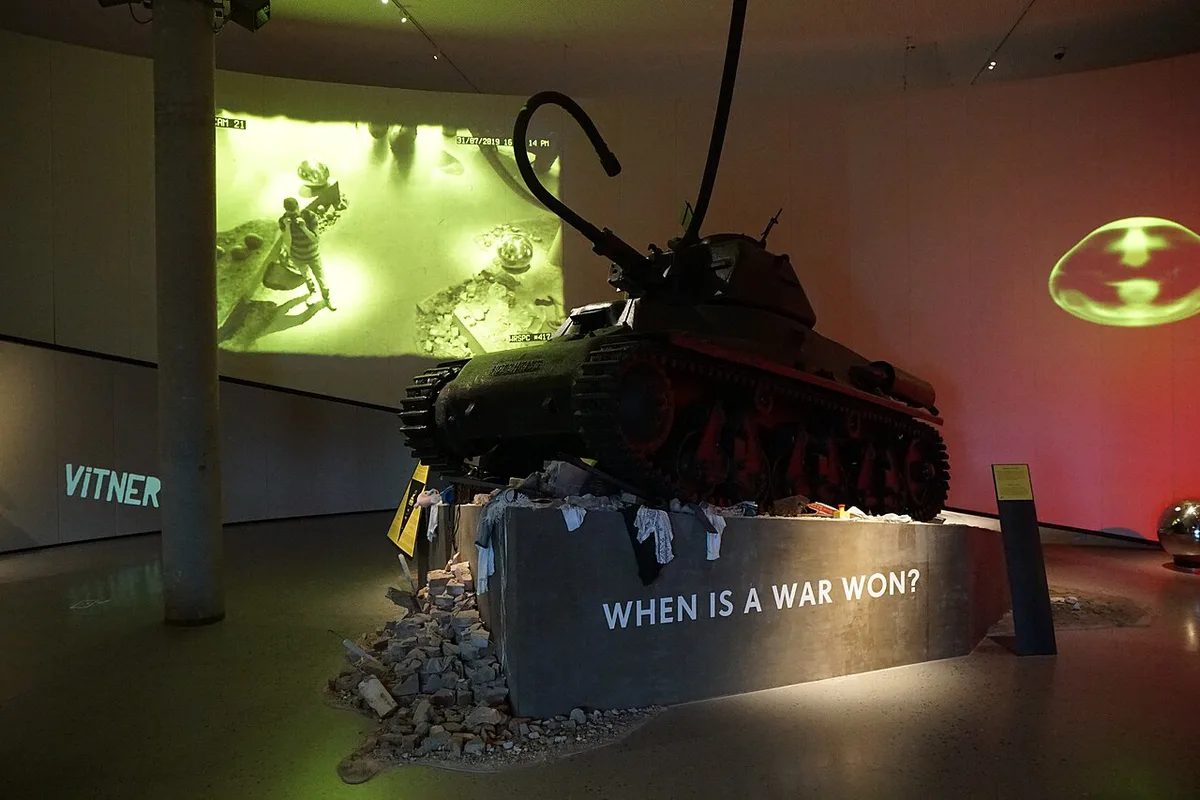
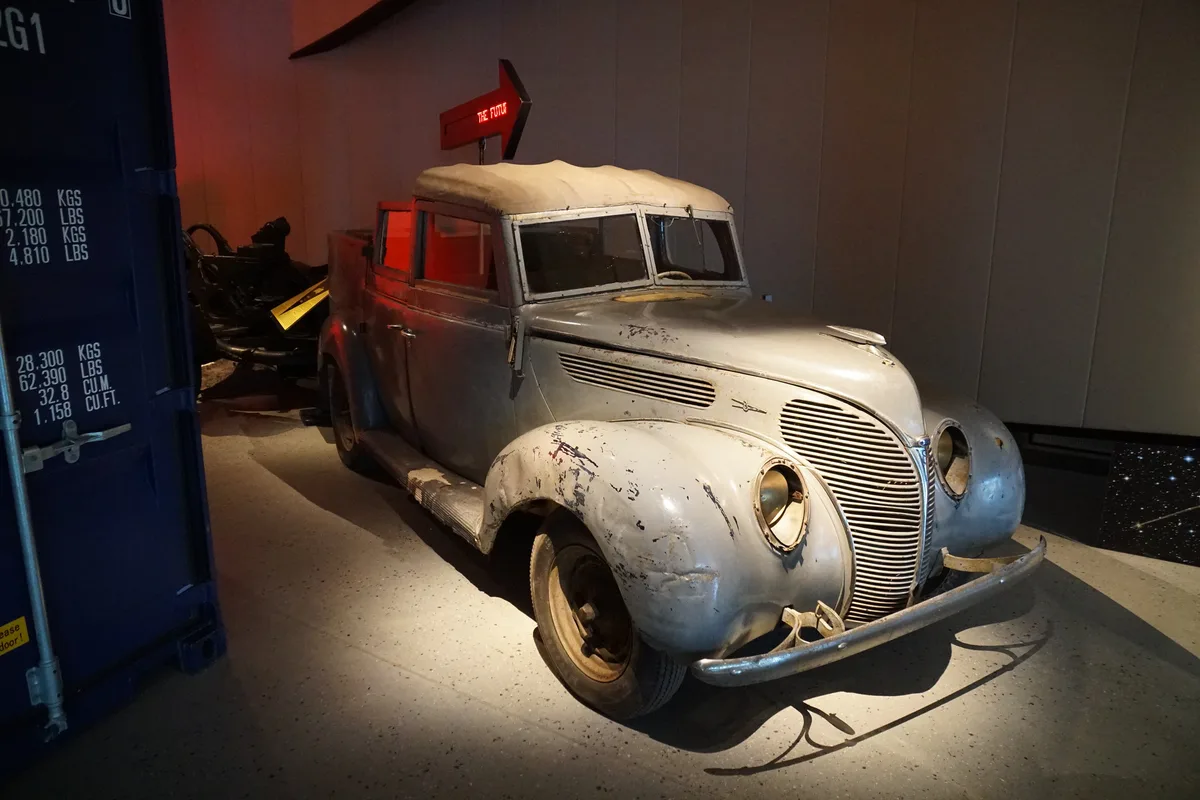
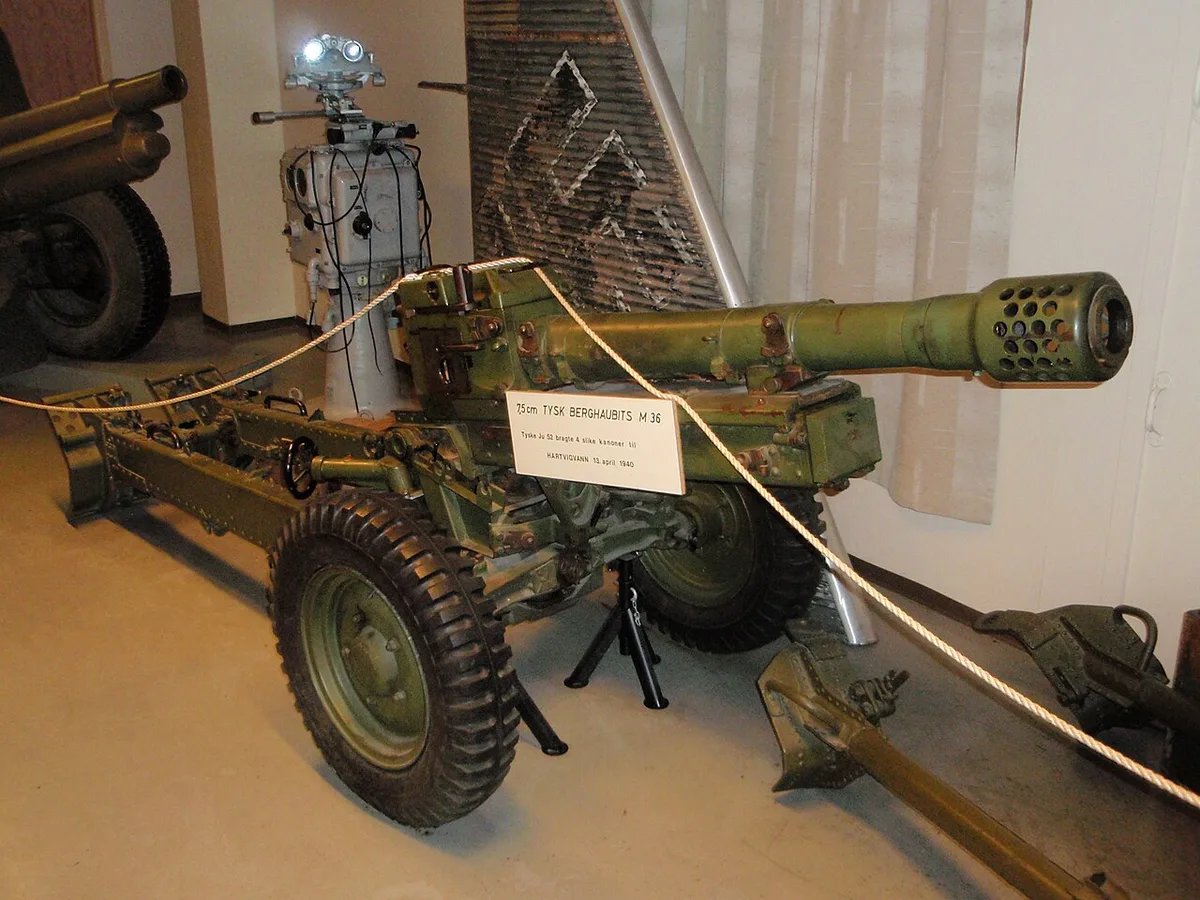
Narvik Krigsmuseum tells the story of the 1940 Battle of Narvik and the occupation that came after it. The battle drew in Norwegian, British, French, Polish and German forces. That mix makes the museum a useful lens on how the Norwegian campaign looked from the far north. Its second theme, the German occupation, links to the fortification story in our guide to the Atlantic Wall in Norway. Treat the museum as the place to learn what happened in and around Narvik before you look at anything outdoors. The subject is sensitive, and the tone suits readers who want facts about soldiers and civilians on every side.
Battle of Narvik 1940: A Short Timeline Before You Go
Narvik mattered because of iron ore. Ore from northern Sweden came by rail to the town's ice-free harbour and was shipped on from there, including to German industry. That made the port a strategic target for both Germany and the Allies. Knowing the order of events will help you follow the story.
| Date in 1940 | What happened |
|---|---|
| 9 April | German destroyers landed mountain troops under General Eduard Dietl, and the town was occupied. The Norwegian coastal defence ships Eidsvold and Norge were sunk, with heavy loss of life. |
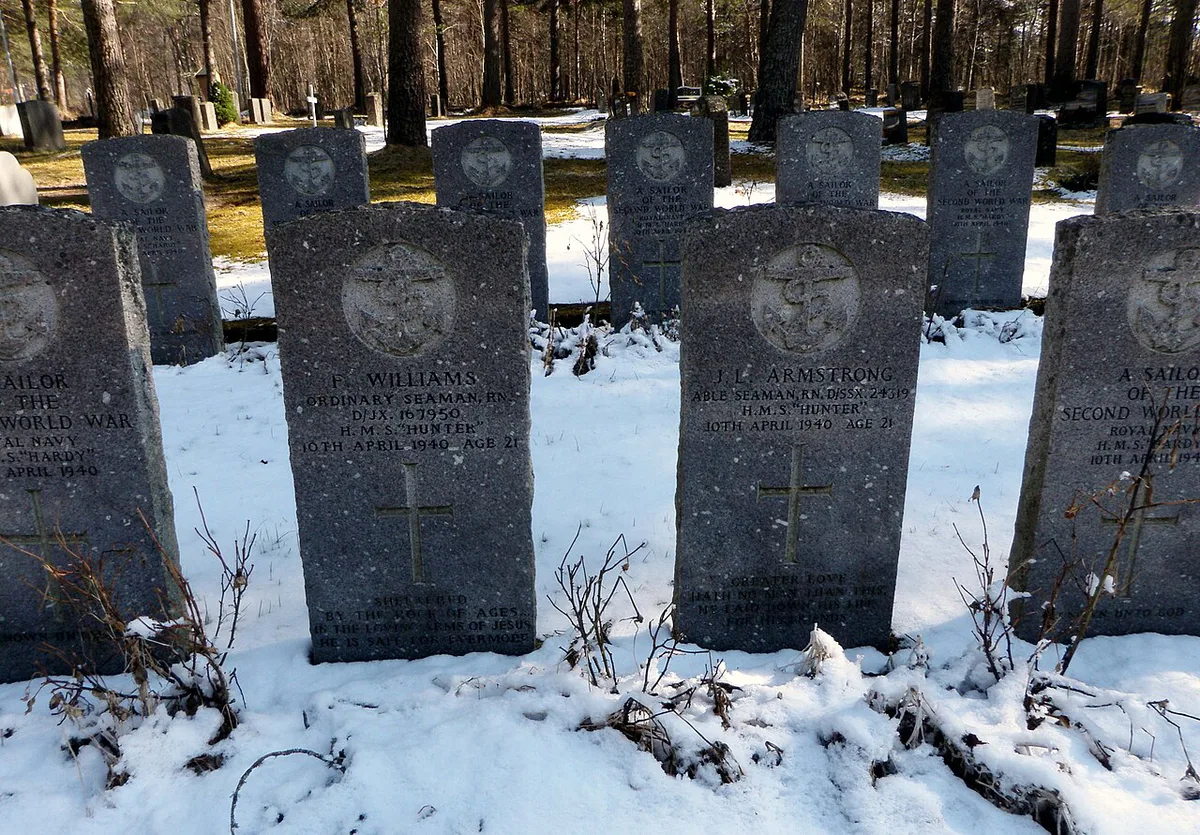
| 10 April | British destroyers attacked German ships in the fjord. The two naval commanders, Bernard Warburton-Lee and Friedrich Bonte, were both killed. |
| 13 April | A British force led by the battleship HMS Warspite returned. The remaining German destroyers were sunk or scuttled. |
| 28 May | Norwegian, French and Polish troops retook Narvik, with Allied support. |
| Early June | The Allies withdrew as the war in France worsened, and German forces returned to the town. |
| 10 June | Norwegian forces on the mainland stopped fighting, and the occupation of the north followed. |
Keep two threads apart as you read about the campaign: the naval fighting in the fjords in April, and the longer struggle on land in the surrounding mountains, which continued into late May and June. The recapture of Narvik was an Allied success, but it did not last, because the troops were soon needed elsewhere.
For wider background before your trip, see the overview of the Battles of Narvik on Wikipedia.
Is It Worth Visiting? Who It Suits and Who Can Skip It
The museum is a strong fit for anyone building a Norway trip around WW2 history. It also works for general travelers who want to understand why Narvik appears in so many histories of 1940. Use the box below to decide.
- Visit if: you are travelling the north for WW2 history and want the Narvik story before seeing other sites.
- Visit if: the weather is wet or cold and you need a solid indoor stop in the town centre.
- Visit if: you are passing through on a rail or road journey and have a few spare hours near Kongens gate.
- Skip if: you want a long outdoor hike, since this is an indoor museum visit.
- Skip if: you have no interest in military history and only a short stopover; a walk around town may suit you better.
Tickets, Opening Hours and Seasonal Limits

Hours and ticket prices change by season, and far-north opening times can shrink in winter. Check the Narvik War Museum website for current hours, last entry, ticket types and exhibit languages before you travel.
How Much Time to Allow and How to Plan Your Day
No official visit length is published for this guide, so plan by depth instead. A quick walk-through suits a stopover, while reading every panel takes a much longer slot. Add the town walk or battle-site stops only if your transport and daylight allow it. The table compares three ways to build the day.
| Plan | Time | Cost | Effort | Best for |
|---|---|---|---|---|
| Museum only | Shortest | Museum entry only | Low; the museum is on Kongens gate | Rail or road stopovers |
| Museum plus town walk | Moderate | Entry plus a coffee or meal | Low to moderate, on foot from the centre | Most first-time visitors |
| Museum plus wider battle-site stops | Longest | Entry plus transport | Higher; needs weather, daylight and a plan for getting around | Dedicated WW2 travelers |
Getting There and Getting Around Narvik
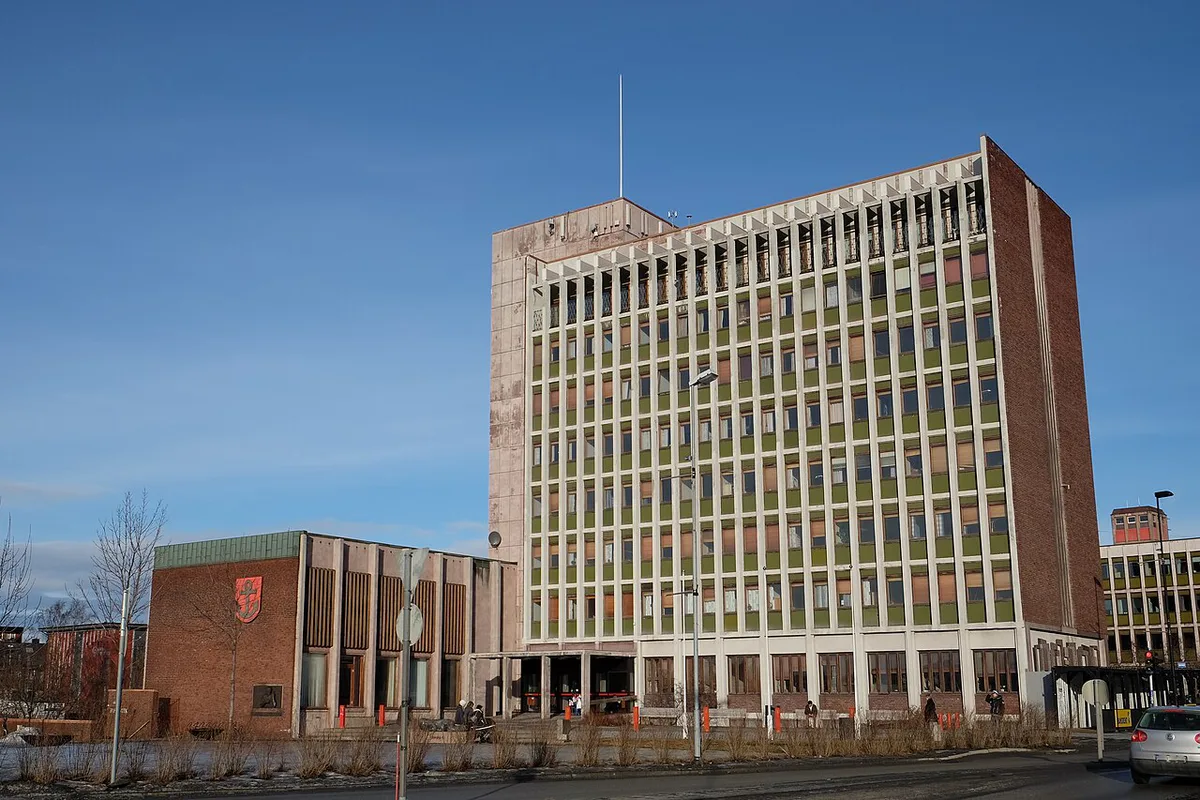
Narvik Krigsmuseum stands on Kongens gate in the town centre, so you can combine it with other town stops on foot. Many visitors reach Narvik by Ofoten line train from Sweden or by road. Visit Narvik is the place to check current routes, nearby parking and step-free access, because winter conditions in the far north can change plans. Narvik is a long way from southern Norway. If you are continuing south, our guides to Bergen's WW2 sites and Oslo's WW2 sites cover the next stops.
Combining the Museum With Other Narvik WW2 Sites
Start at the museum, because its account of the 1940 battle gives context to anything you see afterwards. Ask the museum desk or Visit Narvik for current advice on memorials, cemeteries and viewpoints around town. Save outdoor stops for clear weather and daylight. For a wider trip, our overview of other WW2 sites across Norway shows how Narvik fits the national picture. Readers heading further north can read about Finnmark's wartime history. A stop on the Blood Road near Mo i Rana adds the forced-labour story. For a comparison, a museum on the German naval presence shows another side of the occupation. The Norwegian Armed Forces Museum site is a good starting point for national military history.
Where to Stay in Narvik for a WW2 Trip
Staying in the town centre keeps Kongens gate within walking distance and makes the museum easy in any weather. A base near the station suits rail arrivals from Sweden. Lodging outside town gives more space but adds transport, which matters in winter. Book by season, since far-north travel conditions shape what is practical.
Mistakes to Avoid and Final Planning Checklist
Most problems come from assuming too much. Run through this list before you go.
- Do not assume year-round hours; check the museum's site for the season you travel.
- Do not skip the museum on a one-day stop if WW2 history is your reason for coming.
- Do not underestimate travel time from other Norwegian cities; Narvik is far north.
- Do not leave winter access to chance for roads, trains or outdoor stops.
- Do bring a plan for bad weather, with the museum as your anchor.
Frequently Asked Questions
What is Narvik famous for?
Narvik is best known for the 1940 Battle of Narvik, in which Norwegian, British, French, Polish and German forces fought. Its position in the Ofoten region and its railway links also shape the town's history.
Is Narvik, Norway worth visiting?
Yes, if you want WW2 history in the far north. Narvik Krigsmuseum on Kongens gate gives a clear account of the 1940 battle and the occupation that followed.
Keep planning
Guides on the same trip