Oslo WW2 Sites: What to See and How to Plan
Plan Oslo WW2 sites with a short route, what each place shows, access notes, and where to go next in Norway.
In this guide
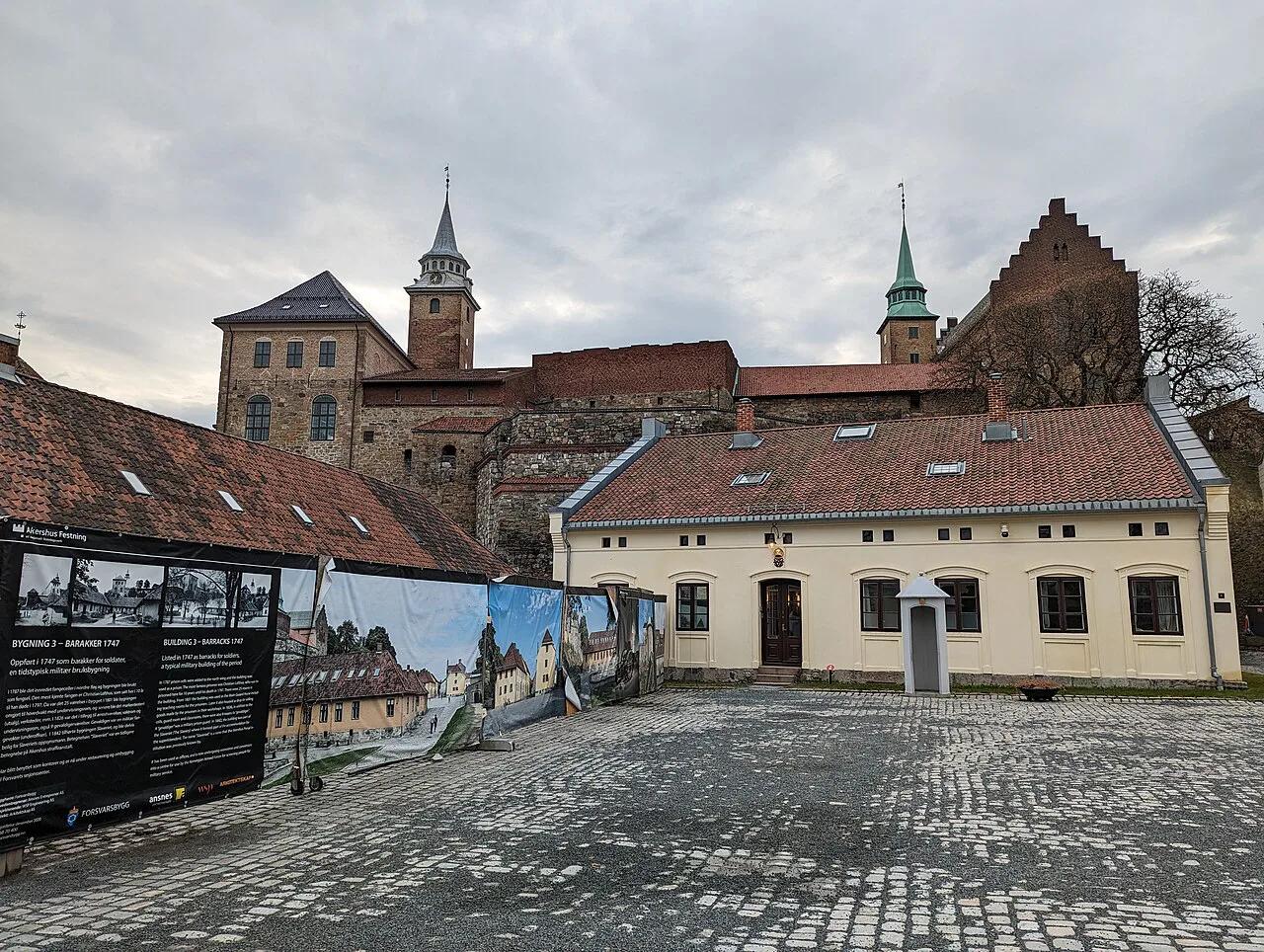
Last updated November 2026. Oslo WW2 history is best covered at Akershus Fortress, where Norway's Resistance Museum, the Armed Forces Museum and a resistance memorial sit within one walk. Add the Oslofjord and Oscarsborg Fortress for the 1940 invasion story. Allow a half day for the fortress sites and a full day if you add the fjord.
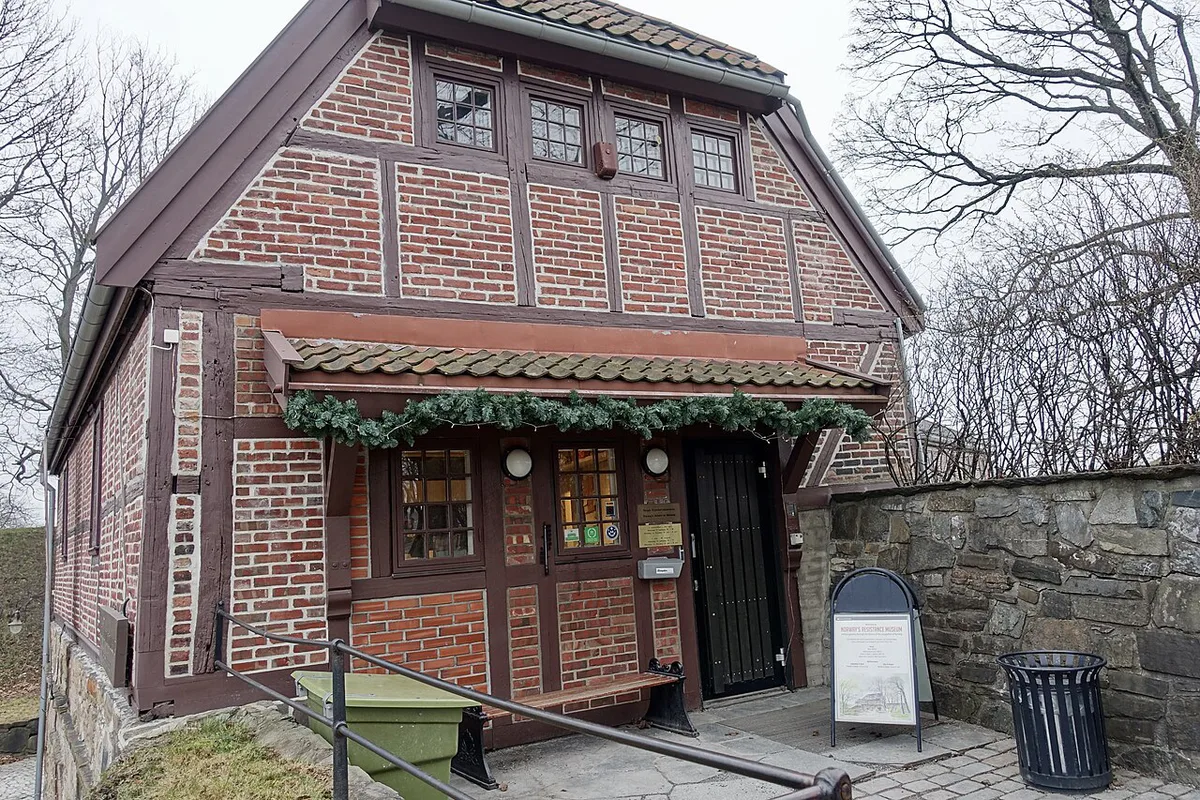
Featured image: Jonathan Platteau, CC BY-SA 4.0, via Wikimedia Commons.
Oslo WW2 sites at a glance
Most of what you can actually see about the 1940–45 occupation is clustered at Akershus Fortress. Oscarsborg sits out in the Oslofjord and needs a boat. Prices and hours change each season, so check each venue's official page before you go.
| Site | What it shows | Time (editorial estimate) | Access |
|---|---|---|---|
| Norway's Resistance Museum (Norges Hjemmefrontmuseum) | Occupation and civilian resistance, 1940–45 | 1–2 hours | Akershus Fortress, on foot from the city centre |
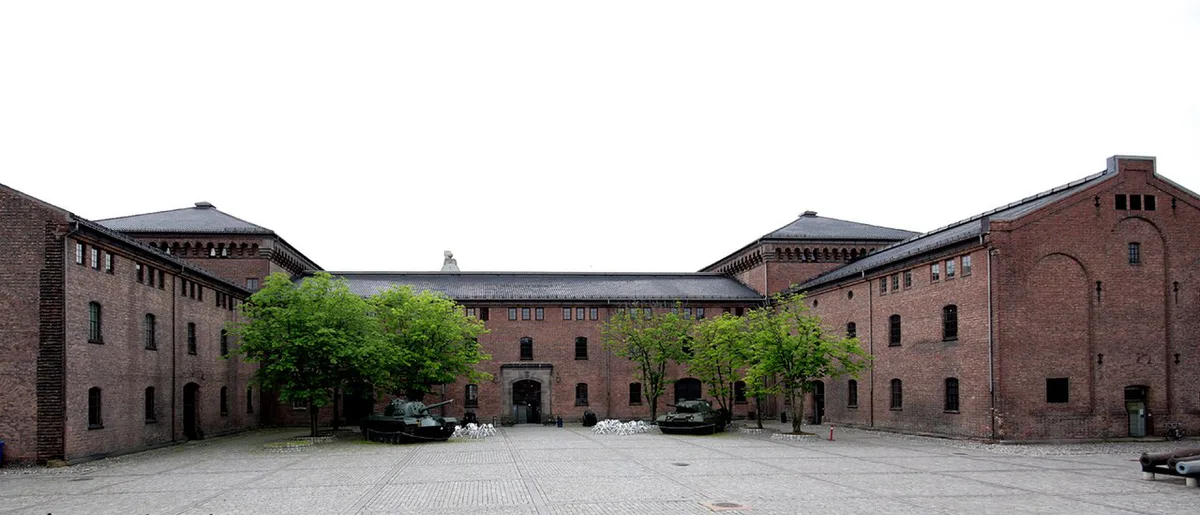
| Armed Forces Museum (Forsvarsmuseet) | Norwegian military history, including the 1940 campaign | 1–2 hours | Akershus, same area |
| Akershus resistance memorial | Commemoration of resistance fighters at the fortress | 30 minutes | Fortress grounds |
| Oscarsborg Fortress | The Oslofjord defence of April 1940 | Half a day with the boat | Boat from the city; season-dependent |
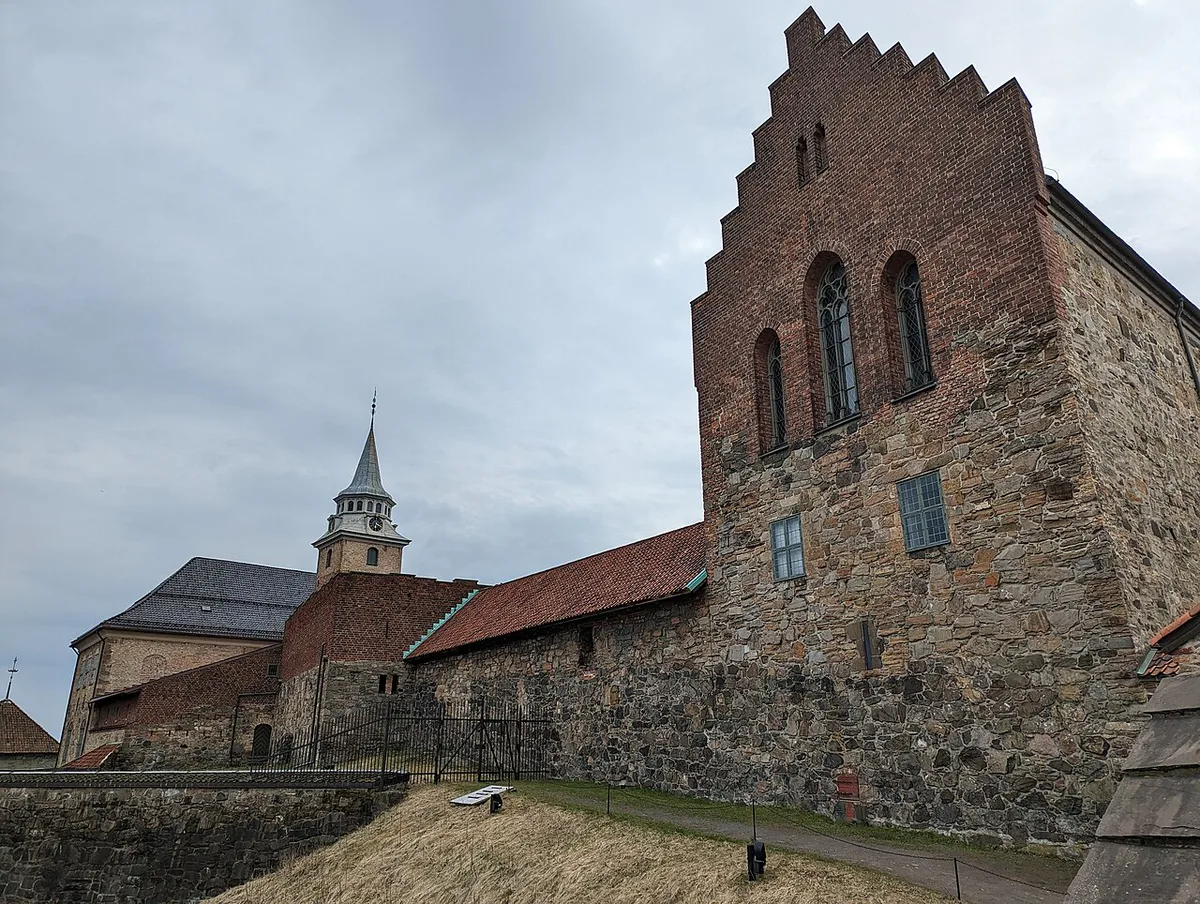
Which Oslo WW2 sites are worth your time
Start with Norway's Resistance Museum if you want one stop. It tells the occupation from the Norwegian side, covering daily life under German rule and the organised resistance that grew against it. The Armed Forces Museum, run by the Norwegian Armed Forces Museum organisation, suits readers who want the military campaign of 1940 rather than the home front.
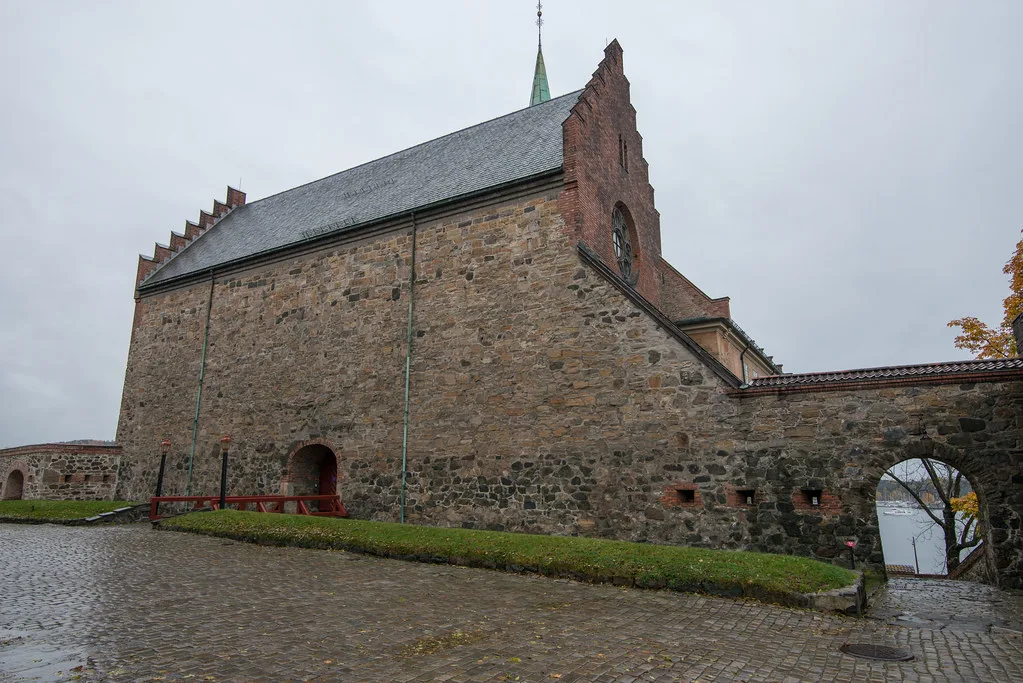
- Choose the Resistance Museum for civilian experience, sabotage and the home front.
- Choose the Armed Forces Museum for weapons, uniforms and the April 1940 fighting.
- Visit the Akershus resistance memorial for a quiet moment. It marks a place of mourning, so keep voices low and follow any signs in the grounds.
- Skip the museums if you only have 2 hours. Walk the fortress grounds and the memorial instead.
Oslofjord and the 1940 invasion
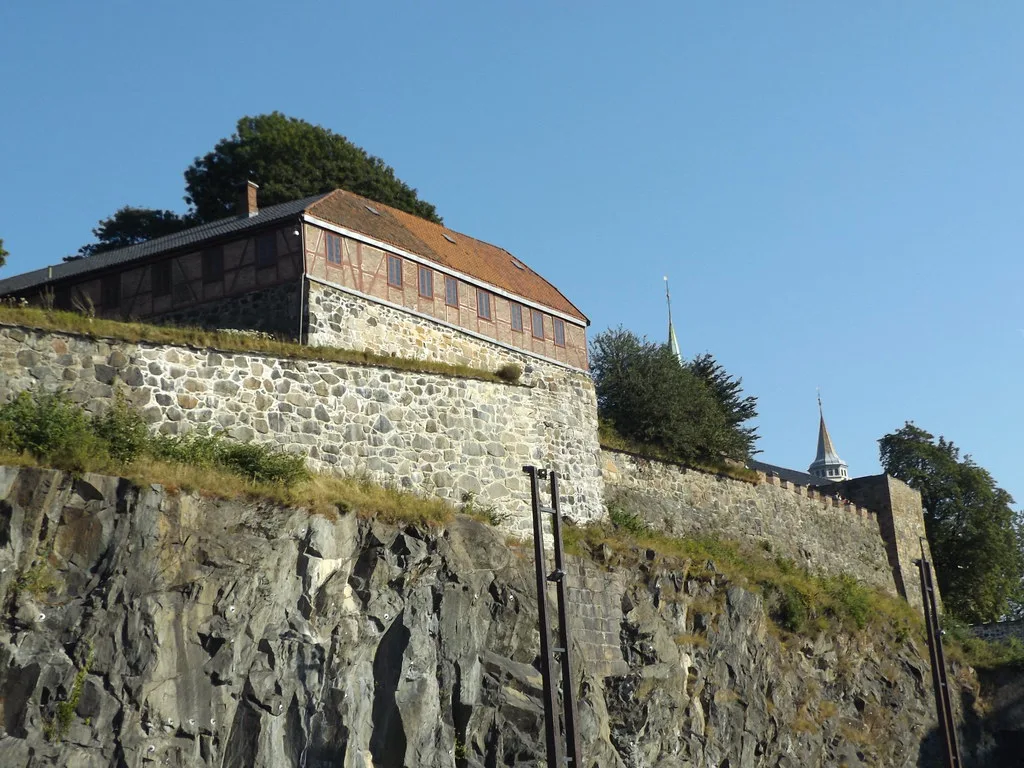
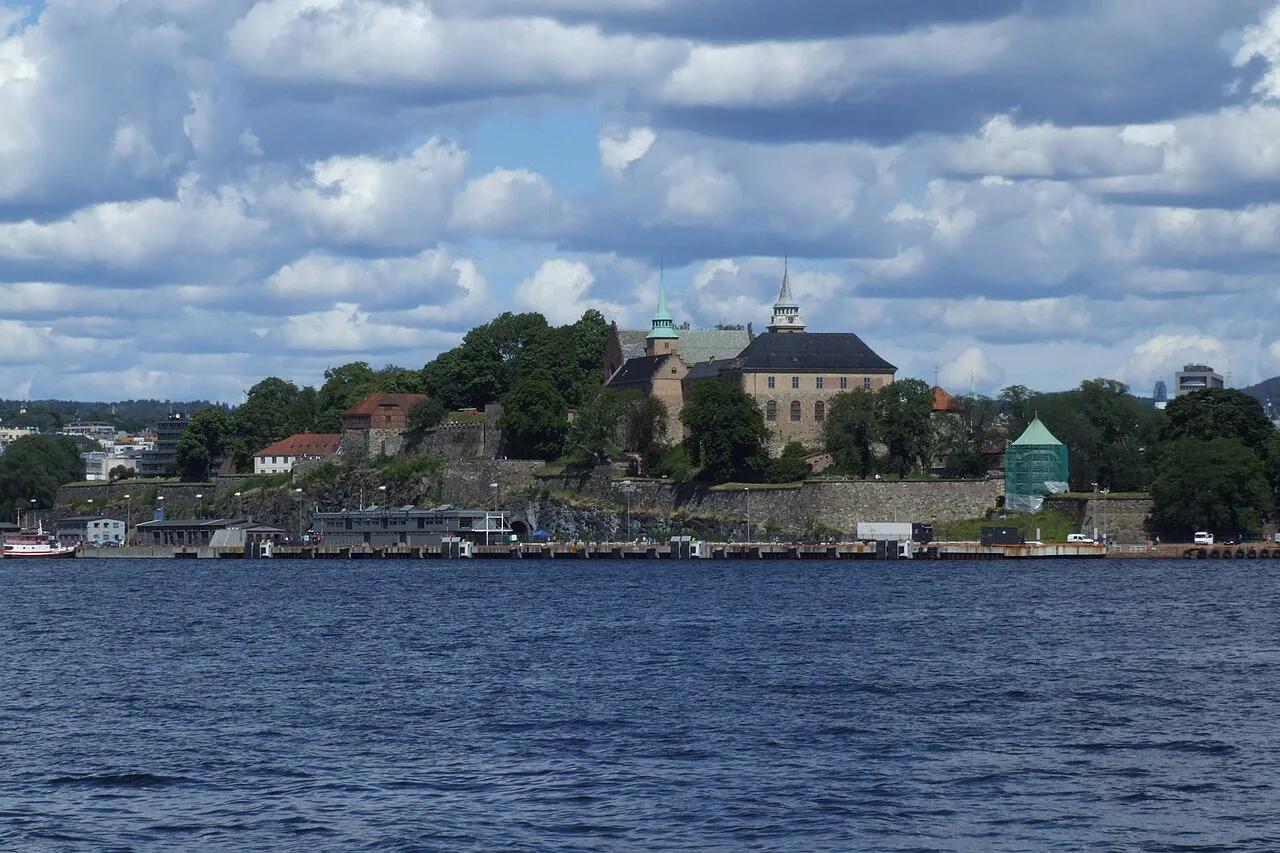
German forces entered the Oslofjord in April 1940, and the cruiser Blücher was sunk in the narrows near Oscarsborg. That delay gave Norway's government and king time to leave the capital. Full details of the island fortress, its guns and its tours are in our Oscarsborg Fortress guide. Boat services run by season, so confirm departure times on the Oscarsborg Fortress site. Without a car this is still easy, because the access is by boat rather than road.
Resistance in the city: what remains to see
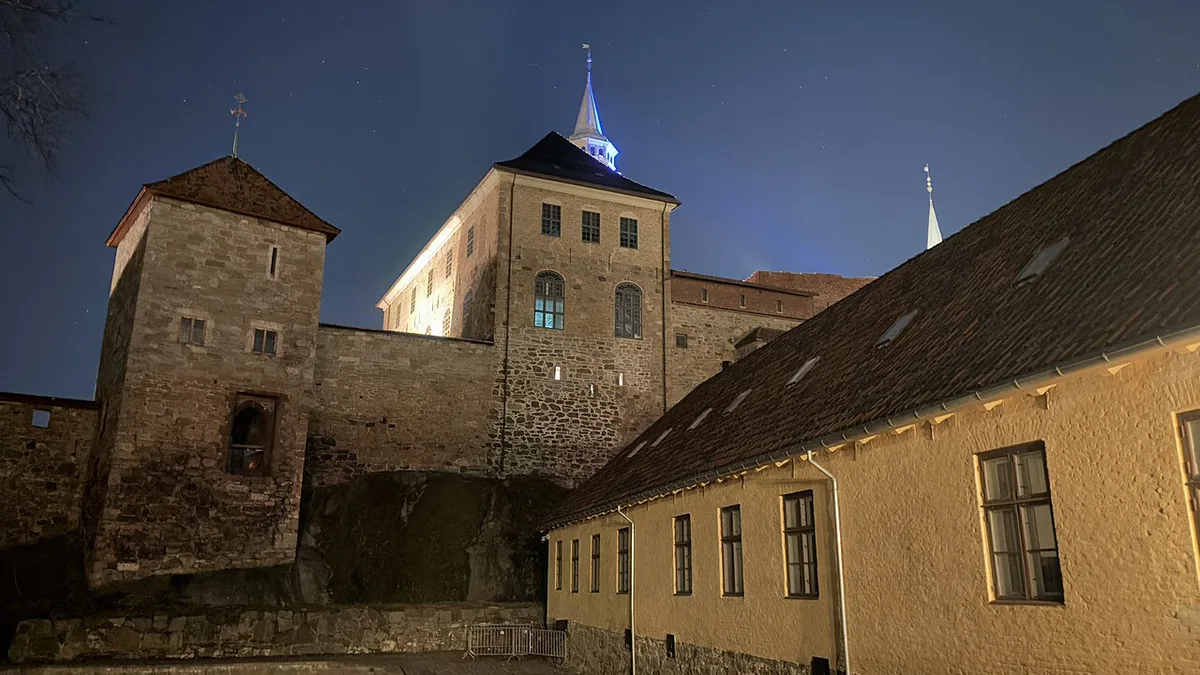
Oslo's best-known sabotage story is the May 1944 attack on the labour registration records, linked to the Oslo Gang and Gunnar Sønsteby. It was aimed at stopping forced labour call-ups. We could not confirm a public marker or museum display for the Akersgata office, so treat it as a story rather than a stop. The Resistance Museum is the place to learn the wider context. Walking Akersgata is fine as a short detour, but do not expect a monument.
Plan your time in Oslo
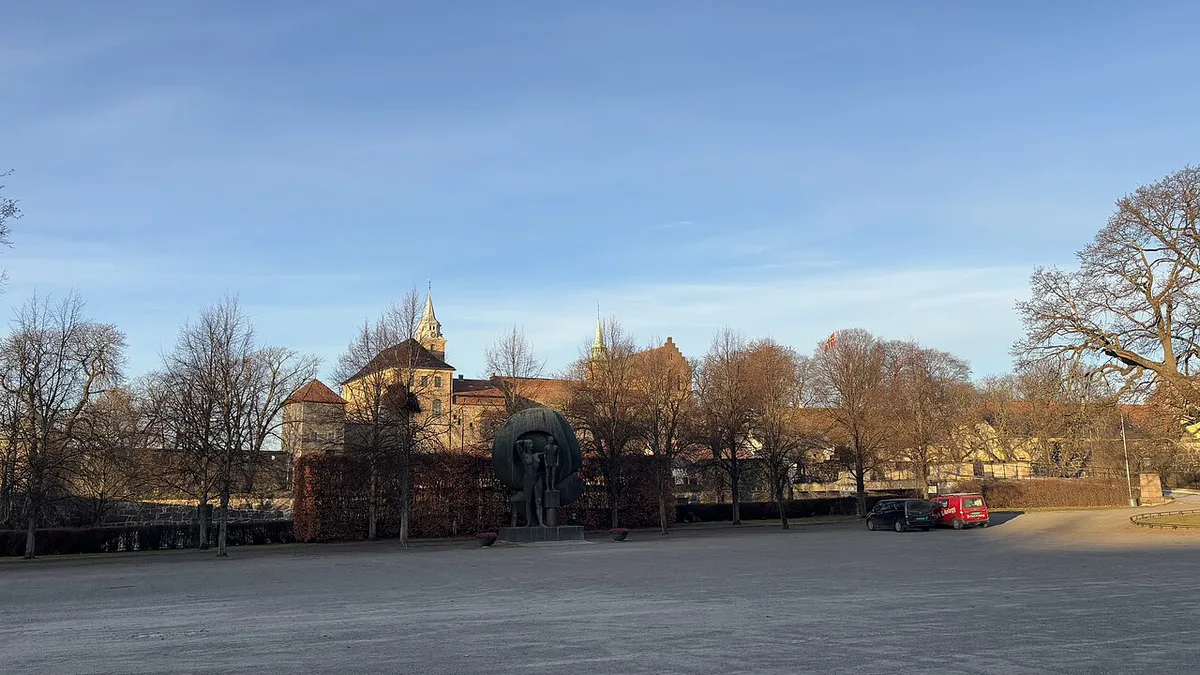
A half day works well. Begin at Akershus with the Resistance Museum, then the Armed Forces Museum, and end at the memorial in the grounds. For a full day, spend the morning at Akershus and the afternoon on the fjord at Oscarsborg. Check ferry timetables first, because a missed last boat is the main way this plan fails. For city transit and general visitor information, see Visit Oslo.
With only 2 hours, drop the two museum stops in this plan and keep the fortress grounds and memorial, which take less time.
Costs, tickets and booking
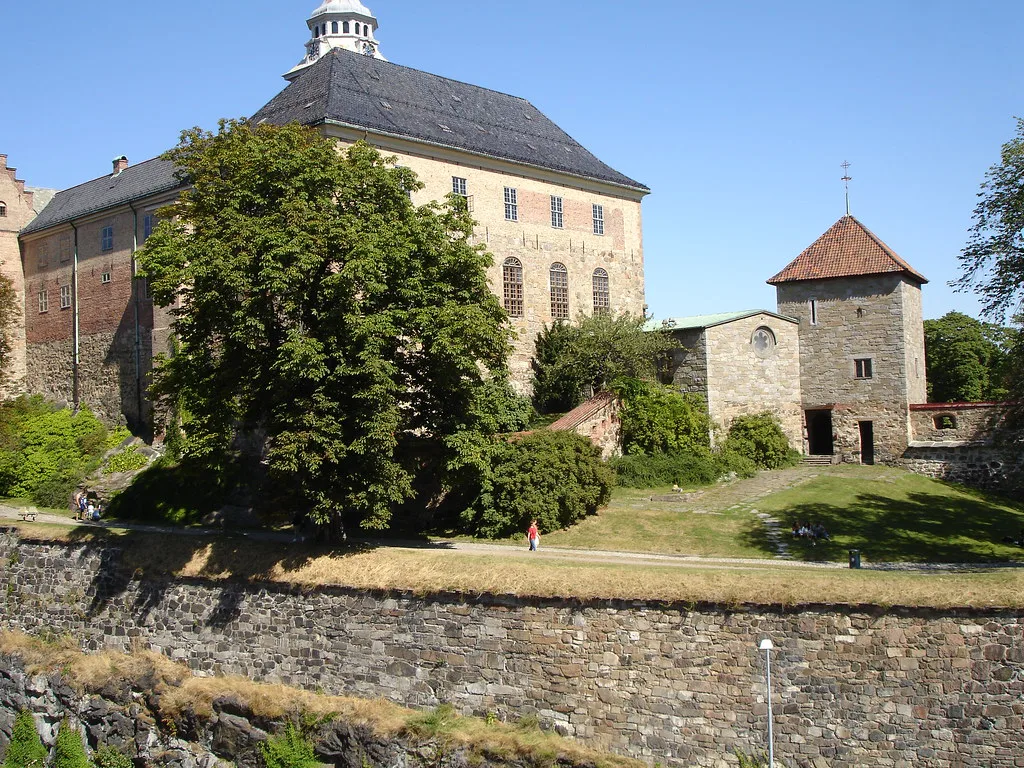
Museum entry fees and Oscarsborg boat fares are set by each operator and change by season. Check the official venue pages for current NOK prices, and for any combined or city-pass ticket.
Beyond Oslo
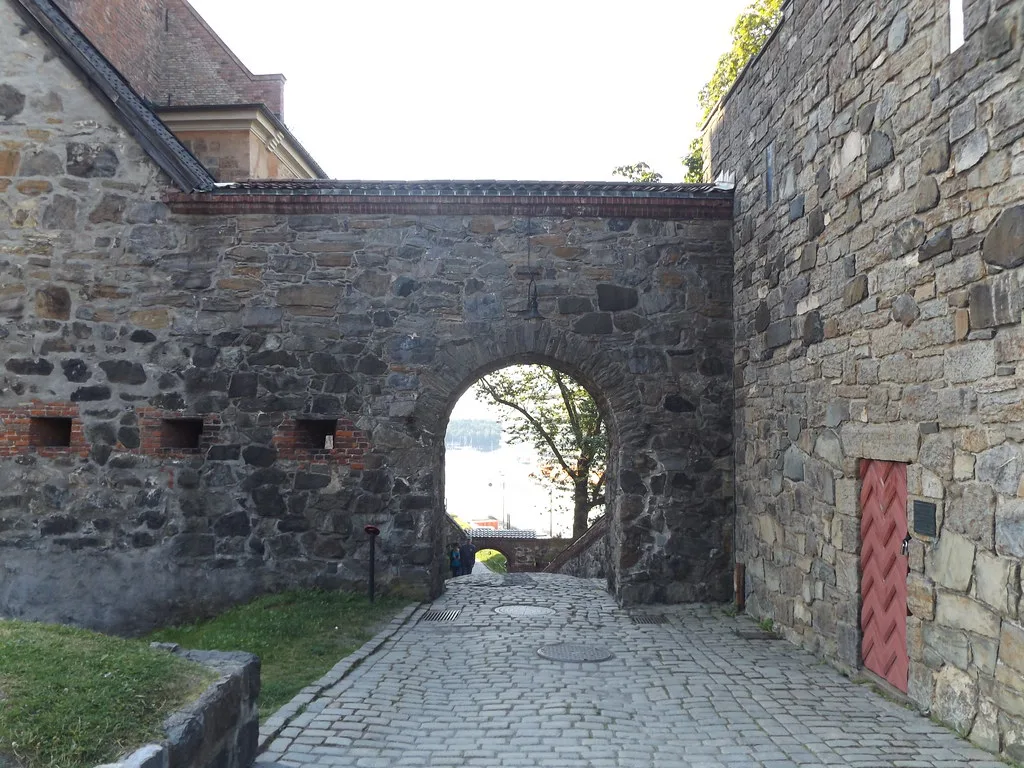
Oslo covers the capital's story, and our overview of WW2 sites in Norway links the rest. For resistance sabotage, read about the Vemork heavy water raid. For another major city, see Bergen's wartime sites. For fortified coastline, try the Atlantic Wall in Norway. Readers heading north can start with the Narvik War Museum: What to See and Visit Tips.
Frequently Asked Questions
What was Norway doing in WWII?
Germany invaded Norway in April 1940, and the country was occupied until 1945. Norwegians resisted through sabotage, intelligence work and civil non-cooperation, and the Resistance Museum at Akershus tells that story.
Who won the Battle of Oslo?
German forces took Oslo in April 1940 despite losing the Blücher in the Oslofjord. The ship's sinking near Oscarsborg gave the Norwegian government time to leave the capital.
Keep planning
Guides on the same trip