Telavåg Tragedy & North Sea Traffic Museum: Visitor Guide
What happened in Telavåg in 1942, and how to visit the war museum from Bergen: bus 459, car route, tickets, opening seasons and what to combine.
In this guide
Last updated November 2026: Telavåg (Telavag without the å in some listings) is a fishing village on Sotra, about 39 km southwest of Bergen, that German occupation forces destroyed on 30 April 1942. Its North Sea Traffic Museum tells that story, and the village belongs to Norway's wider network of wartime sites. Bus 459 or a drive of about 40 minutes reaches it from Bergen, and more regional context sits in our Bergen WW2 guide.
Featured image: Cavernia, CC BY-SA 4.0, via Wikimedia Commons.
Telavåg in brief: what happened and where it is
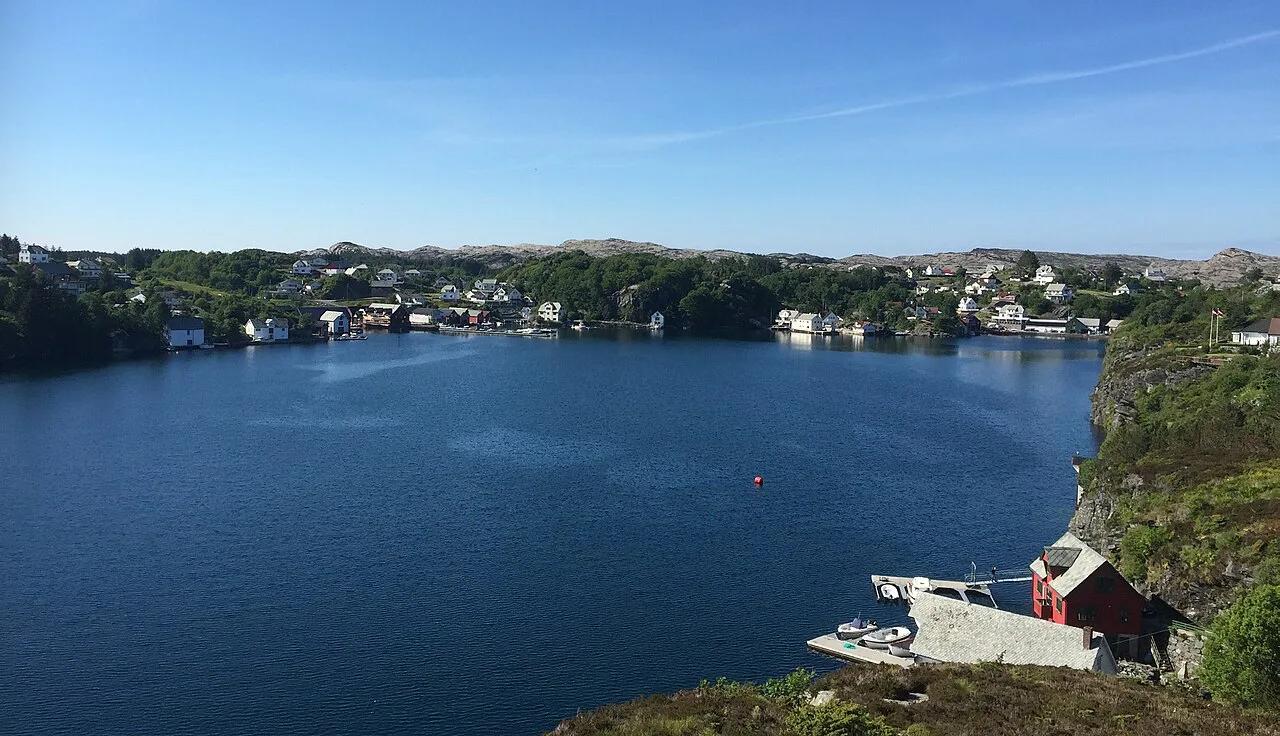
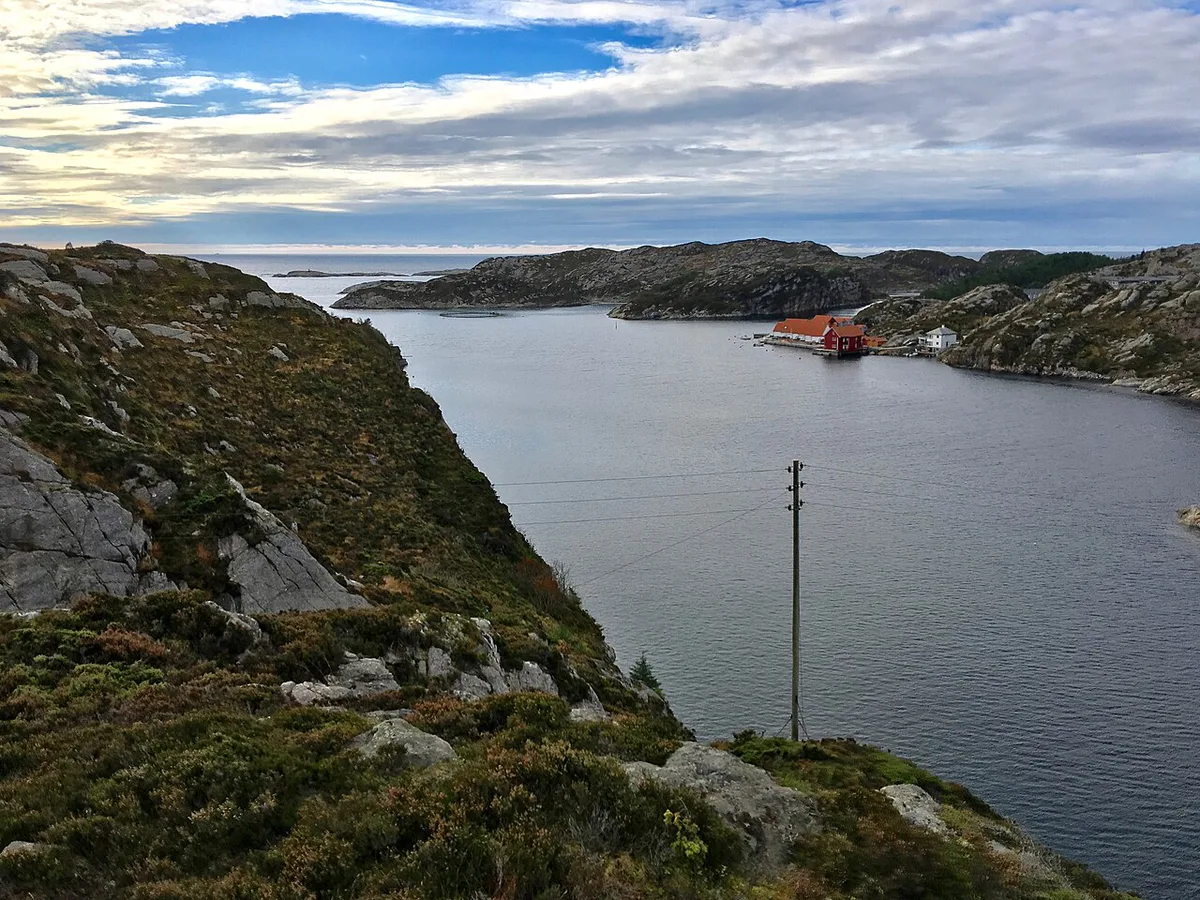
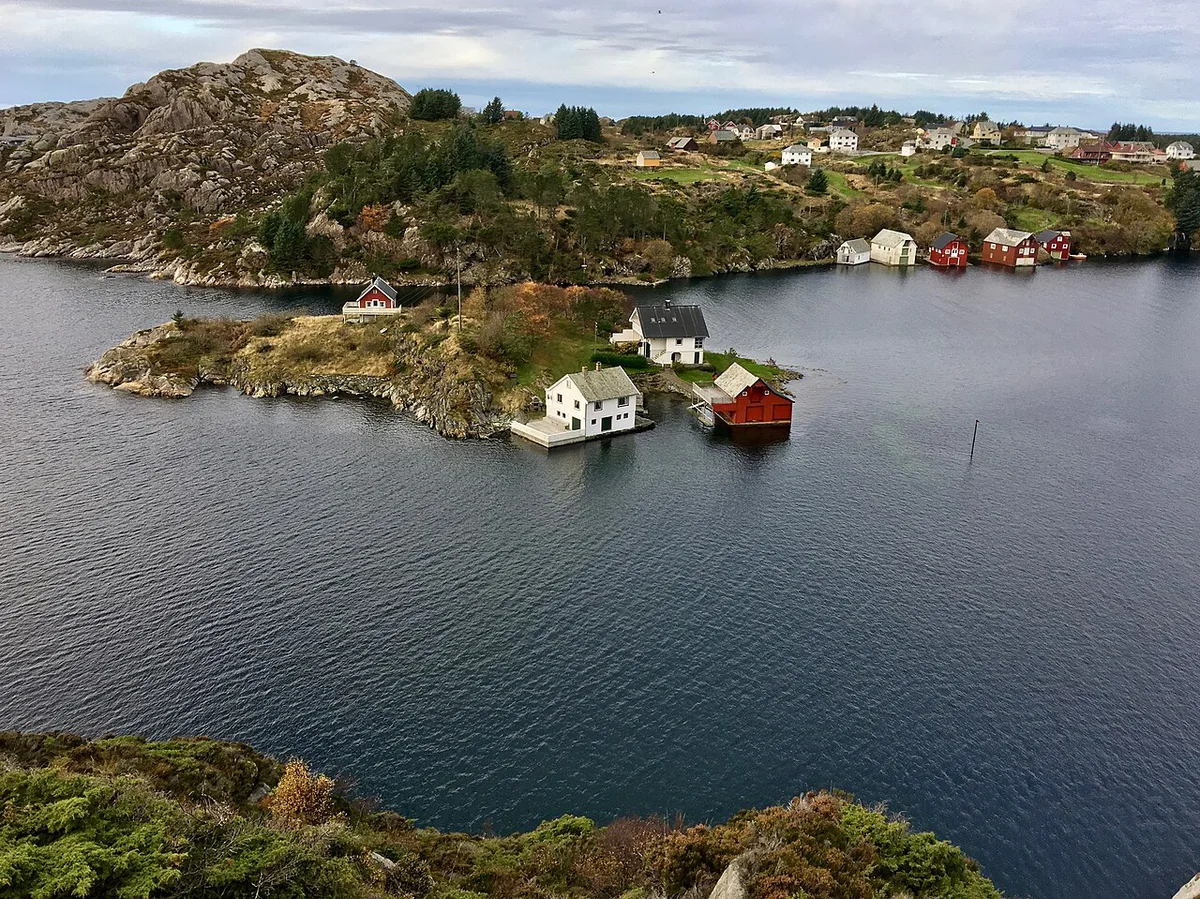
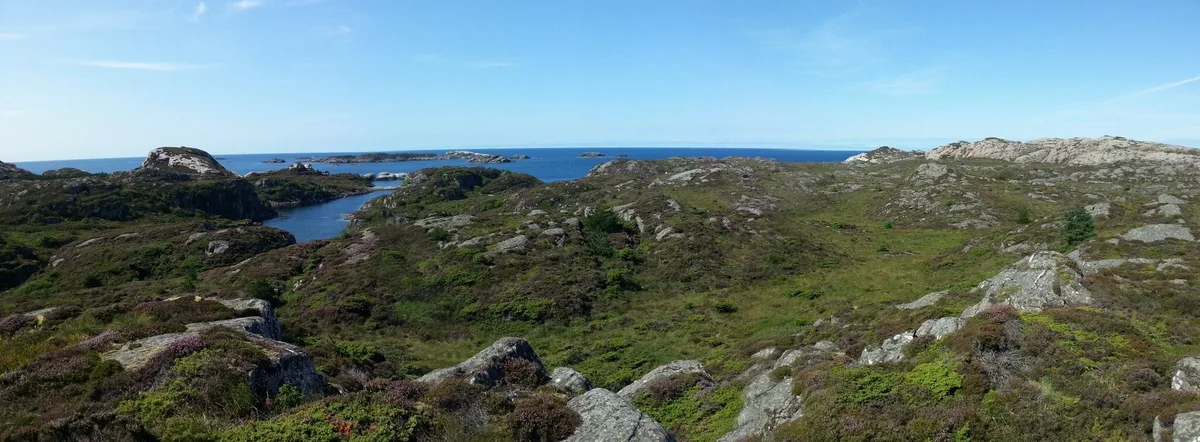
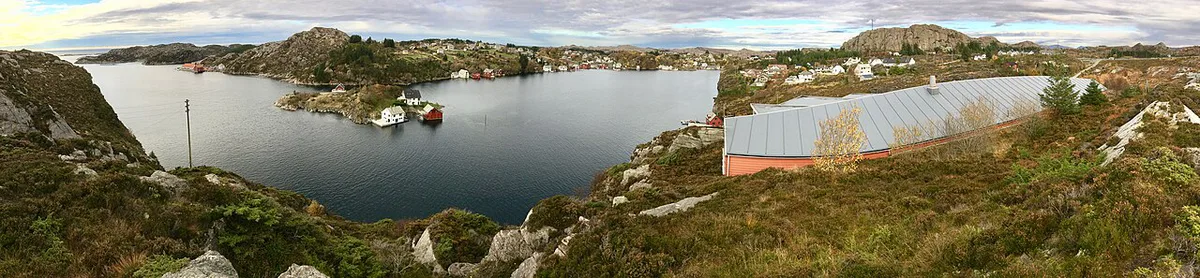
Telavåg lies on the island of Sotra in Øygarden Municipality, Vestland county. Until 1942 it was a small, little-known fishing community. Its seamen knew the sea well, which made the village a natural base for the North Sea traffic, the illegal boat crossings between Norway and the UK during World War II. That role proved fateful. Nordsjøfartmuseet, the North Sea Traffic Museum, now stands as a monument to the people of Telavåg who lost their lives. It opened on 26 April 1998 and is run under Museum Vest. In autumn 2026 it opens on Sundays only, so day planning starts with the calendar.
The Telavåg tragedy, April 1942
In April 1942 two agents from the UK reached Telavåg and were hidden by villagers. Wikipedia names them as Arne Værum and Emil Hvaal of the Linge company. An informer told the Gestapo. On 26 April 1942 the Gestapo arrived, and shots were exchanged. Two Gestapo officers, Gerhard Berns and Henry Bertram, died, as did Værum. Reichskommissar Josef Terboven then oversaw the reprisal. On 30 April, buildings were blown up, boats were sunk or taken, and livestock was removed. Men aged 16 to 60 were sent to German concentration camps, including Sachsenhausen. Women, children and the elderly were interned first at Storetveit in Bergen and later at Framnes in Hardanger. Wikipedia gives 72 deportees, of whom 31 died in captivity. Museum and tourism-board texts say almost half of the men never returned. Sources word these figures differently, so quote the museum's own exhibition text when you need exact numbers.
Why Telavåg is compared to Lidice and Oradour-sur-Glane
Wikipedia describes the event as smaller in scale but often compared to Lidice in the Czech Republic and Oradour-sur-Glane in France. That wording lacks a firm citation, so treat it as context rather than settled fact. Telavåg's story stands on the documented events above. Its legacy also reached the concert hall: a musical work, The Telavåg Tragedy by Håkon Berge, premiered at the 2024 Bergen International Festival.
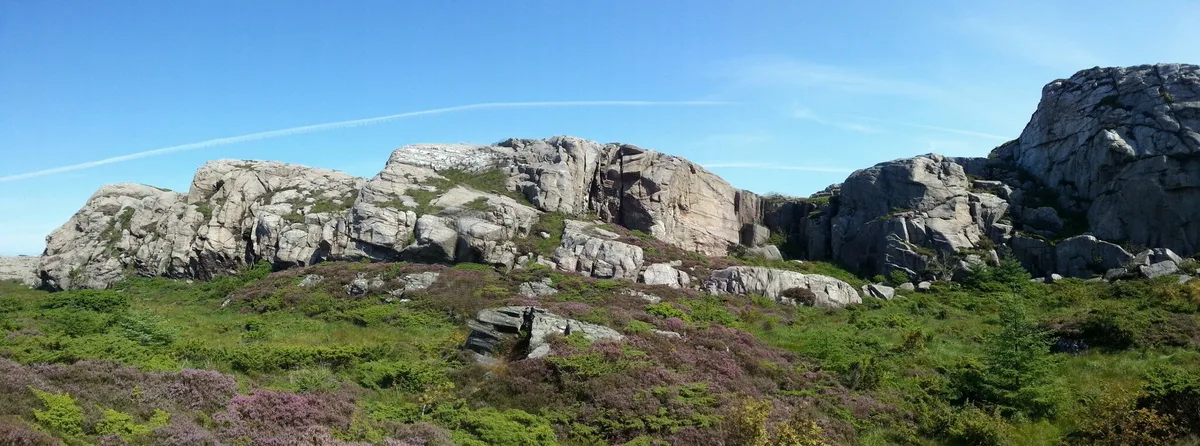
What you see at the North Sea Traffic Museum (Nordsjøfartmuseet)
A permanent exhibition covers the Telavåg tragedy and North Sea traffic during the war. Changing exhibitions focus on war and peace. Rare artefacts and authentic photos are on display. Free audio guides come in 3 languages: Norwegian, English and German. A museum film, "the Telavåg tragedy", adds background. The mobile app "Telavåg 1942" guides you to sites around the village in Norwegian and English. Leif Larsen, nicknamed "Shetland-Larsen", features as a central figure in the boat traffic. Wikipedia's "Shetland bus" entry covers that wider story. A café with a sea-view terrace serves pancakes and cakes daily, and a shop sells books and locally made gifts. The museum is universally designed and listed as suitable for disabled visitors. Allow roughly 1.5 to 2 hours, which is our own estimate rather than a museum figure.
- Permanent exhibition on the 1942 reprisal and North Sea traffic
- Film and "Telavåg 1942" app for the village sites
- Free audio guides in 3 languages, included in your ticket
- Café terrace and a shop with locally produced items
Getting to Telavåg from Bergen: bus vs car
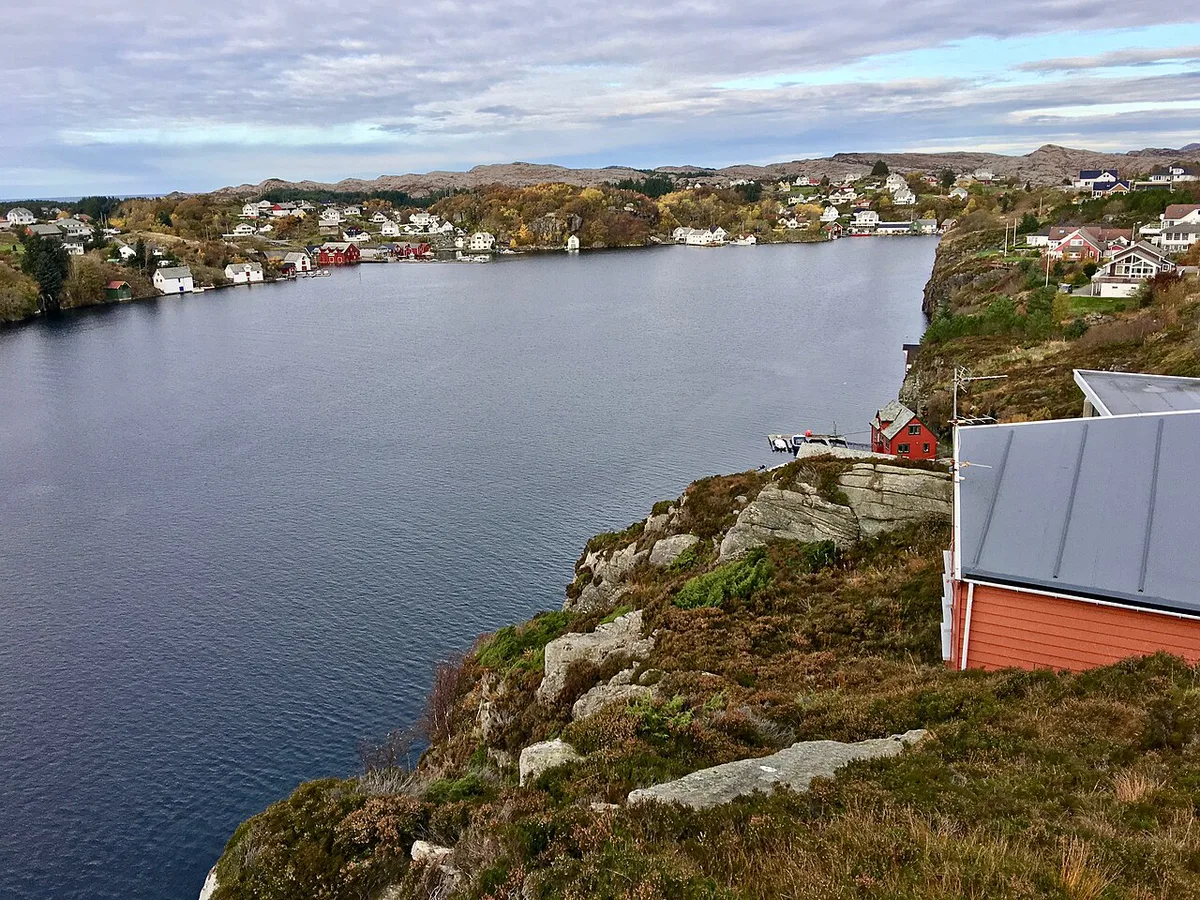
Take bus 459 from Bergen bus station. The bus is signed "Sotra sør", and the museum stop is Nipa Byggefelt. Listed Sunday times are 10:40 out and 15:06 back, with a journey of about 1 h 10 min. Added together, that means arriving near 11:50, just before the 12:00 autumn opening. Your visit window is then about 3 hours before the return bus. By car, follow Rv 555, turn left at the roundabout after the Kolltveit Tunnel, and follow the signs to Telavåg. The museum is on the left before the village, about 40 minutes from Bergen. Summer schedules apply from around the last week of June until school starts in August. Check skyss.no for current departures, as listed times can change.
| Bus 459 | Car via Rv 555 | |
|---|---|---|
| Journey time | About 1 h 10 min | About 40 min |
| Weekday outbound | 09:40 and 11:30 | Your own schedule |
| Weekday return | 13:18, 15:14 or 17:17 | Your own schedule |
| Saturday | 10:55 out, 15:27 back | Your own schedule |
| Sunday | 10:40 out, 15:06 back | Your own schedule |
| Bergen Card | Free bus ride | Not applicable |
Tickets, Bergen Card and opening times
Prices checked November 2026 on the Visit Bergen museum listing: adults pay NOK 130, students NOK 65, and under-18s enter free. Tickets include the audio guide. A Bergen Card gives free museum entry and a free bus ride to Telavåg. Autumn season runs 1 September to 30 November 2026, Sundays 12:00 to 17:00, with Monday to Saturday and bank holidays closed. As of 25 November, only Sunday 29 November remains in that season. From 1 December 2026 to 31 January 2027 the museum opens by appointment. The listed phone number is 53 00 61 50, and winter visits need a booking.
Students pay NOK 65 and under-18s enter free, but autumn visits only run on Sundays, so price is not your main constraint.
| Item | Listed detail |
|---|---|
| Adult | NOK 130 |
| Student | NOK 65 |
| Under 18 | Free |
| Autumn season | 1 Sep–30 Nov 2026, Sundays 12:00–17:00 |
| Winter | 1 Dec 2026–31 Jan 2027, by appointment |
| Bergen Card | Free entry and free bus 459 ride |
Planning your day: three realistic routes
Bus times and the Sunday-only autumn season shape every plan. Pick the route that matches your transport and group.
- Bergen Card on the bus: ride bus 459 free on a Sunday at 10:40, enter free at 12:00, then catch the 15:06 return. Confirm departures on skyss.no first.
- Car day: leave Bergen about 40 minutes before opening, visit the museum, then walk part of the North Sea Trail. Trail surface is not described in the listing, so ask the museum about conditions.
- Group or guided visit: the museum can arrange a guide for a North Sea Trail walk. Groups that book ahead can also request a more varied café menu.
Visiting respectfully and who Telavåg suits
This is a memorial to a community, not a casual stop. Exhibitions deal with executions, deportation and internment. Parents should judge for themselves whether a child is ready, as the museum publishes no age guidance. Speak quietly, follow staff instructions, and treat the rebuilt village as a living place. Avoid four common mistakes: arriving on a closed day, assuming the museum is in Bergen, relying on summer timetables, and treating the visit as a quick photo stop.
Set aside 1.5 to 2 hours inside, and factor in that the museum gives no age guidance before you bring children.
What to combine with Telavåg
Visit Bergen also lists the Coastal Museum in Øygarden and Herdla Museum on Askøy, 45 km from Bergen, which covers a German WWII air base. For the wider picture, start with our Norway WW2 overview. Each guide below covers a different part of the occupation.
- Oslo's occupation-era sites for the capital's wartime history
- Oscarsborg Fortress: History, Ferry & Visitor Guide for the fortress story
- Vemork and the heavy water sabotage for another resistance operation
- Narvik War Museum: What to See and Visit Tips for the northern campaign
- Tirpitz Museum: Denmark Bunker vs the Norway Battleship Sites for naval history
- Atlantic Wall defences in Norway for coastal fortifications
- Finnmark under occupation for northern-Norway context
- Mo i Rana's Blood Road for more northern occupation history
For trip-planning details, see Norwegian Armed Forces Museum.
Keep planning
Guides on the same trip