7 Best Sites on the Verdun Battlefield: What to See and How Long You Need
Plan your visit to the Verdun battlefield. Compare 7 sites, from forts to the ossuary and memorial museum, with half-day and two-day routes and access notes.

In this guide
Last updated November 2026: the Verdun battlefield is a cluster of separate sites north and east of the town, not a single park. Expect an ossuary, two forts, a memorial museum, a trench memorial, destroyed villages and an underground citadel in town. A car or a guided tour is the practical way to link them, and a full visit fits one long day or two relaxed ones.
Featured image: Jean-Marie Mangeot, CC BY-SA 3.0, via Wikimedia Commons.
Verdun Battlefield at a Glance
The Battle of Verdun ran from February to December 1916. French troops retook Douaumont on 24 October, and German forces abandoned Fort Vaux on 2 November. Fighting ended on 18 December. Those dates explain why the forts, the ossuary and the memorial museum each tell a different part of the story. Interpretation of the battle is available at the Mémorial de Verdun. Our guide routes you by time, interest and mobility, and leaves the detail to the linked guides for each site.
- Best for a first visit
- Start with the ossuary, Fort Douaumont and the memorial museum, which sit close together on the east bank.
- Best for a short visit
- Pick one fort and the ossuary, then add the Trench of Bayonets if time allows.
- Best for rain
- The memorial museum and the town citadel are the strongest indoor options.
The 7 Best Sites on the Verdun Battlefield
Each entry below says what you see, who it suits and how it fits a route. Opening hours and fees change by season, so use the official sites linked in each entry and in the tickets section. Entries run roughly from the east-bank memorials to the town itself.
1. Douaumont Ossuary and Cemetery
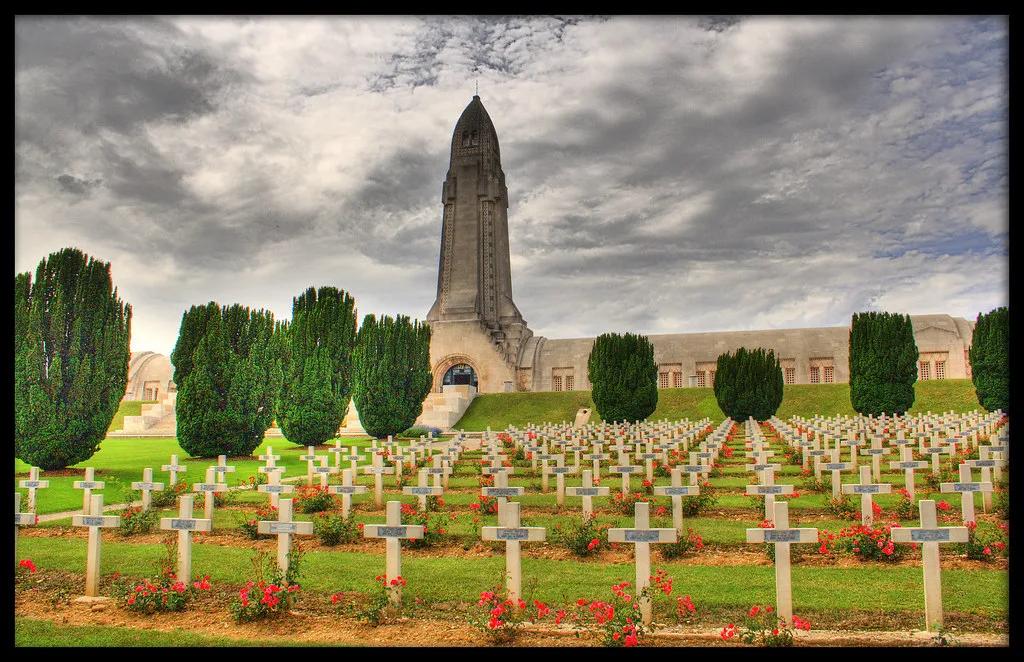
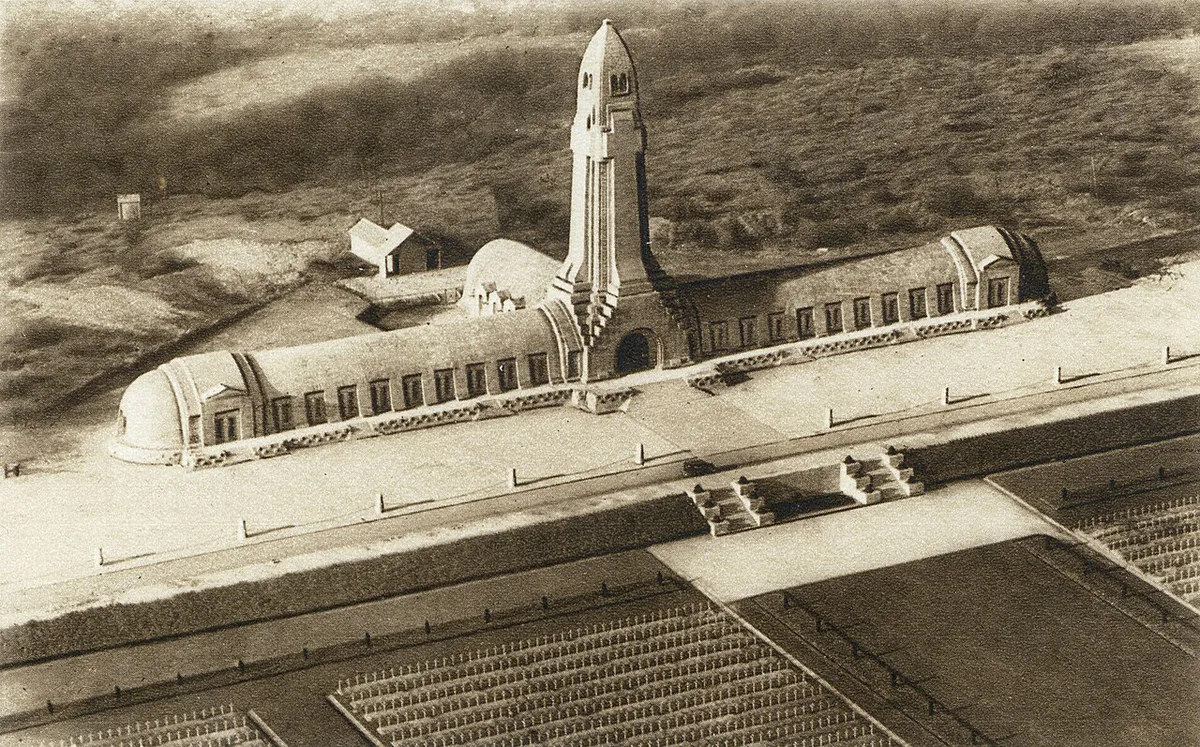
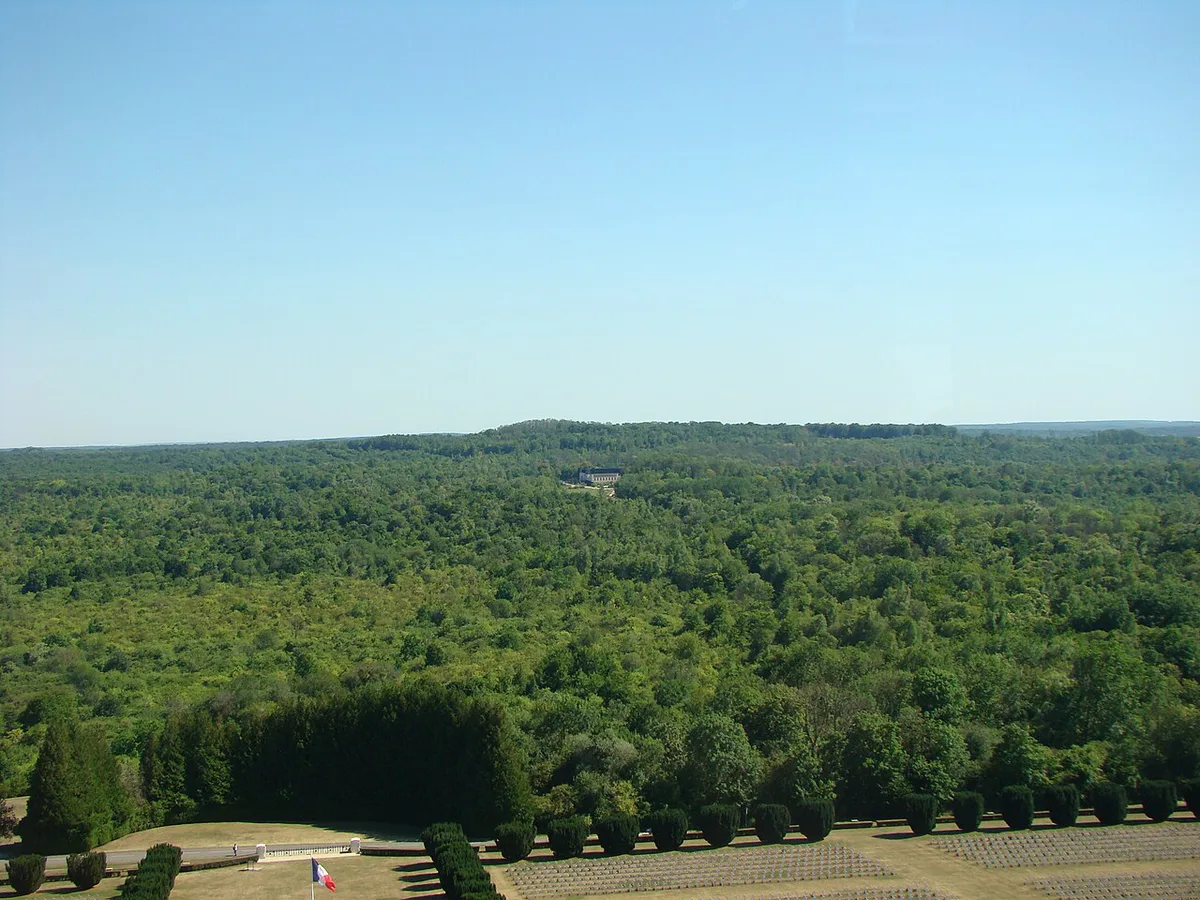
Douaumont Ossuary is the main place of remembrance on the battlefield. It holds the remains of soldiers who could not be identified, and a large cemetery lies in front of it. Start here if you want the human scale of the battle before you visit any fort. Our ossuary and cemetery guide covers the building and the grounds in more detail.
Current visiting information is on the official ossuary website. Treat the building and cemetery as a memorial. Keep your voice low, dress modestly and photograph with restraint. Skip it only if you want a purely military-engineering visit.
2. Fort Douaumont
Fort Douaumont is the best-known fortification at Verdun. French forces retook it on 24 October 1916 after German troops had largely abandoned it. You walk through its underground galleries and over the roof, so wear sturdy shoes and a warm layer. Read our guide to Fort Douaumont's underground galleries before you go.
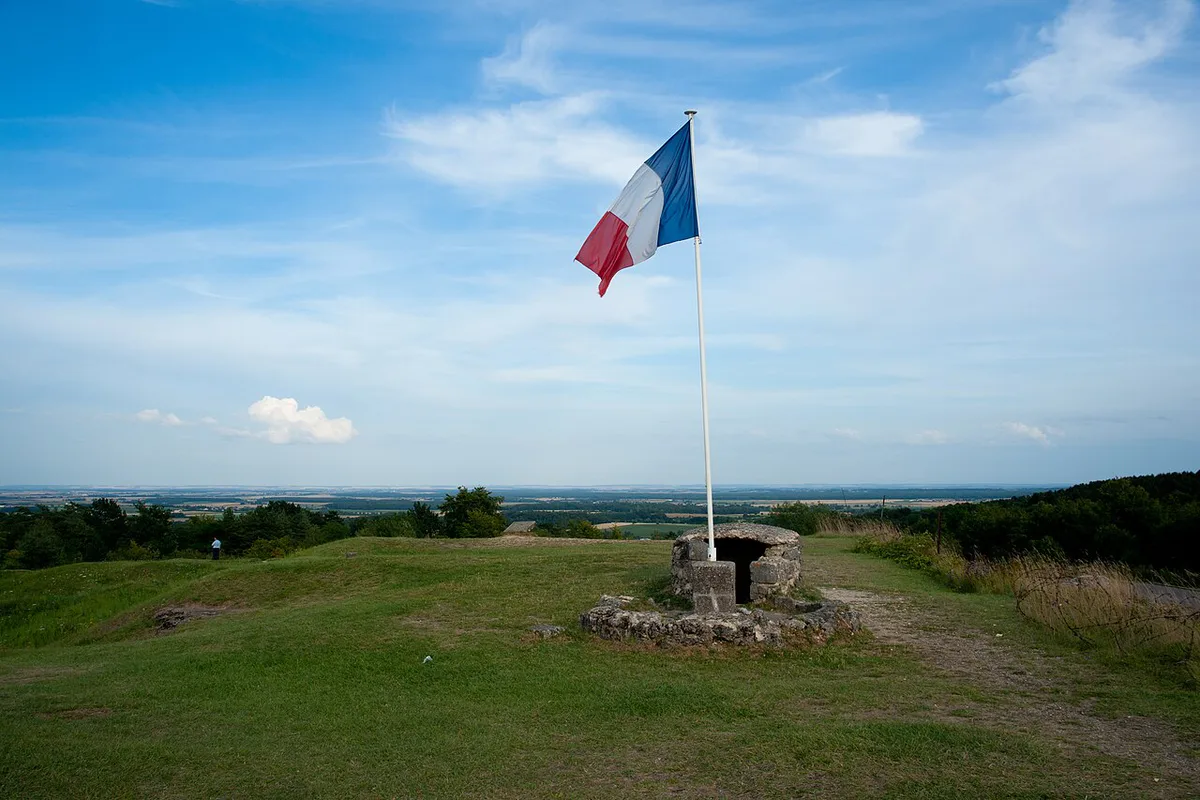
Visit details are on the national monuments site. It suits readers who want scale and tunnels in one stop. Skip it if narrow, cold, uneven passages are a problem for you.
3. Fort Vaux
Fort Vaux is smaller than Douaumont and gives a more compact picture of life underground. German forces abandoned it on 2 November 1916, after about a week of French heavy bombardment. Its galleries are tight, so the visit feels closer and quieter than the larger fort. Our page on Fort Vaux's smaller galleries compares the two. Choose Vaux if you want to see a second fort without a long visit. Skip it if you have already toured Douaumont and want to spend the time at the museum instead.
4. Verdun Memorial Museum
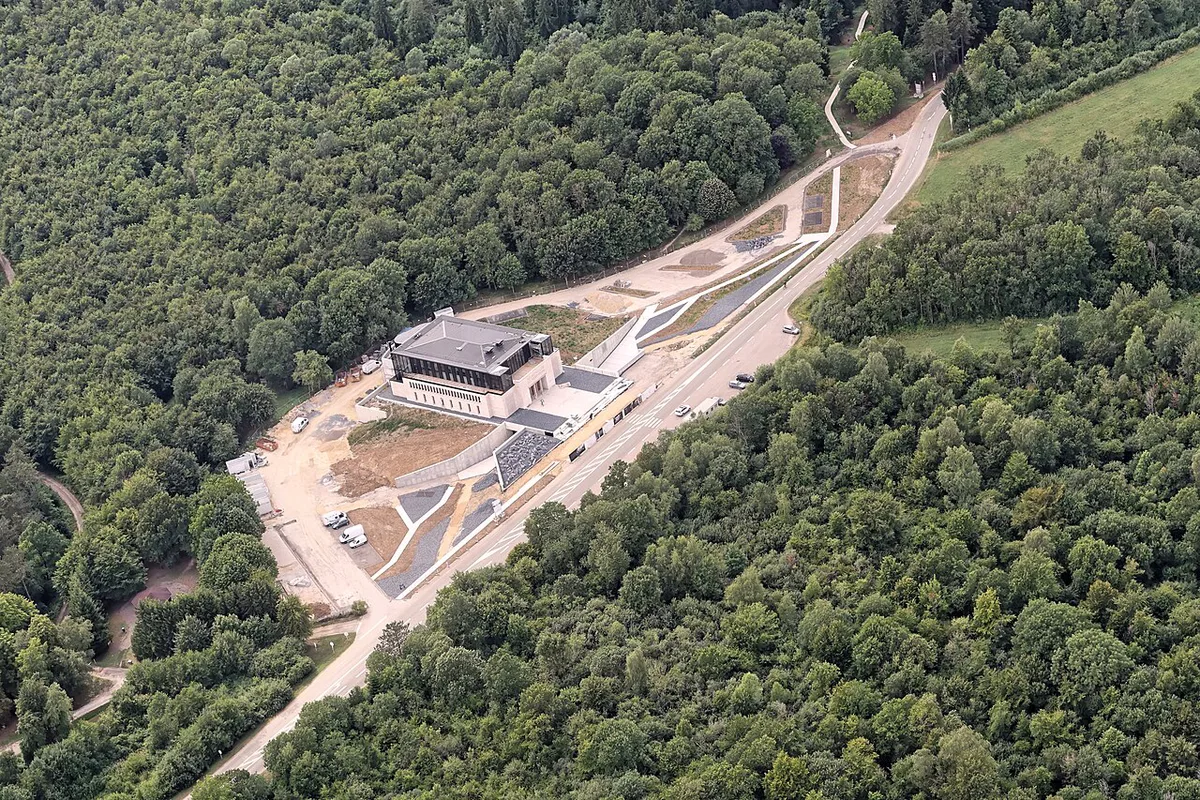
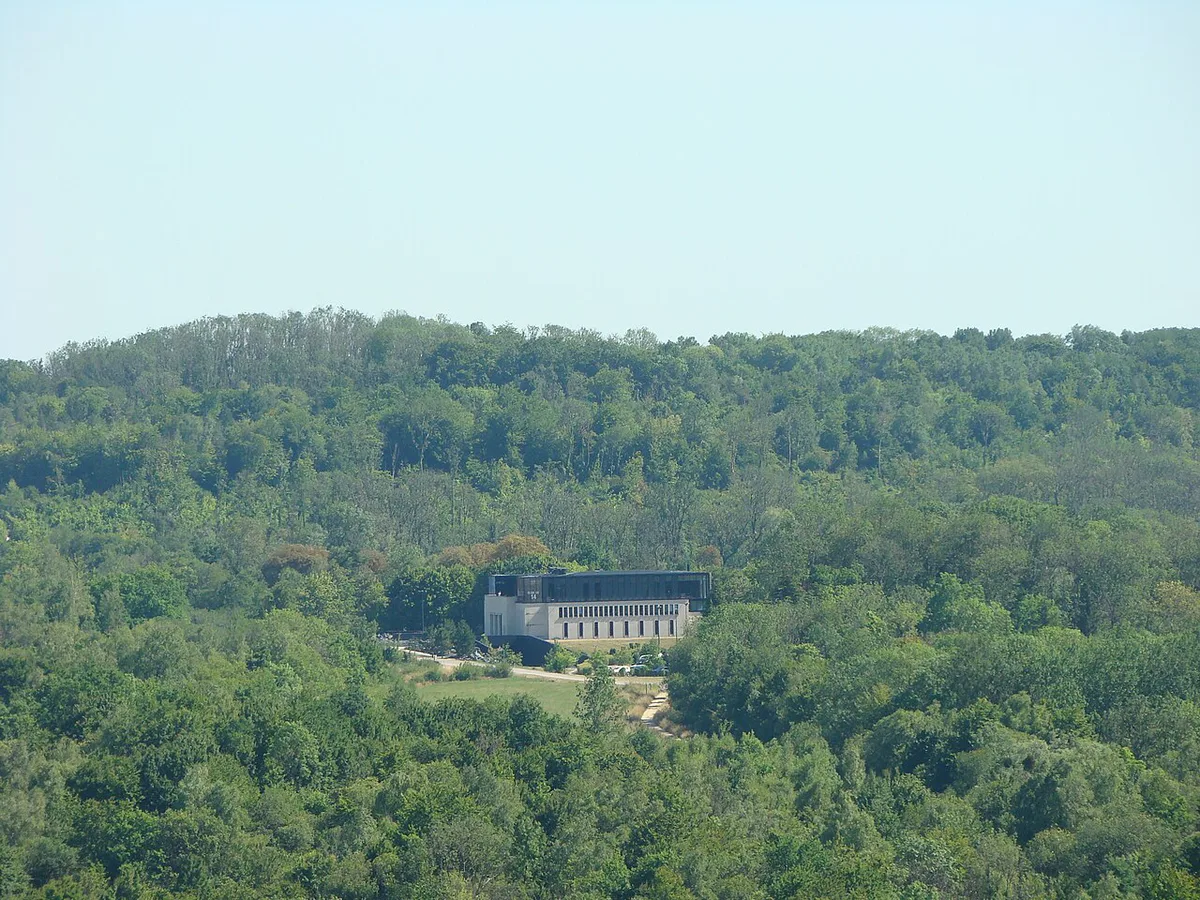
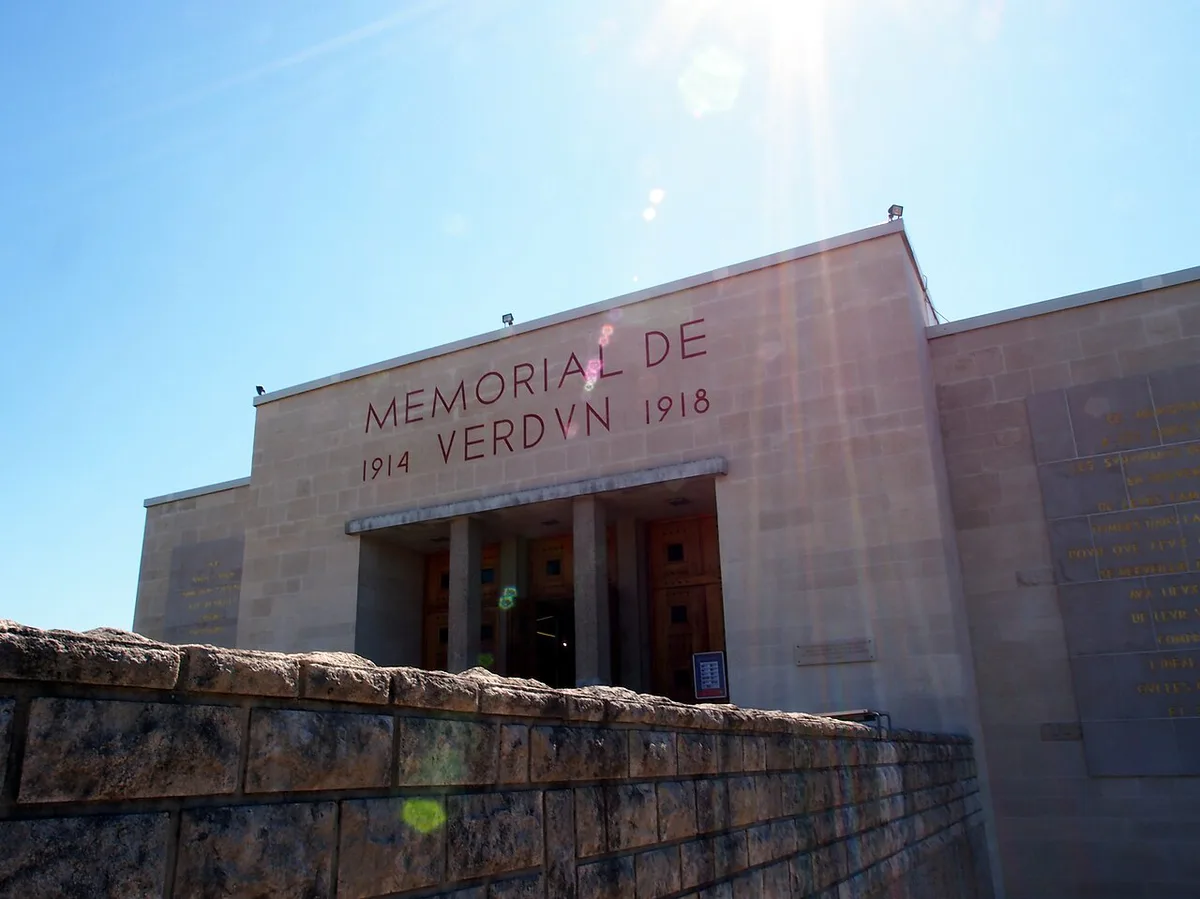
The memorial museum stands at Fleury-devant-Douaumont, one of the destroyed villages. It is the best place to understand the battle as a whole, with the history arranged indoors. Because it is under cover, it works well on wet days and for visitors who want less walking. Read about the museum at Fleury-devant-Douaumont to plan your time. Opening times and tickets are listed on the museum's own site. Pair it with a fort for a balanced day. Skip it only if you want outdoor sites alone.
5. Trench of Bayonets
The Trench of Bayonets is a memorial site close to the ossuary area. A protective structure stands over the trench, and visitors view it from outside. Short and quiet, it is easy to add to a longer route and needs little time. Our page on the memorial over the bayonet trench explains the setting. It suits visitors with limited time or mobility. Skip it if you want a hands-on, walk-through experience, because this is a place to pause and reflect.
6. Destroyed Villages
Several villages in the battle zone were destroyed in 1916, and the sites are kept as memorials. Markers and paths show where streets, churches and houses once stood. Fleury-devant-Douaumont is the village most visitors reach first, because the memorial museum is there. Our guide to the destroyed villages of the battlefield lists the others. Walking here shows the landscape, not a building, so wear good footwear. Stay on marked paths. Skip it in heavy rain, when the ground turns soft.
7. Citadel of Verdun
The citadel lies in the town itself and needs no drive into the countryside. It is an underground complex that makes a good wet-weather or end-of-day stop. Visitors tour it by guided ride or walk, and the setting is cool underground. Our page on the underground citadel in town explains what to expect. Details are on the citadel's official site. Skip it if you have only a half day and want to spend it on the east bank.
How Much Time Do You Need? Half-Day, One-Day and Two-Day Routes
Plan around driving between sites, not only the visits themselves. The routes below keep you on the east bank first and finish in town, which limits backtracking. Verify opening hours for the day you travel, because some sites close at lunch or in winter. A guided battlefield tour follows a similar order and handles the driving for you.
| Route | Sites in order | Best for |
|---|---|---|
| Half day | Ossuary, then Fort Douaumont | Short stop, first visit |
| One day | Ossuary, Fort Douaumont, Trench of Bayonets, Memorial Museum, Fort Vaux | Most visitors |
| Two days | Day one as above; day two: destroyed villages, citadel, and a Western Front extra | History readers, children, slower pace |
Getting There and Getting Around
The sites sit across the countryside north and east of Verdun, so they are not a walk from the town. A car gives you the most freedom, because you can stop where you like and leave when the weather turns. Without one, a guided tour is the realistic alternative. Our guide to a day trip from Paris by train explains how to reach Verdun and add a local tour for the battlefield. Check the rail operator's timetable for your date, then book the local tour in advance.
Tickets, Opening Hours and Seasonal Closures
Ticket rules differ at each site, and some places close in winter or at lunch. Official sites list current fees, hours and last entry. The Verdun tourist office is the best single place to compare them. Ask there whether a combined ticket covers the sites you plan to visit. Prices and hours checked November 2026.
| Site | Type of visit | Where to check |
|---|---|---|
| Douaumont Ossuary | Memorial building and cemetery | Official ossuary site |
| Fort Douaumont | Fort, underground and roof | National monuments site |
| Fort Vaux | Fort, underground | Verdun tourist office |
| Verdun Memorial Museum | Indoor museum | Official museum site |
| Citadel of Verdun | Underground visit in town | Official citadel site |
Which Site Is Right for You?
Match the site to your interest, your mobility and the weather. Children usually do better with the forts, where the tunnels hold attention, than with a long museum visit. Visitors with reduced mobility should ask each site about access before travelling, since fort passages are uneven.
| If you want | Choose | Skip if |
|---|---|---|
| Remembrance and quiet | Douaumont Ossuary | You dislike memorials |
| Tunnels and scale | Fort Douaumont | Cold, uneven ground is hard |
| A compact underground visit | Fort Vaux | You have already seen Douaumont |
| A rainy-day option | Memorial Museum or citadel | You want outdoor sites |
| Landscape walking | Destroyed villages | Ground is soft after rain |
Beyond Verdun: Related Western Front Sites
Two further sites suit a longer trip in the region. The Vauquois hilltop and its craters is a separate excursion, with details on the hill's association site. The American cemetery at St. Mihiel is a quieter stop for a second day. Both need a car and fit best into a two-day plan, not a half day.
Where to Stay
Staying in Verdun town puts you near the citadel and restaurants, and the battlefield sites are a short drive away. Staying elsewhere in the Meuse can cost less but adds driving each morning. The Meuse tourism site lists options across the area. Choose the town if you plan an early start on the east bank.
Visiting Respectfully and Safely
Cemeteries and the ossuary are memorials, so dress modestly, keep voices low and photograph with restraint. Stay on marked paths, because unexploded ordnance remains in the battle zone. Wear closed shoes and a warm layer for the forts. Avoid these common mistakes.
- Trying to see everything in a few hours
- Choose three or four sites instead.
- Assuming the sites are walkable from town
- Plan a car or a tour.
- Arriving without checking seasonal hours
- Look up each site before you set out.
- Skipping the underground layers because of the cold
- Bring a jacket and go in.
Fort Douaumont or Fort Vaux?
Choose Fort Douaumont if this is your only fort visit. It is the larger, better-known stop, with underground galleries and a roof route. French troops retook Douaumont on 24 October 1916. Allow time for uneven surfaces, cold passages and the walk between levels.
Choose Fort Vaux if you want a more compact underground experience or have already visited Douaumont. German forces abandoned Vaux on 2 November 1916. Its tighter galleries can feel more enclosed, so it is less suitable for visitors uncomfortable in narrow spaces.
For a one-day route, pair Douaumont with the ossuary and memorial museum. Add Vaux only if you have enough time for a second fort. On a two-day visit, seeing both makes the differences in scale and atmosphere easier to appreciate.
For the rest of the Western Front, see our overview of WWI battlefields.
Frequently Asked Questions
Can you visit the Battlefield of Verdun?
Yes. The battlefield is a group of open memorials, forts, a museum and the ossuary around Verdun. Plan a car or guided tour, and check each site's hours.
Was Verdun trench warfare?
Yes, trenches and fortified positions shaped the fighting from February to December 1916. You can see the Trench of Bayonets and the forts today.
Explore More Guides
Keep planning your trip with these guides.
Guides
- Douaumont Ossuary: Visiting Guide and What to See
- Visit Fort Douaumont
- Fort Vaux Guide
- Verdun Memorial Museum: Visit Guide and Plan
- Trench of Bayonets (Tranchée des Baïonnettes)
- The Destroyed Villages of Verdun
- Citadel of Verdun: Underground Visit, Tickets & Tips
- Verdun from Paris: Train, Tour or Car Day Trip Guide
- Verdun Battlefield Tour: Guided, Self-Drive or Day Trip
- St. Mihiel American Cemetery
- Butte de Vauquois: Mine Craters, Tunnels and Visiting Guide
Keep planning
Guides on the same trip