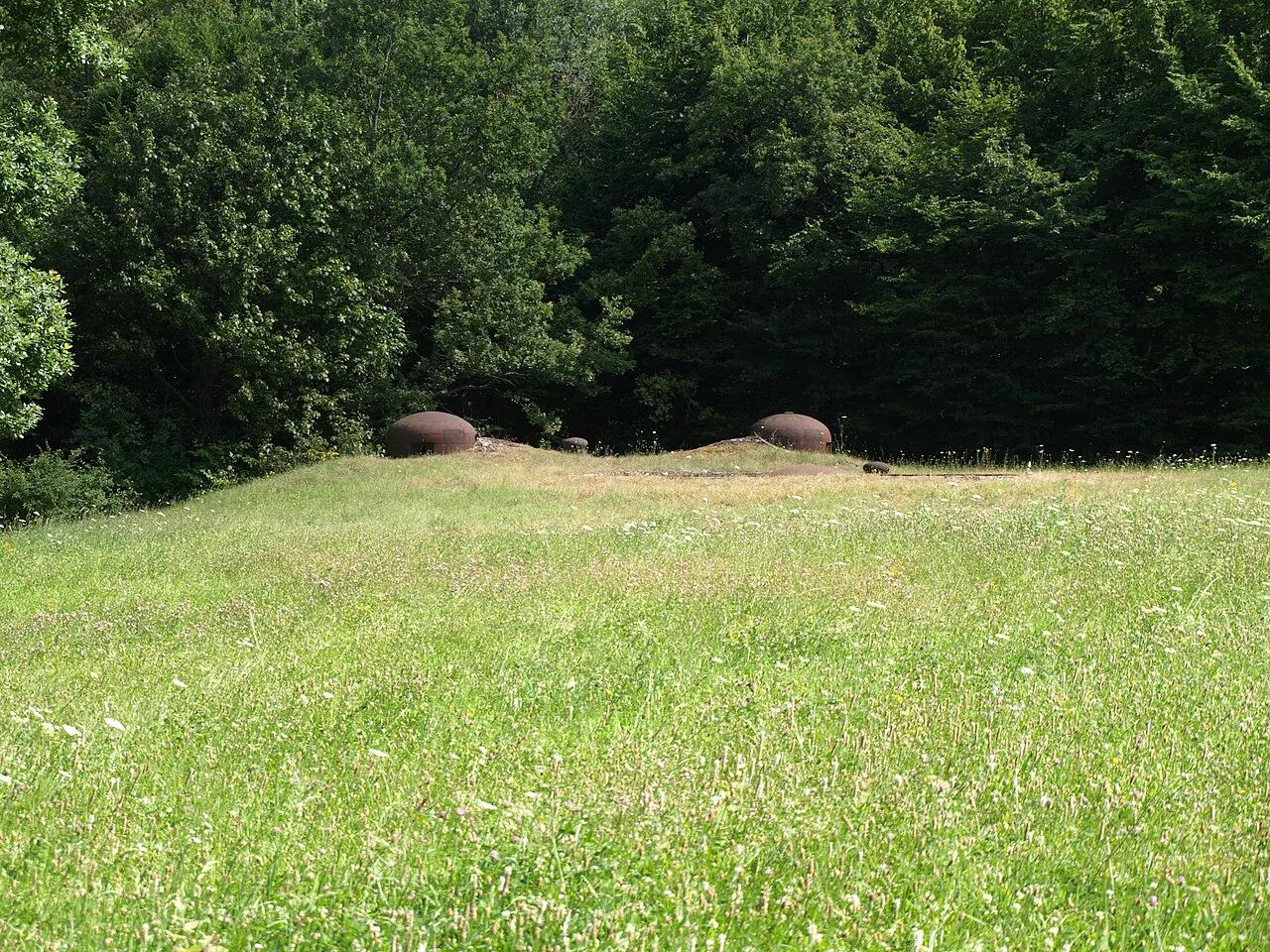
8 Alsace War Sites: WWI, Maginot Line & WWII by Area
8 Alsace war sites grouped by area: WWI battlefields, Maginot forts, Natzweiler-Struthof and Colmar Pocket sites, with costs, access and timing.

In this guide
Last updated November 2026: Alsace war sites divide into three areas, and each area suits a different day. Natzweiler-Struthof sits in the central Vosges, the Maginot forts lie in the north, and Hartmannswillerkopf, Linge and the Colmar Pocket sit in the south. Pick by war first, then by base city.
Featured image: (vincent desjardins), CC BY 2.0, via Flickr.
Quick pick: which Alsace war sites suit you
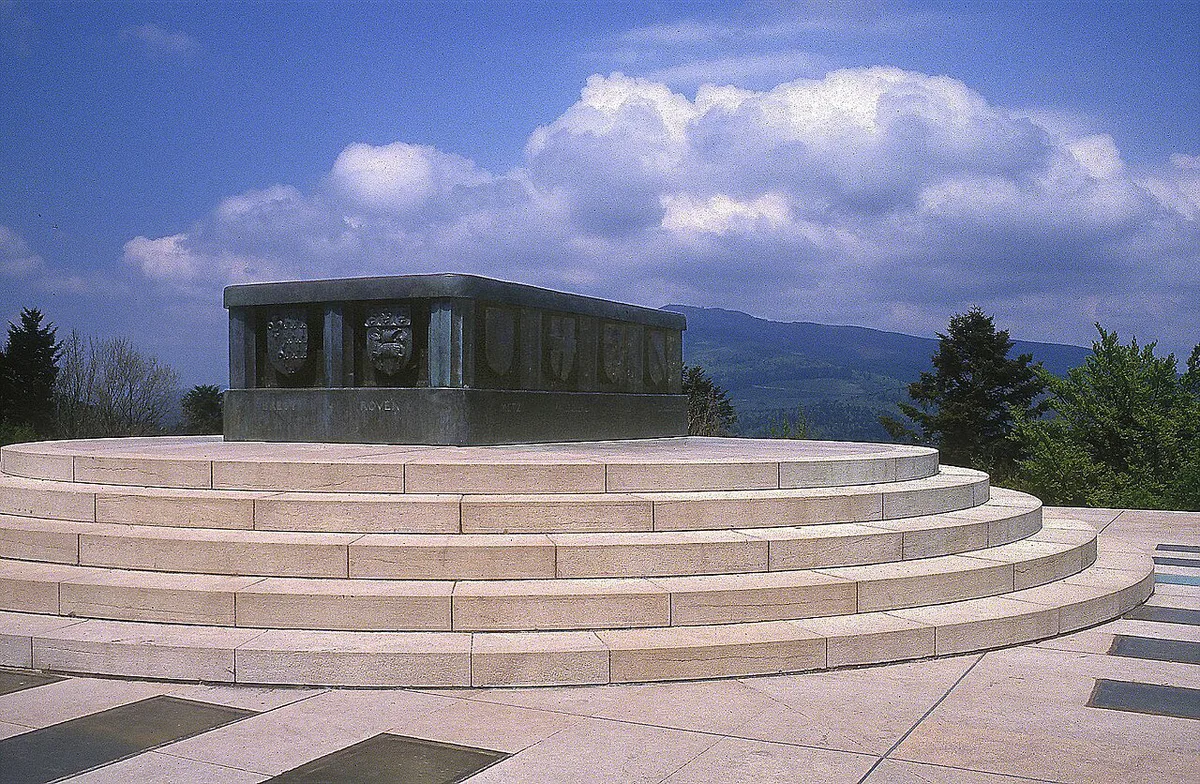
Choose by era, because the region covers four distinct stories. For the Nazi camp and the resistance, start with the Natzweiler camp guide. For WWI, head to the Vosges summits in the south. For 1939–40, pick one Maginot fort in the north. For the 1944–45 liberation, follow the Colmar Pocket sites. Times below are planning estimates, not published visit lengths.
Budget 2–3 hours for one Maginot fort, since Four à Chaux alone has 5 km of tunnels.
| Interest | Site | Access | Intensity | Time |
|---|---|---|---|---|
| Holocaust and resistance | Natzweiler-Struthof | Car easiest | High | Half day |
| WWI battlefields | Hartmannswillerkopf, Linge | Car needed | Medium, steep paths | Half day each |
| Maginot Line 1939–40 | Schoenenbourg or Four à Chaux | Car needed | Medium, underground | 2–3 hours |
| Liberation 1944–45 | Colmar Pocket, Hatten | Car needed | Medium | Half day |
| German war cemetery | Niederbronn-les-Bains | About 1 km from the nearest station | Medium | 1–2 hours |
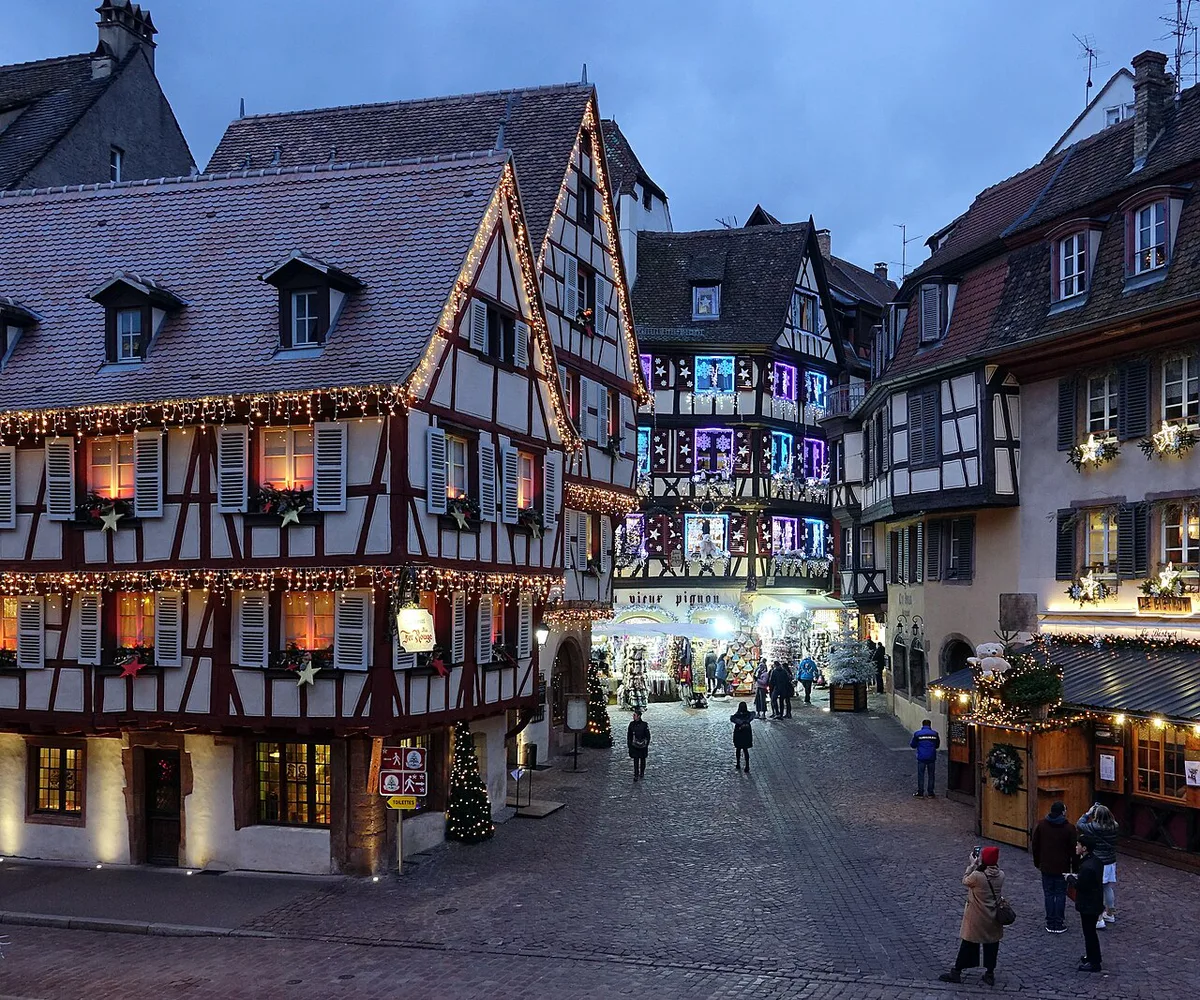
8 Alsace War Sites Worth Planning a Trip Around
Prices and hours checked November 2026. Each entry names the war, the area and who should skip it. Entries run roughly from the central Vosges to the north and south.
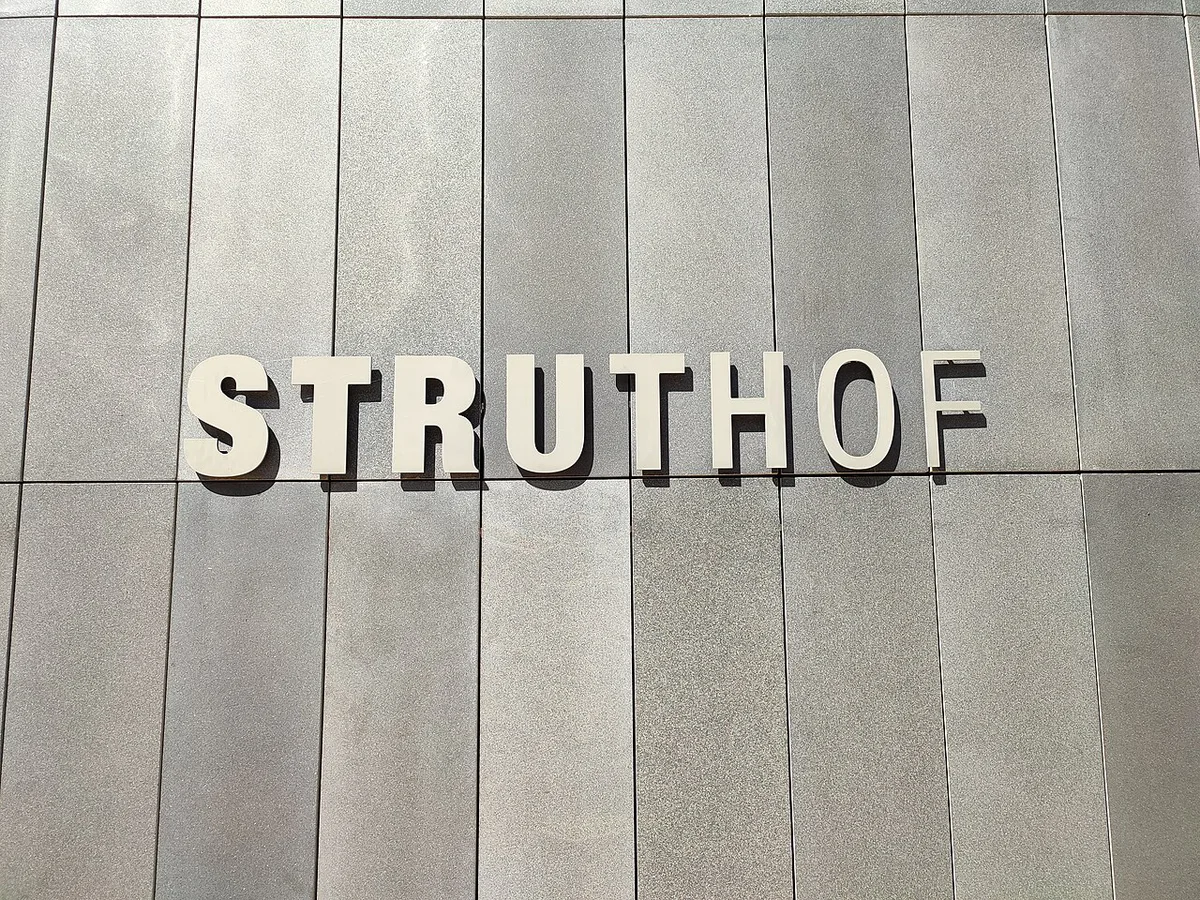
1. Natzweiler-Struthof, Natzwiller
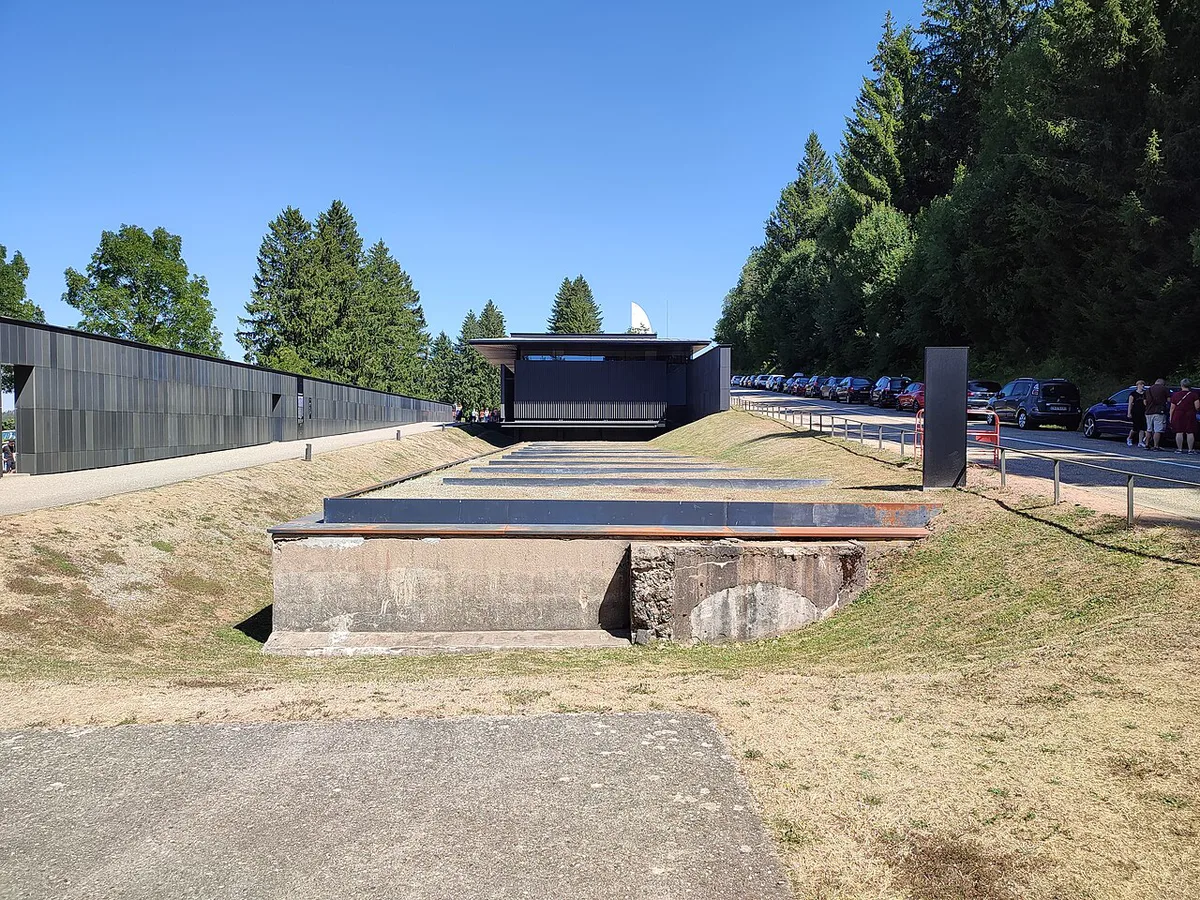
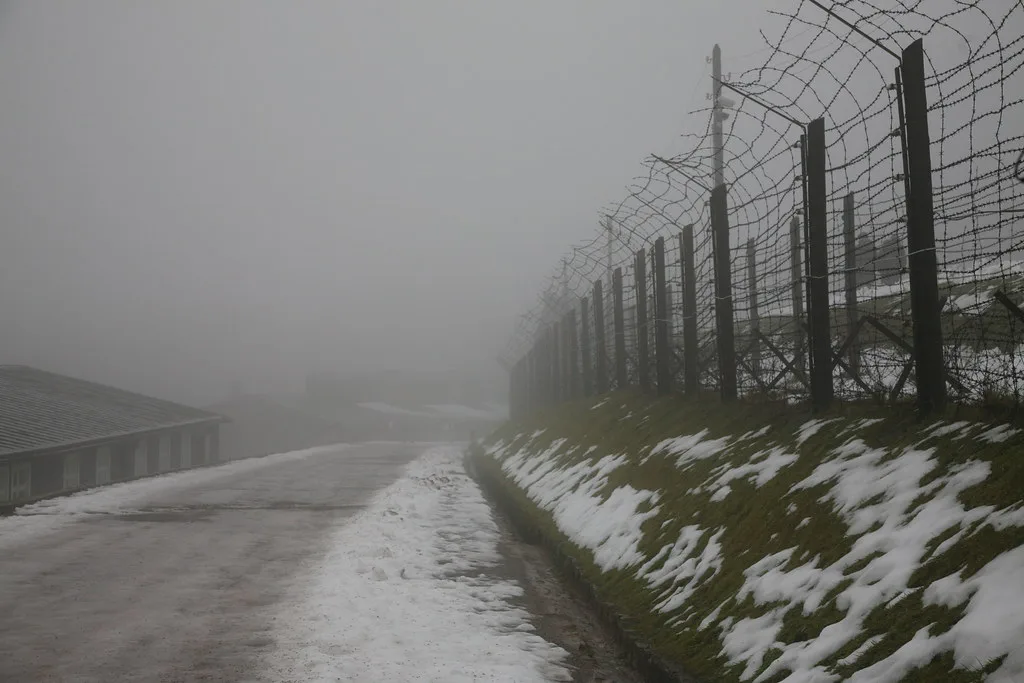
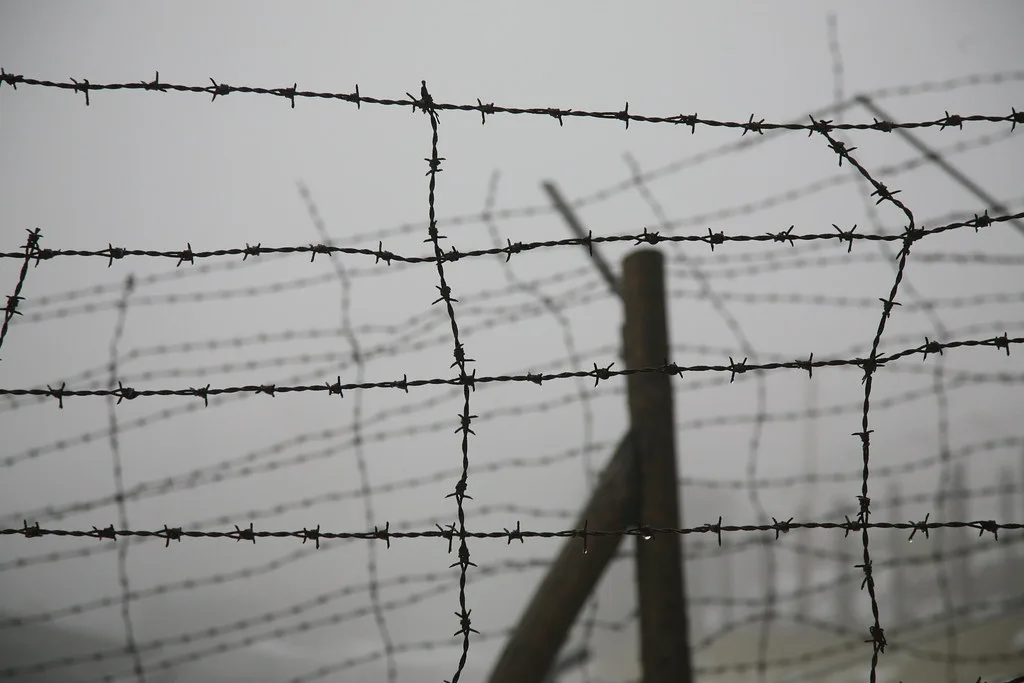
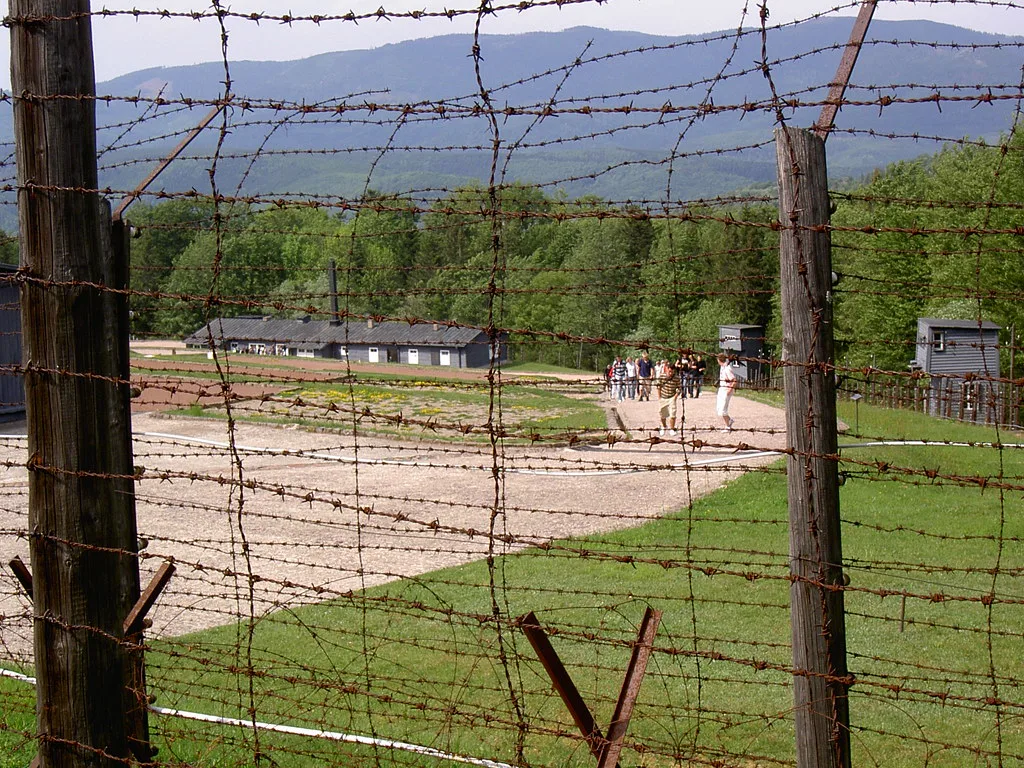
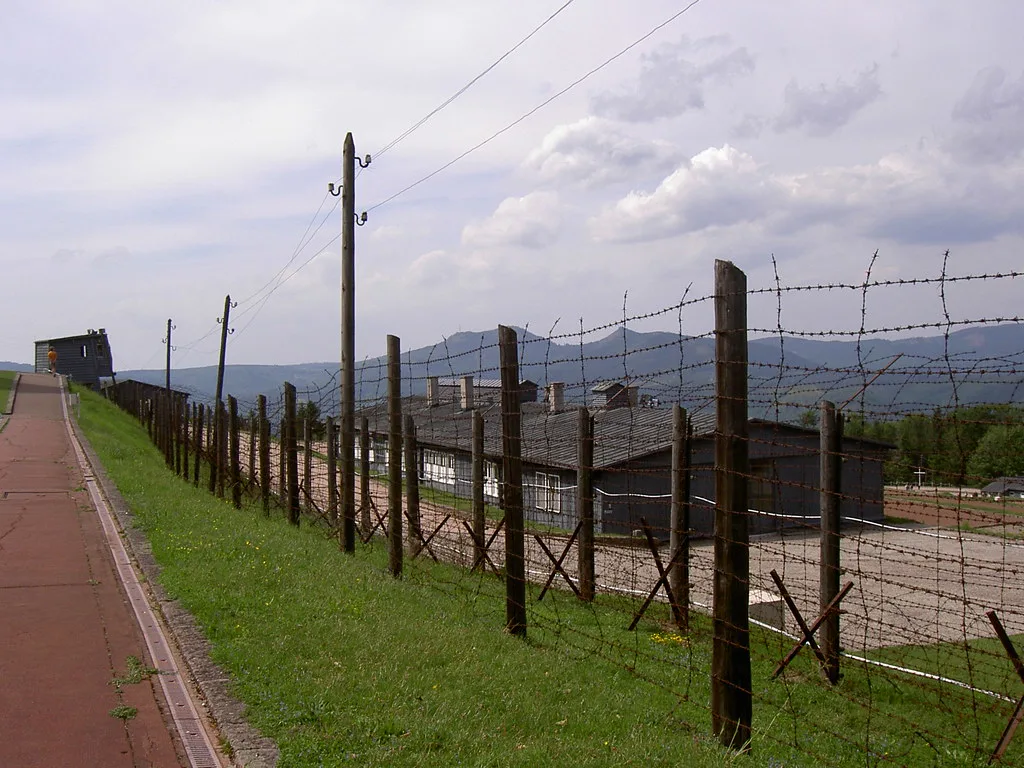
Natzweiler opened in 1941 to supply forced labor to the Reich. About 52,000 people were deported there, and one-third died. Surviving buildings include the prison and the crematorium, and a museum explains the camp's history. The gas chamber stands 1.5 km (about 0.9 miles) away and is also open to visitors.
The European Centre of Deported Resistance Fighters opened in 2005. Its permanent exhibition covers Nazism and resistance. Treat the site as a place of mourning and follow its posted rules. Skip it with small children, since the site has no facilities for them. Hours and tickets are on the official Natzweiler-Struthof site.
2. Hartmannswillerkopf, southern Vosges
This WWI mountain battlefield is the main First World War stop for visitors based near Colmar or Mulhouse. Trenches and paths remain on the summit, so you walk the ground rather than view it from a car park. Read this Vosges summit battlefield guide before you go. It covers the routes and the weather.
Summit paths are steep and uneven, and public transport does not reach the top. Wear walking boots and plan around snow in winter. The Hartmannswillerkopf Historial site carries current visiting details. Skip the summit if steep ground is a problem.
3. Le Linge memorial, southern Vosges
Le Linge is a second WWI ridge battlefield in the same southern cluster. It pairs well with Hartmannswillerkopf on a single day from Colmar or Mulhouse. Our Linge ridge memorial guide explains what survives on the ground. Expect ridge-top paths, changeable mountain weather and no public transport. The Linge official site publishes opening dates and visiting rules. Skip it in snow or fog, when paths become hard to follow.
4. Fort Schoenenbourg, Hunspach
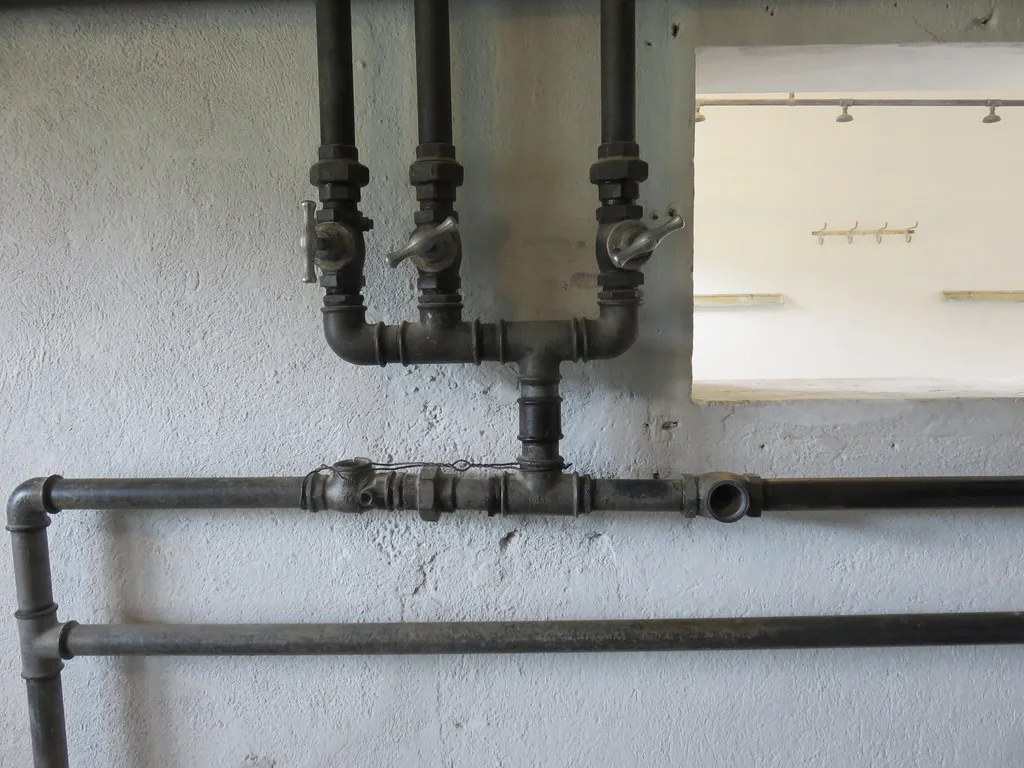
Fort Schoenenbourg shows how a major Maginot Line fortress worked. Tunnels run 3 km (about 1.9 miles) at 30 m (about 98 ft) underground, past barracks, a kitchen, an infirmary and a power plant. Combat blocks lie 1 km from the entrances, and the fort housed up to 630 men. In June 1940 it was the most heavily bombed Maginot fort but remained undefeated. Bring a jacket, because underground sections feel cool even in summer. Skip it if tunnels, stairs or enclosed spaces are a problem for you.
5. Four à Chaux, Lembach
Four à Chaux overlooks the Sauer valley near Lembach. Its 5 km of tunnels lie 30 m underground and once housed 624 men. After the June 1940 attack, the fort resisted for five days after the armistice. Germans later stripped it for Atlantic Wall use.
Visitors see dormitories, kitchens and an infirmary. Entrances sit 24 m apart, joined by a sloped passage. Choose one large fort rather than both, since they tell a similar story. Skip it with claustrophobia or limited mobility.
6. Musée de l'Abri Hatten, Hatten
This bunker museum sits 1 km behind the Maginot Line. It served as a barracks for 240 men, and 28 rooms are restored or used as exhibits. Outside you find military equipment from 1939 to the present. Indoors, a Malgré-Nous section and a hall of German and US gear cover the January 1945 battle of Hatten during Operation Nordwind.
A Memorial Forest of 114 trees honors civilian victims from Hatten and Rittershoffen, both largely destroyed in the fighting. Good for readers who want the 1945 story in a small, human-scale museum. Skip it if you only want WWI.
7. Colmar Pocket sites, southern Alsace
Fighting in southern Alsace through winter 1944–45 shaped the Liberation story around Colmar. Our Colmar Pocket battle sites guide maps the places to visit. The German military cemetery at Bergheim holds 5,309 soldiers, mostly killed in that winter fighting. It stands on Grasberg at 337 m and covers nearly 5 hectares. It was inaugurated on 7 June 1975. Plan this as a drive-between-stops day from Colmar. Skip it if you want museums with ticketed exhibits.
8. German military cemetery, Niederbronn-les-Bains
Niederbronn-les-Bains was largely spared in WWII. In 1966 it became the site of a German military cemetery with 15,809 burials, after transfers began in 1961. In 2009, the Albert Schweitzer Centre opened the permanent exhibition "War destinies". It presents 12 personal stories chosen from among the victims.
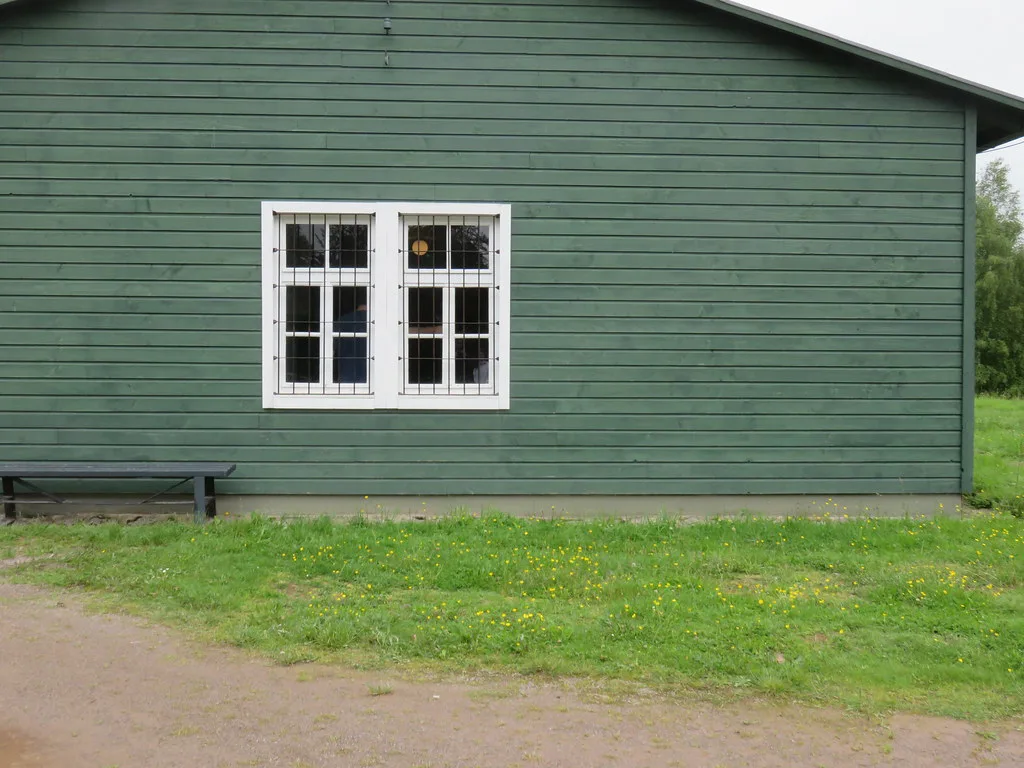
Visit Alsace lists an adult rate of €6 for the exhibition and says booking is necessary. Languages offered are French, German and English, and the nearest station is 1 km away. See the Visit Alsace tourism listing for current terms. Skip it if you want a battlefield rather than a quiet cemetery visit.
Lorraine cemeteries and the wider Alsace-Moselle story
Alsace's border history is tangled, and the Schirmeck memorial for Alsace-Moselle explains the Malgré-nous and the region's Franco-German past. Two Allied cemeteries sit just outside Alsace, in Lorraine. See the Lorraine American Cemetery guide and the Épinal American Cemetery guide. The American Battle Monuments Commission page carries the Lorraine cemetery's visiting details. The Koufra Oath markers trace General Leclerc's 2nd Armored Division from Normandy to Alsace. They recall the 1941 vow to fly the colors over Strasbourg Cathedral.
Sample itineraries by base city
From Strasbourg, a one-day plan pairs Natzweiler-Struthof with the Schirmeck memorial in the central Vosges. Add Strasbourg's wartime history on another evening. From Colmar or Mulhouse, spend one day on Hartmannswillerkopf and Linge, then give the Colmar Pocket sites a second. A 2–3 day loop runs north first with Schoenenbourg, Hatten and Niederbronn, then centre, then south. Drive times between clusters vary with weather, so allow generous buffers. For a Lorraine extension, see Metz in the Second World War.
Practical planning: costs, access and winter
Cemeteries and memorial trails are places of remembrance and normally have no entry fee. Forts and museums are ticketed, and the Niederbronn exhibition lists €6 for adults. Hartmannswillerkopf and Linge have no public transport to the summits, so a car is the realistic option. Visit Alsace promotes Christmas-market travel at the same time, so combine one market day with one low-key site such as Niederbronn. Snow can close summit paths in winter. Check each official site for seasonal closures before driving up.
Niederbronn's exhibition costs €6 for adults, but its nearest station is 1 km away, so plan transport before buying tickets.
| Site type | Cost | Booking | Access |
|---|---|---|---|
| Natzweiler-Struthof | See official site | See official site | Car easiest |
| Maginot forts | Ticketed | See operator site | Car |
| Hatten museum | Ticketed | See operator site | Car |
| Niederbronn exhibition | €6 adult | Necessary | 1 km from nearest station |
| Cemeteries, battlefield trails | Free | None | Car for summits |
Etiquette and common mistakes
Treat every site as a memorial. Keep voices low and dress modestly at cemeteries and the camp. Follow each site's own photography rules and stay on marked paths.
- Common mistakes
- Assuming one day covers both the Maginot Line and the Vosges summits. They lie in different parts of Alsace.
- Skipping warm layers for the underground forts.
- Driving up Vosges summits in snow without checking conditions.
- Visiting the Lorraine cemeteries and expecting them to be in Alsace.
Across the Rhine, our guide to WWII sites in Germany covers the bridges, documentation centres and memorials on the other side of the 1944–45 front.
Frequently Asked Questions
Which WW1 trenches are worth visiting?
In Alsace, Hartmannswillerkopf and Le Linge are the main Vosges WWI battlefields. Both have preserved ground on steep summits and need a car.
What happened to Strasbourg during WWII?
General Leclerc's 2nd Armored Division swore at Koufra in 1941 to see French colors over Strasbourg Cathedral, and it liberated the city in 1944. The Koufra Oath markers trace that route from Normandy to Alsace.
Explore More Guides
Keep planning your trip with these guides.
Guides
- Natzweiler-Struthof
- Hartmannswillerkopf (Vieil-Armand)
- Linge Memorial (Mémorial du Linge)
- MM Park France: Visiting Guide to the WWII Museum
- Alsace-Moselle Memorial
- Colmar Pocket (1945)
- Lorraine American Cemetery, Saint-Avold
- Epinal American Cemetery: Hours, Directions & Tips
- Metz WW2: Battle of 1944 and Sites to Visit
- Strasbourg WW2: Liberation Sites & Day Trips Guide
Keep planning
Guides on the same trip