
Metz WW2: Battle of 1944 and Sites to Visit
What happened at Metz in 1944, what you can still see, and how to fit the battle sites into a Lorraine and Alsace WW2 trip.
In this guide
Last updated November 2026. Metz WW2 history centres on the autumn 1944 battle, fought from 27 September to 13 December between the US Third Army and German forces. This guide explains what happened, what remains to see, and how Metz fits into the wider Alsace and Lorraine war sites route.
Featured image: etienne.baudon, Public Domain Mark 1.0, via Flickr.
The Battle of Metz in Brief
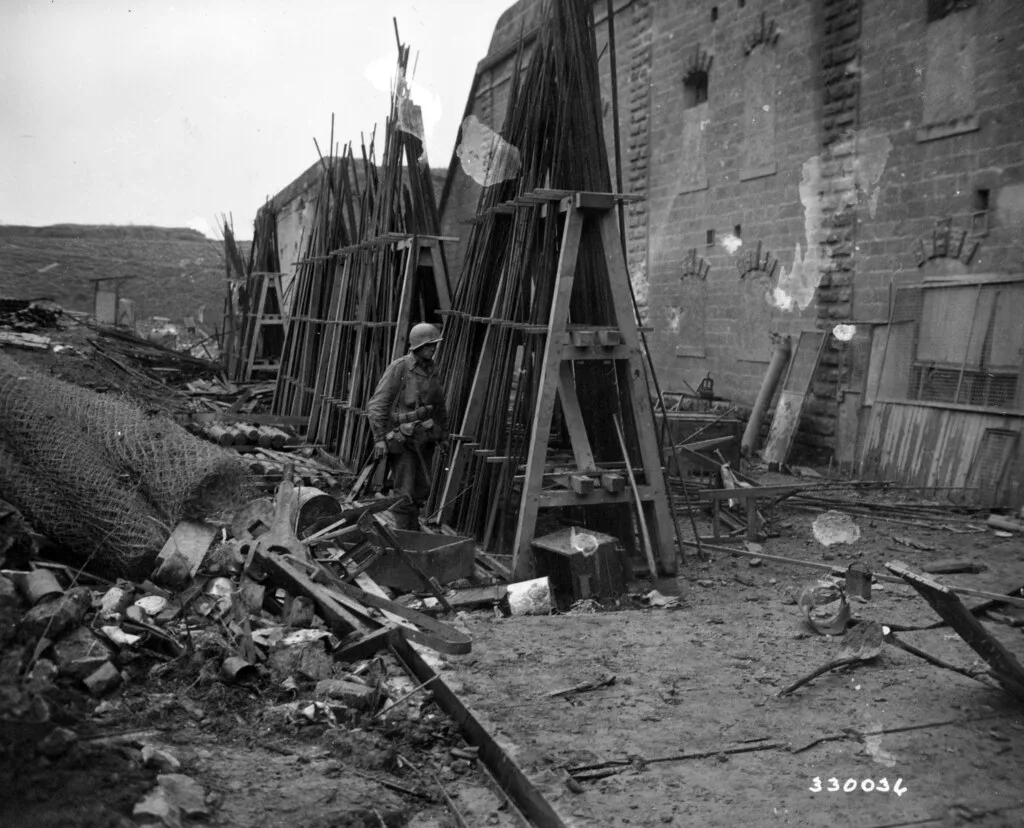
The Battle of Metz was part of the Western Front. It ran from 27 September to 13 December 1944. US forces under Lt. Gen. George S. Patton faced German forces commanded by Gen. Otto von Knobelsdorff. Both sides took heavy casualties against strong German resistance. US forces took the city, and fighting there officially ended on 22 November. The last fortress defending Metz surrendered on 13 December. Historians describe the outcome in different ways, so treat any single label such as "victory" with care.
1944 in Five Beats
Only dates that appear in published accounts are listed here. For the wider campaign, start with the American Battle Monuments Commission.
- Autumn 1944: Patton's US Third Army faces German forces under Knobelsdorff in the Metz area.
- 27 September: the battle begins.
- 18 November: US 5th Infantry Division troops advance on Metz.
- 22 November: fighting in the city officially ends.
- 13 December: the last fortress defending Metz surrenders.
What You Can Still See in Metz WW2 Sites
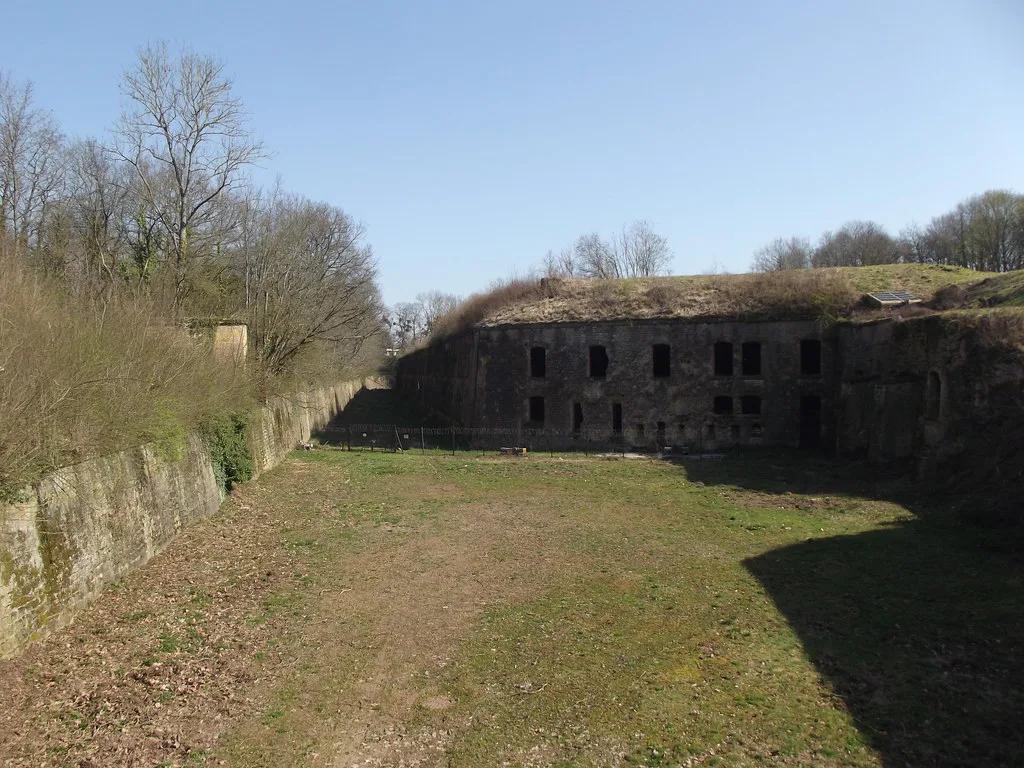
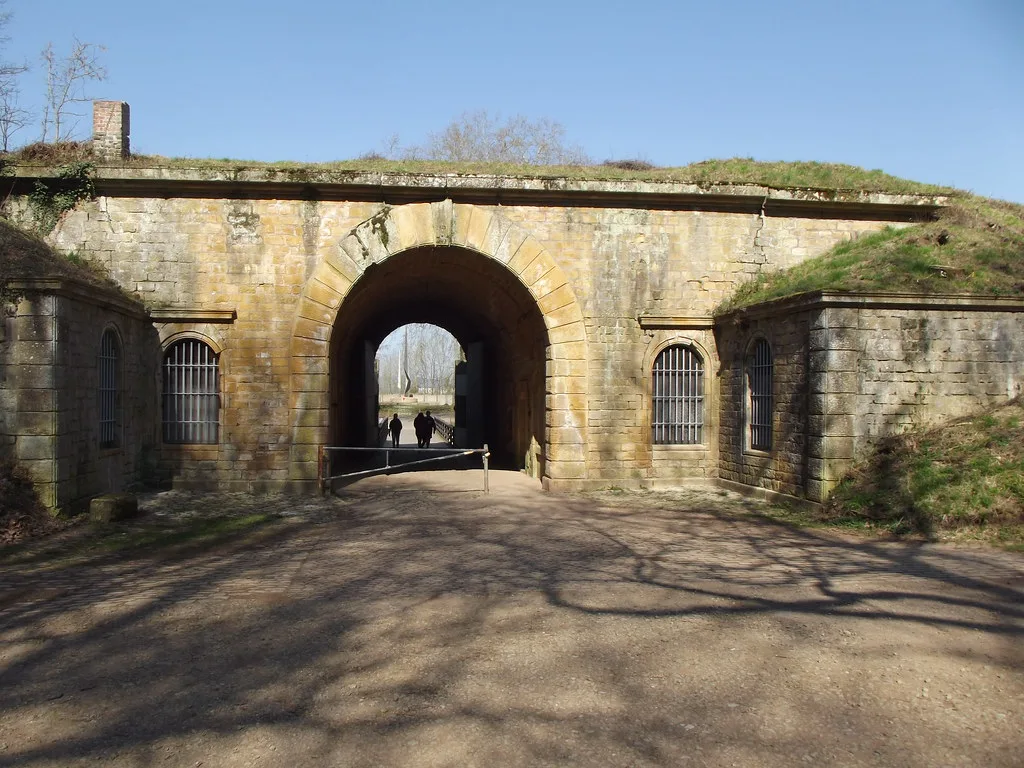
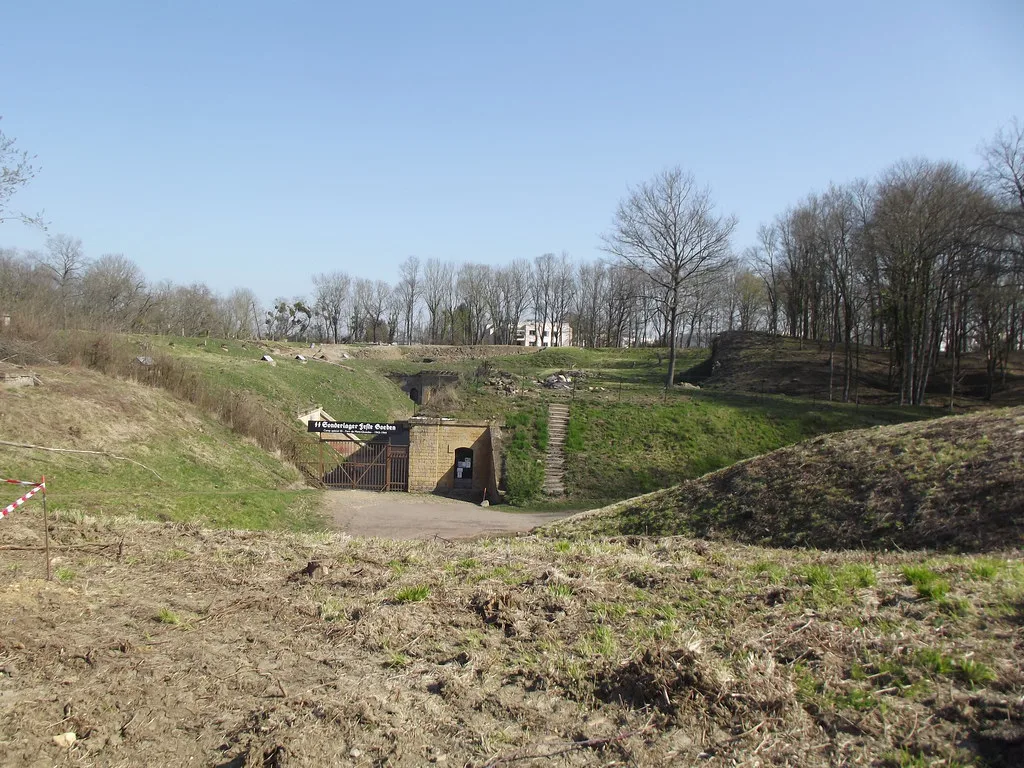
Metz was a fortress city ringed with forts, and that ring shaped the 1944 fighting. Several forts and memorials survive around the city. Opening arrangements differ by site, so use the Metz tourist office to find current visit details. For remembrance, the nearest major site is the Lorraine American Cemetery, Saint-Avold: Visitor Guide. Keep to the conduct rules posted at the entrance, and treat it as a place of mourning rather than a stop on a quick tour. Moselle's annexation by Germany in 1940 also shaped local memory. The Alsace-Moselle memorial covers that history in more depth.
Metz WW2 Sites at a Glance
This table helps you choose between a Metz-centred day and a longer loop. It lists only what each site is, not hours or fees.
| Site | What it is | Best for |
|---|---|---|
| Metz and its forts | City and fortress ring fought over in 1944 | Military history and fortifications |
| Lorraine American Cemetery | US military cemetery for the Lorraine campaign | Remembrance |
| Épinal American Cemetery | Second US cemetery in Lorraine | Remembrance, longer routes |
| Natzweiler-Struthof | Former camp site in Alsace | Understanding the camp system |
| Colmar Pocket sites | Winter 1944-45 campaign area in Alsace | Following the campaign into Alsace |
Plan Your Day: Time, Transport and Access
A half day suits the city, its memorials and one fort. A full day adds the cemetery. A multi-day loop works better if you continue toward Alsace. Do not assume everything is walkable, because forts and cemeteries sit outside the centre. Ask the tourist office whether a site needs a car or a guided visit. Autumn weather shaped the 1944 fighting, but seasonal closures can affect a visit today. Check each site's page before you set a date.
Costs, Tickets and Opening Hours
No fee or hours are listed here because they change by site and season. Cemeteries are normally free to enter, while forts and museums may charge. Check the Metz tourist office for current figures.
Combine Metz With Other Lorraine and Alsace War Sites
Metz works as a first stop on a Lorraine-to-Alsace route. The Épinal cemetery is another remembrance option in Lorraine. Continue to Strasbourg and its WW2 history as the next city. The winter campaign that followed is covered in our Colmar Pocket guide. Readers heading further should note the change in tone at Natzweiler-Struthof, which is a former camp, not a battlefield. Its official site lists visitor information.
Common Mistakes and Who Should Skip This
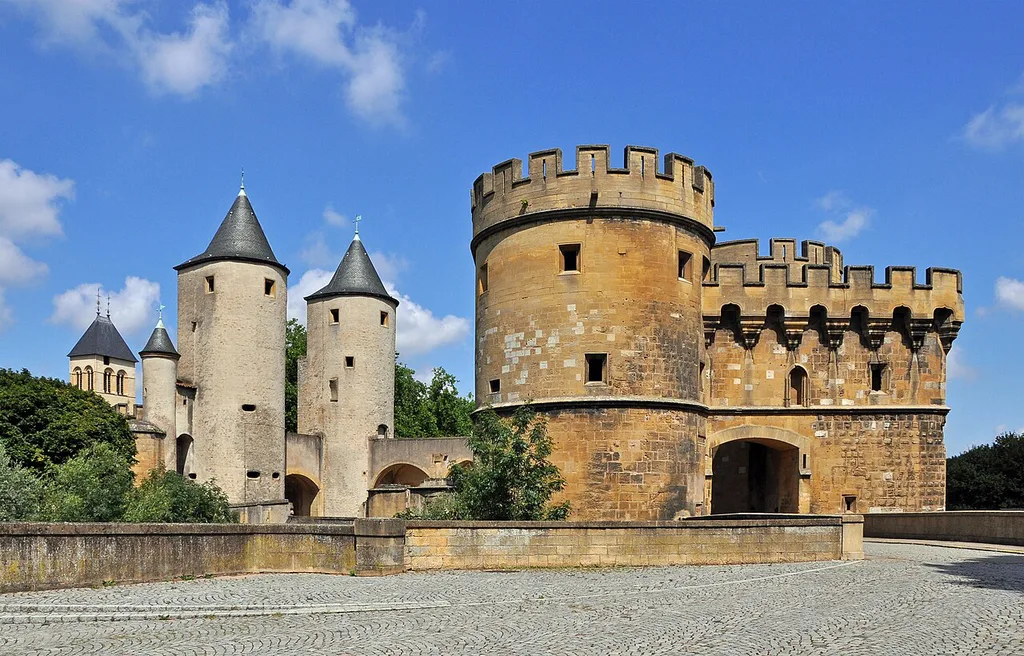
Do not mix the 1944 battle with the earlier history of Metz's forts. The WWI sites in Alsace are separate. For those, see Hartmannswillerkopf or the Linge Memorial (Mémorial du Linge): Trenches, Museum & Tips.
- Assuming every site is walkable from central Metz.
- Not checking seasonal closures before you travel.
- Mixing 1944 with WWI history at other Alsace sites.
- Skip this trip if you want one large museum or have under half a day.
How Long Should You Allow for Metz WW2 Sites?
Give Metz a half day if you want to understand the 1944 battle in the city and place its fortress belt in context. A full day is a better choice if you also plan to visit the Lorraine American Cemetery or an accessible fort outside the centre.
Choose a multi-day route when continuing through Lorraine and into Alsace. This makes it easier to separate the Battle of Metz from the later winter campaign around the Colmar Pocket. It also gives difficult sites, including Natzweiler-Struthof, the time and attention they require.
Build your route around the battle’s key dates. Fighting began on 27 September 1944, the city fighting officially ended on 22 November, and the final fortress surrendered on 13 December. Check access arrangements before travelling, since fort visits and seasonal opening can vary.
Frequently Asked Questions
Who won the Battle of Metz?
US forces took the city, and fighting there officially ended on 22 November 1944. The last fortress defending Metz surrendered on 13 December. Accounts differ on how to label the wider outcome, because both sides took heavy casualties.
Keep planning
Guides on the same trip





