
Natzweiler-Struthof: Visitor Guide to the Memorial
Plan a respectful visit to Natzweiler-Struthof in Alsace: history in brief, listed fares, getting there, time needed, access and nearby war sites.
In this guide
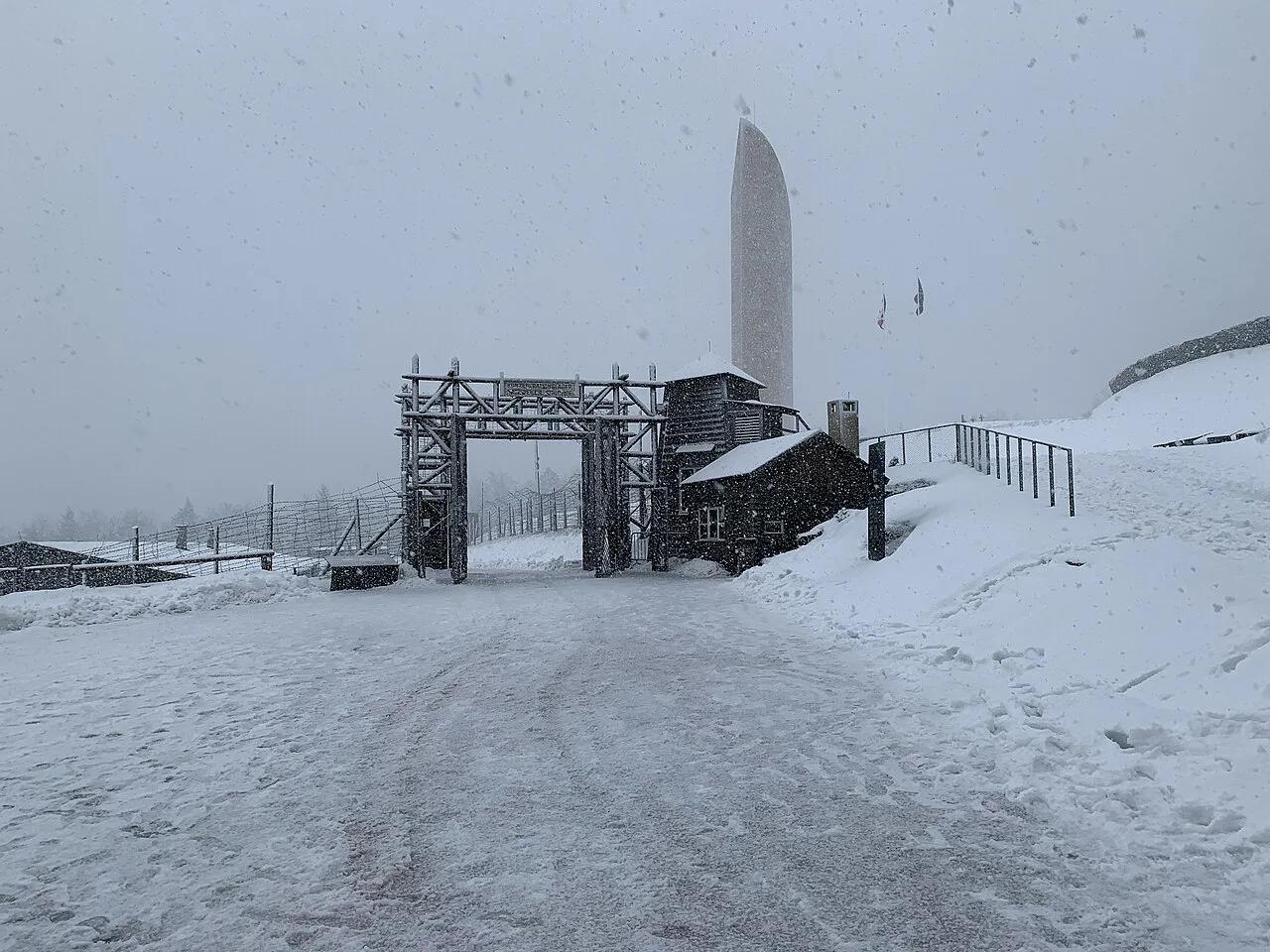
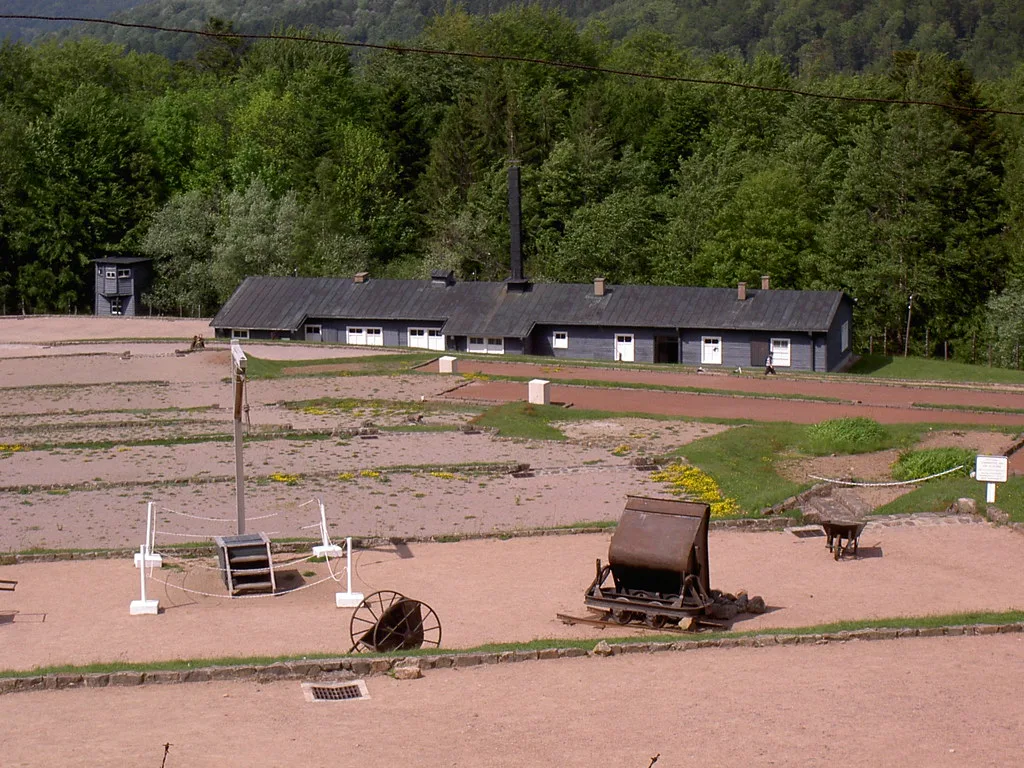
Last updated November 2026: Natzweiler-Struthof is the former Natzweiler concentration camp, now a memorial and museum at 800 m in the Vosges near Natzwiller, Bas-Rhin. Visit Alsace describes it as the only structure of its type on French soil. Expect cold air, steep paths and a listed adult fare of €8. Our guide to Alsace war sites shows how to fit the visit into a wider trip.
Featured image: Valo139, CC BY-SA 4.0, via Wikimedia Commons.
Natzweiler-Struthof at a Glance
Struthof is a remembrance site, and visitors come to learn and to pay respect. Visit Alsace lists the altitude as 800 m and the nearest station as 6 km away. Mountain weather differs from the Alsace plain, so dress for a colder, wetter day than Strasbourg suggests. Content at the site is distressing, so adults should decide beforehand whether the visit suits them and any children travelling with them.
| Fact | Detail |
|---|---|
| Location | Natzwiller, Bas-Rhin, in the Vosges above Schirmeck |
| Elevation | 800 m |
| Nearest station | About 6 km, per Visit Alsace |
| Adult fare listed | €8 |
| Children | Free up to age 10 (listed) |
| Groups | €4 per person, minimum 10 people, reservation required |
| Languages listed | German and English |
| Access | Partially accessible for reduced mobility |
A Short History of the Camp
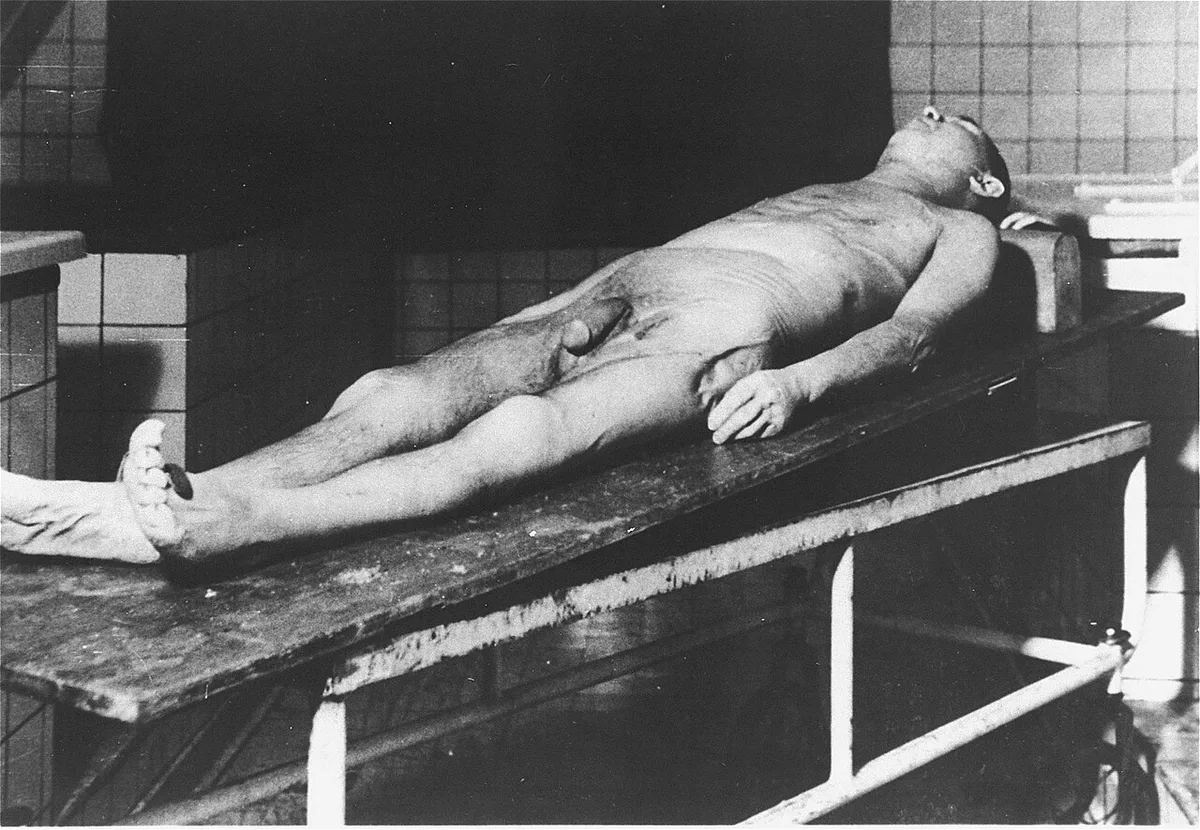
Nazi Germany annexed Alsace in practice after 1940, and the camp opened on 21 May 1941 near a quarry. Most prisoners were resistance members from occupied Europe, including Nacht und Nebel ("Night and Fog") prisoners held in secret. Estimates put the number of prisoners at about 52,000 and the deaths at about 22,000, and sources vary on both figures. Many prisoners were forced to work in a network of subcamps, some of them on arms production for private firms. SS staff evacuated the surviving prisoners in early September 1944. French forces entered the camp on 23 November 1944, the same day Strasbourg was liberated. After the war the site held suspected collaborators, and it was declared a memorial in 1950. Neo-Nazis set fire to the museum in 1976, and it was rebuilt. For the wider city context, see Strasbourg's wartime history.
The Skull Collection and the Trials
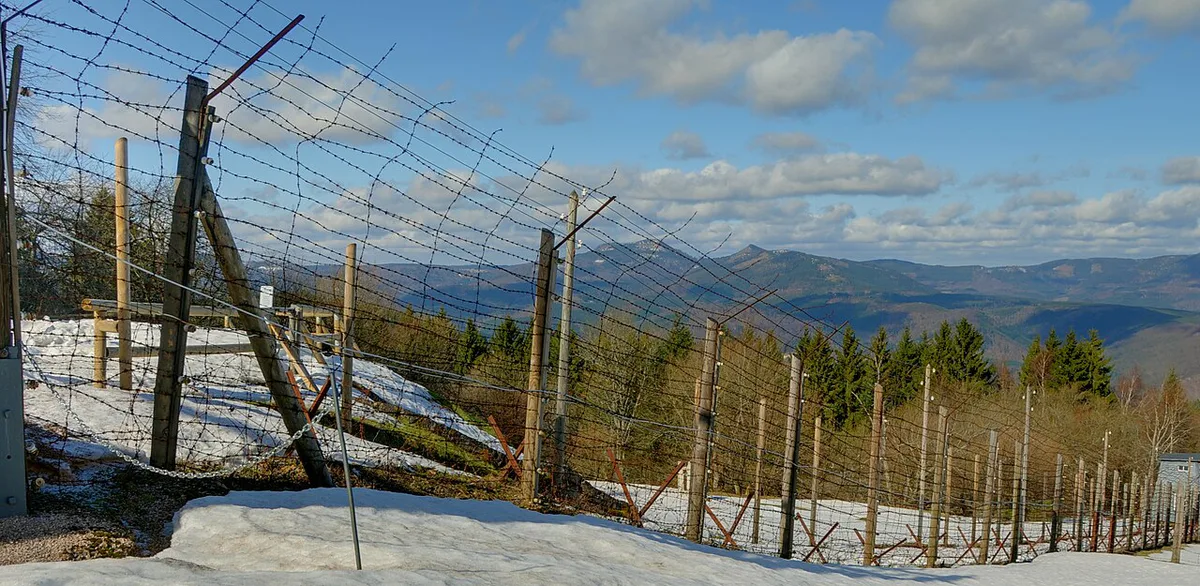
Anatomist August Hirt directed a project that used the bodies of 86 Jewish victims, 57 men and 29 women. They were brought from Auschwitz and killed in a gas chamber at Natzweiler in August 1943. Their bodies were sent to the university in Strasbourg. The 2014 documentary "Le Nom des 86" tells their story, and researchers later identified all 86 by name. Hirt was sentenced to death in absentia at Metz in 1953, unaware that he had died in 1945. Four British SOE women agents were also killed here on 6 July 1944. Their names are Diana Rowden, Vera Leigh, Andrée Borrel and Sonya Olschanezky. Trials after the war reached across France, Germany and Britain. Our guide to Metz wartime sites covers the trial city.
What You Will See: Camp Grounds, Museum and the CERD
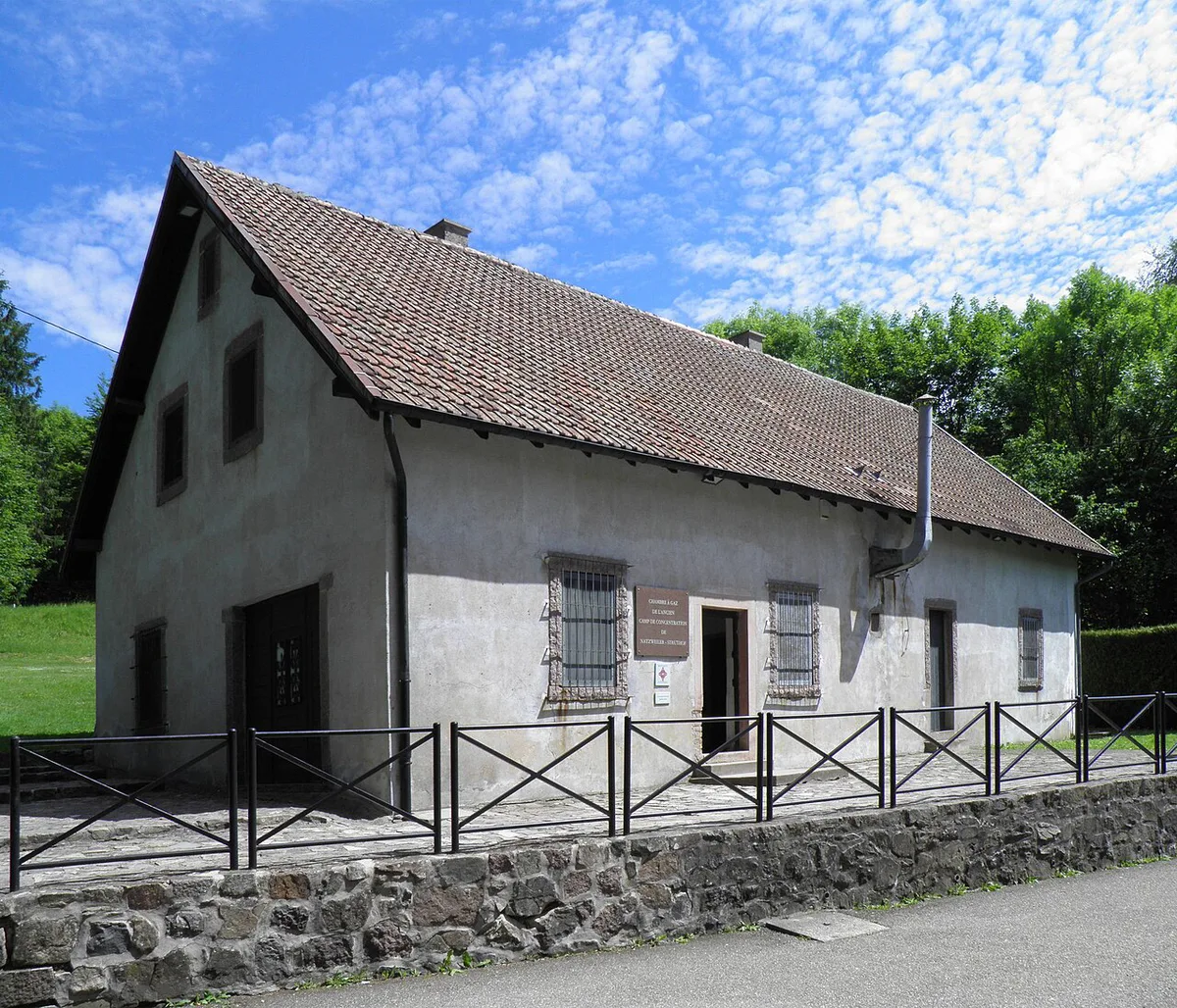
The memorial has three parts. Terraced hillside grounds hold the surviving barracks, the crematorium and the Monument to the Departed. The museum occupies a barracks block, and the European Centre of Deported Resistance Members (CERD) stands in a newer building next to the site. Jacques Chirac dedicated the CERD in 2005. It focuses on the deported resistance members rather than on the camp's perpetrators. Visit Alsace lists a teaching room, a visit with a guide tool, guided tours for groups and individuals by reservation, and a free visit. A separate gas chamber building stands outside the main camp, and the official site describes its status and opening.
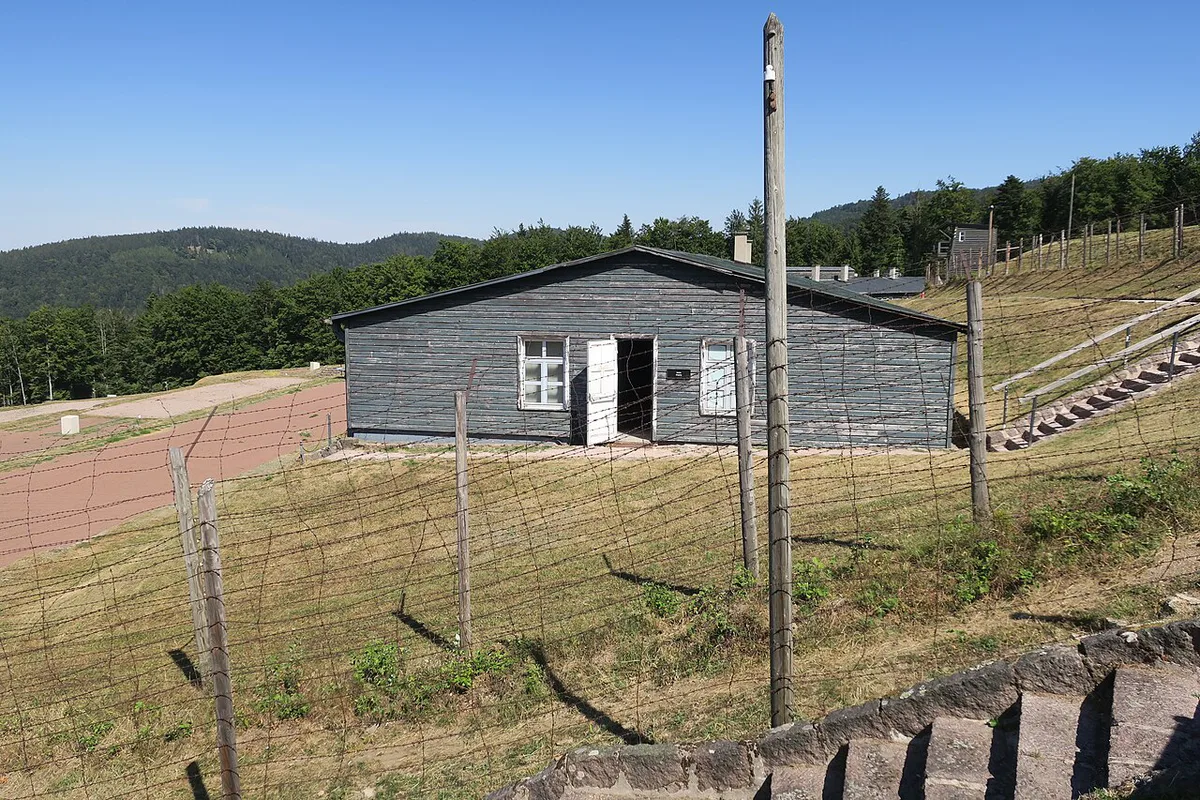
- Camp grounds: steep terraces, barracks and the crematorium.
- Museum: the history of the camp and its network of subcamps.
- CERD: exhibitions on resistance and deportation, with a teaching room.
- Gas chamber building: a short distance outside the camp, with separate access.
Tickets, Opening Hours and Booking
Prices listed by Visit Alsace at the time of writing: adult €8, students €4, group visitors €4 per person. Children up to age 10 enter free, and school groups pay €0. A group needs at least 10 people, and the maximum is 100. Group visits require a reservation. Payment by cash, cheque or holiday vouchers is listed. Opening dates, hours and last entry change by season and are published on the official Struthof site. Prices and hours were checked November 2026, and the official site is the authority for both. Languages listed are German and English, so check the guided options in French if you need them.
How to Get There From Strasbourg and the Bruche Valley
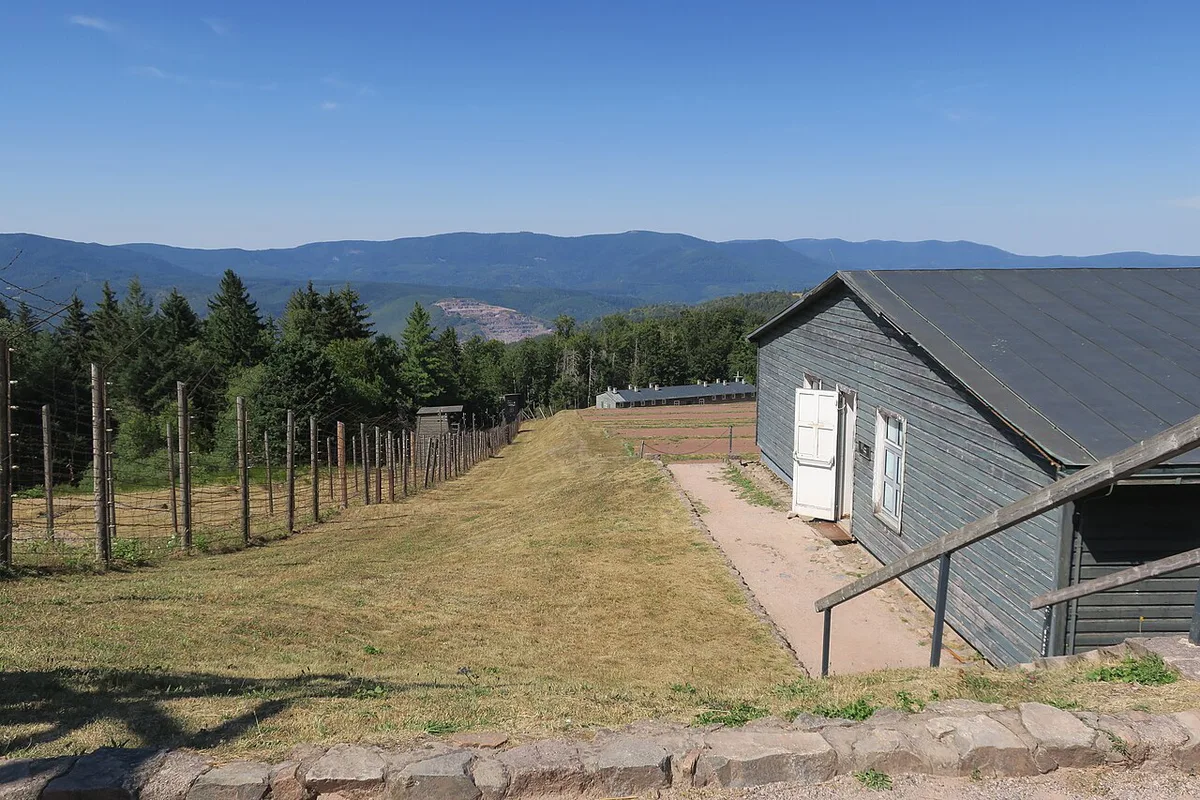
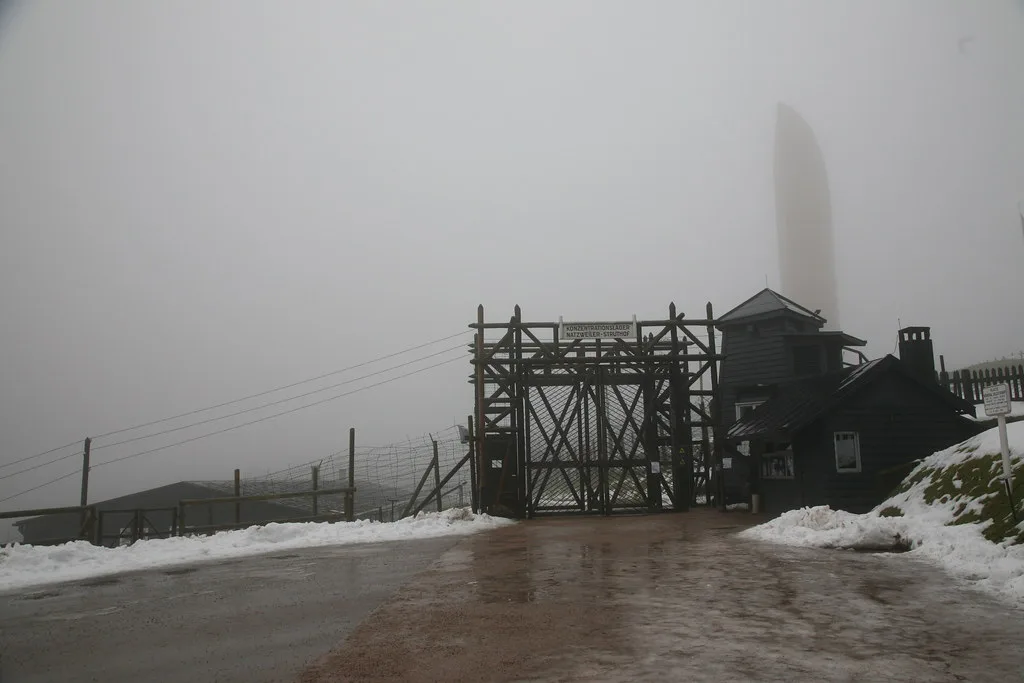
Public transport to the site is limited. The nearest station is 6 km away, and prisoners in 1941-44 walked from Rothau station. Check bus and taxi options with the Bruche valley tourist office and the official site. By car, drive from Strasbourg up the Bruche valley through Schirmeck and Rothau to Natzwiller. The camp's road address is Route Départementale 130, 67130 Natzwiller. Allow extra time in winter, when snow and fog make the final climb slower. Visit Alsace lists an e-bike charging station and toilets, and no other facilities. Bring food and water if you plan a long day.
| Option | Best for | Trade-off |
|---|---|---|
| Own car from Strasbourg | Flexible timing, bad-weather days | Mountain road in snow or fog |
| Train to the nearest station, then taxi | Visitors without a car | 6 km final leg; book the taxi in advance |
| Base in Schirmeck, then walk or drive | Hikers and early starters | Fewer evening options than Strasbourg |
How Much Time to Plan
These are editorial estimates, not official figures. Opening hours and the length of any guided tour are on the official site. A short walk through the grounds takes about 1 hour. A standard visit combining the camp and the museum takes about 2.5 hours. A full day of about 5 hours adds the CERD, the gas chamber building or a trail. Start early because the site is large and the paths are steep.
| Plan | Time (estimate) | Suits | Skips |
|---|---|---|---|
| Short walk-through | About 1 hour | Tight itinerary, return visitors | Museum depth, CERD |
| Standard visit | About 2.5 hours | First-time visitors | Trails, the gas chamber building |
| Full day | About 5 hours | Students, history readers, hikers | Little, but demands stamina |
Is It Suitable for Children, and Access for Reduced Mobility
Children up to age 10 enter free, but the subject matter is hard. Read the museum's own guidance first, and prepare young children before arrival. Teenagers and school groups usually take more from the guided options. Visit Alsace rates access as partially accessible for reduced mobility. On a terraced hillside at 800 m, that probably means slopes and steps in the grounds. Contact the memorial before travel to ask which parts are step-free. Allow extra time and rest points if anyone walks slowly.
- Mistake: arriving without checking opening hours.
- Mistake: wearing light clothing at 800 m.
- Mistake: planning too short a visit.
- Mistake: treating the grounds as a photo stop.
- Mistake: bringing very young children without preparation.
Visiting With Respect: Conduct and Photography
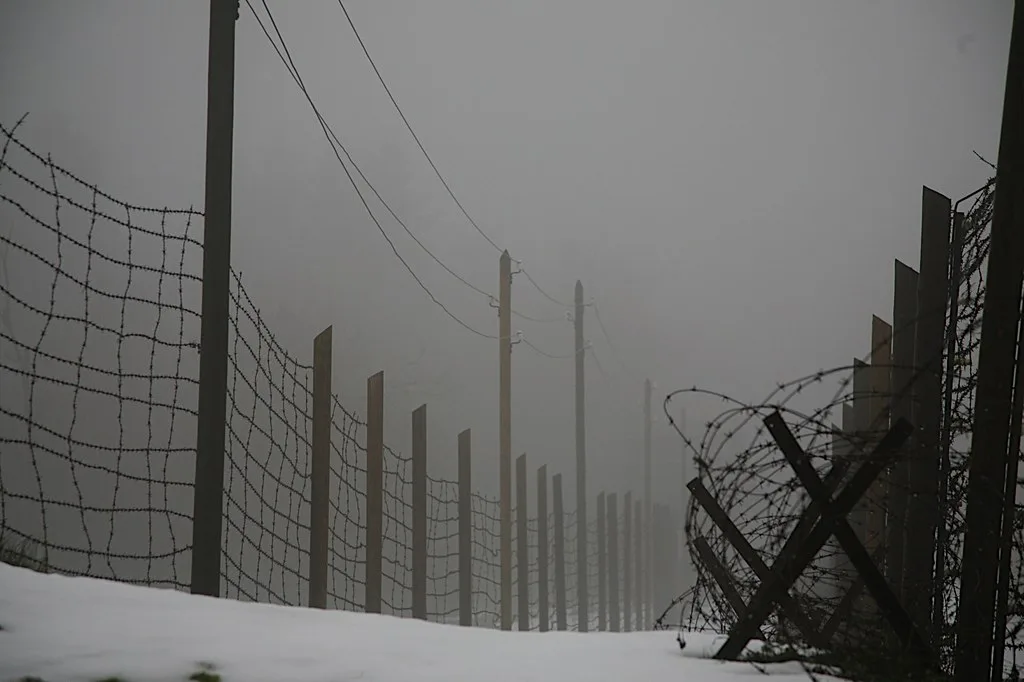
Treat the grounds as a cemetery-like place of mourning. Speak quietly, keep phones silent, and avoid posed photographs, selfies and anything that treats the site as scenery. Wear sturdy shoes and warm layers. Photography rules are set by the memorial, so read its current visitor notes on the official site before you take a camera. The CERD itself has asked for restraint around the gas chamber building, which it calls symbolic of the camp's links to the Strasbourg university.
Walking the Memory Trails
Visit Alsace lists several marked trails from the site. Trail C22, "Former Natzweiler-Struthof camp", is rated easy and starts at Natzwiller. Trail C18, "The path of memory", is rated challenging and starts at Schirmeck. A Human Rights and Memory Path is also listed. Check length, difficulty and current status with the Bruche valley tourist office before you set out. Do not assume trails are open in winter. A snowshoe trail, CDF03, runs from Struthof to Champ du Messin. Browse the full list on Visit Alsace.
Where to Base Yourself
Strasbourg offers the widest choice of hotels and trains. Plan a day trip up the Bruche valley from there. Schirmeck and Rothau put you closer, and they suit an early start or a trail day. Use Visit Strasbourg for city lodging and transport. Choose Strasbourg for variety. Choose the valley for shorter mountain drives.
Combine With Other Alsace War Sites
Natzweiler belongs to the Second World War, so keep the period straight when you build an itinerary. For the same era, read about the forced conscription of Alsatians. Winter 1945 brought the fighting described in our Colmar Pocket guide. Two First World War sites sit in the Vosges and Haut-Rhin, and they belong to a different period. Hartmannswillerkopf is a mountain battlefield with a crypt and a Historial. Le Linge battlefield preserves trenches from 1915. Further west, the MM Park museum covers the Lorraine side. For American graves, see the American cemetery in Lorraine or Épinal's American cemetery.
Keep planning
Guides on the same trip






