
Linge Memorial (Mémorial du Linge): Trenches, Museum & Tips
A practical guide to the Linge Memorial in the Vosges: the preserved 1915 trenches, the museum, how long to allow, and how to get there.
In this guide
Last updated November 2026: the Linge Memorial (Mémorial du Linge) at Collet du Linge, Orbey, is a preserved 1915 Franco-German trench battlefield with a museum in the Hautes-Vosges. Sandstone trenches, concrete and barbed wire survive on the ridge where the French and German lines faced each other. This guide covers the trench circuits, the museum, access, and pairings with other war sites in Alsace.
Featured image: Bernard Chenal, CC BY-SA 4.0, via Wikimedia Commons.
Linge Memorial at a glance
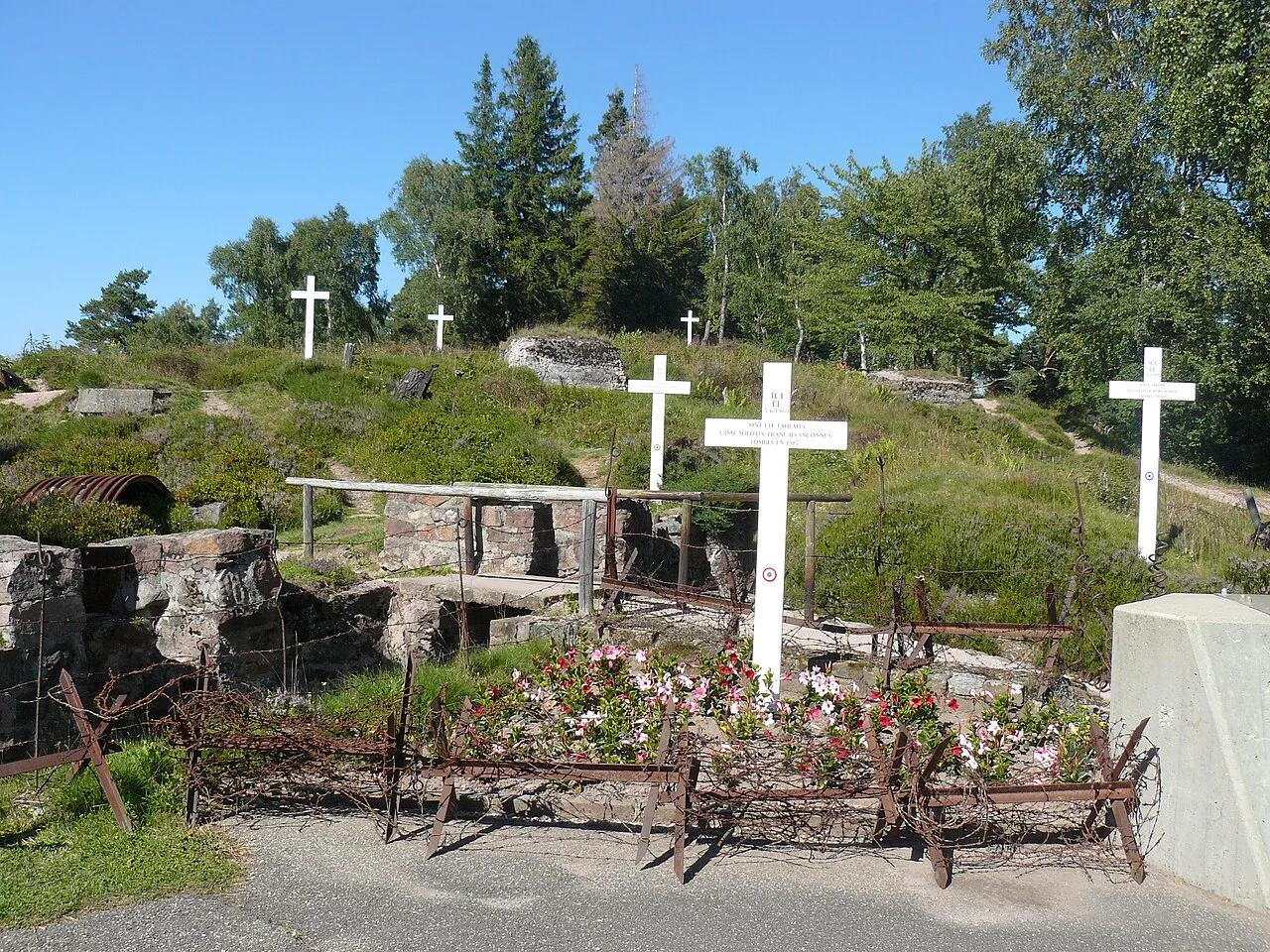
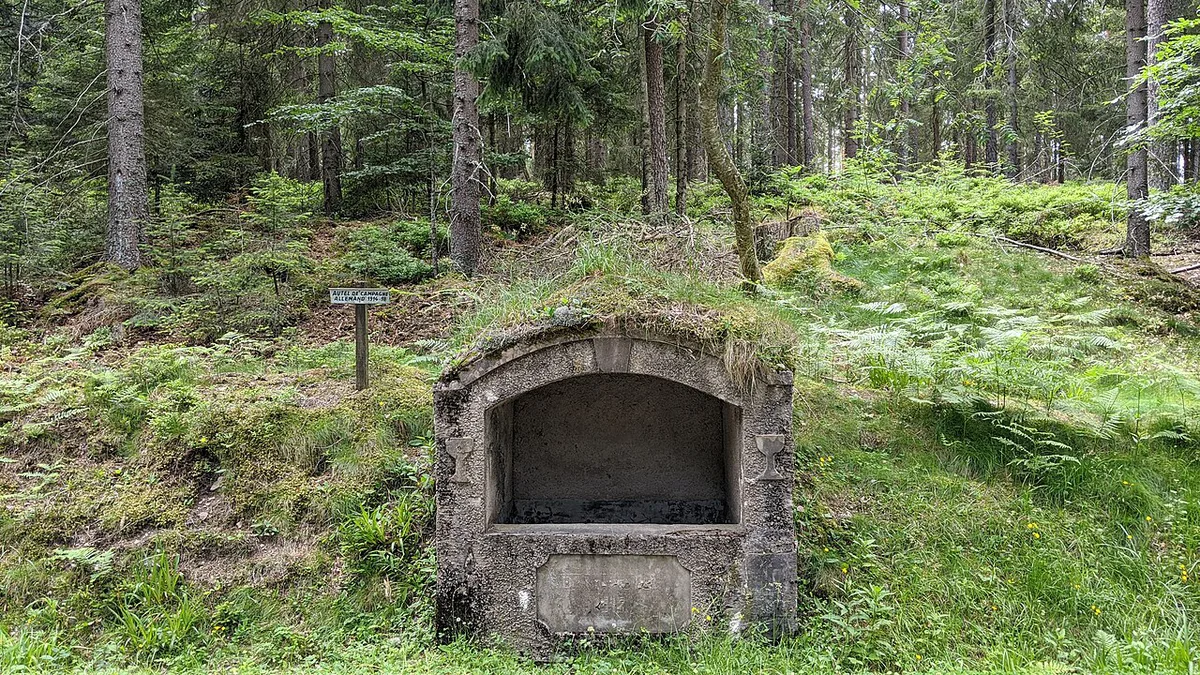
Le Linge sits about 14 miles west of Colmar, on a hilltop in the Vosges Mountains. Three trench routes of different difficulty run through the German defences. A museum holds objects found on the battlefield. Black-and-white crosses mark French and German graves, so treat the whole site as a burial ground.
- Address: Collet du Linge, 68370 Orbey, Haut-Rhin.
- What you see: preserved trenches, a museum and a 20-minute film.
- Routes: 3 trench circuits, with panels in 3 languages.
- Prices and hours: see the official site, which is updated by the venue.
- Phone: 03 89 77 29 97.
What happened at Le Linge in 1915
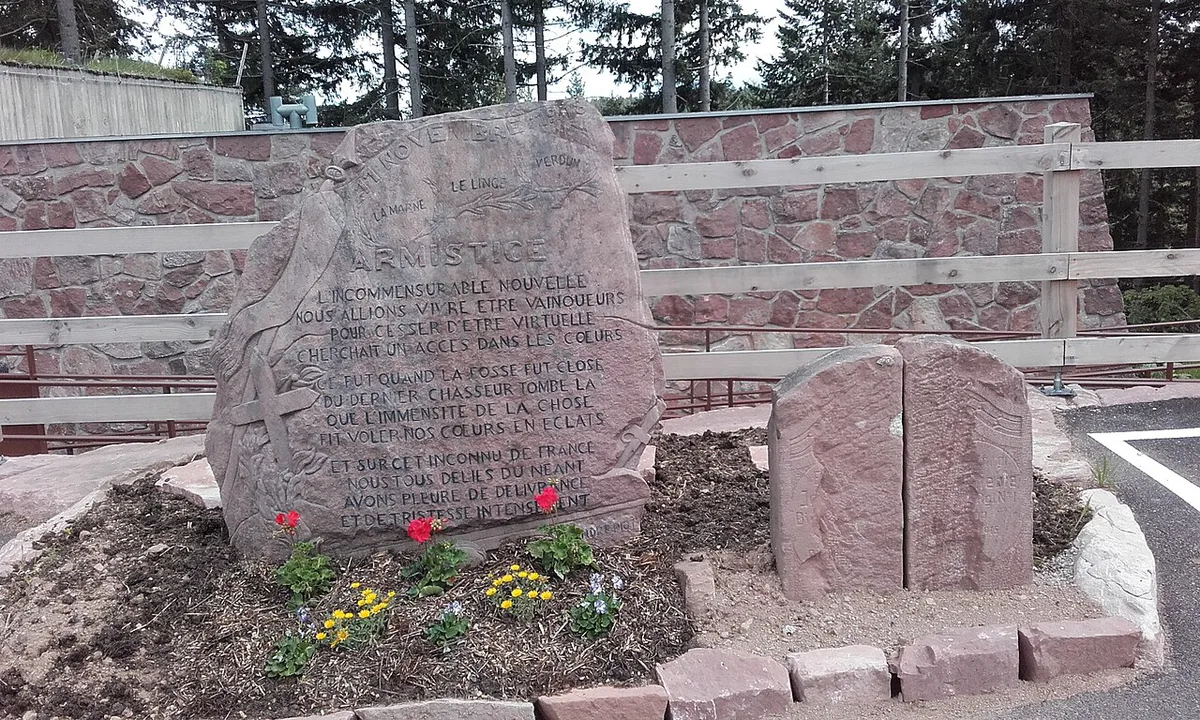
Fighting here ran from 20 July to 15 October 1915. German forces organised their defence to block a French advance on Colmar. Gas and flamethrowers were used, and trench warfare then continued until 11 November 1918. Casualty figures are reported in two different ways. A regional tourism listing says nearly 20,000 French and German soldiers were killed, wounded or missing. The site's own historical text, as quoted in a photo caption, cites about 17,000 deaths. Those are different measures, so do not treat them as one number. The battlefield is classified as a historic monument.
The trenches: choosing a circuit
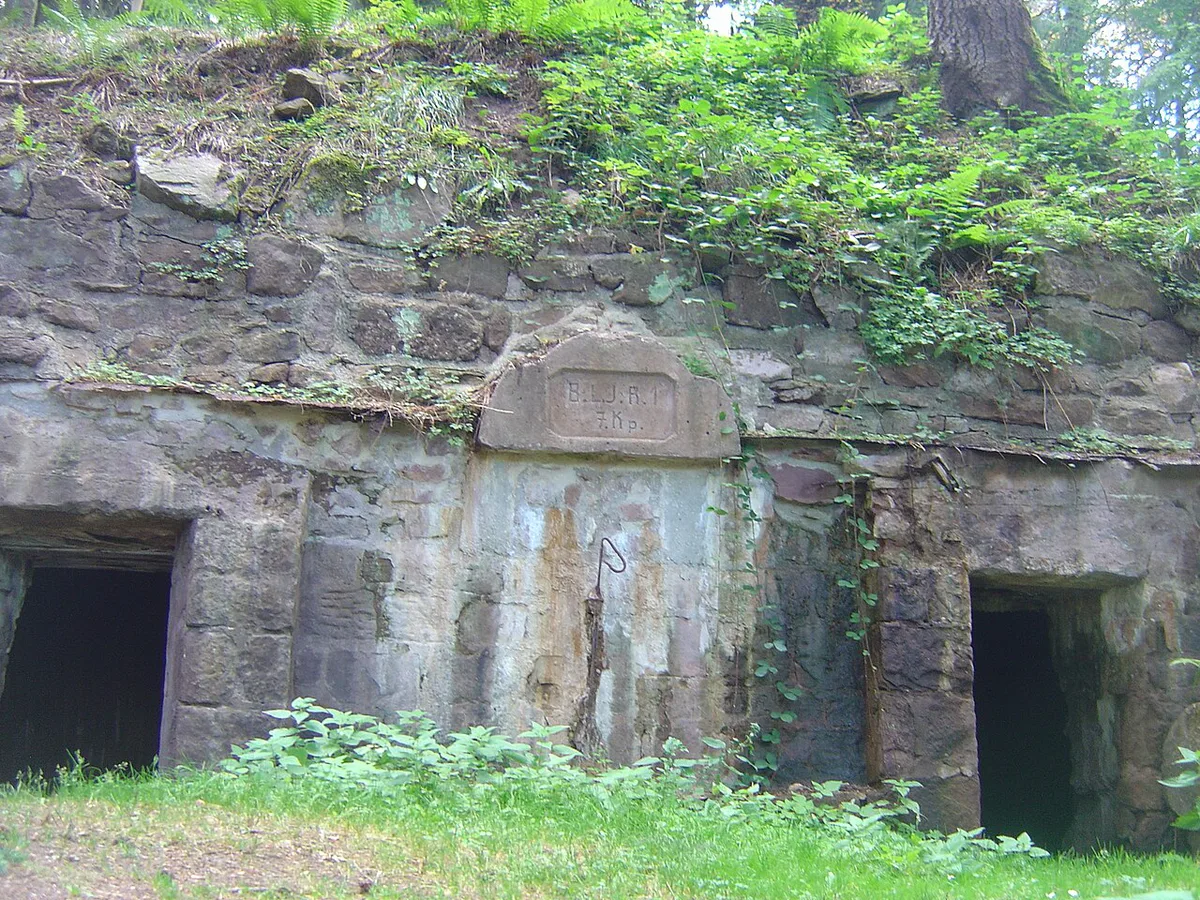
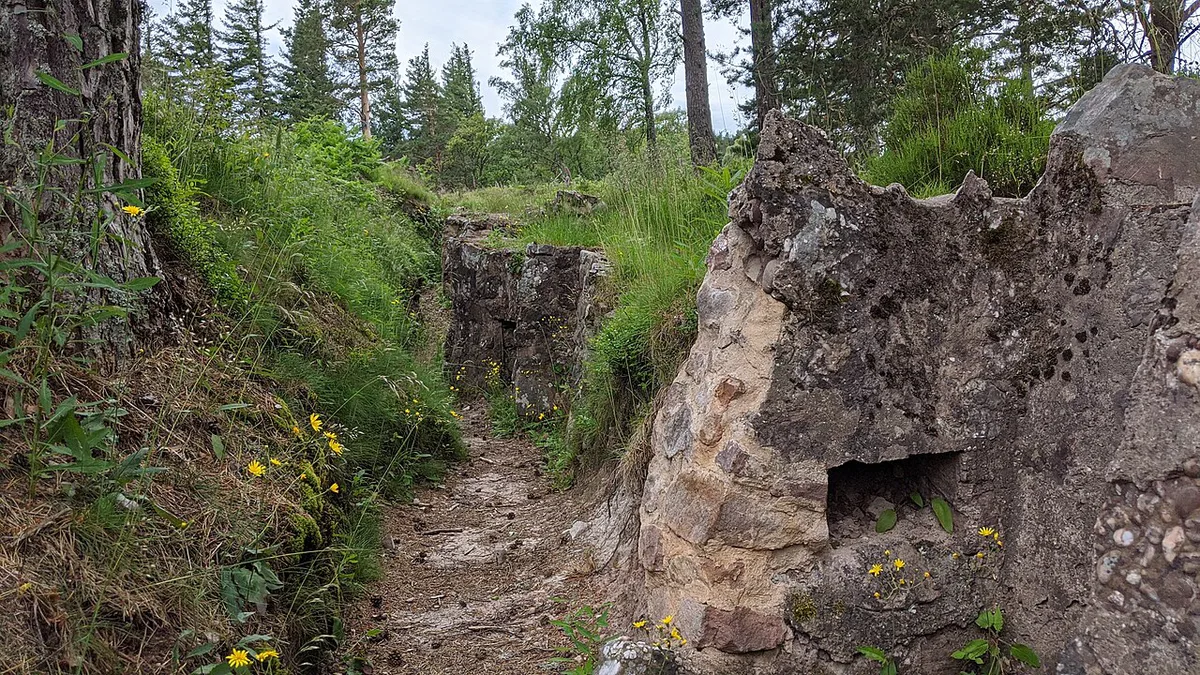
Three routes cross the German defence system, each with a different level of difficulty. Explanatory panels in 3 languages mark the way. The trenches are cut into sandstone, and concrete and barbed wire remain in place. Route names and lengths are not published in the sources used for this guide, so ask at the site before choosing. Stay on the marked paths, because unexploded ordnance is a standing risk on former battlefields. Wear sturdy footwear for uneven ground, and keep voices low near the crosses.
| Route | Difficulty | What it shows | Best suited to |
|---|---|---|---|
| Easiest of the 3 | Lowest | Core of the German trench system | Short visits, families, mixed fitness |
| Middle of the 3 | Moderate | Trenches, concrete and wire in more depth | Most history-focused visitors |
| Hardest of the 3 | Highest | Longer approach to outlying positions | Confident walkers with good footwear |
The museum and the film
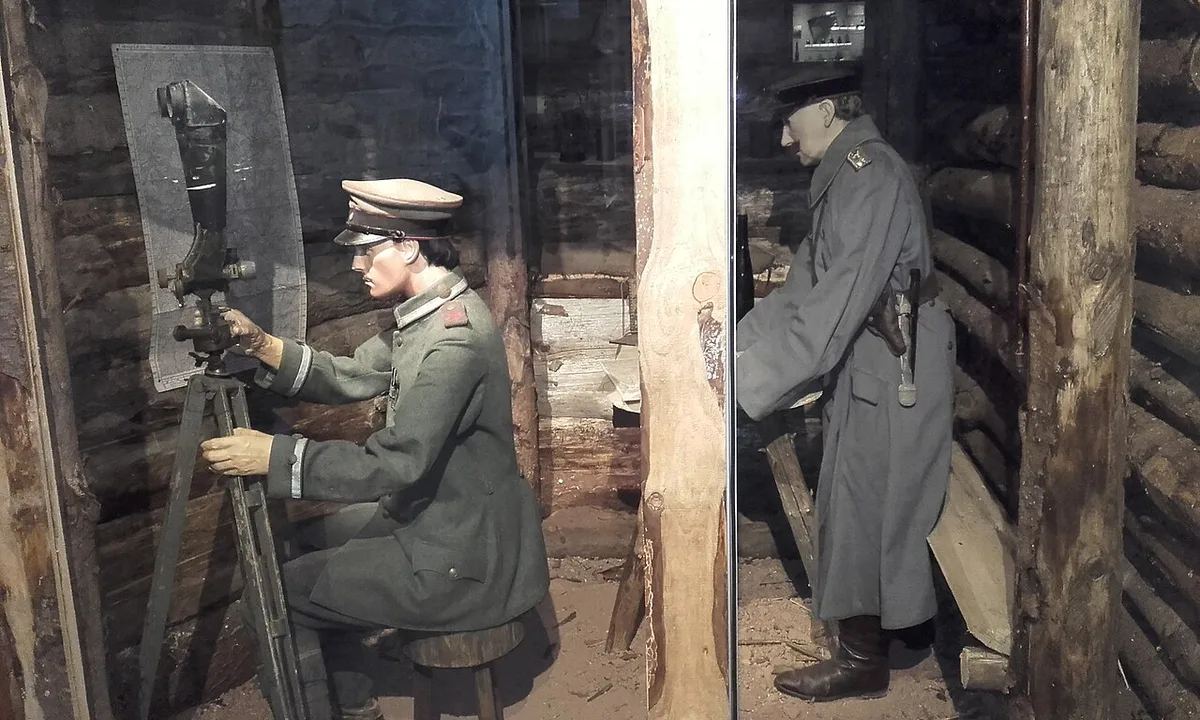
A 20-minute video sets out the 1915 context, so it works well before you walk the lines. The museum displays weapons, munitions and personal objects found on the battlefield. You also see models of French and German infantrymen, a scale model of the battlefield, maps and photographs. Together they explain what the trench circuits then show on the ground.
Tickets, opening hours and guided visits
Guided tours and evening visits run in summer. Prices, opening dates and any winter closure are listed on the official Linge site, or call 03 89 77 29 97.
Getting there and parking
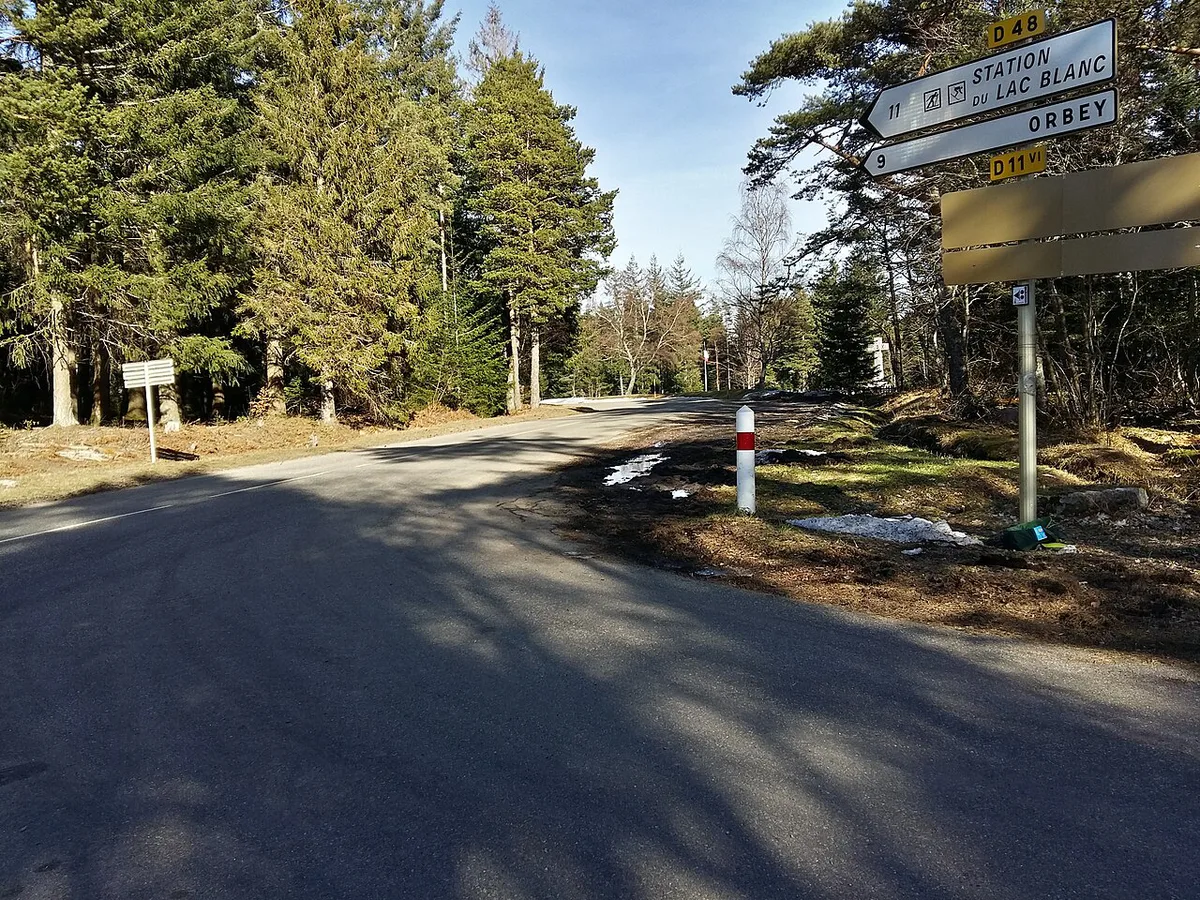
Collet du Linge is a mountain pass site about 14 miles west of Colmar, near Orbey. Plan on driving, since no public transport link is confirmed. Mountain weather can change quickly, and snow may affect access outside summer. Check the road and opening status before setting out from Colmar or Orbey. Parking arrangements are not published in the sources used here, so ask when you phone.
How long to allow and who it suits
No official visit time is published. As a rough planning range, a short stop covers the film, the museum and the easiest circuit. A half-day lets you add a longer circuit and a walk in the surrounding mountains. Walk the trenches before or after the museum, whichever suits the weather.
- Suits: First World War readers, trench-preservation enthusiasts, families with older children, and Colmar day-trippers.
- Skip or pair it if: you want a museum-only stop, or you cannot manage uneven sandstone ground.
- Mistakes to avoid: visiting in the wrong season, wearing smooth soles, and leaving the marked paths.
Combine it with other Alsace war sites
The Hartmannswillerkopf battlefield shows the same war in the same mountains. For Second World War history near Colmar, read about the fighting around Colmar in 1945. The former Natzweiler-Struthof camp is a different war and a different type of site, so give it a separate day. A regional listing also names the National Necropolis of Sigolsheim and the French National Cemetery at Carrefour Duchesne as related stops. For wider context on changing nationality, see the Alsace-Moselle memorial guide.
For trip-planning details, see Alsace tourism.
Keep planning
Guides on the same trip






