
Alsace-Moselle Memorial: Schirmeck Museum Guide
Guide to the Mémorial de l'Alsace-Moselle in Schirmeck: annexation history, the malgré-nous, who it suits and which nearby sites to pair it with.
In this guide
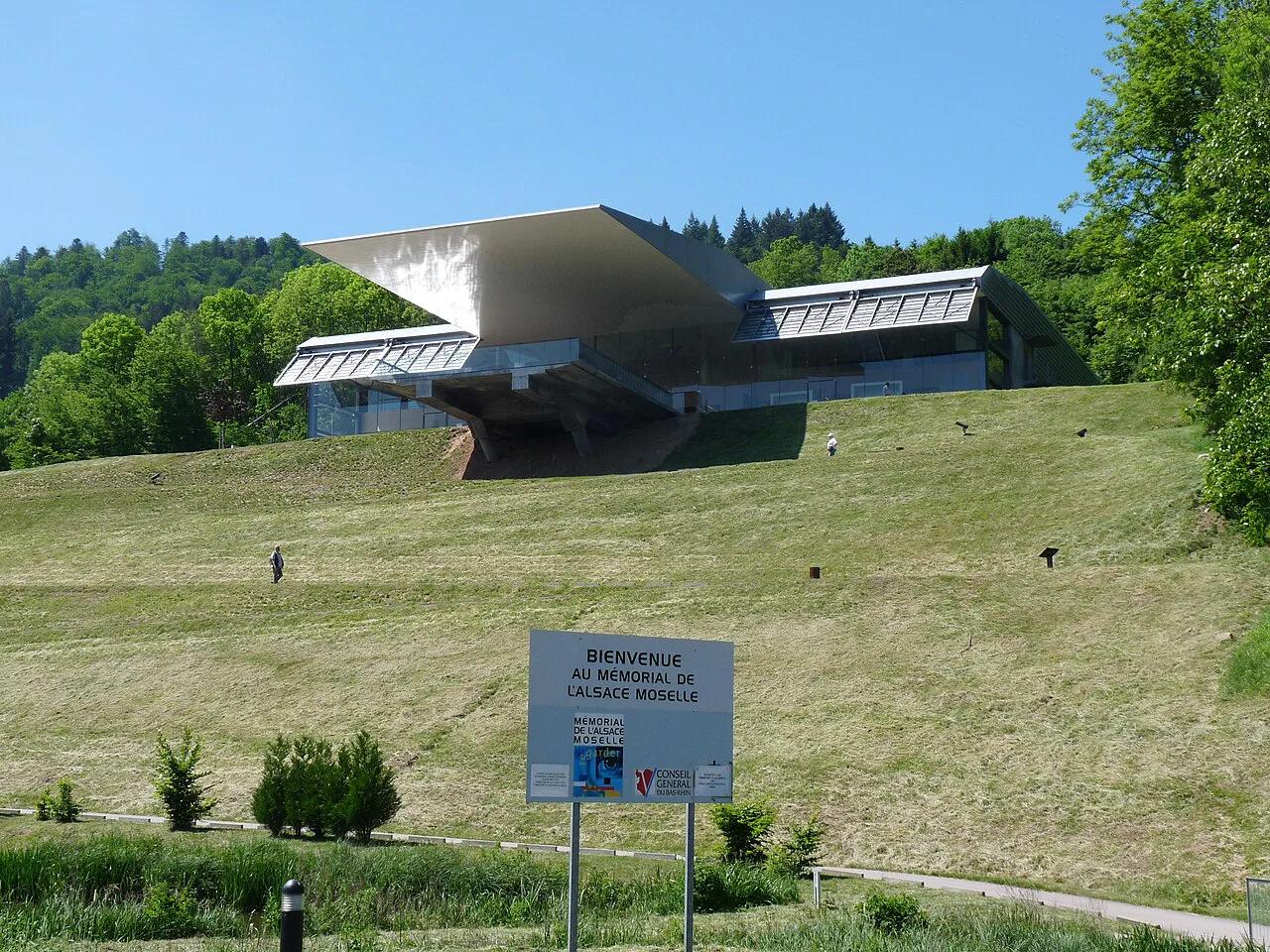
Last updated November 2026. The Alsace-Moselle memorial most visitors mean is the Mémorial de l'Alsace-Moselle in Schirmeck, a museum about annexation and forced conscription. It is a history museum, not a cemetery or a battlefield. If you want those, our Alsace war sites guide shows where to go instead.
Featured image: Ji-Elle, CC BY-SA 3.0, via Wikimedia Commons.
Alsace-Moselle memorial: the short answer
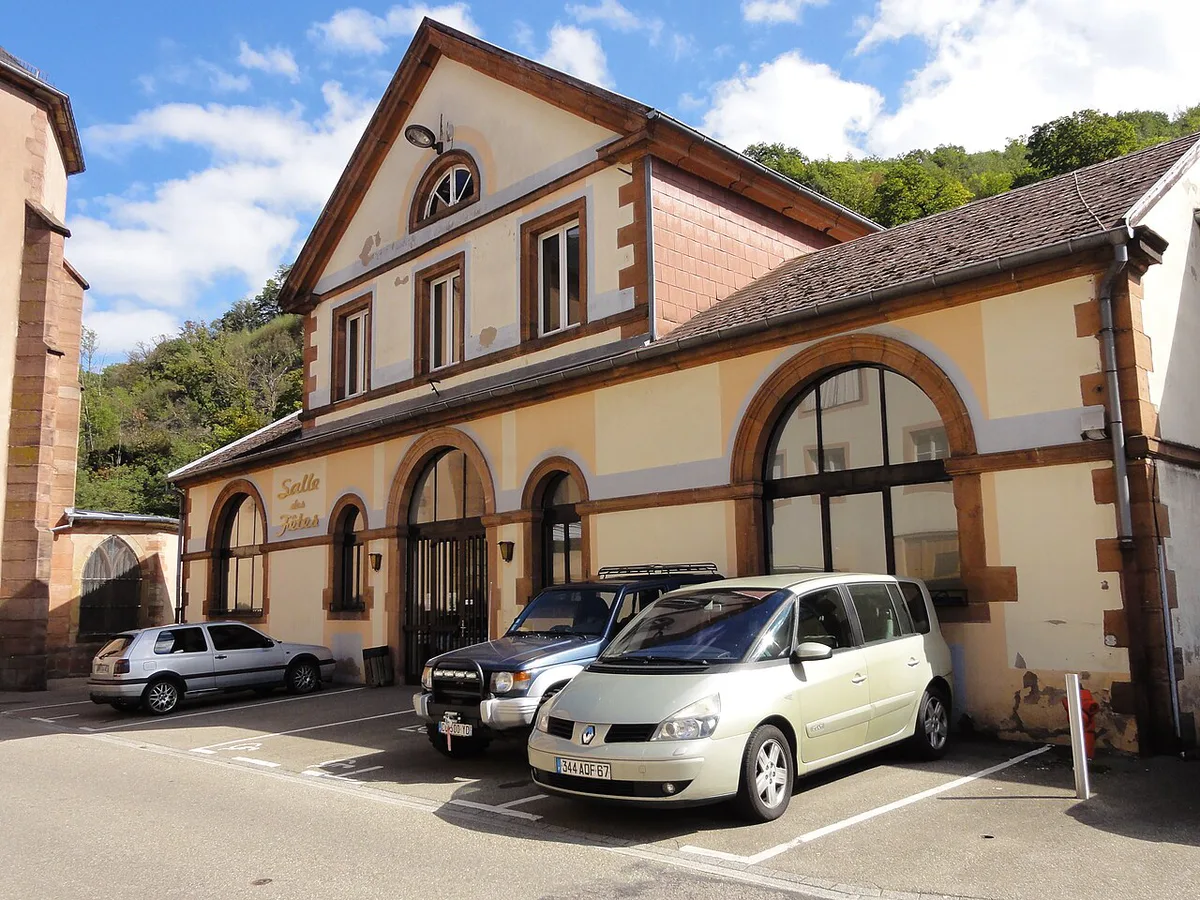
The Mémorial de l'Alsace-Moselle is in Schirmeck, in the Bas-Rhin. It tells the history of Alsace and Moselle under German annexation, covering the period from 1870 to 1945. Its central subject is the forced conscription of the malgré-nous. It suits visitors who want the human and political story before they see any physical site. Readers who meant a route through several memorials will find the pairing advice below.
Why Alsace-Moselle has its own memory
Alsace and Moselle were annexed to Germany, and their history diverges from the rest of France. Residents lived under a different authority, and the region's wartime story is not the same as that of the interior.
The malgré-nous were men from the annexed territories who were conscripted into the German forces against their will. The name means roughly "in spite of ourselves." Many families still carry that memory.
This context explains why the museum is framed around annexation rather than liberation. Wartime figures are contested and should always be attributed, so read exhibit panels and official pages for numbers rather than relying on round totals repeated online.
Which site fits you: a decision table
Pick by what you want to understand, not by how many stops you can fit in. Each of these sites has a different purpose and a different tone.
| Visitor | Best fit | Why |
|---|---|---|
| History-focused visitors | Mémorial de l'Alsace-Moselle, Schirmeck | Covers annexation and the malgré-nous in one museum |
| Visitors who want the camp history | Natzweiler-Struthof | Former camp site; allow quiet time and read its conduct rules |
| Military-history enthusiasts | Hartmannswillerkopf and Linge | First World War mountain battlefields, a different war from the museum's focus |
| Cemetery visitors | Lorraine American Cemetery, Saint-Avold: Visitor Guide and Épinal American Cemetery | Graves of American service members, run by the ABMC |
| Short-stay travellers | Schirmeck museum plus one nearby site | Keeps the day unhurried |
Getting there and getting around
This region is rural, and many sites are hard to reach without a car. Public transport can work for city-based museums but rarely links the mountain and countryside sites efficiently.
Strasbourg, Colmar and Metz make workable bases. Our Strasbourg WWII guide covers the Alsace side. For Moselle, see Metz in the Second World War.
Plan on one major site per half day, and treat two stops as a full day. Check journey times for your own route before you commit, because distances between sites are not uniform.
Tickets, hours and access
Ticket prices, opening days and seasonal closures are not listed here, so no figure is guessed. Check the memorial's official site for current prices, hours, accessibility and exhibit languages.
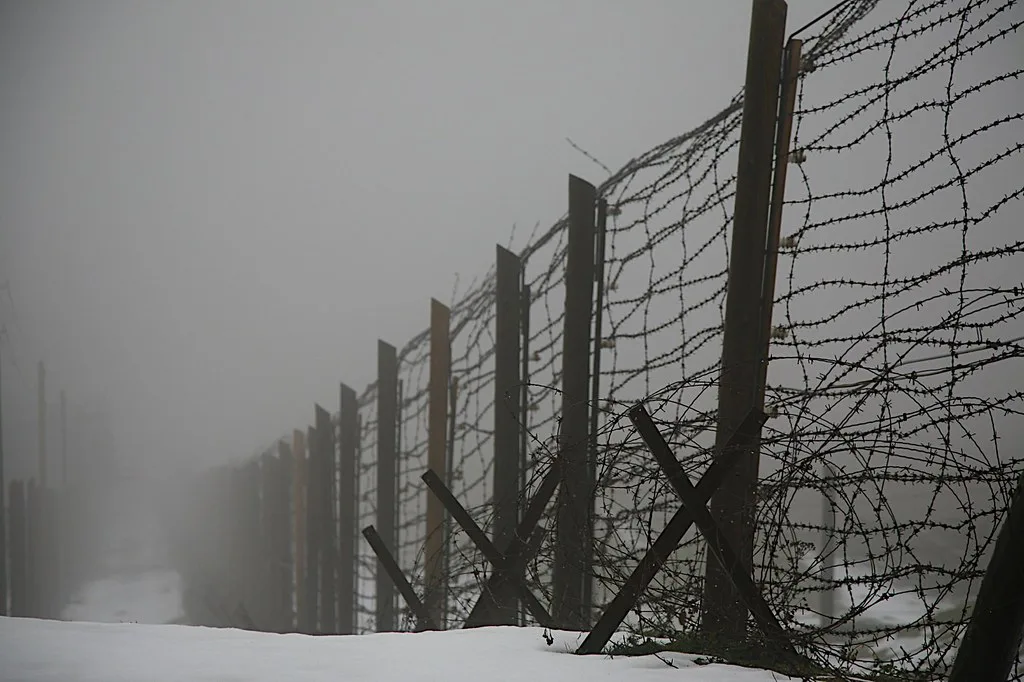
Pairing the memorial with other sites
Schirmeck sits close to Natzweiler-Struthof, so the two combine naturally. The camp's own site, struthof.fr, publishes its visiting information. Seeing the museum first gives the annexation context for what you see at the camp.
Museum visitors get 1870 to 1945 in one building, while Hartmannswillerkopf belongs to a separate war story.
For a second day, move to the First World War. Hartmannswillerkopf and the Linge memorial show the earlier war on the same border. For winter 1944–45, read about the Colmar Pocket (1945): History and Sites to Visit.
If American graves are your interest, the ABMC lists the Lorraine American Cemetery on its official page. Families with younger children may prefer MM Park as a lighter option, but check its own site first.
Visiting with respect: practical tips
This material covers conscription, camps and mass death, so keep voices low and photography considerate. Follow each site's published rules, especially at Natzweiler-Struthof and at cemeteries. Leave time between stops rather than rushing from museum to camp. Treat the malgré-nous as families' history, not as spectacle.
A one- or two-day way to combine the sites
For one day, begin at the Mémorial de l’Alsace-Moselle in Schirmeck. Its 1870–1945 narrative gives essential context before a visit to Natzweiler-Struthof. Keep the two visits in that order. The museum explains annexation and forced conscription before the camp site introduces its own history.
Plan one major site per half day. Two stops make a full day, particularly when the second stop is a place for quiet reflection. Check each site’s official visiting information before setting out, including seasonal opening arrangements and conduct rules.
With two days, reserve the next day for First World War history at Hartmannswillerkopf or the Linge memorial. This keeps the 1914–1918 battlefield story distinct from the Second World War themes at Schirmeck and Natzweiler-Struthof. Visitors focused on the winter 1944–45 fighting can instead use the second day to explore the Colmar Pocket context.
Keep planning
Guides on the same trip






