
Colmar Pocket (1945): History and Sites to Visit
What the Colmar Pocket was, where the winter 1945 fighting happened, and how to plan a visit to the Holtzwihr area and nearby Alsace WWII sites.
In this guide
Last updated November 2026. The Colmar Pocket was a German-held bridgehead west of the Rhine around Colmar, which French and American forces reduced in January and February 1945. This guide gives a short history primer first, then explains how to plan a visit to the Holtzwihr area and nearby Alsace sites. For the wider region, see our overview of other Alsace battlefields and memorials.
Featured image: U.S. Army Europe, Public Domain Mark 1.0, via Flickr.
What Was the Colmar Pocket?
Colmar Pocket is the name given to a German-held bulge of Alsace along the Rhine, centered on the city of Colmar. German forces kept this bridgehead on the French side of the river through the winter of 1944-45. French and American troops attacked it in January 1945 and had reduced it by February 1945. The US 3rd Infantry Division and the French 1st Army were among the Allied forces involved. Colmar here is a military reference point, not the tourist old town.
Why It Mattered in the Winter 1944-45 Campaign
A German foothold west of the Rhine left Alsace unfinished business for the Allies. Clearing it meant Allied armies could face the river along this stretch without an enemy salient behind them. Accounts of the 3rd Infantry Division describe the 7th, 30th and 45th Infantry Regiments driving south several miles in late January 1945. By January 31, the 30th Infantry was preparing to push toward the Rhine to cut Colmar off from German supply lines. Fighting took place in freezing weather across open farmland and woods, which shaped how the campaign unfolded.
Colmar Pocket Timeline: January to February 1945
The pocket took shape in late 1944. Allied forces reached the Rhine near Mulhouse and liberated Strasbourg in November, but German troops held on to the ground between them. These dates show how that salient was closed. The Colmar Pocket overview on Wikipedia is a useful starting point for unit-level detail.
| Date (1945) | What happened |
|---|---|
| January 20 | French I Corps attacked the southern side of the pocket, pushing north from the Mulhouse area. |
| January 22-23 | The northern attack opened, with the US 3rd Infantry Division fighting under French command. |
| January 26 | Audie Murphy's Medal of Honor action took place near Holtzwihr. |
| Late January | American reinforcements joined the offensive, and heavy fighting included the battle for the village of Jebsheim. |
| February 2 | Allied troops liberated Colmar, with French armor entering the city. |
| February 5 | Forces advancing from the north and south linked up around Rouffach, splitting what remained of the pocket. |
| February 9 | The last German bridgehead at Chalampé was gone, and the Rhine bridge there was blown as the Germans withdrew. |
For a visit, it helps to think in two directions. Holtzwihr and Jebsheim belong to the northern attack. The southern offensive covered separate ground toward Mulhouse, so a short trip based on the Murphy story will show you only part of the campaign.
Audie Murphy and Holtzwihr: The Best-Known Story
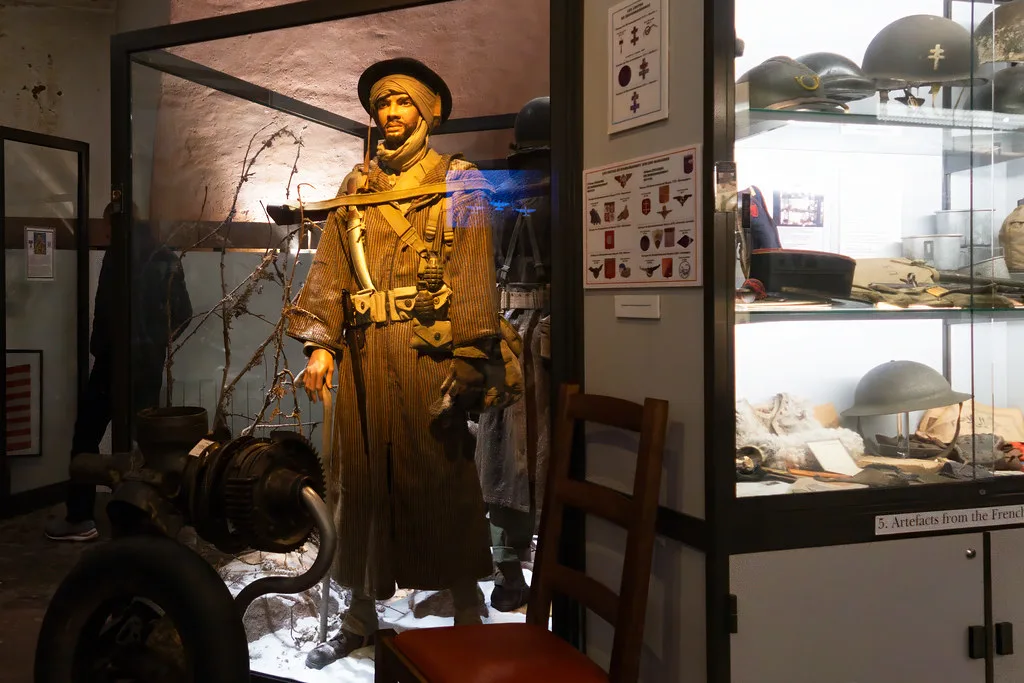
Most visitors search for this battle because of Audie Murphy. He was a lieutenant in Company B of the 15th Infantry Regiment, part of the 3rd Infantry Division. On January 26, 1945, his unit fought near the village of Holtzwihr, and his actions that day earned him the Medal of Honor. Read the official citation rather than relying on blog retellings, because narrative accounts differ on troop numbers and details. Holtzwihr is a working Alsatian village, so treat it as a place to understand the ground rather than a themed attraction.
Holtzwihr's fighting on January 26, 1945 came before the 30th Infantry's push toward the Rhine. Visit the village with that late-January advance in mind, since both fall in one month.
Where to See Colmar Pocket Sites Today
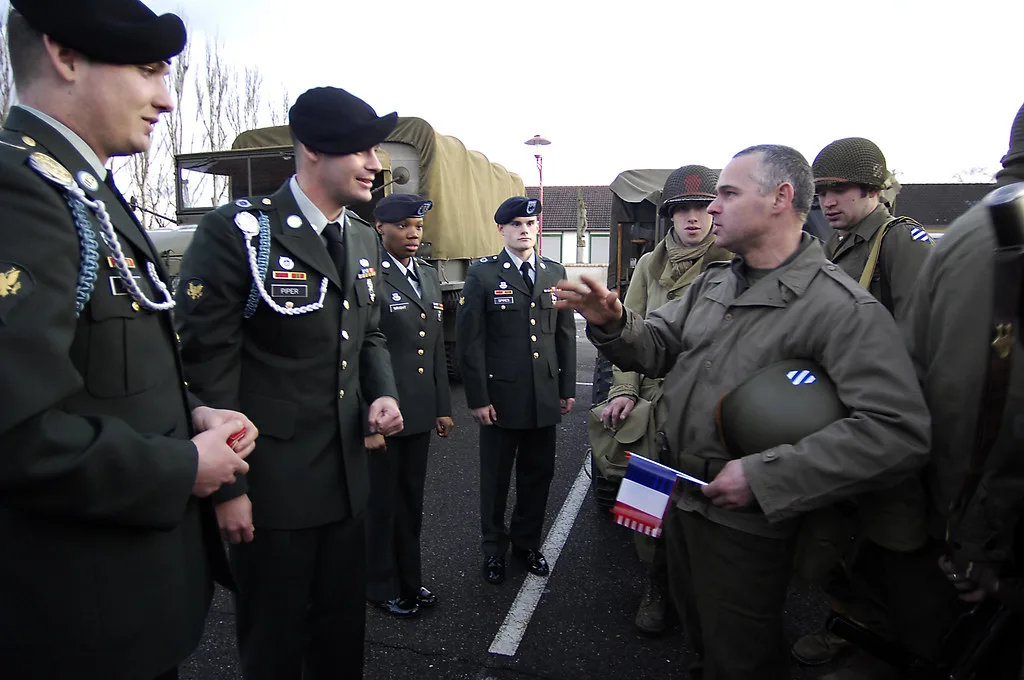
Few places are built around this campaign, so plan around a short list of stops. Official pages give current access, and the Colmar tourism office is the first place to ask about local markers and memorials near Holtzwihr.
- Holtzwihr village and its surrounding fields: the setting of the January 26, 1945 action. Expect farmland, not a staffed site.
- Colmar: the base city and orientation point. Ask the tourism office which memorials and markers in the area are open to the public.
- Natzweiler-Struthof: a separate subject, the former concentration camp in Alsace, with its own visitor rules and history. See our Natzweiler-Struthof guide for planning.
- Strasbourg: a larger base with its own wartime story, covered in our Strasbourg WWII guide.
Turckheim Museum and Sigolsheim War Cemetery
If farmland alone feels hard to read, add two places west and northwest of Colmar that give the fighting more context.
Colmar Pocket Memorial Museum, Turckheim
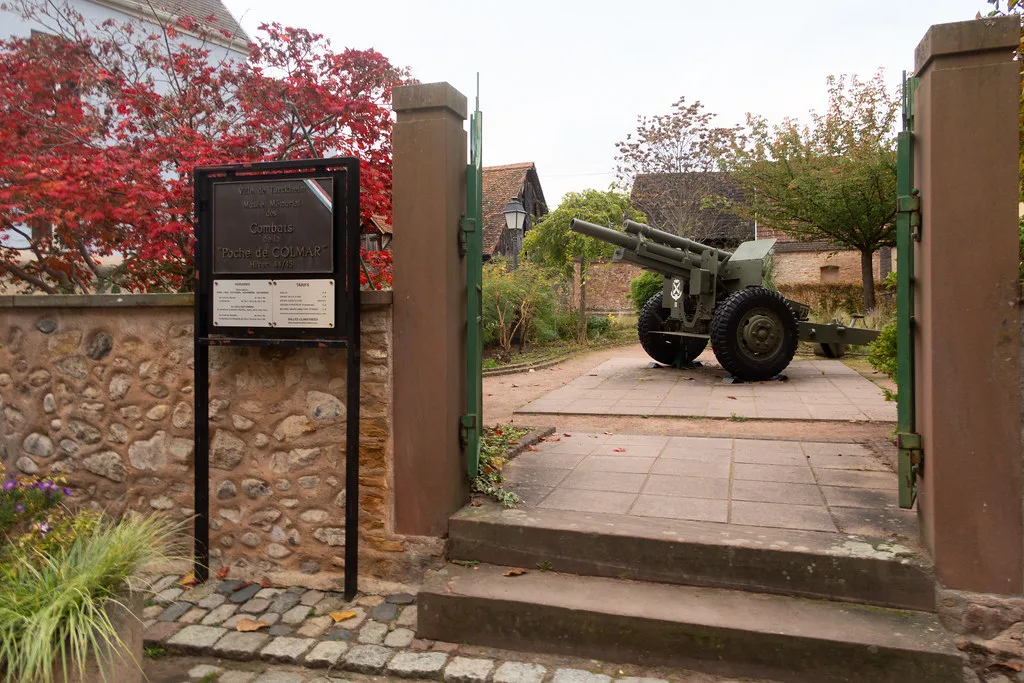
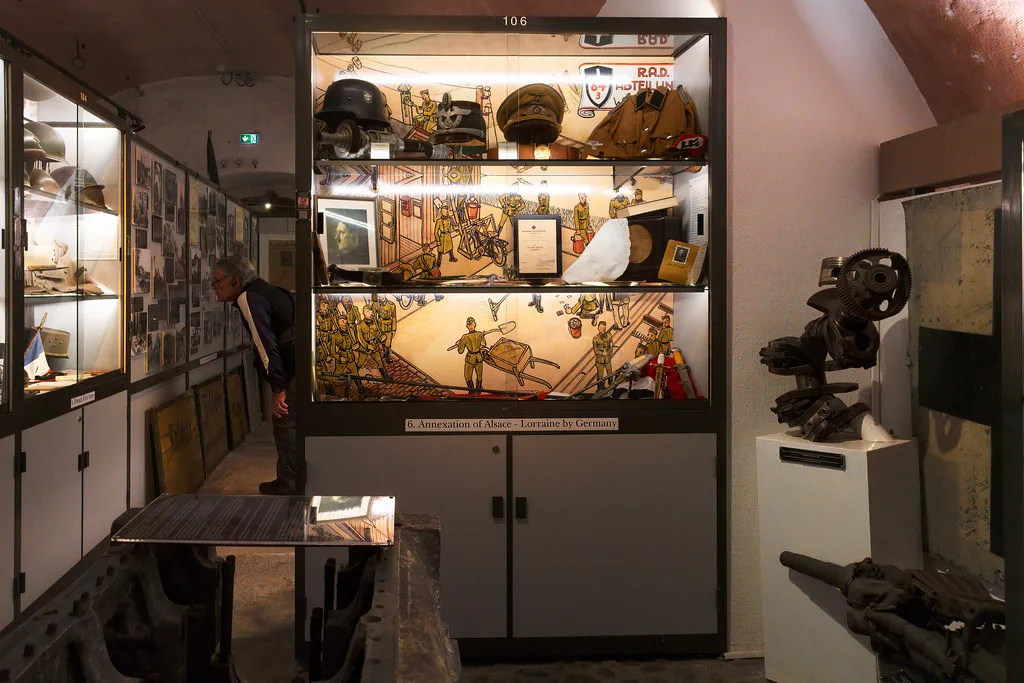
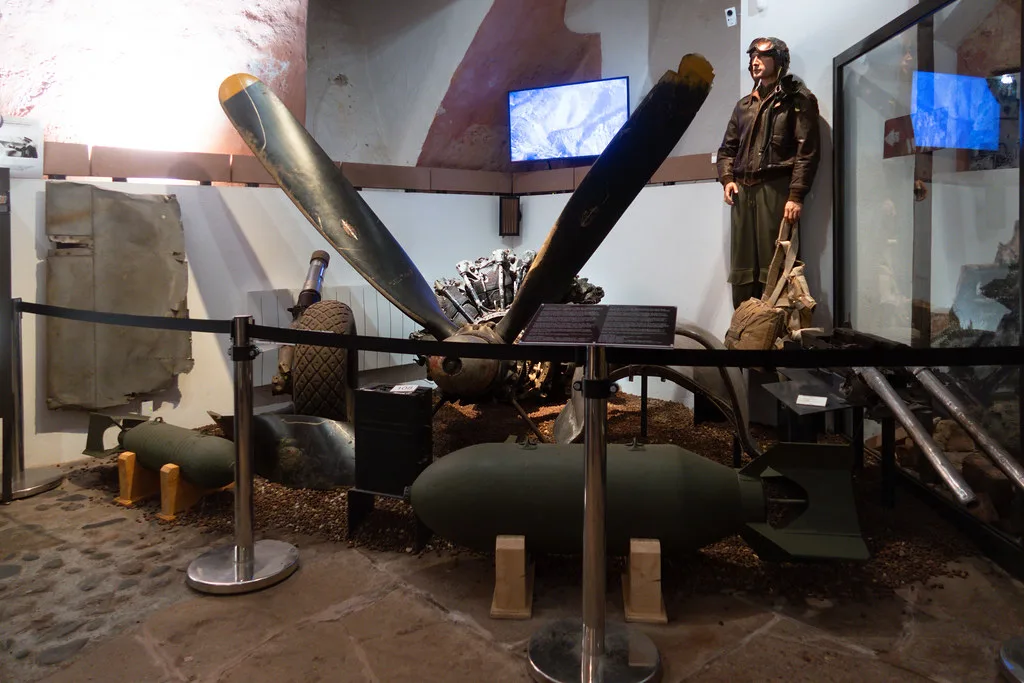
The Musée Mémorial des Combats de la Poche de Colmar in Turckheim is devoted to this winter campaign. It is a small local museum, so check current opening days, hours and admission with the museum or the tourism office before you go, especially for a winter visit. Turckheim is a short drive from Colmar and also has a regional rail link, which makes this the easier stop if you do not have a car. If you can, go here before the open ground, so unit names and village names are familiar when you reach them.
Sigolsheim National Necropolis
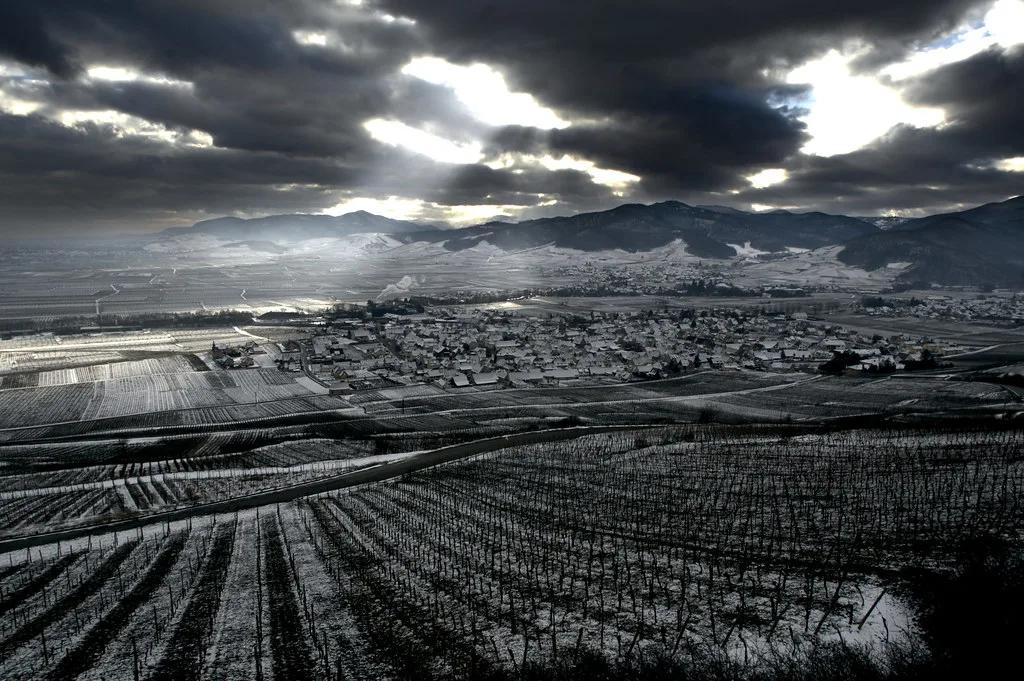
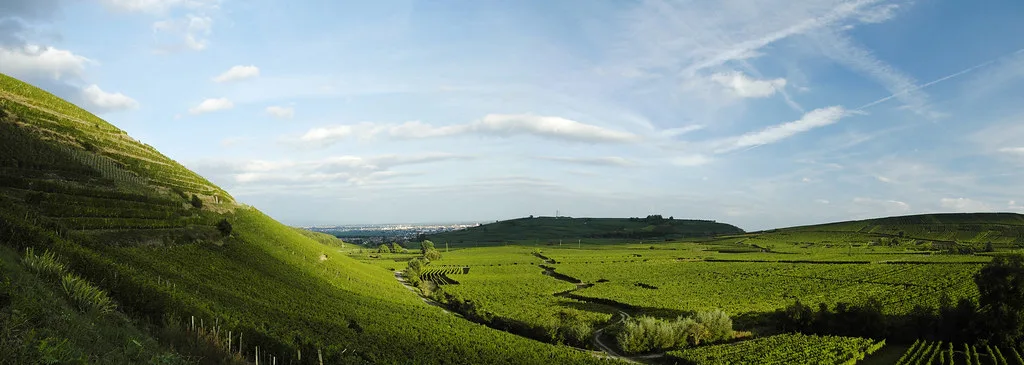
The Nécropole nationale de Sigolsheim stands on a hill among the vineyards northwest of Colmar. It is a French military cemetery for soldiers of the French 1st Army, including many who died in the Alsace fighting of 1944-45. The height also gives wide views over the vineyards and the Alsace plain, which helps you understand the terrain. This is a place of burial: keep voices low and stay on the paths. Allow for an uphill approach, and take care in icy weather.
Fitting them into your day
These two stops lie on the opposite side of Colmar from Holtzwihr. Adding both to the Holtzwihr area makes a fuller outing than a quick half-day, so plan on a full day by car if you want time inside the museum. If your interest is mainly Audie Murphy, start with Holtzwihr. If you are tracing French 1st Army service, give Sigolsheim priority.
How to Plan a Visit: Time, Transport and Route Trade-offs
Colmar is the simplest base, since Holtzwihr and the surrounding villages lie close by. Rural battlefield ground like this is usually easiest by car, so check bus options with a maps tool if you do not drive. A half-day from Colmar covers Holtzwihr and the surrounding fields at an unhurried pace. A full day lets you add a second subject, such as Natzweiler-Struthof, but check drive times first. Strasbourg works as a base if you want city evenings and a longer route. Alsace tourism information at Visit Alsace lists regional transport and local contacts.
Season and Weather Considerations
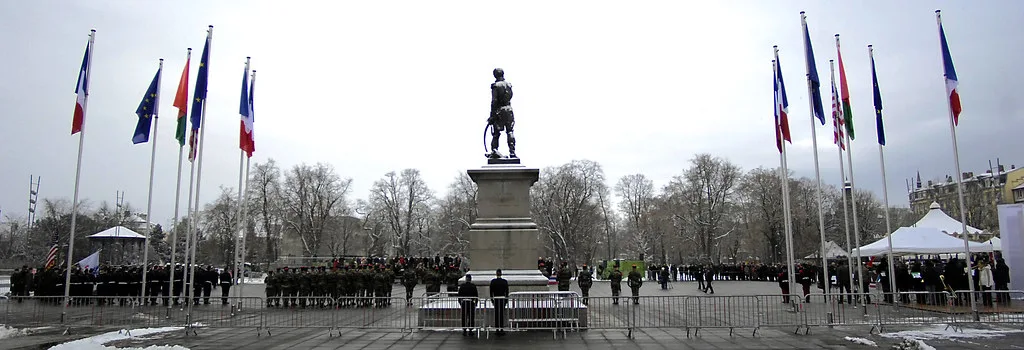
The campaign was fought in deep cold, with snow and temperatures well below freezing described in veterans' accounts. A winter visit brings a similar feel, along with shorter days and some seasonal closures. Summer is easier for walking farm tracks and driving between villages. Opening seasons vary by site, so check each official page before you set a date. If you want World War I sites on the same trip, Hartmannswillerkopf and the Linge Memorial (Mémorial du Linge): Trenches, Museum & Tips cover 1914-1918, not the 1945 campaign.
Who Should Skip This, and Common Mistakes
Casual sightseers wanting half-timbered streets and canals will be better served by Colmar's old town. Deep-history travelers and descendants of 3rd Infantry Division or French 1st Army soldiers are the right audience for this trip. Avoid these common errors when planning:
- Expecting an intact battlefield with signage everywhere. Much of the ground is now farmland and villages.
- Confusing the Colmar Pocket with Colmar the tourist town. They overlap geographically but not in purpose.
- Assuming memorials and museums are staffed year-round. Confirm access on the official page first.
- Mixing up the 1945 campaign with the World War I sites in the Vosges. They are separate subjects.
Keep planning
Guides on the same trip





