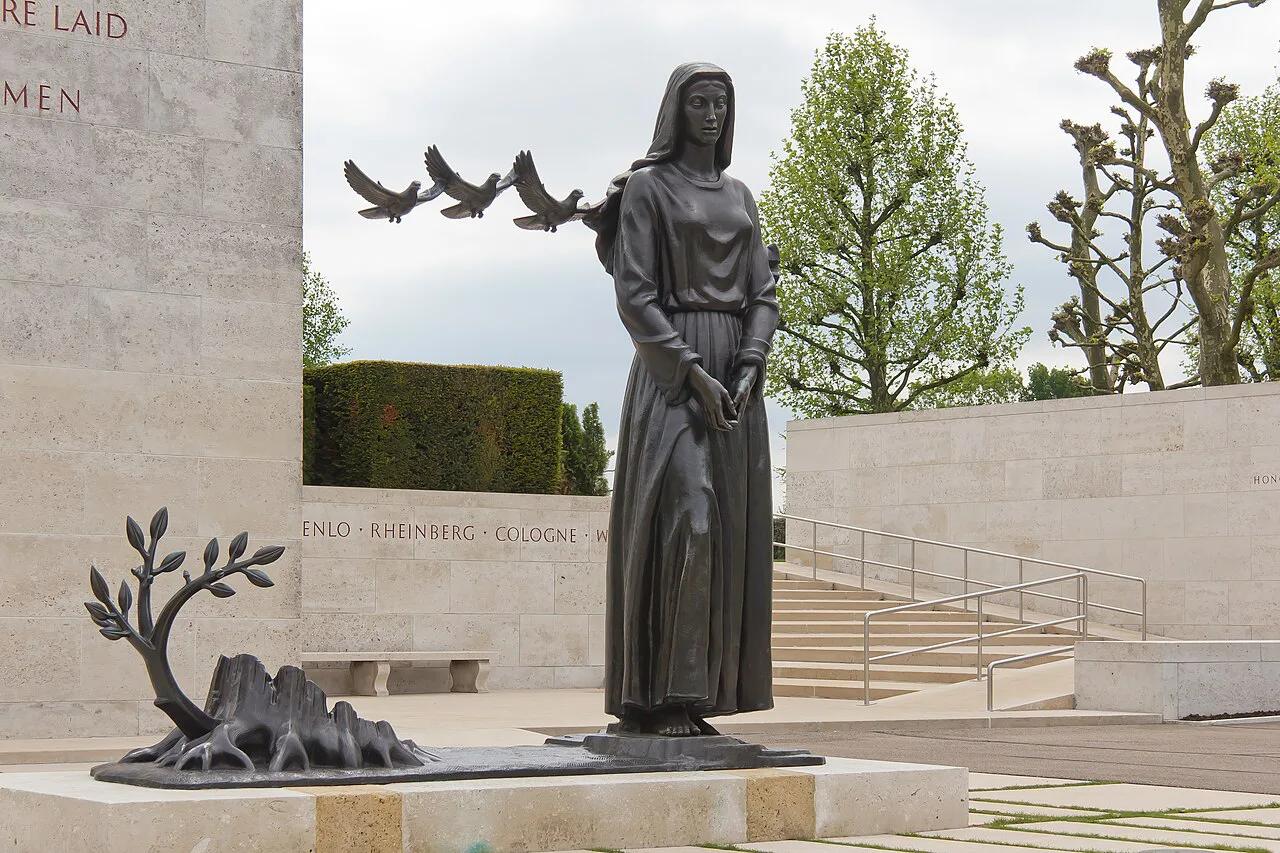
6 Operation Market Garden Sites to Visit in the Netherlands
What Operation Market Garden was, why it failed at Arnhem, and six sites to visit in the Netherlands: bridges, museums, a landing zone and cemeteries.
In this guide
Last updated November 2026: Operation Market Garden was the Allied airborne and ground attack of September 1944 that tried to seize a chain of Dutch bridges leading to the Rhine at Arnhem. Airborne troops were "Market" and the ground advance was "Garden", and the attack failed at Arnhem. Six stops between Eindhoven and Oosterbeek show where it happened and how to visit.
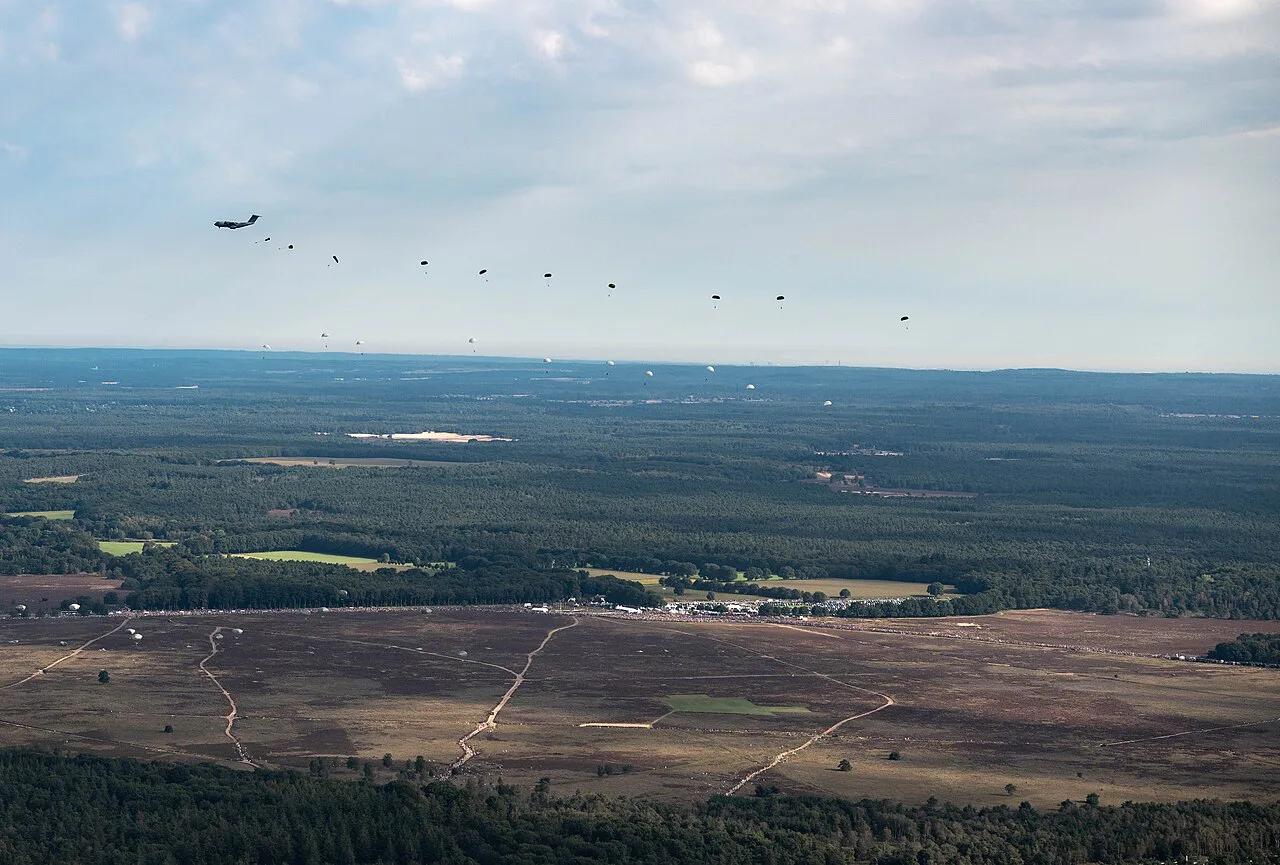
Featured image: Airman 1st Class Jordan Lazaro, Public domain, via Wikimedia Commons.
What Was Operation Market Garden?
Operation Market Garden began on 17 September 1944 and took place in the Netherlands. Market was the code name for the airborne landings. Garden was the code name for the ground advance. Planners hoped to open a corridor of about 64 miles from Eindhoven to Arnhem and cross the Rhine before the German border. On that sunny Sunday afternoon, around 20,000 paratroopers and glider soldiers landed within about an hour. Two confusions are worth clearing up early. Hell's Highway names a road rather than a place, and the British landings near Arnhem were made far from the bridge.
Eindhoven to Arnhem spans about 64 miles, so car-free visitors should base in Nijmegen or Arnhem, both rail hubs.
The Plan: Three Airborne Divisions and One Road
By autumn 1944 the Allies wanted to bypass the Siegfried Line and end the war by Christmas 1944. Field Marshal Bernard Montgomery's plan gave each airborne division a section of the route. The US 101st Airborne Division was to take bridges near Eindhoven. The US 82nd Airborne Division was to take those near Grave and Nijmegen. The British 1st Airborne Division, later joined by Polish forces, aimed for the Rhine road bridge at Arnhem. British armor of XXX Corps was to race up a single road and link all three.
What Happened Where, and Why It Failed
Near Arnhem, only one battalion under Lieutenant Colonel John Frost reached the north end of the bridge on the evening of 17 September. Meanwhile XXX Corps met stiff resistance on the road north. At Nijmegen, the Waal crossing became the next test for the 82nd Airborne. Several problems combined at Arnhem. Everything depended on one road, and the landing zones lay far from the bridge. Two German SS panzer divisions were refitting nearby, and radios reportedly failed in places. Historians weigh these factors differently, so treat this as a summary rather than a verdict.
Frost's battalion reached the Arnhem bridge on the evening of 17 September, the same date commemorations cluster around.
6 Operation Market Garden Sites from Eindhoven to Oosterbeek
Prices and hours checked November 2026: this guide lists no fixed fees, so use each museum's official site for current opening times. The six stops below run south to north, following the order of the story.
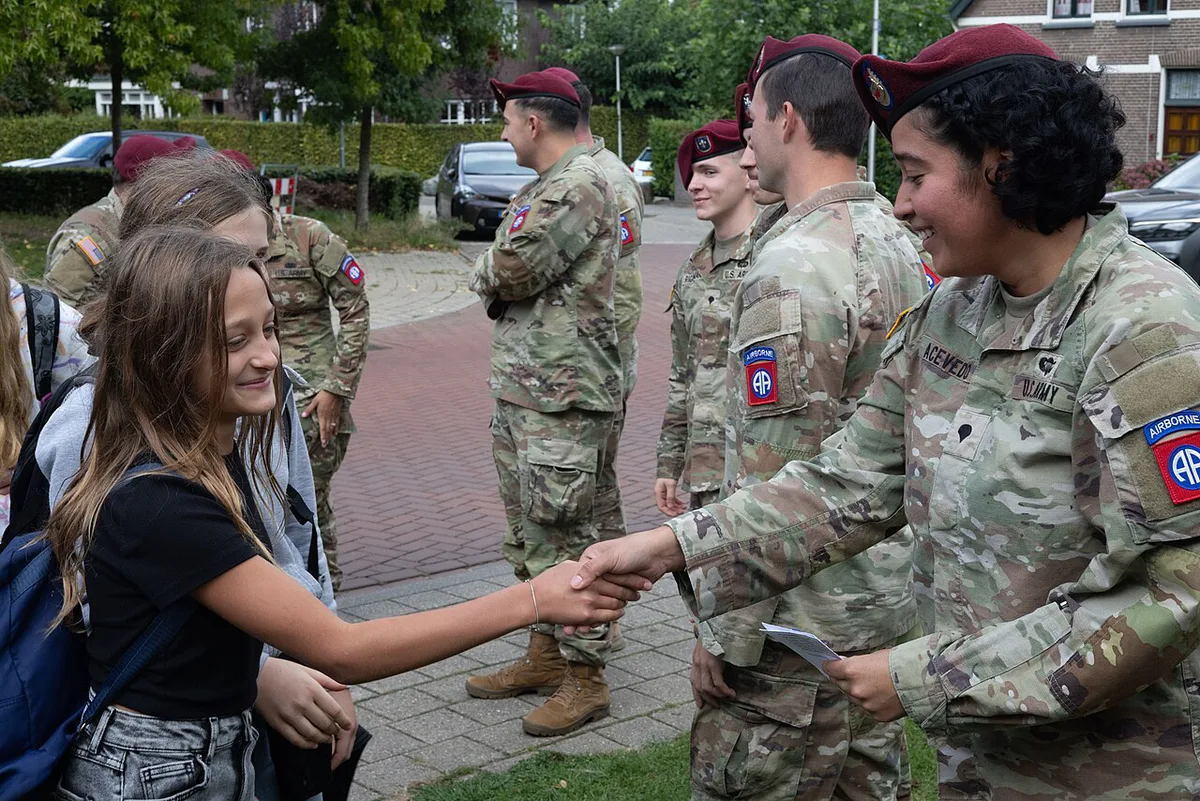
1. Eindhoven to Veghel: Hell's Highway
Paratroopers of the 101st Airborne Division landed here to take bridges near Eindhoven, and XXX Corps began its drive north on this road. Follow the Hell's Highway corridor to read the operation as a road, because everything depended on one narrow route. Allow a half day if you want to stop at several points along it.
Without a car, plan this leg carefully, since the stops sit along a road rather than in one town. Skip it if Arnhem is your only priority.
2. Nijmegen and the Waal Crossing
Nijmegen lay on the route of the US 82nd Airborne Division, whose targets included bridges near Grave and Nijmegen. The Waal crossing here was the next test after Eindhoven and the last major obstacle before Arnhem. Walk the city with Nijmegen's wartime sites in hand to link street names to events.
The regional tourist board lists current events and local transport. Nijmegen and Arnhem are both rail hubs, so the city also works as a car-free base. Skip it if you only want the British airborne story.
3. Groesbeek: Liberation Museum and Canadian Cemetery
Groesbeek belongs to the 82nd Airborne story around Nijmegen and has two distinct places to visit. The Groesbeek liberation museum covers the liberation of the area, and the National Liberation Museum site carries its current hours and exhibitions. The Canadian cemetery at Groesbeek is a Canadian war cemetery and a separate place from the one at Oosterbeek.
Allow a half day for both, with quiet time at the cemetery. Skip it if your trip is limited to the Arnhem perimeter.
4. Ginkel Heath: A Landing Zone
Ginkel Heath is a landing zone used by the British airborne forces, and it explains why the troops were so far from their objective. Standing on open heath makes the distance to the Arnhem bridge easier to grasp than any map. Visit it early in your Arnhem day, because it follows the order of events: landings first, then the bridge.
Read the Ginkel Heath landing zone guide before you go so the empty ground makes sense. Skip it if you want indoor exhibits, since this is a place for context rather than displays.
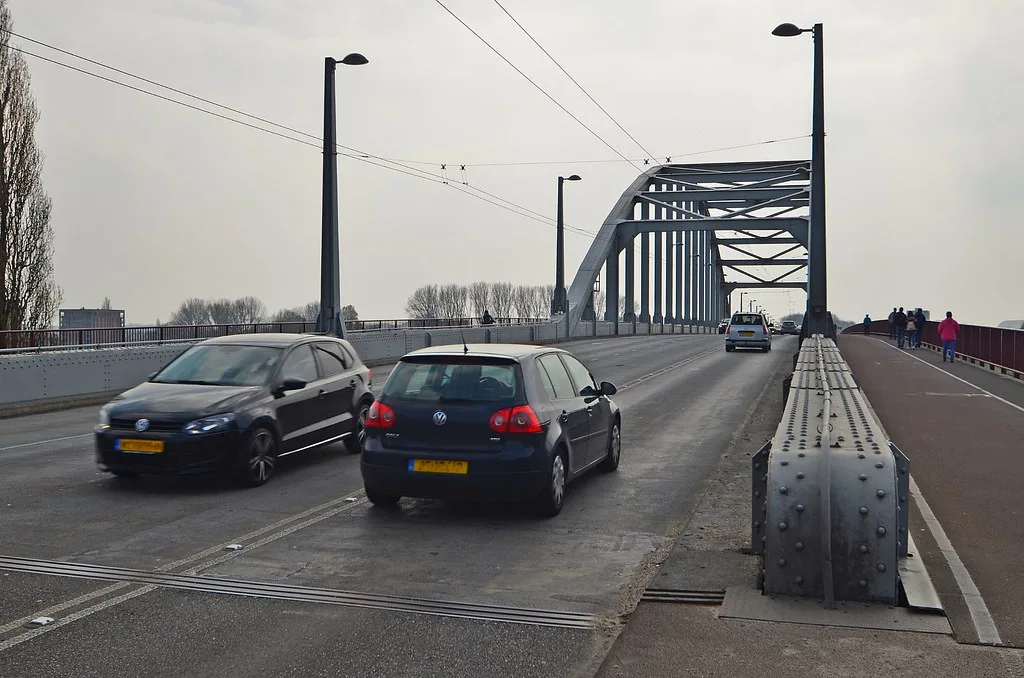
5. Arnhem Bridge
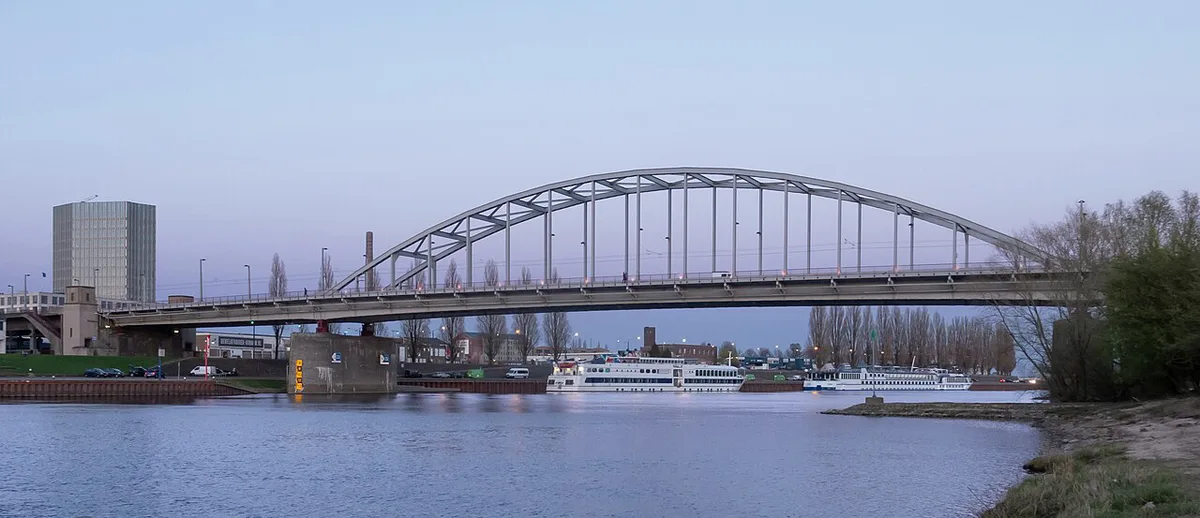
Frost's battalion reached the north end of the Arnhem road bridge on the evening of 17 September, and the fighting here became the center of the story. Everything in the plan pointed at this crossing of the Rhine, so seeing it explains the entire operation. Stand at the Arnhem road bridge and trace the approach from the north bank.
Allow an hour or two around the bridge and the riverside. Skip it if you only want museum displays, since the bridge itself is an outdoor site.
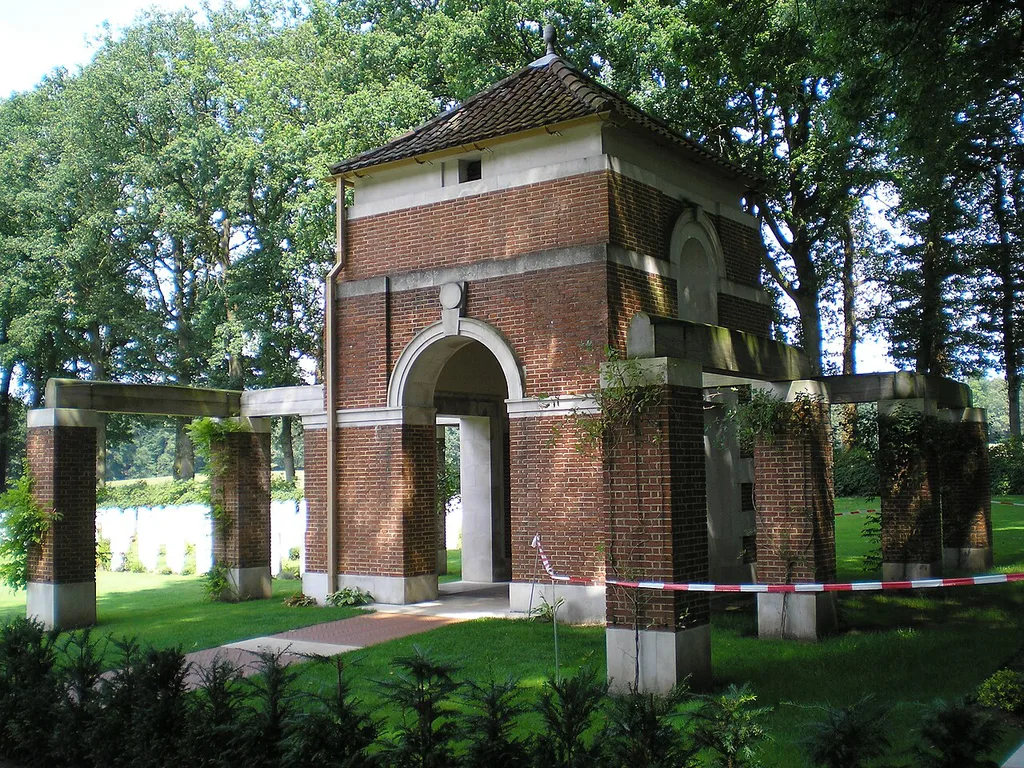
6. Hartenstein Museum and Oosterbeek War Cemetery
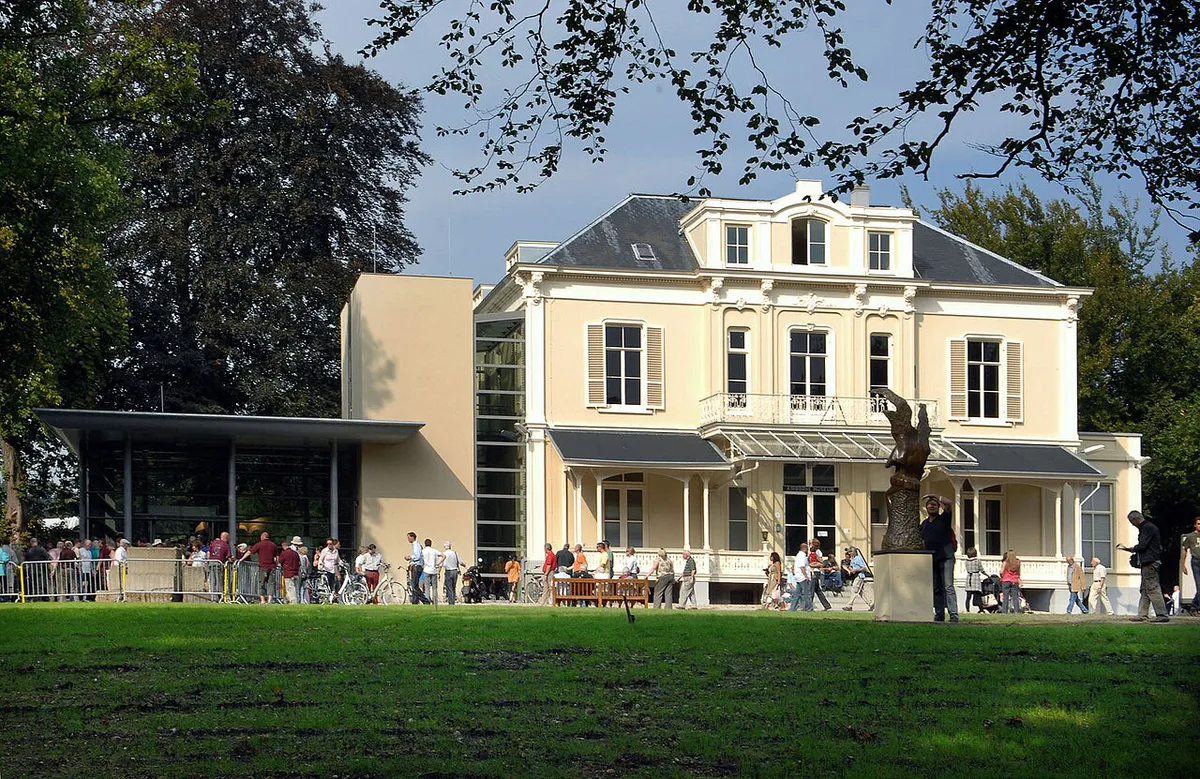
British 1st Airborne fought on from a perimeter around Oosterbeek after the bridge position was lost, and the museum sits within that story. The Hartenstein museum in Oosterbeek covers the battle, and the Airborne Museum website lists opening times and tickets. Finish at the war cemetery at Oosterbeek, where many who fell in the battle are buried.
Allow a half day for both and keep the cemetery visit unhurried. Skip it only if you cannot spend a full Arnhem day.
How to Plan an Operation Market Garden Trip
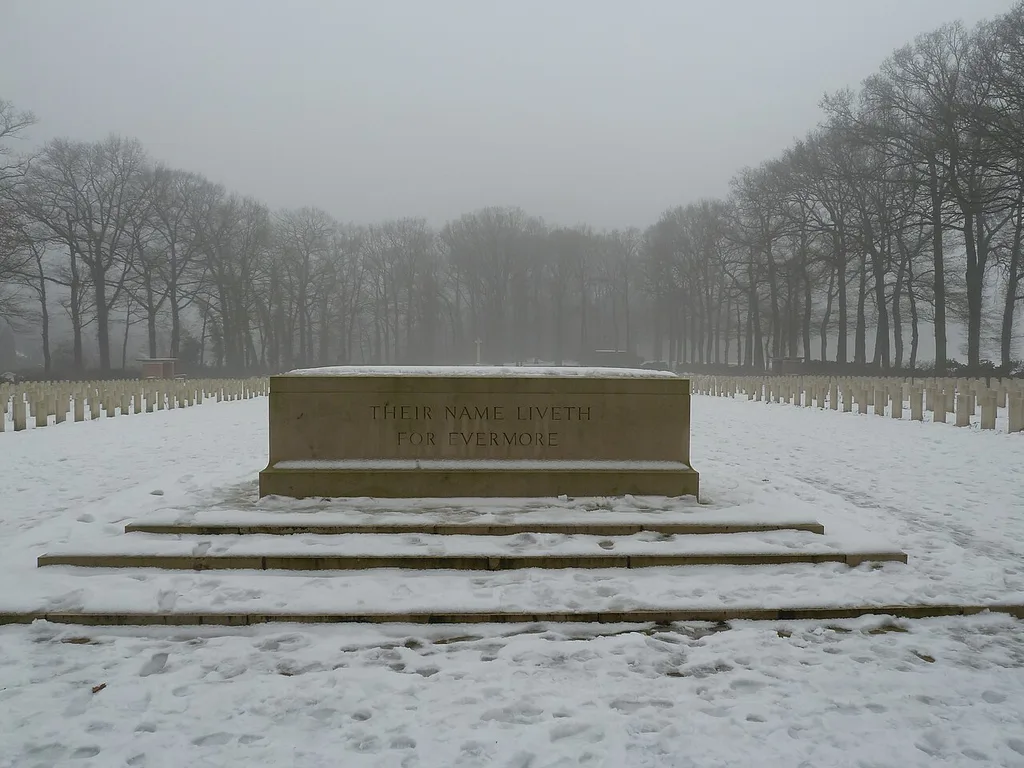
South to north follows the story, from Eindhoven to Arnhem along about 64 miles of corridor. The real order depends on your base. Nijmegen and Arnhem are both rail hubs, so either one works without a car. Start with Arnhem's wider WWII sites if Arnhem is your base. Commemorations cluster around 17 September, when crowds and bookings change, so look up the official programme first. Common mistakes are treating Arnhem as the whole story and underestimating travel time between Eindhoven and Arnhem.
| Traveler | Suggested stops | Time needed | Best for |
|---|---|---|---|
| One-day visitor | Ginkel Heath, Arnhem bridge, Hartenstein, Oosterbeek cemetery | One day | The British airborne story |
| Two-day visitor | Day one: Hell's Highway and Nijmegen. Day two: Arnhem and Oosterbeek | Two days | Following the full route |
| Car-free visitor | Nijmegen, Groesbeek, then Arnhem and Oosterbeek, using each city's rail hub | Two days | Base in one city |
| History-expert visitor | All six stops, with cemeteries unhurried | Two days or more | Place-to-event study |
| Family with children | Museums at Groesbeek and Hartenstein, plus Arnhem bridge | One day | Indoor and outdoor mix |
| Combining with Amsterdam | Arnhem sites only, by train | One long day | Short on time |
Visiting With Respect
Cemeteries and memorials are active places of remembrance. Keep voices low and stay on the paths. Follow the rules posted at each gate or museum entrance. Photograph with care, and never step on or lean against graves.
Aftermath and Legacy
The Allies did not cross the Rhine until March 1945. Dutch civilians faced a terrible winter of famine under German occupation. Civilians had also sheltered soldiers and shared information during the fighting. For the story on screen, the book and film A Bridge Too Far cover the operation. Those sources work best after you have seen the ground.
Many of the British and American airborne units dropped here had fought in Normandy three months earlier; see our guide to the Normandy D-Day beaches.
Explore More Guides
Keep planning your trip with these guides.
Guides
- Arnhem Bridge: History and Visitor Guide
- Airborne Museum Hartenstein: Visit Guide & Tickets
- Arnhem Oosterbeek War Cemetery: Visitor Guide to the Airborne Cemetery
- Arnhem WW2 Sites: What to See and How to Plan
- Ginkel Heath (Ginkelse Heide)
- Nijmegen WW2: Waal Crossing and Liberation Sites
- National Liberation Museum Groesbeek: Visitor Guide
- Groesbeek Canadian War Cemetery: Visitor Guide & History
- Hell's Highway
Keep planning
Guides on the same trip