Ginkel Heath (Ginkelse Heide): Market Garden Drop Zone Guide
What Ginkel Heath was in Operation Market Garden, what you can see there today, and how to plan a visit around the annual Airborne commemoration.
In this guide
Last updated November 2026. Ginkel Heath (Ginkelse Heide) is open heathland near Ede on the Veluwe, where British 1st Airborne reinforcements and Polish paratroopers dropped in September 1944. Today it is a quiet memorial landscape with an Airborne Monument and no museum. This guide explains what happened here, what you can see, and where it fits among the Arnhem sites.
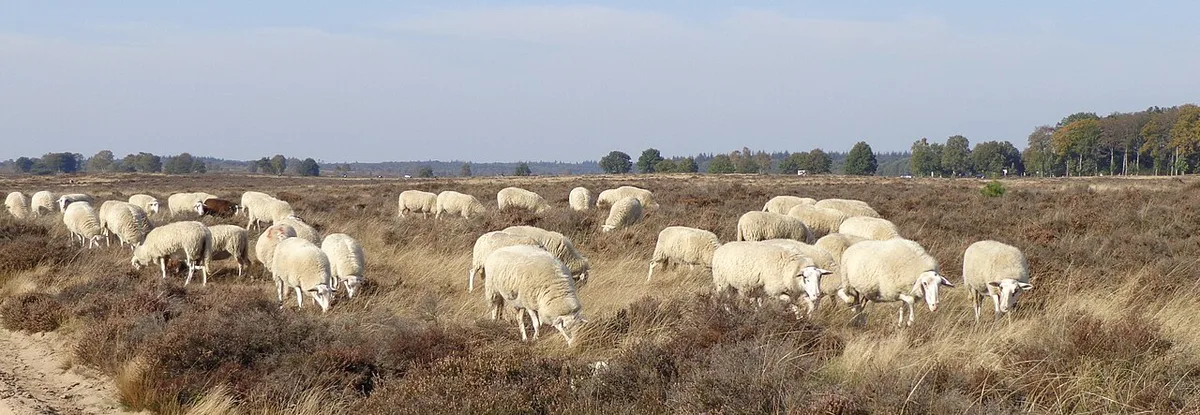
Featured image: Kliek, CC BY-SA 4.0, via Wikimedia Commons.
What Ginkel Heath Is (and Why It Mattered in 1944)
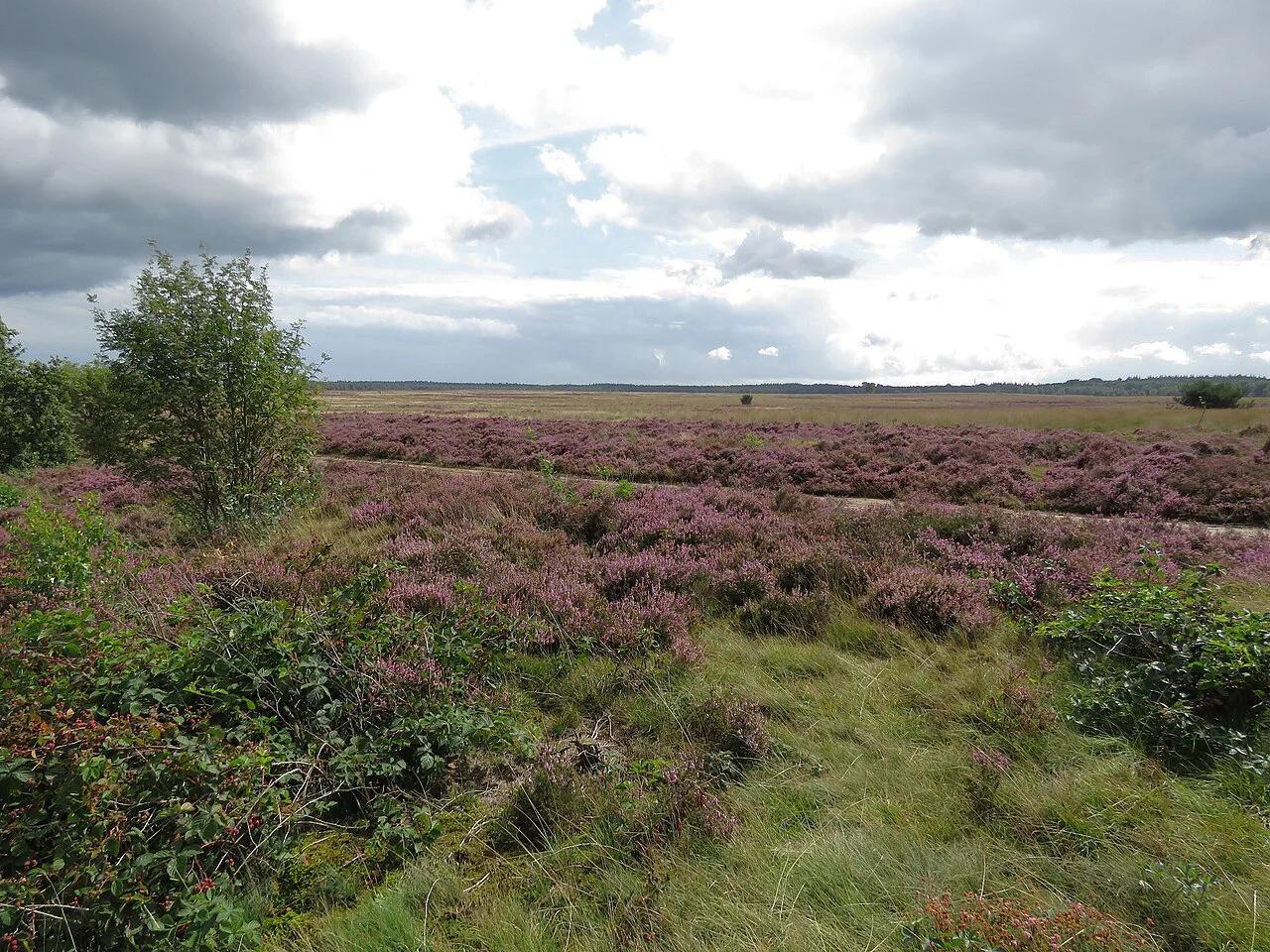
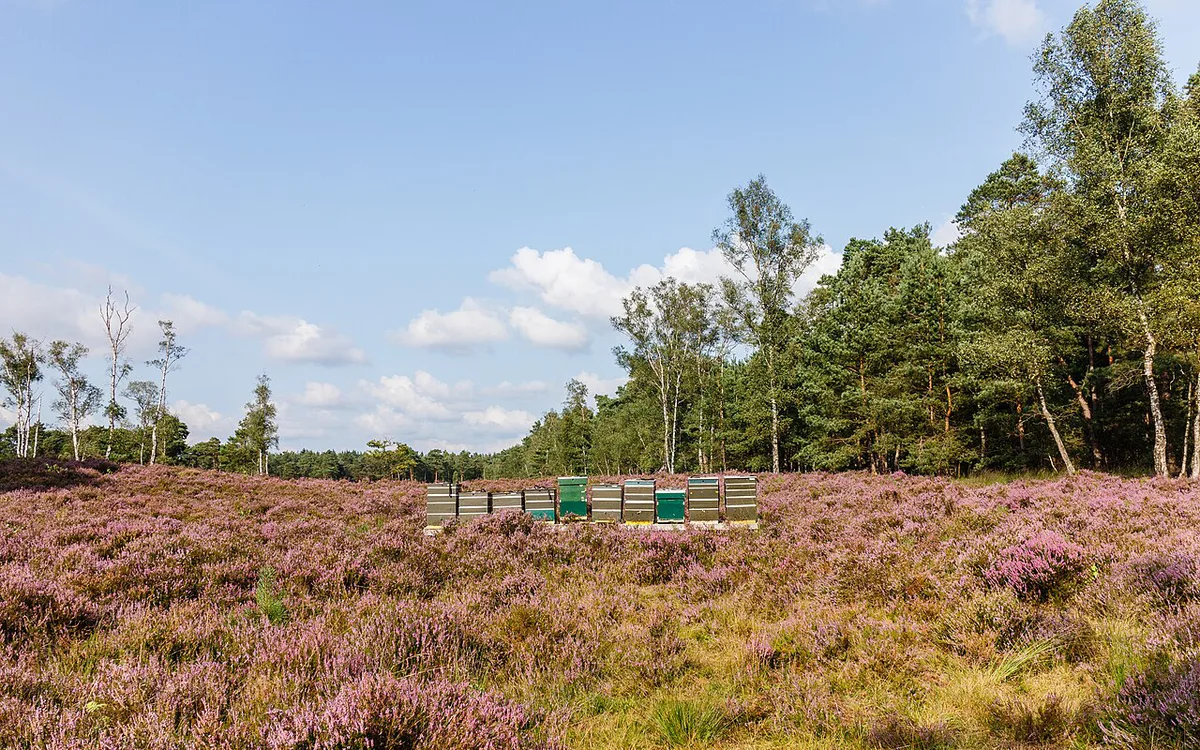
Ginkel Heath is the English name for the Ginkelse Heide, a stretch of open heath west of Arnhem and close to Ede. Open ground mattered for an airborne landing. Gliders and parachutists need space to land, and the woodland around Oosterbeek offered little of it. Planners used the heath as a drop zone and landing zone for later lifts of the 1st Airborne Division. You can read the wider campaign in our Operation Market Garden overview.
What Happened Here in September 1944
The Arnhem lifts were spread over several days, starting on 17 and 18 September 1944. British 1st Airborne reinforcements, including 4th Parachute Brigade, were dropped onto the heath, and Polish paratroopers also landed in the area in September. Each lift then had to fight its way toward the force holding the bridge. Unit-by-unit detail is covered by the Airborne Museum Hartenstein, which tells the Arnhem story from the drops onward. Our Arnhem WW2 sites guide places the heath among the other stops.
What You Can See Today
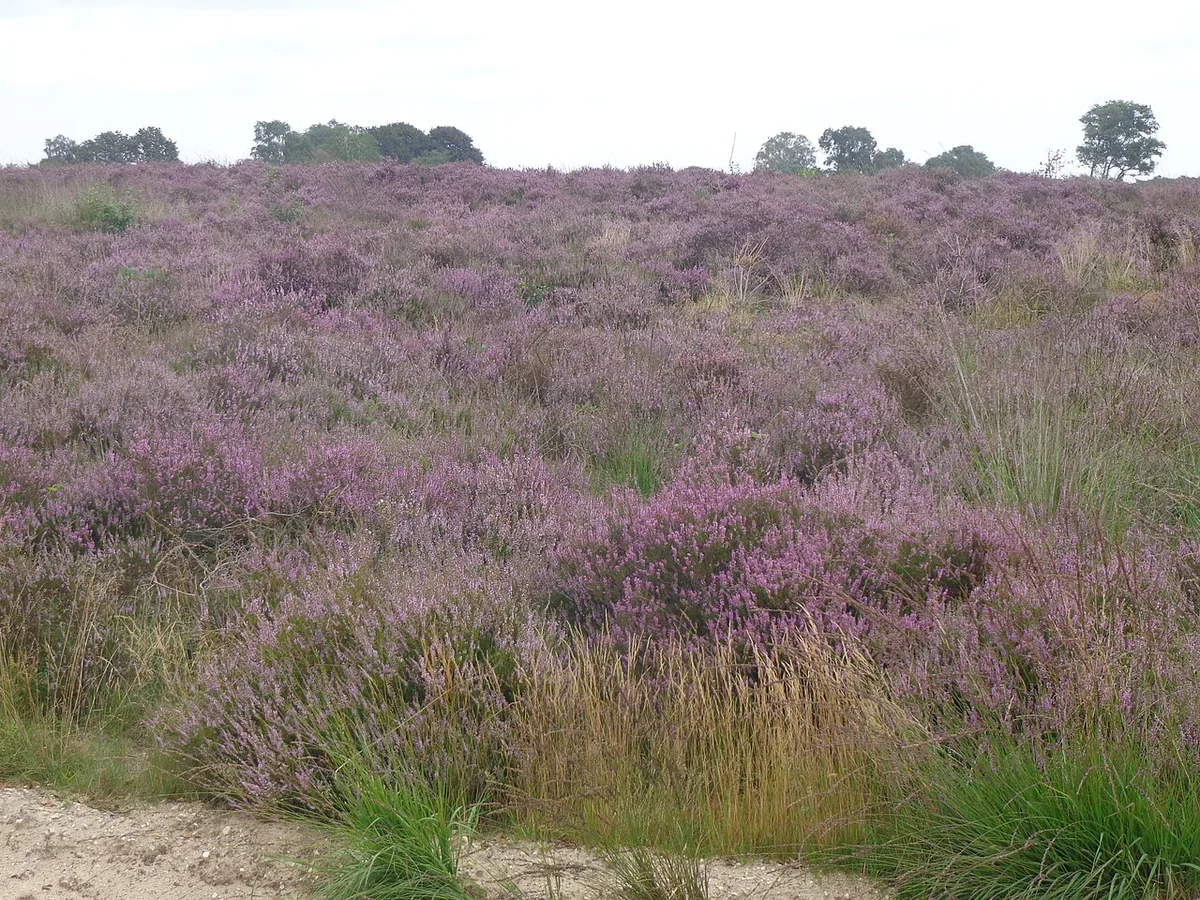
The main feature is the Airborne Monument at the edge of the heath. Beyond it you will find open heathland, walking ground and a rural setting. Photographs of the monument from June 2024 show it as a summer landscape site, not only a September one. Do not expect a museum, a visitor centre or a large facility here. Treat the monument as a memorial and stay on open, accessible ground.
Without a museum on the heath, the story starts at Airborne Museum Hartenstein, which covers the drops that began on 17 and 18 September 1944.
The Annual Airborne Commemoration and Parachute Drop
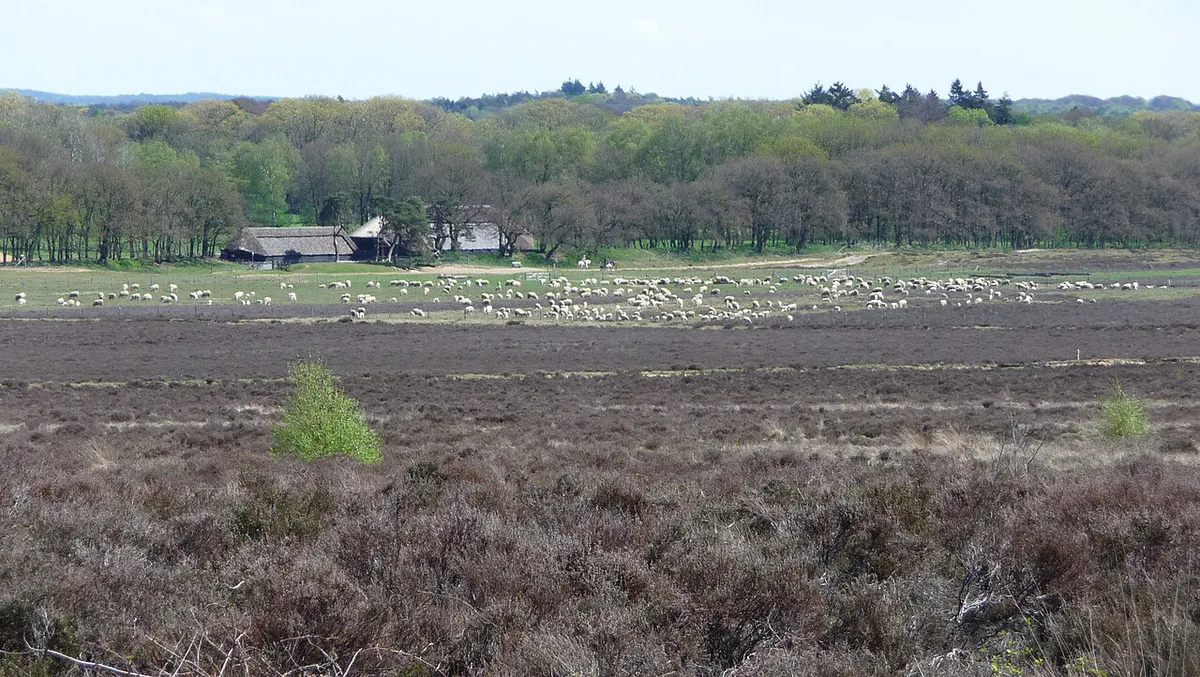
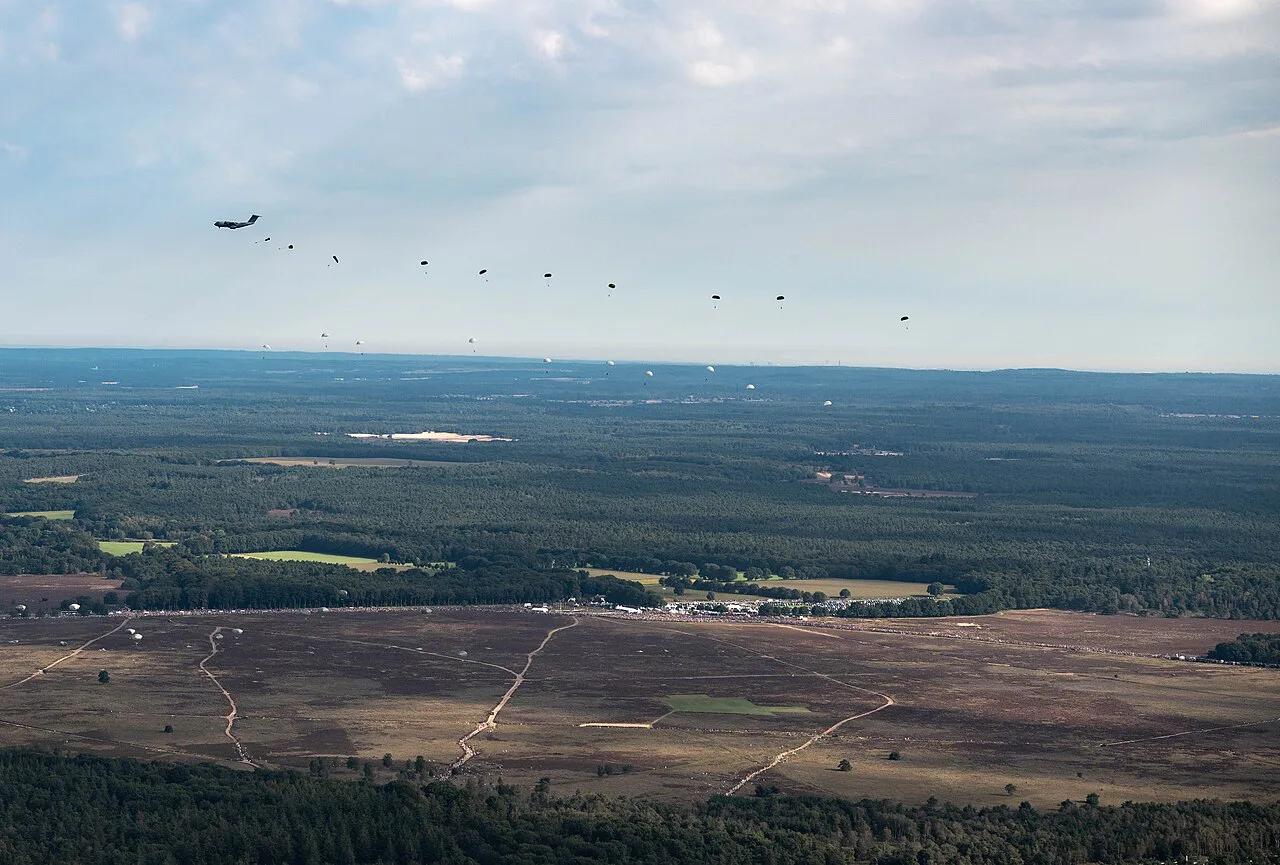
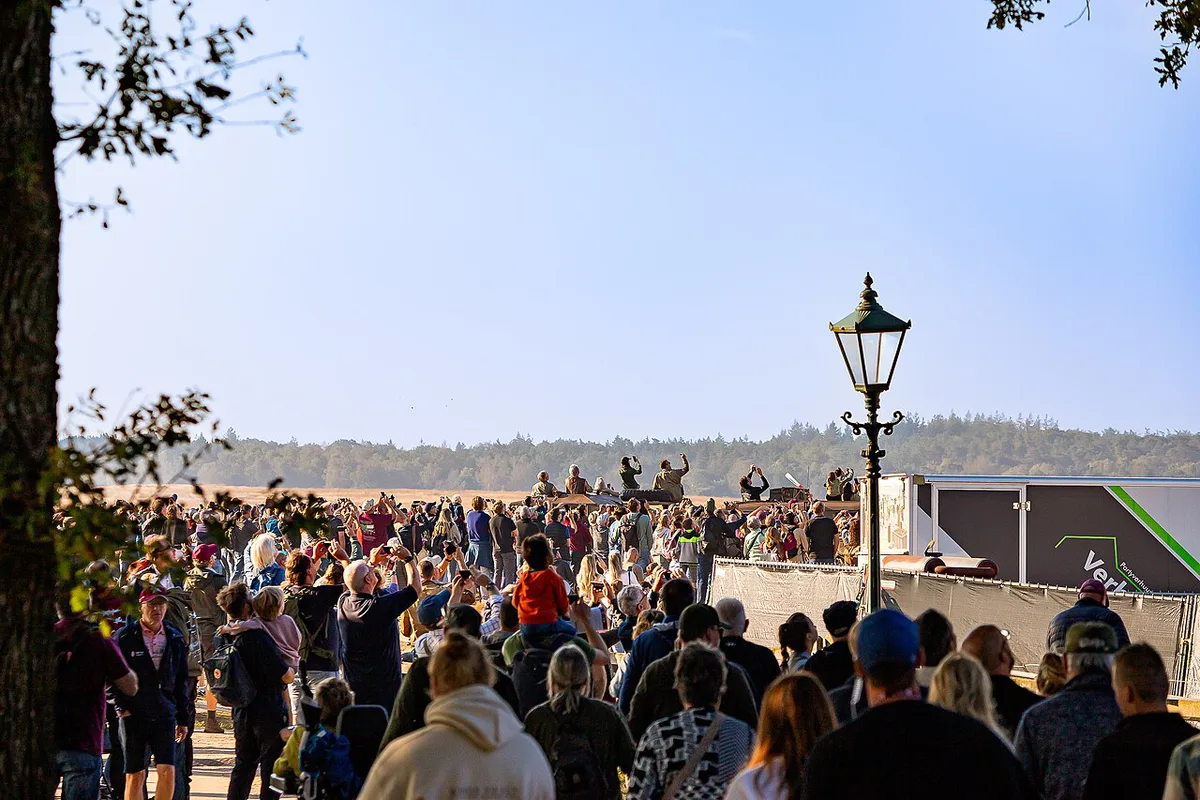
The heath is known for a yearly Airborne commemoration with a memorial parachute drop recalling the 1944 landings. Veterans and families attend, and crowds are likely on the day. Dates, spectator areas, parking arrangements and road closures are set by the organisers and local authorities each year. Check the current programme with Visit Arnhem Nijmegen before planning a September trip. On a normal day you get a quiet memorial with room to reflect. On commemoration day you get atmosphere but need a firm plan for access.
How to Get There and Practical Logistics
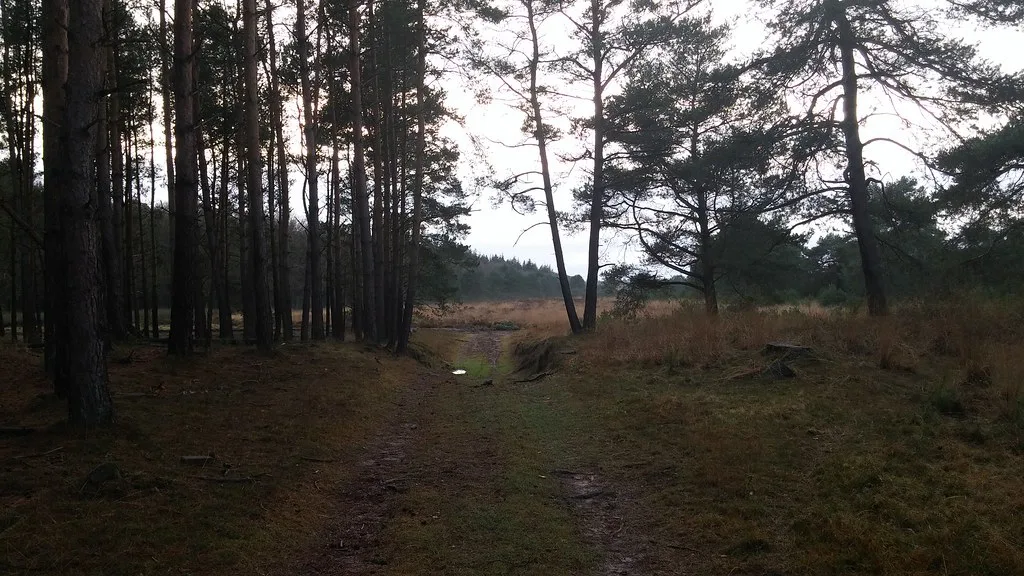
The heath is rural, so a car or bike is the simplest way to reach it from Arnhem or Ede. We have no verified figures for parking, bus services or facilities here. Check current routes with a journey planner and read local access rules on the official tourism pages.
Combining Ginkel Heath With Other Market Garden Sites
Ginkel Heath works best as a short first stop before the Oosterbeek and Arnhem sites. Skip it if your day is limited to museums, since it adds a memorial but no exhibition.
- Airborne Museum Hartenstein: Visit Guide & Tickets in Oosterbeek: the main story of the Arnhem battle.
- Arnhem Oosterbeek War Cemetery: Visitor Guide to the Airborne Cemetery: a place to pay respects to the fallen.
- Arnhem Bridge: History and Visitor Guide: the campaign's objective.
- Hell's Highway: the road corridor to the south. Nijmegen and Groesbeek are a long drive from the heath, so plan them as a separate day.
- Nijmegen WW2 sites: the river crossing story further south.
- National Liberation Museum and Groesbeek Canadian War Cemetery: Visitor Guide & History: the southern pair for a later day.
Reading the Heath as a Landing Landscape
Ginkel Heath is easier to understand when you treat it as part of the Arnhem operation’s landing system, rather than as a single battlefield monument. The first Arnhem lifts began on 17 September 1944, while further lifts followed on 18 September 1944. The open heath gave aircraft space that the wooded ground around Oosterbeek could not provide.
British 1st Airborne reinforcements, including the 4th Parachute Brigade, used the heath during the later lifts. Polish paratroopers also landed in the area later that month. From the monument, look across the open ground before following the wider Arnhem story at Oosterbeek. It helps explain why troops landing safely still faced a difficult journey toward the bridge.
There is no large interpretive display on the heath, so read the memorial and landscape together. The Airborne Museum Hartenstein supplies the unit context that the site itself cannot provide.
Keep planning
Guides on the same trip