Nijmegen WW2: Waal Crossing and Liberation Sites
Visit Nijmegen's WW2 sites: the September 1944 Waal crossing, the bridges, Groesbeek and Arnhem links, and a simple plan for your time.
In this guide
Last updated November 2026: Nijmegen WW2 history centers on the September 1944 Waal crossing near the Waalbrug, and the city was also bombed in February 1944. Visitors can see the river crossing area, the bridges and the nearby liberation sites. Below you will find the story in brief, a table of stops, three ways to spend your time and the best onward routes to Groesbeek and Arnhem.
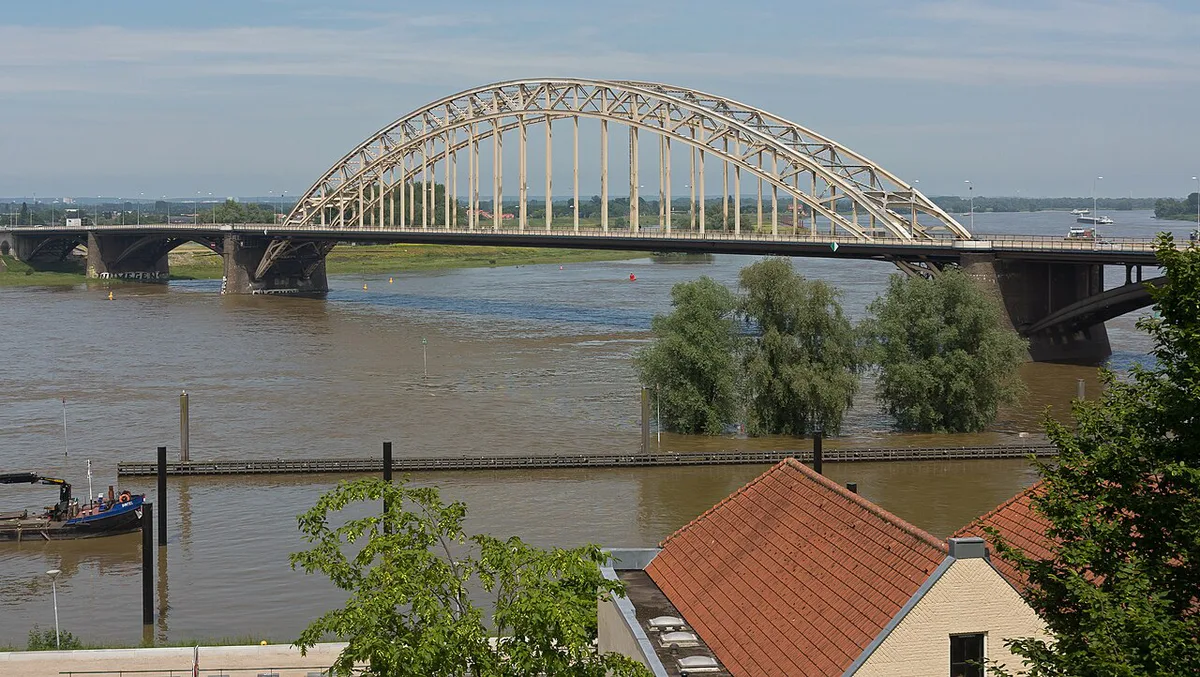
Featured image: Marc Ryckaert (MJJR), CC BY-SA 3.0 nl, via Wikimedia Commons.
Nijmegen WW2: the short answer
Nijmegen matters in the Second World War for two reasons. In February 1944 the city was bombed. In September 1944 Allied troops fought to take its Waal bridges during Operation Market Garden. Most visitors come for the second story, so the river and its bridges are the natural starting point.
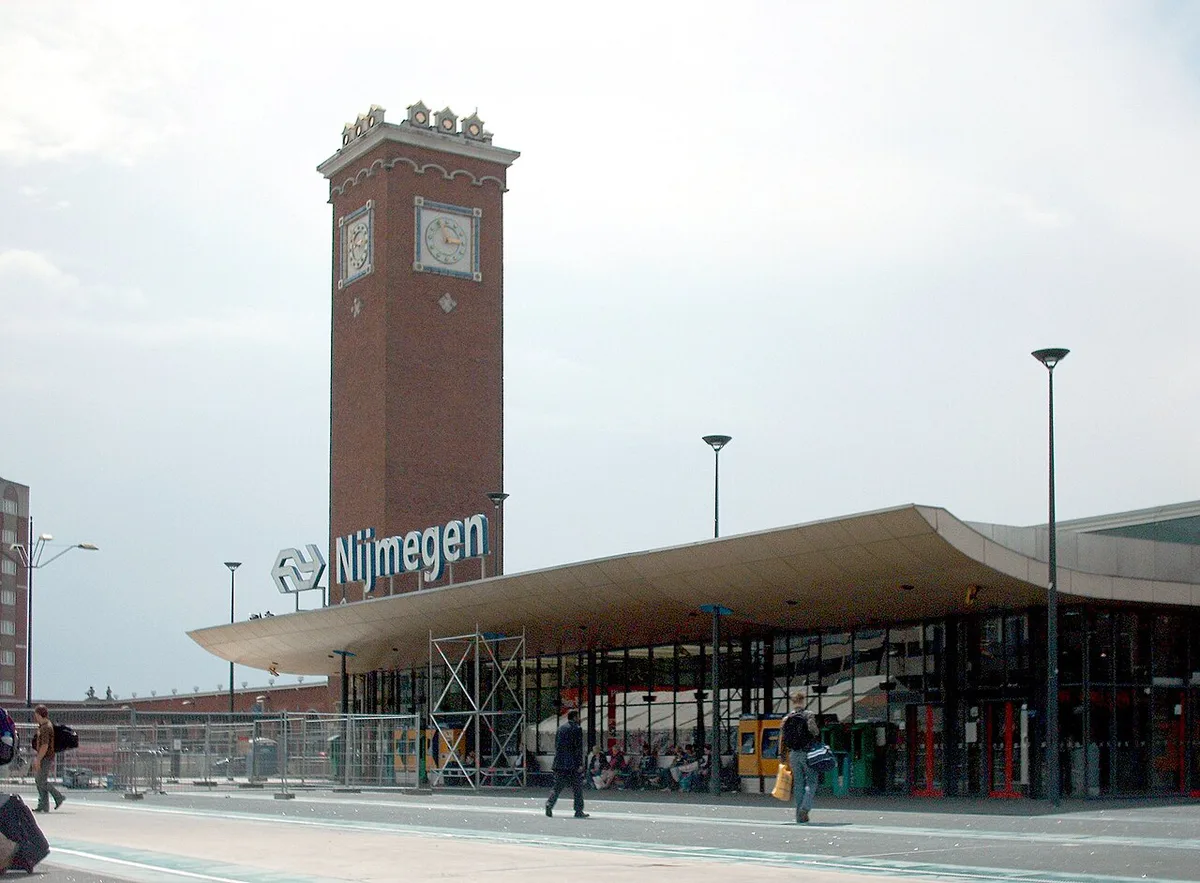
A good visit combines three things. You see the crossing area on foot, you add the liberation story at a museum, and you pay respects at a war cemetery if remembrance is part of your trip. Nijmegen's history runs far deeper than 1944, but this guide stays with the war years.
Why the Waal crossing mattered
Market Garden depended on a chain of bridges, and Nijmegen's were part of that chain. Our Operation Market Garden overview covers the whole plan. Here the point is simple: if the Waal bridges stayed in German hands, the Allied troops fighting at Arnhem could not be supported.
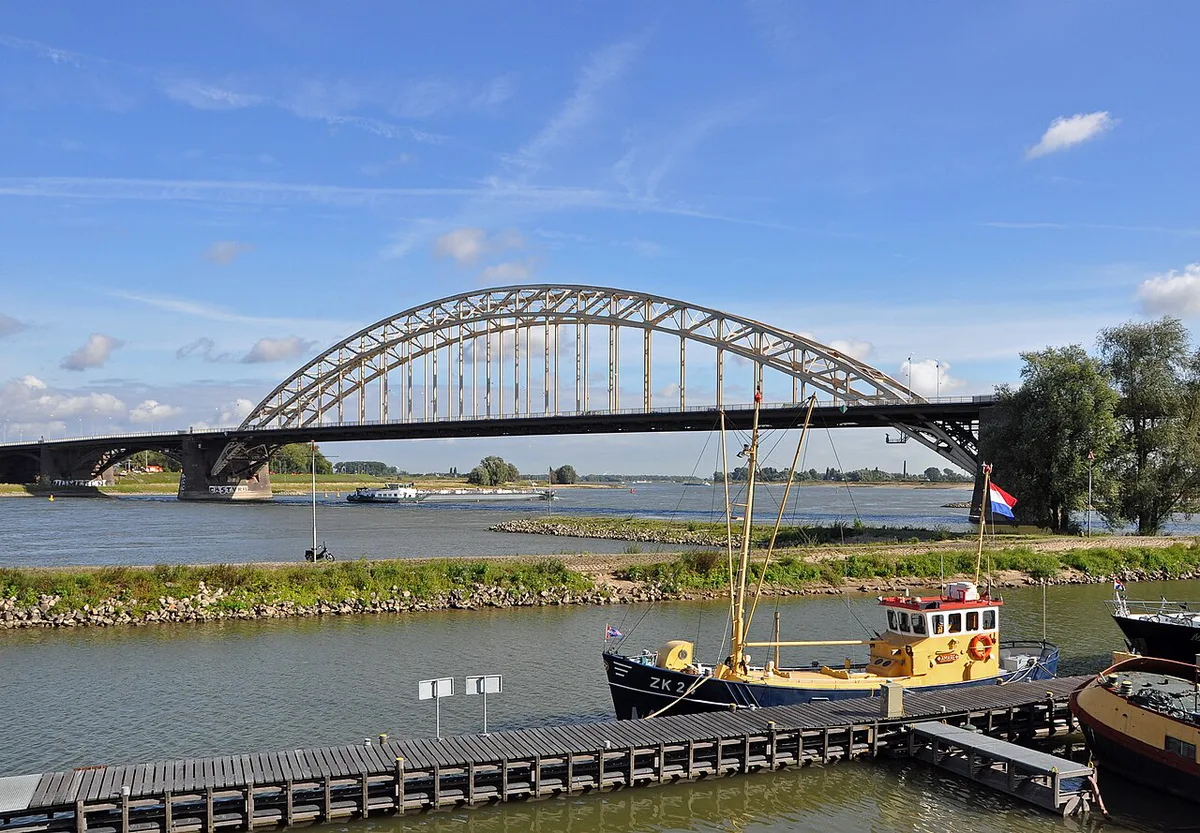
On 19 September 1944, the 2nd Battalion of the 505th Parachute Infantry Regiment and the Grenadier Guards tried to take the rail bridge, the road bridge and the post office. Reports said the post office held German demolition equipment for the Waal bridge. Units of the 10th SS Panzer Division, sent by General Wilhelm Bittrich, defended the crossing. The attack stalled on the south bank of the river.
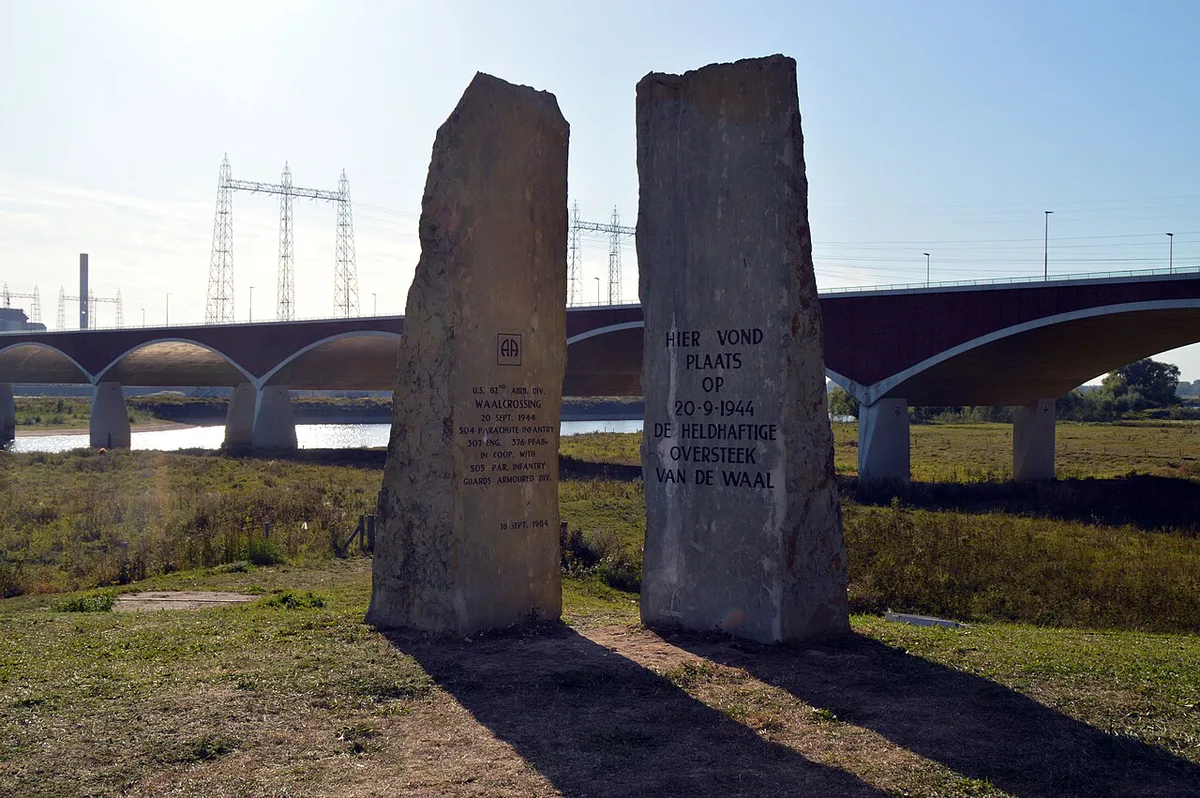
On 20 September, Major Julian Cook's 3rd Battalion, 504th Parachute Infantry Regiment, crossed the Waal in British XXX Corps canvas boats. One account, citing eyewitnesses, says only 13 of 26 boats reached the north bank. Treat that figure as disputed. The paratroopers then fought toward the road bridge, and Grenadier Guards tanks were able to cross afterward. The advance of XXX Corps up the single road is the subject of our Hell's Highway guide.
Best WW2 sites in and around Nijmegen
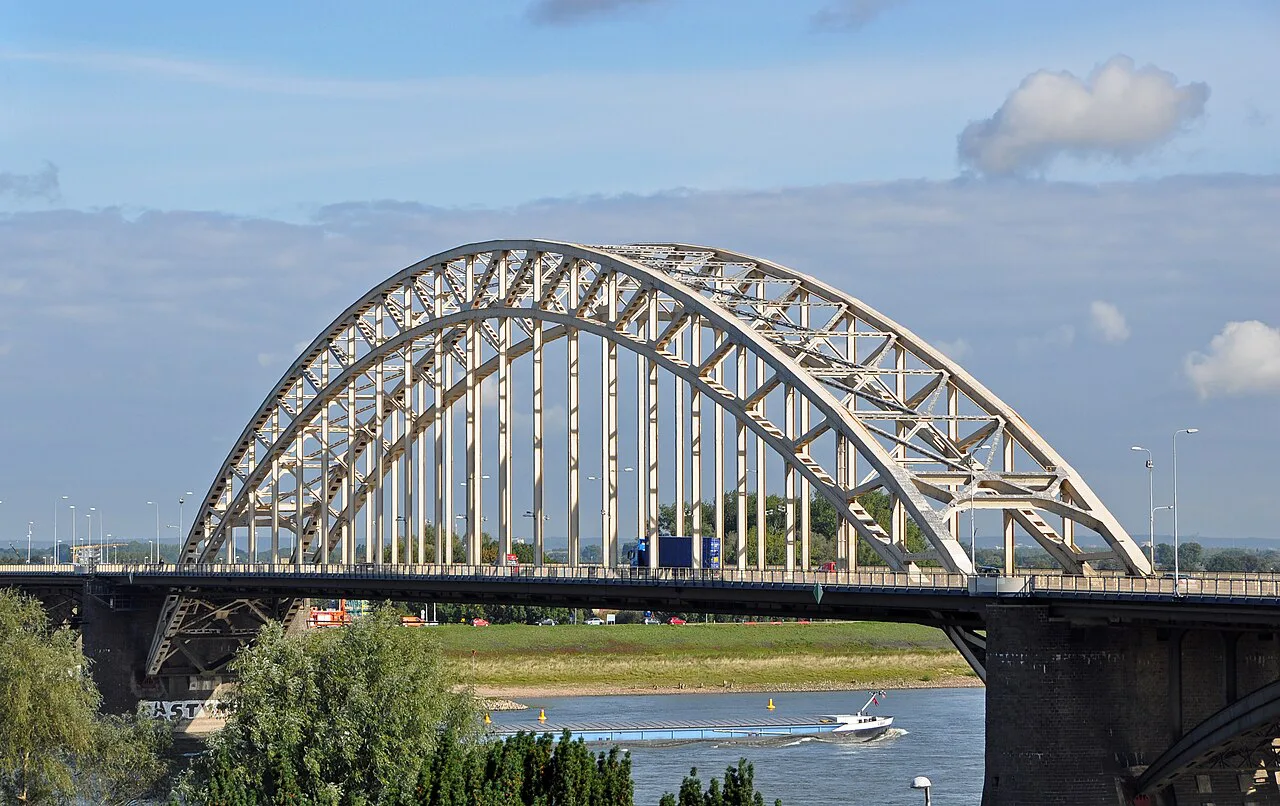
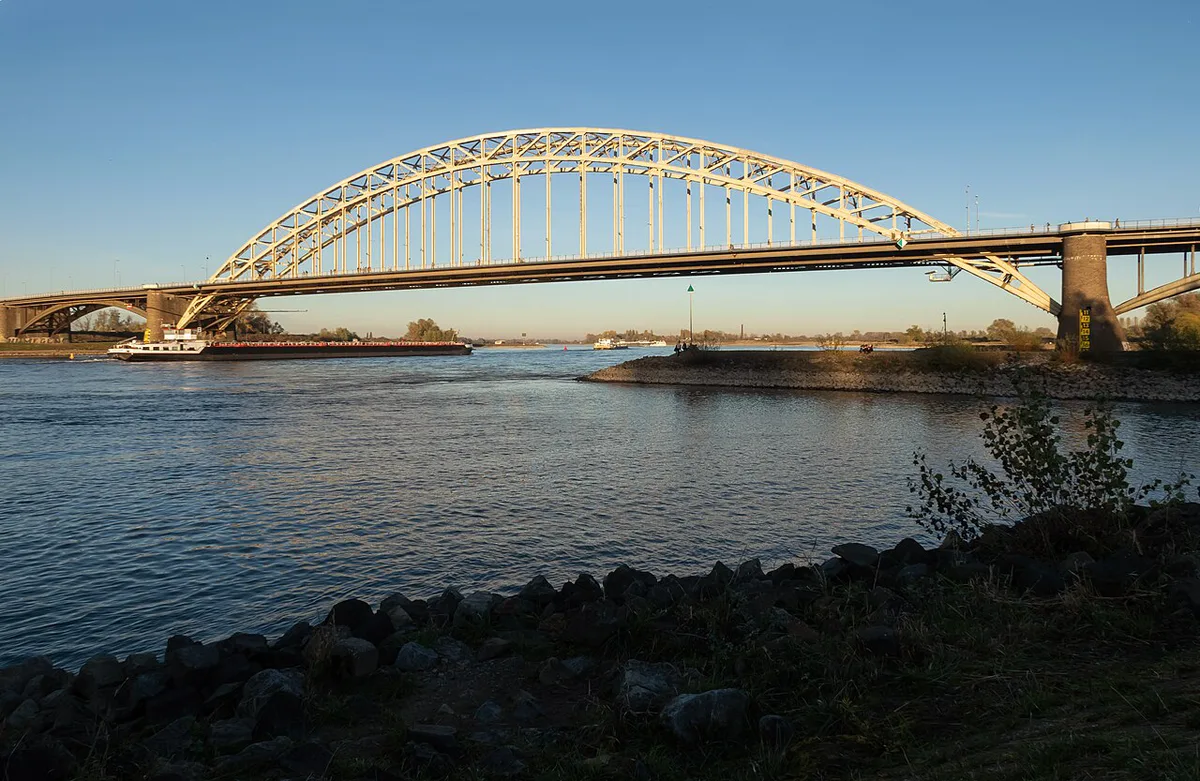
Start at the river, where the story happened. The Waalbrug and the riverbanks show how the south bank, the north bank and the bridges relate to each other. Stand on the south bank to see what the attackers faced, then cross to the north bank to see where the paratroopers landed.
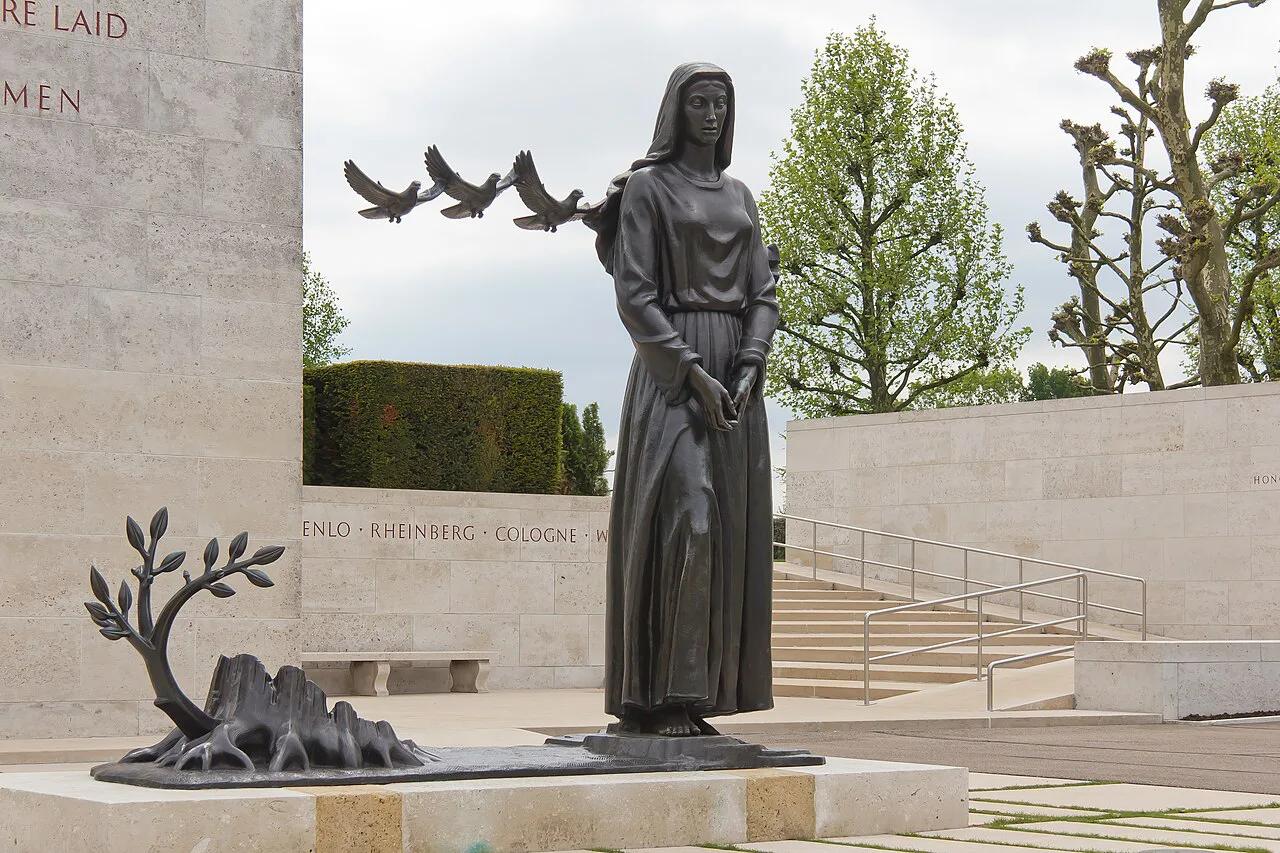
The museum and cemetery at Groesbeek add the wider liberation story. Our Groesbeek liberation museum guide covers the museum in detail. Our Groesbeek Canadian War Cemetery page covers the graves. Cemeteries are places of mourning, so keep voices low and follow any posted rules at the entrance.
| Site | What it is | Best for | Access note |
|---|---|---|---|
| Waalbrug and riverbanks | The crossing area of the September 1944 fighting | Everyone; the core Nijmegen WW2 stop | Open-air; reachable on foot from the city |
| National Liberation Museum, Groesbeek | Museum of the liberation of the region | Families and first-timers | Needs transport; check the official site for hours |
| Groesbeek Canadian War Cemetery | Commonwealth war cemetery | Remembrance visitors | Quiet site; follow posted conduct rules |
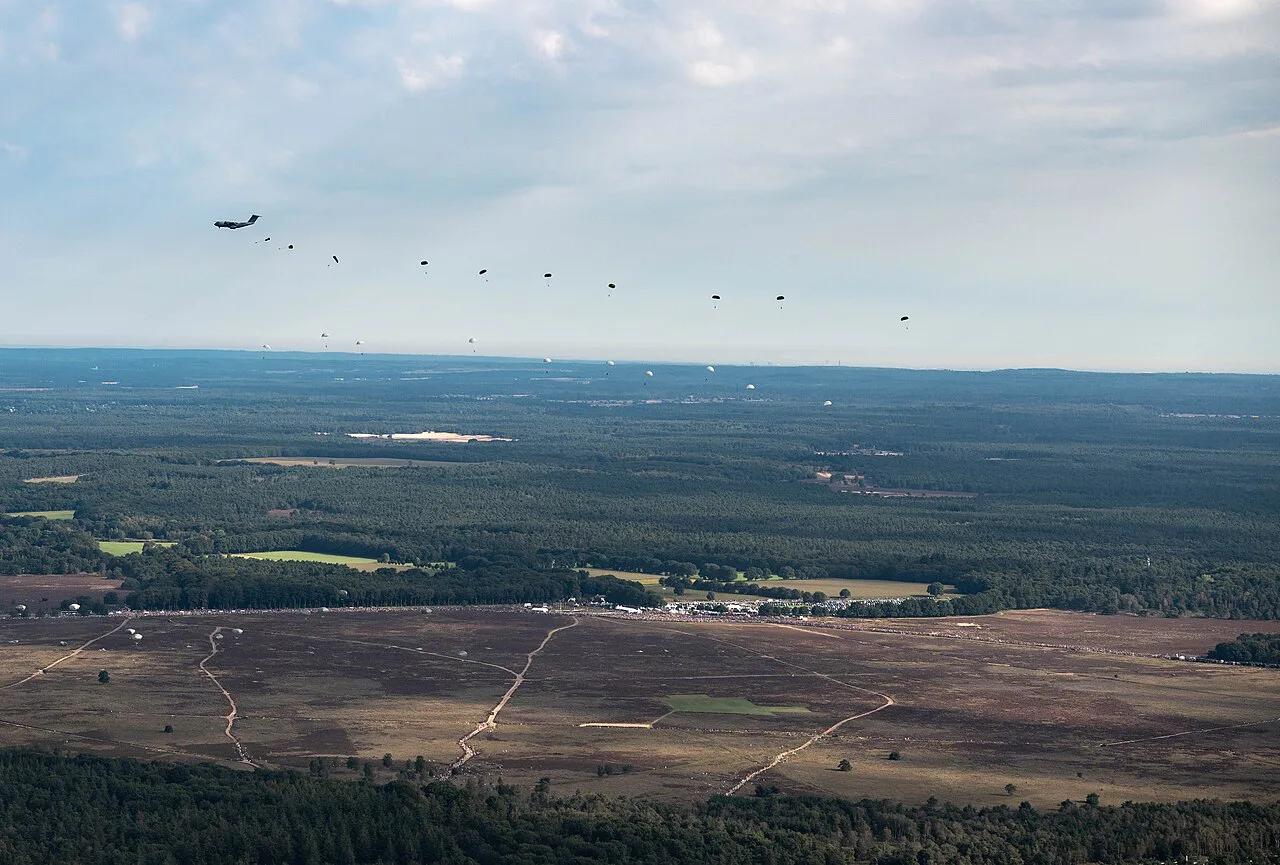
| Ginkel Heath | Heathland linked to paratroop operations | Battle-history readers | Open-air; read our Ginkel Heath page first |
How to plan your time
Plan around how deep you want to go. These are planning estimates, not fixed durations. Paratroop landing grounds such as Ginkel Heath (Ginkelse Heide): Market Garden Drop Zone Guide suit readers who want the airborne side of the story.
A short visit of 2-3 hours suits the river only, since reaching Groesbeek means arranging a car, bike or local transport.
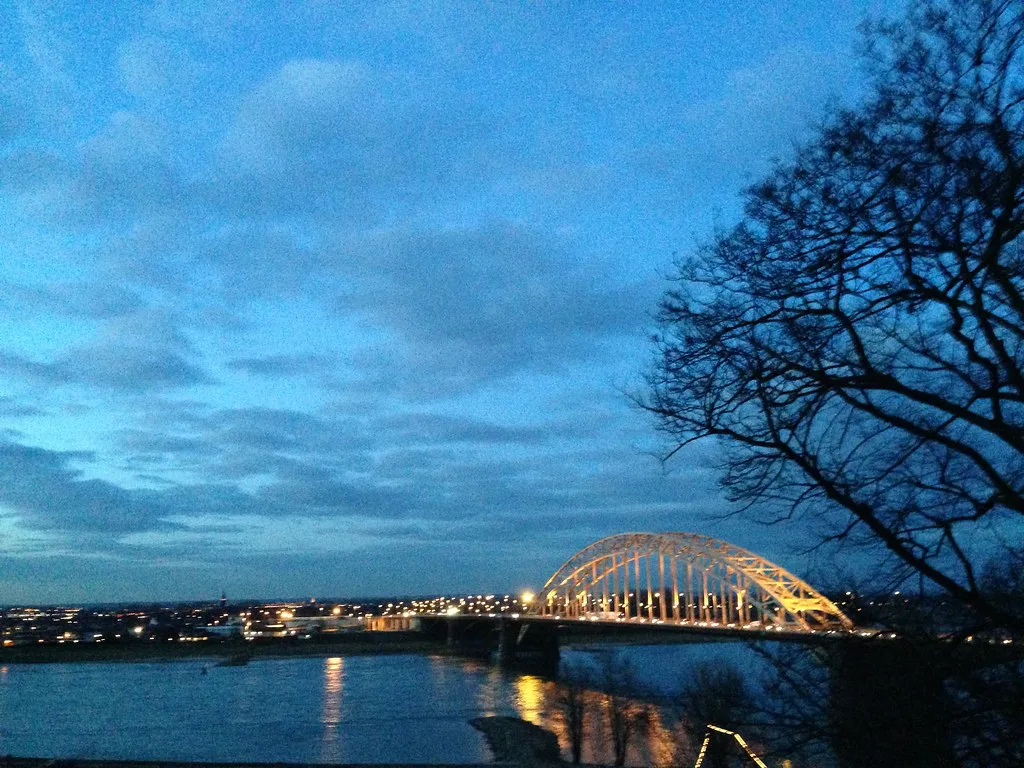
- Short visit (2-3 hours): walk the Waalbrug and both riverbanks, and read the crossing story on site.
- Half day: add Groesbeek, with the museum first and the Canadian cemetery afterward.
- Full day or two days: add Arnhem and follow the Market Garden route north.
- Skip Groesbeek if you only want the bridge story and have little time.
- Skip the cemeteries if you want a purely historical walk, but consider a visit if remembrance matters to you.
Costs, tickets and opening hours
Ticket prices, opening hours and tour booking rules change by season. Read them on the official page of the National Liberation Museum before you set out. The Waalbrug and riverbanks are open-air areas, so they carry no entry fee as far as a stroll goes.
Getting around Nijmegen and the region
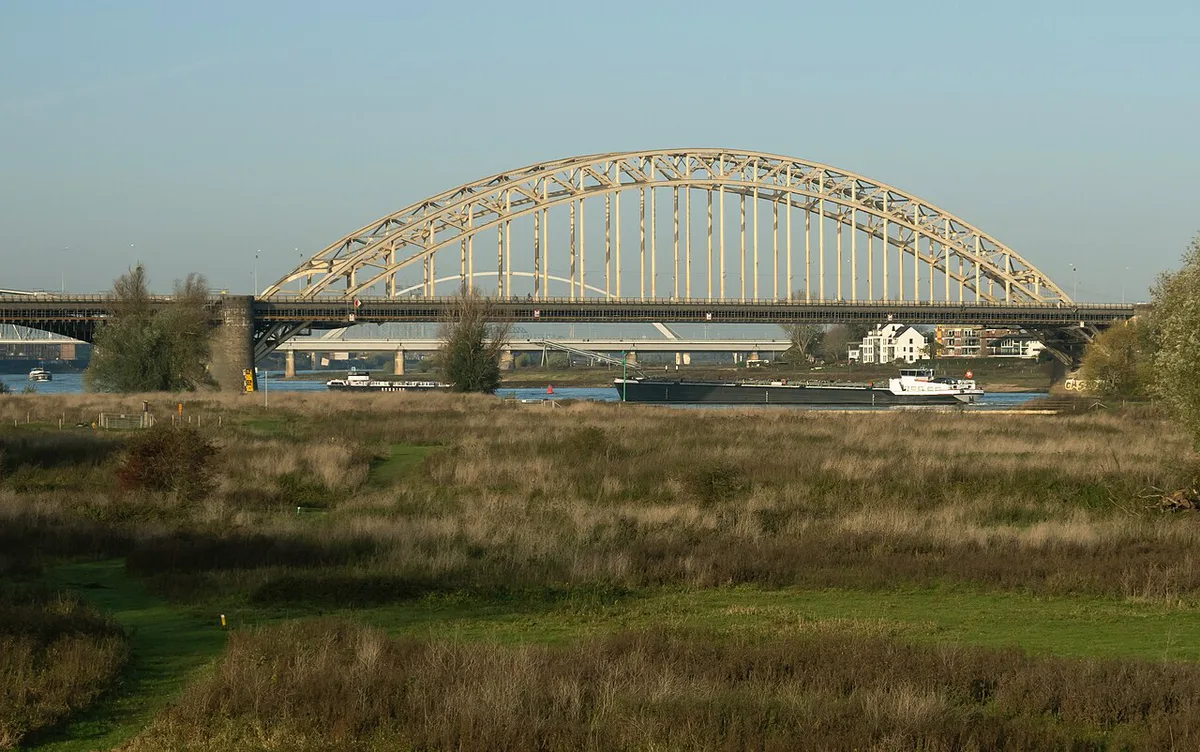
The river sites suit walking from the city. Groesbeek needs a car, a bike or local transport. Check current routes and timetables with the operators, and use Visit Arnhem Nijmegen for regional planning. Staying near the river keeps the bridge area within easy reach on foot.
Combining Nijmegen with Arnhem and Hell's Highway
Nijmegen sits in the middle of the story. Arnhem is where the airborne troops were fighting while XXX Corps pushed north. Our Arnhem WW2 sites guide is the main onward read.
If you continue north, the Arnhem bridge page covers the bridge itself. The Airborne Museum Hartenstein publishes its own visiting details, and our Hartenstein guide explains what it holds. For remembrance, see our Oosterbeek war cemetery page. A day trip covering all three cities is ambitious, so give Arnhem its own day if you can.
Keep planning
Guides on the same trip