Arnhem WW2 Sites: What to See and How to Plan
Visiting Arnhem's WW2 sites? Compare the bridge, Hartenstein museum, Oosterbeek cemetery and Ginkel Heath, with route and time trade-offs.
In this guide
Last updated November 2026. The main Arnhem WW2 sites are the John Frost Bridge, Airborne Museum Hartenstein, Arnhem Oosterbeek War Cemetery, Ginkel Heath and the airborne memorials in Oosterbeek and Wolfheze. Most of them sit in Oosterbeek and the heathland to the west, not in central Arnhem. This guide gives each site a role and offers three time budgets so you can pick a route.
Featured image: Pompidom, CC BY-SA 3.0 nl, via Wikimedia Commons.
Arnhem WW2 sites at a glance
Each site answers a different question about the battle. The bridge was the objective, the museum tells the story, the cemetery is where the fallen are buried, and the heath is where paratroops landed. Choose by what you want from the day.
| Site | Role | Best for | Skip if |
|---|---|---|---|
| John Frost Bridge | The objective of the operation | Understanding why Arnhem mattered | You only want exhibits |
| Airborne Museum Hartenstein | Exhibits and the story of the fighting | First-time visitors | You have under an hour |
| Arnhem Oosterbeek War Cemetery | Remembrance | Anyone with a personal or family link | You cannot visit quietly |
| Ginkel Heath | A drop zone west of the town | Reading the landscape | You need indoor displays |
The Battle of Arnhem in brief
Airborne troops began landing on 17 September 1944 as part of Operation Market Garden. Much of the force came down some way from the bridge, and only a small group reached it. That group ran out of ammunition and was captured on 21 September. A full withdrawal of the remaining forces was made on 26 September. Fighting centred on Arnhem, Oosterbeek, Driel and Wolfheze. For the wider campaign, read our Operation Market Garden overview.
Site by site: what each stop offers
Treat these four as the core of any Arnhem battlefield visit.
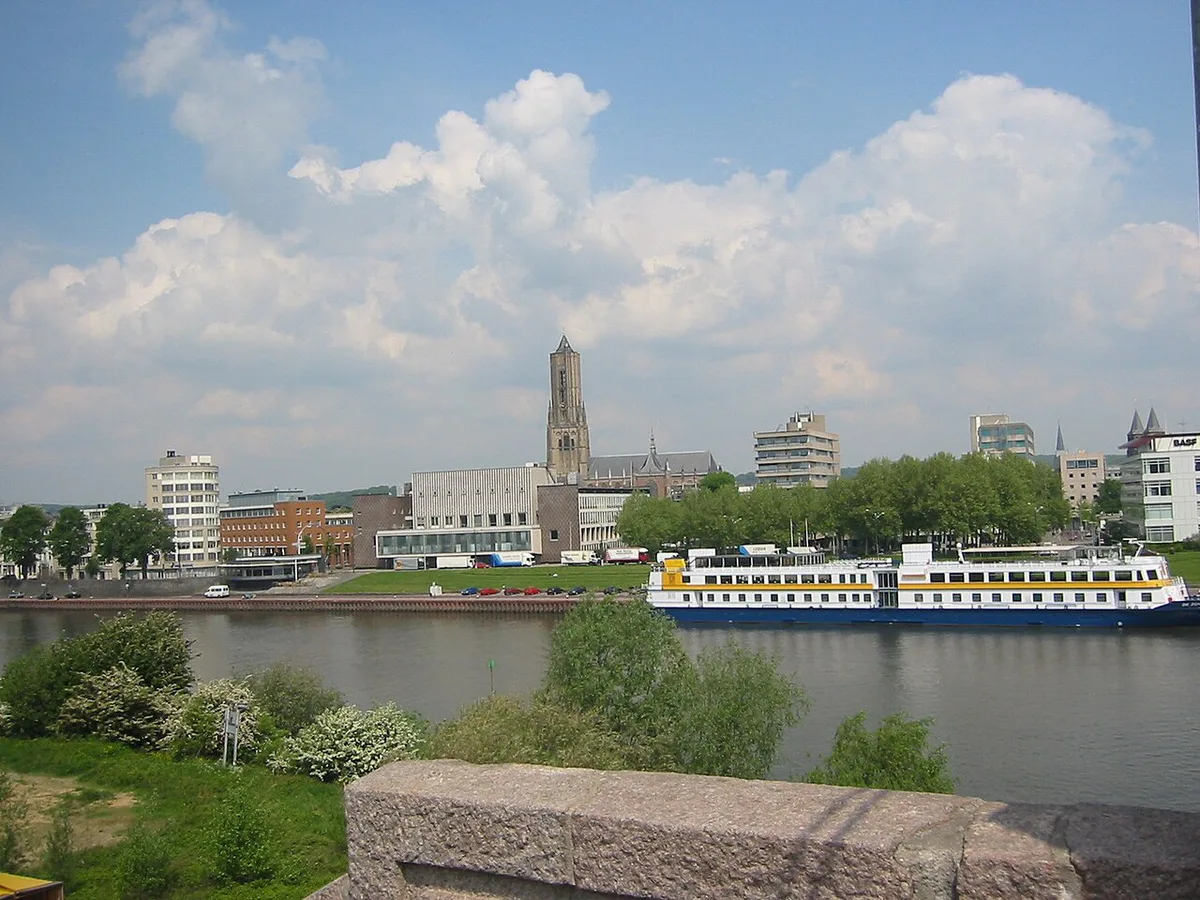
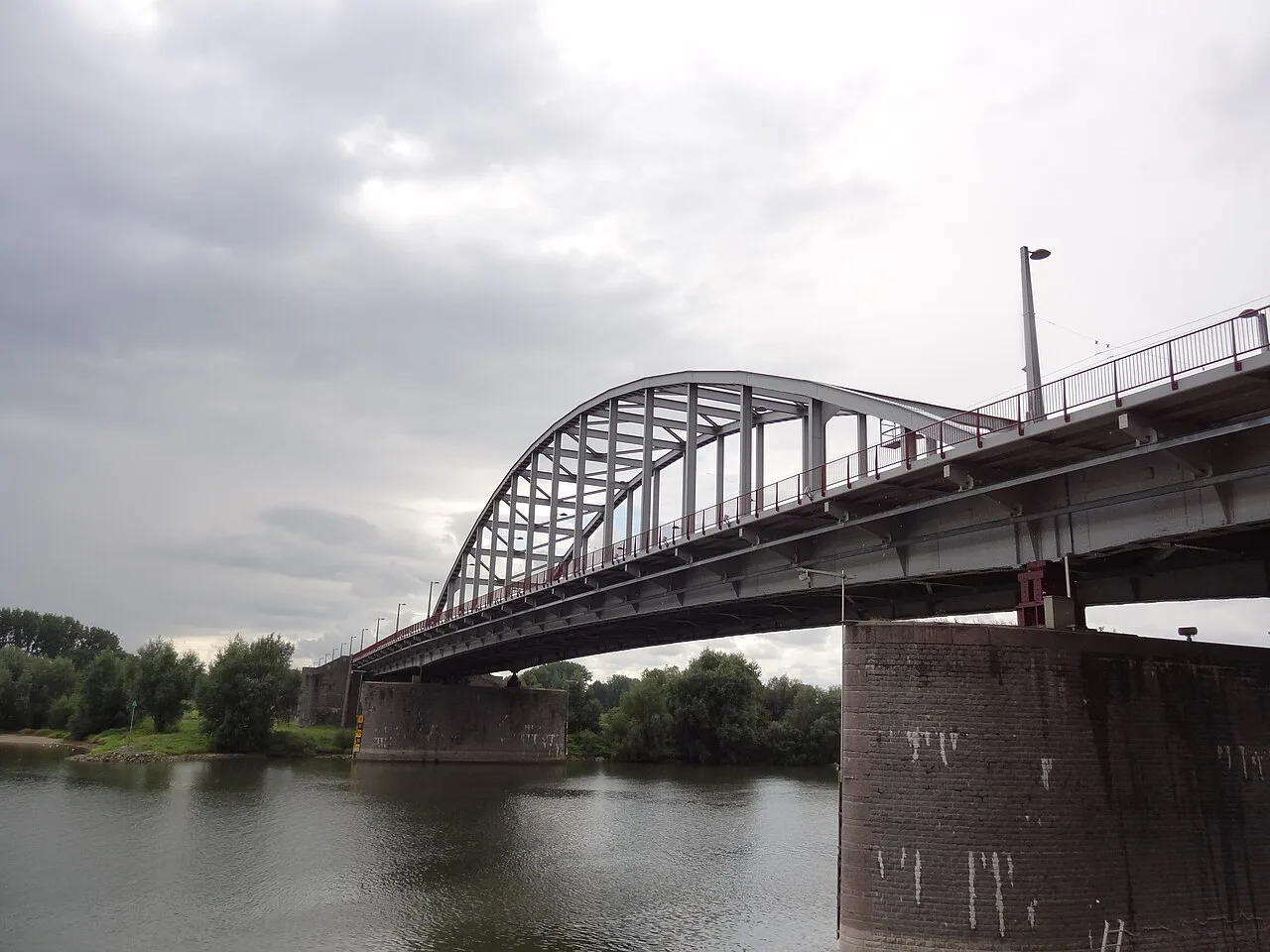
- John Frost Bridge: the road bridge over the Nederrijn that the airborne force was sent to hold. Our Arnhem bridge guide covers the crossing and its surroundings.
- Airborne Museum Hartenstein: housed in the villa in Oosterbeek that served as the British 1st Airborne Division's headquarters. Read the Hartenstein museum guide before you book.
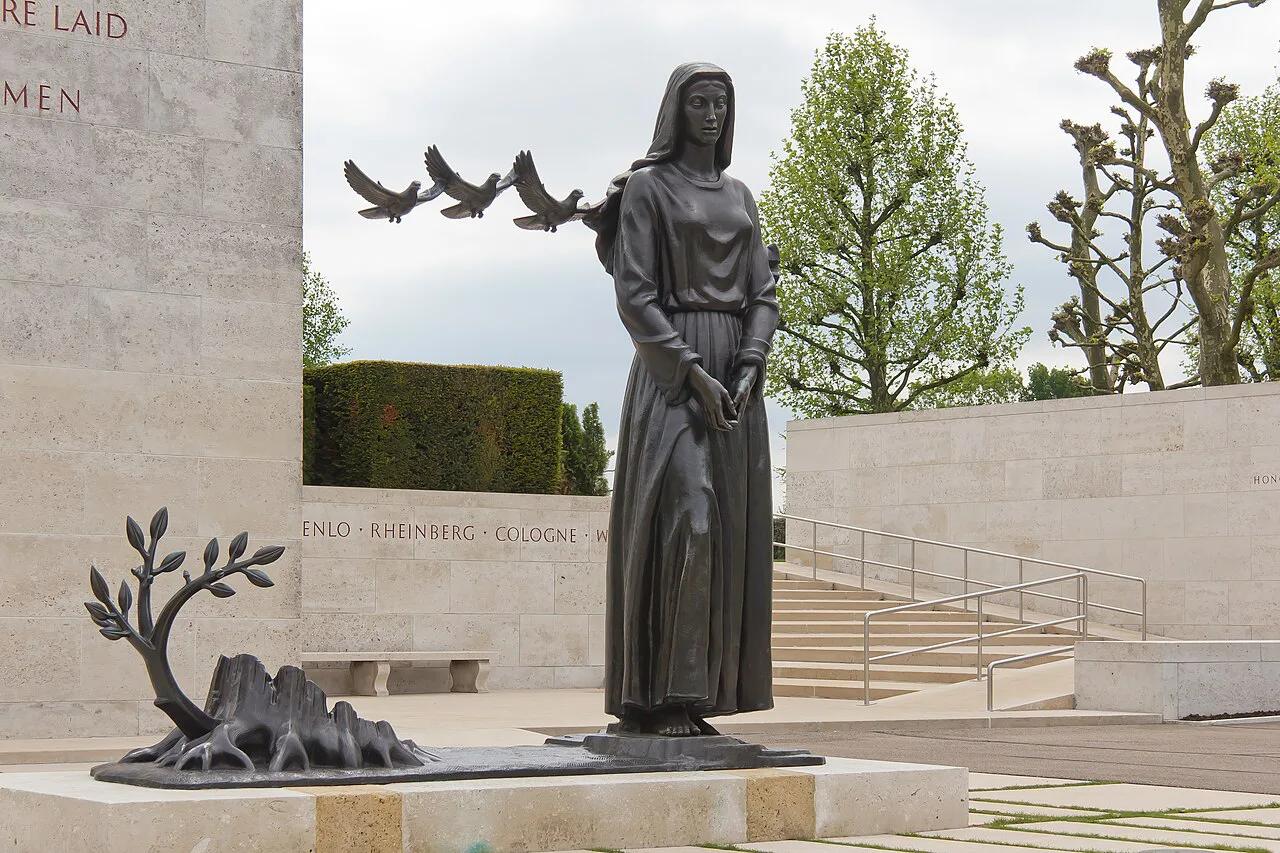
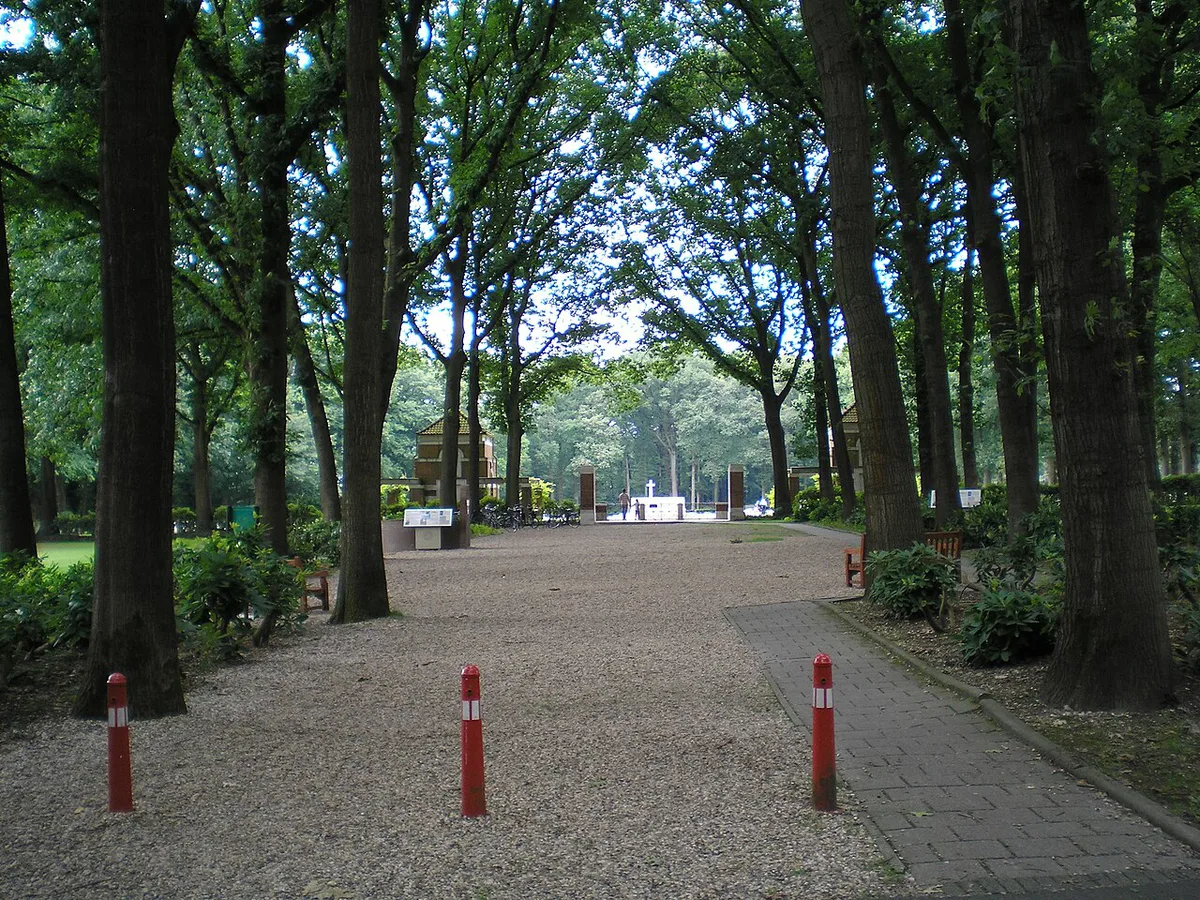
- Arnhem Oosterbeek War Cemetery: the principal place of remembrance in the area. Our Oosterbeek cemetery page explains what to expect.
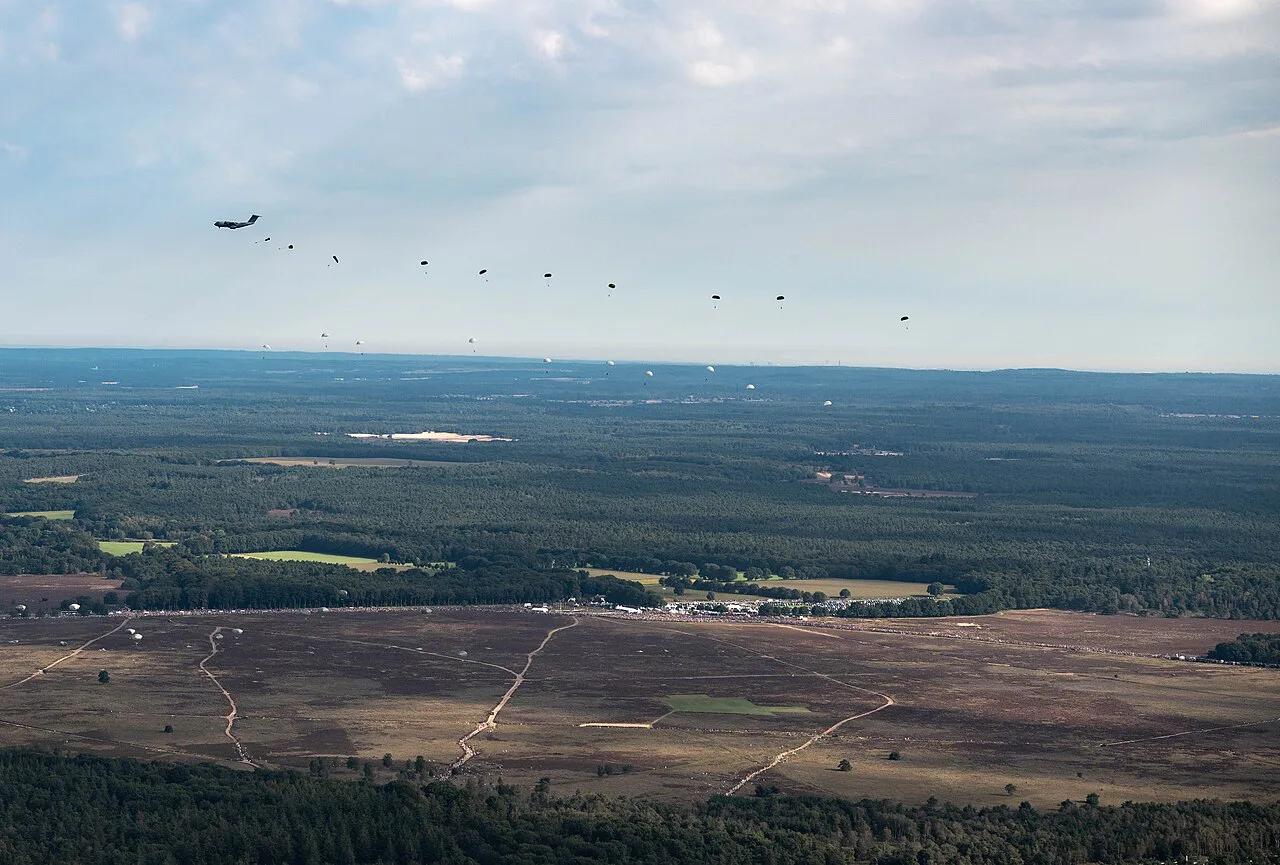
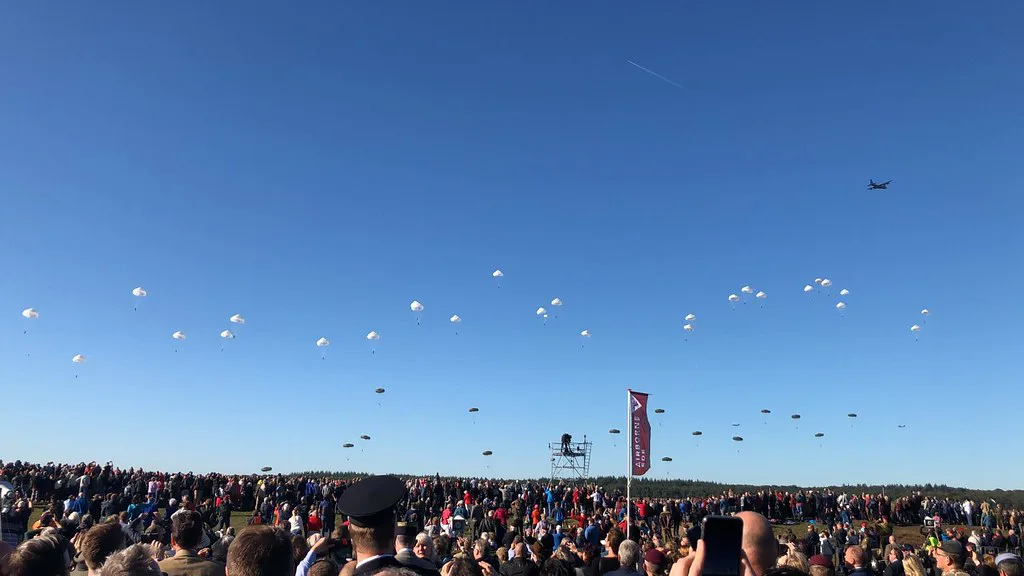
- Ginkel Heath: open heathland near Wolfheze used as a drop zone. See the Ginkel Heath guide for the landing story.
How to plan your time
Match the route to your day. Allow longer in the museum than you expect, because it is the stop most visitors want to linger in. Keep the cemetery unhurried.
| Plan | Stops | Trade-off |
|---|---|---|
| Half day | Hartenstein and the cemetery | Skips the bridge and the drop zone |
| Full day | Bridge, Hartenstein, cemetery, Ginkel Heath | Needs a car or a bike for the western sites |
| Two days | Arnhem sites on day one; Nijmegen and Groesbeek on day two | Best for following the wider route |
Getting around Arnhem, Oosterbeek and the drop zones
Arnhem station does not put every site within a short walk. Oosterbeek and the heath lie to the west of the town centre. Check train and bus options on the official Dutch operators' sites. The regional tourism site is a good starting point for local routes.
Tickets, opening hours and booking
Prices, hours and booking rules change, so we quote none here. The official Airborne Museum site lists current admission details. Look there before you build the day around the museum.
When to go
Commemorations take place around mid to late September, when the town is busier and rooms are harder to find. Visit then if you want to see remembrance events. Choose another month if you want a quiet cemetery. Behave at graves and memorials as you would at any place of mourning: stay quiet, keep to the paths and do not touch the headstones.
Mid to late September visits fall in the same weeks as the landings, which began on 17 September 1944.
Extending to Nijmegen and Groesbeek
A second day suits readers following the whole campaign. Our Nijmegen WW2 guide covers the next crossing along the route. The National Liberation Museum adds the liberation story. Pair it with the Groesbeek Canadian War Cemetery: Visitor Guide & History. To see how the road linked these places, follow Hell's Highway.

Mistakes to avoid
A few planning errors are common on this route.
- Assuming everything is within walking distance of Arnhem station.
- Skipping the cemetery because the day ran short.
- Arriving at the museum without checking its booking rules.
- Treating Ginkel Heath as a staffed attraction rather than open heathland.
A practical order for seeing the Arnhem battlefield
Start at Ginkel Heath if you have transport. The open landscape makes the scale of the airborne landings easier to understand before you see the built-up fighting areas. Airborne troops began landing on 17 September 1944, so this is the clearest chronological starting point.
Continue to Airborne Museum Hartenstein in Oosterbeek. The former division headquarters gives context for the fighting around the perimeter. Visit John Frost Bridge afterwards to see the objective that the force was sent to hold. The group at the bridge was captured on 21 September.
Finish at Arnhem Oosterbeek War Cemetery. It is a quieter final stop after the battle narrative, and it gives the day a respectful close. The remaining forces withdrew on 26 September, after fighting across Arnhem, Oosterbeek, Driel and Wolfheze.
If you only have half a day, begin at Hartenstein and end at the cemetery. Add the bridge when understanding Arnhem’s objective matters more than seeing the drop-zone landscape.
Frequently Asked Questions
What is Arnhem famous for?
Arnhem is known for the Battle of Arnhem, fought from 17 to 26 September 1944 during Operation Market Garden. The bridge, Oosterbeek and the surrounding heath are the places most linked to it.
Can you visit the Arnhem WW2 sites without a car?
Yes, the bridge and Hartenstein are workable without a car if you check bus and train options first. Ginkel Heath is the hardest stop to reach, so a bike or a lift helps.
Keep planning
Guides on the same trip