Arnhem Oosterbeek War Cemetery: Visitor Guide to the Airborne Cemetery
Plan a respectful visit to the Arnhem Oosterbeek War Cemetery, the Airborne Cemetery near Arnhem: what it is, how to get there, finding graves, and nearby WW2 sites.
In this guide
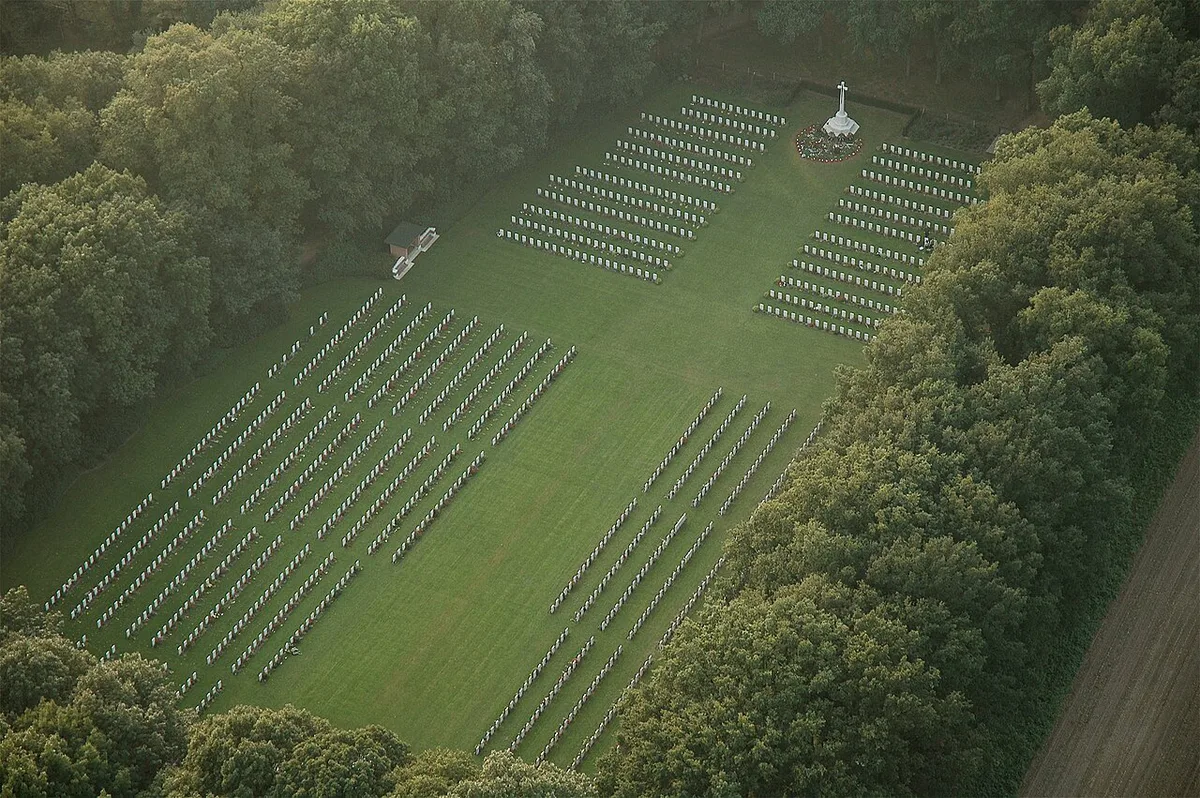
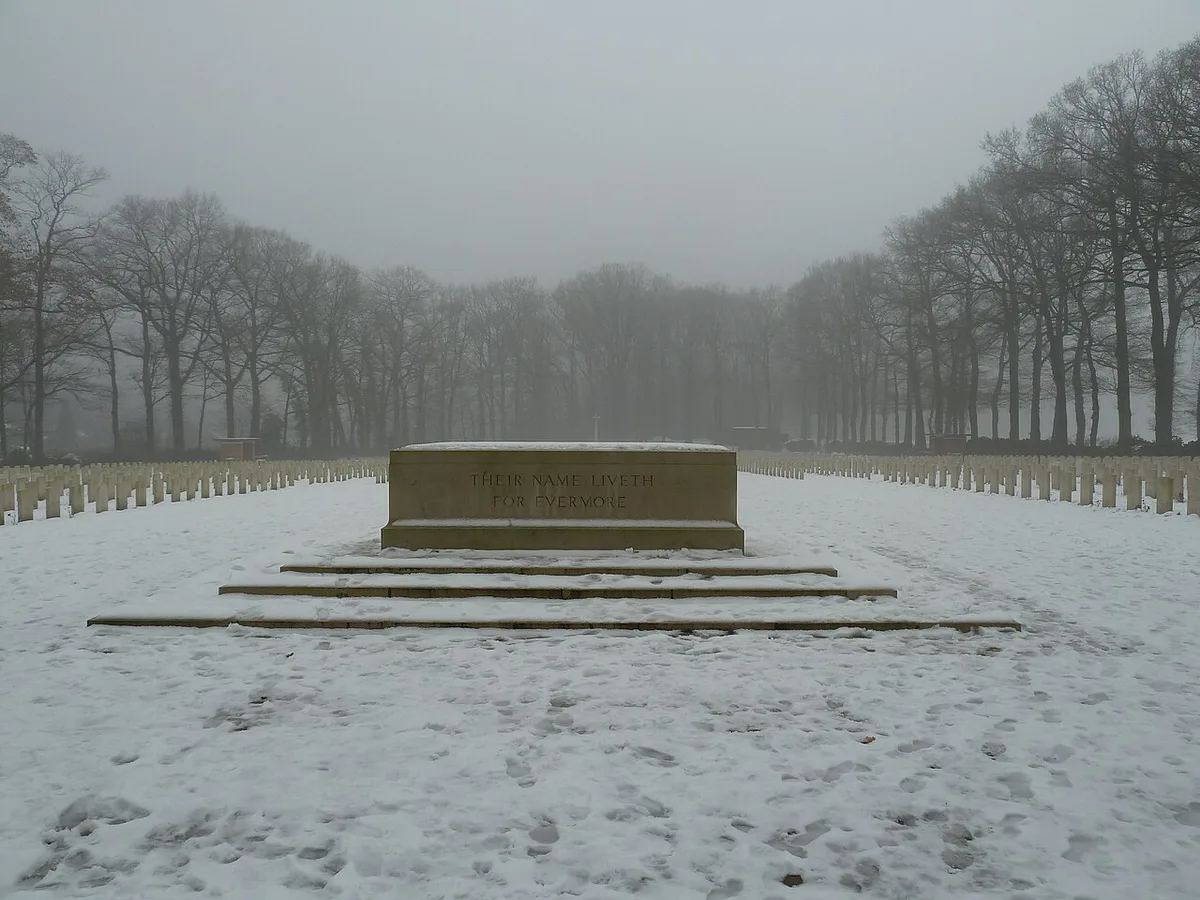
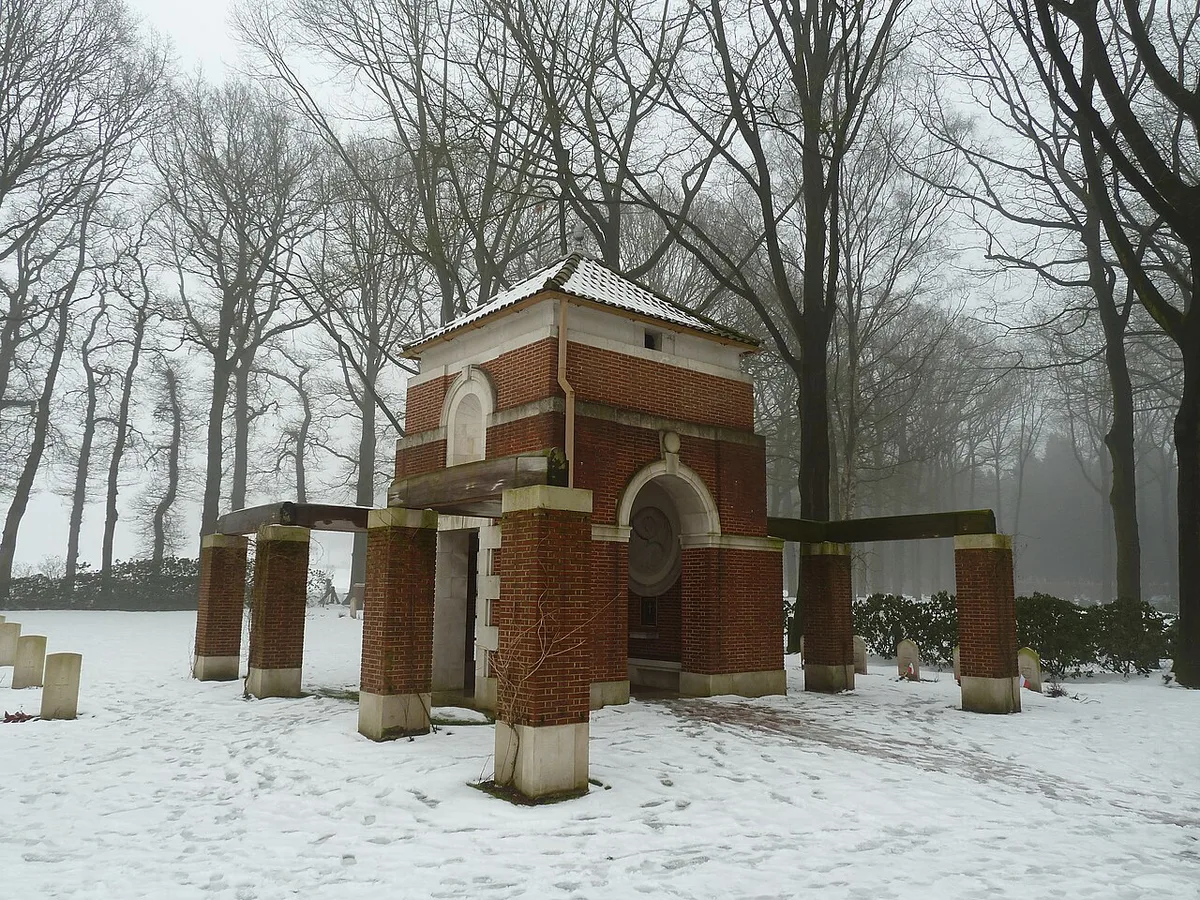
Last updated November 2026. The Arnhem Oosterbeek War Cemetery is a Commonwealth War Graves Commission cemetery on Oosterbeek's Utrechtseweg, holding mainly British and Polish casualties of the September 1944 battle. Locals and veterans' families often call it the Airborne Cemetery. This guide explains what it commemorates, how to find a named grave, and how to fit it into a day around Arnhem.
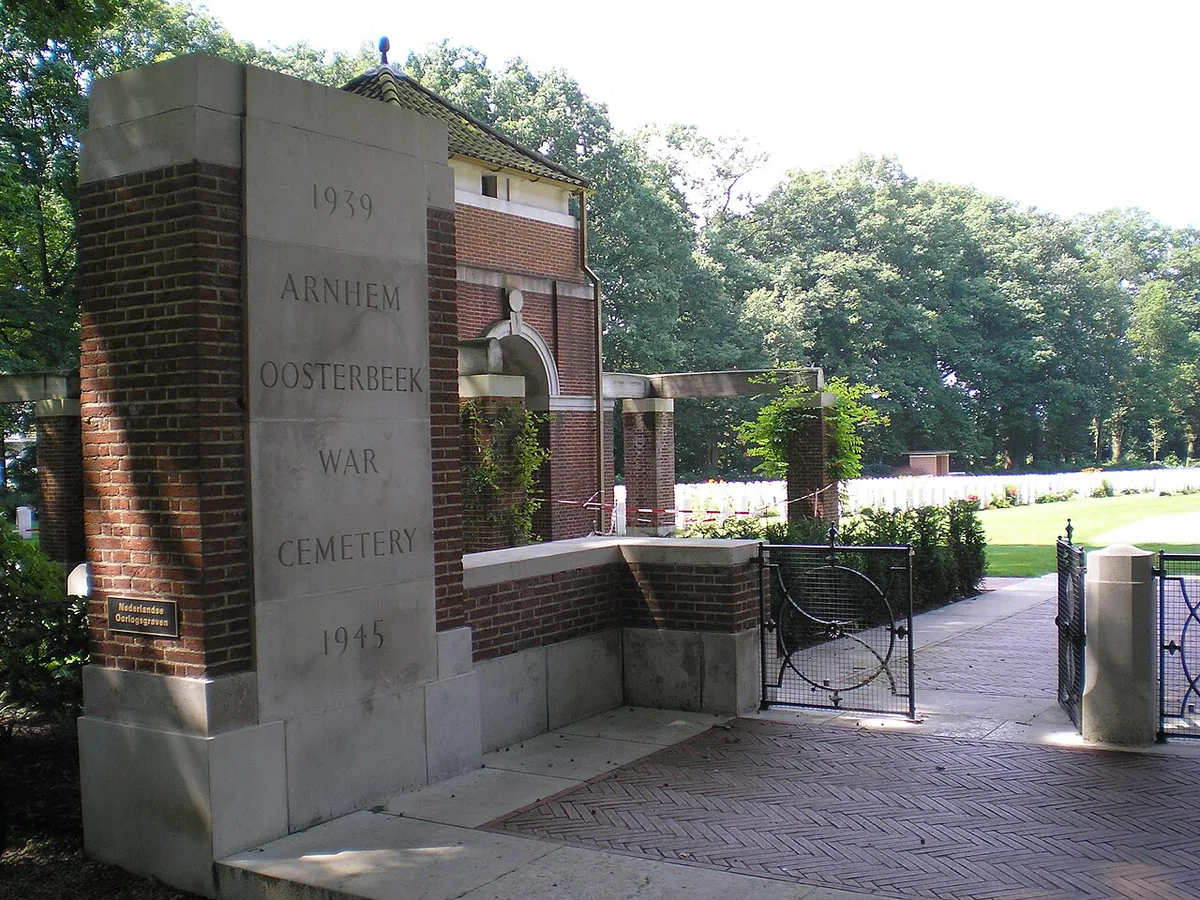
Featured image: P.J.L Laurens, CC BY 2.5, via Wikimedia Commons.
What the Arnhem Oosterbeek War Cemetery is
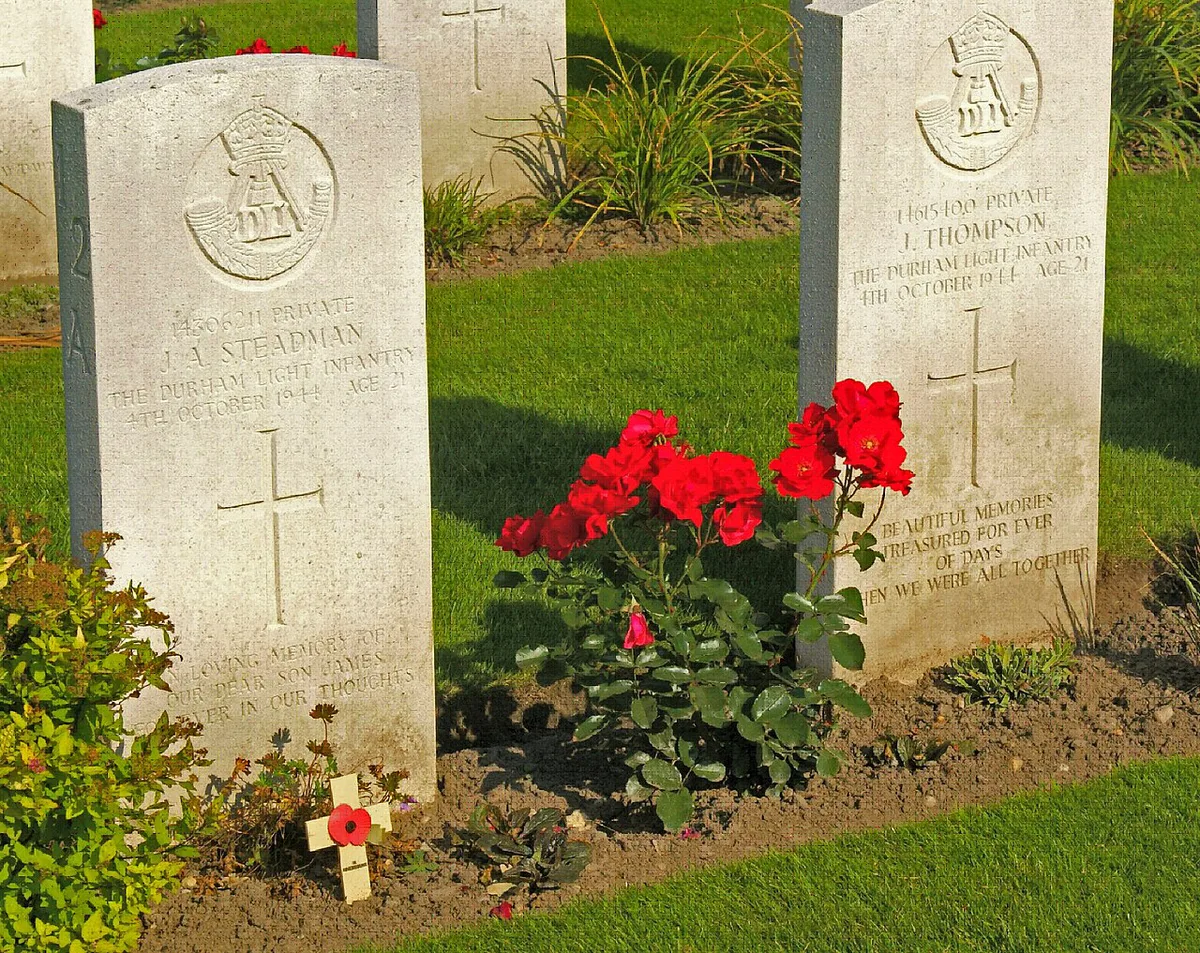
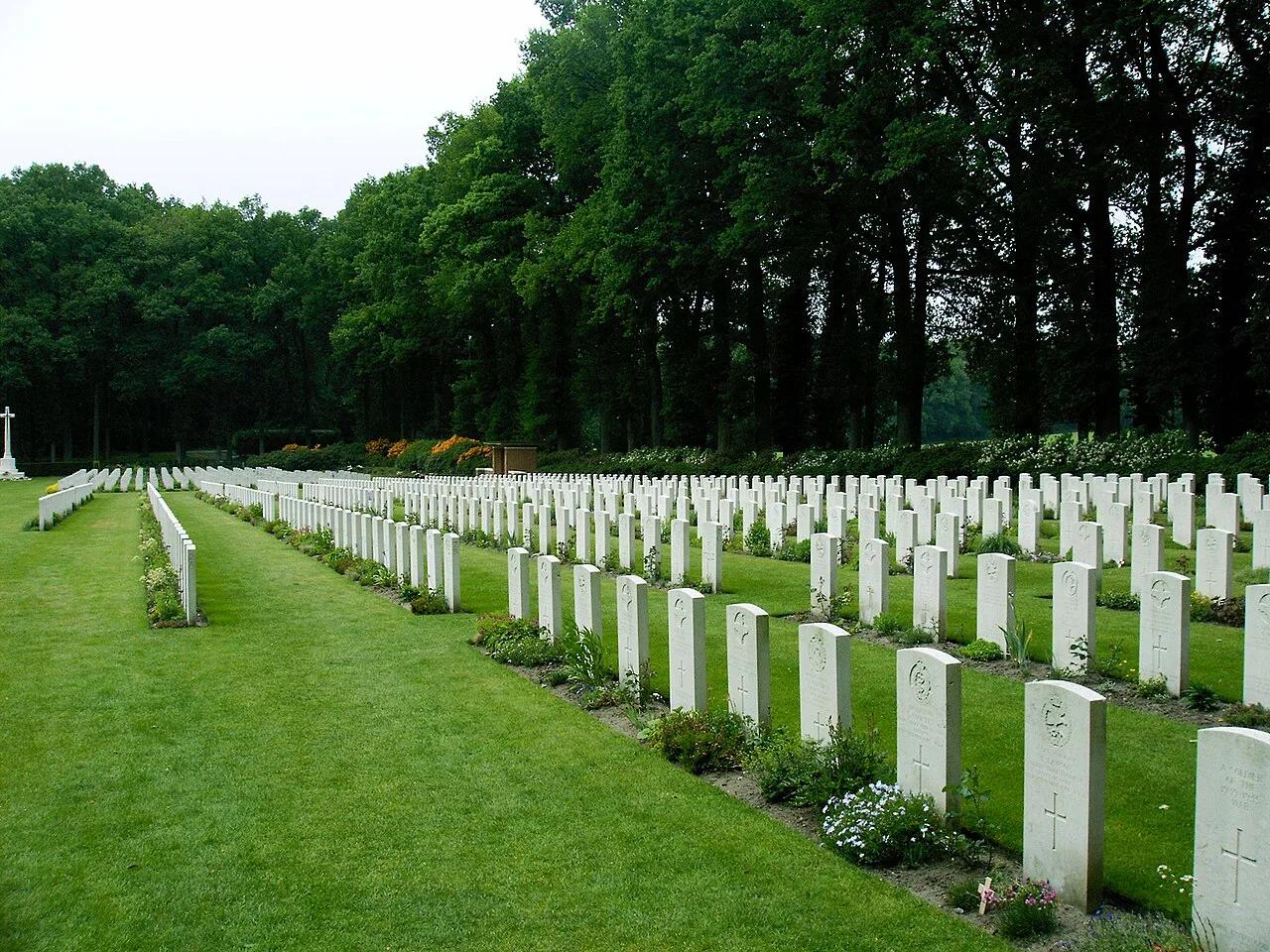
It is a military cemetery in Oosterbeek, a short distance west of Arnhem in the Netherlands. Its graves belong largely to airborne soldiers who fell in September 1944. Many of them were British and Polish. For the wider campaign, start with our Operation Market Garden overview. To see the objective the airborne troops were trying to hold, read about the Arnhem road bridge. Our Arnhem WW2 sites guide places the cemetery among the other memorials in the area.
Why it matters: the Battle of Arnhem in brief
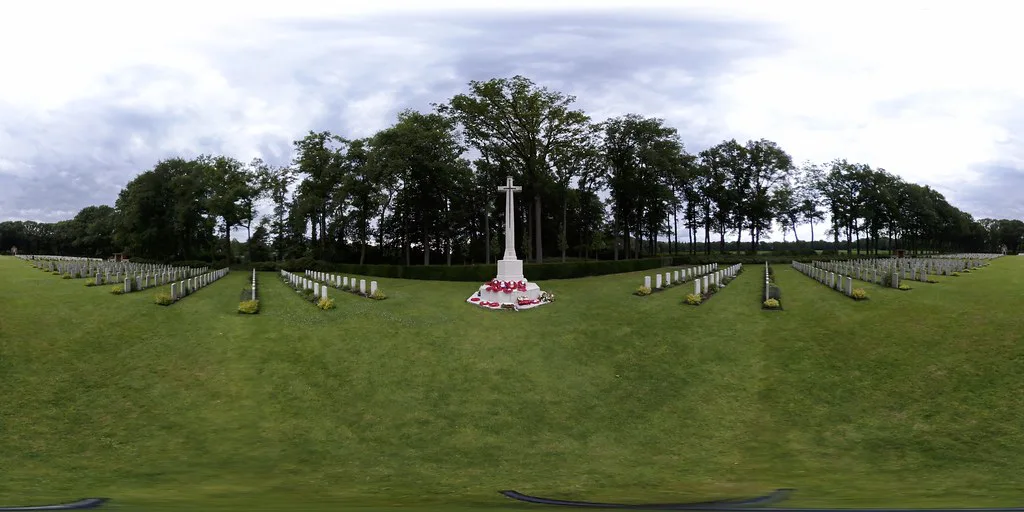
Operation Market Garden in September 1944 sent airborne forces behind German lines to seize a chain of bridges. Arnhem was the northernmost objective, and the fighting around Oosterbeek is why the cemetery exists. Nothing here retells the battle. Ground forces advancing from the south are covered in our Hell's Highway route guide. Treat the graves as the human record of that fighting.
Getting there and practicalities
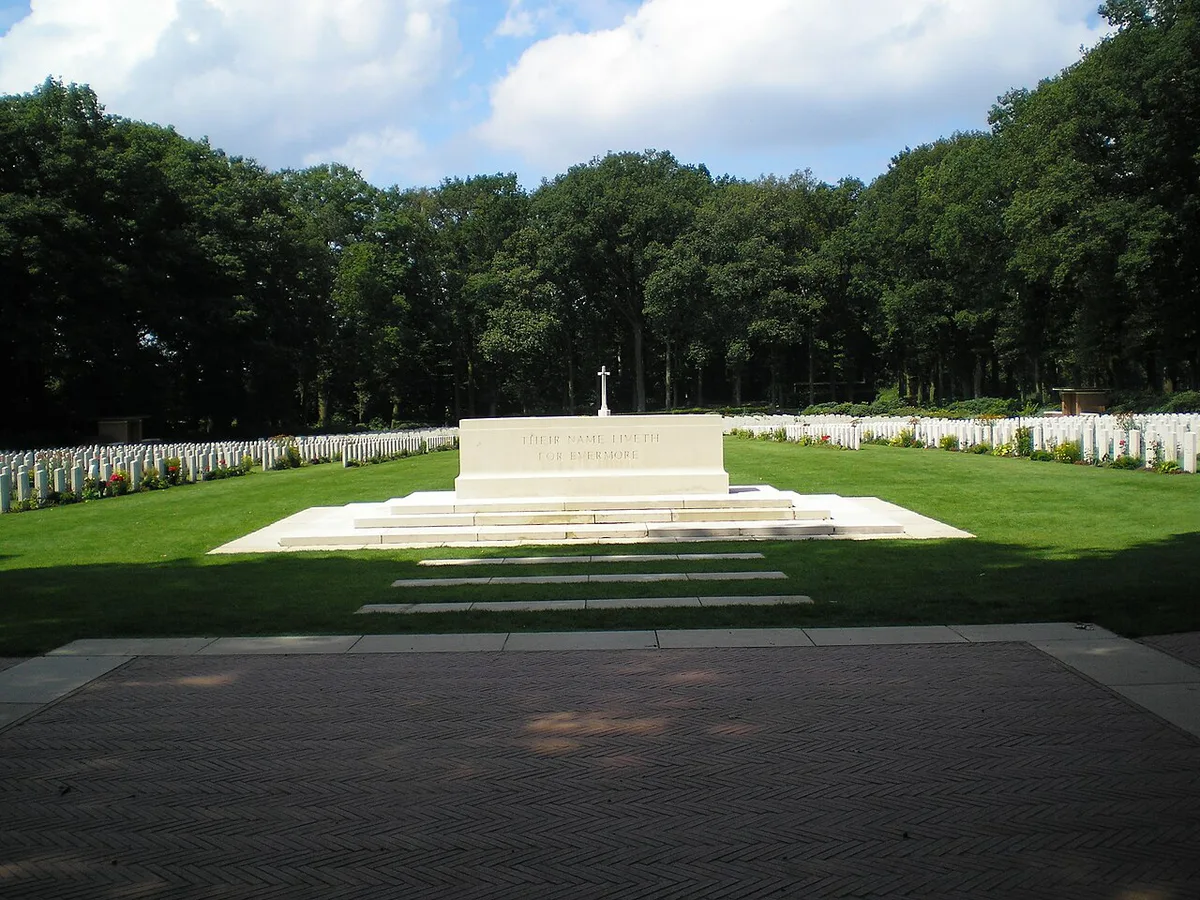
Opening hours, entry conditions, parking and step-free access are set by the cemetery's managers, so none are listed here. Check the Commonwealth War Graves Commission page for the cemetery before you travel. For train, bus and cycling options from Arnhem Centraal, the regional Arnhem Nijmegen tourism site is the place to start. Plan the walk from Oosterbeek on current local maps rather than on remembered routes.
Visiting respectfully and finding a grave
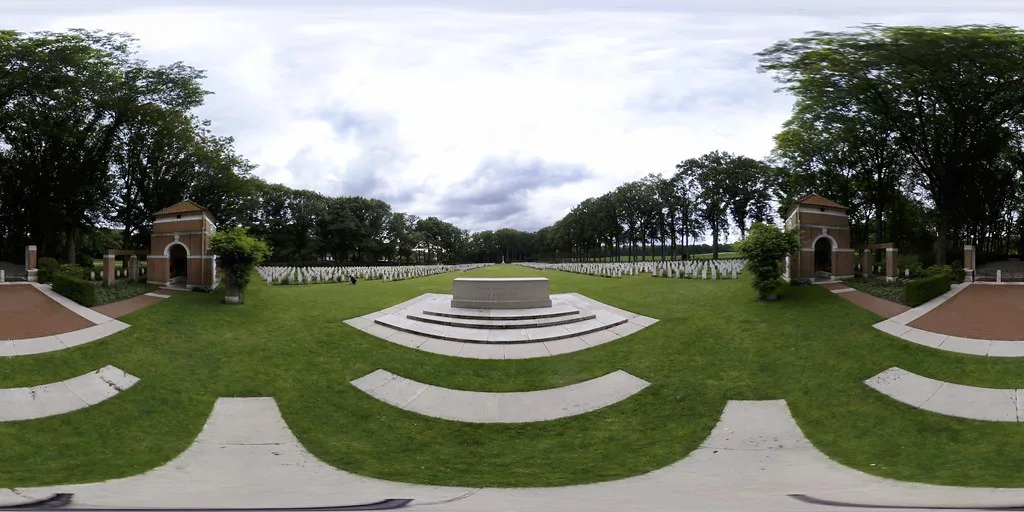
This is a place of mourning, and many visitors come looking for one named person. A little preparation makes that search calmer.
Graves here are linked to the 1st British Airborne Division and attached forces, so a unit name helps when you lack a service number.
- Keep voices low and phones on silent.
- Do not sit on, lean on or climb over graves or memorials.
- Ask before photographing other visitors, and take care when photographing headstones with fresh tributes.
- Search the CWGC Find War Dead database before you travel, using the full name, service number or unit.
- Note the plot and grave reference, then ask at the cemetery if its visitor information can help you locate it.
- Mistake to avoid: arriving with only a surname and no plot or grave reference, which can turn a short search into a long one.
Combine it with other Arnhem sites
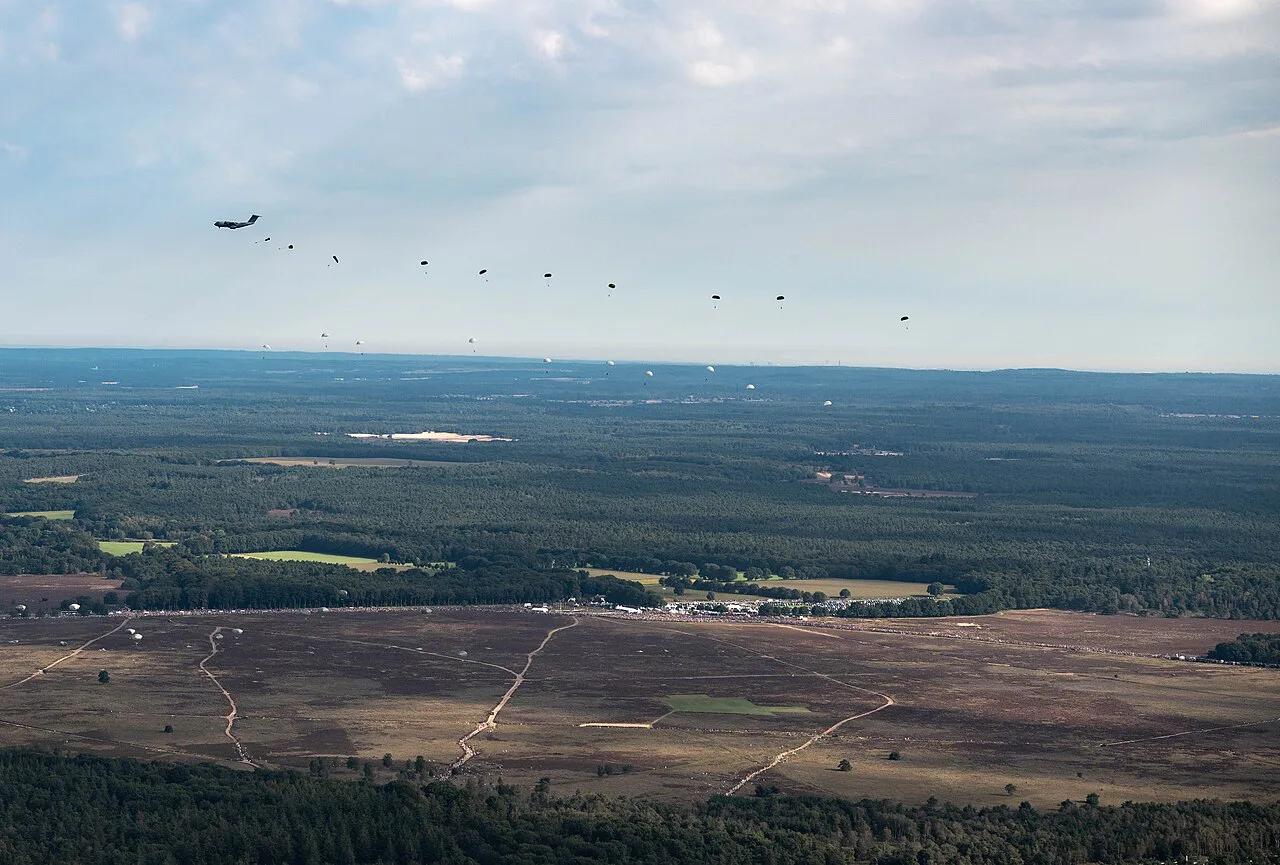
Museum first if you want context before the graves. The Airborne Museum Hartenstein: Visit Guide & Tickets is also in Oosterbeek, and its official site carries current visit details. Cemetery first suits anyone with limited time or a specific grave to find. For a longer day, add Ginkel Heath (Ginkelse Heide): Market Garden Drop Zone Guide, one of the drop zones, and finish at the bridge in Arnhem. Anyone short of time can skip the heath and the bridge and still make sense of the cemetery.
Beyond Arnhem: related cemeteries and sites
Other fronts of the same operation lie further south. The Groesbeek Canadian War Cemetery: Visitor Guide & History commemorates a different phase of the fighting. The National Liberation Museum offers the liberation-force context, and its official page lists visit information. For the city and its bridge, see our Nijmegen WW2 guide. Together they turn a single visit into a route along the whole campaign.
FAQ: What should you know before a first visit?
Allow the visit to be guided by its purpose. A short stop can suit travellers who want a quiet place to reflect on the fighting of September 1944. Allow more unhurried time when you are seeking a particular grave or travelling with a school or family group.
The cemetery is associated with the 1st British Airborne Division and attached forces involved in the Battle of Arnhem. Read a little about Operation Market Garden before arriving if you want stronger context for the names and regiments on the headstones.
Entry arrangements, opening details and accessibility can change. Check the Commonwealth War Graves Commission cemetery page before setting out. For a named casualty, search CWGC Find War Dead first and bring the full name, service number or unit, plus any plot and grave reference.
Children can visit respectfully when they understand that this is a cemetery rather than a battlefield display. Keep voices low, stay on paths, and do not sit on or climb over graves.
Keep planning
Guides on the same trip