Groesbeek Canadian War Cemetery: Visitor Guide & History
Plan a visit to Groesbeek Canadian War Cemetery near Nijmegen: who is buried here, how to get there, time needed and nearby WWII sites.
In this guide
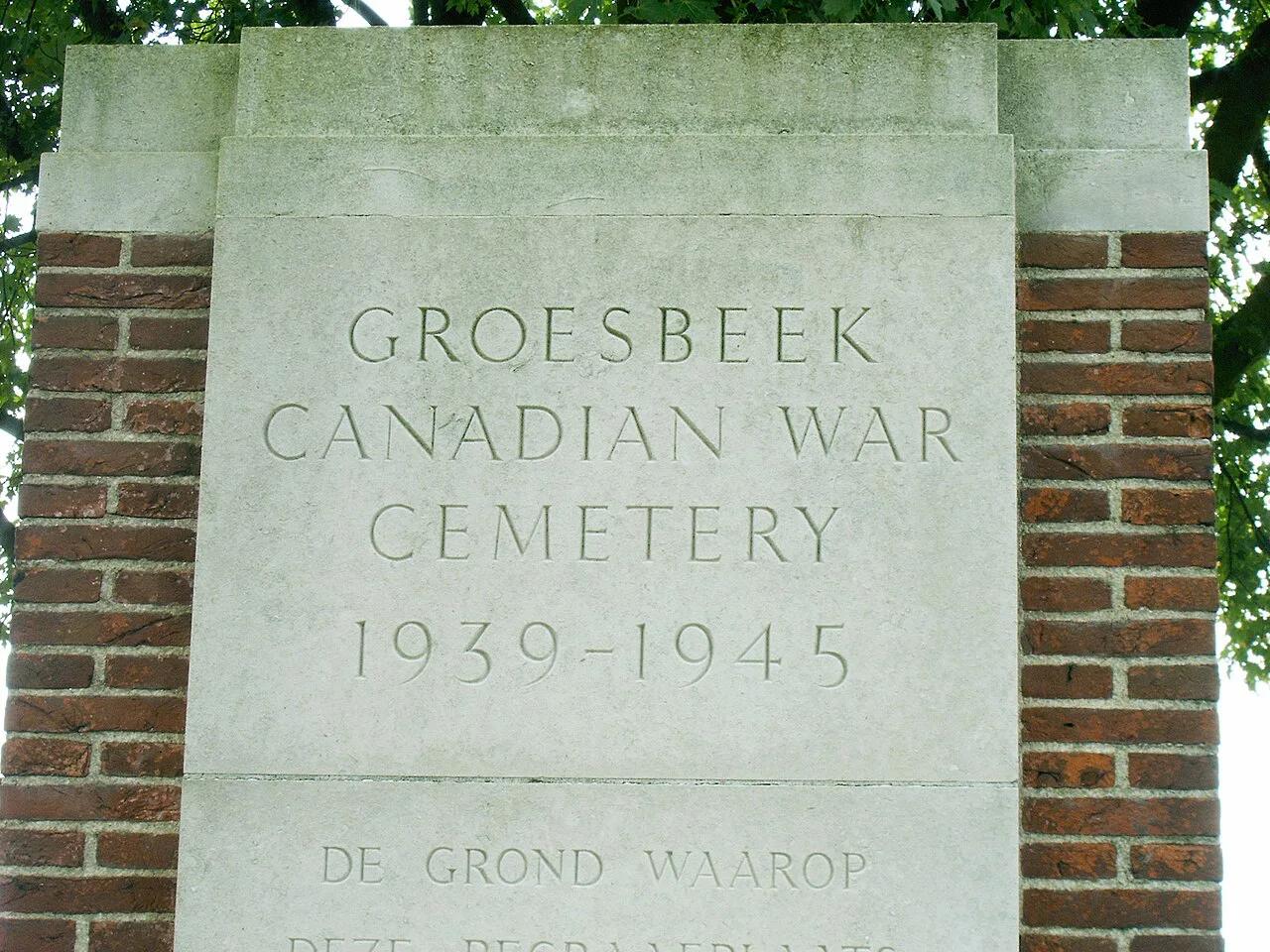
Last updated November 2026: Groesbeek Canadian War Cemetery is a Commonwealth War Graves Commission (CWGC) cemetery near Groesbeek, about 10 km (6 miles) south-east of Nijmegen. CWGC records 2,610 Commonwealth burials of the Second World War, mostly Canadians who died in the Rhineland fighting of February and March 1945. This guide covers who lies here, how to reach it and how to fit it into a Nijmegen day.
Featured image: P.J.L Laurens, CC BY 3.0, via Wikimedia Commons.
What Groesbeek Canadian War Cemetery Is
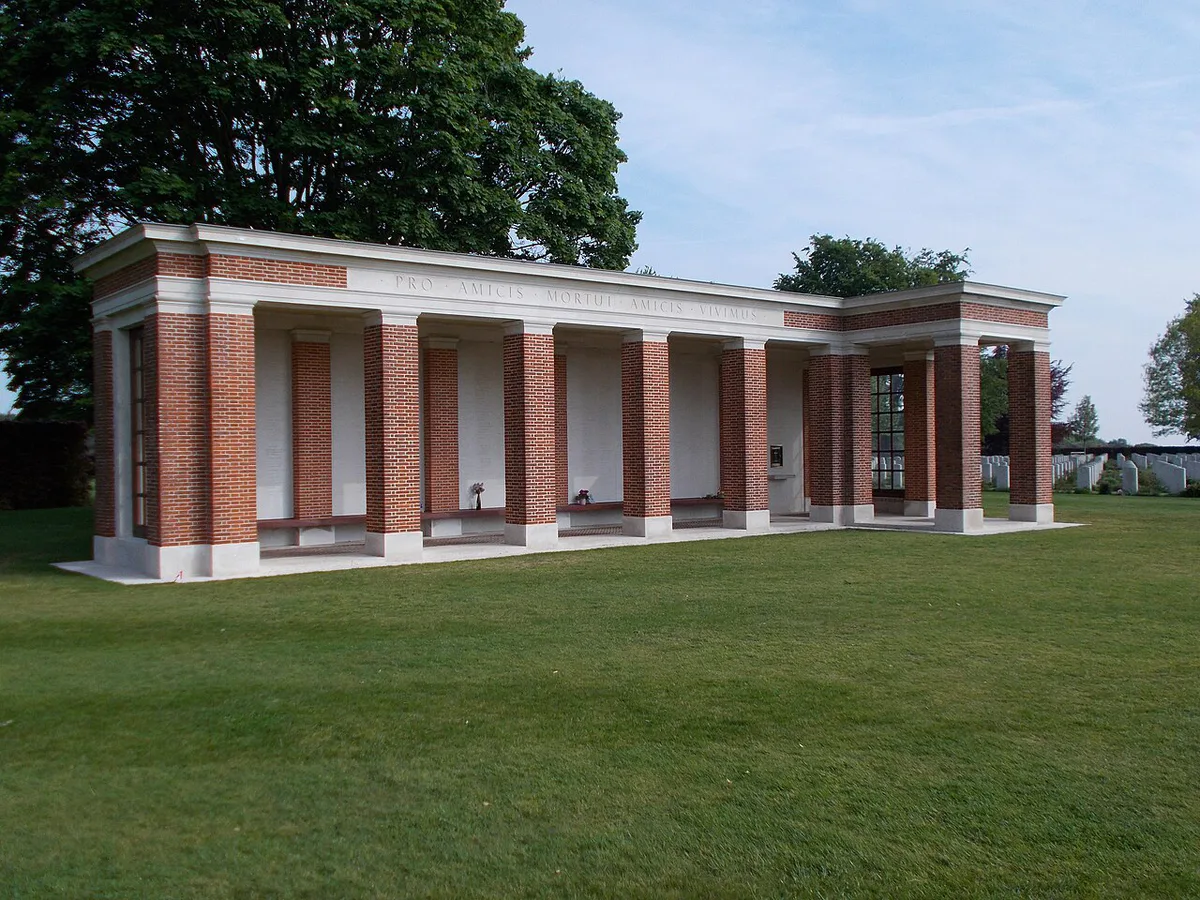
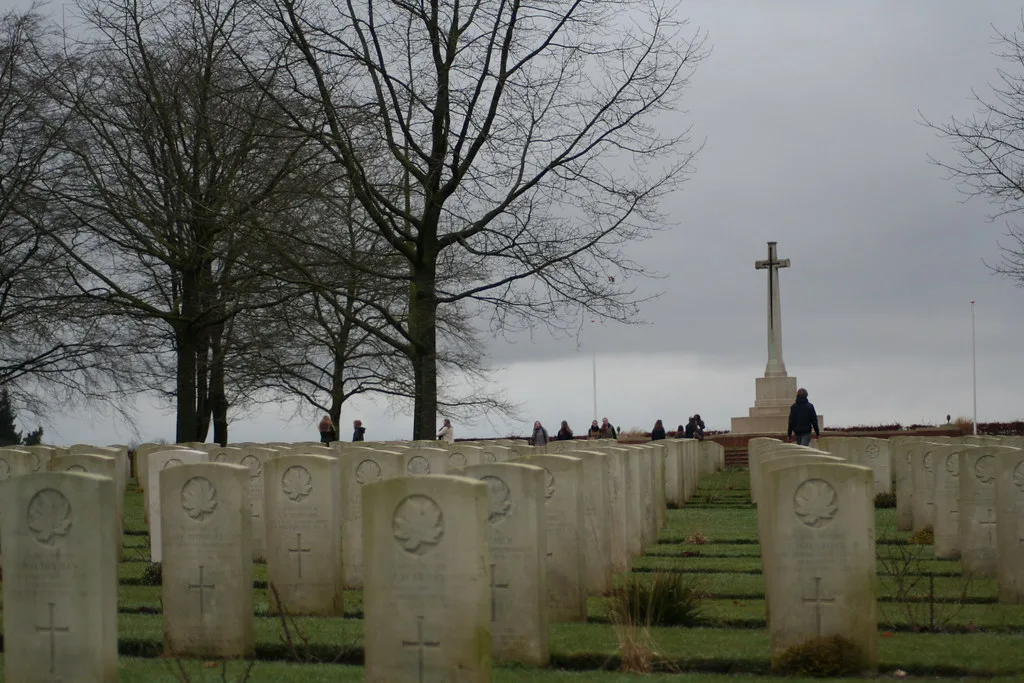
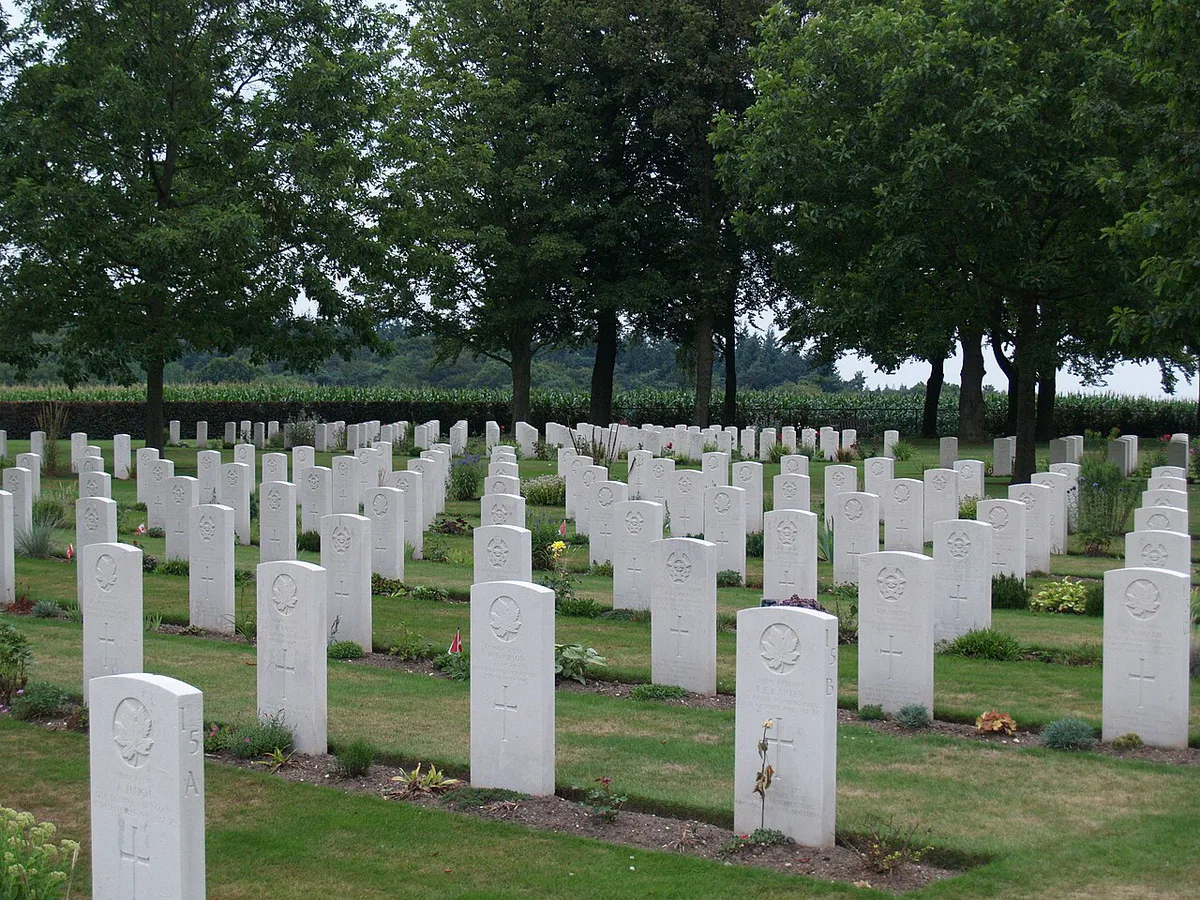
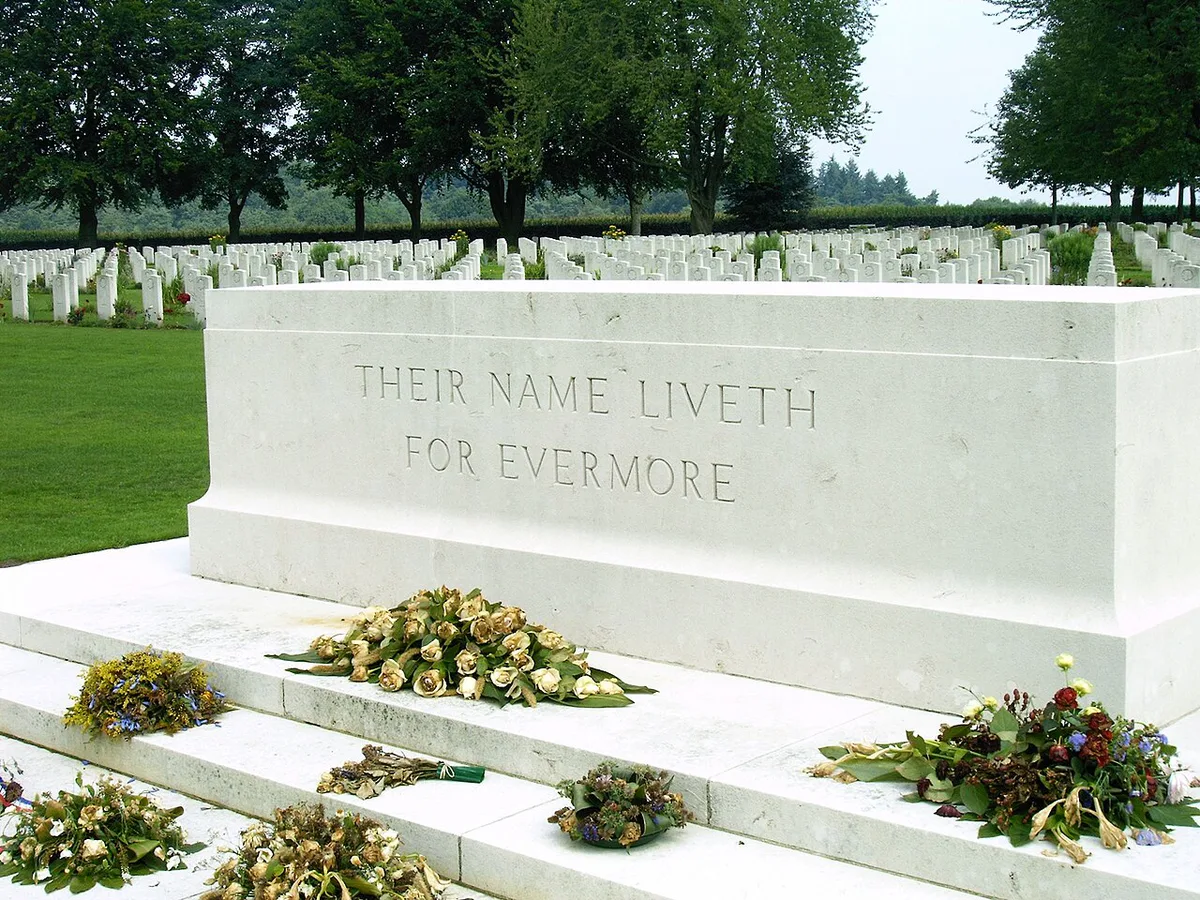
Groesbeek lies close to the German frontier. Groesbeek Canadian War Cemetery sits about 3 km (2 miles) north of the village and 1.5 km (1 mile) east of the main road to Nijmegen. Access is along Zeven Heuvelenweg, where the cemetery stands on the right about 1 km (0.6 miles) after the turn from Molenweg. CWGC lists 2,610 Commonwealth burials of the Second World War and nine war graves of other nationalities. Its identified-casualty figure is 2,599, so "more than 2,600" is a safe round number. Inside the cemetery stands the Groesbeek Memorial. It names more than 1,000 Commonwealth land-forces casualties who have no known grave. They died between the Seine crossing at the end of August 1944 and the end of the war in Europe. Use a current map for the drive rather than older written directions.
Who Is Buried Here, and How It Differs From Arnhem Oosterbeek and Mook
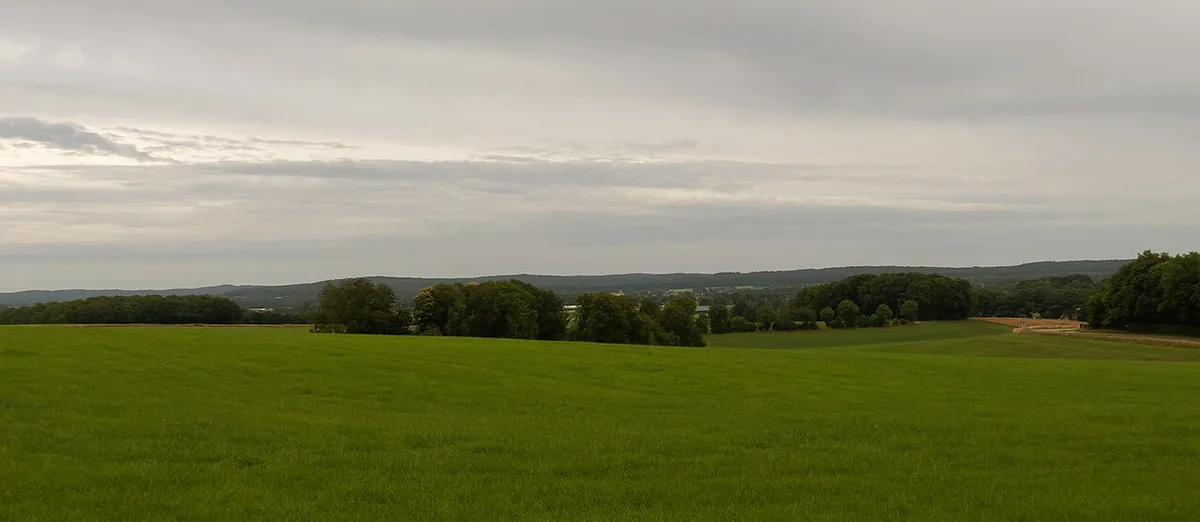
Allied forces entered the Netherlands on 12 September 1944. Airborne landings later that month created a bridgehead at Nijmegen, which is the story told in our Operation Market Garden overview. Most of the men buried at Groesbeek belong to a later phase. In February and March 1945 the 2nd and 3rd Canadian Infantry Divisions and the 4th Canadian Armoured Division drove south from Nijmegen. Their task was to clear the ground between the Maas and the Rhine. Others buried here died earlier or later in the southern Netherlands and the Rhineland. Airborne casualties from September 1944 mostly lie elsewhere, and the Arnhem Oosterbeek War Cemetery: Visitor Guide to the Airborne Cemetery is the place for those graves. For the ground fought over along the corridor, see Hell's Highway. Mook War Cemetery is a separate CWGC site on the approach road. Holten Canadian War Cemetery is a different cemetery in another part of the country.
Allied forces entered the Netherlands on 12 September 1944. Groesbeek's burials mostly date from February and March 1945, not that September entry.
| Stop | Best for | Main story | Time needed |
|---|---|---|---|
| Groesbeek Canadian War Cemetery | Family researchers, Canadian history | Rhineland campaign, Feb–Mar 1945; Groesbeek Memorial | Allow 45–60 minutes (our suggestion) |
| Mook War Cemetery | Visitors driving the approach road | Separate CWGC cemetery near Groesbeek | Short stop |
| Arnhem Oosterbeek War Cemetery | Market Garden airborne history | September 1944 airborne casualties | Allow a separate visit |
| National Liberation Museum | Context and exhibits | Liberation of the region | Half a morning or afternoon |
How to Get There From Nijmegen and Groesbeek
Nijmegen is the usual base, and our Nijmegen WWII guide covers the city. The cemetery is about 10 km (6 miles) away, so a car or taxi is the simplest option. Cycling is realistic for confident riders. Walking from Groesbeek village means about 3 km (2 miles) each way. Bus connections should be checked in the national journey planner 9292 before you travel. Wheelchair access is possible via the main entrance, according to CWGC. Contact CWGC for further access details.
Walking from Groesbeek village means about 3 km (2 miles) each way. Add that return leg to the 45 to 60 minutes on site when planning.
| Option | Cost | Time | Friction |
|---|---|---|---|
| Car | Fuel only | Short drive from Nijmegen | Low; follow current road signs |
| Taxi | Higher | Short ride | Low; arrange a return pickup |
| Bike | Free | Moderate; hilly in places | Medium; fine in dry weather |
| Bus | Low | Depends on route | Medium; connections end in Groesbeek village, leaving a walk of about 3 km (2 miles) |
| Walk from Groesbeek | Free | About 3 km (2 miles) each way | Medium; plan the return |
Opening Times, Cost and What to Expect On Site
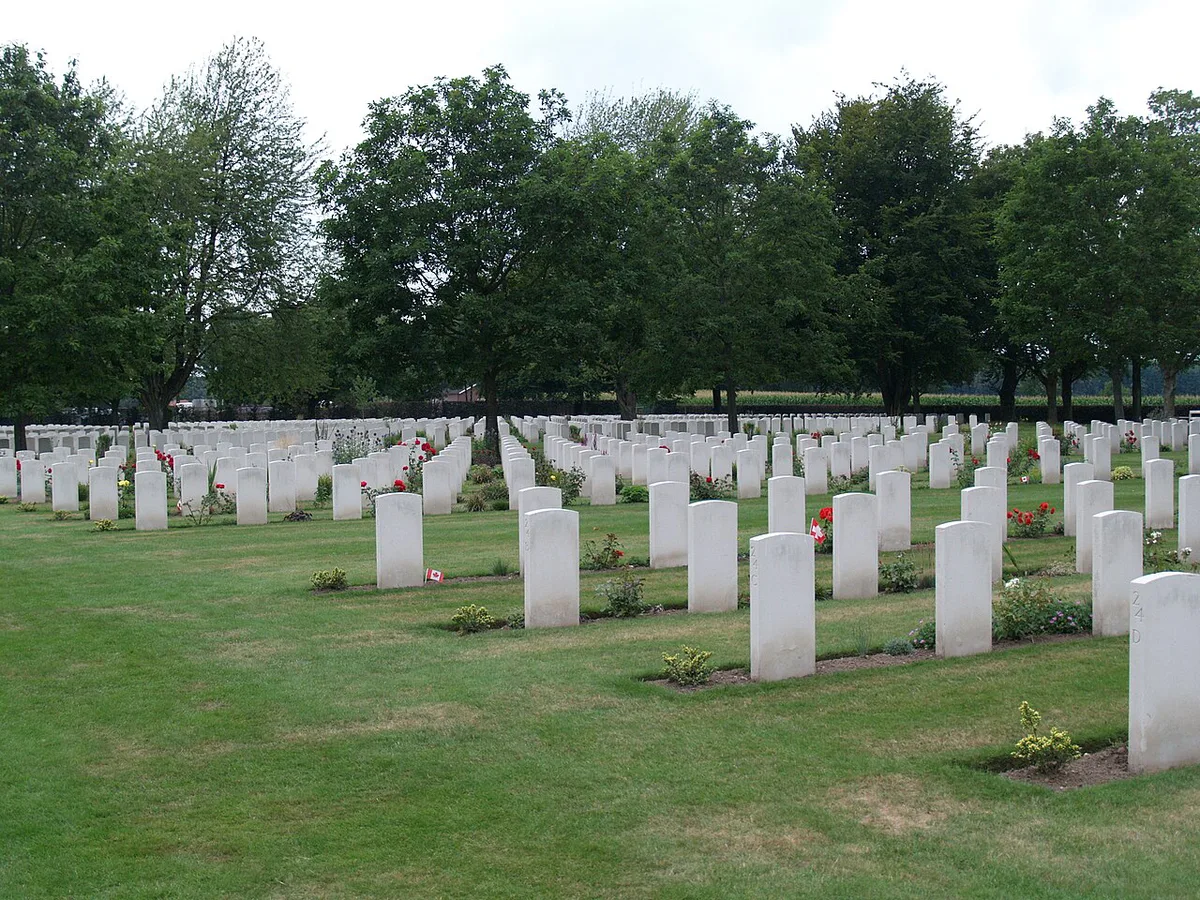
Grounds are normally open to visitors. CWGC publishes current access arrangements on its cemetery page. Expect a quiet, maintained cemetery with rows of headstones and the Groesbeek Memorial, not a museum with facilities. Before you go, search the CWGC Find War Dead database for a name. It gives a grave reference of plot, row and grave number, which lets you walk straight to the stone. Keep your voice low and stay on the paths. Take photographs respectfully and never lean on headstones. Flowers or a small maple-leaf item are fitting for a family grave. Mistakes to avoid:
- Assuming this is a Market Garden airborne cemetery.
- Arriving without a grave reference.
- Treating it as a museum stop with a café or shop.
- Relying on old written route directions instead of a current map.
How Much Time to Allow and How to Combine It With Nearby Sites
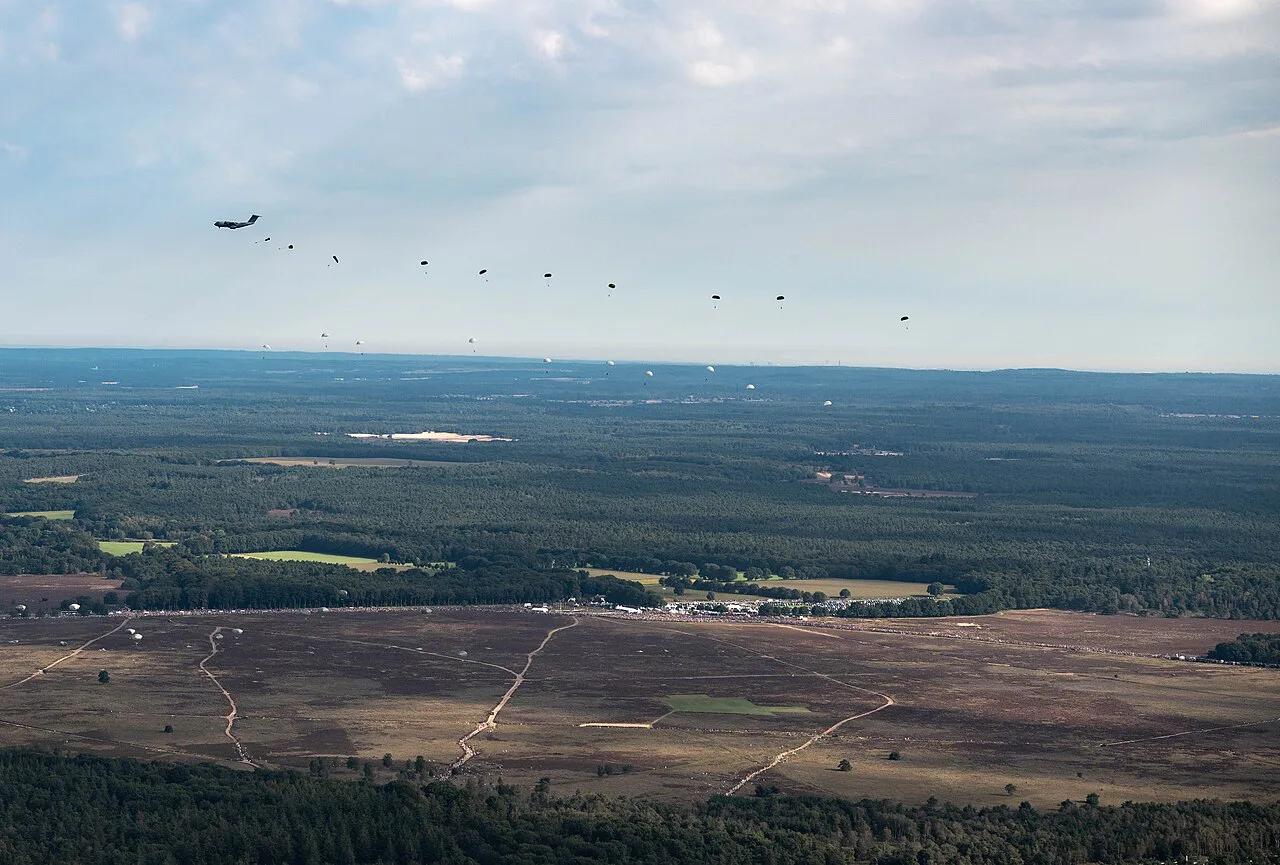
Allow about 45 to 60 minutes for a general visit. Family researchers should allow longer. Casual sightseers short on time may prefer a brief viewpoint stop here and more time at the National Liberation Museum in Groesbeek. The museum's own site lists its current opening hours. Add Ginkel Heath (Ginkelse Heide): Market Garden Drop Zone Guide, the airborne drop zone, to make a full day. Finish in Nijmegen for the bridges and the city centre. The regional tourism board has local visitor information for planning. A second day can take in Arnhem's WWII sites. These include Arnhem Bridge: History and Visitor Guide and the Airborne Museum Hartenstein: Visit Guide & Tickets. Check the drive time between Nijmegen and Arnhem before you commit.
Keep planning
Guides on the same trip