Holten Canadian War Cemetery: Visiting Guide
Visit the Holten Canadian War Cemetery in the Netherlands: who is buried here, the information centre, getting there, and visiting etiquette.
In this guide
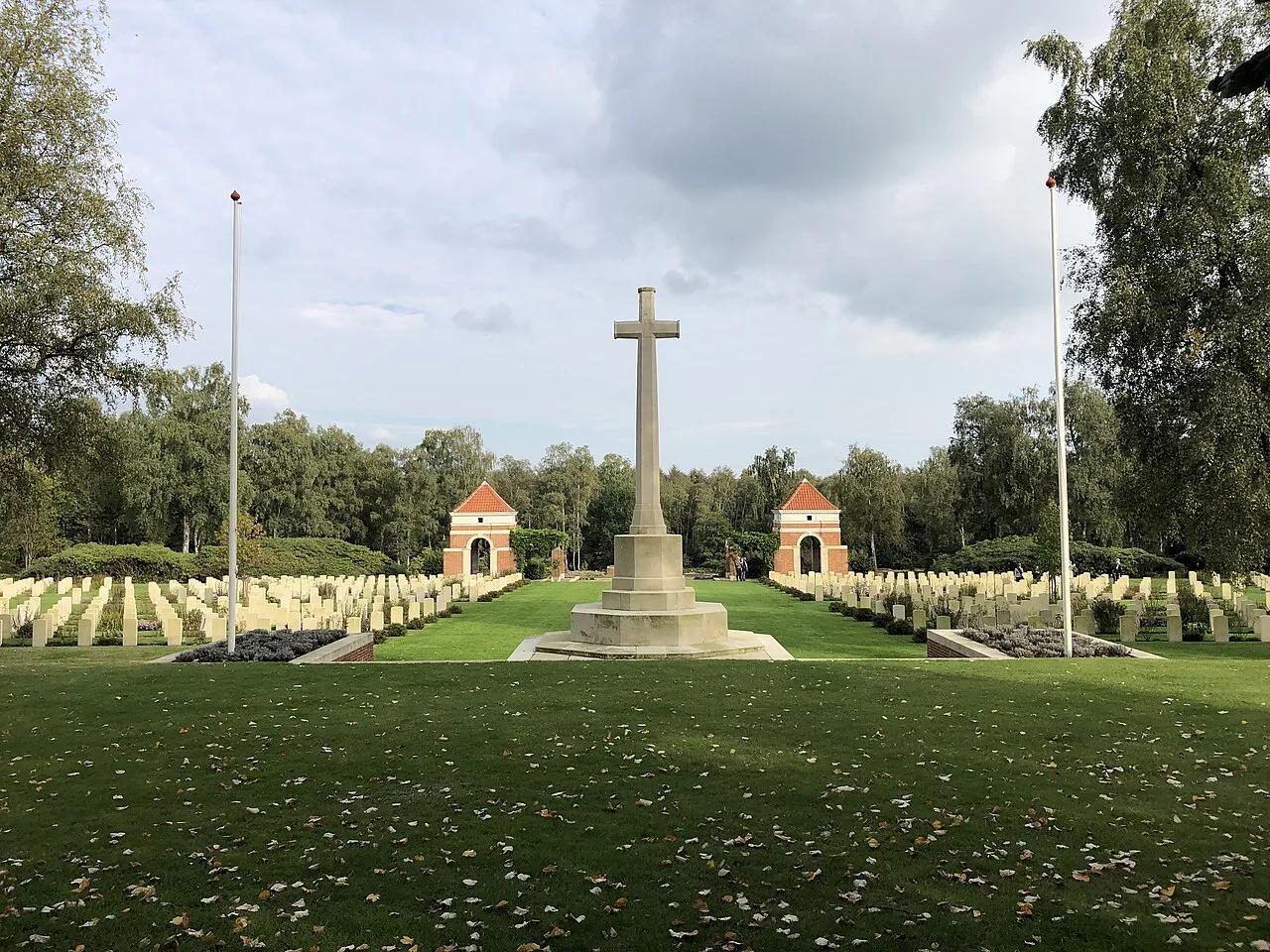
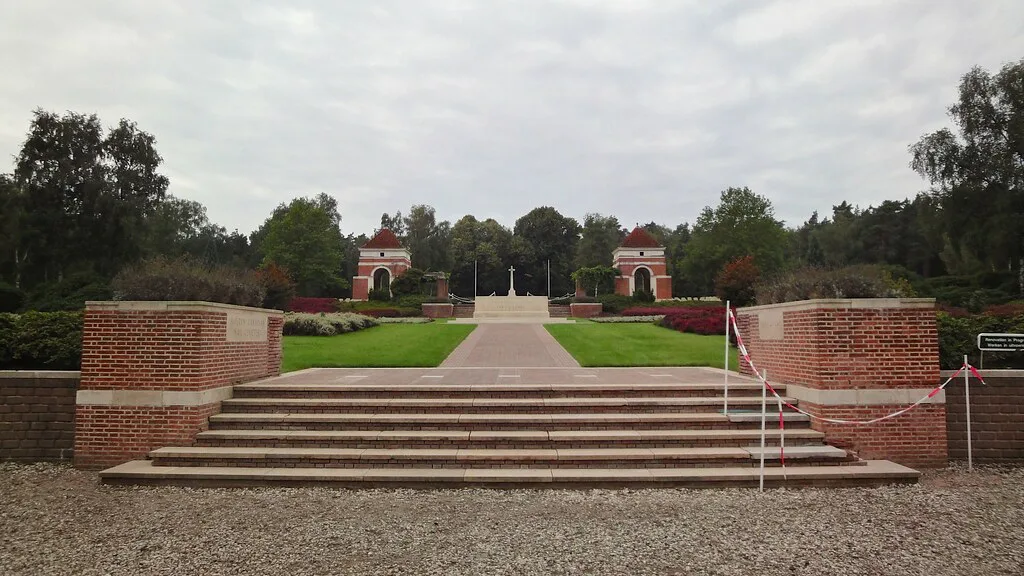
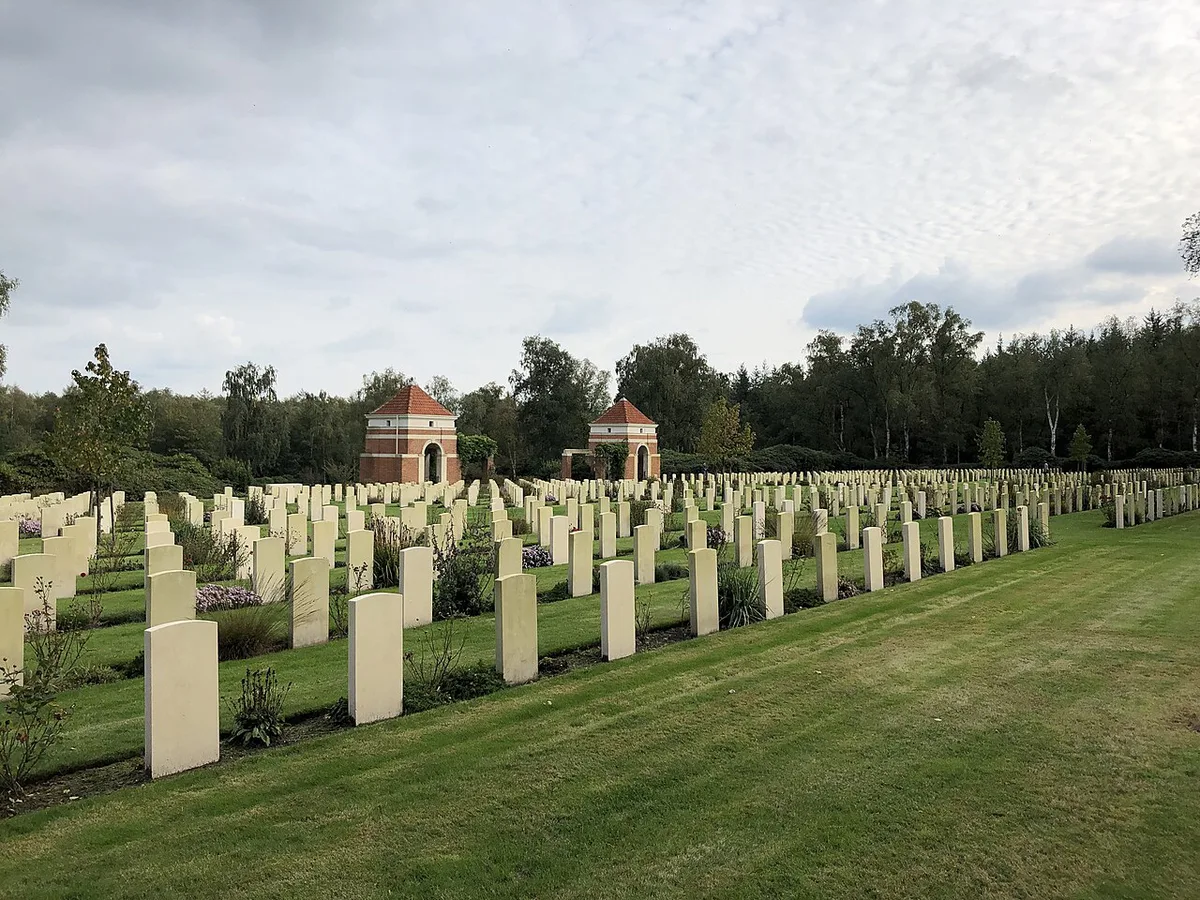
Last updated November 2026. The Holten Canadian War Cemetery lies near the village of Holten in Overijssel, in the eastern Netherlands. It is the largest Canadian war cemetery in the country and is maintained by the Commonwealth War Graves Commission. It holds 1,394 graves of Second World War casualties, and an information centre stands right beside it.
Featured image: Hay Kranen, CC BY 4.0, via Wikimedia Commons.
What the Holten Canadian War Cemetery is
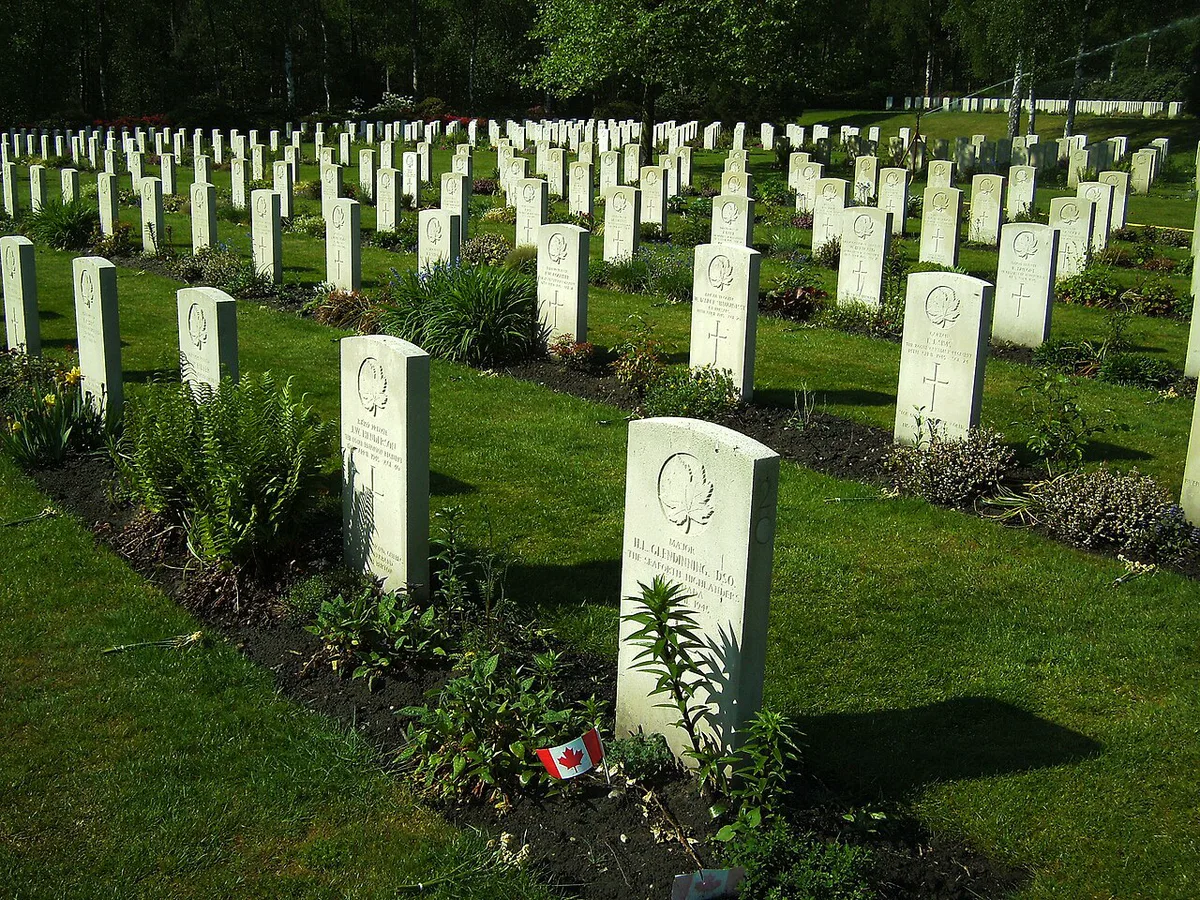
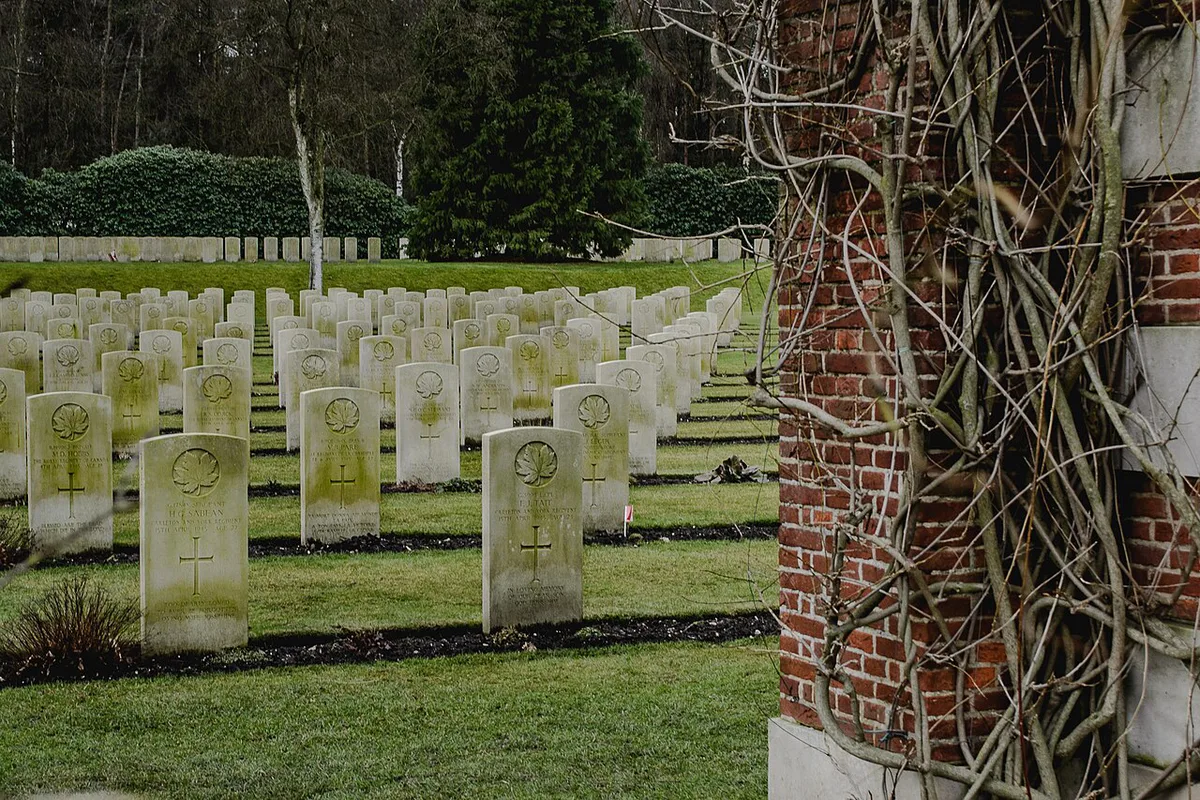
Holten Canadian War Cemetery is an active place of remembrance, not a sightseeing stop. It contains 1,394 graves of Canadian casualties from the Second World War. Many of those buried here died during the liberation of the eastern and northern Netherlands. Others fell as the offensive carried on into Germany.
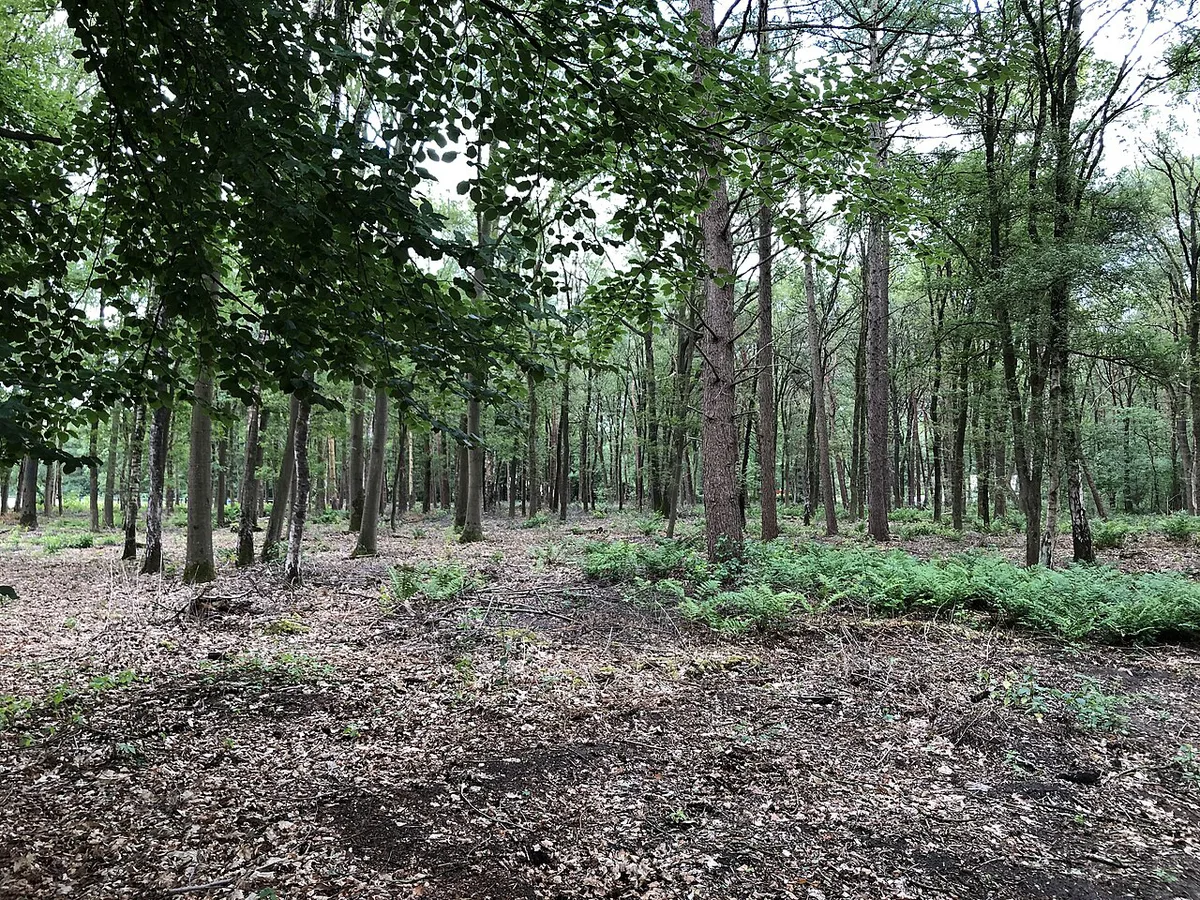
For families, the cemetery is a place to find a relative's grave. For other visitors, it shows what the liberation cost in individual lives. Plan to arrive quietly and with enough time to walk the rows without hurrying.
The history behind the graves
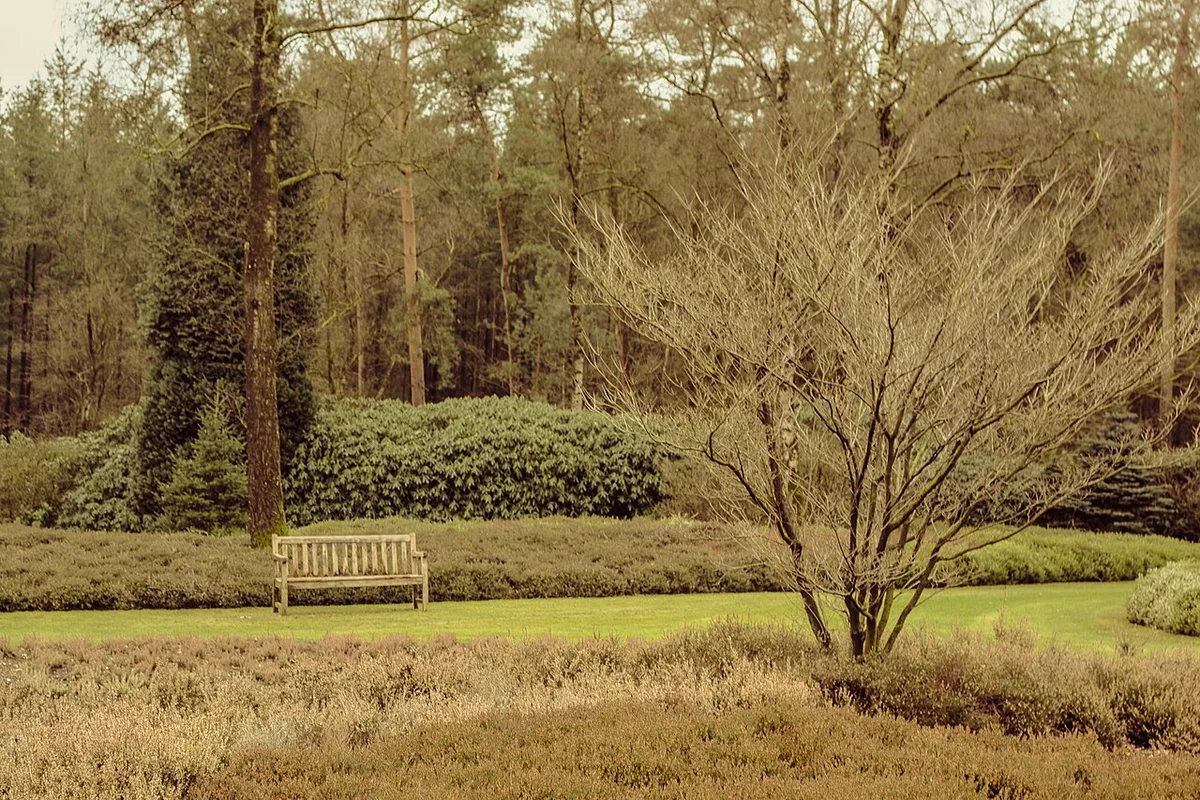
Canadian forces fought through the eastern and northern Netherlands before pressing on across the German border. Soldiers who died along that axis were buried together at Holten. That is why the cemetery is a record of a whole campaign and not of a single battle.
Veterans Affairs Canada publishes official material on Canada's wartime service. Use it for unit histories and for the wider story of the liberation. Our guide to Liberation Day in the Netherlands explains how the country marks that history each year.
Visiting the cemetery: practical details
For the address, access arrangements, parking and accessibility, check the Commonwealth War Graves Commission cemetery page and the information centre's own site before you travel.

The information centre
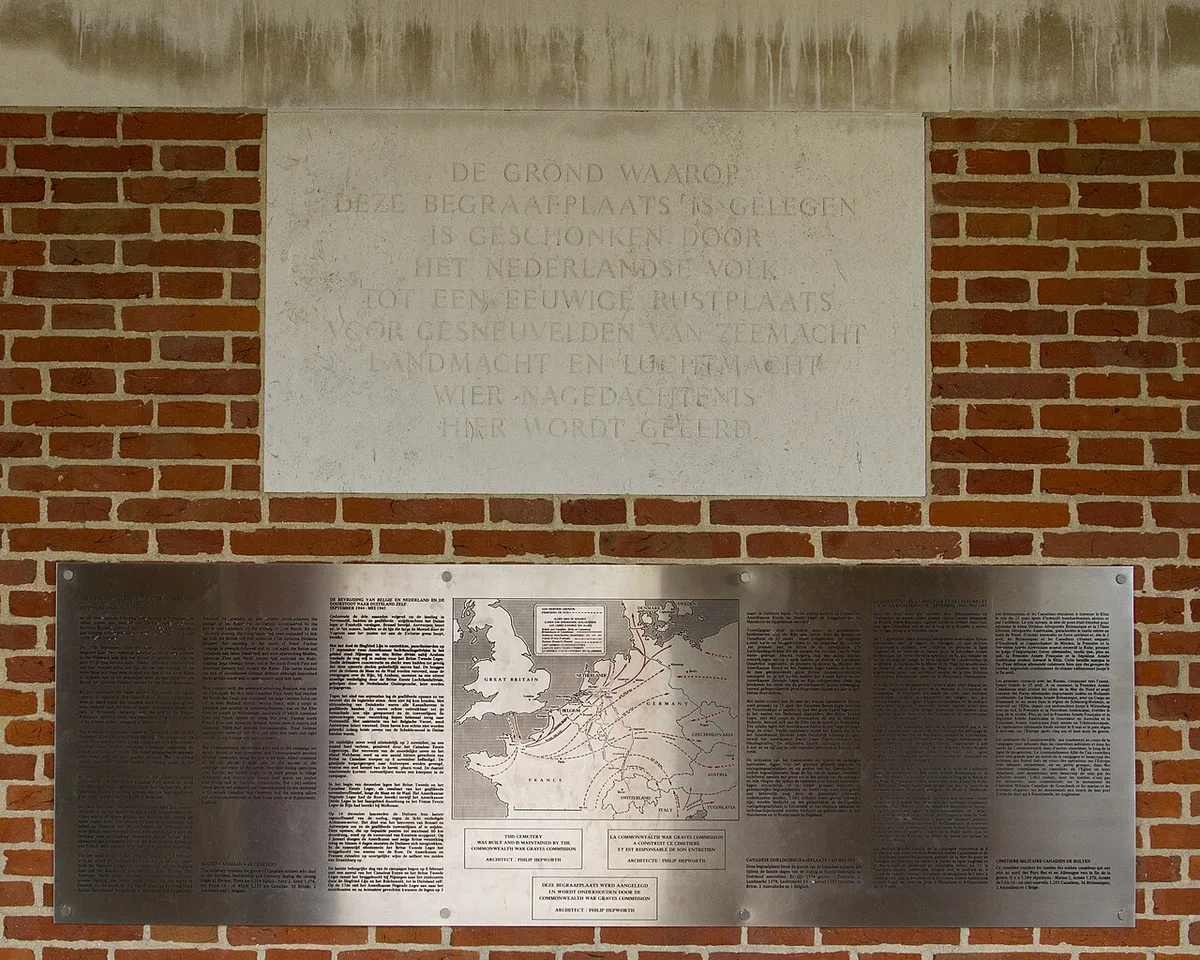
An information centre stands immediately next to the cemetery. It explains how the cemetery is laid out and tells the stories of the people buried there. A projection room is a central part of the centre. It covers the Canadian liberation operations in the eastern Netherlands and the creation of the cemetery.
Ask the centre about opening days, fees and any booking rules before you set out. Visiting the centre first gives you names and context. Walking the rows afterwards is then a more informed experience.
| Visit option | Best suited to |
|---|---|
| Cemetery only | A quiet walk among the graves, suited to a family visit with a known grave to find |
| Cemetery plus centre | The layout, individual stories and the projection-room film, suited to anyone new to the campaign |
| Centre first, then cemetery | The most context if you have no personal link to the dead |
- Cemetery only: a quiet walk among the graves, suited to a family visit with a known grave to find.
- Cemetery plus centre: the layout, individual stories and the projection-room film, suited to anyone new to the campaign.
- Centre first, then cemetery: gives the most context if you have no personal link to the dead.
Getting to Holten and how long to allow
Holten is a rural village, so the last stretch from a station may be easier with a car or taxi. Check a Dutch journey planner such as 9292 for the current route from Deventer, Almelo or Zwolle, and plan the final leg before you commit.
Visitor etiquette and finding a specific grave
Treat the site as you would any cemetery. Keep your voice low, stay on the paths and avoid stepping on graves. Photograph in a way that does not intrude on other mourners, and do not pose for pictures among the headstones.
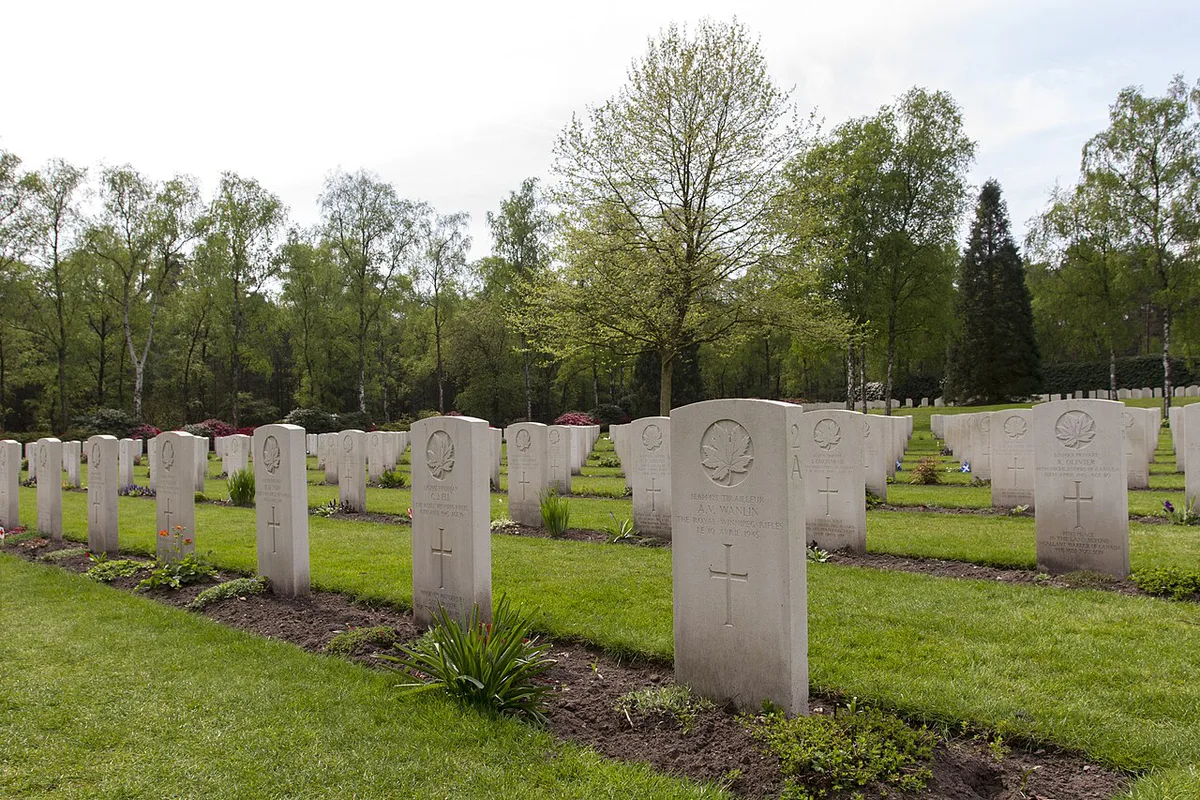
With 1,394 graves across the site, arriving with a plot, row and grave reference saves wandering the rows.
To find a particular soldier, start with the casualty search of the Commonwealth War Graves Commission. It gives the plot, row and grave reference. Canadian service records and unit histories can add the story behind the name, and Veterans Affairs Canada is the place to begin that research. If you cannot trace a name, ask the cemetery's caretakers or the commission directly.
- Bring the grave reference before you arrive, so you can go straight to the plot.
- Carry any remembrance token you plan to leave, and follow any rules the site publishes.
- Allow time to sit quietly after finding the grave.
- Avoid arriving without checking whether the information centre is open.
Who should visit and who might skip
Family researchers, history travellers and anyone building a Second World War route through eastern Netherlands will get the most from Holten. It also suits visitors who want to understand the liberation through individual stories rather than museum objects.
It is a quieter, more reflective stop than a museum. If you are short on time, or travelling with young children who may find a silent cemetery hard, consider the centre alone or a different stop. Visitors with mobility needs should ask the centre or the commission about access before travelling.
Combining Holten with other WW2 sites
Holten works as one stop within a wider route. Our hub on Second World War sites in the Netherlands shows how the regions fit together. For a comparison with another national cemetery, see the American cemetery in the Netherlands.
For the eastern campaign in a museum setting, the Overloon War Museum: Visitor Guide & Planning Tips is a possible pairing, though it lies in a different province, so allow for the distance. Visitors who want the occupation story can read about Kamp Westerbork Visit Guide: Getting There and What to Expect in Drenthe. Holland.com also lists Second World War sites in the Netherlands for planning.
Give Holten its own half-day if you can, and do not squeeze it between other stops. A cemetery visit rewards time and quiet more than a checklist does.
Keep planning
Guides on the same trip