Dutch Resistance Museum (Verzetsmuseum) Amsterdam Guide
The Dutch Resistance Museum, or Verzetsmuseum, is in Amsterdam's Plantage district. See what it covers and how to fit it into a Netherlands WW2 trip.
In this guide
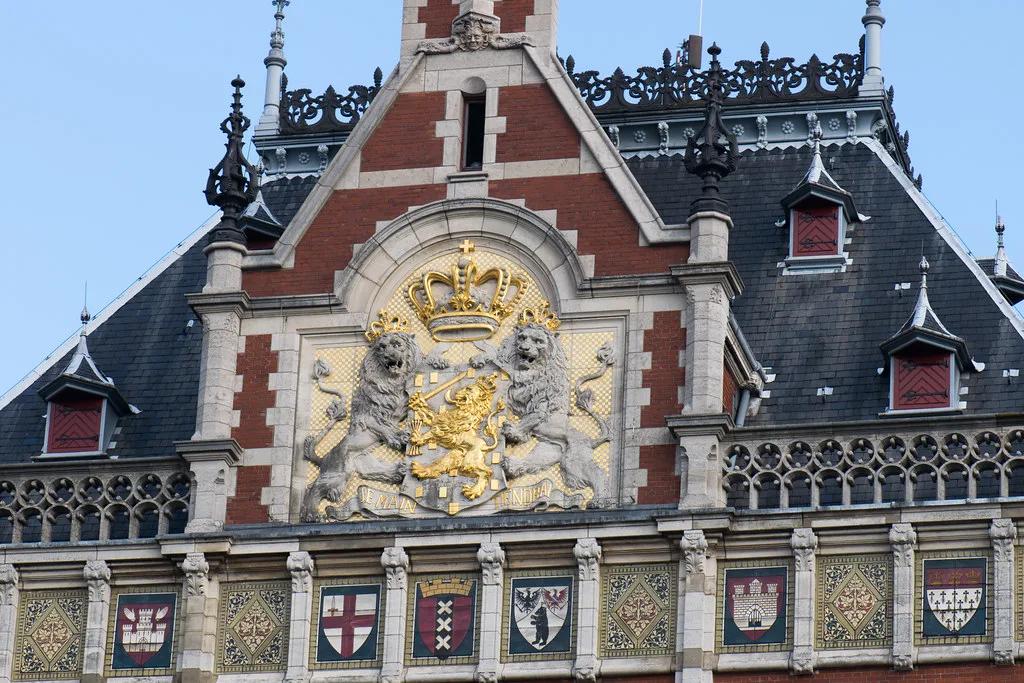
Last updated November 2026. The Dutch Resistance Museum, known in Dutch as the Verzetsmuseum, is in Amsterdam at Plantage Kerklaan 61, 1018 CX. Its subject is the occupation of 1940–1945 and the choices ordinary people faced. Read on to decide whether it suits your trip and where to go next across the country.
Featured image: quinet, CC BY 2.0, via Flickr.
What the Dutch Resistance Museum is, and where it is
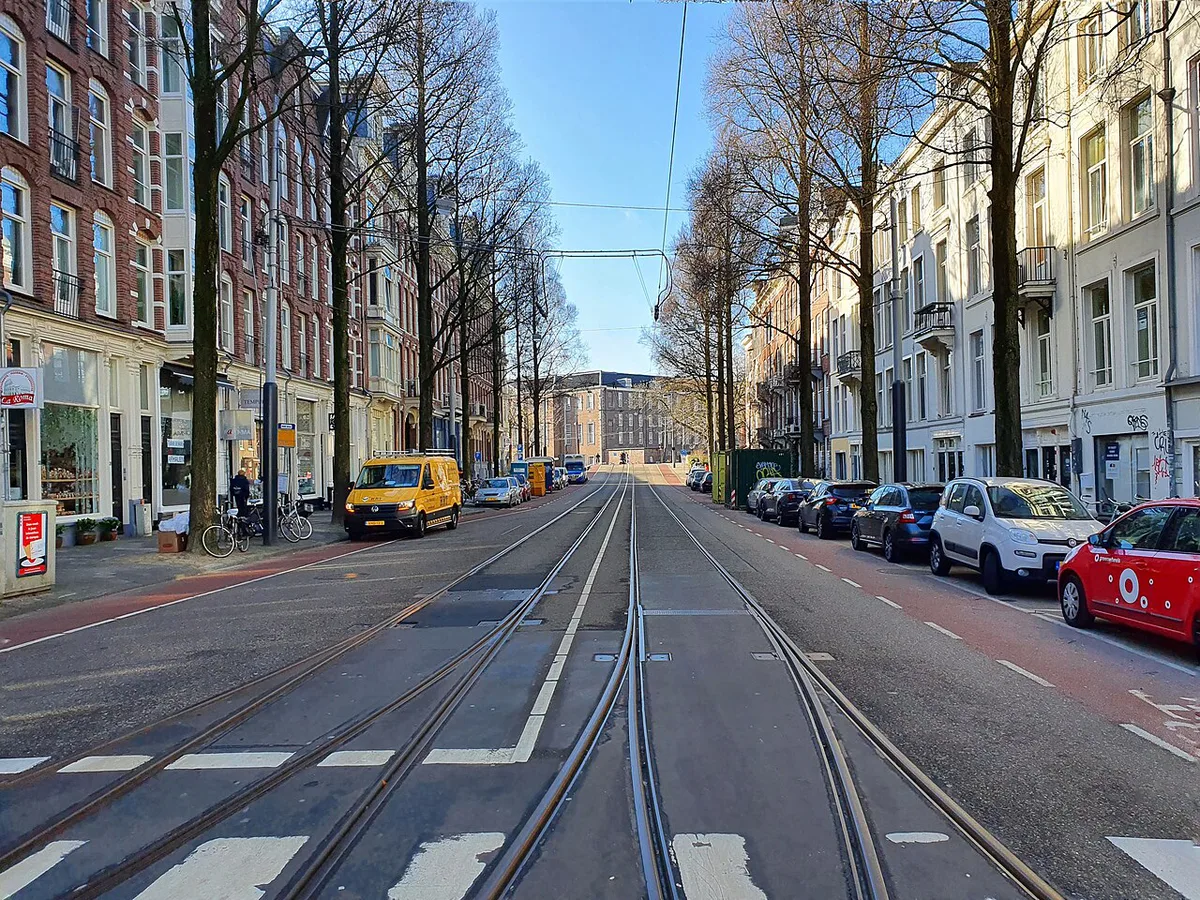
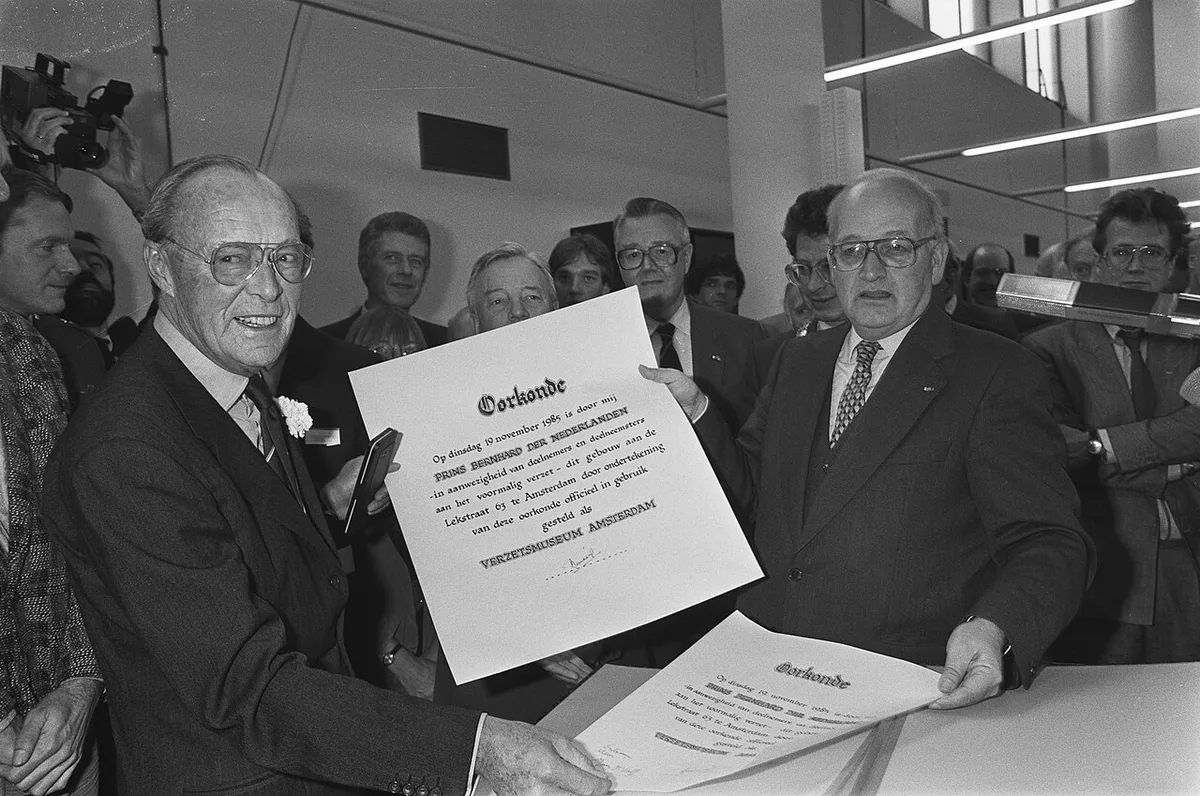
Despite the name, you will find the Dutch Resistance Museum in Amsterdam, not at a battlefield or a camp. It sits in the Plantage district, in the old Jewish quarter, on Plantage Kerklaan opposite Artis. Hollandsche Schouwburg is also close by. Amsterdam and the wider Netherlands under occupation, 1940–1945, are its subject. Camps and cemeteries show what happened to victims and soldiers. This museum shows how civilians, in a city, responded to the occupation. Details on the collection and current exhibitions are on the museum's official website.
What you'll see
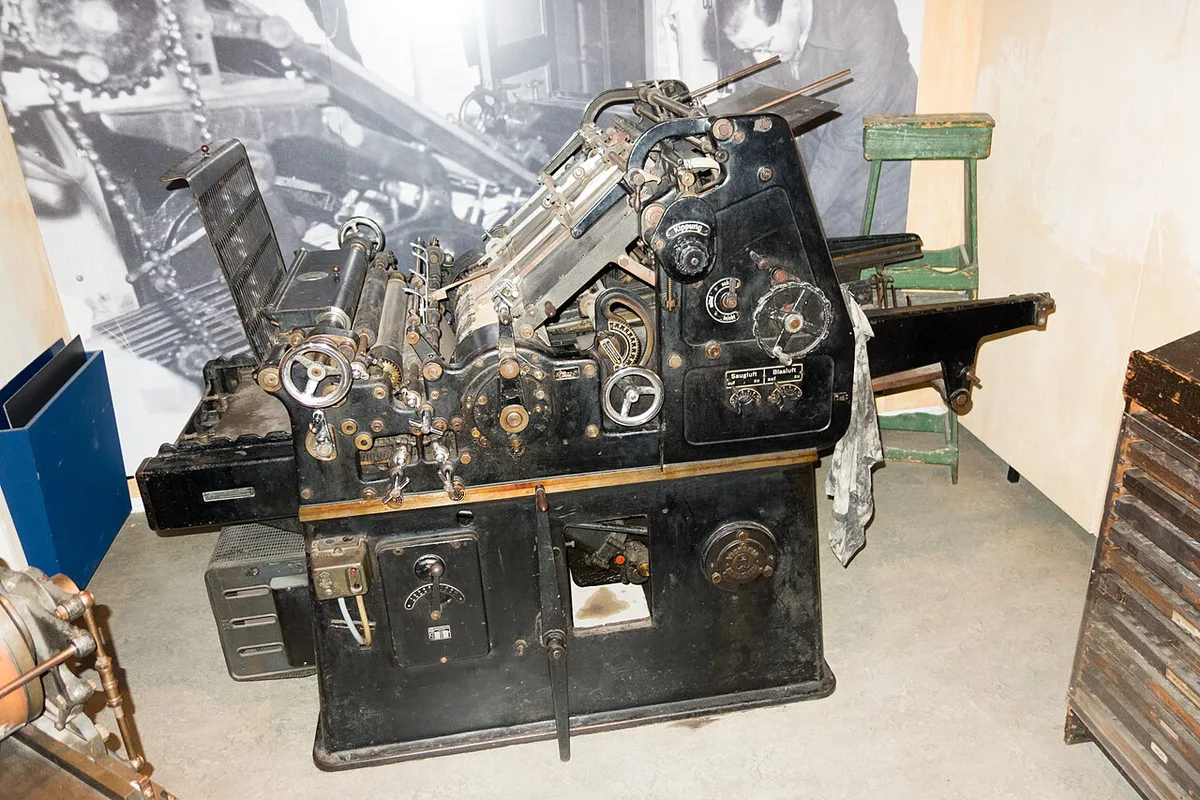
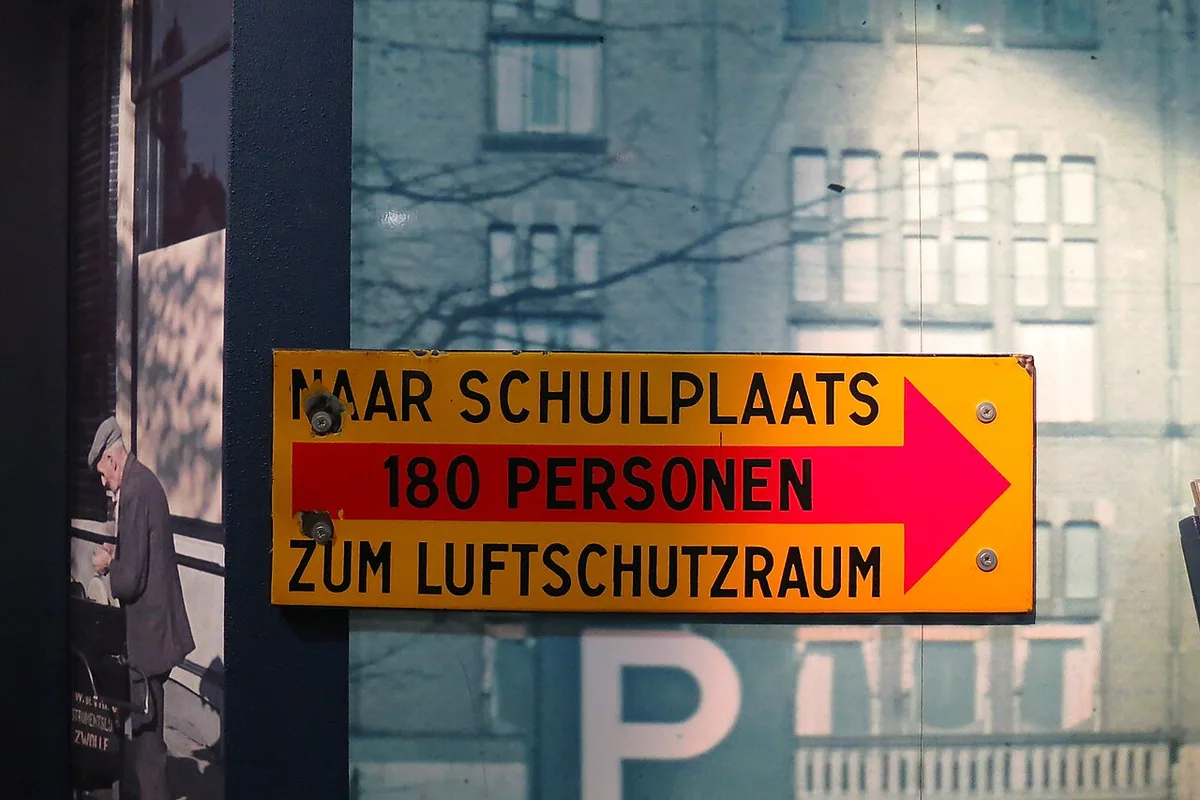
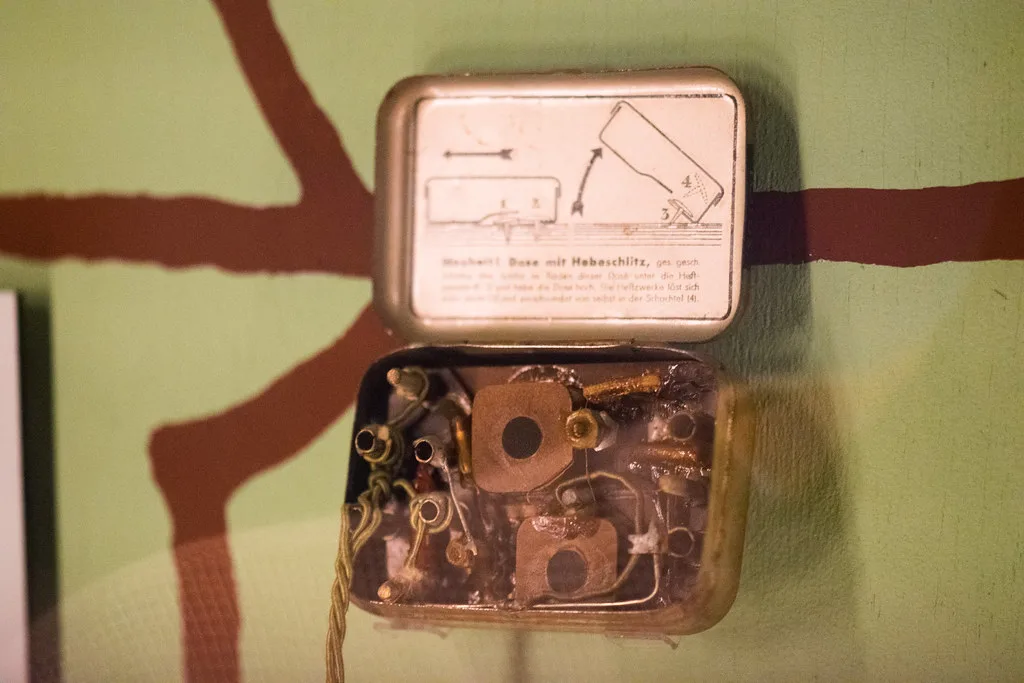
Exhibits use newscasts, photographs, personal items and sound fragments. Visitors meet people facing dilemmas and forced choices, so the focus is on individual decisions rather than on troop movements. Expect a museum that you read and listen to, not a site you walk across. Current exhibitions and any temporary displays are listed by the museum itself.
Adapt, collaborate or resist: the history behind the choices
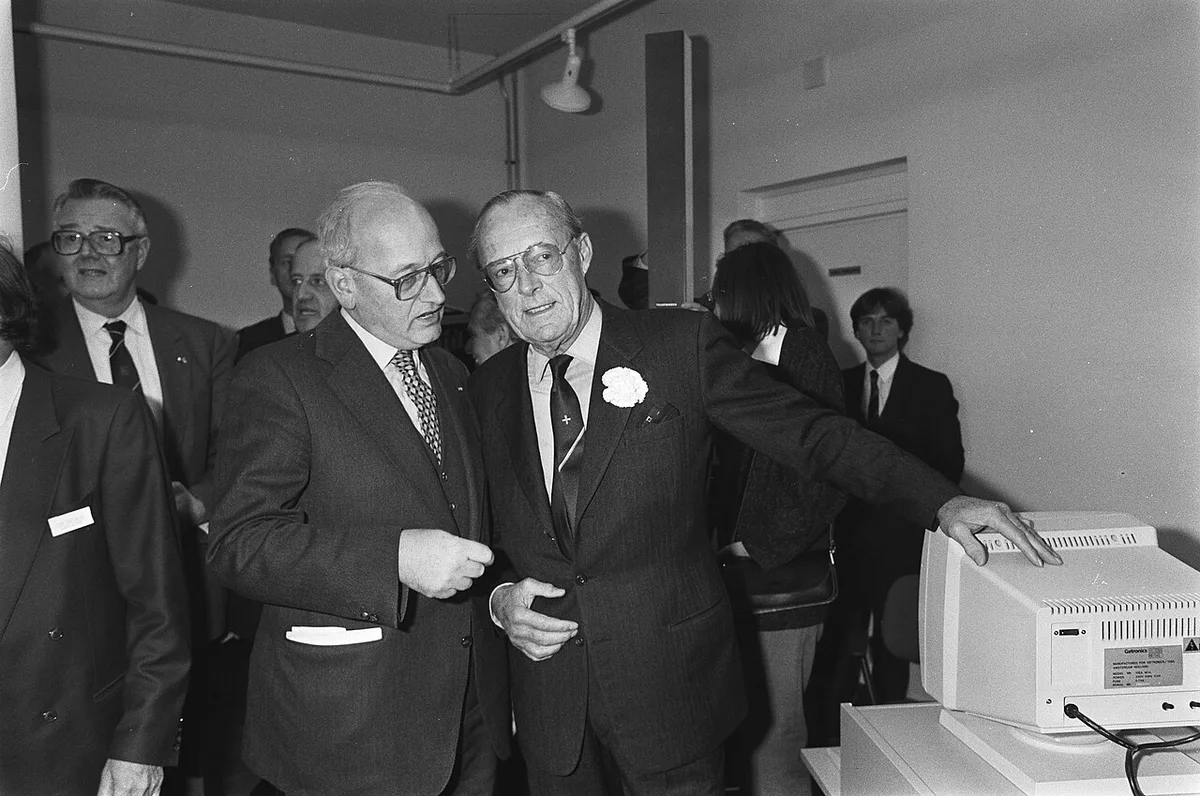
One question helps you make sense of the museum: what would people adapt to, when would they cooperate with the occupier, and when would they resist? These responses were not always neatly separated. Keeping a job or following a new rule could look very different as the occupation went on. Members of the NSB, the Dutch National Socialist movement, openly sided with a politics that most resisters opposed.
These dates give the personal stories a framework:
- May 1940: Germany invades the Netherlands. The Dutch army capitulates after the bombing of Rotterdam.
- February 1941: The February Strike begins in Amsterdam in protest against the persecution of Jews. The occupiers suppress it with force.
- May 1942: Jews in the Netherlands are forced to wear the yellow Star of David, which marks them out in public. Mass deportations begin that summer.
- April and May 1943: Strikes spread after the Germans announce that former Dutch soldiers must return to captivity.
- September 1944: A national railway strike begins. The Hunger Winter follows in the occupied west.
- May 1945: The German occupation ends. The Netherlands marks Liberation Day on 5 May.
As you go round, notice the date attached to each dilemma. What someone knew, and what they risked, could change considerably between 1940 and 1944. If you are visiting with children, check the museum's information on Verzetsmuseum Junior, which presents the period through the true stories of four children: Eva, Jan, Nelly and Henk.
To see how another occupied country's story is presented, use our guide to French Resistance museums.
Is the Dutch Resistance Museum worth your time?
For most visitors with an interest in the war, yes. It is the clearest way to understand the civilian side of the occupation before or after visiting sites elsewhere. The main mistake is expecting a battlefield or camp experience. This is an indoor, story-led museum in a city centre neighborhood.
| Traveler | Fit |
|---|---|
| First-time Amsterdam visitor | Good if you want context beyond canals and art museums |
| WW2-focused traveler | Strong start for a Netherlands itinerary |
| Families and teens | Suits older children who can follow personal stories; judge by your child's maturity |
| Short on time | Workable as a single stop, paired with nearby Plantage sights |
Tickets, opening hours and booking
Admission prices, opening hours, closing days and any advance-booking rules change, so we do not quote them here. Check the Verzetsmuseum site for current details before you go.
Getting there and combining it with nearby sights
Use Plantage Kerklaan 61, 1018 CX Amsterdam, in your journey planner. Artis is opposite, and Hollandsche Schouwburg is nearby, so the area suits a half-day on the Plantage and the old Jewish quarter. Treat the museum as a standalone stop if your day is full, or pair it with these neighbors if you want depth. For wider city planning, I amsterdam is the city's official visitor site.
Plantage Kerklaan 61, 1018 CX is the address to enter, but check the Verzetsmuseum site for opening hours and booking rules first.
Gerrit van der Veen and the Plantage registry attack
The museum's neighbourhood has its own resistance history. On the night of 27 March 1943, a resistance group attacked the Amsterdam population registry on Plantage Kerklaan, the same street as the museum's address. The occupiers could use its records to check identity papers and expose forgeries.
Gerrit van der Veen, a sculptor, was closely involved in producing false identity cards and was one of the figures behind the raid. Another was the artist and writer Willem Arondeus. Members of the group entered disguised as police, sedated the guards and set off explosives and a fire. Only part of the records was destroyed.
The consequences were severe. Arondeus was among those arrested and was executed in July 1943. Van der Veen continued his resistance work, but was later captured and executed in June 1944.
Keep this episode in mind as you walk around the Plantage. It shows why paperwork mattered under occupation: a convincing identity card could help someone avoid arrest, while an official register could give a false one away.
The nearby Hollandsche Schouwburg shows another side of the same district's wartime history. The occupiers used the former theatre as an assembly point for Jews before deportation. It is now a memorial site connected with the National Holocaust Museum. If you plan to visit both it and the Verzetsmuseum, allow time between them and check each venue's entry arrangements separately.
Where it fits in a Netherlands WW2 itinerary
Start here for the civilian story, then choose sites by what you want to understand next. Our Netherlands WW2 sites guide maps the full country. The table below shows what each type of place adds.
Amsterdam's civilian view of occupation, covering the Netherlands between 1940 and 1945, works as a counterpoint to Westerbork or Vught for camp history.
| If you want | Go to | What it adds |
|---|---|---|
| Persecution and deportation | Kamp Westerbork Visit Guide: Getting There and What to Expect | A former camp site and memorial centre |
| Detention and camp history | Kamp Vught: Visitor Guide, Hours, Tickets & History | A different camp, with its own story |
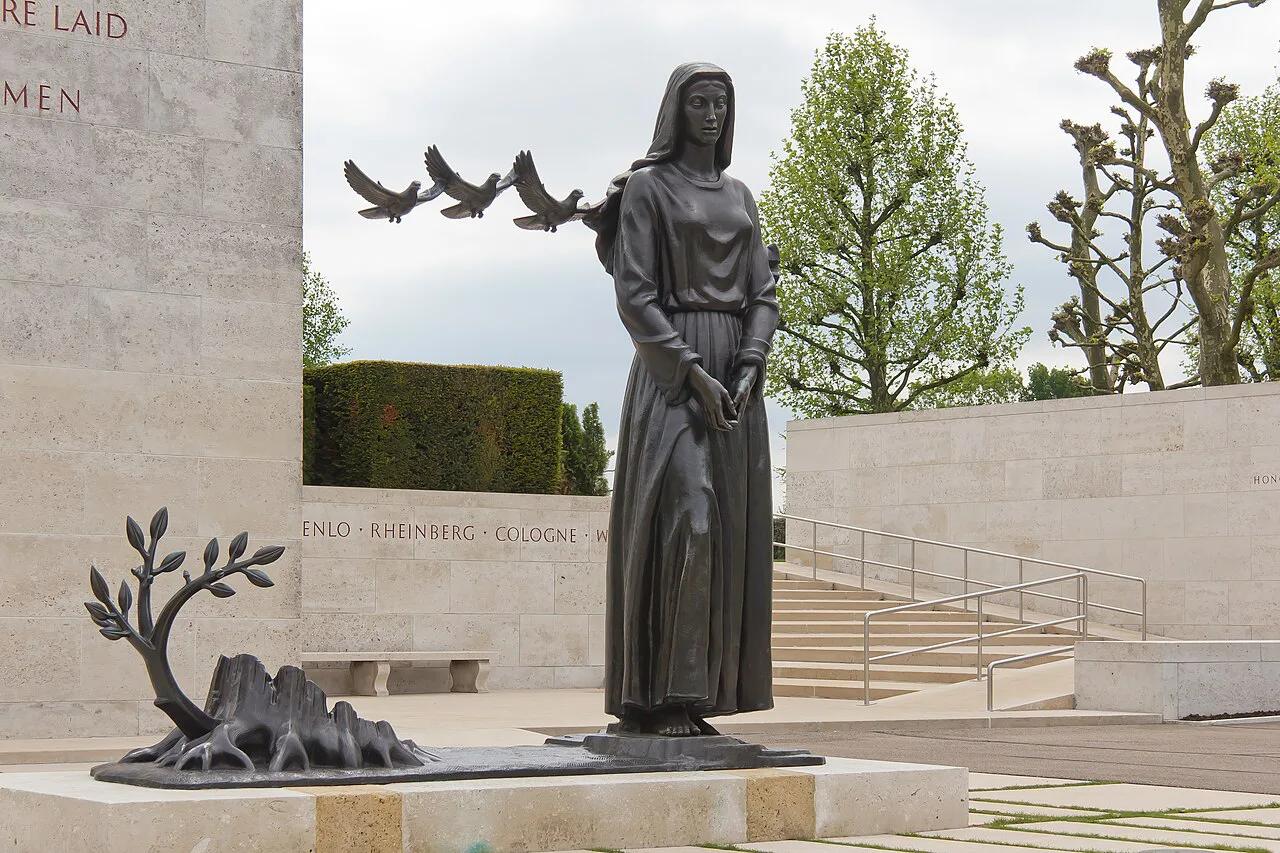
| Military and liberation story | American cemetery | Burial grounds for fallen soldiers |
| War in the field | Overloon War Museum: Visitor Guide & Planning Tips | Military hardware and battle history |
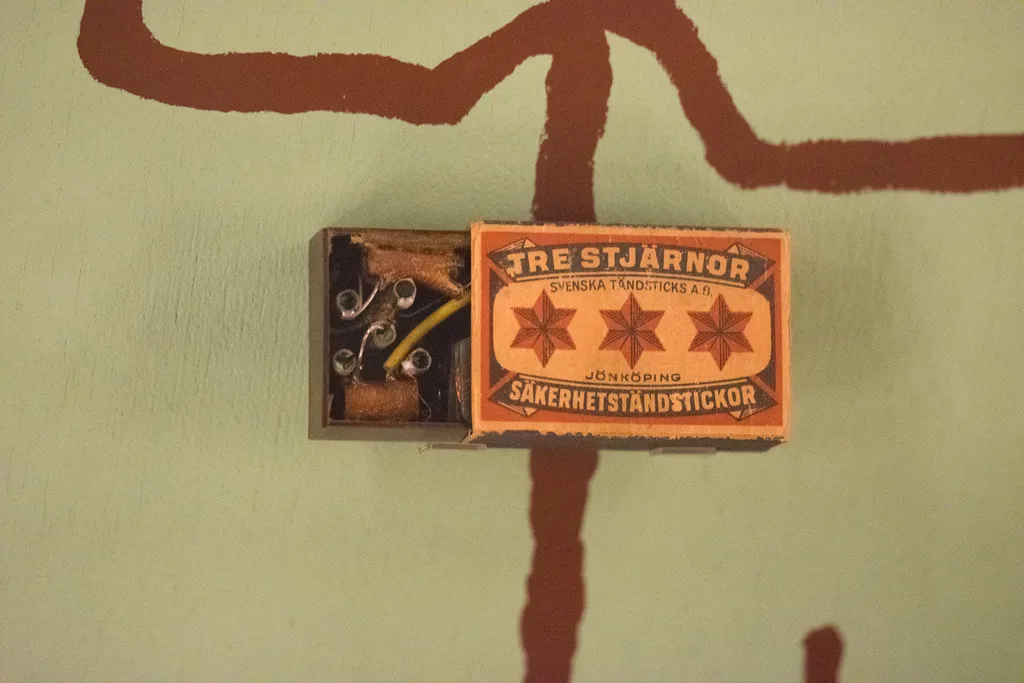
Choose the right type of WW2 visit
The Dutch Resistance Museum is the best choice when you want the civilian view of occupation. Its story centres on Amsterdam and the Netherlands between 1940 and 1945. That makes it a useful counterpoint to places focused on imprisonment, deportation, combat or liberation.
Choose Kamp Westerbork or Kamp Vught when you want to understand camp history. Choose the American cemetery for the military cost of liberation. Choose Overloon War Museum when battlefield history and military equipment are your priority. None offers quite the same urban, personal perspective as the Verzetsmuseum.
For an Amsterdam day, start at Plantage Kerklaan 61 and use the museum to establish context before visiting nearby Jewish-history sites. It is not a substitute for a former camp or battlefield. Instead, it explains the difficult choices faced by people living under occupation, which can make later visits elsewhere in the Netherlands more meaningful.
Keep planning
Guides on the same trip