
French Resistance Museums: Which to Visit and Where (France Guide)
Which French Resistance museum should you visit? Compare Paris, Oradour-sur-Glane, the Vercors and more by location, what each covers and who each suits.
In this guide
Last updated November 2026. France has no single national French Resistance museum, so the right choice depends on your route. For a short city stay, start with the Liberation of Paris Museum: Hours, Free Entry & Shelter. For a road trip, add Oradour-sur-Glane or the Vercors, and use our guide to wider WWII sites across France to plan around them.
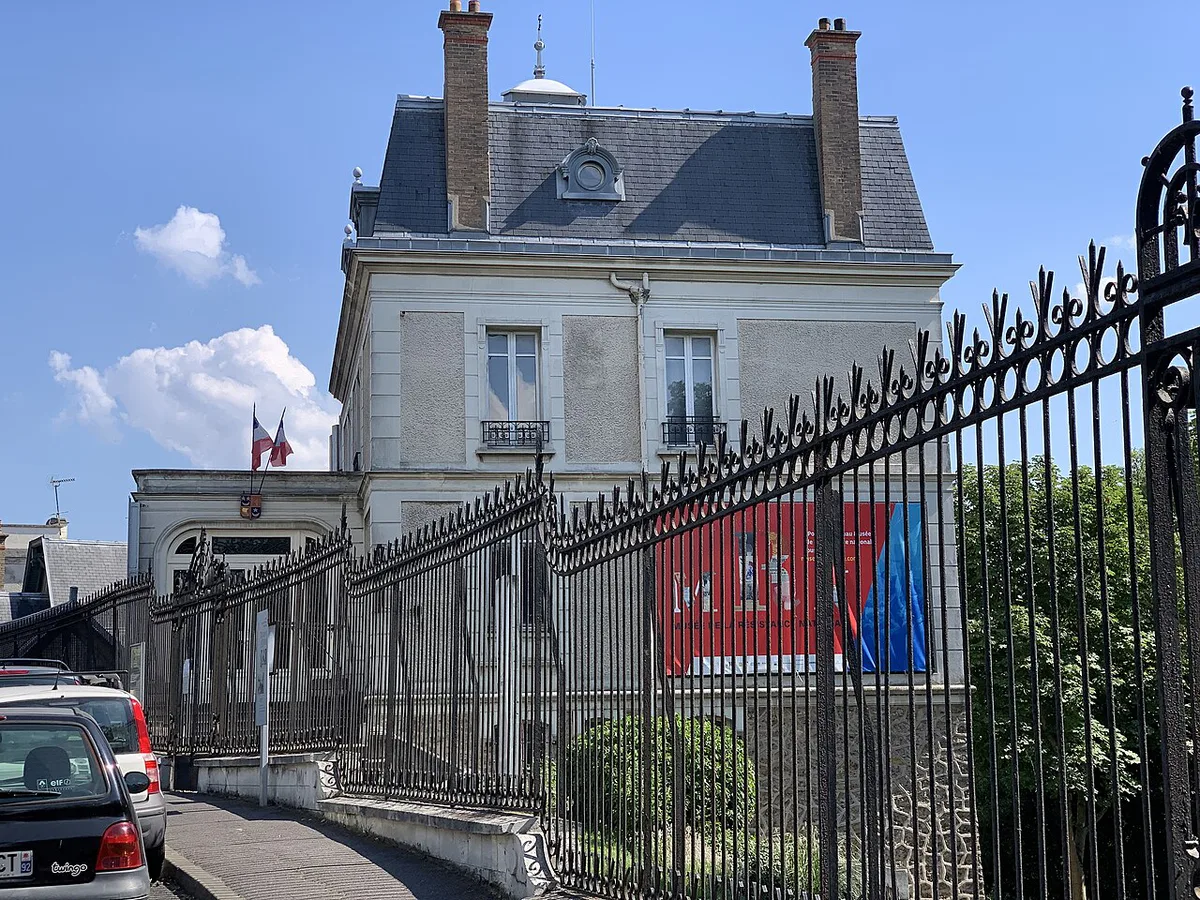
Featured image: Zakarie Faibis, CC BY-SA 4.0, via Wikimedia Commons.
Quick answer: which French Resistance museum to visit
Pick by trip type. Resistance museums explain networks, clandestine life and testimony. Other sites cover occupation, reprisal or deportation, and the difference matters when you plan.
- First visit to Paris: the Musée de la Libération de Paris, at Denfert-Rochereau.
- Short layover with limited time: one Paris museum rather than a long regional transfer.
- History enthusiast with a car: Oradour-sur-Glane and its Centre de la Mémoire in the Limousin.
- Mountain road trip: the Vercors Resistance memorial.
- Visitors who want a somber memorial rather than a museum: Mont-Valérien, outside central Paris.
- Families with teens: choose the Paris museum first, and read the heavy-content notes below before the rural sites.
Comparison of the main French Resistance museum options
Use this table to match what each site covers with how you travel. Sites in the rural west and mountains generally need a car, while the Paris options work with city transit.
| Site | Region | What it covers | Format | Best for |
|---|---|---|---|---|
| Musée de la Libération de Paris | Paris | Resistance networks, the August 1944 insurrection, the Rol-Tanguy command post | City museum | First-timers, short stays |
| Mont-Valérien | Paris area | Memorial to executed resisters and hostages | Memorial site | Quiet reflection, adults and older teens |
| Oradour-sur-Glane | Limousin | A village preserved as ruins after a 1944 reprisal | Ruins plus interpretive centre | Road trips, serious history readers |
| Vercors memorial | Vercors, Alps | Maquis resistance in mountain terrain | Memorial in the landscape | Drivers who enjoy mountain routes |
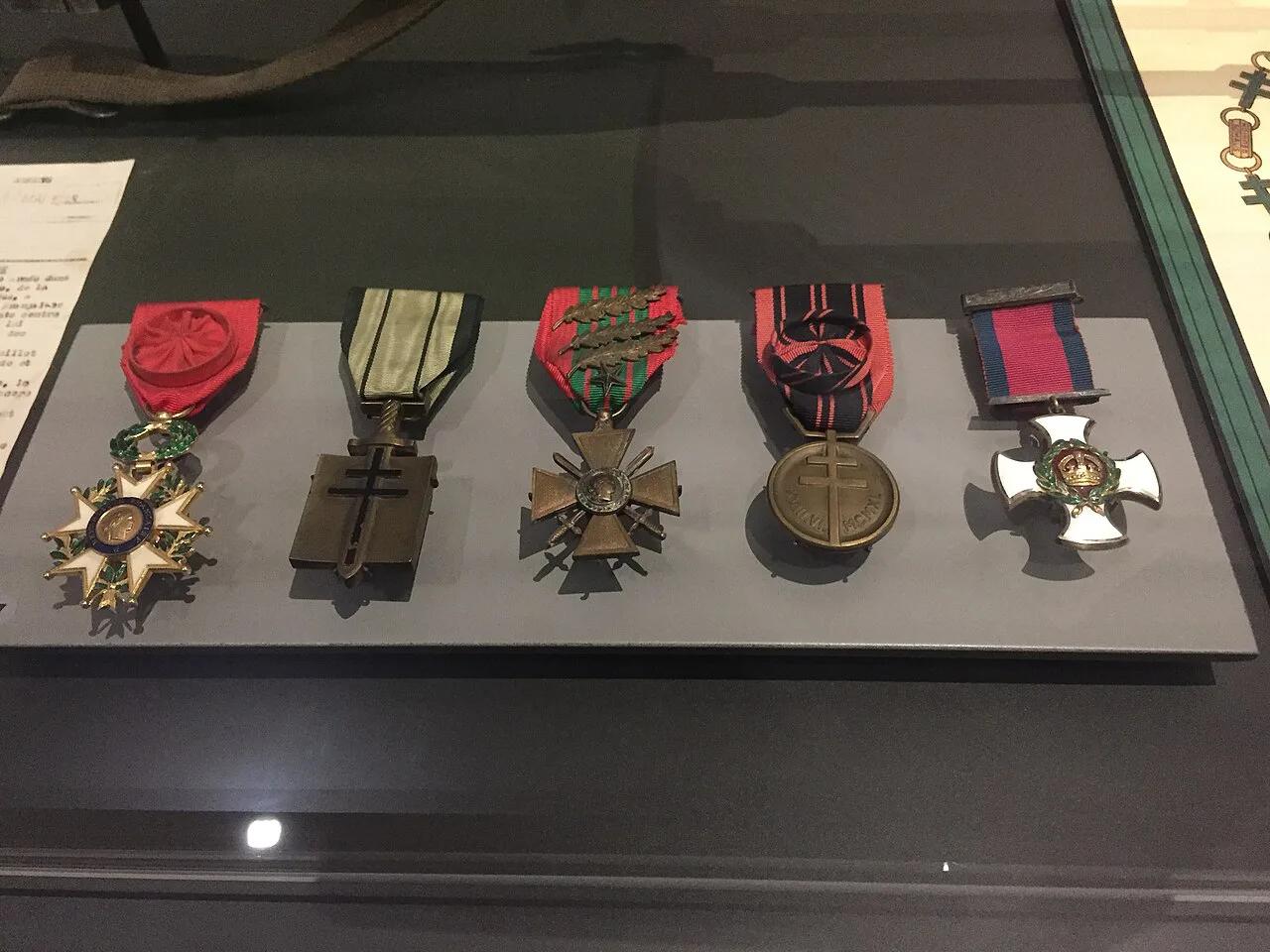
| Musée de l'Ordre de la Libération | Paris | Companions of the Liberation and Free France | Museum | Readers who want the Free French side |
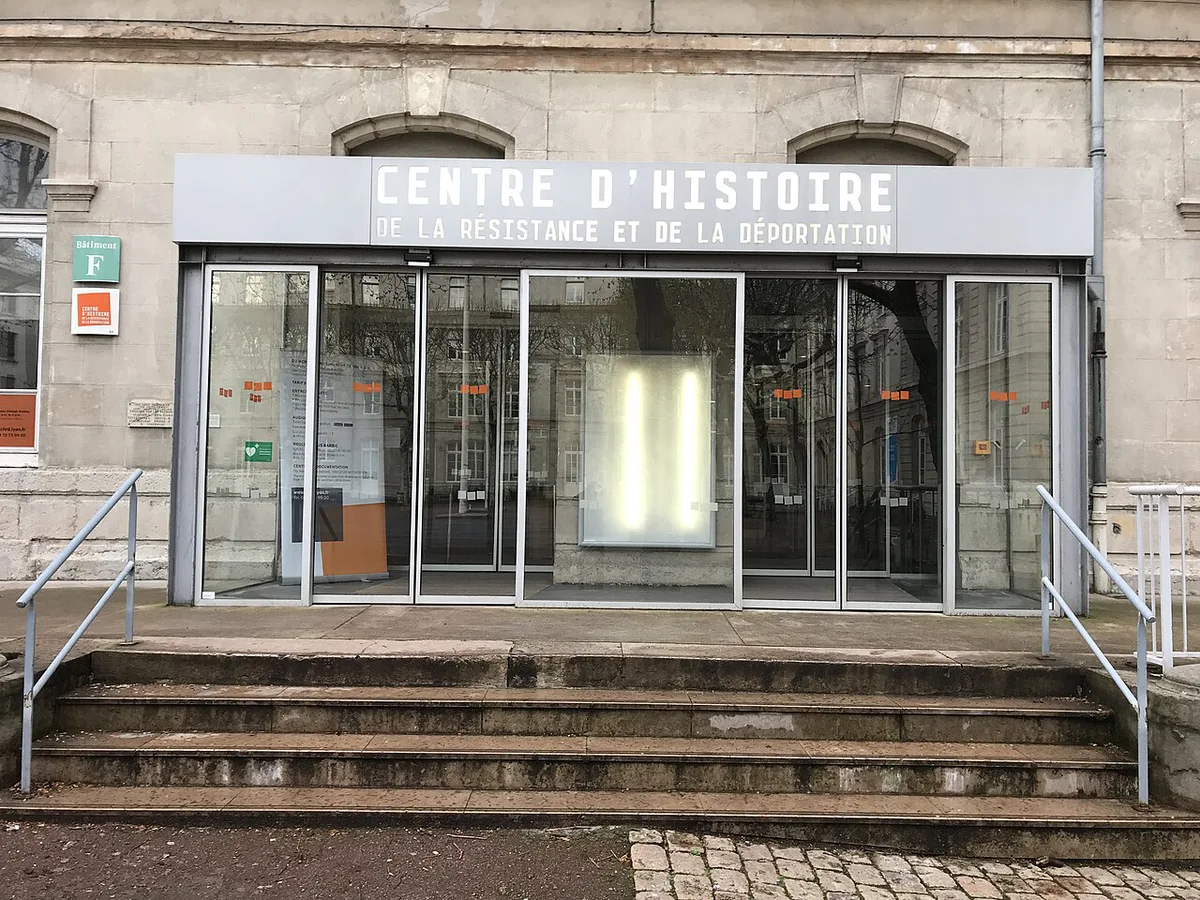
| CHRD Lyon | Lyon | Resistance and deportation history in Lyon | City museum | Combining with a Lyon city break |
Paris: Musée de la Libération de Paris and Mont-Valérien
The Musée de la Libération de Paris sits at Denfert-Rochereau. Its collections cover clandestine networks, underground newspapers and the August 1944 uprising. Beneath the building lies the command post of Colonel Rol-Tanguy, who led the Forces Françaises de l'Intérieur (FFI, the Resistance's unified fighting force) during the insurrection. Command-post visits are guided and run through Paris Musées, so book ahead on the museum's official page. Another Paris option is the Musée de l'Ordre de la Libération, which presents the Companions of the Liberation. For a more somber visit, Mont-Valérien is a memorial rather than a museum, and it suits adults and older teens better than young children. Street plaques around Paris, including those at the Prefecture of Police, mark the events of August 19, 1944. Treat them as a short walk, not a substitute for the museum.
Oradour-sur-Glane and the Centre de la Mémoire
Oradour-sur-Glane is a village left in ruins after the 1944 massacre. Visitors walk through it in silence and follow the site's posted conduct rules. Our guide to visiting the preserved village covers the ruins. Next to them, the Centre de la Mémoire (memory centre) gives the historical context. Many visitors begin at the centre for background and then walk the ruins. Allow a full day with a car, since the site lies in rural Limousin. This is among the heaviest sites in France, so adults who prefer not to see ruins and families with young children may want to skip it.
The Vercors: mountain Resistance and its memorials
The Vercors plateau in the Alps sheltered maquis fighters whose story is told through memorials in the landscape rather than one large museum. Our Vercors Resistance memorial guide explains what to see. Roads are slow and winding, so plan for a car and a full day. Check the Vercors tourism office for seasonal road and site access before you set out.
Beyond the Resistance core: occupation, reprisal and liberation sites
These sites are not Resistance museums. They show other sides of the war and pair well with a Resistance visit. Each entry says what it covers.
- Saint-Nazaire submarine base: a German U-boat base on the Atlantic coast, focused on occupation and naval war.
- Lorient Submarine Base: Keroman U-Boat Pens Visit Guide: another Atlantic U-boat fortification, also a military site rather than a Resistance one.
- Batz-sur-Mer blockhaus: a coastal defense work from the Atlantic Wall.
- Operation Dragoon Sites: Provence Landing Memorials Guide: the August 1944 landings in southern France.
- Rhône American Cemetery: a burial ground for US service members, with a quiet, formal atmosphere.
- Museum of the Surrender Reims: Visit Guide, Hours & History: the place of the German surrender, covering the war's end.
- Vichy under occupation: the collaborationist government, not the Resistance.
- Camp des Milles Memorial: Visit Guide and Planning: a former internment and deportation camp, with strong emotional weight.
How to combine sites into a trip
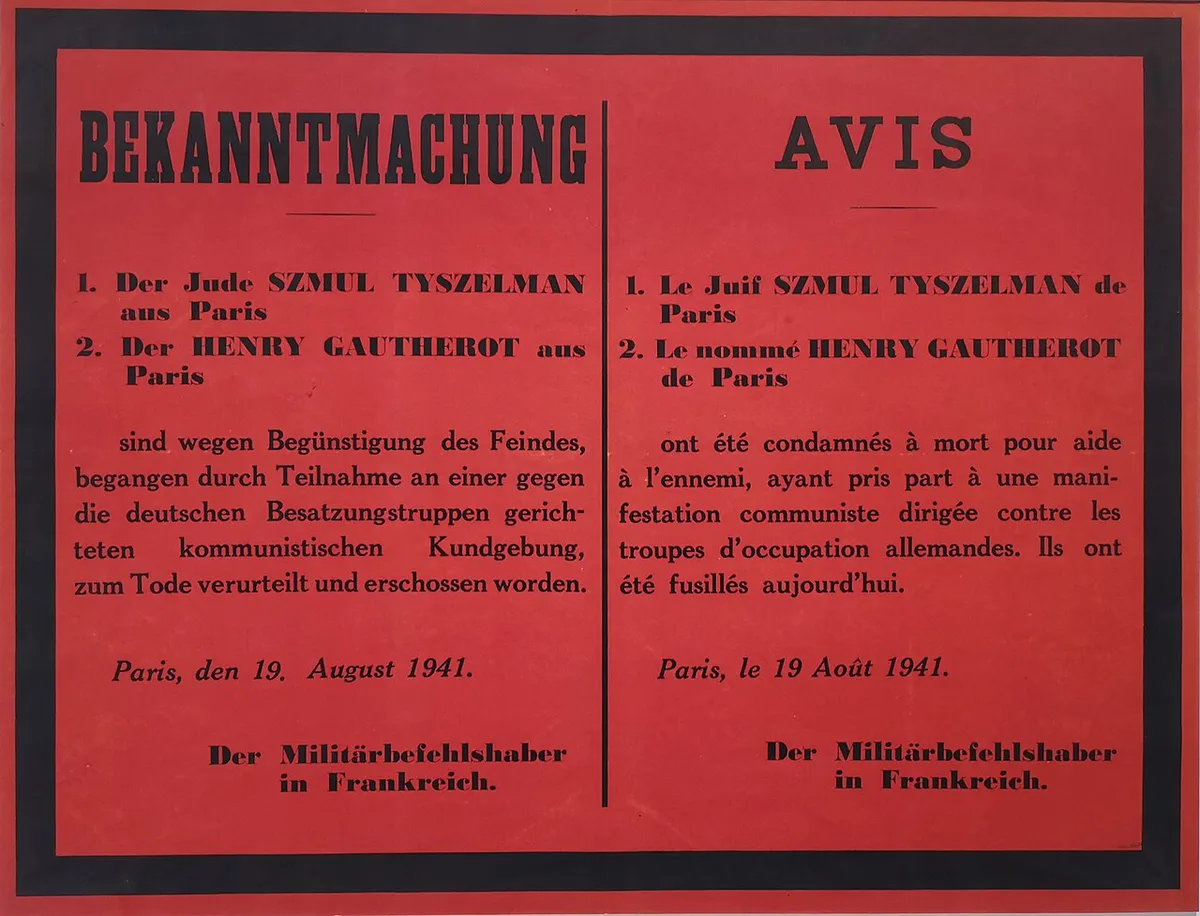
Pair sites by region so you avoid long transfers. In Paris, combine the Musée de la Libération de Paris with Mont-Valérien on separate half-days by transit. In central France, drive to Oradour-sur-Glane and spend the rest of the day on a quiet route rather than adding a second heavy site. For the Alps, base yourself near the Vercors plateau and treat it as a mountain driving day. Lyon works as a base if you also want the CHRD and the Rhône Valley liberation sites. Stay near a transit hub for city visits and near a main road for rural ones.
Planning checklist and mistakes to avoid
Book guided access, such as the Paris command post, before you travel. Confirm closing days on each official site, because small museums often close one weekday. Read the content warnings for Oradour-sur-Glane, Camp des Milles and Mont-Valérien before bringing children. Do not treat a Paris walking list as a museum visit, since plaques give limited context. Do not call occupation or liberation sites Resistance museums either, because they cover a different part of the story. Leave buffer time for rural sites, where roads and parking add delays.
- Reserve guided parts first.
- Check closing days.
- Prepare children for heavy sites.
- Keep rural days unscheduled.
Keep planning
Guides on the same trip






