
Vichy in WWII: History and What to See Today
What Vichy France was, what remains in the spa town today, and which WWII sites in France to visit next, with planning tips.
In this guide
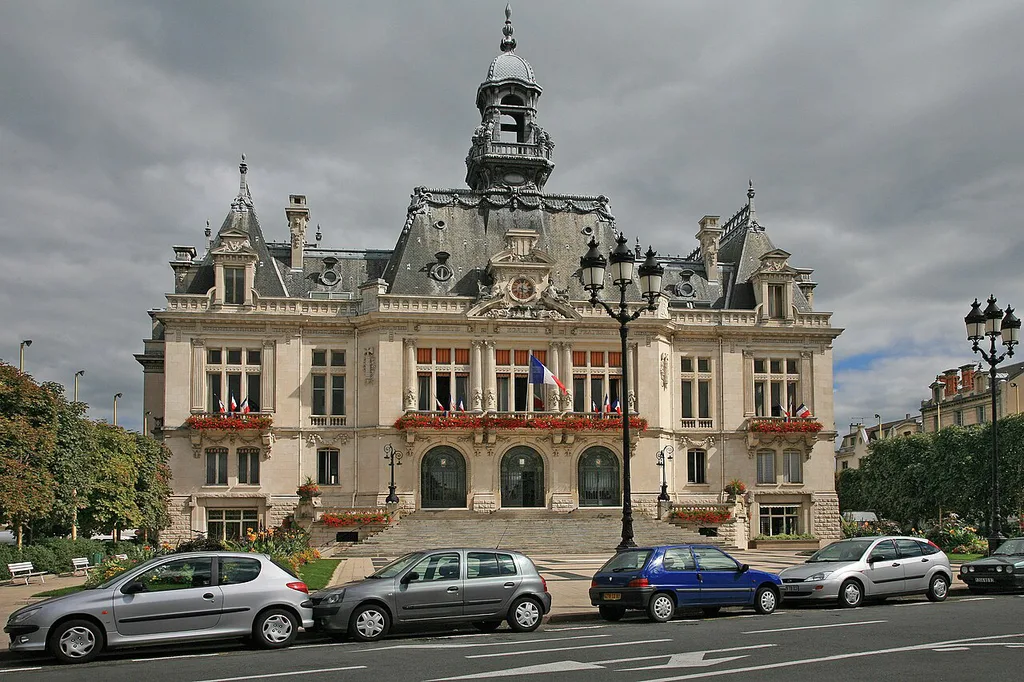
Last updated November 2026. Vichy WW2 history covers two things: the collaborationist French State that governed from this spa town between 1940 and 1944, and the town itself. Today the story survives mostly in buildings such as the Hôtel du Parc and the Opera House, not in a large war museum. This guide separates the regime from the place and shows which sites in our guide to WWII sites in France tell the rest.
Featured image: matthias.ripp, CC BY 2.0, via Flickr.
What Vichy Meant in WWII
Searchers often mix up three things. Vichy France was the regime, formally the French State, led by Marshal Philippe Pétain. The free zone was the southern part of the country left unoccupied after the 1940 armistice. Vichy the town was simply where the government settled, in a spa resort with plenty of hotel rooms. The table below links each stage to a place you can visit.
| Moment | Place | Where to follow it up |
|---|---|---|
| Armistice and defeat, June 1940 | Whole country | Our WWII overview of France |
| Pétain granted full powers, 10 July 1940 | Opera House, Vichy | Vichy itself |
| Government seated in a spa hotel, 1940 to 1944 | Hôtel du Parc, Vichy | Vichy itself |
| Internment and deportation under French authority | Aix-en-Provence area | Camp des Milles |
| German occupation of the south, November 1942 | Former free zone | Resistance museums |
| Reprisal massacre, June 1944 | Limousin | Oradour-sur-Glane |
| Southern liberation, August 1944 | Provence and the Rhône valley | Operation Dragoon sites |
Vichy France in Brief: From Armistice to Liberation
France signed an armistice with Germany in June 1940 after a rapid military collapse. Germany occupied the north and the Atlantic coast. The south stayed under French administration, and the government moved to Vichy. On 10 July 1940 the parliament voted Pétain sweeping powers, which ended the Third Republic and created the French State.
That regime did not merely endure occupation. It passed its own anti-Jewish laws in 1940 and 1941 and collaborated with Germany, including in the arrest and deportation of Jews from France. Historians such as Robert Paxton helped establish that these policies were not simply forced by Germany. The Archives nationales hold state records from the period.
Germany occupied the southern zone in November 1942, after which Vichy's autonomy was largely nominal. The government left the town in 1944 as the Allies advanced. Pétain was tried after the war, and our page on Camp des Milles Memorial: Visit Guide and Planning shows the human cost of the internment system.
Visiting Vichy WW2 History: What You Can See Today
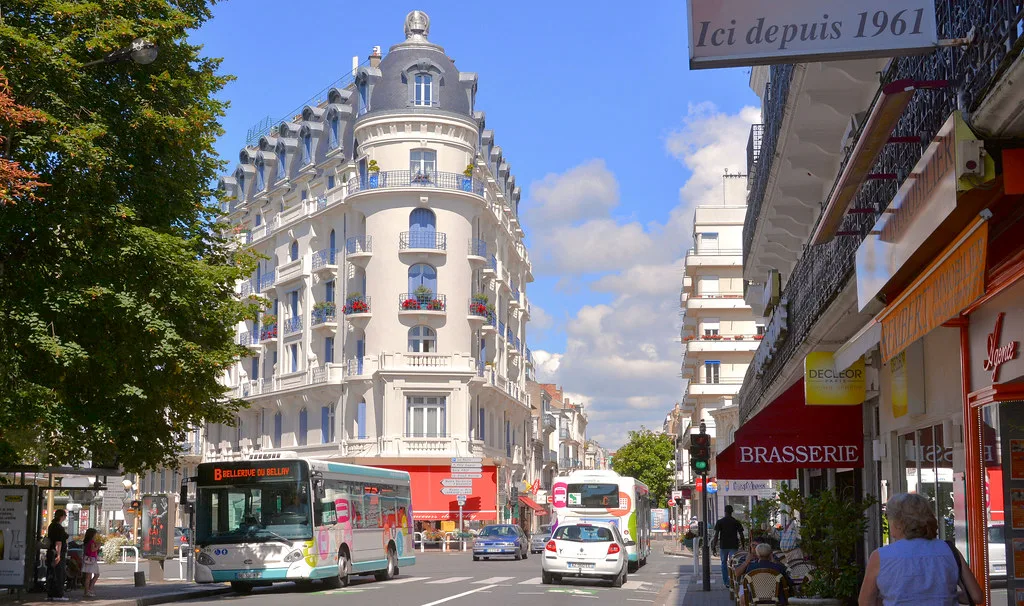
Be realistic about expectations. Vichy is a working spa town, and its wartime legacy is mainly architectural. Do not assume a large dedicated WWII museum exists there. Look up the local listings before you plan around one. The Vichy Destinations tourism office is the place to ask about guided walks and current exhibitions.
Opera House hosted the 10 July 1940 vote, but opening for visits varies, so ask the tourism office first.
- Hôtel du Parc: the spa hotel that housed Pétain's government from 1940. Look at the exterior and ask the tourism office about access to the interior.
- Opera House: the hall where parliament voted on 10 July 1940 to give Pétain full powers. Opening for visits varies, so ask the tourism office.
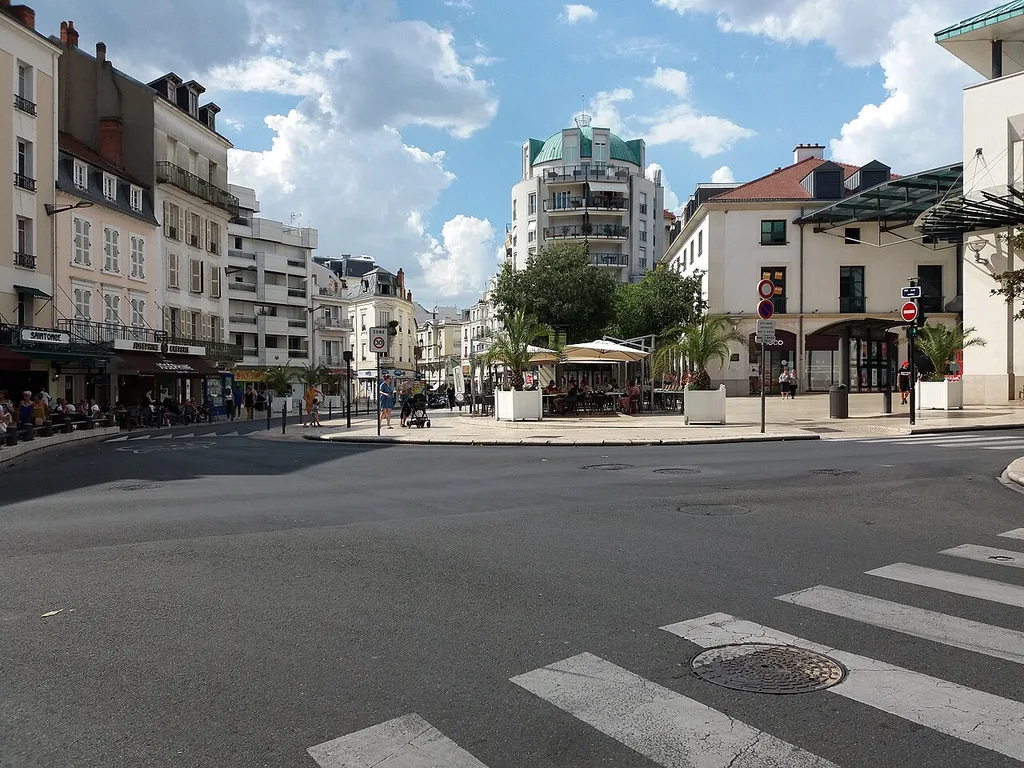
- Spa quarter streets: many hotels here were requisitioned for ministries. The tourism office can tell you whether a themed walk is running.
Is Vichy Worth a Visit for WWII History?
It suits readers who want to stand where decisions were made. It disappoints anyone expecting artifacts, film and survivor testimony. For those, other sites do the job far better. The comparison below helps you choose.
| Your priority | Best choice |
|---|---|
| Understand the regime's seat of power | Vichy, as a short stop |
| Internment and deportation | Camp des Milles |
| Reprisals against civilians | Oradour-sur-Glane and its memory center |
| Resistance in the mountains | Vercors memorial |
| Paris and liberation | Paris Liberation Museum |
How to Plan Your Time and Get There
Allow half a day for the main buildings and a quiet walk through the spa quarter. An overnight stay suits readers who want to combine the history with the town's spa routine. Rail services reach Vichy from Paris and from Clermont-Ferrand, but timetables change, so look up current journey times on the operator's site. Ask the tourism office about parking and walking distances inside the spa quarter too.
Costs, Hours and Booking
Exterior views of the Hôtel du Parc and the Opera House are free from the street. For interior access, ticket prices and hours, check the official Vichy tourism site for current details. Guided visits may need advance booking.
Where to Go Next: WWII Sites That Tell the Rest of the Story
Vichy explains who governed. These sites show what that government meant on the ground.
For internment and deportation, start with Camp des Milles Memorial: Visit Guide and Planning. For the 1944 reprisal massacre, visit Oradour-sur-Glane. Plan your visit through its memory center.
The Resistance story runs through the Vercors memorial. Our overview of French Resistance Museums: Which to Visit and Where (France Guide) lists more. In Paris, Mont-Valérien is a site of executions, and the Liberation of Paris Museum: Hours, Free Entry & Shelter covers 1944.
For the southern liberation, follow the Operation Dragoon Sites: Provence Landing Memorials Guide and the Rhône American Cemetery. The war's end is told at the Museum of the Surrender Reims: Visit Guide, Hours & History.
Remembering Responsibly
Vichy was a seat of government that persecuted people, so treat its buildings as historical evidence, not as backdrops. Keep photography discreet and follow any rules posted at sites you enter. For first-hand testimony, the CHRD in Lyon documents the period in the same region.
- Do not expect a large WWII museum in Vichy.
- Do not ignore the zone history: the free zone ended in November 1942.
- Do not skip the tragedy-focused sites such as Oradour-sur-Glane and Camp des Milles.
- Do not rely on memory for opening times; check each official site.
Frequently Asked Questions
What was Vichy France during World War II?
Vichy France was the French State, the collaborationist regime led by Pétain from 1940 to 1944. It governed from the spa town of Vichy and administered the southern zone after the armistice. It also cooperated with Germany, including on anti-Jewish measures.
Why was Pétain sentenced to death?
Pétain was convicted in 1945 of treason and collaboration with the enemy. His death sentence was commuted to life imprisonment.
Keep planning
Guides on the same trip





