
8 WW2 Sites in France: Where to Go by Region and Theme
A regional guide to WW2 sites in France, from Normandy to Oradour-sur-Glane, with how to combine them, what to book ahead and which to skip.
In this guide
Last updated November 2026: our guide sorts WW2 sites in France by region and theme, so you can build one realistic trip. Your best choice depends on the region, the time you have and how much heavy subject matter your group can take. Many of these places are memorials and burial grounds, so plan quiet, respectful visits rather than a checklist.
Featured image: Avi1111 dr. avishai teicher, CC BY-SA 4.0, via Wikimedia Commons.
Quick picks: which WW2 sites fit your trip
Start with the theme that interests you, then match it to a region. Each row below follows the same order as the numbered list. With two days, stay in one region and visit two or three sites rather than crossing the country.
| Site | Theme | Region | Time needed | Emotional weight | Best for |
|---|---|---|---|---|---|
| Normandy beaches and cemetery | D-Day and the Allied landings | Normandy | Multi-day | Heavy | Military history, first-time visitors |
| Oradour-sur-Glane | Massacre memorial and museum | Limousin | Half day to full day | Very heavy | Adults and older teenagers |
| Vercors memorials | Resistance in the mountains | Vercors massif | Full day | Heavy | Drivers who like landscape and history |
| Paris Liberation museum and Mont-Valérien | Liberation and Resistance | Paris and its edge | Half day each | Moderate to heavy | Rail travellers, short city stays |
| Saint-Nazaire, Lorient and Batz-sur-Mer | Atlantic Wall and U-boat bases | Brittany and Loire-Atlantique | Full day | Lighter | Engineering and fortification fans |
| Dragoon sites and Rhône cemetery | Provence landings and burial ground | Provence and the Rhône | Full day | Heavy | Second-landing history |
| Les Milles and Vichy | Internment, deportation and collaboration | South of France | Half day each | Very heavy | Readers of occupation history |
| Reims surrender museum | End of the war in Europe | Reims | Half day | Moderate | Short train trips from Paris |
8 WW2 Sites in France, Region by Region
Each entry below says what you see, how heavy it feels and who might skip it. Follow the linked guides for opening details and visit planning.
Reims sits on the train line from Paris, so the 7 May 1945 surrender museum fits a Paris stay.
1. Normandy: D-Day beaches and the American cemetery
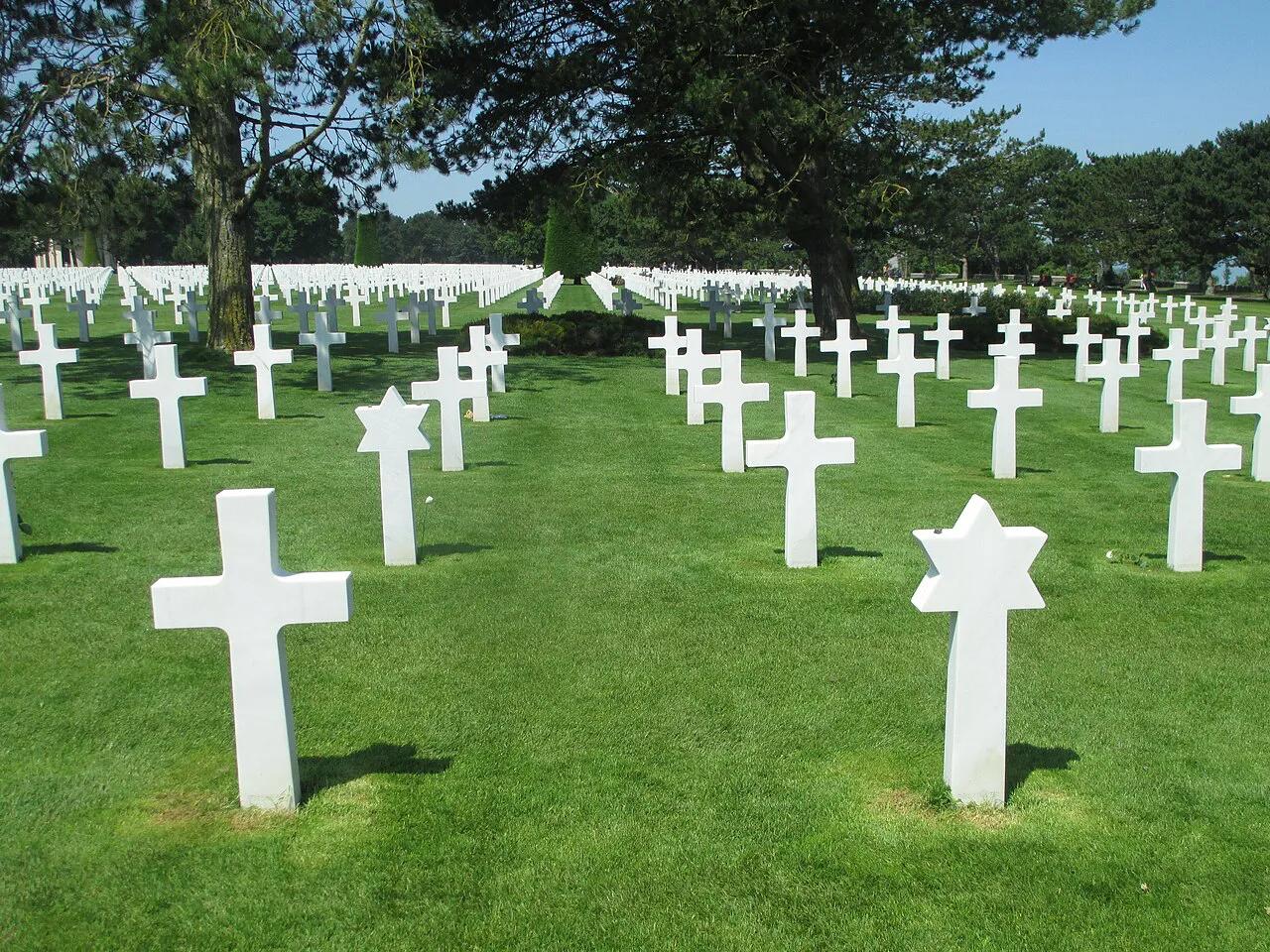
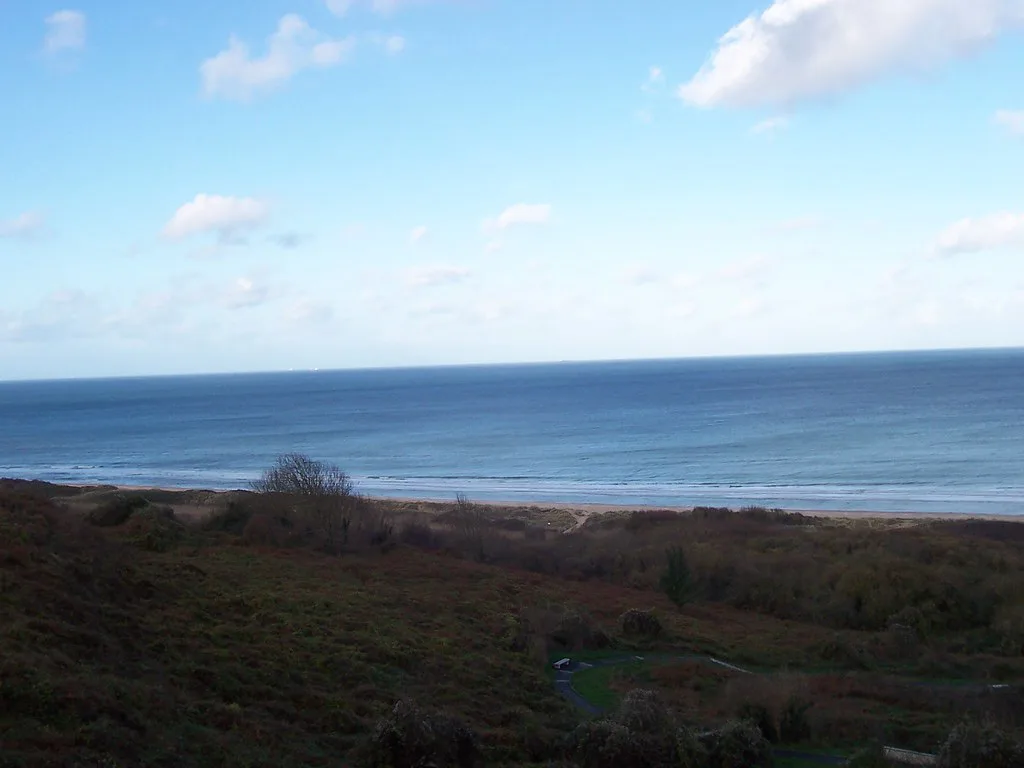
Normandy holds the D-Day landing beaches of 6 June 1944, and it needs its own multi-day plan. Omaha Beach and the Mémorial de Caen anchor most itineraries. The Normandy American Cemetery at Colleville-sur-Mer has sea views and a quiet, formal layout.

Regional planning help sits on the Normandy Tourism site. Beaches and cemeteries are outdoors, so weather matters, while Caen is an indoor museum. Skip it as an add-on to a Provence trip, because both areas deserve their own days.
2. Oradour-sur-Glane: preserved village and memory centre
In 1944 the village in the Limousin was destroyed and its people were killed. The preserved ruins at Oradour-sur-Glane were left standing, and a new village was built nearby. A separate museum, the memory centre museum, explains the history before or after you walk the ruins.
Treat it as a silent site, and leave time for both parts. It sits far from big rail hubs, so a car makes the day far easier. Families with young children may prefer to skip it.
3. Vercors: Resistance memorials in the mountains
The Vercors massif was a Resistance stronghold, and its memorials sit along mountain roads. Start with the memorials in the Vercors, then use the Vercors tourism office for current access. Seasonal road conditions decide what you can reach, so winter and shoulder-season plans need care.
For wider context, the Resistance museums across France show how local stories connect. Skip it if you do not want long drives on narrow roads.
4. Paris: Liberation museum and Mont-Valérien
Paris is the easiest region for travellers without a car, because the metro reaches the city sites. The Musée de la Libération de Paris covers the Liberation of the city in August 1944. Execution and Resistance remembrance continues at the Mont-Valérien memorial on the city's edge in Suresnes.
Local visitor information is on the Suresnes tourism site. Part of Mont-Valérien is outdoors with limited facilities, so dress for the weather. Skip it if you only want a lighter city break.
5. Atlantic Wall: Saint-Nazaire, Lorient and Batz-sur-Mer
German forces built concrete U-boat bases and coastal bunkers along France's Atlantic coast. The Saint-Nazaire U-boat base is the best-known stop, and Saint-Nazaire tourisme lists current visits. The Lorient U-boat base is a Brittany coast stop for the same theme.
Near Saint-Nazaire, the Batz-sur-Mer blockhaus shows a coastal bunker up close. Do not assume every bunker is open, since some visits are guided or seasonal. Skip it if concrete engineering does not interest you.
6. Provence: Operation Dragoon and the Rhône cemetery
Operation Dragoon was the Allied landing in southern France in August 1944. The Dragoon landing-area sites are spread along the Provence coast, so plan by car. The American cemetery on the Rhône holds the fallen of the campaign that followed.
Pick one base for the trip and avoid midday heat in summer. Skip it if you want Normandy-scale museums, because this region is quieter and more spread out.
7. Les Milles and Vichy: occupation and collaboration
The Les Milles internment site was an internment and deportation site, and it carries a very heavy emotional weight. Vichy is about the État français period, which means collaboration and administration rather than battlefield history. Our guide to Vichy-era history explains what you can see and how to approach it.
Both subjects suit adults and older teenagers with prior background. Skip them if you want a lighter day.
8. Reims: the surrender museum
German officers signed the unconditional surrender in Reims on 7 May 1945. The museum of the 1945 surrender at Reims preserves the setting and tells the story of the signing. Reims is easy by train, which makes it a good add-on to a Paris stay.
Expect a shorter, calmer visit than at the massacre sites. Skip it if you only have time for the landing beaches.
How to plan: regions, time and transport
Group sites by region, because distances between regions are long. Oradour, the Vercors and the Atlantic Wall bunkers are hard without a car. Paris sites and Reims are easy by train or metro. Pick one base town per cluster instead of moving hotels daily. Check drive times with a route planner before you commit.
| Cluster | Sites | Base idea | Transport |
|---|---|---|---|
| Normandy | Beaches, Caen, American cemetery | One base near the beaches | Car |
| Paris and Reims | Liberation museum, Mont-Valérien, surrender museum | Paris | Metro and train |
| Brittany and Loire-Atlantique | Saint-Nazaire, Lorient, Batz-sur-Mer | One coastal base | Car |
| Provence and the Rhône | Dragoon sites, cemetery, Les Milles | One southern base | Car |
| Limousin | Oradour-sur-Glane | Separate trip | Car |
Mistakes to avoid
Do not combine Normandy and Provence in one short trip. Do not assume every Atlantic Wall bunker is open to visitors. Do not underestimate the drive to Oradour-sur-Glane.
Costs, tickets and booking
Fees and booking rules change by site and season, so check each official page before you go. Some sites are open air and some are indoor museums, so season and weather affect your plan.
Visiting respectfully, and with children
Many of these places are cemeteries, memorials or massacre sites. Speak quietly, follow posted rules on photography, and avoid treating a visit as entertainment. Oradour-sur-Glane is a silent site. Younger children often struggle with Oradour, Les Milles and the cemeteries, while the Atlantic Wall bunkers and Paris are easier for mixed groups.
For sites beyond France, start with our overview of WWII sites in Europe.
Explore More Guides
Keep planning your trip with these guides.
Guides
- Visiting Oradour-sur-Glane
- Centre de la mémoire d'Oradour
- Vercors Resistance Memorial: Visit Guide and Nearby Sites
- French Resistance Museums: Which to Visit and Where (France Guide)
- Liberation of Paris Museum
- Mont-Valérien Memorial Guide
- Saint-Nazaire Submarine Base
- Lorient Submarine Base: Keroman U-Boat Pens Visit Guide
- Grand Blockhaus Batz-sur-Mer
- Operation Dragoon Sites: Provence Landing Memorials Guide
- Rhone American Cemetery, Draguignan
- Museum of the Surrender Reims
- Vichy in WWII
- Camp des Milles Memorial
Keep planning
Guides on the same trip






