
Normandy War Cemeteries: Which to Visit and How to Plan
Compare Normandy's American, British, Canadian, German and Polish war cemeteries, with a route plan, timing tips and respectful-visit advice.
In this guide
Last updated November 2026. Normandy war cemeteries hold the dead of five nations: American, British and Commonwealth, Canadian, German and Polish. Most visitors stop only at the American site above Omaha Beach, but the other cemeteries show the campaign from the other side of the line. This guide compares the main sites, then groups them into routes you can drive in one or two days.
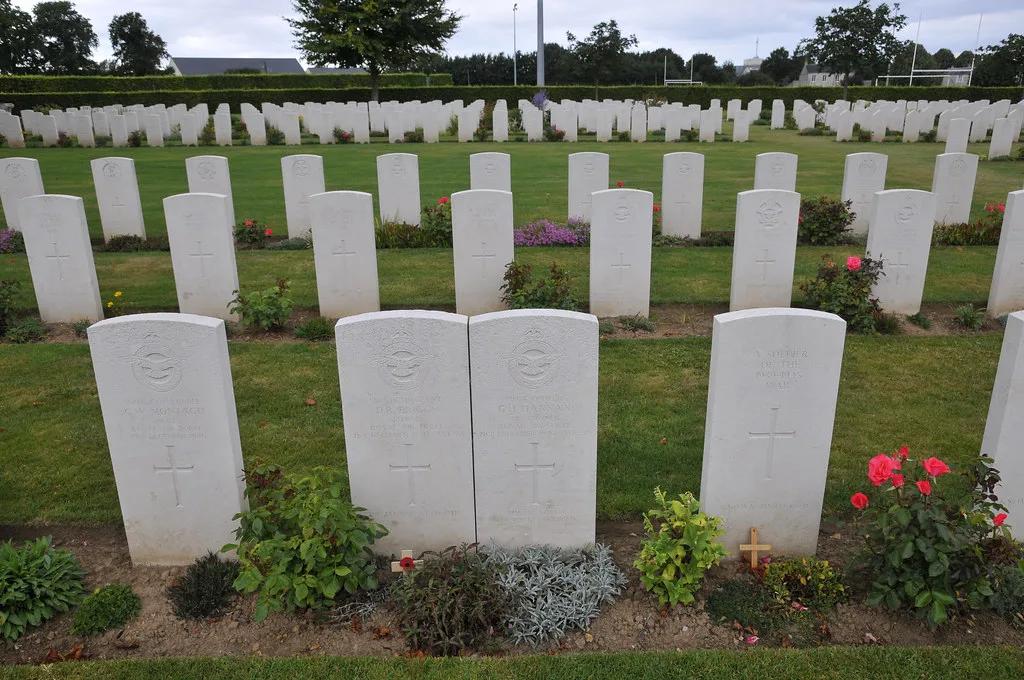
Featured image: martin_vmorris, CC BY-SA 2.0, via Flickr.
Quick answer: which Normandy war cemetery should you visit?
Choose by the nation of the person you are remembering, then by how much time you have. A half day fits one or two sites. A full day fits three or four, and two days cover all three sectors of the coast.
- American family or first visit: Normandy American Cemetery: 6 Stops, Entry Checks and Etiquette at Colleville-sur-Mer.
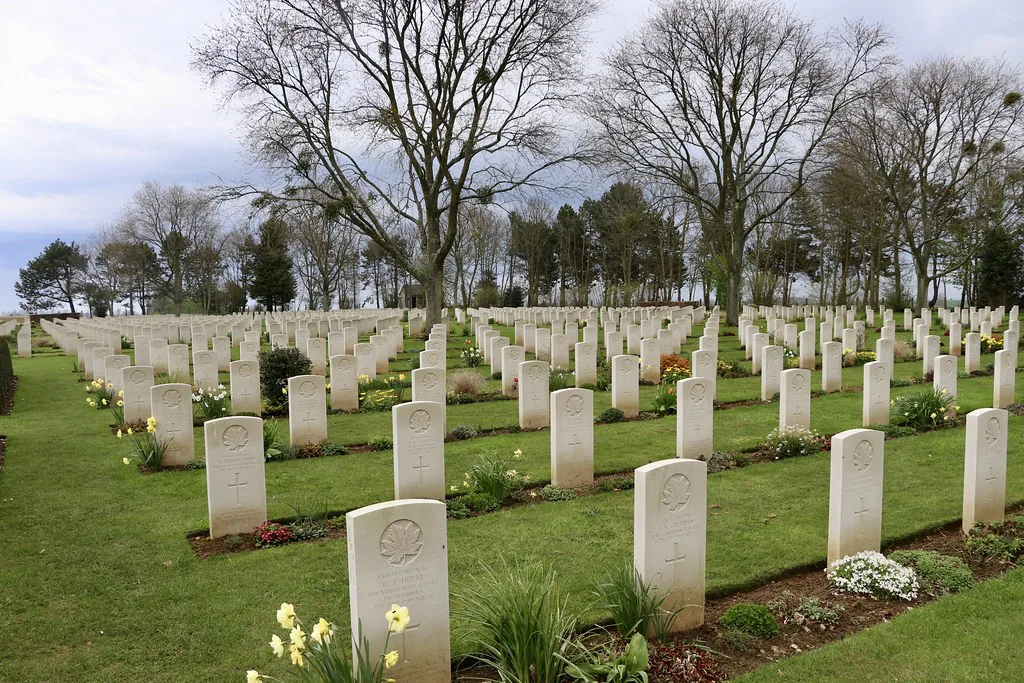
- British or Commonwealth ancestors: Bayeux War Cemetery: Visiting Guide & Finding a Grave.
- Canadian ancestors: Bény-sur-Mer Canadian Cemetery.
- Airborne history on the eastern flank: Ranville War Cemetery: Visiting the D-Day Airborne Cemetery.
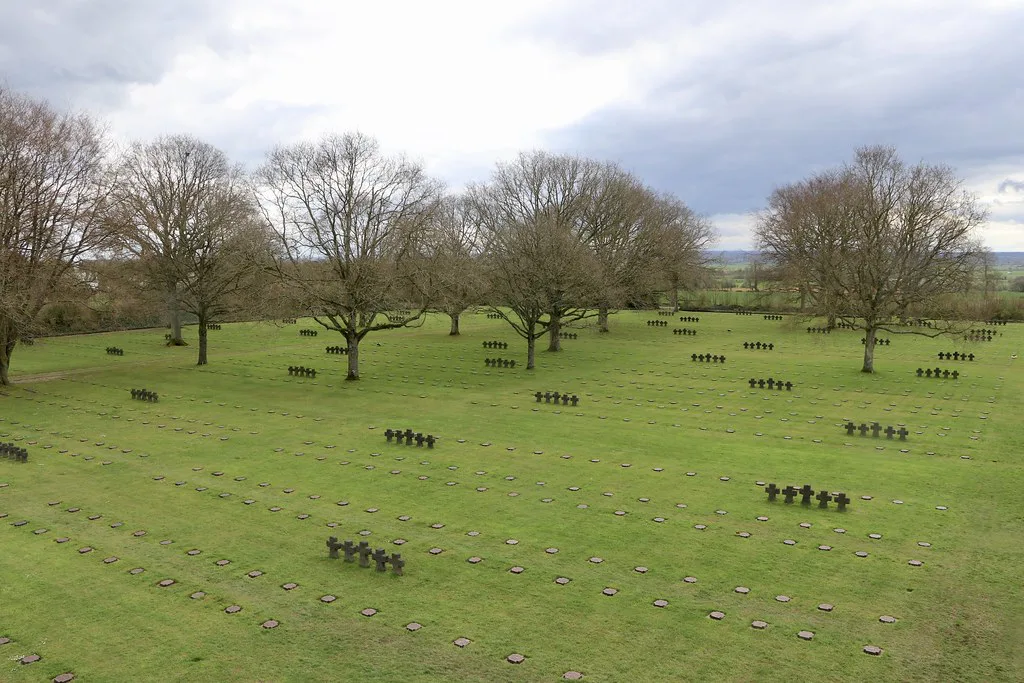
- German perspective: La Cambe German Cemetery: Visiting Guide, History and Tips.
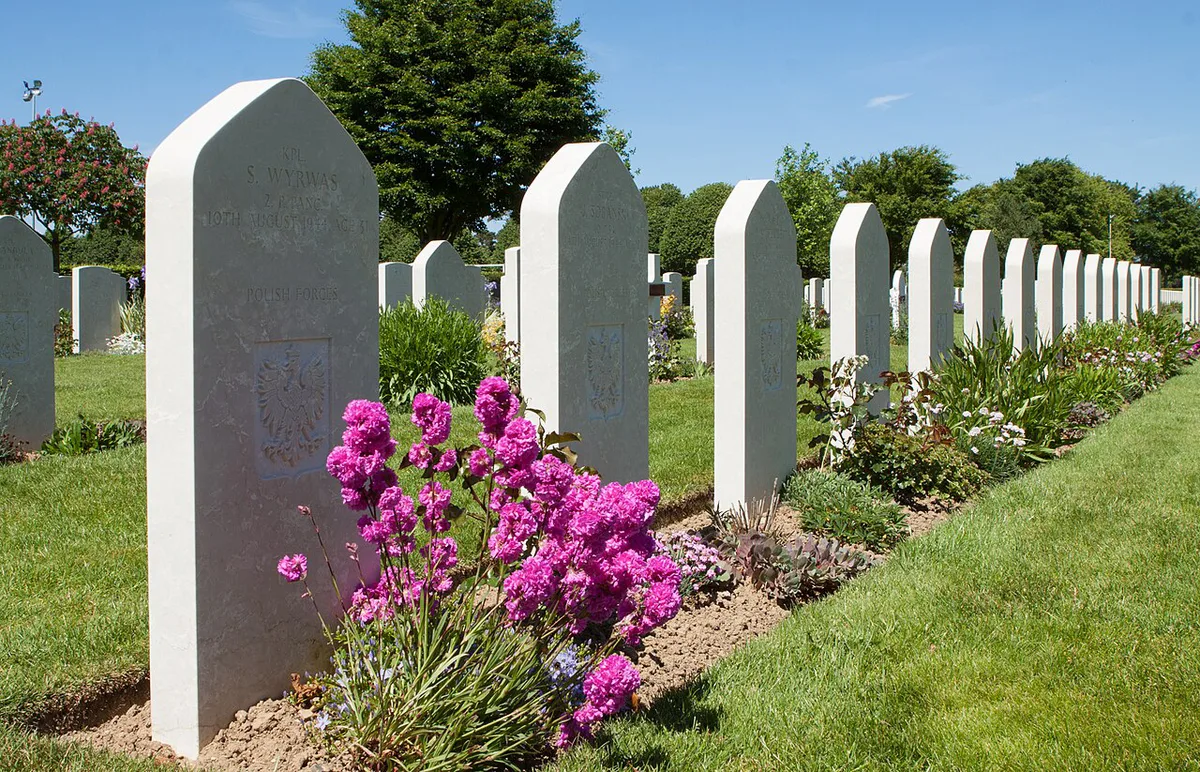
- Polish forces and the Falaise Pocket: Mont-Ormel Memorial, well inland.
The main war cemeteries at a glance
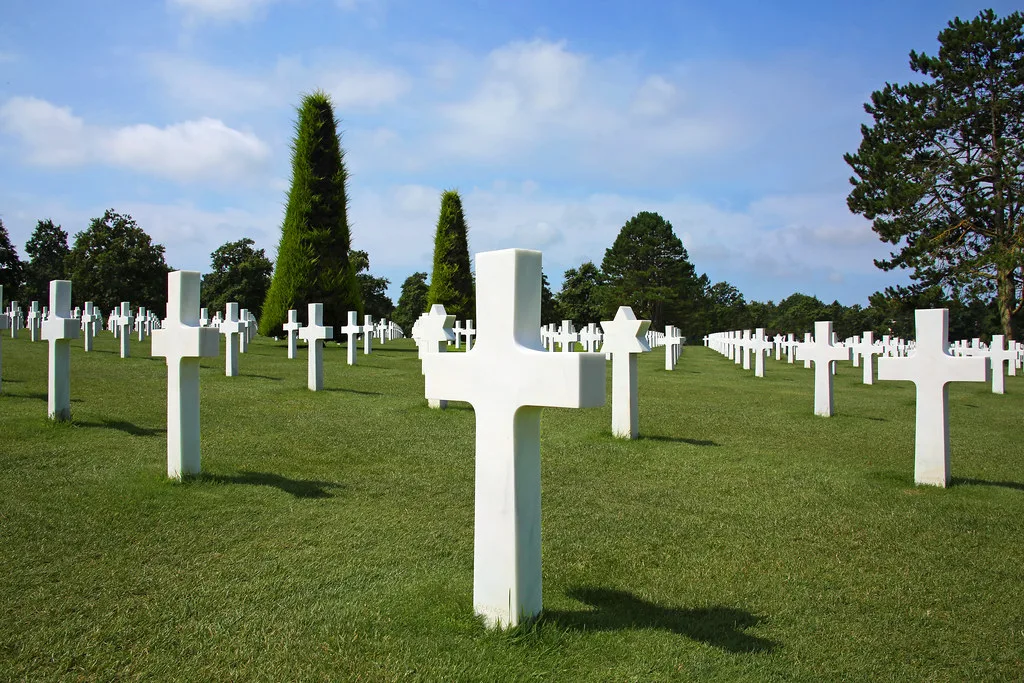
Normandy's cemeteries are run by different bodies. The American Battle Monuments Commission (ABMC) cares for the American sites. The Commonwealth War Graves Commission (CWGC) manages Bayeux, Bény-sur-Mer and Ranville, and the Volksbund looks after La Cambe. Prices and hours checked November 2026 against official pages; admission at the Commonwealth and German sites is not charged as far as published information shows, but opening times differ by site.
| Cemetery | Nation commemorated | Area | Best for |
|---|---|---|---|
| Normandy American Cemetery: 6 Stops, Entry Checks and Etiquette | United States | Colleville-sur-Mer, above Omaha Beach | First visits, Garden of the Missing, visitor center |
| Brittany American Cemetery: Visitor Guide & Location | United States | Brittany, not on the D-Day coast | Families with a Brittany burial |
| Bayeux War Cemetery: Visiting Guide & Finding a Grave | Britain and Commonwealth | Bayeux | Central base, British graves |
| Bény-sur-Mer Canadian Cemetery | Canada | Near Juno Beach sector | Canadian families |
| Ranville War Cemetery: Visiting the D-Day Airborne Cemetery | Britain and Commonwealth, airborne | East flank, near Pegasus Bridge | Airborne history |
| La Cambe German Cemetery: Visiting Guide, History and Tips | Germany | West of Bayeux | Balanced view of the campaign |
| Mont-Ormel Memorial | Poland | Inland, Falaise Pocket | Polish history, longer detours |
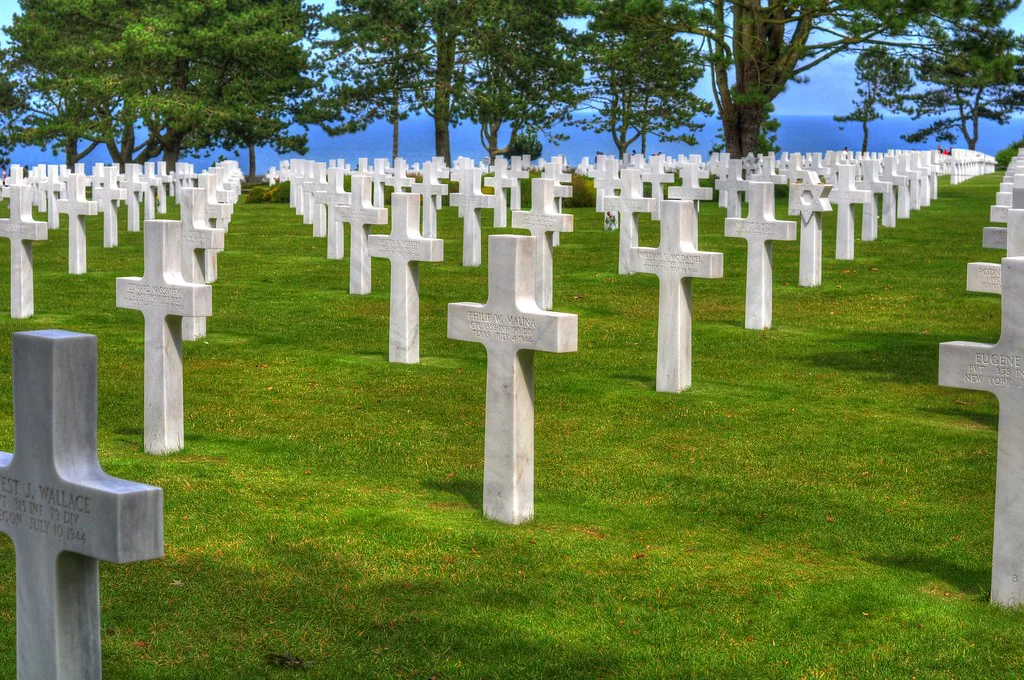
American cemeteries
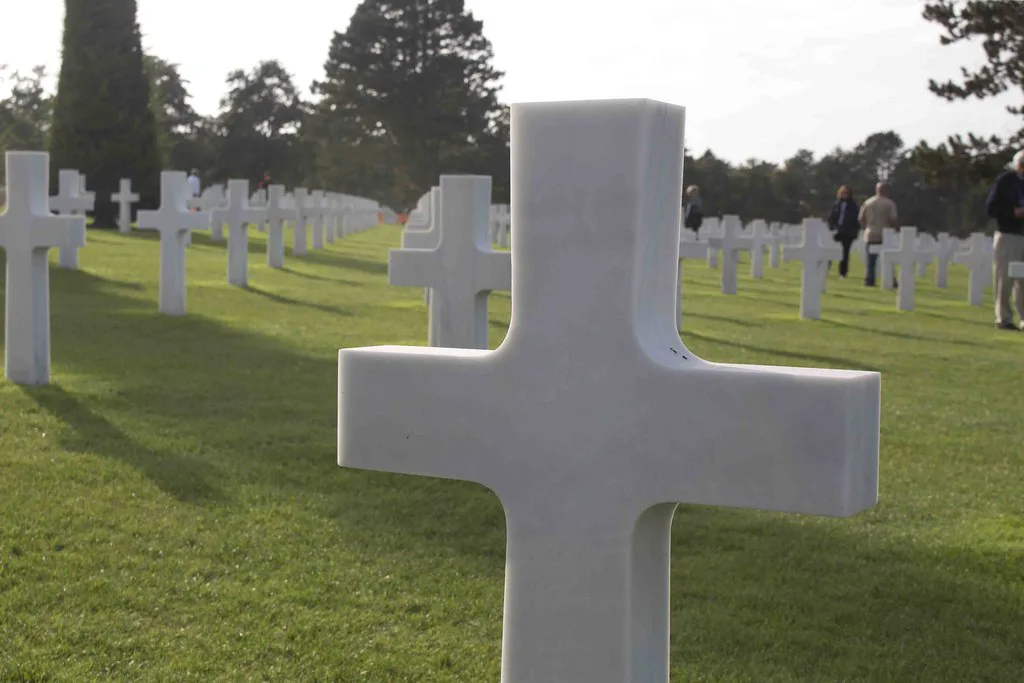
Normandy American Cemetery overlooks Omaha Beach and is the busiest site in the region. ABMC publishes the official details on its Normandy cemetery page. It holds 9,388 burials, and its Garden of the Missing lists 1,557 names. The grounds are open daily from 9 a.m. to 5 p.m., except on Christmas Day and New Year's Day. Admission and parking are free. Allow time for the visitor center exhibits, which give context before or after you walk the graves. Brittany American Cemetery is a separate ABMC site in another region. Reaching it means leaving the D-Day coast, so treat it as its own trip rather than an add-on to a beach route.
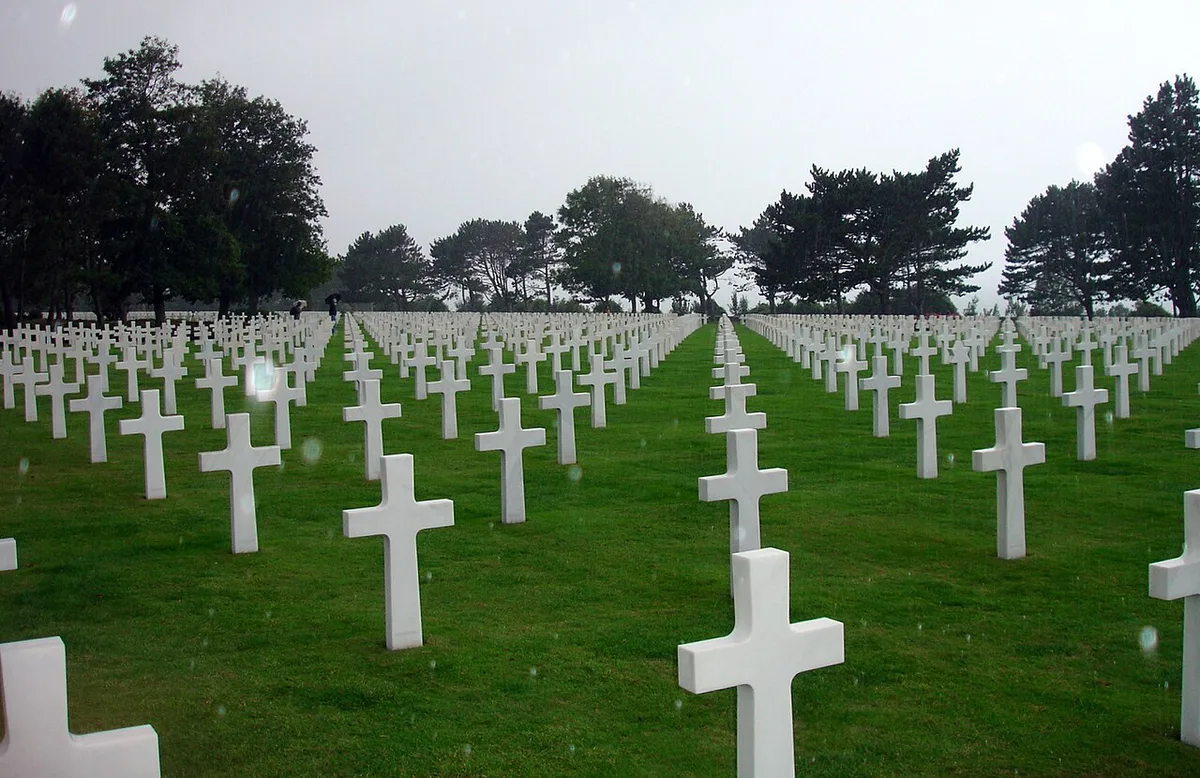
British, Canadian and airborne sites
Bayeux War Cemetery sits in the town of Bayeux, which makes it the easiest Commonwealth stop for anyone staying there. Walking among its headstones, you will see the regiments and home nations of the men buried there. Canadian families usually head to Bény-sur-Mer, near the Juno sector, where the Juno Beach Centre adds context on Canada's role. Ranville was among the first places liberated on 6 June 1944. Its airborne connection pairs naturally with Memorial Pegasus nearby. All three sites are quieter than Colleville-sur-Mer and suit a slower, more personal visit.
German and Polish context
La Cambe is the German cemetery most visitors can reach on a D-Day route. The Volksbund, which cares for German war graves, publishes its work at volksbund.de. A stop here shows the men on the other side, many of them conscripts, and gives a fuller picture of the Battle of Normandy. Mont-Ormel relates to the closing of the Falaise Pocket in August 1944 and the Polish forces who fought there. It sits inland, away from the beaches. Read the Mont-Ormel memorial site before committing a half day to the drive.
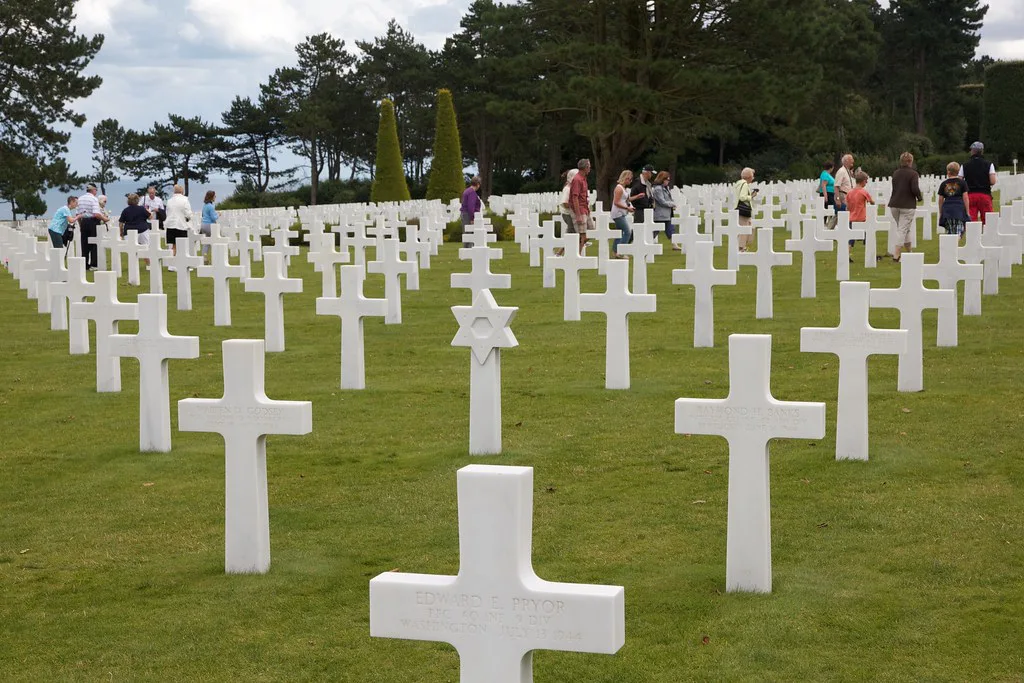
How to plan a route and time
Group the sites by sector and keep drives short. Most are hard to reach without a car, and public transport between them is thin, so a guided tour or a hired car is the practical choice. Allow extra time between sectors, since country roads are slower than the map suggests.
- East (1 day): Ranville, Pegasus area and Juno Beach sector, then Bény-sur-Mer.
- Central (1 day): Bayeux War Cemetery and Bény-sur-Mer, with time in Bayeux.
- West (1 day): Normandy American Cemetery and La Cambe.
- Two-day plan: east and central on day one, west on day two.
- Mont-Ormel: give it its own half day or a separate trip.
Visiting with respect: etiquette and logistics
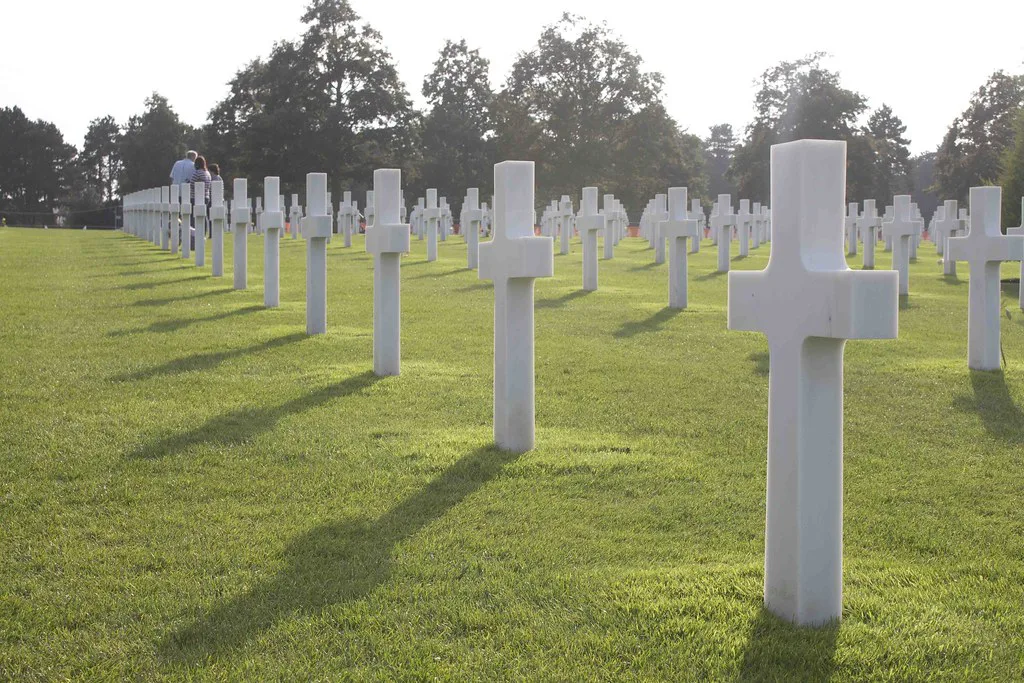
These are places of mourning, so dress modestly and keep your voice low. Walk on the paths and leave the graves undisturbed. Photography is generally fine for personal use, but never pose on or lean against headstones. Children are welcome when they understand the setting. Arrive well before closing, as late visits leave no time at the Garden of the Missing or the chapel. Midday brings the largest crowds at Colleville-sur-Mer, so go early or late in the day for quiet. Morning light suits the east-facing rows. Pair a cemetery with a beach or museum afterward rather than treating the visit as a photo stop. Also avoid mixing up Normandy American Cemetery with Brittany American Cemetery when you set your sat-nav. Regional planning help is on Normandy Tourism.
Opening hours run 9 a.m. to 5 p.m. at the American site, so a late-afternoon arrival leaves little time for the Garden of the Missing.
Frequently Asked Questions
How many American soldiers are buried in Normandy?
Normandy American Cemetery holds 9,388 burials, and its Garden of the Missing lists 1,557 names. ABMC's official site offers a burial search if you are looking for a specific person.
What are the best WW2 sites to visit in Normandy?
Start with the cemeteries above, which cover five nations. Add Omaha Beach, Juno Beach Centre and Memorial Pegasus, depending on which sector your route covers.
Keep planning
Guides on the same trip





