
Mont Ormel Memorial: Visit Guide, Hours & Tips
Plan a visit to the Mont Ormel Memorial (Montormel), Hill 262 and the Falaise pocket: what to see, tickets, timing and how to get there from Normandy.
In this guide
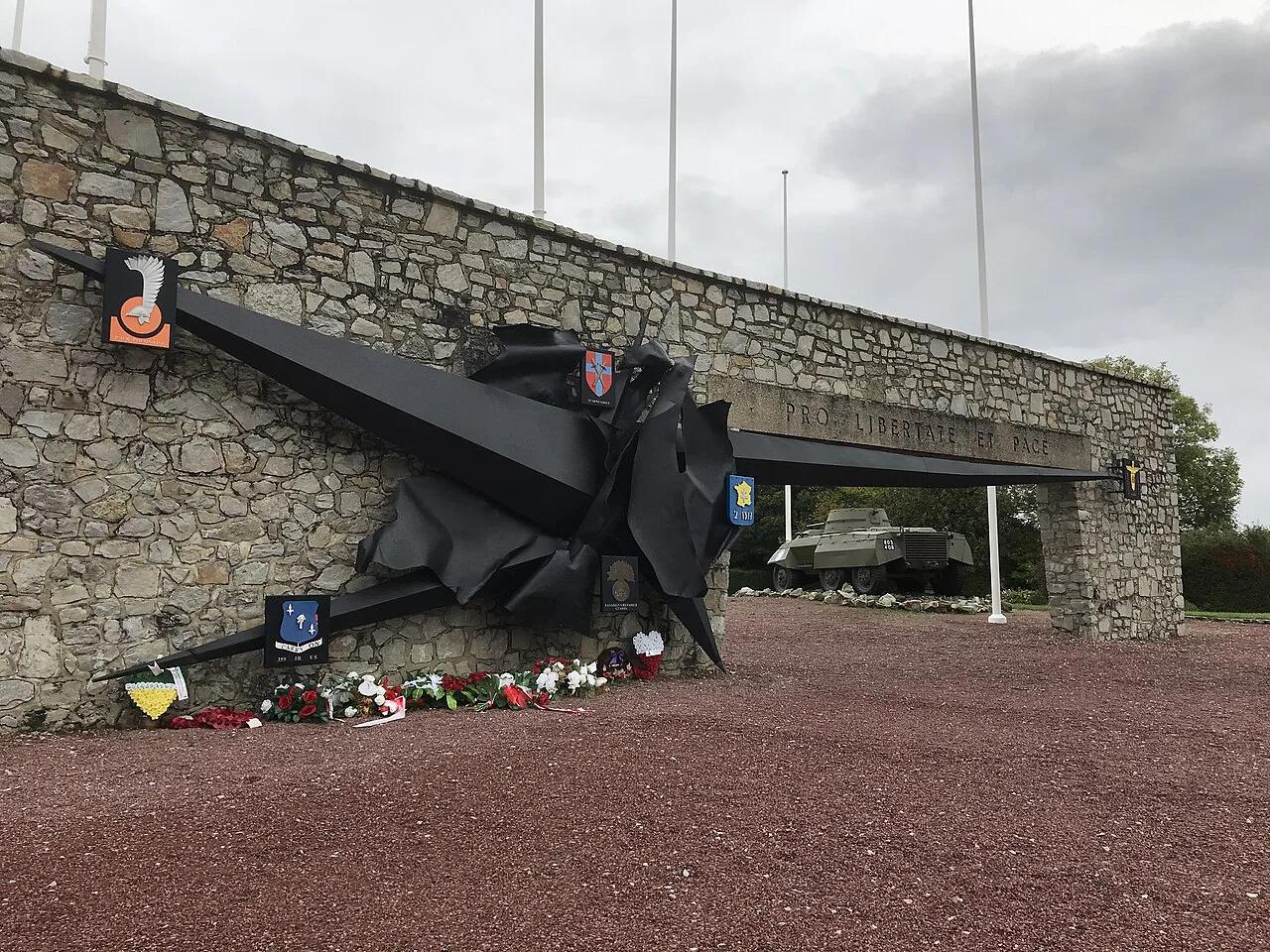
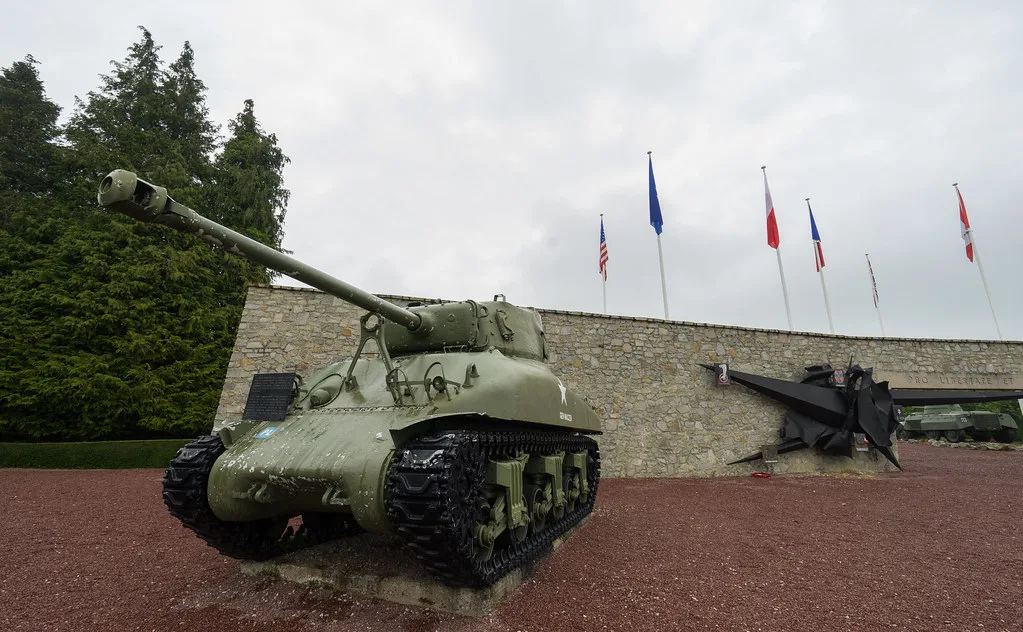
Last updated November 2026: the Mont Ormel Memorial is the Polish memorial and museum on Hill 262, near Chambois in the Orne. It commemorates the Polish 1st Armoured Division and the closing of the Falaise pocket in August 1944. Allow about an hour on site, and plan to arrive by car.
Featured image: Zandcee, CC BY-SA 4.0, via Wikimedia Commons.
What the Mont Ormel Memorial is (and why Hill 262 mattered)
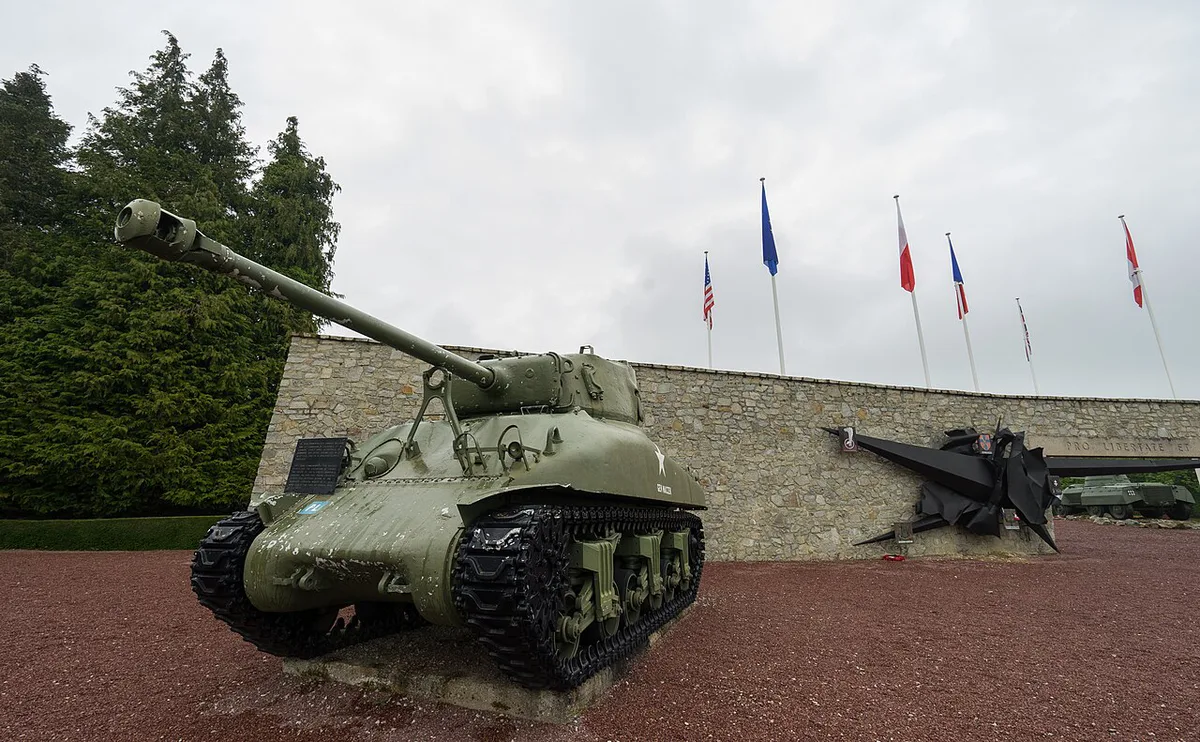
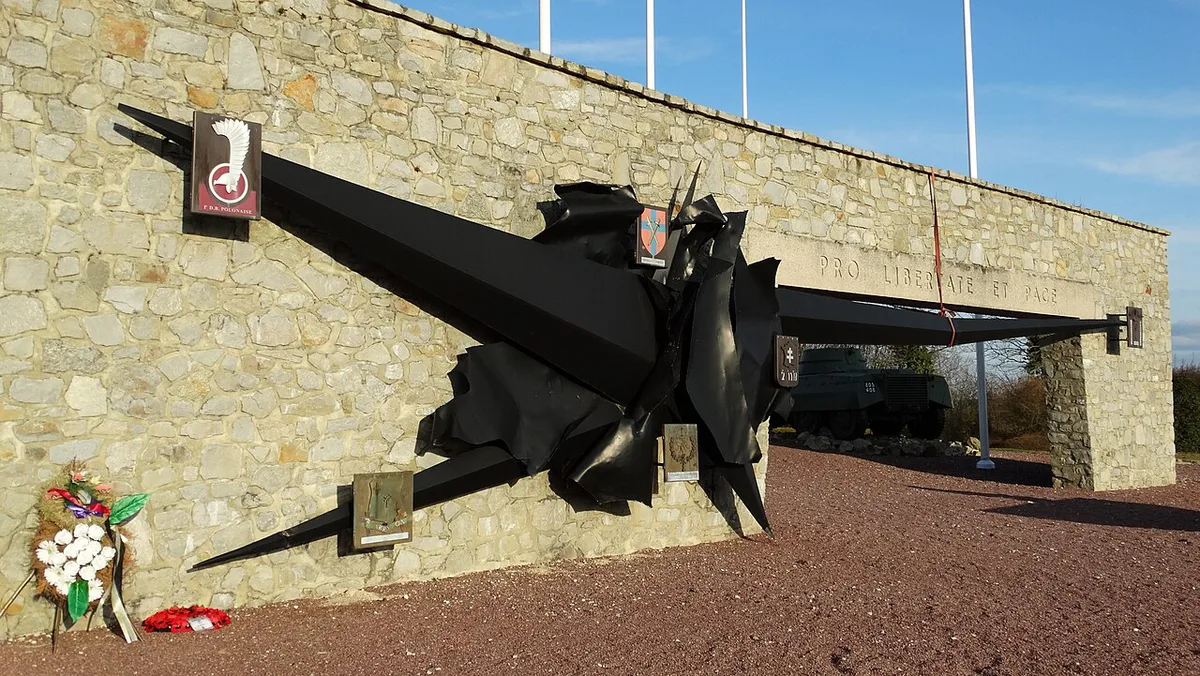
Mont Ormel sits on a ridge of hedged farmland in the Orne département, between Argentan and Vimoutiers. In August 1944, Allied armies encircled the German army in the Falaise–Chambois pocket. On Hill 262, General Maczek's Polish 1st Armoured Division, about 2,000 men, held out from 19 to 21 August against German assaults aimed at breaking the encirclement. The pocket officially closed on 21 August 1944. Montgomery saw in it "the beginning of the end of the war". A monument went up in 1965 for the 20th anniversary of the battle, and the museum opened in 1994 for the 50th. The Orne département manages the site today. Spellings vary on signs and maps: Montormel, Mont-Ormel and Mémorial de Montormel all name the same place.
Is it worth visiting? Who it suits and who should skip it
This is a second-wave Normandy stop, well away from the D-Day beaches. It rewards visitors who want to understand the final episode of the Battle of Normandy, not just the landings. It also matters to anyone with Polish or Canadian family links to the campaign. A car is essential, and you need roughly half a day once travel is counted.
- Visit if you are interested in battlefield history, the Falaise pocket, or the Polish 1st Armoured Division.
- Visit if you have a car and can spend about an hour on site, plus time on the signposted circuit.
- Skip it if you have a single day and want the D-Day beaches and Bayeux.
- Skip it if you rely on public transport, since the site is a drive-only stop in practice.
What you'll see: museum, viewpoint and Circuit Août 44
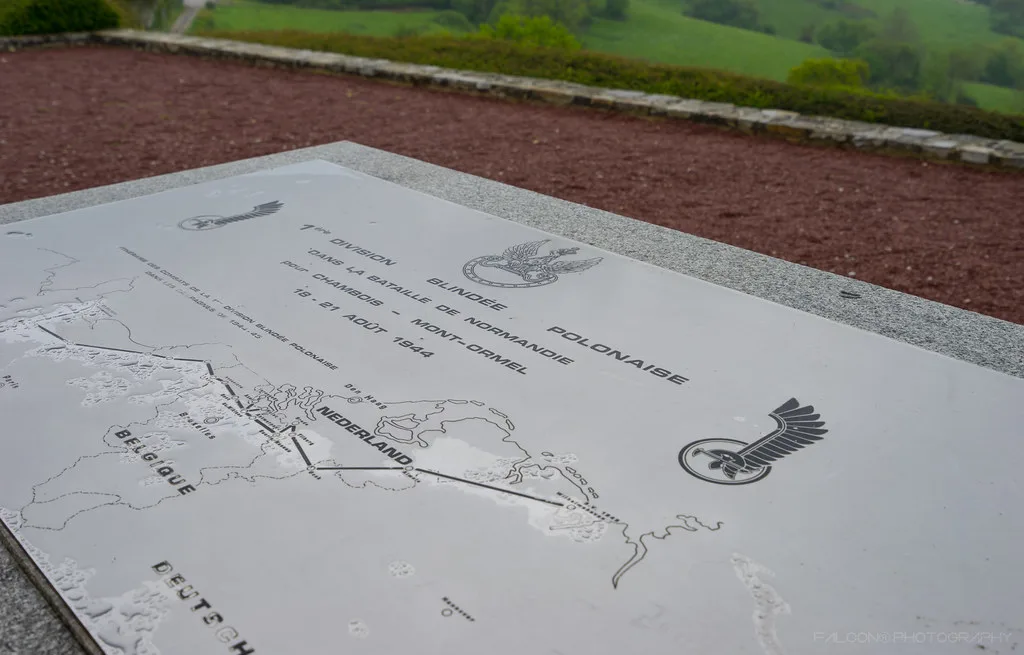
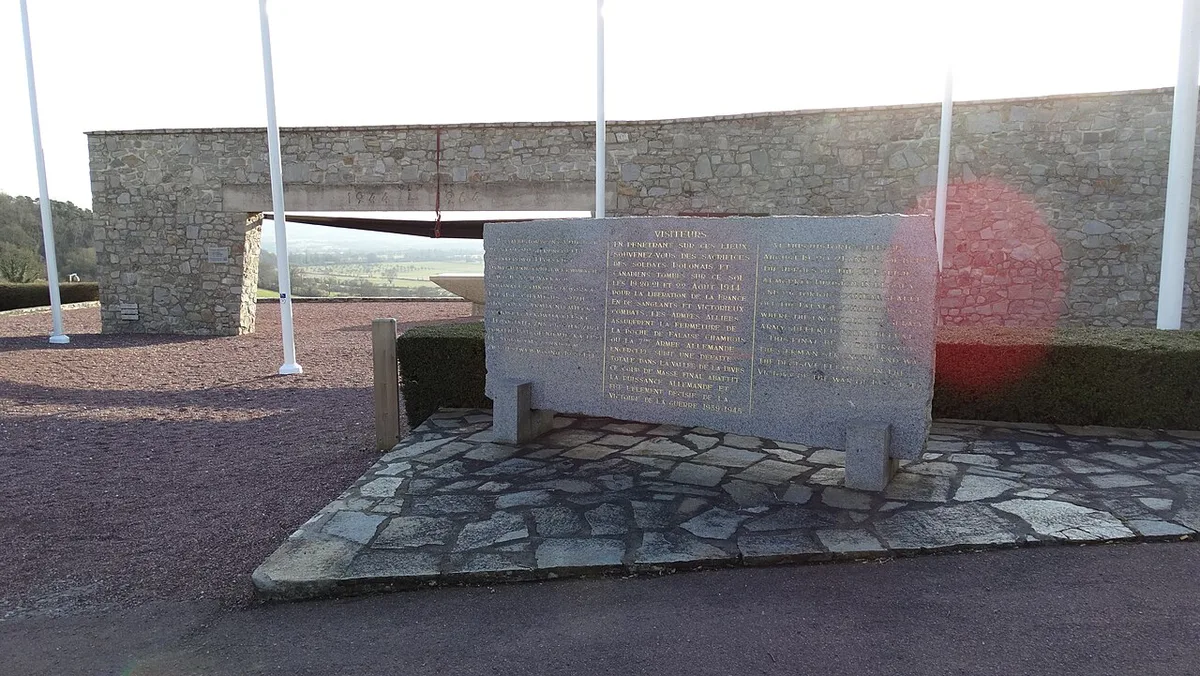
Inside, a film of archive footage and eyewitness accounts sets out the battle. An animated relief map shows how the pocket tightened. Objects found on the battlefield sit in the cases, including a Canadian helmet. Ask at reception for the guide's commentary before entering the museum, because the guide points out from the viewpoint where the troops were positioned. From the edge of the ridge, look down into the Dives valley. German columns tried to escape across that ground under the eyes of the Poles dug in above. Outside, the Circuit Août 44 has 10 signposted, annotated stops, and an app tells the story of the fighting through a character named Agata. Today you mostly hear wind in the hedges, which is why the panels and film matter.
Tickets, opening hours and how long to allow
Admission is charged, with reduced rates and free entry for some groups. The memorial is open daily from April to October. From November to March it follows a reduced pattern of Saturday, Sunday and Monday, and hours shift with the season. Since late November already falls in that winter period, check the official Mémorial de Montormel site for current prices, days and guide availability before you drive out. Allow about one hour for the museum and viewpoint, plus extra time if you drive some of the 10 circuit stops.
| Planning field | What to know |
|---|---|
| Admission | Charged; current rates on the official site |
| April to October | Open daily; hours vary by season |
| November to March | Saturday, Sunday and Monday; hours vary |
| Time on site | About 1 hour, more with the circuit |
| Walk from car park | About 1 minute |
How to get there and parking
The memorial stands at 3, route du Mémorial, on the ridge at Mont-Ormel. From Argentan, head east towards Trun and then Mont-Ormel. Expect about 30 km and roughly 30 minutes of driving. From Vimoutiers, head south. On-site parking is available, and the memorial is about 1 minute on foot from the car park. Roads on the approach are rural, so set your satellite navigation to the street address and allow slack for slow farm traffic. Public transport options are not documented, so treat this as a car trip. Coming from Caen or Bayeux, use a route planner for live drive times, as they are longer than the Argentan run.
Planning table: route and time trade-offs
Three plans cover most visits. The figures below are estimates for planning, not timetables.
| Plan | Best for | Time cost (estimate) |
|---|---|---|
| Half-day from Falaise | Falaise as base | Falaise castle is 28 km and about 42 minutes away; add about 1 hour on site |
| Full day from Bayeux or Caen | D-Day-based visitors | Longer drive each way; plan most of a day |
| Combined Falaise pocket circuit | Battlefield-focused trip | Memorial visit plus the 10 circuit stops and one nearby sight |
Best time to visit and photography tips
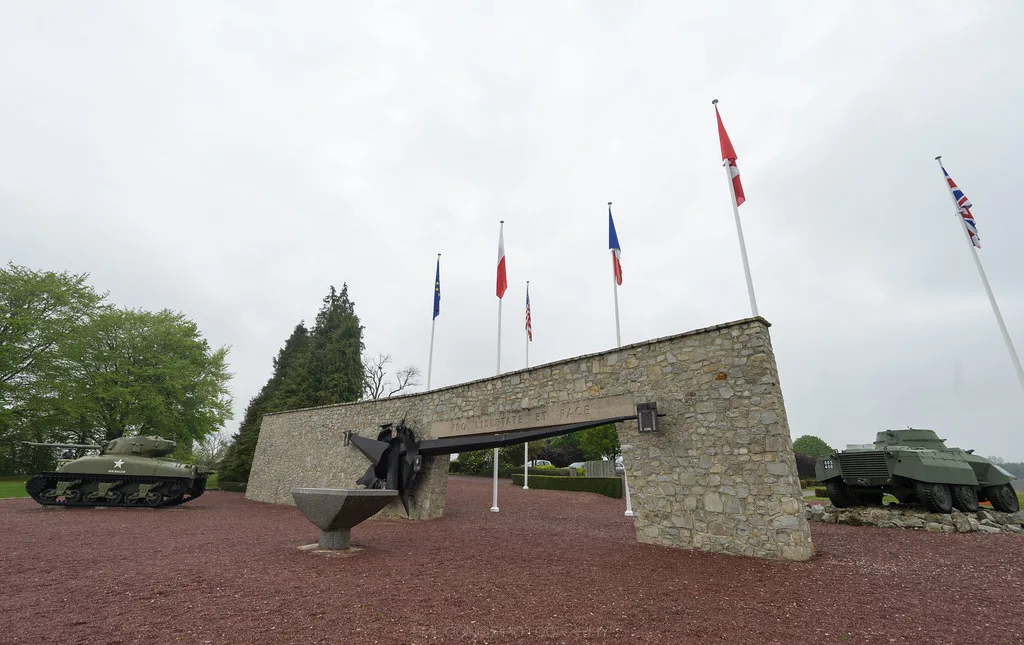
Come on a clear day for the long view across the plain. In the morning, mist often fills the Dives valley and the hedges emerge slowly. In late afternoon, low light picks out the hedged farmland. Commemorations in late August draw crowds to the ridge, so arrive early on those days. Flying a drone is discouraged: this is a place of remembrance, and visitors gather at the viewpoint. Check the Géoportail drone restrictions map and ask the site before any flight. For photographs, shoot the monument from a low angle against the sky, and stand at an angle to the display cases to avoid reflections.
Combine it with other stops
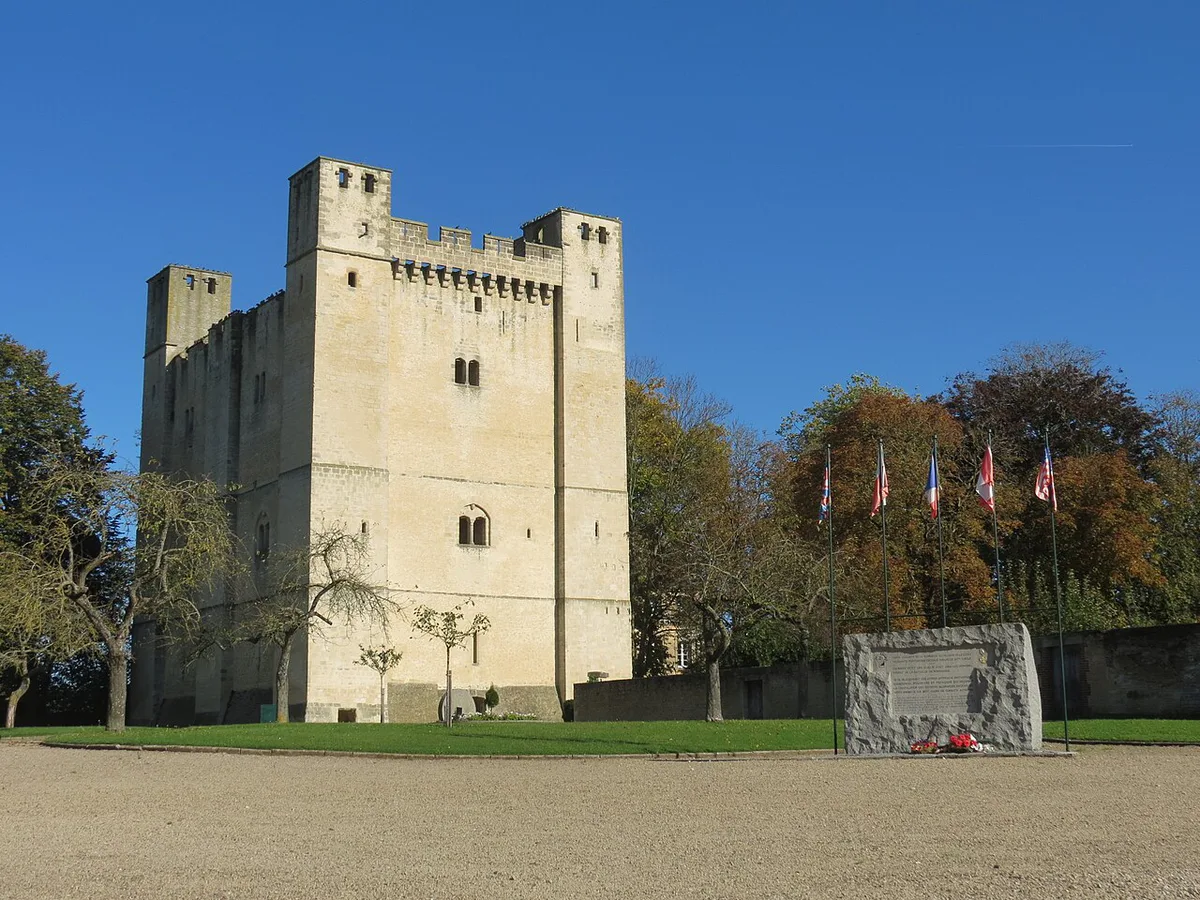
Haras national du Pin is 16 km and about 23 minutes away by car. Falaise's castle is 28 km and about 42 minutes away. For a wider itinerary, our guide to Normandy war cemeteries shows how to link sites. If you are based in Bayeux, add the Commonwealth cemetery in Bayeux. Canadian forces also fought in the Falaise pocket battles, and you can pair this stop with Bény-sur-Mer Canadian cemetery for context. For a fuller Normandy day, La Cambe German Cemetery: Visiting Guide, History and Tips offers the German-side perspective. Visitors starting from the beaches can see Normandy American Cemetery: 6 Stops, Entry Checks and Etiquette first. Its visitor center sets out the wider campaign. The Ranville War Cemetery: Visiting the D-Day Airborne Cemetery covers the airborne landings.
Where to stay and eat nearby
Falaise, Argentan and Vimoutiers are the closest base towns, and each keeps the drive to the ridge short. Falaise suits a castle-and-memorial day. Argentan is the nearest of the three, on the route via Trun. Vimoutiers approaches from the north. If your trip centres on the D-Day beaches, Bayeux or Caen remain better bases, with Mont Ormel as a long day out. Look for meals in your base town before you set out, since the ridge itself is rural farmland.
Mistakes to avoid
A few planning slips account for most disappointing visits.
- Arriving between November and March without checking which days are open.
- Expecting a D-Day-beach-style site; this is a ridge, a museum and a quiet viewpoint.
- Skipping the guide's commentary at reception before entering the museum.
- Flying a drone over a place of remembrance.
- Underestimating drive times from Bayeux or Caen, and rural roads near the ridge.
For trip-planning details, see Normandy Tourism.
Keep planning
Guides on the same trip






