
Bény-sur-Mer Canadian War Cemetery: Visitor Guide
Plan a respectful visit to Bény-sur-Mer Canadian War Cemetery in Reviers, Normandy: who is buried here, how to find it, and how to fit it into a D-Day itinerary.
In this guide
Last updated November 2026. The Beny-sur-Mer Canadian War Cemetery is a Commonwealth War Graves Commission (CWGC) cemetery in Reviers, Calvados, near Juno Beach. It holds mostly Canadian soldiers killed in the early weeks of the Battle of Normandy. This guide covers the naming confusion, what you will see, how to get there and how to visit respectfully.
Featured image: Antoine Montulé, CC BY-SA 4.0, via Wikimedia Commons.
Beny-sur-Mer Canadian War Cemetery at a glance
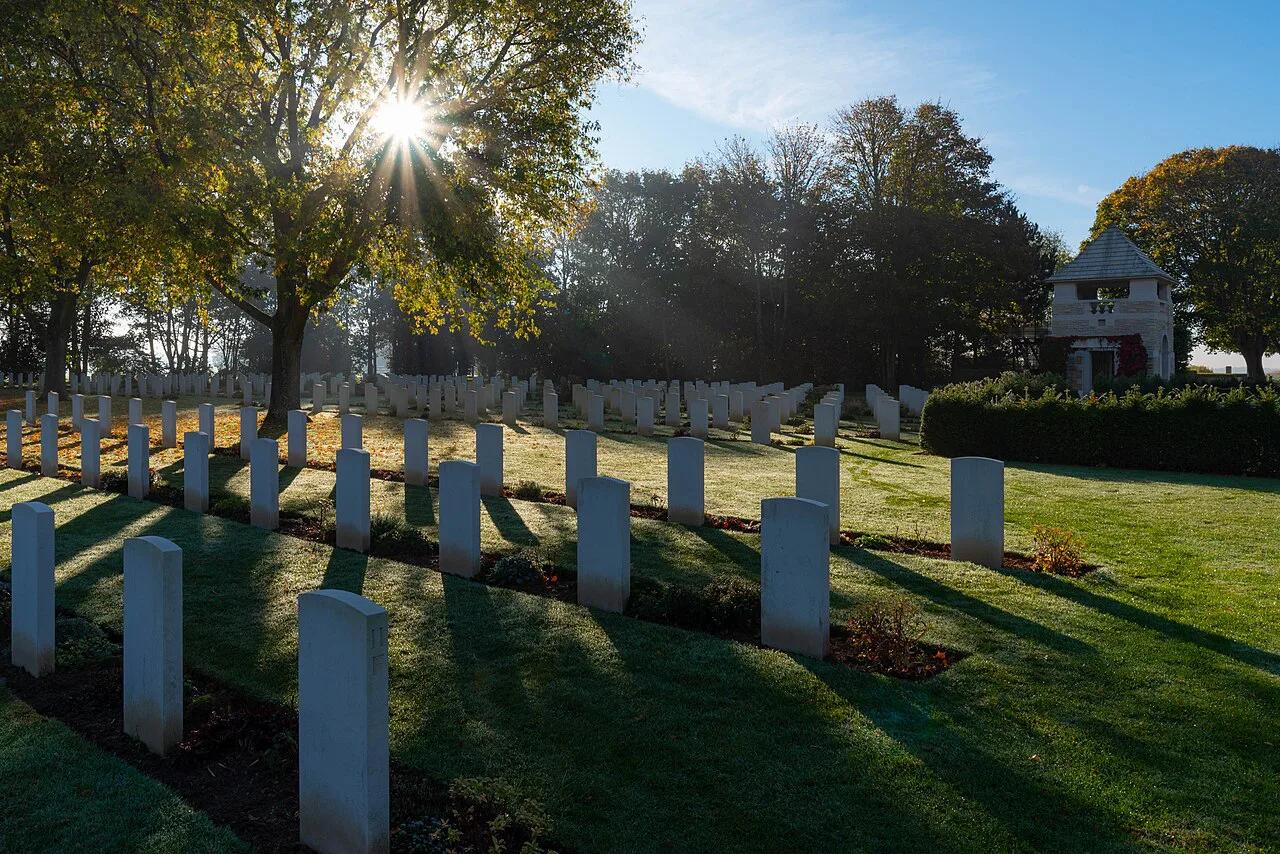
Bény-sur-Mer Canadian War Cemetery is a CWGC-maintained burial ground in Normandy, northwest of Caen. CWGC records 2,048 Second World War burials, the majority Canadian, and 19 of them are unidentified. Wikidata lists 2,049 graves, so treat "about 2,000" as the safe round figure and check the CWGC site for the current count.
- Location: Reviers, canton of Creully, Calvados, Normandy
- Coordinates: 49°18′09″N, 0°27′01″W
- Designer: P.D. Hepworth
- Managed by: Commonwealth War Graves Commission
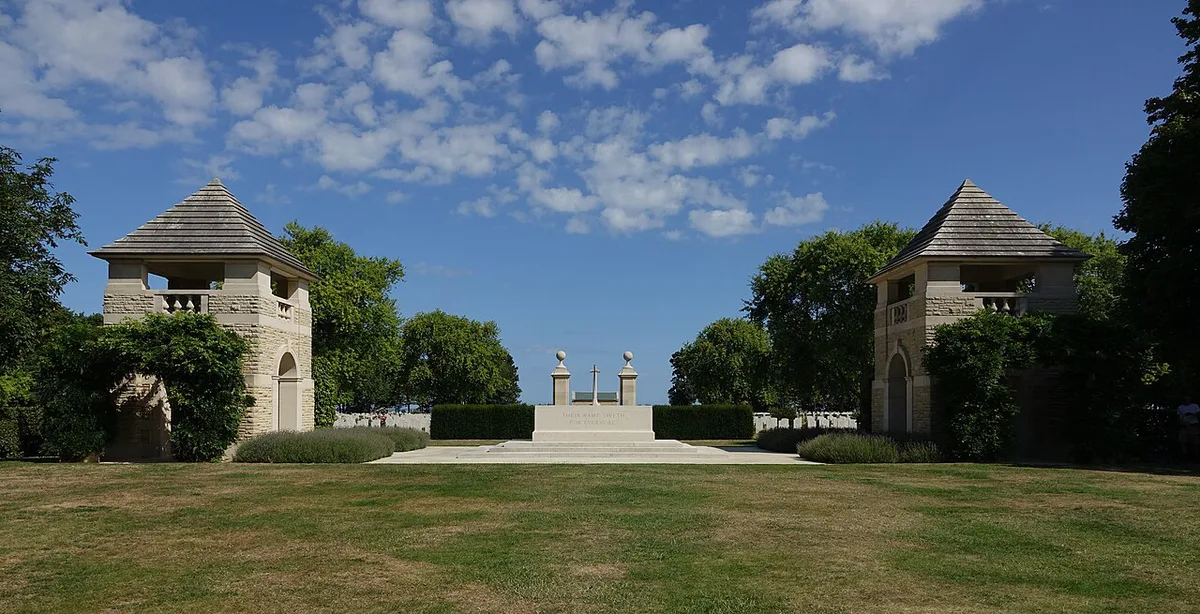
- Main feature: a Cross of Sacrifice, the standard CWGC memorial form
Why the village name and the cemetery location differ
The cemetery is named after nearby Bény-sur-Mer but stands in the commune of Reviers. Sources spell it "Beny-Sur-Mer", "Bény-sur-Mer" and, in French, "cimetière militaire canadien de Bény-sur-Mer". Typing only "Bény" into a map app can drop you in the village instead. Search the full cemetery name or enter the coordinates above, and look for Reviers on the route. Our overview of Normandy war cemeteries shows how other sites are named.
Who is buried here and the history behind it
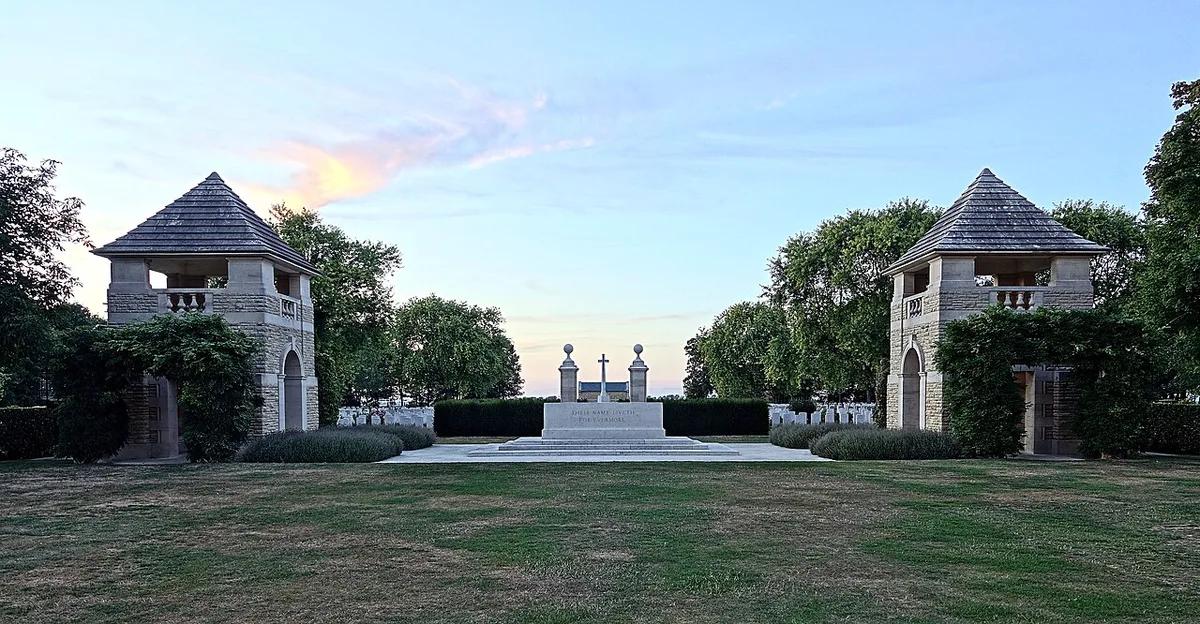
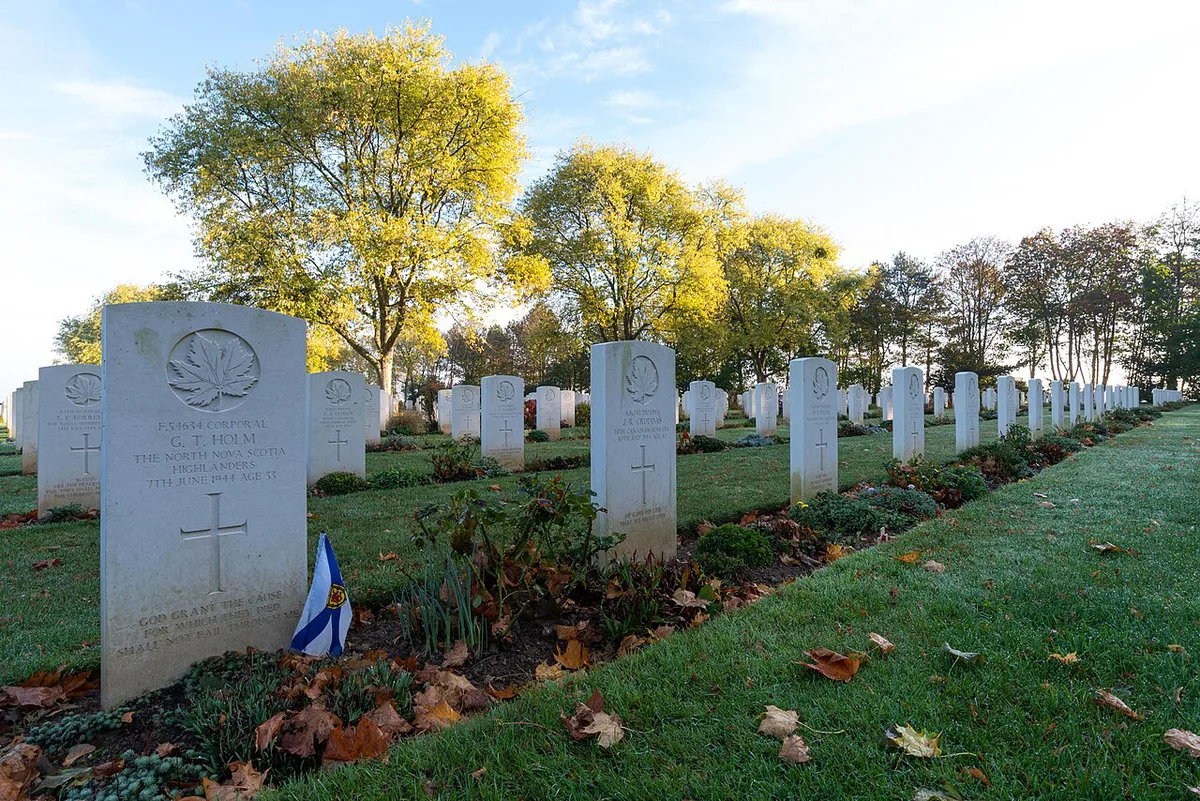
Most of those buried here were Canadian soldiers killed in June and early July 1944, during the first stage of the Battle of Normandy. The Juno Beach Centre covers the Canadian landing story in depth. Of the 2,048 burials CWGC records, 19 are unidentified. Their headstones carry no name, which is why finding the right row matters if you are looking for one grave.
What you will see on site
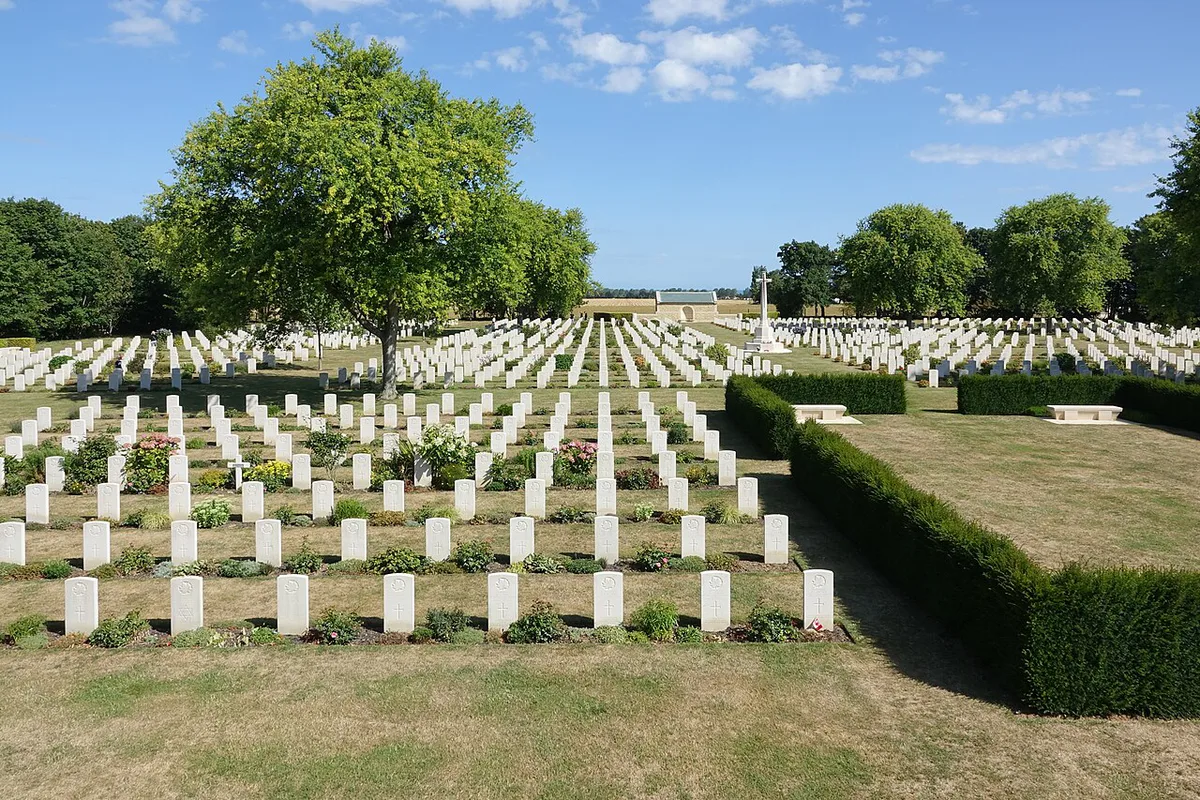
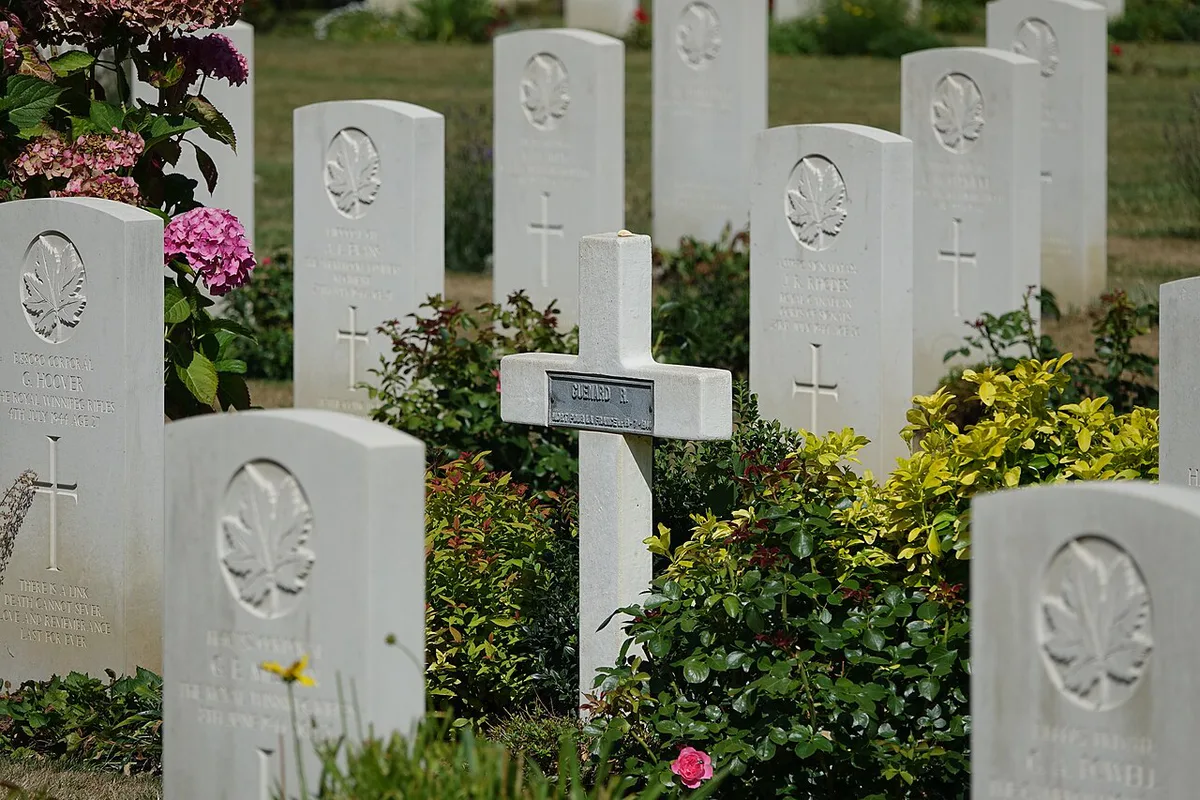
Expect landscaped grounds with long rows of uniform white headstones and a Cross of Sacrifice, as at other CWGC cemeteries in France. Photo archives also show an entrance building and a cemetery map. Other plaques and memorials are recorded there, including one to the Cameron Highlanders and a Royal Marine stele. Check the entrance board for the full layout, because individual features can be moved or added over time.
How to get there and how long to allow
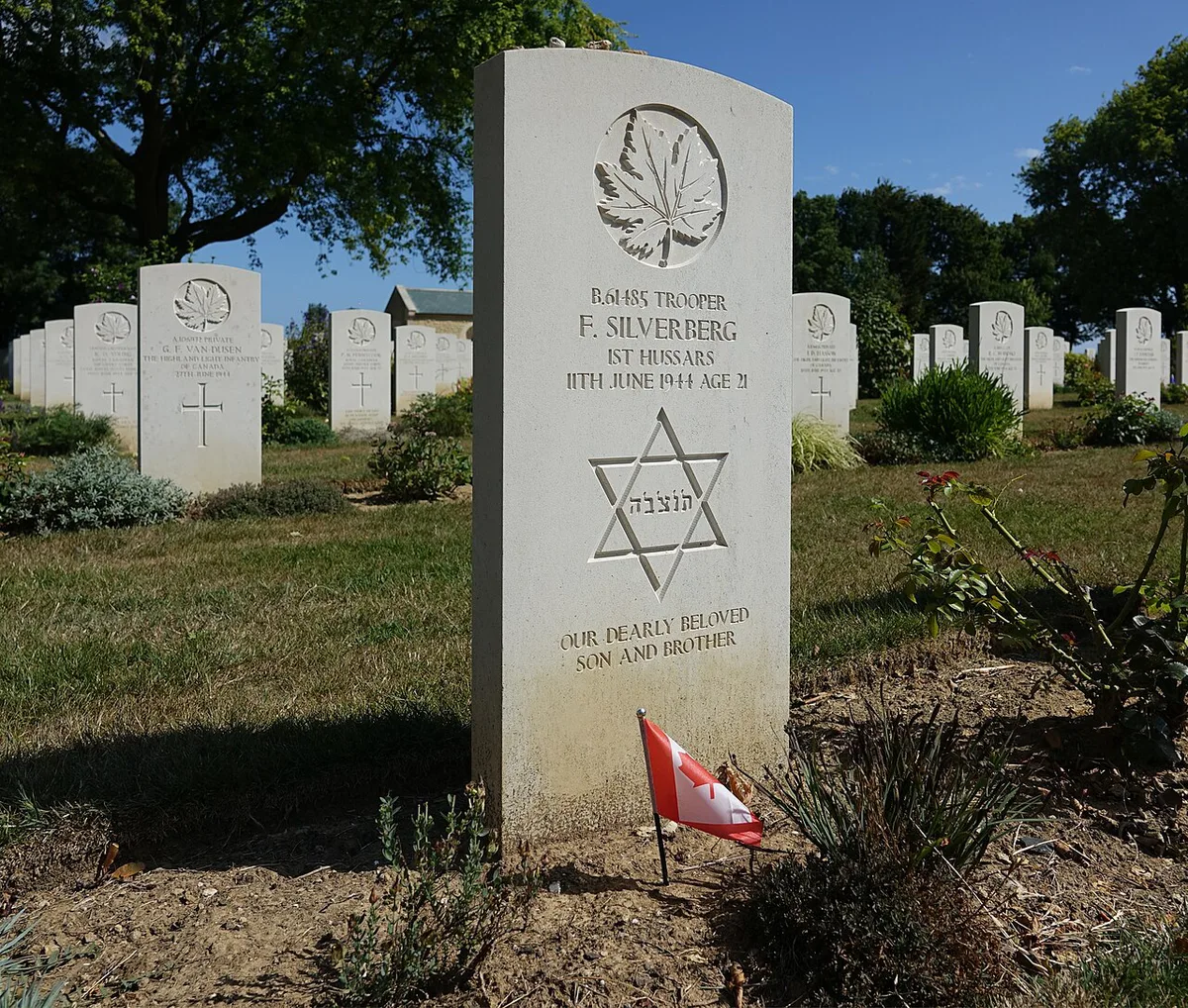
No official source reviewed here confirms a bus or rail link to the gate, so plan around road transport. Normandy's regional tourism office, Normandie Tourisme, is the place to check current transport options. Cemetery visits are usually quiet and unhurried, so allow time to walk the rows rather than a fixed slot.
With no confirmed bus or rail link, set the 49°18′09″N, 0°27′01″W pin in your map app rather than a village name.
| Option | Best for | Trade-off |
|---|---|---|
| Own car | Flexible day linking several sites | You handle parking and the Reviers search |
| Taxi | Short, single-site visit | Arrange the return trip before you go |
| Guided tour | Context and several sites in one day | Fixed timing; check that Bény-sur-Mer is on the stop list |
Visiting respectfully and finding a grave
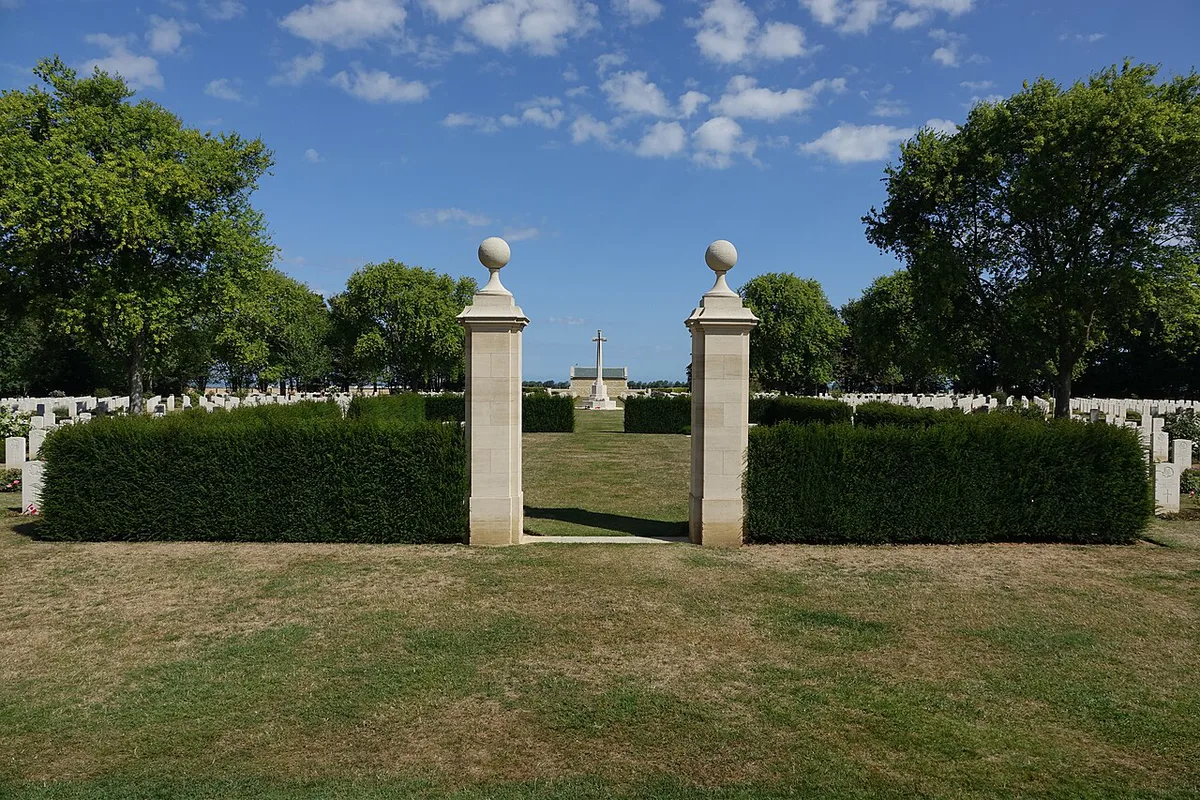
This is a place of mourning, so dress simply, keep your voice low and stay on the paths. Do not step on or between graves. Photography of headstones from the paths is common, but avoid photographing other visitors who are paying their respects. CWGC publishes a grave-search tool on its website, so search the name before you travel. Note the plot, row and grave reference, then match it to the cemetery map at the entrance. Opening arrangements are set by CWGC, so read its cemetery page for current access details.
Of the burials, 19 are unidentified, so a CWGC name search before you go is the quickest route to a named grave.
Combining it with other sites
A Canadian-sector day pairs this cemetery with Juno Beach and other Commonwealth sites. Next to it on the map is Bayeux War Cemetery: Visiting Guide & Finding a Grave, the nearest Commonwealth comparison in our guides. Ranville War Cemetery: Visiting the D-Day Airborne Cemetery is another Commonwealth site to add. Later in the campaign, the Mont Ormel Memorial: Visit Guide, Hours & Tips covers the closing battle where Canadian and Polish forces fought. For the American sector, start with the Normandy American Cemetery: 6 Stops, Entry Checks and Etiquette and its visitor center. If you want all three national perspectives, add La Cambe German Cemetery: Visiting Guide, History and Tips. Choose one sector per day, because mixing them adds long drives.
Common mistakes to avoid
A few planning errors cause most of the frustration on this stop.
- Searching only "Bény" and arriving in the village rather than Reviers.
- Treating the cemetery like a ticketed attraction; it is a war grave site, not a museum.
- Skipping the CWGC grave search before you leave, then not knowing which row to walk.
- Filling the day with too many sites, which leaves no quiet time at the graves.
Frequently Asked Questions
Where are Canadians buried in Normandy?
Bény-sur-Mer Canadian War Cemetery in Reviers holds mostly Canadian burials from the early Battle of Normandy. Canadians also lie in other Commonwealth cemeteries in the region. Search the name on the CWGC website to find an individual's resting place.
Keep planning
Guides on the same trip






