
Ranville War Cemetery: Visiting the D-Day Airborne Cemetery
Plan a visit to Ranville War Cemetery near Caen: who is buried here, how to get there, how long to stay, and nearby D-Day sites.
In this guide
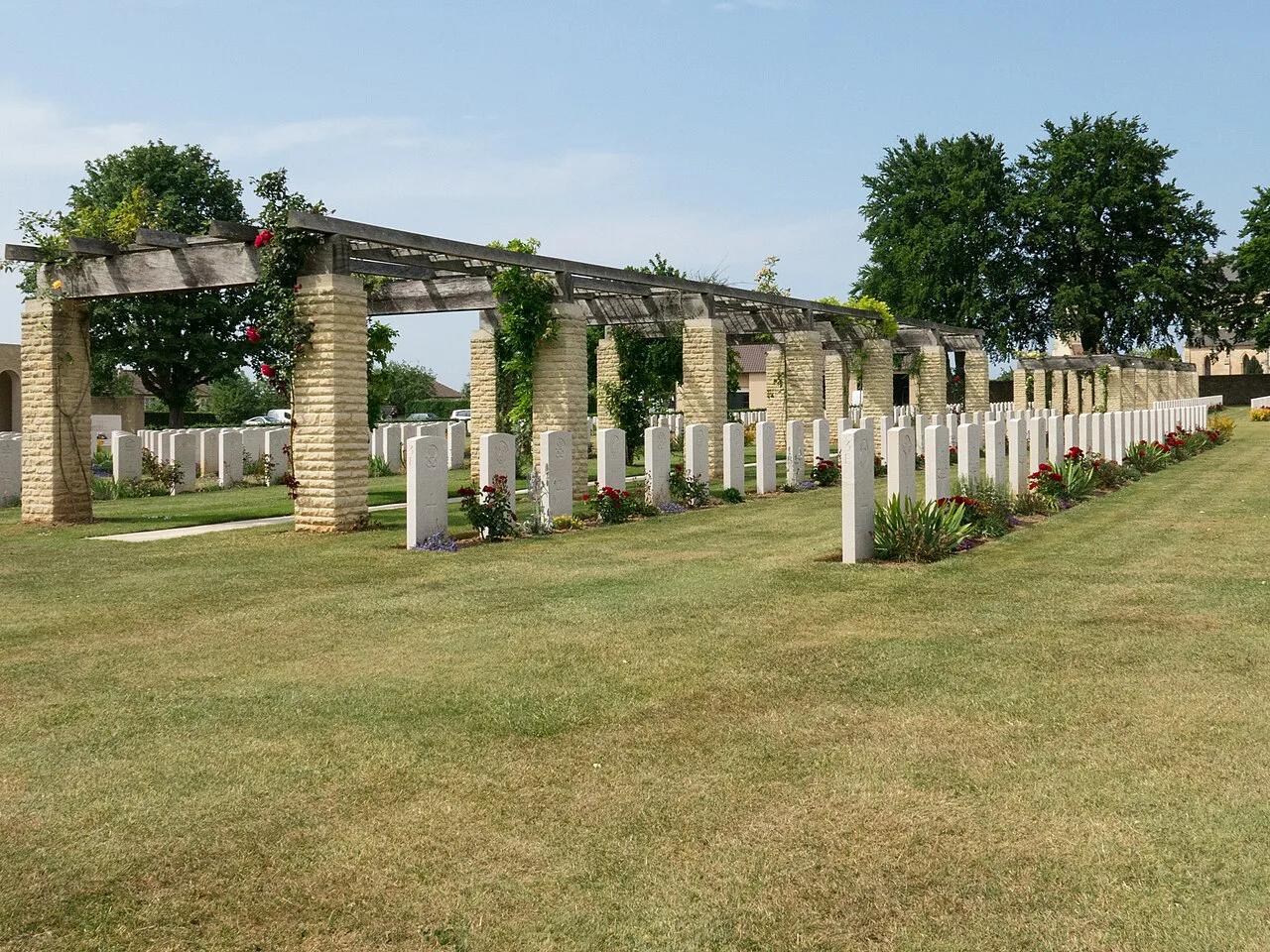
Last updated November 2026: Ranville War Cemetery is a Commonwealth War Graves Commission cemetery in the village of Ranville, about 10 km north-east of Caen. It holds mostly British airborne dead from the early Normandy fighting, along with a smaller group of German graves. Use this page with our Normandy war cemeteries overview to plan the visit and choose what to pair it with.
Featured image: Wernervc, CC BY-SA 4.0, via Wikimedia Commons.
Why Ranville War Cemetery matters
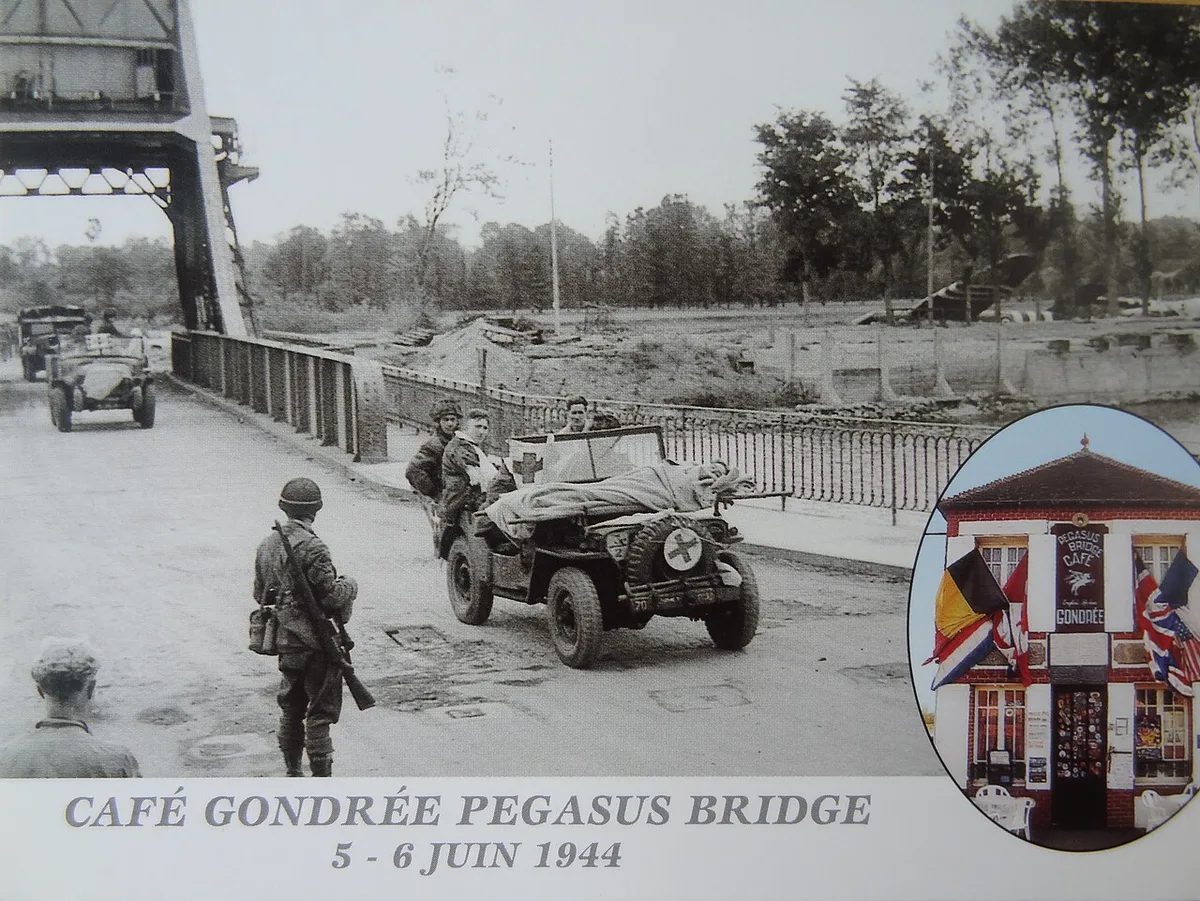
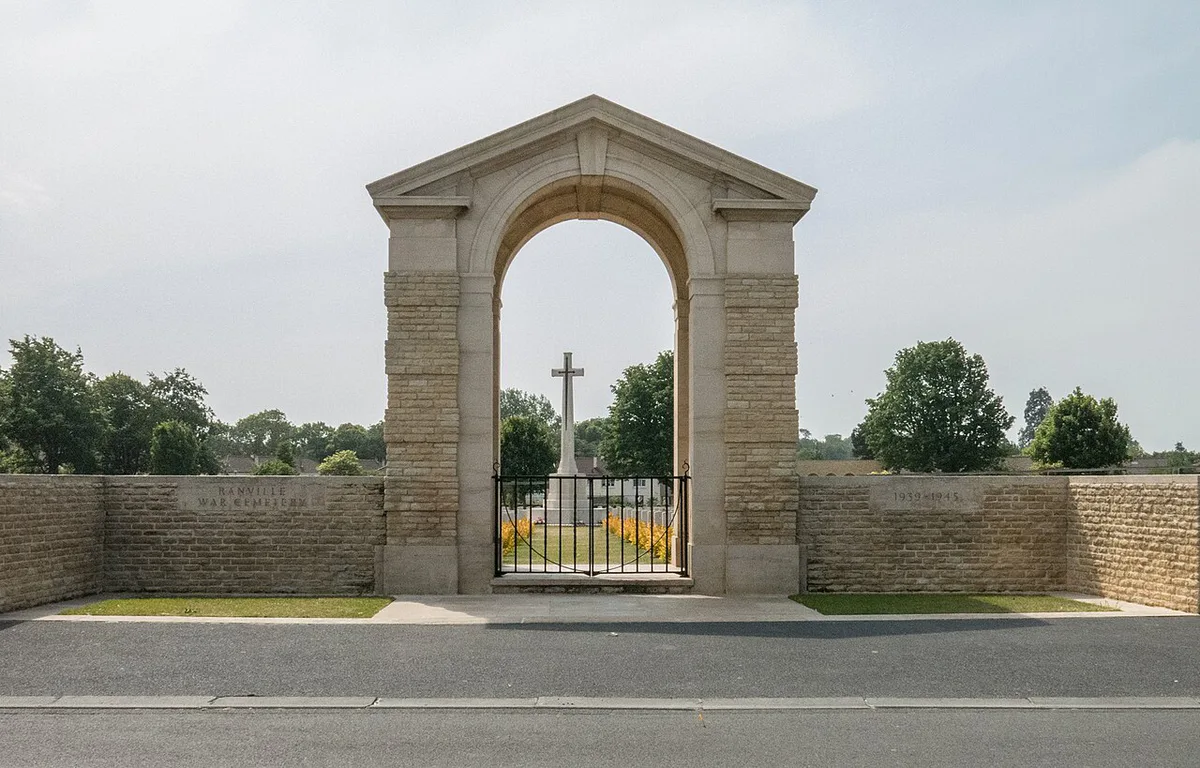
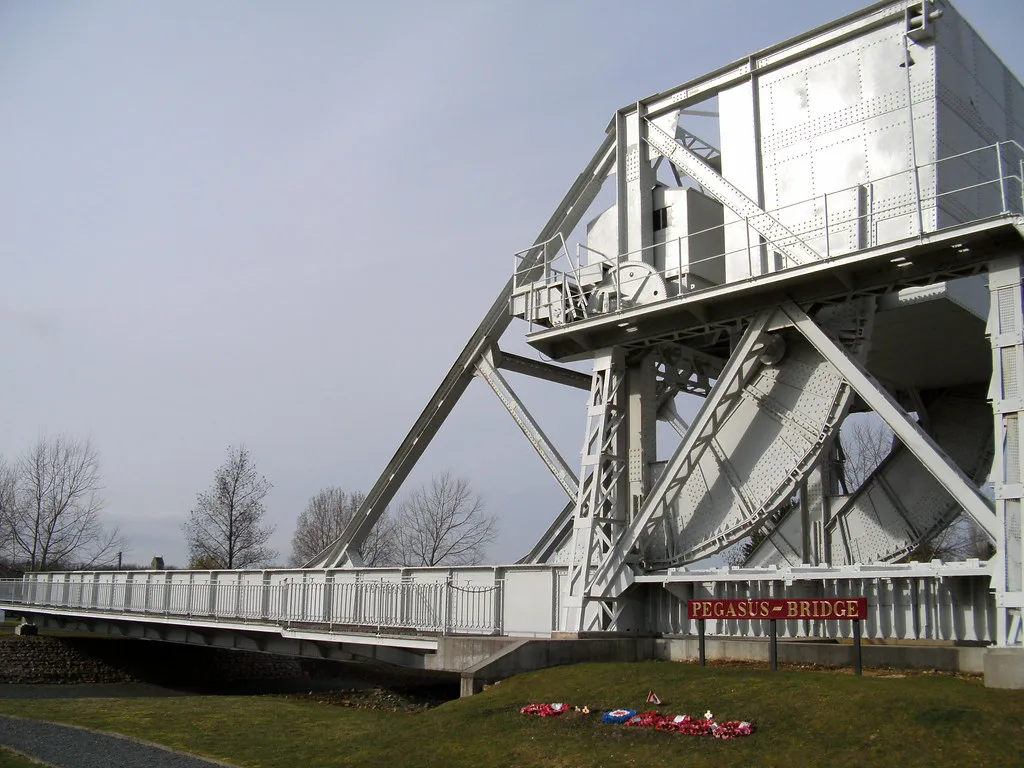
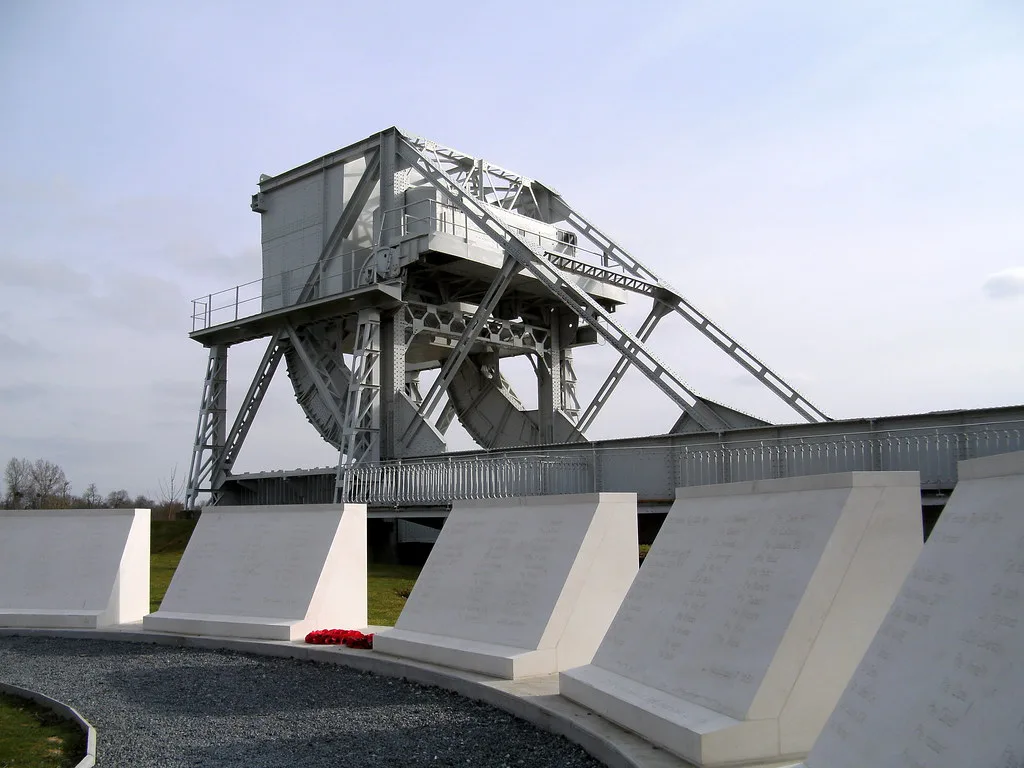
Ranville was among the first villages liberated, on 6 June 1944, by the British 6th Airborne Division. Paratroopers and glider troops had landed nearby and captured the Caen Canal bridge, now known as Pegasus Bridge. Lt Den Brotheridge is buried here and is often described as the first Allied death on D-Day. Some accounts dispute that label, so treat it as a common description rather than a settled record. The village churchyard took battlefield dead immediately. After the war, graves were gathered into the cemetery from several places, and the last interments were made in 1946. Philip Hepworth designed the cemetery, and its Cross of Sacrifice is the standard CWGC feature.
- Amfreville
- Colleville-sur-Mer
- Colombelles
- Houlgate
- Villers-sur-Mer
Who is buried at Ranville War Cemetery
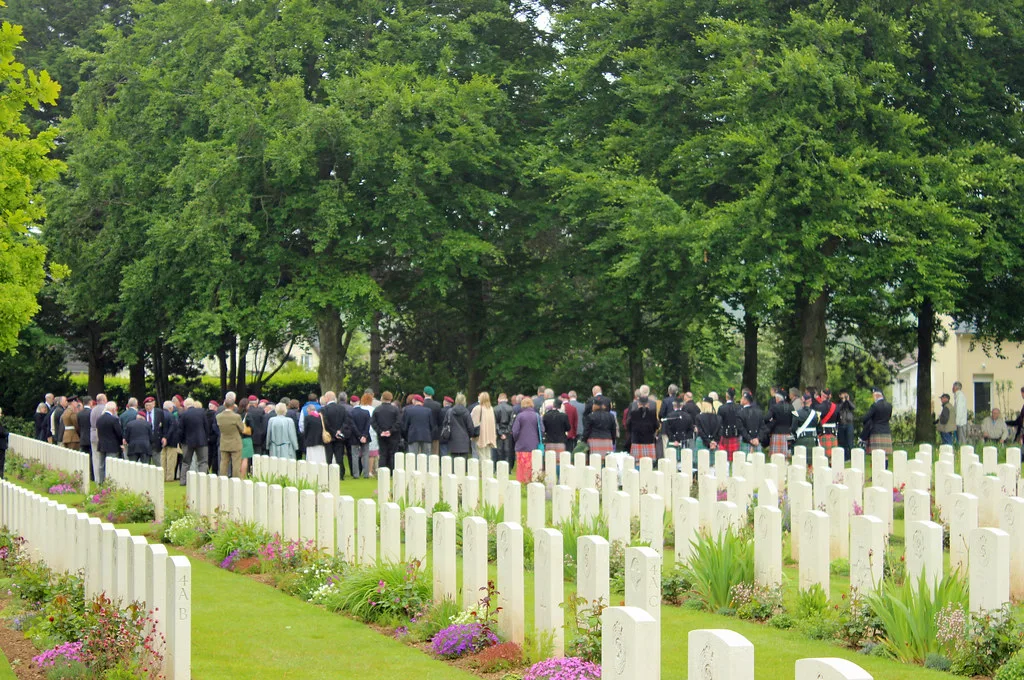
The cemetery holds more than 2,500 burials, and published totals differ by a few graves between sources. CWGC records are the authority for exact counts and the nationality split. Most graves are British, and many belong to men of the 6th Airborne Division. Next to the cemetery, the village churchyard holds 47 Commonwealth burials and one German grave. Casualties from the fighting that followed the landings are also buried here, not only those who died on 6 June.
Beyond the cemetery's more than 2,500 burials, the village churchyard next door holds 47 Commonwealth burials and one German grave.
- British: the large majority of graves, many of them parachute and glider-borne troops.
- Canadian: a smaller group, including men of the 1st Canadian Parachute Battalion.
- German: more than 300 graves, kept within the same CWGC grounds.
- Other nationalities: single burials from Australia, New Zealand, Belgium, France and Poland.
Getting to Ranville from Caen
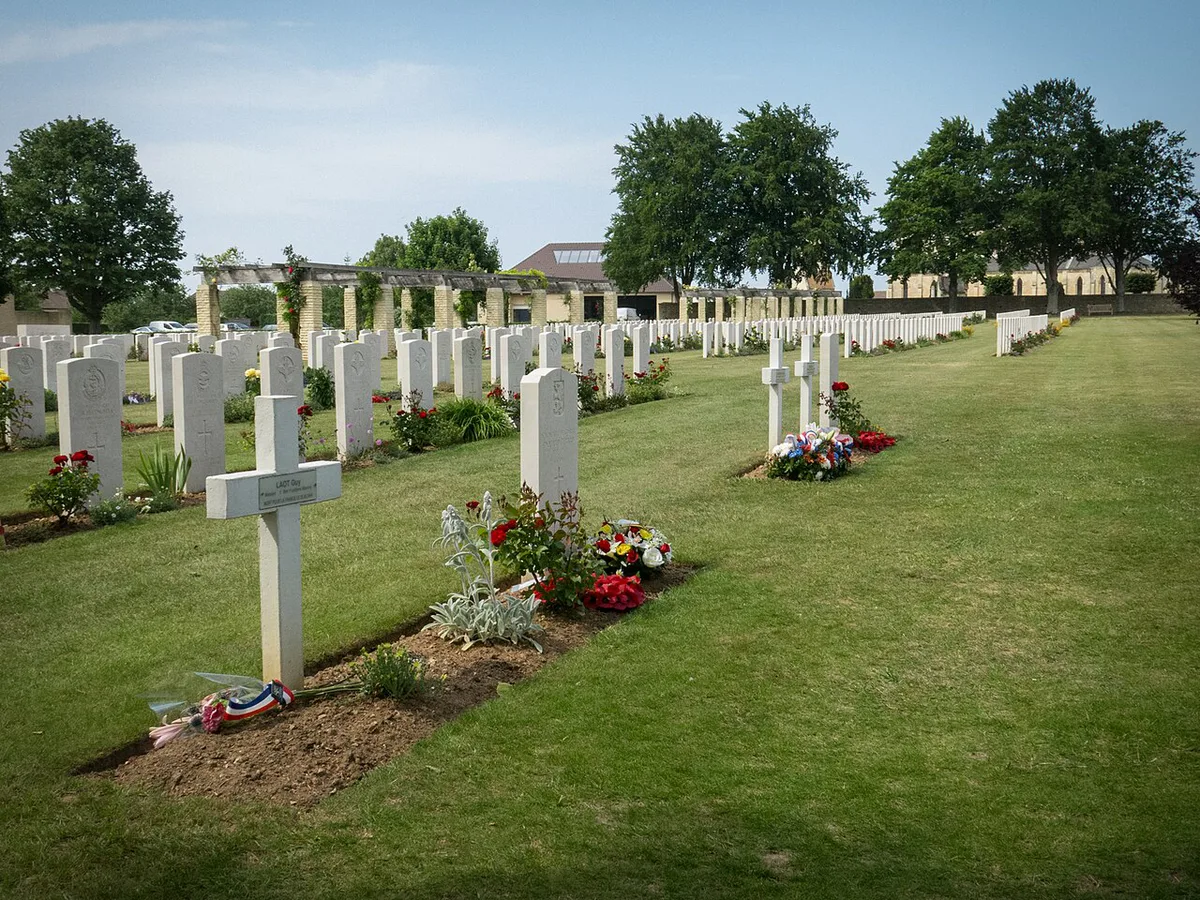
By car, take the D513 north-east out of Caen. After about 9 km, turn left at Hérouvillette. Drive 1 km north, then turn left into Ranville village. The cemetery stands on Rue des Airbornes. For parking, check the CWGC page before you set off. Without a car, a taxi from Caen is the simplest option. For buses, look up current services with the regional operator through Normandy Tourism. Allow extra time for the return leg, because pickups in a small village are not guaranteed.
Visiting etiquette and practical details
Ranville is a working cemetery, not a museum. You will not find a ticket desk or a visitor centre here. If you want exhibitions and a film, the Normandy American visitor center offers that contrast. CWGC publishes the current opening and access details for Ranville, so read them before you travel. Speak quietly, dress modestly, and keep to the paths between plots. Do not lean on, rub or touch the headstones. Photograph graves with the same care you would want near your own family's.
How long to allow and what to combine it with
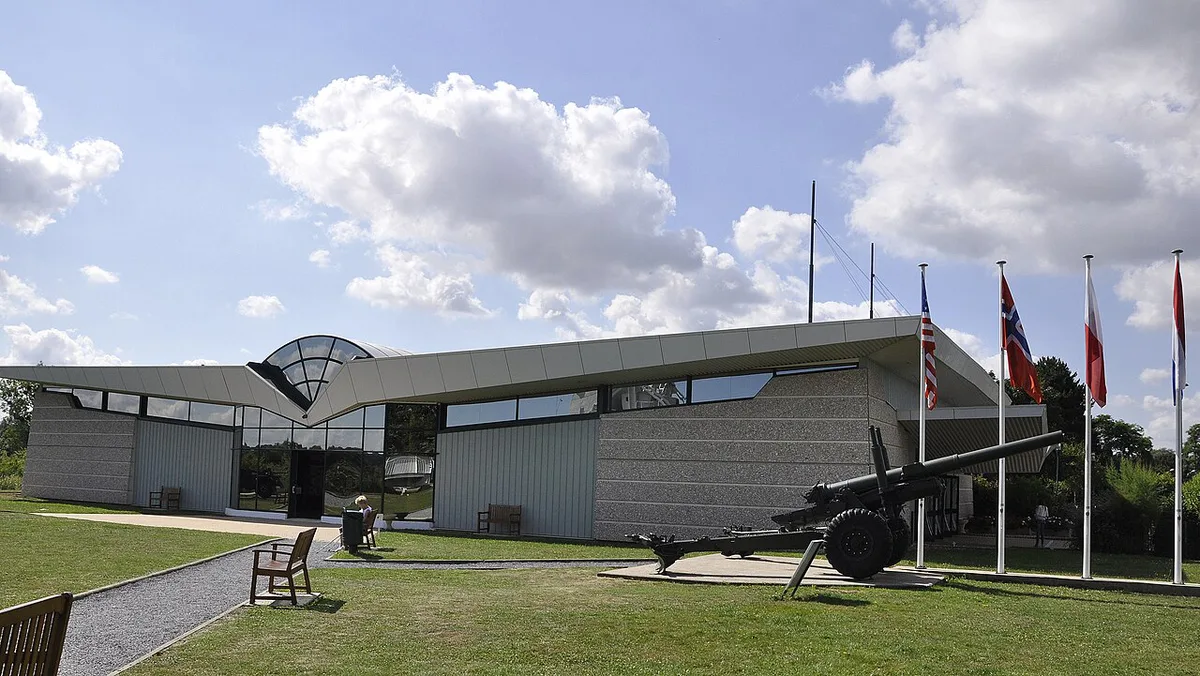
Editorial estimate: allow 30 to 60 minutes at the cemetery, longer if you are looking for a named grave. Ranville sits close to the canal crossing where the 6th Airborne Division fought. The Mémorial Pegasus site is the best source for hours at the bridge area. Merville Battery is another airborne-linked stop; check its current status before building a day around it. Plan the route in this order if you start from Caen.
Pegasus Bridge and Mémorial Pegasus add an estimated 1 to 2 hours on top of the cemetery visit, so plan both within the same Caen-based day.
| Stop | Suggested time | Notes |
|---|---|---|
| Ranville War Cemetery | 30 to 60 minutes (editorial estimate) | Free to walk in; check CWGC for access details. |
| Pegasus Bridge and Mémorial Pegasus | 1 to 2 hours (editorial estimate) | Check the official site for opening hours. |
| Merville Battery | 1 hour (editorial estimate) | Check current status and hours before going. |
How Ranville compares with other Normandy war cemeteries
Each major cemetery in the area serves a different visitor. Ranville suits readers following the airborne story, with British and Canadian paratroopers and a German section. The comparison below shows where the others fit. Check each operator for current hours and access.
| Cemetery | Focus | Best for | Trade-off |
|---|---|---|---|
| Ranville | Commonwealth airborne, with German graves | Pegasus Bridge route | Small village site, no visitor centre |
| Bayeux War Cemetery: Visiting Guide & Finding a Grave | Largest British cemetery in Normandy | British casualties across the campaign | Larger site, easy to combine with Bayeux |
| Bény-sur-Mer Canadian Cemetery | Canadian | Juno Beach area visits | Separate trip from Ranville |
| La Cambe German Cemetery: Visiting Guide, History and Tips | German | Understanding the German dead | Further west along the coast |
| Normandy American Cemetery: 6 Stops, Entry Checks and Etiquette | American, at Colleville-sur-Mer | Visitor center and exhibits | Busier, with a longer security queue |
How to find a specific grave
Search the CWGC Find War Dead database by surname, and filter by Ranville War Cemetery. Each record gives a plot reference such as Plot II. F. 19. Read it as plot II, row F, grave 19. Note the full reference before you leave, because finding a headstone without it can take much longer. Canadian families may also want the Canadian cemetery near Juno on the same trip. Readers following the closing stage of the campaign can continue to the Mont Ormel Memorial: Visit Guide, Hours & Tips.
Keep planning
Guides on the same trip






