
Bayeux War Cemetery: Visiting Guide & Finding a Grave
Plan a visit to Bayeux War Cemetery: how to reach it from town, what you will see, how to find a grave and which Normandy cemeteries to pair it with.
In this guide
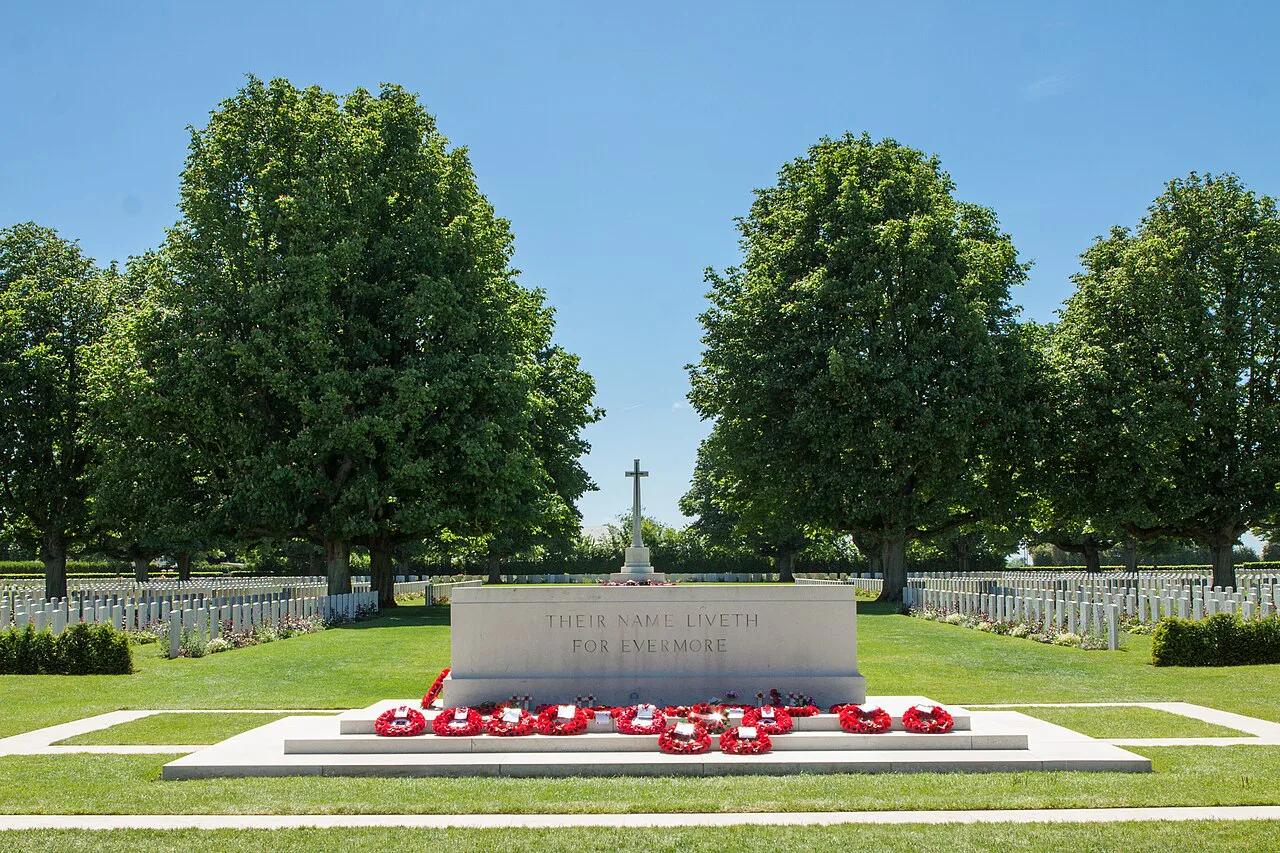
Last updated November 2026. Bayeux War Cemetery is the largest Commonwealth War Graves Commission (CWGC) Second World War cemetery in Normandy, on Boulevard Fabian Ware in Bayeux. It is a working place of remembrance, so plan a quiet, unhurried visit. Our guide covers the route from town, the memorial opposite, the grave search and how it fits with the wider Normandy War Cemeteries: Which to Visit and How to Plan.
Featured image: Wernervc, CC BY-SA 4.0, via Wikimedia Commons.
Bayeux War Cemetery at a glance
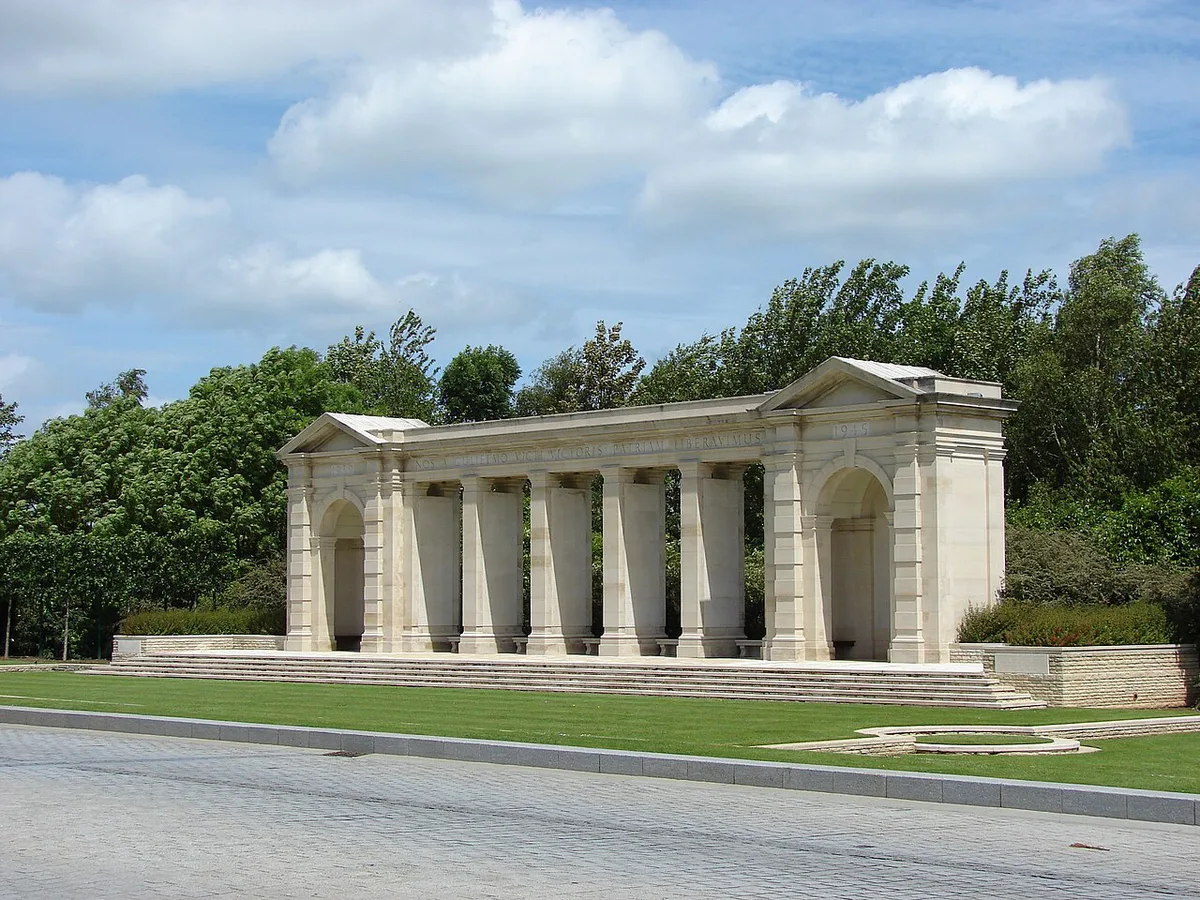
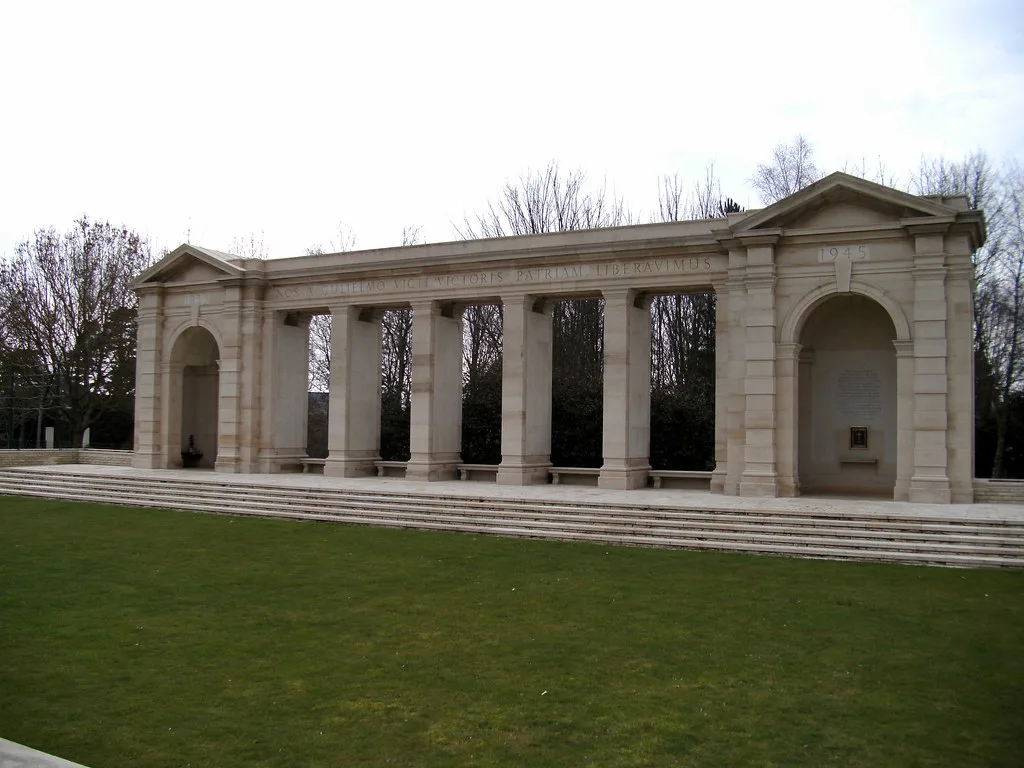
CWGC maintains the cemetery, and it commemorates Commonwealth servicemen who died in the Battle of Normandy. It sits on Boulevard Fabian Ware, on the edge of Bayeux town. Cemetery and memorial are two separate things, and visitors often mix them up. The Bayeux Memorial stands directly opposite and names Commonwealth soldiers who have no known grave.
- Operator: Commonwealth War Graves Commission (CWGC).
- Address: Boulevard Fabian Ware, Bayeux.
- Facing site: the Bayeux Memorial, across the road.
- Who should visit: D-Day and Battle of Normandy visitors, families tracing a relative, and anyone based in Bayeux who wants a quiet first stop.
Getting there from Bayeux town
Bayeux War Cemetery lies on the town's edge, so most visitors staying in Bayeux can reach it without a long transfer. We do not have a verified walking distance or parking arrangement to quote. Ask the Bayeux tourist office for the current route and local transport.
| Option | Best for | Trade-off |
|---|---|---|
| On foot | Visitors staying in the town centre | Takes the longest of the four options; wear comfortable shoes |
| Bike | Travellers combining several sites in a day | Locking the bike and crossing the road to the memorial need care |
| Taxi | Visitors with limited mobility or little time | Arrange the return trip before you set off |
| Car | Visitors continuing to other cemeteries | Park considerately and keep the road clear |
What you will see on site
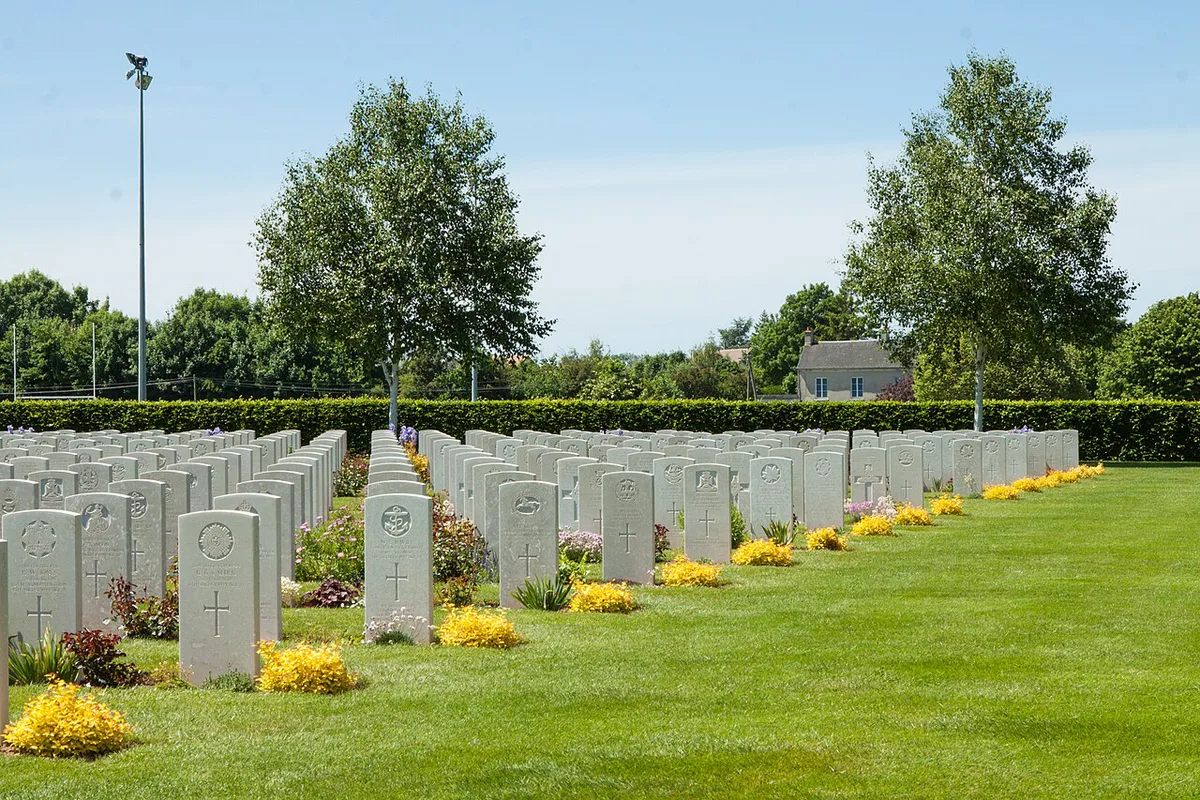
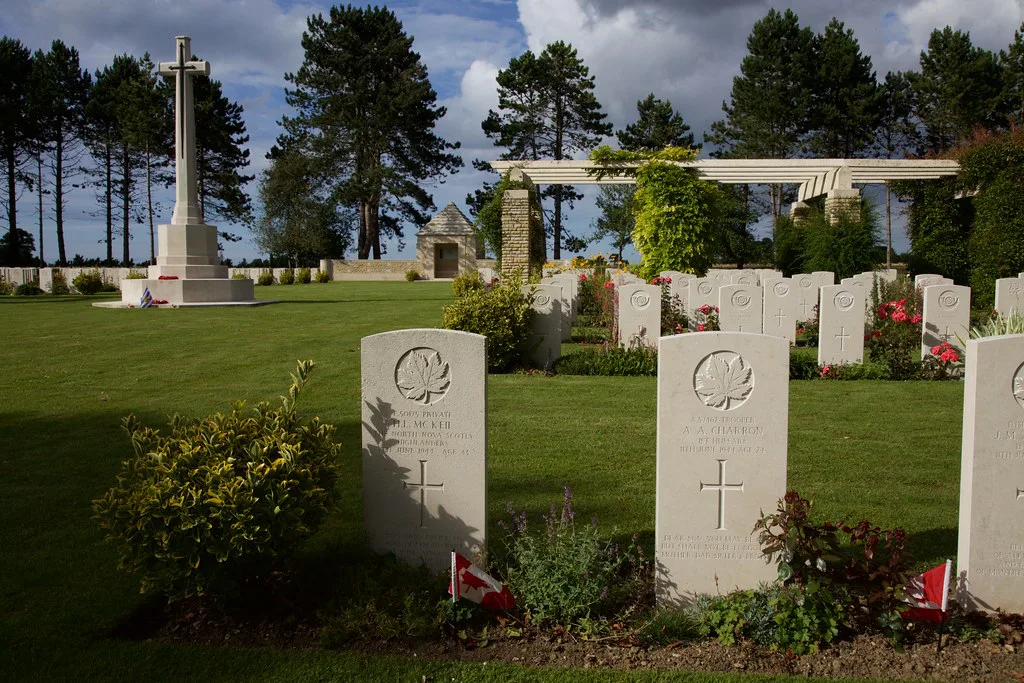
Rows of uniform CWGC headstones fill the cemetery, each marking one burial. Inscriptions and emblems on the stones identify the person's unit and often carry a personal message chosen by family. Commonwealth forces form the core of those commemorated here. The CWGC cemetery page gives the exact breakdown by nationality, so use that instead of estimating on site.
Across the road, the Bayeux Memorial carries a Latin inscription on its frieze. It honours soldiers who fell in the Battle of Normandy and have no known grave. Treat the two sites as one visit but two distinct places of remembrance.
How to find a specific grave
Start with the CWGC Find War Dead search before you travel. Enter the surname, then narrow results by country served, war and cemetery. Service number, regiment and date of death all help separate common names.
Each record gives a grave reference. It normally combines a plot, a row and a grave number. Copy it exactly and bring it with you, because it lets you walk straight to the headstone. If the record shows the Bayeux Memorial instead of a grave, the person has no known grave and is commemorated by name there. Check the CWGC page for any register or visitor book on site before you rely on one.
Visiting respectfully
Treat the cemetery as a place of mourning, not an attraction. Speak quietly and keep to the paths between plots. Do not step on graves or lean on headstones. Photography of the grounds is generally accepted when done discreetly, but avoid photographing other visitors who are paying their respects. Children are welcome if they understand the setting. Check the CWGC visiting guidance before leaving flowers or other tributes.
- Mistake: confusing the cemetery with the memorial. They face each other across the road.
- Mistake: assuming opening arrangements without checking the CWGC page for the day you plan to go.
- Mistake: treating it as a photo stop. Allow time to read the inscriptions.
- Mistake: skipping the grave reference. It saves a long search among the rows.
How it compares with other Normandy cemeteries
Choosing between sites depends on whom you want to remember. Bayeux and Ranville are both Commonwealth cemeteries, and Ranville adds an airborne focus. Canadian visitors may prefer the Canadian cemetery at Bény-sur-Mer. For the other side of the war, La Cambe German Cemetery: Visiting Guide, History and Tips offers a contrast.
American visitors usually head for the Normandy American Cemetery: 6 Stops, Entry Checks and Etiquette, which is a separate site from Bayeux. The ABMC Normandy page carries its official visitor information.
| Cemetery | Nation or force commemorated | Base town | Suits |
|---|---|---|---|
| Bayeux War Cemetery | Commonwealth forces | Bayeux | Travellers staying in town |
| Ranville War Cemetery | Commonwealth forces, airborne context | Ranville | Visitors who want the airborne story |
| Bény-sur-Mer | Canadian forces | Bény-sur-Mer | Canadian family history |
| La Cambe | German forces | La Cambe | Visitors seeking the other perspective |
| Normandy American Cemetery | American forces | Colleville-sur-Mer | Visitors with a car or a tour |
Combining it into a Bayeux day
Bayeux War Cemetery works well as a short, early stop before other Bayeux sights. Pair it with a visit to Ranville War Cemetery: Visiting the D-Day Airborne Cemetery if you have a car and want a second Commonwealth site. Travellers without a car will find the American cemetery much harder to reach, so plan transport first.
If you want an interpretive visit rather than a purely quiet one, read about the American cemetery visitor center to decide whether it suits your group. Leave the cemetery for a calm moment in the day, not a rushed gap between bookings.
Keep planning
Guides on the same trip






