CWGC Find War Dead: How To Search And Plan A Visit
Learn how to use CWGC Find War Dead, read a casualty record, and plan a visit to a war grave or memorial in Europe.
In this guide
Last updated November 2026. CWGC Find War Dead is the free Commission database search for the 1.7 million-plus Commonwealth service members the Commonwealth War Graves Commission commemorates. From a result, note the cemetery or memorial name and the grave or panel reference, then plan the visit around them. Our overview of 6 Commonwealth War Graves Sites in France to Visit First gives the wider background.
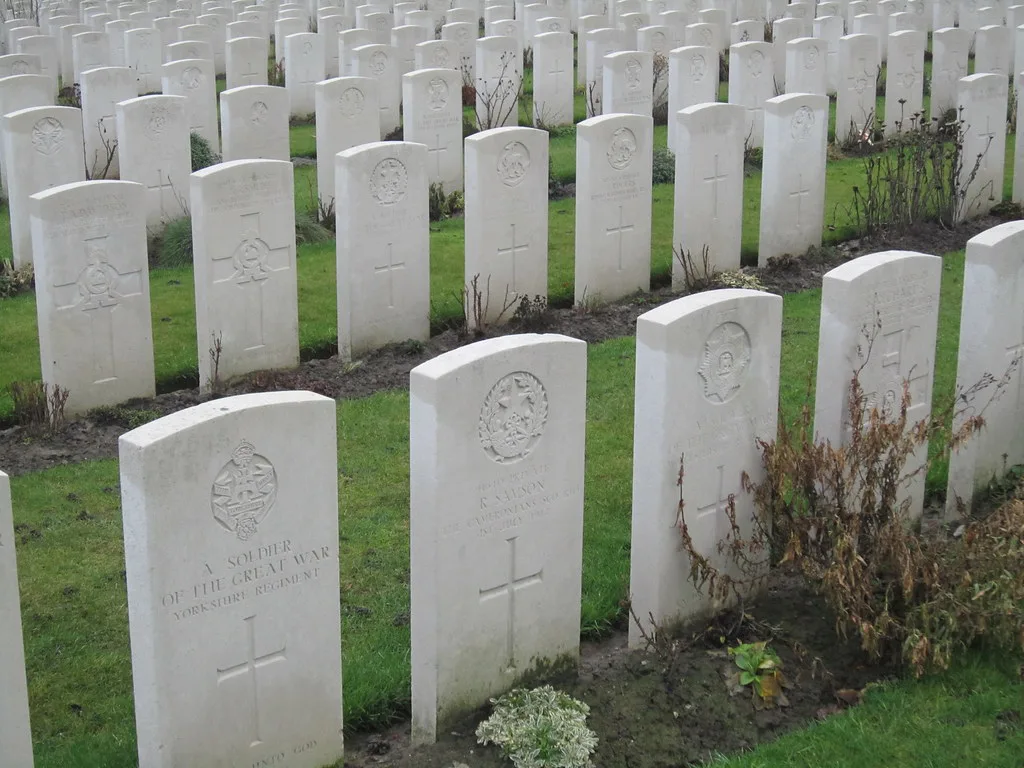
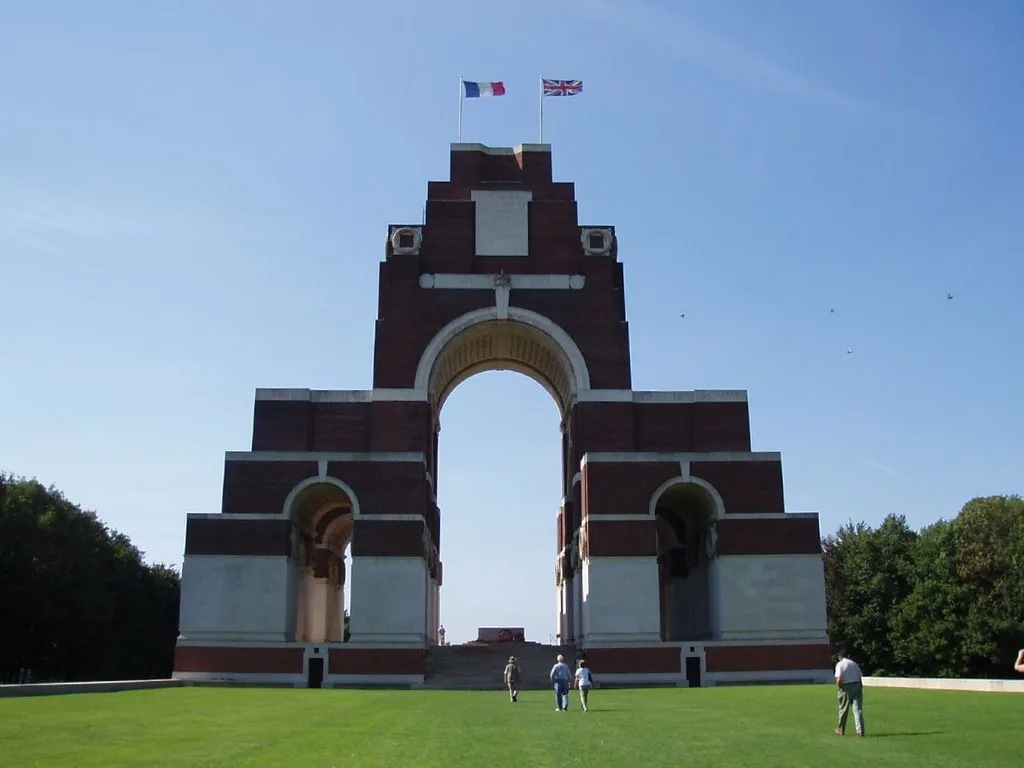
Featured image: R/DV/RS, CC BY 2.0, via Flickr.
How CWGC Find War Dead works
Find War Dead searches the records of casualties the Commission commemorates. It is not a register of every person who died in war, and it covers Commonwealth service personnel only. Each record links a name to a place of commemoration. That place is either a grave in a cemetery or a name on a memorial. Wars and dates covered are set out on the CWGC website, so read its scope notes before you conclude that someone is missing.
How to search step by step
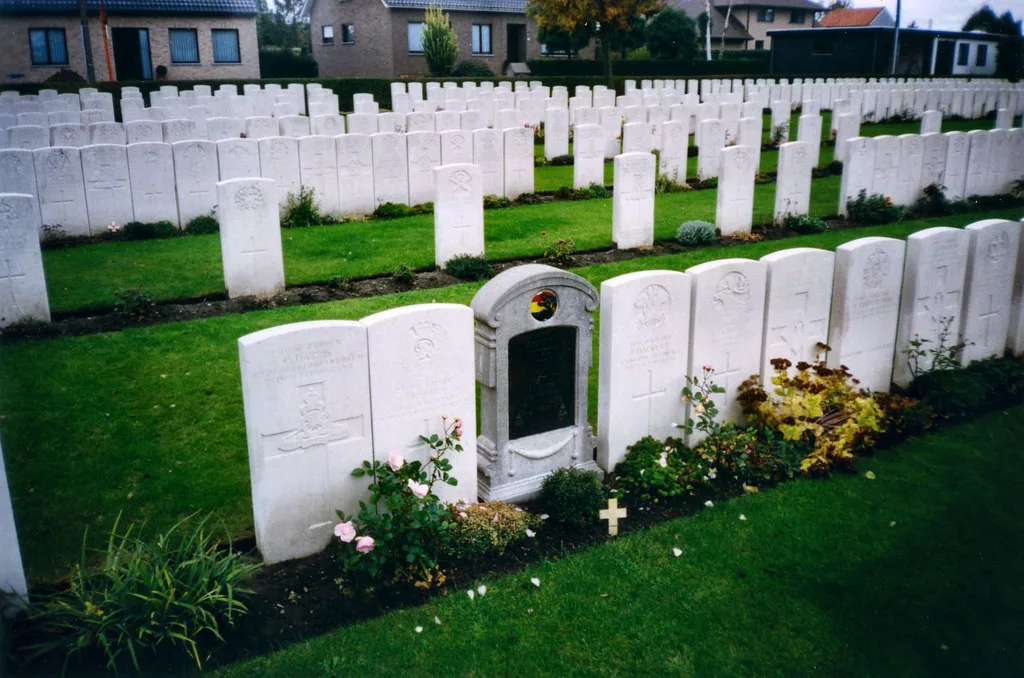
Start with as little as you know and add filters only when the results run too long. A surname plus initials is usually enough for a first pass. Use the list below to narrow a crowded result set.
- Surname: try the spelling on family papers first, then variants.
- Initials or forename: leave blank if you are unsure of them.
- Service: army, navy, air force or another branch named in the family record.
- War: choose the conflict if you know it.
- Country of commemoration: set this to the country where the person is buried or named.
- Date of death: a year or a range is enough.
- Unit or regiment: use it to separate common surnames.
Reading a casualty record
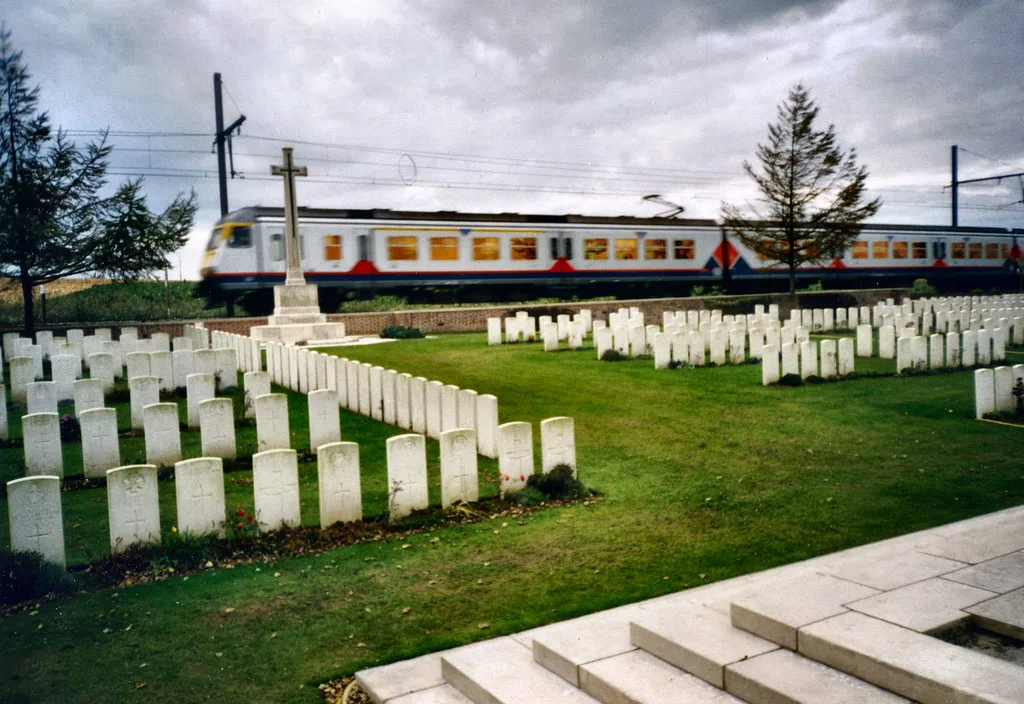
A record gives a cemetery or memorial name and a grave or panel reference. It may also carry additional information such as rank, unit and family details. Many records link to a cemetery page. A grave reference places one person in one plot, row and grave. A memorial entry means the person has no known grave, and the name is commemorated on a wall or panel instead. Save the reference exactly as printed. The table below shows how each result type changes your plan.
Across 1.7 million-plus names, a memorial entry means no known grave, so plan the visit around the panel rather than a plot.
| Result type | What it means for the visit | Next step |
|---|---|---|
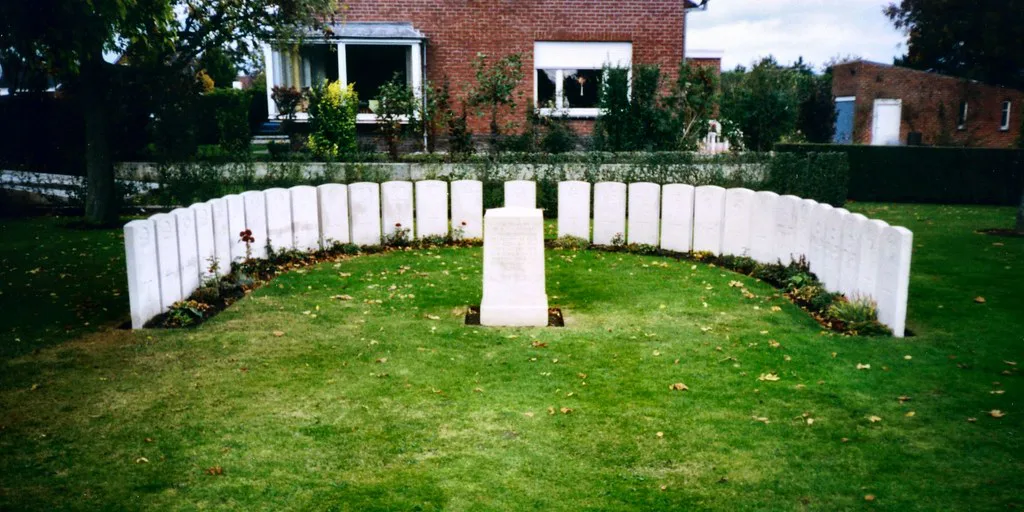
| Named grave in a cemetery | A marked plot exists at a specific cemetery | Save the grave reference and open the cemetery page |
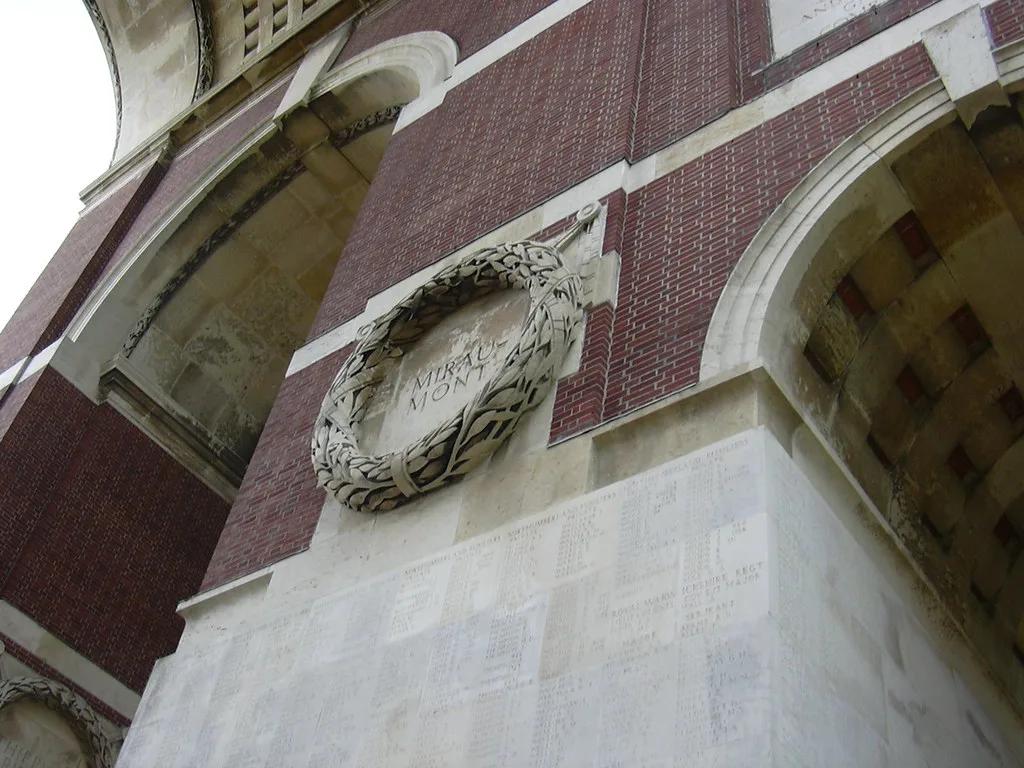
| Name on a memorial to the missing | No known grave; the name appears on a wall or panel | Go to the memorial and use the panel reference |
| Concentration or special-memorial note | The grave was moved or marked in a particular way | Read the additional information and the cemetery page before you travel |
| No result found | The person may be under another spelling or commemorated elsewhere | Try variants, then use CWGC's research guides and enquiries |
If you cannot find the person
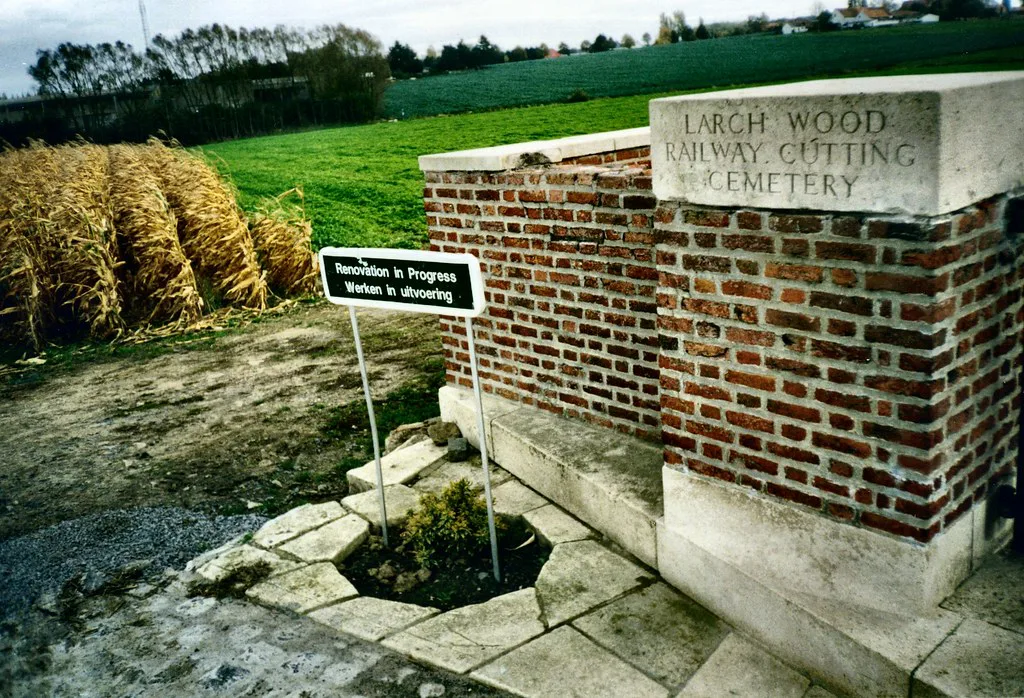
Most failed searches come down to spelling, a changed name or the wrong commemoration. CWGC publishes bitesize How to research guides for tracing a casualty. Its enquiries route handles cases the search cannot resolve. A person who served in a Commonwealth force but is not on the database may be recorded by another body. Start with the CWGC guides and enquiries pages for current contact details.
- Searching only one spelling of the surname.
- Ignoring the service number or unit filters when the surname is common.
- Assuming the grave is in the nearest village cemetery.
- Arriving without the grave or panel reference.
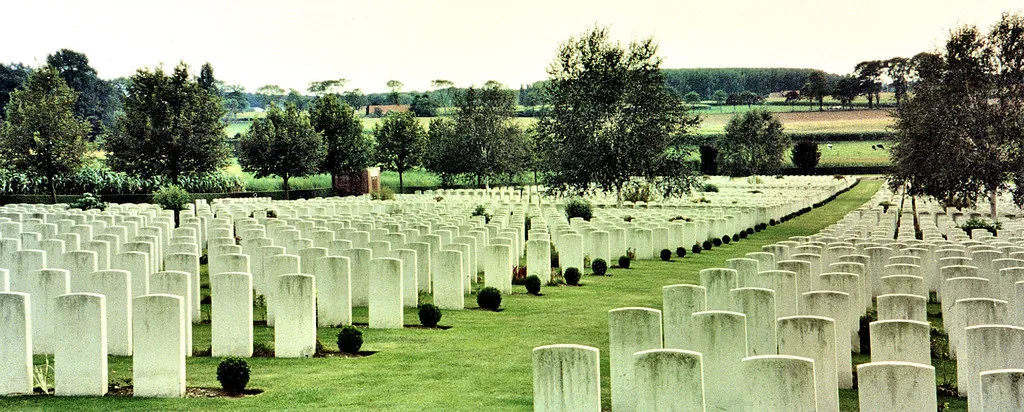
Turning a record into a visit in Europe
Find the cemetery on its CWGC page, then map the route from the nearest town. Rural cemeteries may have no public transport. A taxi or rental car is often the practical choice. For a French cemetery, our guide to Commonwealth War Graves in France: Visiting Guide covers the route planning. Local help in the Somme is available from Somme Tourism. If your result is a very large cemetery, see our list of the Largest Commonwealth War Cemeteries in Europe. Match the service named in the record to the right guide below.

| Factor | Single-grave visit | Multi-site day |
|---|---|---|
| Access | One cemetery, often on a rural road | Several sites, so check each road and parking spot |
| Transport | Taxi or car from the nearest station | Car is usually simpler; rail rarely links the sites |
| Time | Short, with time to stay at the grave | Allow for driving between stops |
| Before you go | Reference and a map pin | References for every site and a fixed order of stops |
- Canadian service: Canadian War Sites in Europe: Vimy, Normandy and More.
- Australian service: Australian War Sites in Europe: Western Front Guide.
- New Zealand service: New Zealand Memorials in France: Le Quesnoy & Where to Visit.
- Indian service: Neuve-Chapelle Indian Memorial: Visitor Guide & Context.
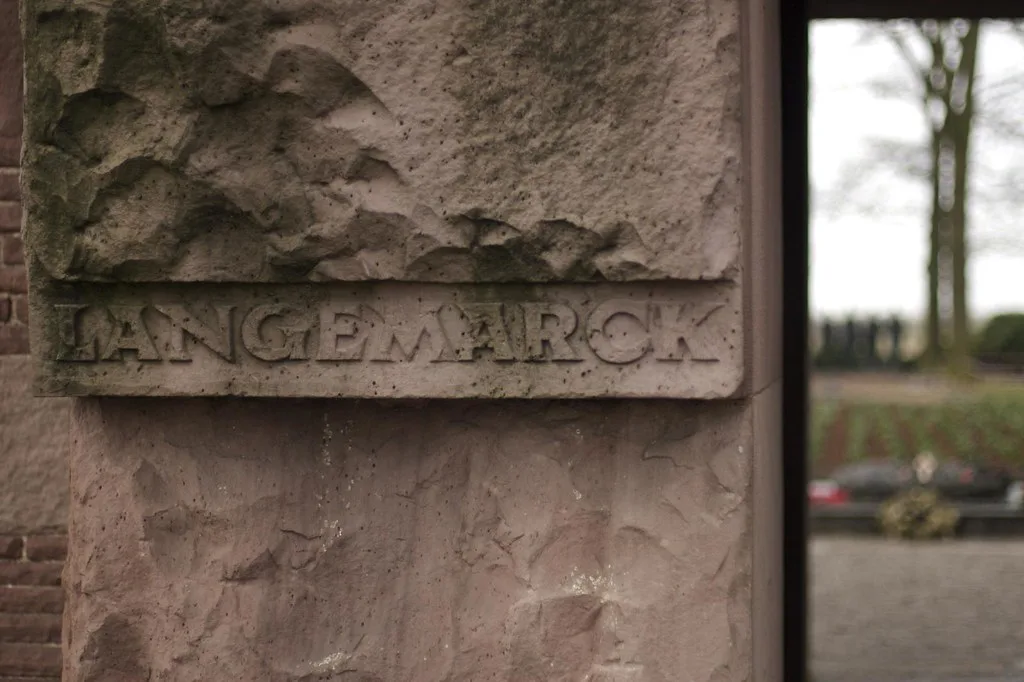
Etiquette and what to bring
Bring the grave or panel reference as a printout or phone note. Cemeteries are places of mourning, so keep voices low and stay on the paths. Photographs of the grave are generally fine. Keep other visitors out of the frame. Flowers or a wreath are a personal choice. Our guide to Laying a Wreath at a War Grave: A Visitor's Guide explains how to do it respectfully. Follow any rules posted at the entrance.
Keep planning
Guides on the same trip