Neuve-Chapelle Indian Memorial: Visitor Guide & Context
Neuve-Chapelle Indian Memorial guide: who it honours in northern France, how it differs from Villers-Guislain, and how to plan a respectful visit.
In this guide
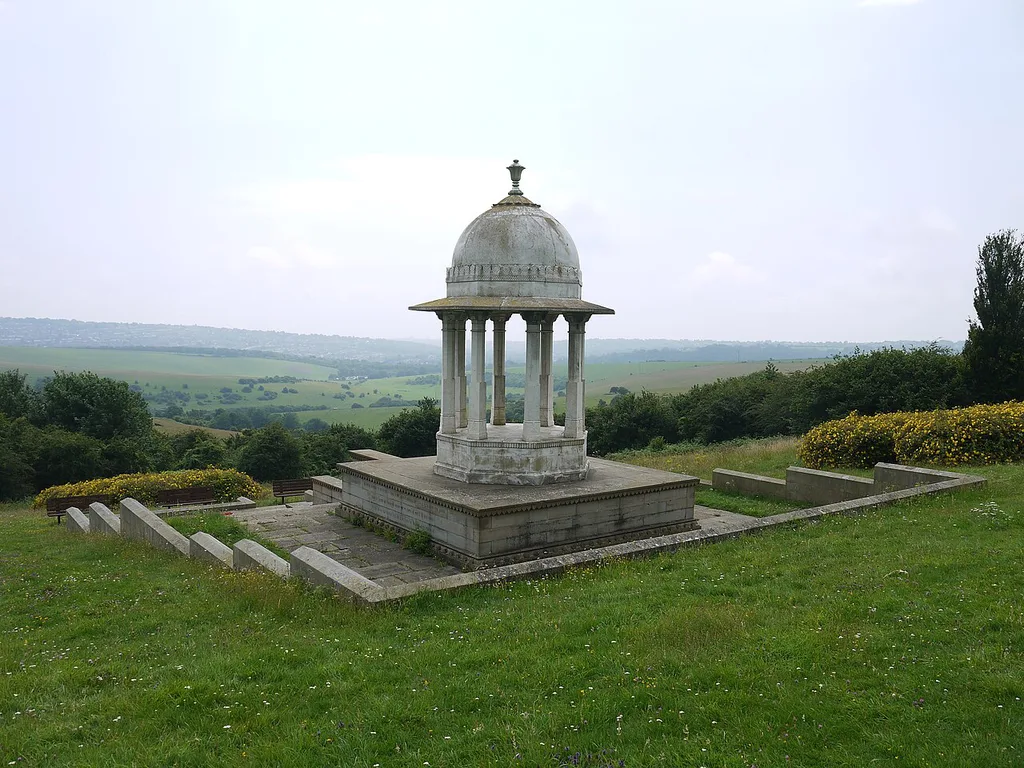
Last updated November 2026: the Neuve Chapelle Indian Memorial in Pas-de-Calais commemorates Indian soldiers who died on the Western Front and have no known grave. It is run by the Commonwealth War Graves Commission (CWGC), which makes it a place of mourning as well as a stop on a northern France itinerary.
Featured image: quinet, CC BY 2.0, via Flickr.
Neuve-Chapelle Indian Memorial: what it is and what it isn't
At Neuve-Chapelle, remembrance centres on the missing, meaning those without a known grave. Do not confuse this CWGC memorial with India's national memorial at Villers-Guislain, also in France. An IANS news report dated 25 October 2018 placed Villers-Guislain about 200 km (124 miles) from Paris. It described a project backed by the Indian government through the United Service Institution of India (USI), with unveiling expected the following month. Check its current access separately. That report also mentions an Indian national memorial at Ypres in Belgium, which falls outside this guide.
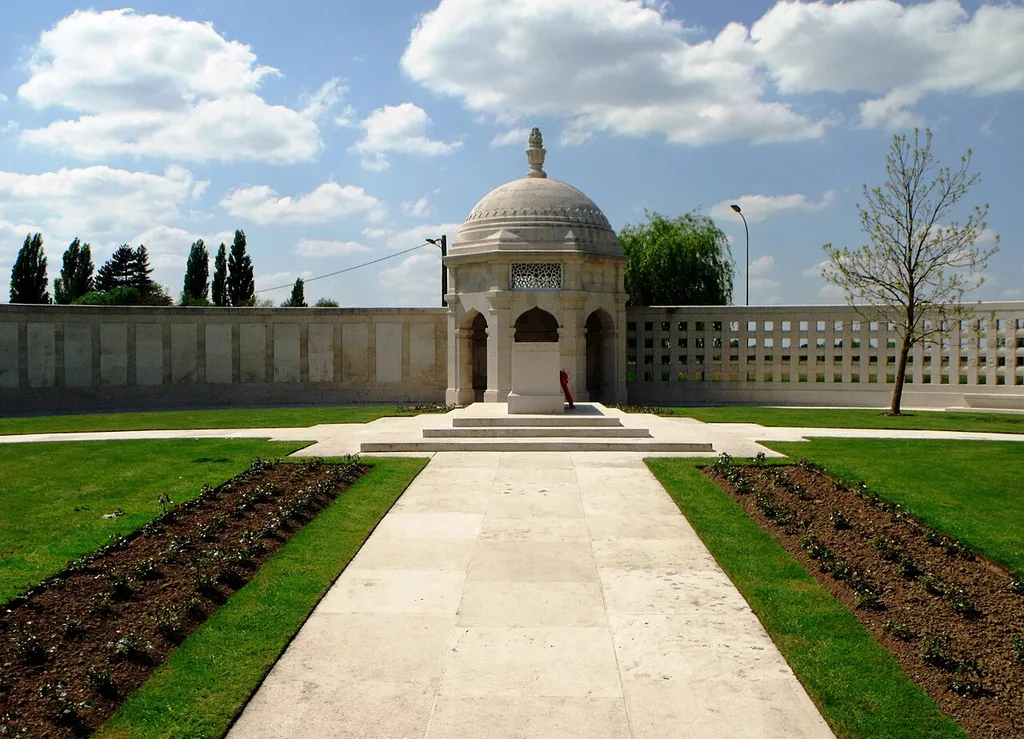
- Neuve-Chapelle: the CWGC memorial to Indian soldiers of the Western Front who have no known grave.
- Villers-Guislain: a separate Indian national memorial project.
- Design caution: the planned bronze Ashoka Chakra, French plaque and bronze marigold wreath were reported for Villers-Guislain, not Neuve-Chapelle.
Why it matters: the Indian Corps in 1914–15
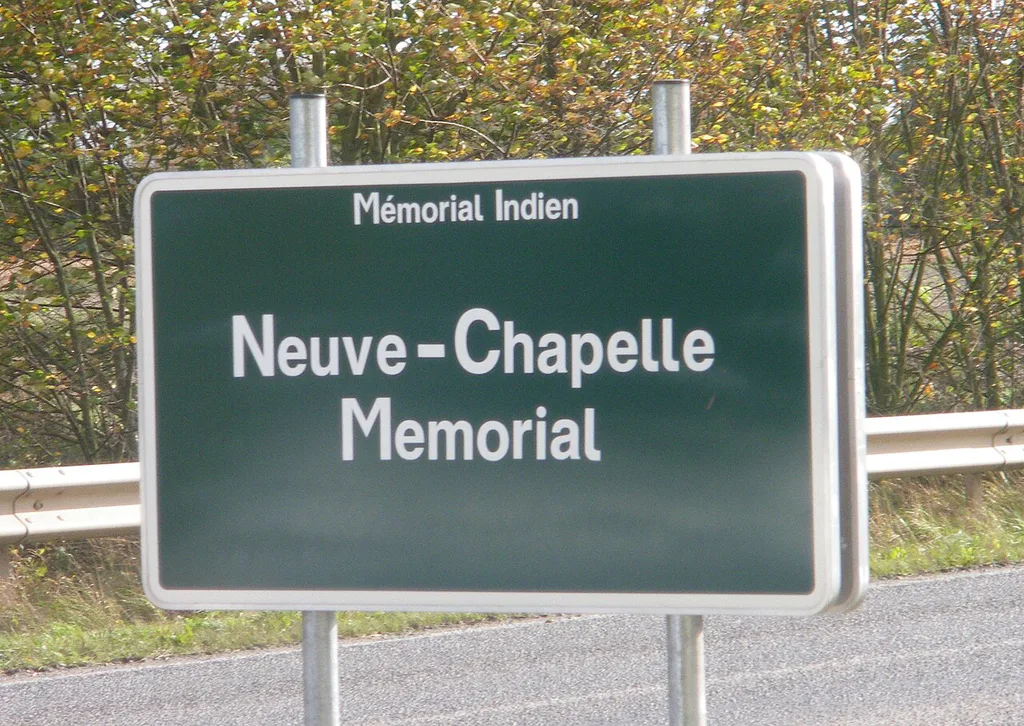
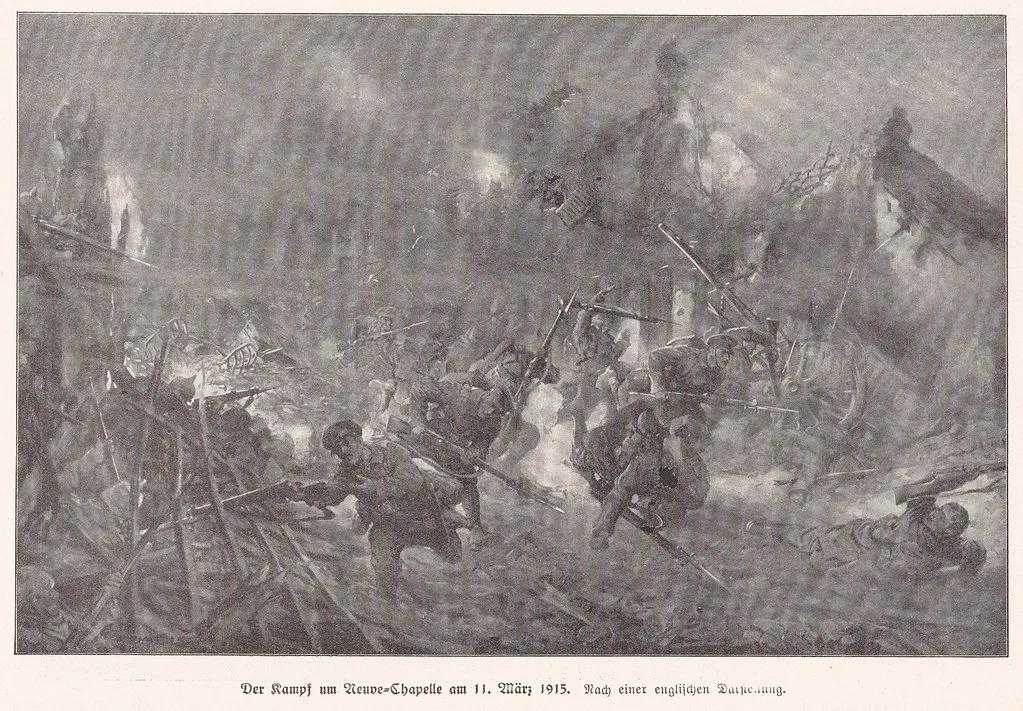
Soldiers of the Indian Corps served on the Western Front in 1914–15, far from home. Their service included the Battle of Neuve-Chapelle in March 1915. This memorial's remembrance of the missing gives family historians and other visitors a specific place to reflect on that service. For wider background on the commission's work, read about 6 Commonwealth War Graves Sites in France to Visit First. We'd read a short account of the battle before travelling, so the visit has context beyond a name on a map.
Visiting: access, conduct and what to expect
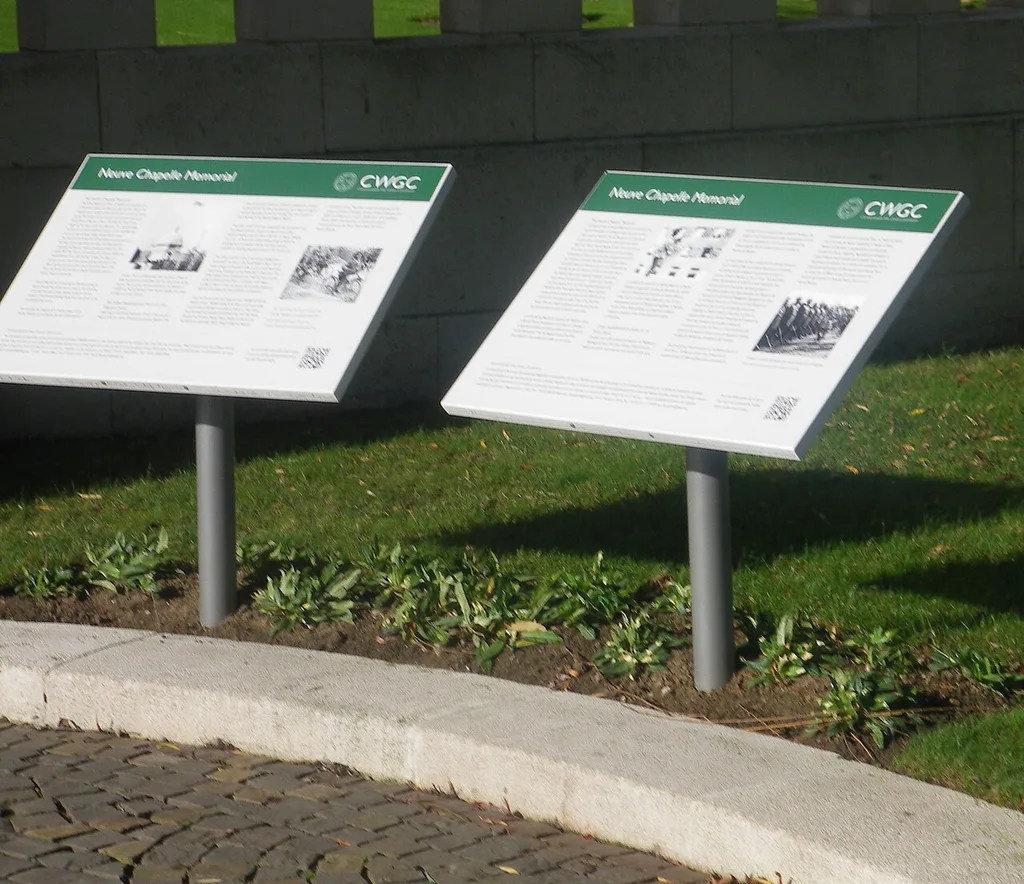
Before setting out, check the CWGC's page for this memorial for access arrangements, visitor guidance and any temporary restrictions. We wouldn't plan around toilets, staff, shelter or on-site parking unless an official notice confirms them. Treat entry costs the same way and rely only on official information. In our judgement, daylight and enough unhurried time matter more than fitting in another stop. Bring clothing suited to the forecast. Keep voices low, give mourners space and follow any posted conduct rules.
Getting there and combining Western Front stops
Choose between a focused memorial visit and a half-day Western Front loop. Our pick for a family-history trip is the focused visit, because it leaves room to find a name and pause. A loop gives broader context but adds navigation and less time at each place. Compare current routes from your base, such as Lille, Arras, Béthune or Armentières, before choosing. Use our guide to war graves in France to shortlist other places of remembrance. For scale, compare them with the Largest Commonwealth War Cemeteries in Europe. If your route continues into the Somme, Somme tourism information is a starting point for that separate leg.
Villers-Guislain sits about 200 km (124 miles) from Paris, so treat it as a separate trip rather than a stop on a Neuve-Chapelle loop.
- Focused visit: better for a personal connection, a tight schedule or a quiet act of remembrance.
- Half-day loop: better for wider First World War context, provided you have transport between stops.
- Public transport: work out the outward trip, final approach and return before leaving your base.
Finding a name and paying respects
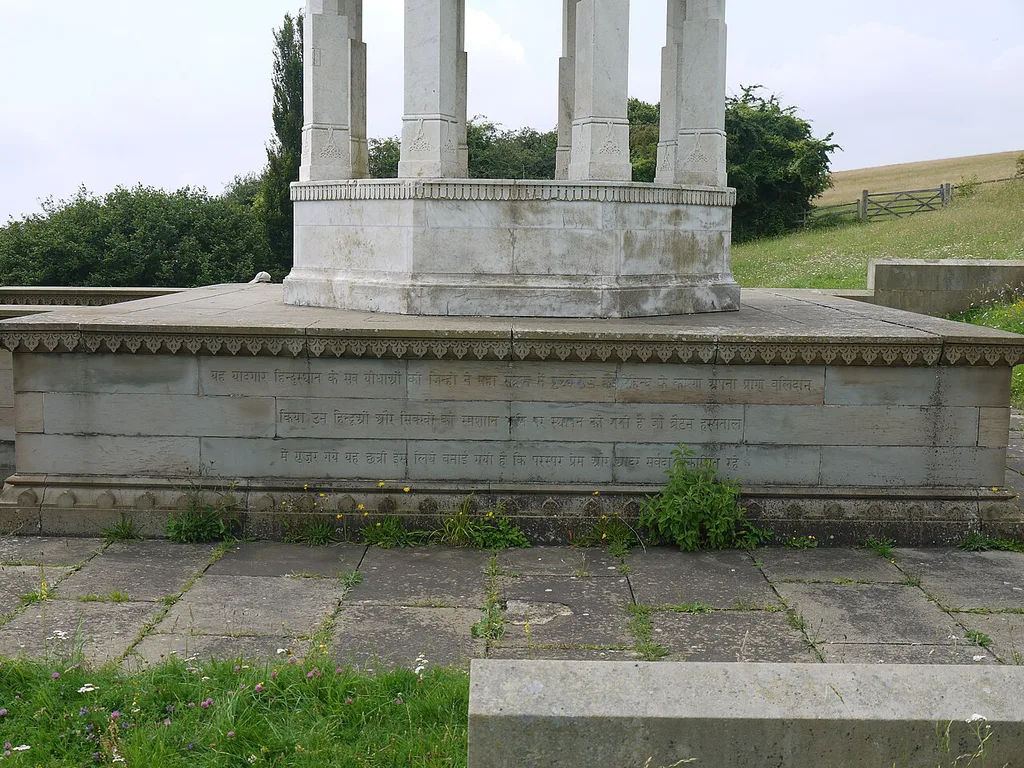
Start a relative's search before the journey. Our guide explains how to search CWGC war dead records. Match the person's details with family papers, then note where the record says they are commemorated. Similar names can make a surname alone unreliable. If you plan to leave flowers, check site rules first and read about laying a war grave wreath. You may know the poppy through the Royal British Legion's remembrance work. In the 2018 report, Rana Chhina of the USI's military history research centre described a proposal for marigolds to join it as an Indian remembrance symbol.
Marigold ideas trace to a 25 October 2018 report, so check current plans before you bring any floral tribute.
- Take the person's full name and any service details your family holds.
- Save the commemoration record to your phone or print it.
- Photograph discreetly, especially when other visitors are paying respects.
Other Indian and wider Commonwealth remembrance sites
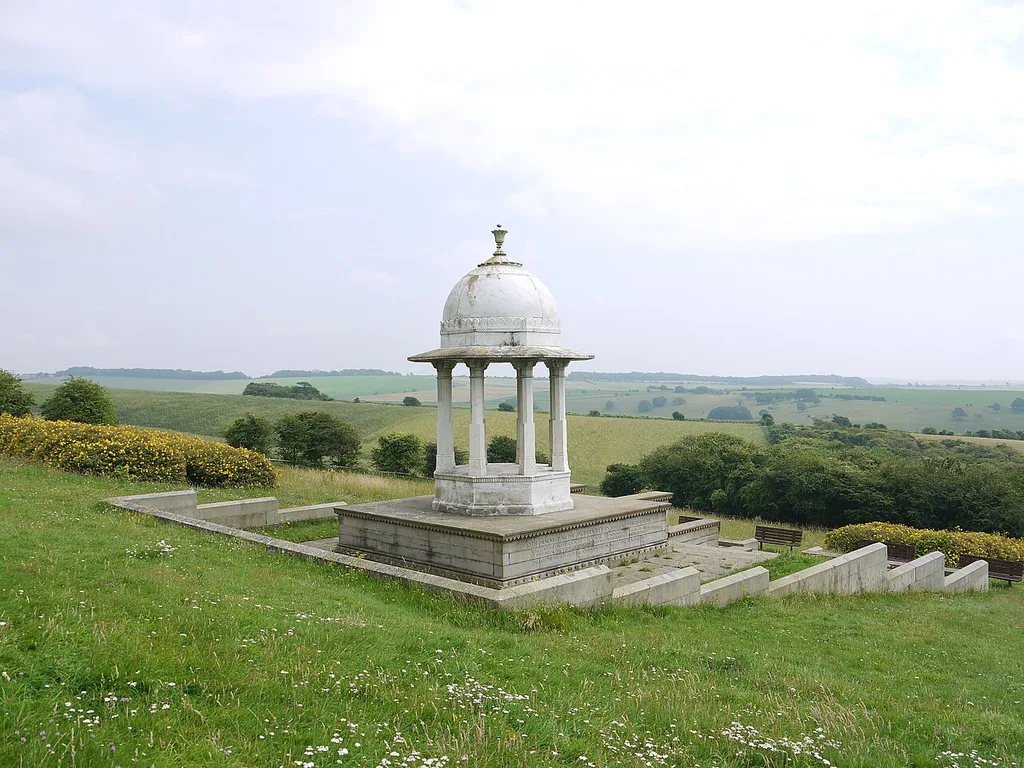
For an Indian remembrance journey, keep Neuve-Chapelle and Villers-Guislain as separate entries in your plans. Wider Commonwealth interests call for different stops, including museums and interpretive centres. Australian history is the focus at the Sir John Monash Centre. For a Canadian and Second World War thread, consider the Juno Beach Centre as a separate Normandy visit.
| Site | Country | Who or what it remembers | What makes it distinct | Where to check |
|---|---|---|---|---|
| Neuve-Chapelle Memorial | France | Indian soldiers of the Western Front with no known grave | CWGC memorial to the missing | CWGC |
| Indian national memorial, Villers-Guislain | France | Indians who served in the First World War | National memorial, separate from the CWGC site | USI |
| Sir John Monash Centre | France | Australian service on the Western Front | Interpretive centre | Sir John Monash Centre |
| Juno Beach Centre | France | Canadian service in the Second World War | Museum and cultural centre | Juno Beach Centre |
- Canadian family or study routes: Canadian wartime places in Europe.
- Australian routes: Australian wartime places in Europe.
- New Zealand routes: New Zealand wartime places in Europe.
Who should include Neuve-Chapelle, and who might skip it
We'd give this memorial priority when Indian service or a named relative shapes your journey. Travellers with only a loose interest may prefer to skip a rushed detour and choose a stop they can give proper attention. School and community groups should settle transport, supervision and respectful behaviour before arrival.
- Family-history visitor: include it after matching your relative to a commemoration record; allow quiet time.
- Western Front day-tripper: include it when the route works without squeezing the visit.
- School group: prepare students with the Indian Corps context and check official group guidance.
- Indian-diaspora visitor: consider it for a focused act of remembrance, with Villers-Guislain planned as a separate destination.
- Time-pressed city visitor: skip it if the return journey would leave no time to pause.
Mistakes to avoid before you go
Most planning errors here begin with treating similarly named memorials as one place. Save the correct map destination, then check it against CWGC information. For casualty totals, use the commission's records instead of an unattributed photo caption or social media post.
- Don't navigate to Villers-Guislain when you intend to visit Neuve-Chapelle.
- Don't assume that facilities or step-free access are available.
- Don't leave your relative's record search until you are standing at the memorial.
- Don't treat the memorial as a quick photo stop while others are mourning.
Keep planning
Guides on the same trip