Largest Commonwealth War Cemeteries in Europe
Which Commonwealth war cemetery is the largest? Learn how CWGC size is measured, compare big cemeteries in France, Germany and Italy, and visit respectfully.
In this guide
Last updated November 2026: the largest commonwealth war cemetery depends on what you count, because burials, identified graves, names on a wall and ground area give different answers. By burials, Tyne Cot in Belgium is the cemetery most often named, and it sits outside this site's coverage. For France, Germany and Italy, Etaples, Reichswald Forest and Cassino are the large cemeteries to compare, and the Commonwealth War Graves Commission (CWGC) publishes the exact figure for each.
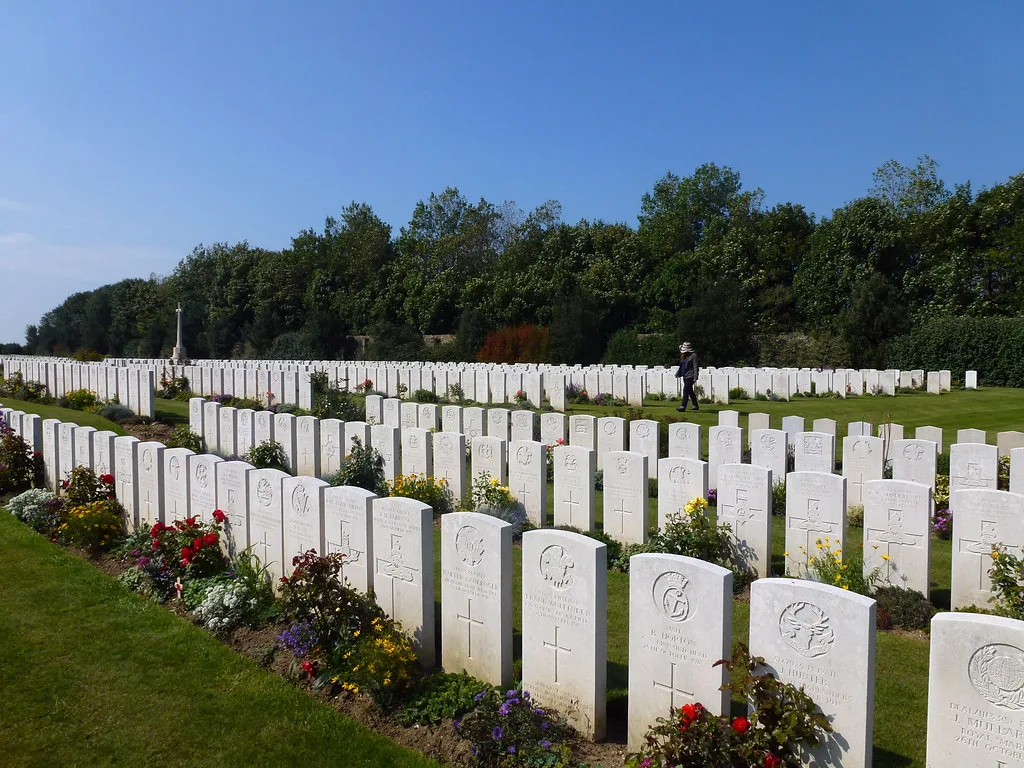
Featured image: Peter2010, CC BY 2.0, via Flickr.
The short answer: which is the largest cemetery?
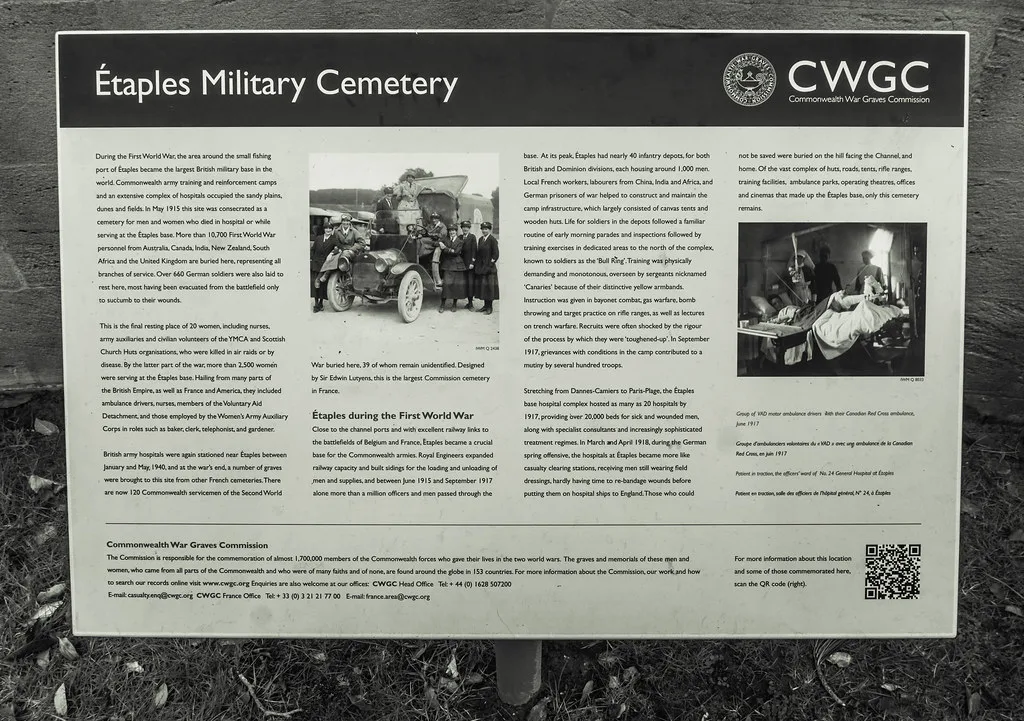
By number of burials, Tyne Cot in Belgium is the name you will meet most often. Belgian sites are covered elsewhere, so this guide looks at the large cemeteries in France, Germany, Italy and the Netherlands. Etaples Military Cemetery in France is the main WWI candidate. Reichswald Forest War Cemetery in Germany and Cassino War Cemetery in Italy are the main WWII candidates. Burial totals are revised as CWGC research continues, so read the current count on each cemetery's CWGC page before quoting it. Our Commonwealth war graves guide explains how the Commission cares for these sites.
How "largest" is measured
A cemetery can lead on one measure and trail on another. Burials count every grave, identified or not. Identified graves exclude headstones marked as unknown. Names on a memorial wall are a separate count of the missing. Physical area is a fourth measure, and it does not track burial numbers. This guide ranks by burials, because that is the figure CWGC publishes on every cemetery page. CWGC covers deaths within two qualifying periods: 4 August 1914 to 31 August 1921 for WWI, and 3 September 1939 to 31 December 1947 for WWII.
The biggest Commonwealth war cemeteries to compare
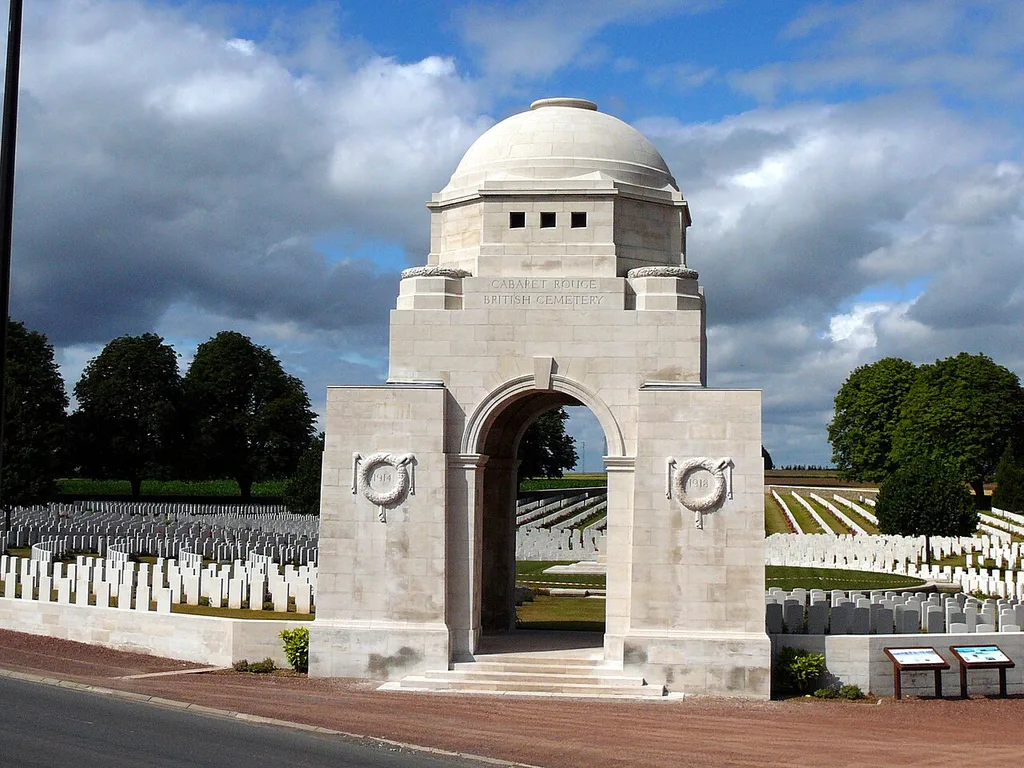
The table lists the large cemeteries in our coverage area. We have left burial counts out on purpose. Read each current figure on the cemetery's CWGC page, since totals change as records are corrected.
| Cemetery | Country | War | Why it matters | Where to check the count |
|---|---|---|---|---|
| Etaples Military Cemetery | France | WWI | Large hospital-era burial ground in Pas de Calais | CWGC cemetery page |
| Reichswald Forest War Cemetery | Germany | WWII | Large Commonwealth cemetery in Germany | CWGC cemetery page |
| Cassino War Cemetery | Italy | WWII | Large Italian campaign cemetery | CWGC cemetery page |
| Mook War Cemetery | Netherlands | WWII | Dutch cemetery linked to the 1944 Rhine campaign | CWGC cemetery page |
- For the Somme and Pas de Calais cemeteries, start with our Commonwealth War Graves in France: Visiting Guide guide.
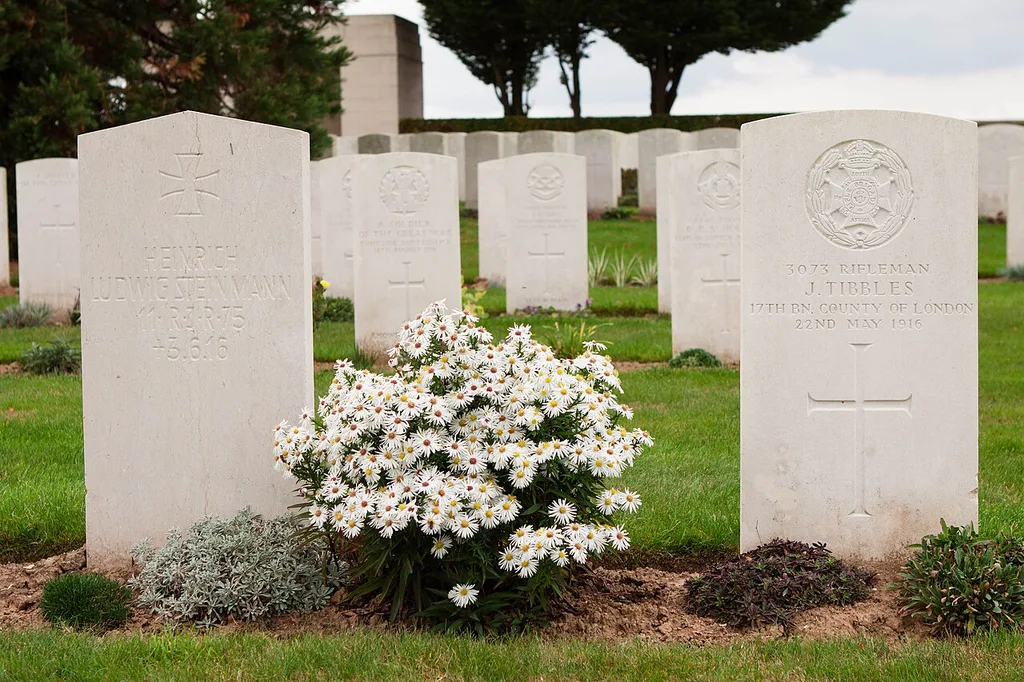
Cemeteries vs memorials to the missing
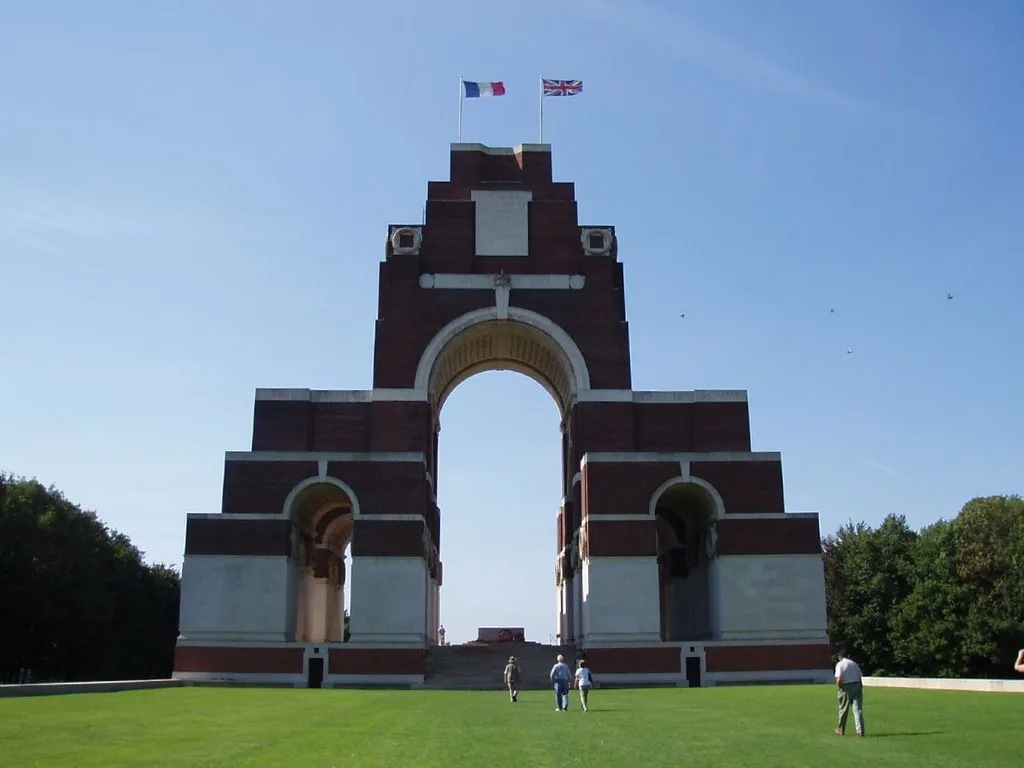
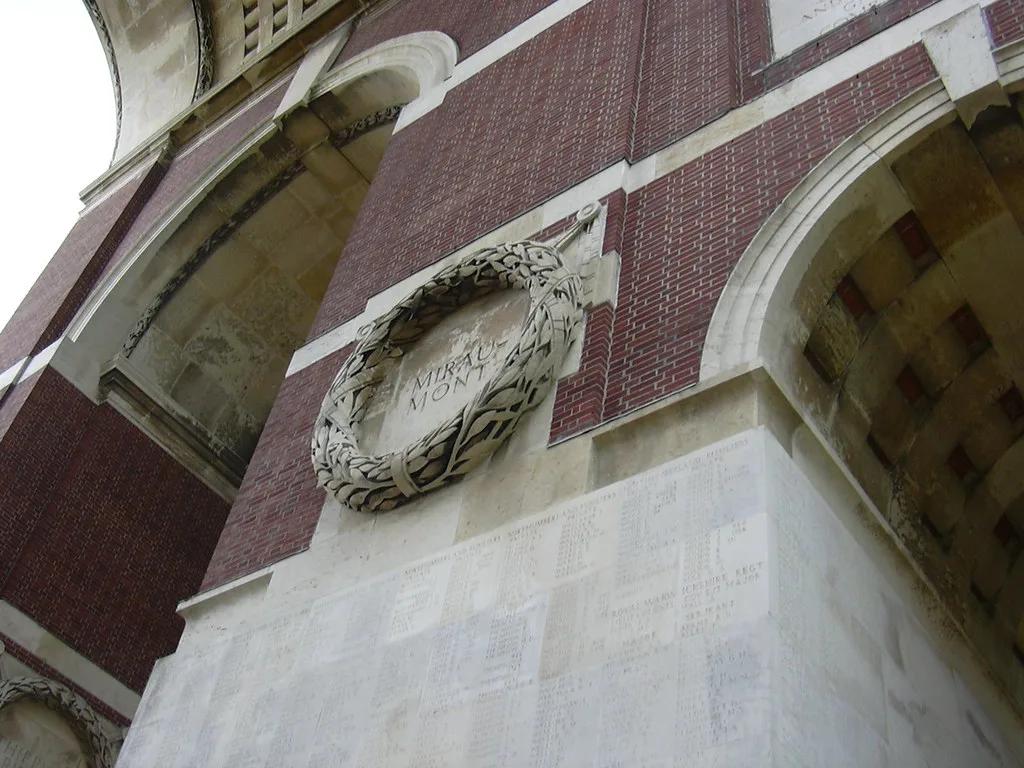
A cemetery holds graves. A memorial to the missing lists names of people with no known grave. Thiepval Memorial on the Somme, Arras Memorial and Vimy Memorial in Pas de Calais are memorials, not cemeteries. A single memorial can carry more names than a cemetery has burials. Comparing the two gives a misleading ranking. For the Somme, Somme Tourism lists visitor information for the area.
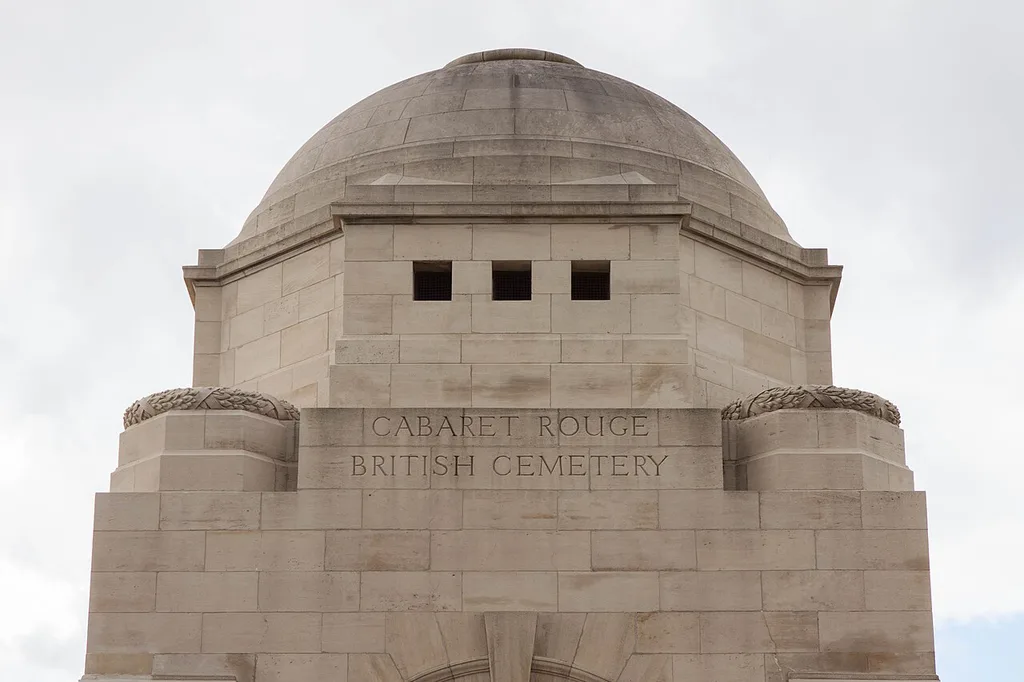
Which one should you visit?
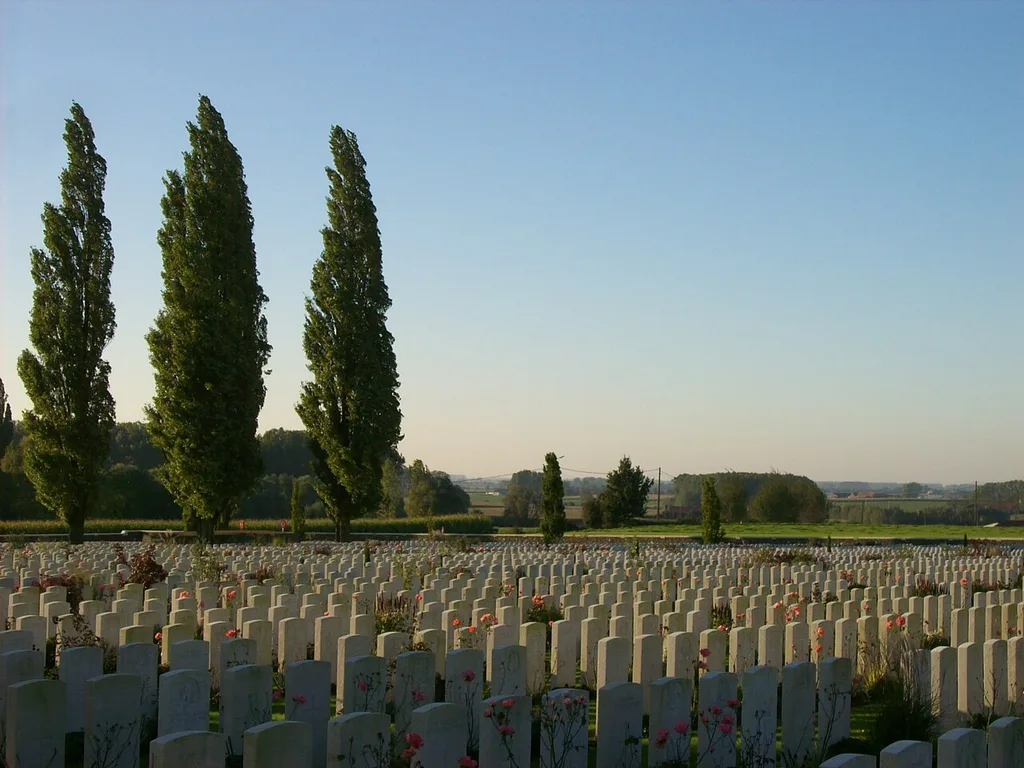
Start with the person you are remembering, then choose by war, region and how you will travel. A small village plot near your base can mean more than a large cemetery two hours away.
- Canadian ancestor: read Canadian War Sites in Europe: Vimy, Normandy and More.
- Australian ancestor: read Australian War Sites in Europe: Western Front Guide.
- New Zealand ancestor: read New Zealand Memorials in France: Le Quesnoy & Where to Visit.
- Indian soldier: read Neuve-Chapelle Indian Memorial: Visitor Guide & Context.
- WWI: Etaples and the Somme and Arras cemeteries are the main areas to consider.
- WWII: Reichswald Forest, Cassino and Mook are the large cemeteries listed above.
- Without a car: pick a cemetery near a train station, or book a guided tour.
Practical visit logistics
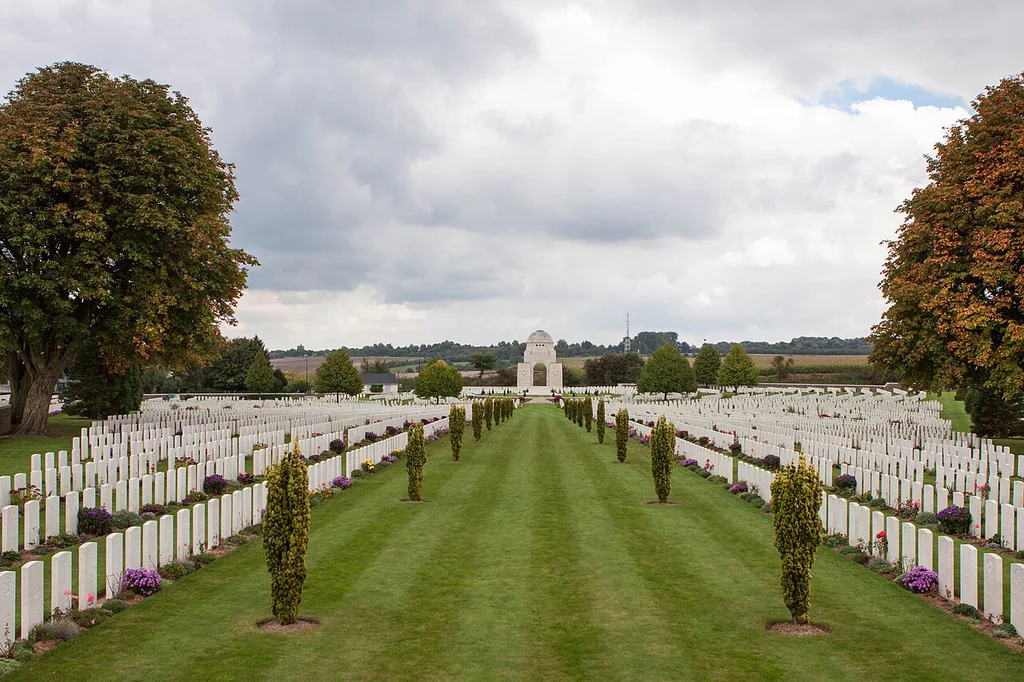
CWGC cemeteries are generally free and open to the public. Opening hours and visitor-centre times differ by site, so read the cemetery's CWGC page. Allow at least 1 hour for a large cemetery and more if you are searching for a named grave. Small cemeteries often have no toilets, cafés or car parks. Wear waterproof footwear, because paths and lawns can be wet. Winter daylight is short, so plan your visit for the middle of the day. Stay on the paths, and keep other stops on the same day to a minimum.
Visiting with respect
Keep your voice low and do not walk across graves. Photograph headstones without moving flowers or objects left by others. To find a named grave, search the CWGC records through our guide to finding war dead. The record gives the cemetery, plot and grave reference. If you plan a tribute, read wreath etiquette at a war grave first. The Royal British Legion is one route for poppy tributes.
Common mistakes to avoid
Do not treat a memorial name count as a burial count. Do not rely on a single "largest" figure from a blog or photo caption, because CWGC revises its records. Avoid booking too many sites in one day. Do not expect visitor facilities at a small village cemetery, and carry water and a printed grave reference.
Frequently Asked Questions
How many Commonwealth War graves are there?
CWGC cares for graves and commemorations of those who died in the two world wars, within the qualifying periods of 4 August 1914 to 31 August 1921 and 3 September 1939 to 31 December 1947. The current total is published on the CWGC website and is updated as research continues.
Keep planning
Guides on the same trip