New Zealand Memorials in France: Le Quesnoy & Where to Visit
Plan a New Zealand memorial visit in France: Le Quesnoy, Cité Bonjean in Armentières, other memorials to the missing, soldier searches and etiquette.
In this guide
Last updated November 2026: for a New Zealand memorial in France, start at Le Quesnoy, the walled town New Zealand troops liberated on 4 November 1918. Its memorial is on the ramparts, while memorials to missing New Zealand soldiers, including Caterpillar Valley, belong to a separate group in war cemeteries.
Featured image: bishib70, CC0 1.0, via Flickr.
Which New Zealand memorial in France should you visit?
Choose Le Quesnoy for the story of the town's liberation in 1918. Choose a memorial to the missing if you are following a named soldier or want to remember those listed there. Cité Bonjean in Armentières, for example, carries 47 names. Our guide to Commonwealth war graves gives the wider background.
| Site | What it commemorates | Location for planning | Best suited to |
|---|---|---|---|
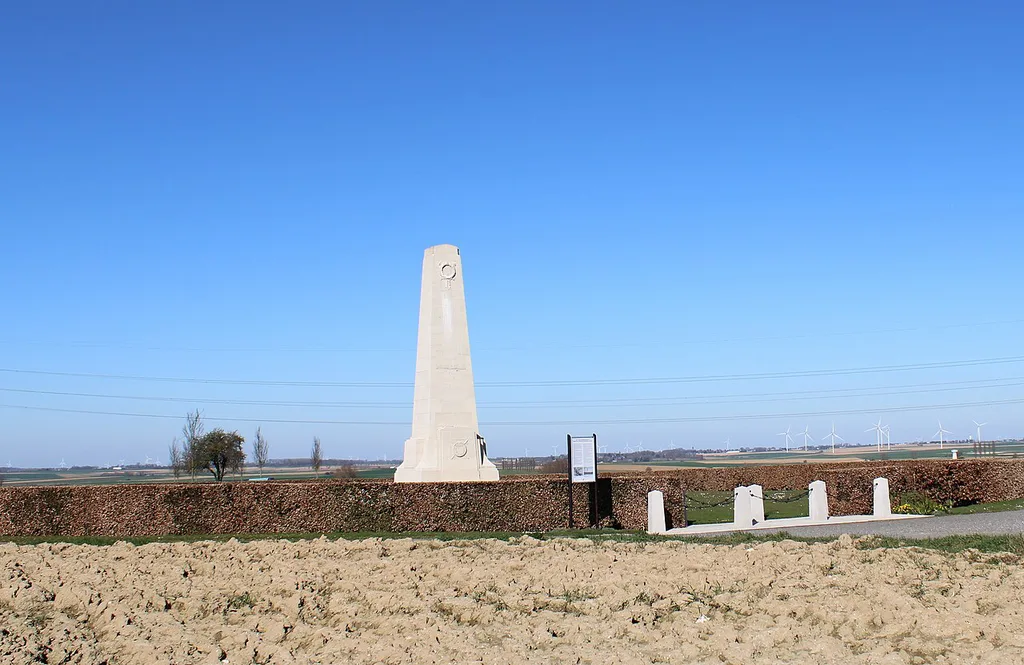
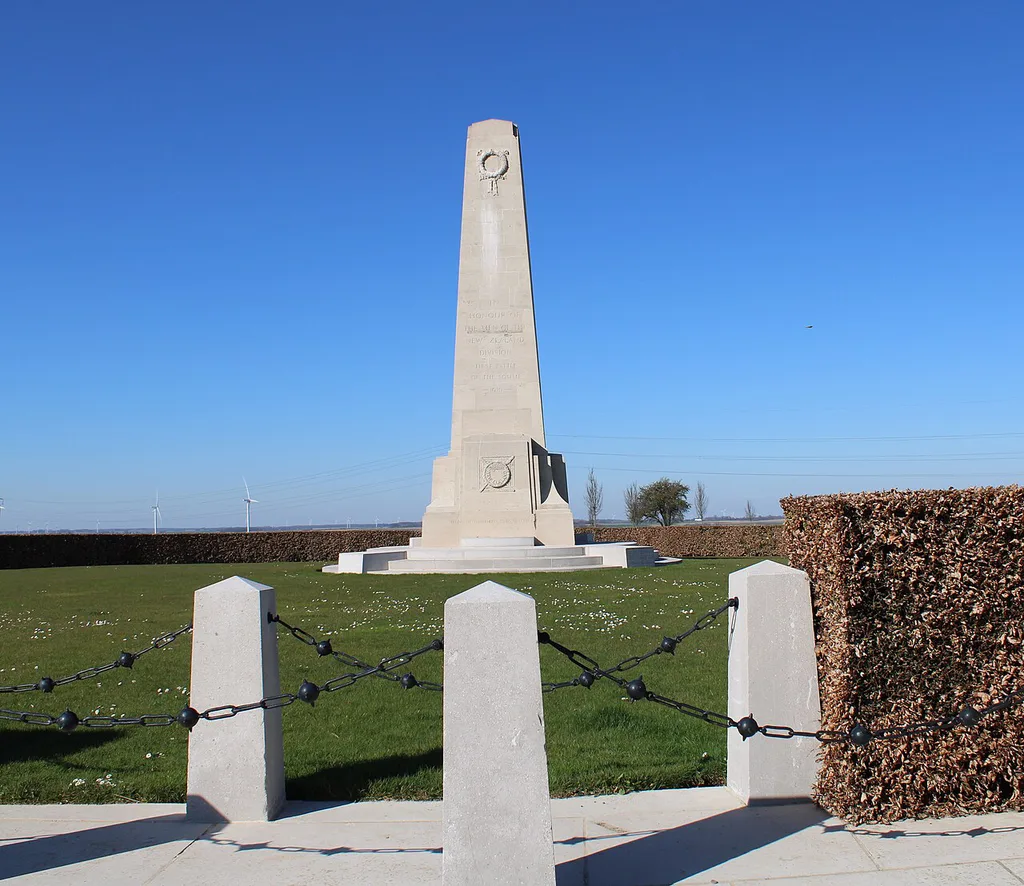
| Le Quesnoy New Zealand Memorial | New Zealand's liberation of the town | Le Quesnoy, Nord | Visitors following the 1918 town story |
| Cité Bonjean (New Zealand) Memorial | Missing New Zealand soldiers of the First World War | Armentières, Nord | Families and cemetery visitors |
| Caterpillar Valley (New Zealand) Memorial | Missing New Zealand soldiers | See its CWGC record | Visitors tracing a name recorded there |
| Marfaux (New Zealand) Memorial | Missing New Zealand soldiers | See its CWGC record | Visitors tracing a name recorded there |
| Grevillers (New Zealand) Memorial | Missing New Zealand soldiers | See its CWGC record | Visitors tracing a name recorded there |
| Arras Memorial | Listed among memorials to New Zealand's missing | See its CWGC record | Visitors whose search leads to Arras |
Le Quesnoy New Zealand Memorial
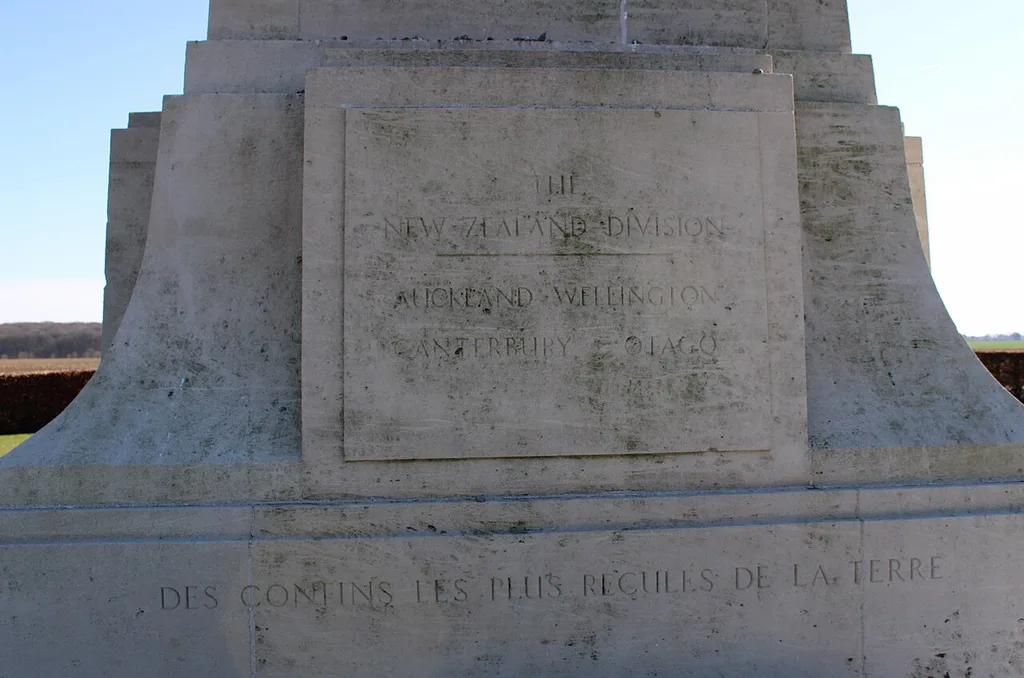
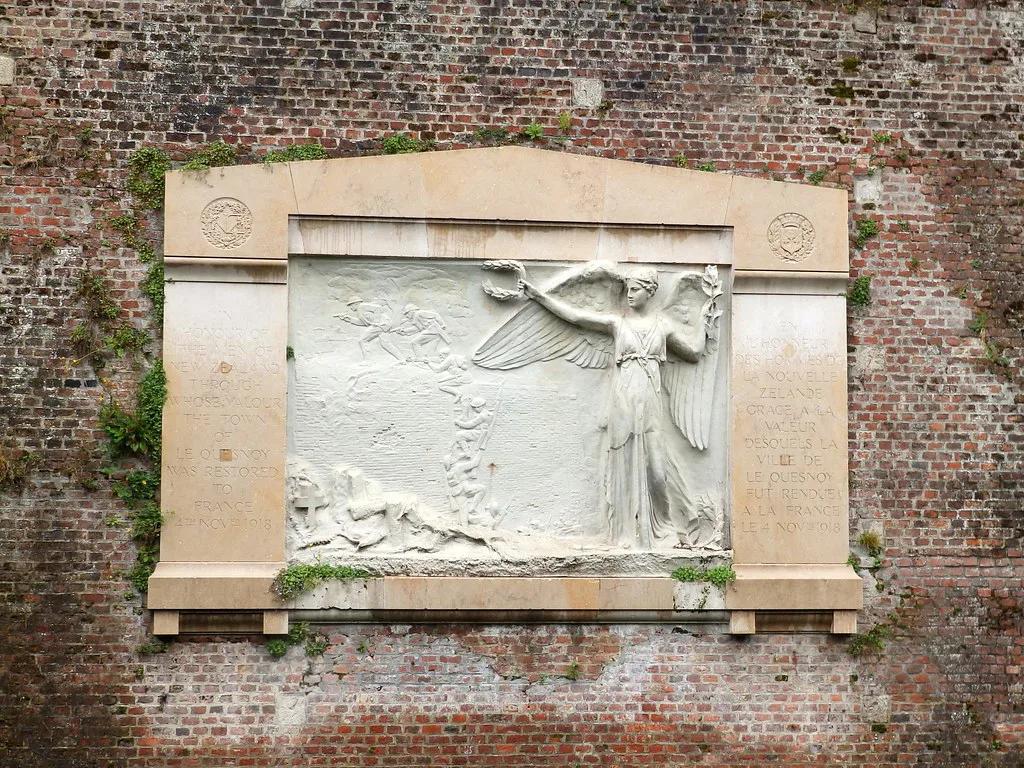
On 4 November 1918, New Zealand troops got past the fortifications built by Vauban with the help of a wooden ladder. That scene appears on the memorial mounted on the ramparts. A fern, a New Zealand national emblem, grows at its foot. Hauts-de-France Tourisme lists the site as a place of remembrance on Avenue des Néo-Zélandais, 59530 Le Quesnoy. This stop suits you if you want to connect a specific wartime action with the defences where it is commemorated.
- Navigation address: Avenue des Néo-Zélandais, 59530 Le Quesnoy.
- Telephone given in the regional tourism listing: +33 3 27 20 54 70.
- Visitor website given in that listing: www.tourisme-avesnois.com.
- Town information: Le Quesnoy's town website.
Cité Bonjean (New Zealand) Memorial, Armentières
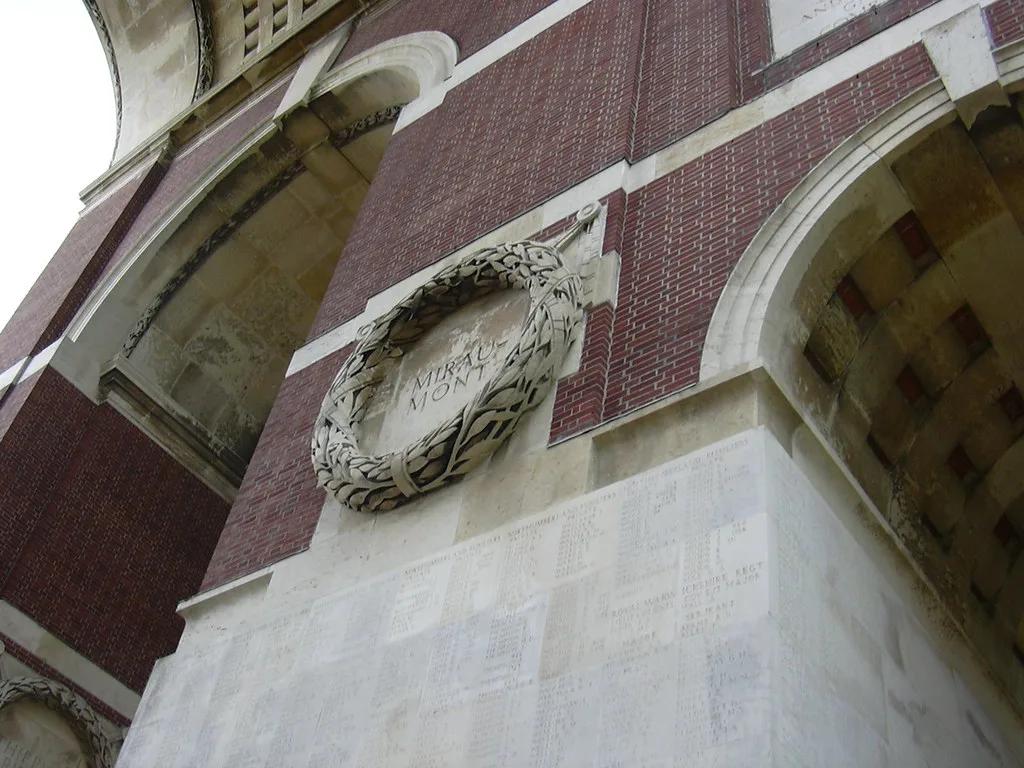
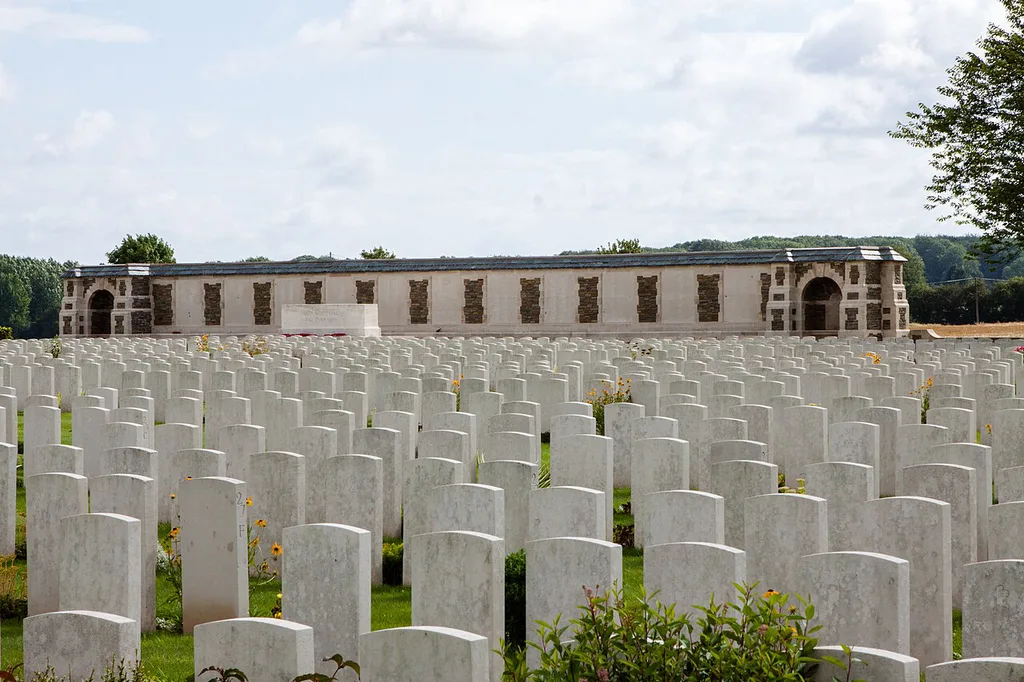
At the north-western edge of Cité Bonjean Military Cemetery, Herbert Baker's semicircular memorial is built from brick and stone. Its 4 white stone panels name 47 New Zealand soldiers with no known grave who died in the Armentières area. Their deaths date from July 1916 to June 1917, with 1 further death in April 1918. Unlike the Le Quesnoy memorial, with its liberation scene, this is a place to read names within a military cemetery. The Commonwealth War Graves Commission (CWGC) maintains both the memorial and the cemetery. Allow quiet time here, especially if other visitors are beside the panels.
Other New Zealand memorials to the missing
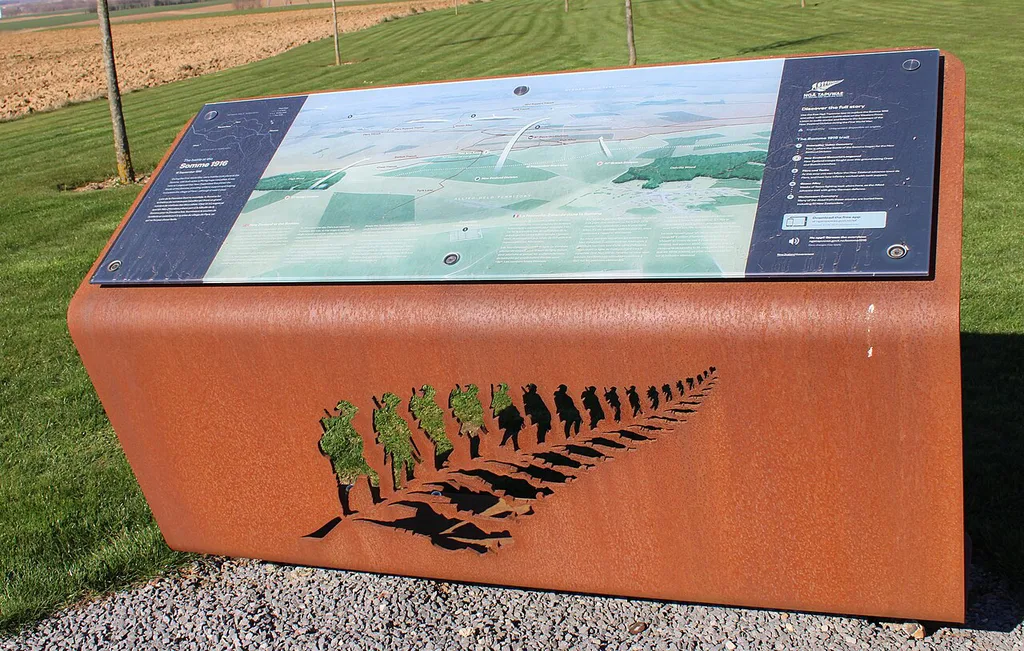
Cité Bonjean is described as 1 of 8 memorials to New Zealand's missing on the Western Front, all within existing cemeteries. That total reaches into Belgium, so it is not a count for France alone. For a French route, the names to research alongside Armentières are Caterpillar Valley, Marfaux, Grevillers and Arras. Match your soldier to the correct memorial before choosing among them. These names are not interchangeable stops on a single list of the dead. For broader cemetery planning, see our French Commonwealth cemeteries guide. Readers interested in scale can also compare the Largest Commonwealth War Cemeteries in Europe.
Planning your memorial route
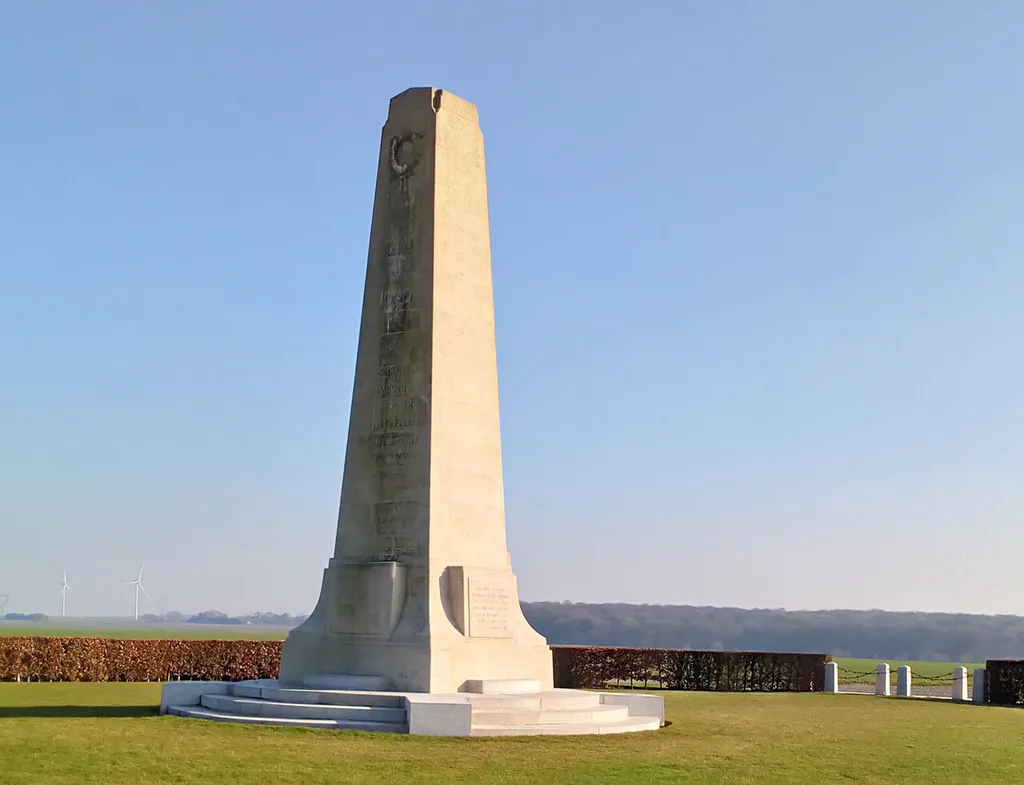
Le Quesnoy, with its 59530 postcode, and Armentières are both in the Nord department. A shared department does not make them neighbouring stops. Before putting both into 1 day, map the full journey from your overnight base and back. Leave enough time at each memorial, rather than planning only the transfers.
- One-site visit: choose Le Quesnoy for the liberation story, or Cité Bonjean for its 47 named soldiers.
- Two-site day: consider Le Quesnoy and Armentières only if the mapped journey leaves an unhurried visit at both.
- Family research trip: build the route around the cemetery or memorial in your relative's record.
- Further stops: plan Caterpillar Valley, Marfaux, Grevillers and Arras separately until you have mapped each location.
- By car: save each exact destination and look for lawful parking before setting out.
- By train: check the rail operator's timetable, then plan the final journey from the station in both directions.
- Short trip: skip any added memorial that would turn your main visit into a rushed photo stop.
Costs, access and opening details
No admission fee, opening schedule, parking tariff or step-free route is established here for these memorials. Check current details with CWGC for cemetery sites and with the town or regional tourist office for Le Quesnoy.
- Mobility: ask about steps, gradients, surfaces and gates, including the approach to the Le Quesnoy ramparts.
- Transport budget: price fuel, tolls, parking or rail fares for your own route.
- Commemorations: for 4 November or Anzac Day, look for the organiser's current public programme before booking travel.
- Season: consider daylight, weather and ground conditions when planning outdoor visits.
Visiting respectfully and tracing a soldier
Begin a family search with the soldier's full name and any service details you already have. Search the Auckland Museum Online Cenotaph, then compare its details with the CWGC casualty record. Our guide explains how to find war dead through CWGC. Save the recorded cemetery or memorial and any panel reference before travelling. Similar names make dates and service details useful for confirming that you have the right person.
At memorials and graves, keep voices low and give mourners space. Stay off memorial structures, follow posted site rules and take your litter away. Photograph discreetly, particularly when families are present. Before bringing a tribute, read about laying a war grave wreath and follow any local restrictions.
Travelers following several national stories can use our Canadian war sites guide. Another route is covered under Australian sites across Europe. We also cover Indian memorials in Europe.
Keep planning
Guides on the same trip