8 Best WW2 Museums in Europe: Which One to Choose
Compare 8 of the best WW2 museums in Europe by focus, display style, visit commitment and access, from Caen and London to Oslo and Jersey.
In this guide
Last updated November 2026: among the best WW2 museums in Europe, start with the Mémorial de Caen for broad context or IWM London for a city break. Pick Bletchley Park for codebreaking or Norway's Resistance Museum for occupation history, because no single museum suits everyone. For places beyond museum galleries, use our guide to WW2 sites across Europe.
Featured image: Alan Stanton, CC BY-SA 2.0, via Flickr.
Best WW2 museums in Europe at a glance
In the table, "main visit" means a broad subject that deserves your day's best block of time. "Focused" means a narrower theme. "City" marks a city base, "onward" a town or village trip, and "island" travel to Jersey. These labels and the display styles are our editorial assessment, not official visit times.
| Museum and location | Best for | Main focus | Display style | Commitment | Access |
|---|---|---|---|---|---|
| Mémorial de Caen, France | First-time context | War and the Battle of Normandy | Story-led | Main visit | City |
| IWM London, England | City breaks | British and global war experience | Objects and personal stories | Main visit | City |
| Bletchley Park, England | Intelligence history | Codebreaking | Historic setting | Main visit | Onward |
| Airborne Museum Hartenstein, Netherlands | One campaign | Battle of Arnhem | Objects and immersive scenes | Focused | Onward |
| National Museum of Military History, Luxembourg | Military detail | Battle of the Bulge | Objects and dioramas | Focused | Onward |
| Bundeswehr Military History Museum, Germany | Long-range questions | German military history and violence | Object-led and thematic | Main visit | City |
| Norway's Resistance Museum, Norway | Resistance history | Occupied Norway | Chronological story | Focused | City |
| Jersey War Tunnels, Jersey | Civilian occupation | German occupation of Jersey | Setting-led and immersive | Focused | Island |
How we chose these museums
Each pick answers a different question. We weighed clarity of explanation, collection or setting, perspective, visitor fit and the effort needed to get there. Our shortlist favors range across campaigns, intelligence, occupation and resistance. It is not a complete survey, and it has no entry for Italy, Spain or Greece. Entry numbers help you compare and do not rank quality. Language provision and admission cost did not decide any place on the list.
8 best WW2 museums in Europe, by what you want to understand
Entries run from broad introductions to campaigns, then national, resistance and occupation perspectives. No prices or opening hours are quoted, so use each museum's official visitor page to check current status, tickets, access and language options.
1. Mémorial de Caen, France: best broad introduction
This Caen museum places D-Day and the Battle of Normandy within a wider account of the war and its consequences. Follow how the route connects political causes, occupation and combat before you reach the Normandy campaign. Its scope earns it our first-timer recommendation, especially if beach names mean little to you so far.
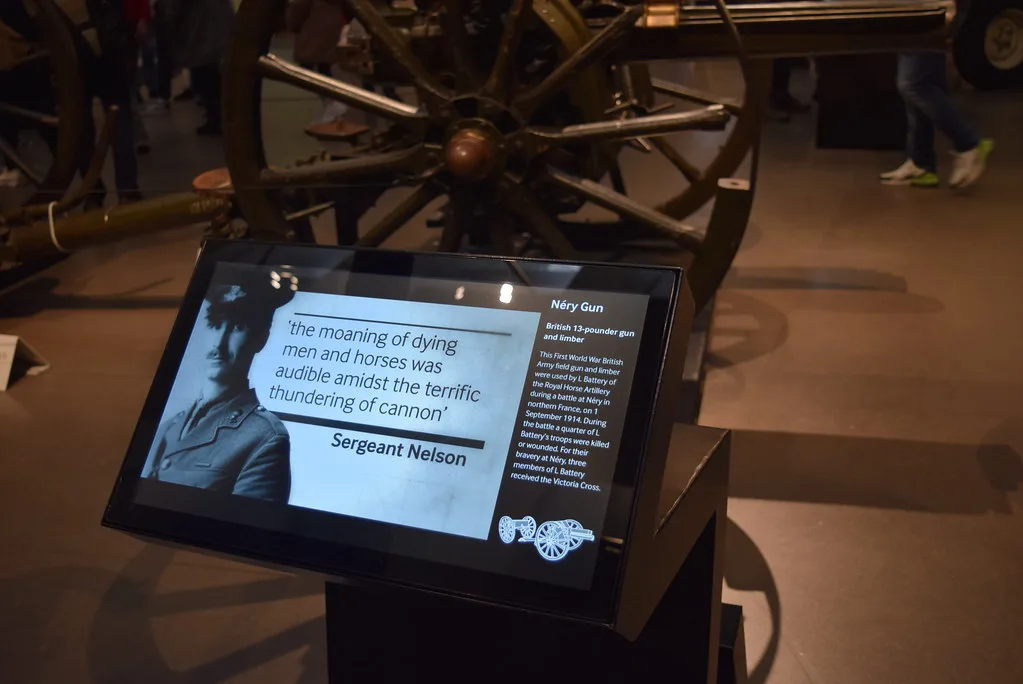
The trade-off is breadth: its coverage also extends beyond the Second World War, which can stretch your attention. Use the Mémorial de Caen official site to plan your route and booking. Specialists seeking only one unit or landing sector may prefer a narrower collection.
2. IWM London, England: best for a city break
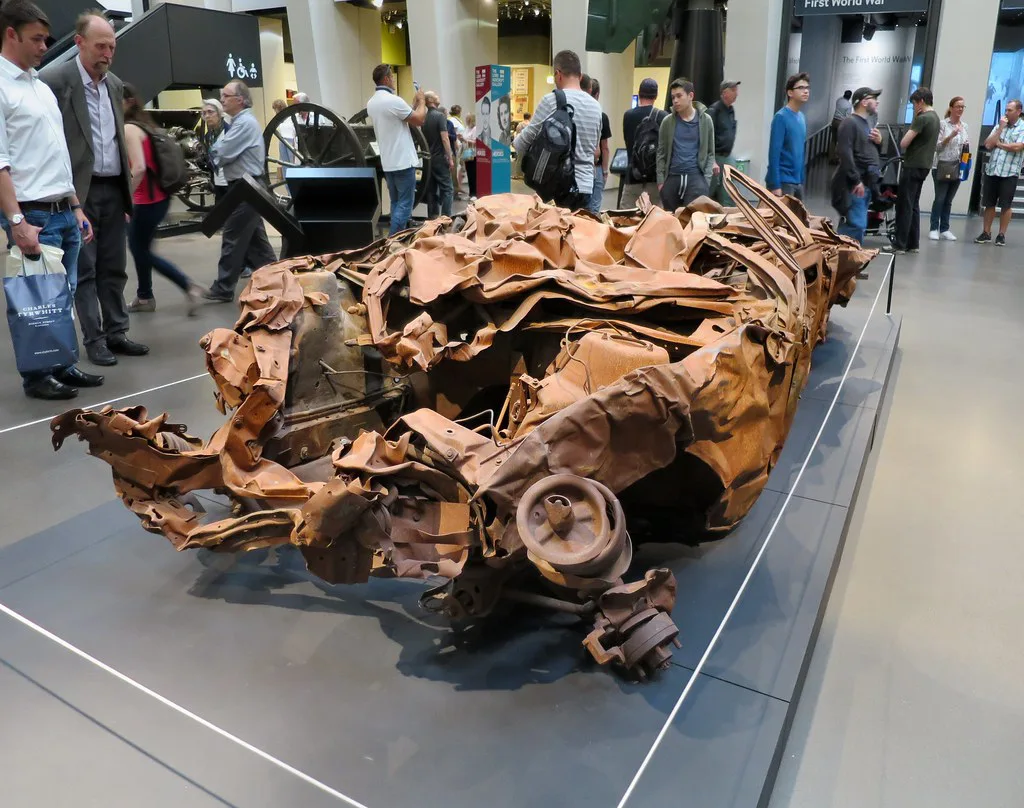
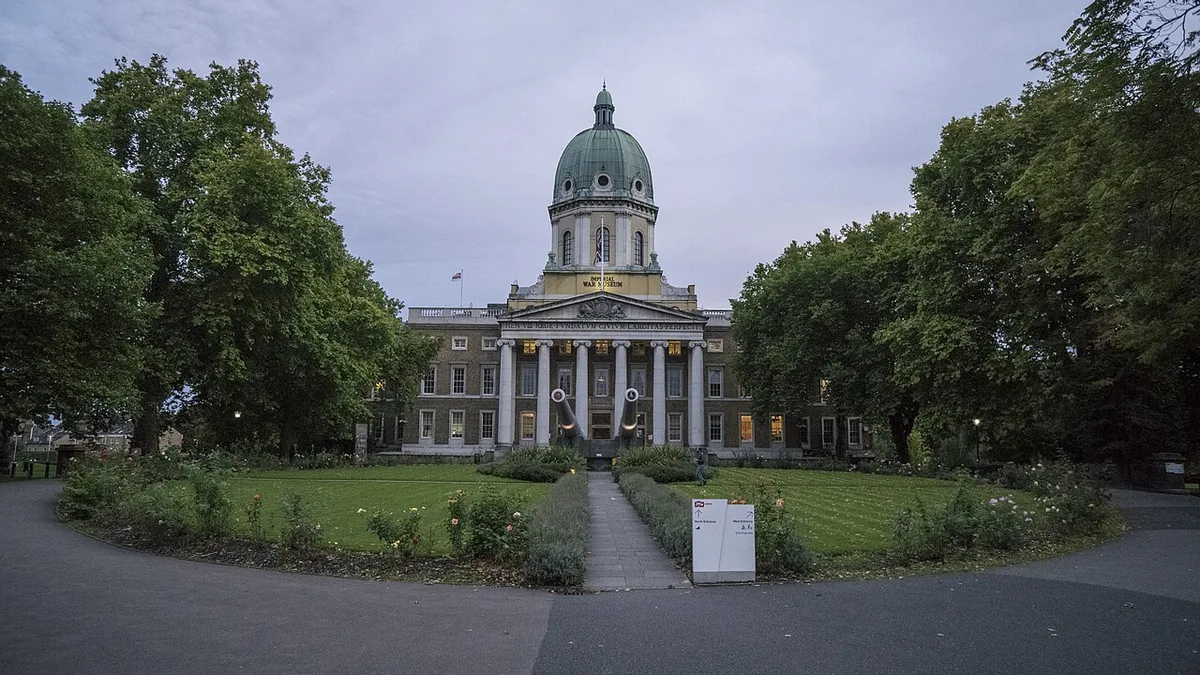
Imperial War Museum London has dedicated Second World War Galleries and separate Holocaust Galleries. Objects and individual stories help you connect front lines with civilian lives across different countries. In the war galleries, compare a service member's experience with that of someone far from the fighting.
This is our London choice when you want wide context without planning a regional excursion. Holocaust material needs time and emotional attention, so read the museum's age and visitor guidance before bringing children. Travelers who want a battlefield setting will not get that here.
3. Bletchley Park, England: best for codebreaking
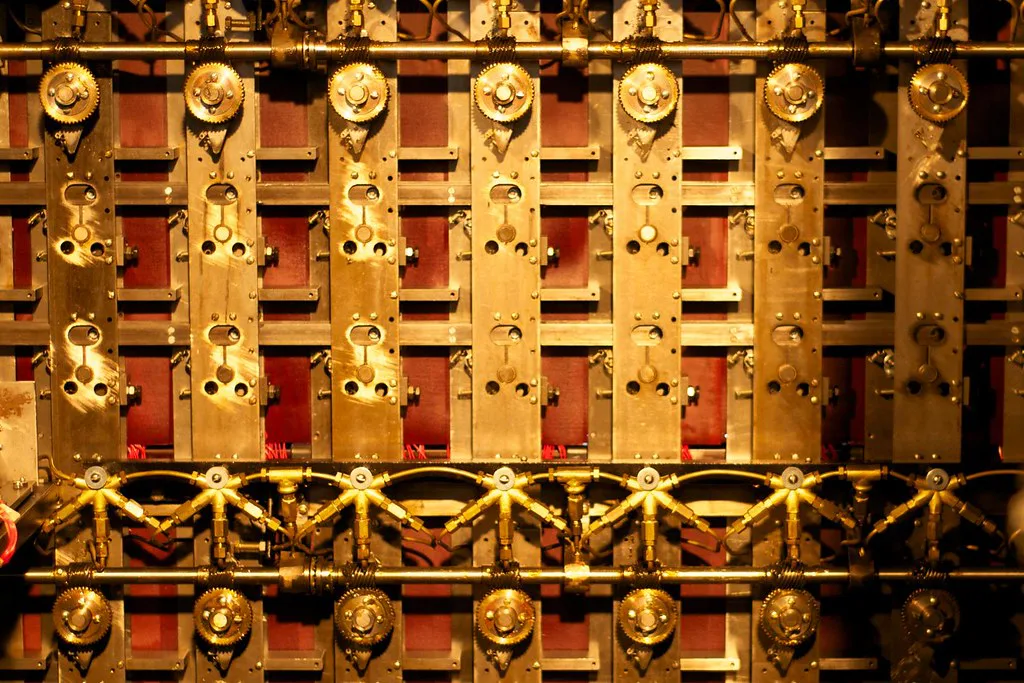
Bletchley Park was the center of British wartime codebreaking, and its historic setting is a major reason to go. Look for the Enigma story, then follow how intercepted messages became usable intelligence. People, machines and working buildings give this visit a different perspective from a combat collection.
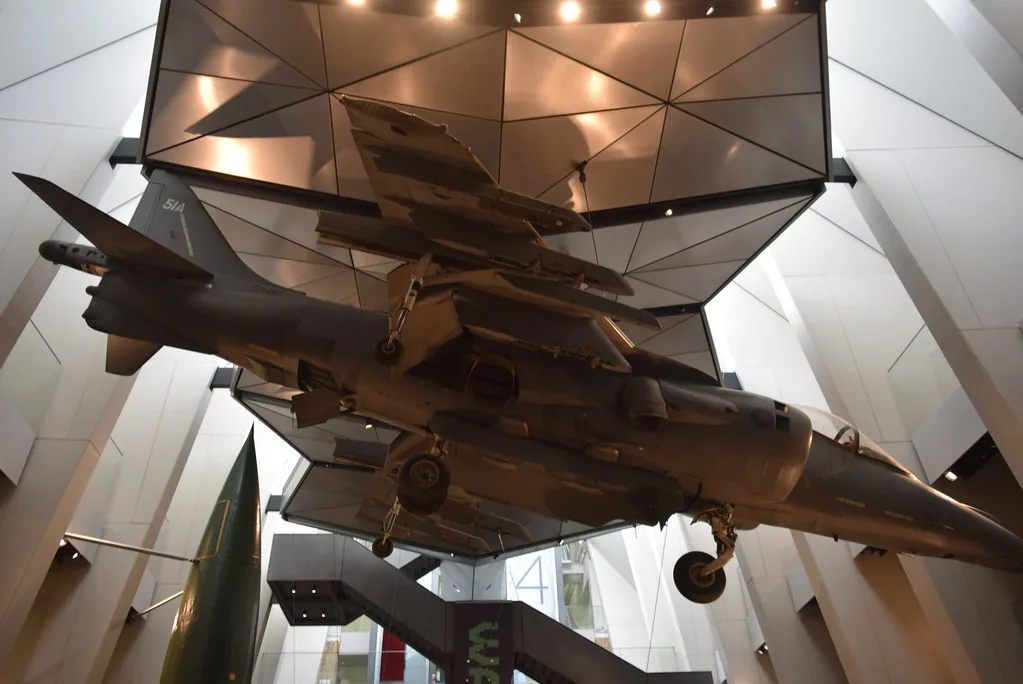
Give it a main-visit slot and check travel to Bletchley from your base, including the return. Current visitor details are on the Bletchley Park official site. Skip it if tanks, uniforms and ground campaigns are your priority.
4. Airborne Museum Hartenstein, Netherlands: best for Arnhem
Set in Oosterbeek near Arnhem, Villa Hartenstein served as British airborne headquarters during the Battle of Arnhem. That direct connection gives the collection a strong sense of place. Study the campaign displays before entering the immersive battle presentation, so its scenes have clearer context.
This focused museum suits anyone tracing Operation Market Garden. Loud, enclosed or intense displays may not suit every visitor, so check the museum's guidance. For a general account of the whole war, Caen or London is the better choice.
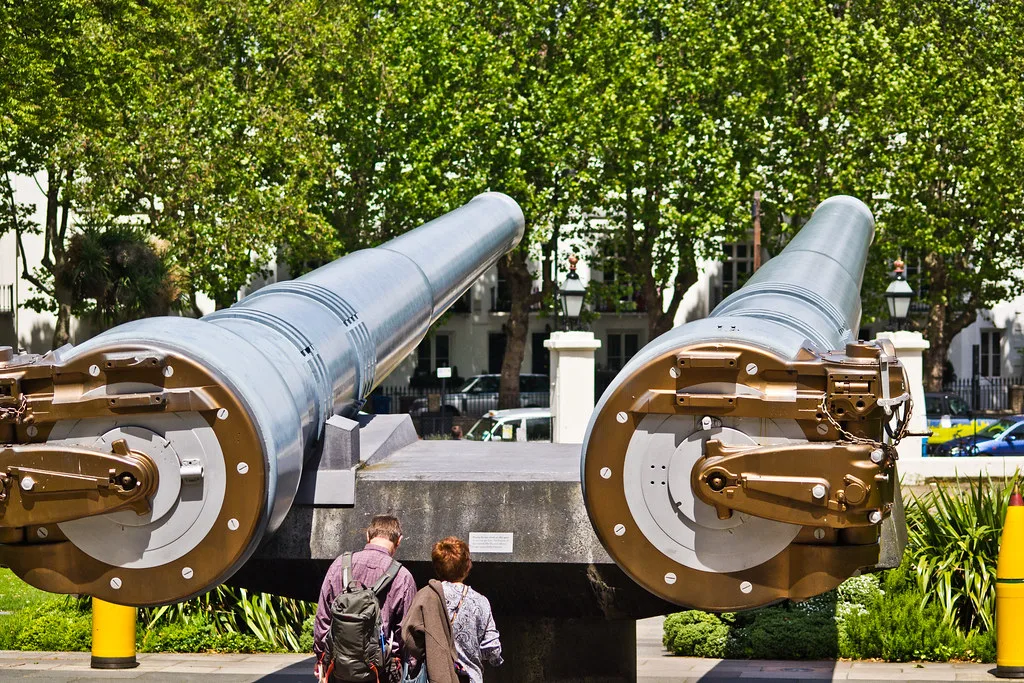
5. National Museum of Military History, Luxembourg: best for the Bulge
In Diekirch, this museum gives particular attention to the Battle of the Bulge and its impact on Luxembourg. Vehicles, weapons, personal equipment and life-size dioramas make it a strong choice for visual military detail. Compare the winter scenes with the equipment on display to understand the conditions soldiers faced.
Civilian experience also helps place the fighting in its local setting. Check your connection into Diekirch and back before fixing the day. Visitors wanting a concise political history of the entire war should choose another entry.
6. Bundeswehr Military History Museum, Germany: best for wider questions
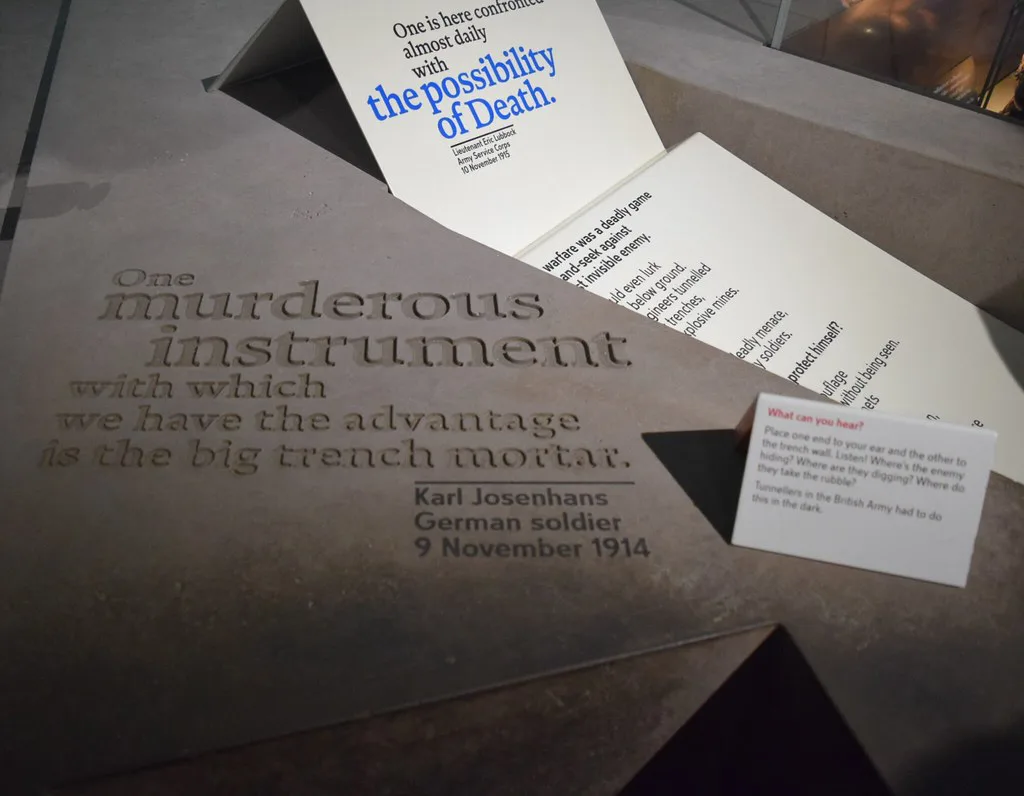
This Dresden museum examines German military history over a much longer span than the Second World War. Daniel Libeskind's wedge cuts through the older building and signals a different approach to the collection. Seek out thematic displays about violence and society alongside the chronological galleries.
That combination makes our German pick useful if you want to question how armed conflict is remembered. Its wide timeline is also the limitation. If you want only Second World War campaigns, plan around the relevant sections or choose a specialist museum.
7. Norway's Resistance Museum, Norway: best for resistance history
At Akershus Fortress in Oslo, this museum explains Norway under German occupation and the forms resistance took. Follow the story from invasion to liberation, paying attention to the clandestine press, intelligence work and sabotage. Its clear national focus shows how political pressure and personal choices shaped occupied life.
We recommend it for an Oslo stay when resistance matters more than large military hardware. Younger children may need help with the political context and difficult subjects. Anyone seeking a Europe-wide account should pair that interest with broader reading.
8. Jersey War Tunnels, Jersey: best for island occupation
This underground complex presents the German occupation of Jersey in tunnels created during that period. Forced and enslaved workers were among those made to build them, which calls for a respectful visit. Follow the civilian accounts and consider the choices islanders faced under occupation.
Setting and reconstructed environments make this more immersive than a conventional object gallery. Check step-free routes and content guidance if enclosed spaces or distressing themes could affect your group. It suits a Jersey trip, but its island location adds effort for mainland itineraries.
Which WW2 museum should you choose?
Match the museum to your main question, then check whether its location fits your route. Caen offers a Normandy-centered overview, while IWM London is the easier fit for a London stay. Arnhem and Diekirch both serve military history readers, but each centers on a different campaign. For occupation, Oslo emphasizes national resistance, while Jersey brings you into an island's wartime experience. Families should compare current age guidance rather than assume an immersive display suits children. If a television series sparked your interest, explore Band of Brothers locations separately.
| Your priority | Start with | Consider instead |
|---|---|---|
| First museum on the war | Mémorial de Caen | IWM London for a London trip |
| Short city break | The pick in your host city: Caen, London, Dresden or Oslo | Avoid adding another country for one museum |
| Military campaign | Hartenstein for Arnhem | Diekirch for the Bulge |
| Civilian occupation | Jersey War Tunnels | Norway's Resistance Museum |
| Resistance history | Norway's Resistance Museum | Caen for wider context |
| Holocaust history | IWM London's Holocaust Galleries | Check content and age guidance first |
| Intelligence | Bletchley Park | IWM London for broader war context |
| Family visit | Choose by the child's interests | Read each museum's content guidance |
How to plan your WW2 museum visit
Plan one main-visit museum around your travel day, and add another stop only after checking both timetables. Museums in different countries are separate route decisions, although our Liberation Route Europe guide can help connect your wider interests.
| Decision | What to check |
|---|---|
| Access | Final walk or transfer, return service, parking and step-free entrance |
| Time | Official visit guidance, last entry and travel in both directions |
| Cost | Official admission plus transport, guide fees and any overnight stay; a museum in your base city may avoid extra intercity travel |
| Timing | Closed days, seasonal hours, booked entry, gallery closures and anniversary events |
| Language | Translated displays, audio guides and tours in your language |
Visiting memorial places alongside museums
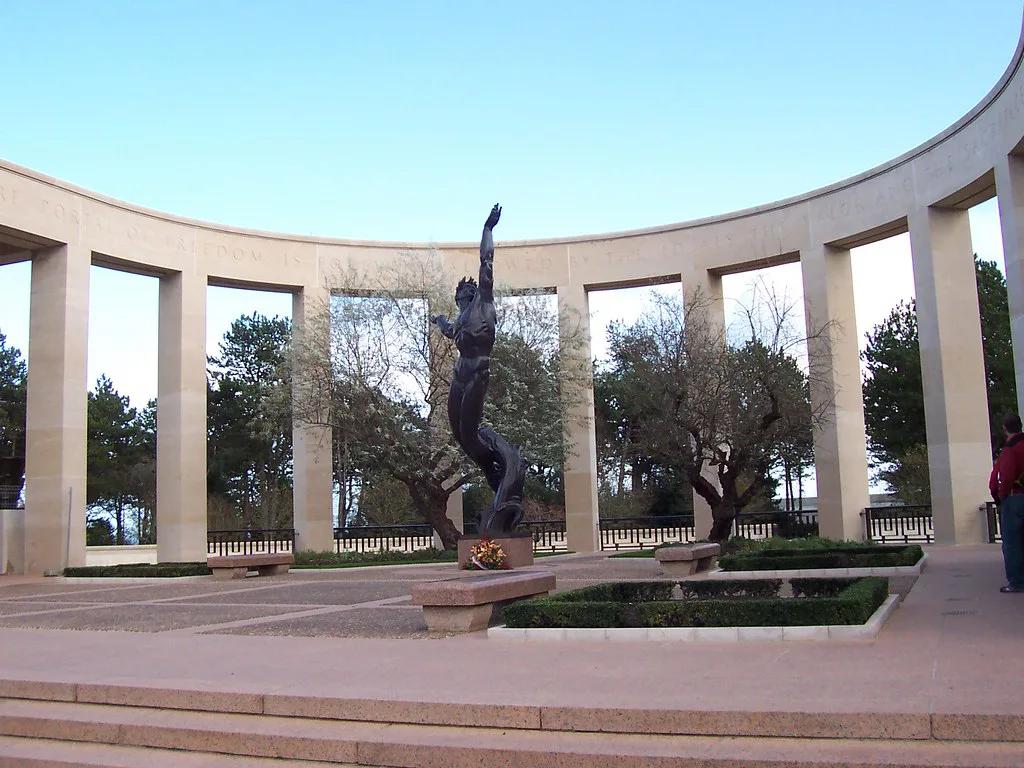
Cemeteries, former camps and massacre sites are places of mourning and should not be treated as museum substitutes. For example, Normandy American Cemetery is a burial ground, not one of the eight picks. Before going, read the American Battle Monuments Commission's Normandy cemetery information and follow posted conduct rules. Leave enough time to visit quietly.
Frequently Asked Questions
What is the biggest World War II museum?
The answer depends on whether you measure floor space, collection size or outdoor grounds, and whether broader military museums count. This shortlist does not rank by size. For broad context among these picks, choose the Mémorial de Caen.
Where are the best WWII museums in Germany?
Within this guide's German coverage, Dresden's Bundeswehr Military History Museum is our pick for examining war within a longer military and social history. For armored vehicles, consider the German Tank Museum in Munster, whose subject also reaches beyond the Second World War.
Keep planning
Guides on the same trip