4 WW1 Battlefields to Visit in France: How to Choose
Compare 4 WW1 battlefields in France: the Somme, Verdun, Chemin des Dames and the Marne. See what to visit, who each suits and the trade-offs.
In this guide
Last updated November 2026: choosing between WW1 battlefields depends on your family connection, historical interest, available time and transport. Start with the Somme for British Empire links or Verdun for French and German history, then consider Chemin des Dames or the Marne. This Western Front shortlist covers France only, so it is not a survey of every European front.
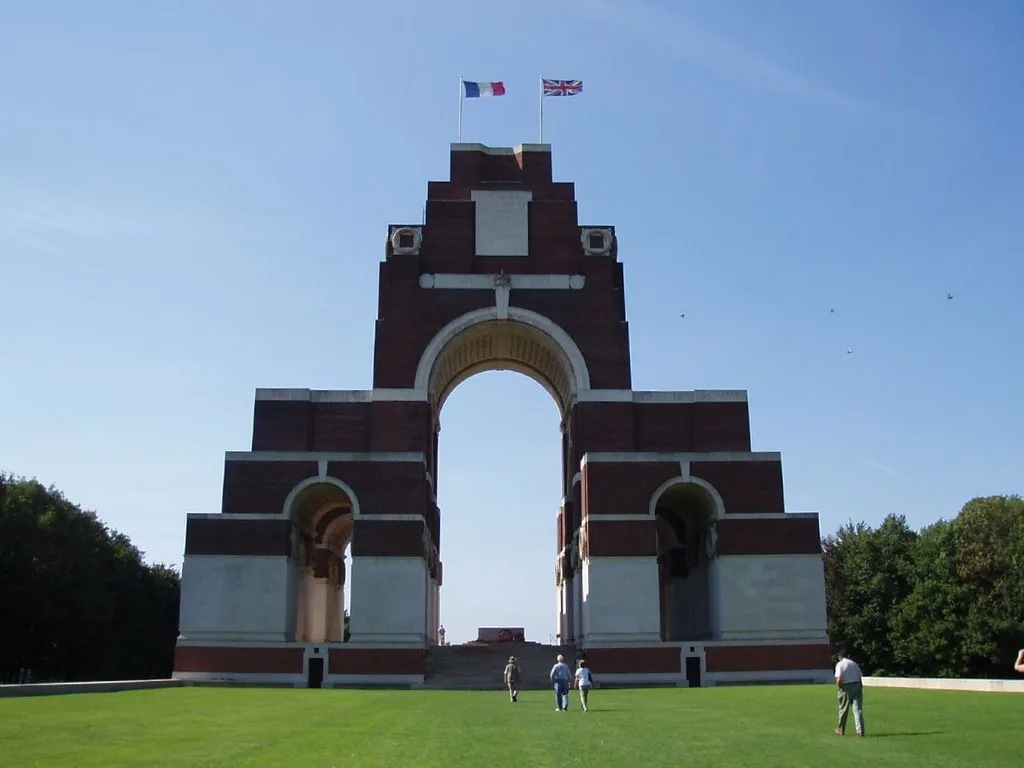
Featured image: robjwells, CC BY-SA 2.0, via Flickr.
Which WW1 Battlefield Should You Visit?
For a first visit, our editorial pick is the Somme if you want memorials, shaped ground and a museum in one regional plan. Pick Verdun if one concentrated story of French and German fighting matters more. A known relative changes the answer, because their service history should guide your route. Use the table to compare the main trade-offs; its order is not a ranking.
| Area in France | Main reason to go | What you can visit | Suggested fit | Main limitation |
|---|---|---|---|---|
| The Somme | British Empire and French war history | Thiepval, Lochnagar Crater, Beaumont-Hamel, Historial museum | First visits; British, Newfoundland or South African interest | Stops are spread out, so transfers need planning |
| Verdun | French and German fighting | Mémorial de Verdun and the Douaumont sites | Visitors who want one battle in depth | Less focused on British Empire family history |
| Chemin des Dames | French front-line history on a ridge | Ridge landscape, memorials and the Caverne du Dragon | Return visitors and French army interest | Needs background reading and a route plan |
| Marne, around Meaux | Context for the Marne fighting | Musée de la Grande Guerre | Short museum-led visits | Mainly a museum visit rather than a preserved front line |
4 WW1 Battlefields to Visit in France
Each area below combines a fighting connection with at least one named place to visit. Landscapes, memorials and museums offer different kinds of evidence, so decide which you most want to see. Prices and opening hours change, so use each operator's current information for your travel date.
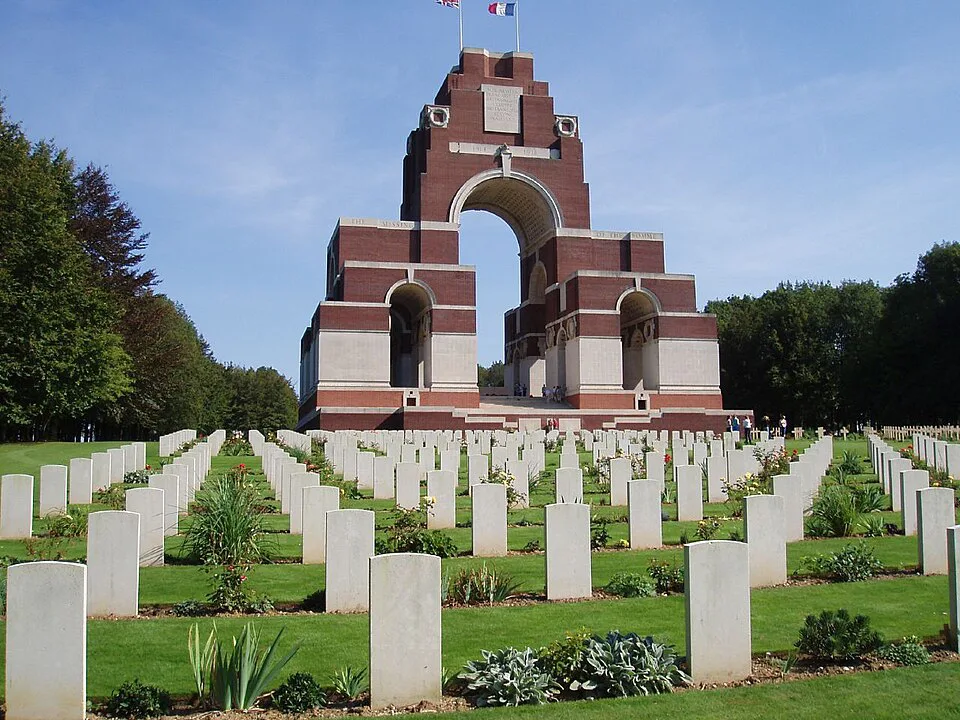
1. The Somme: memorials, craters and preserved ground
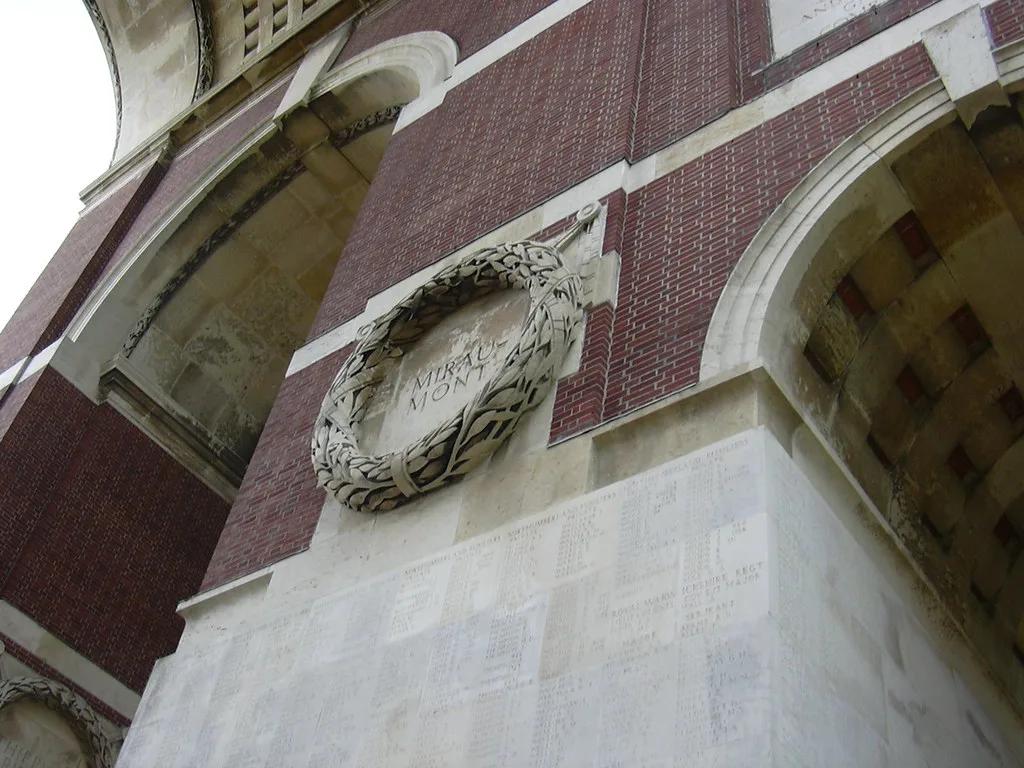
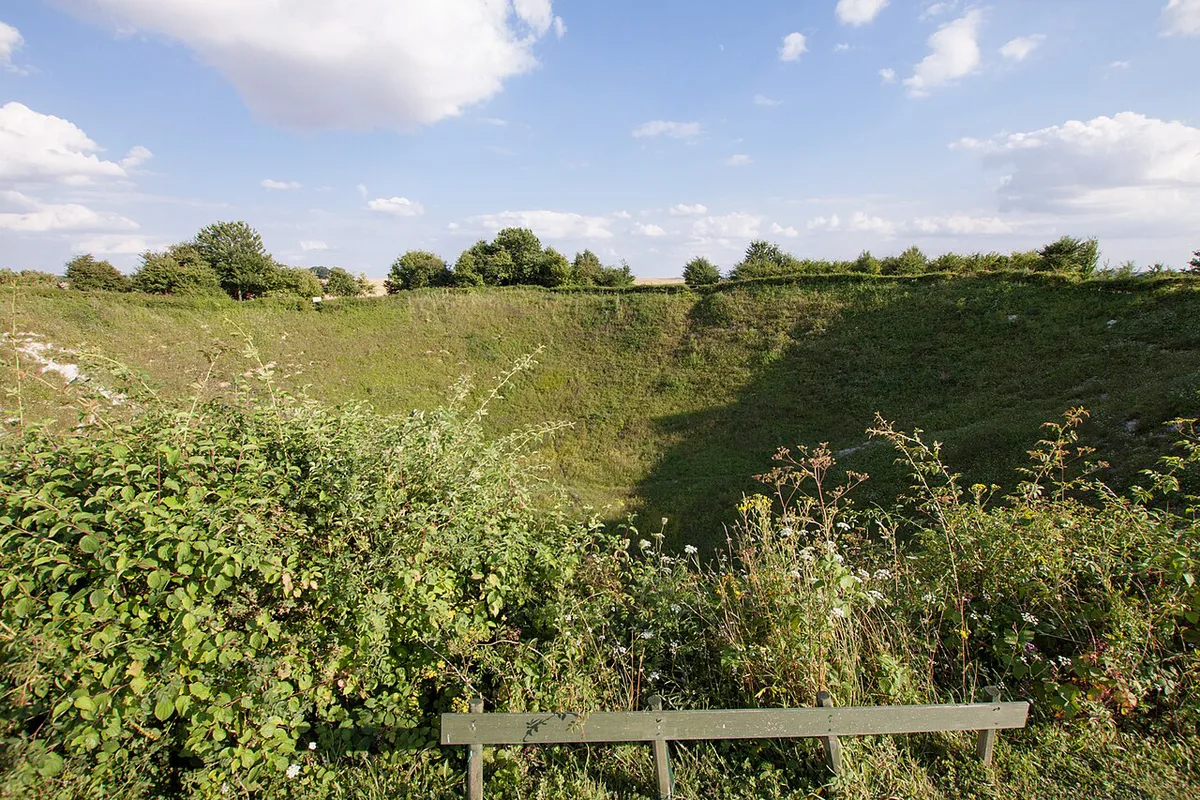
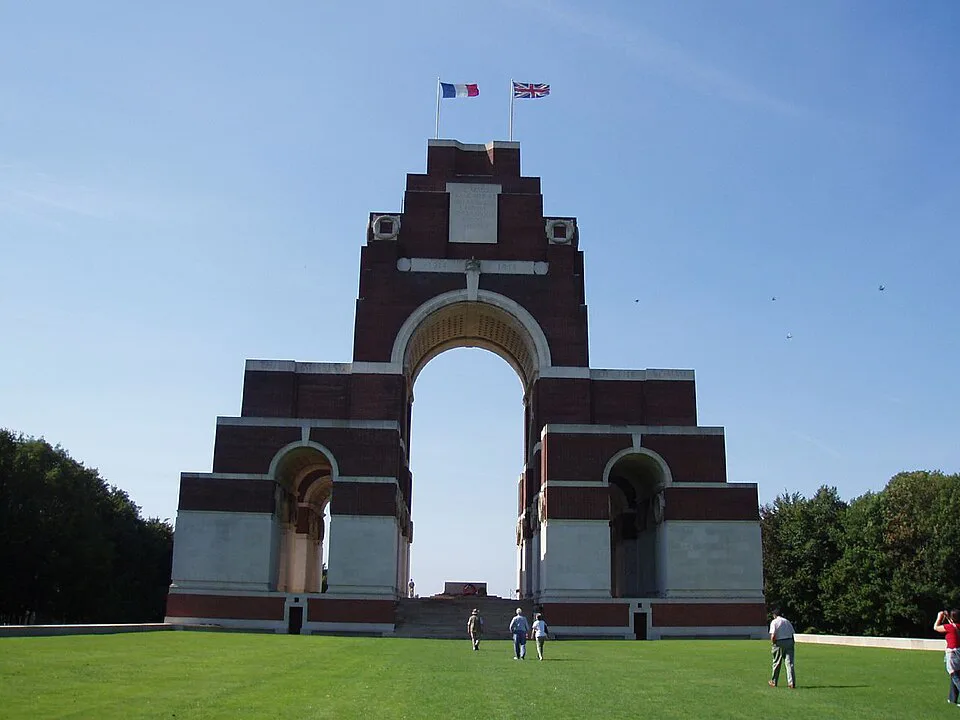
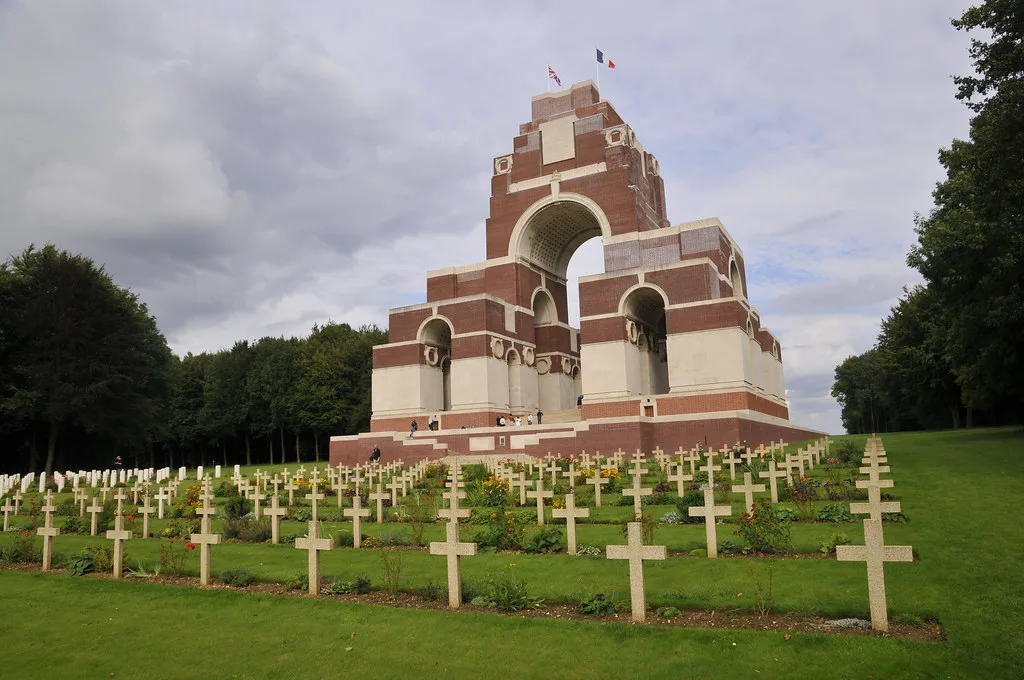
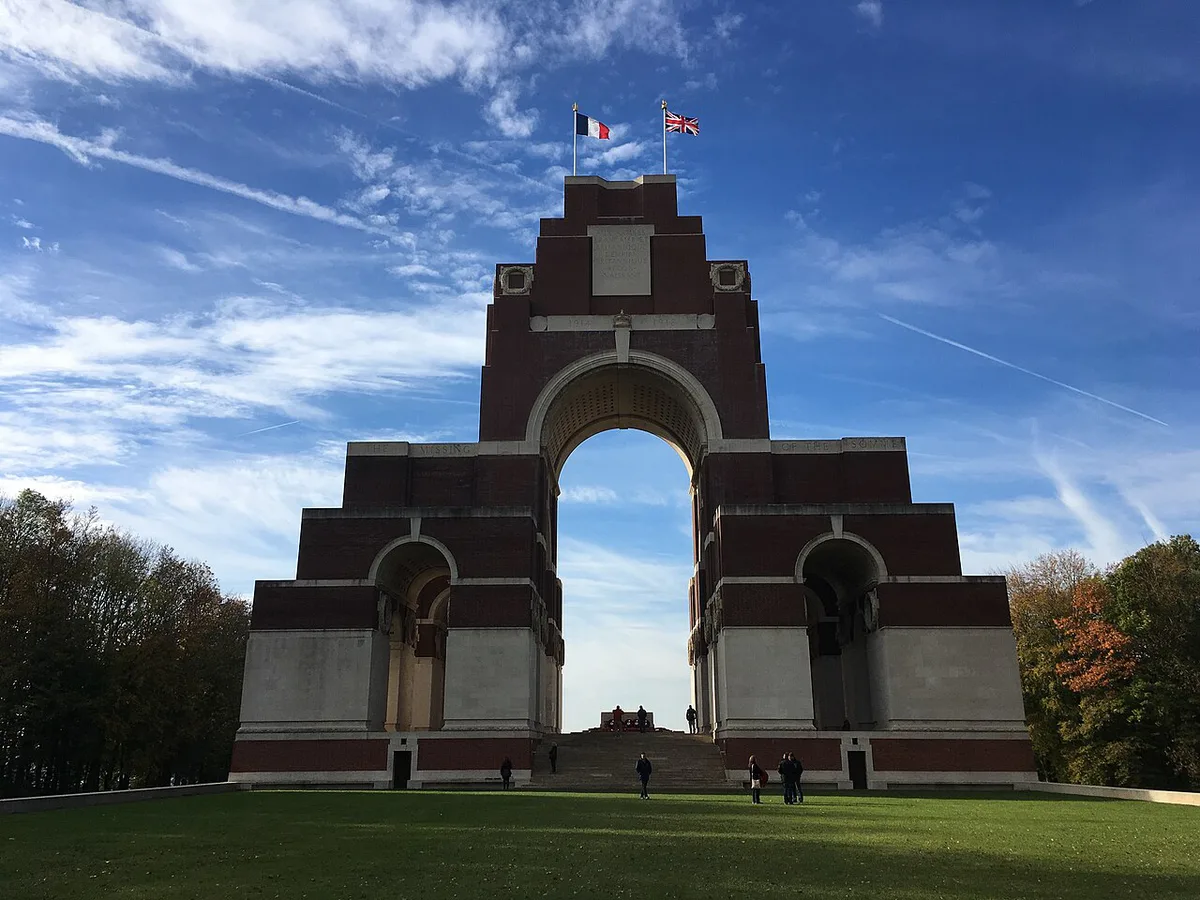
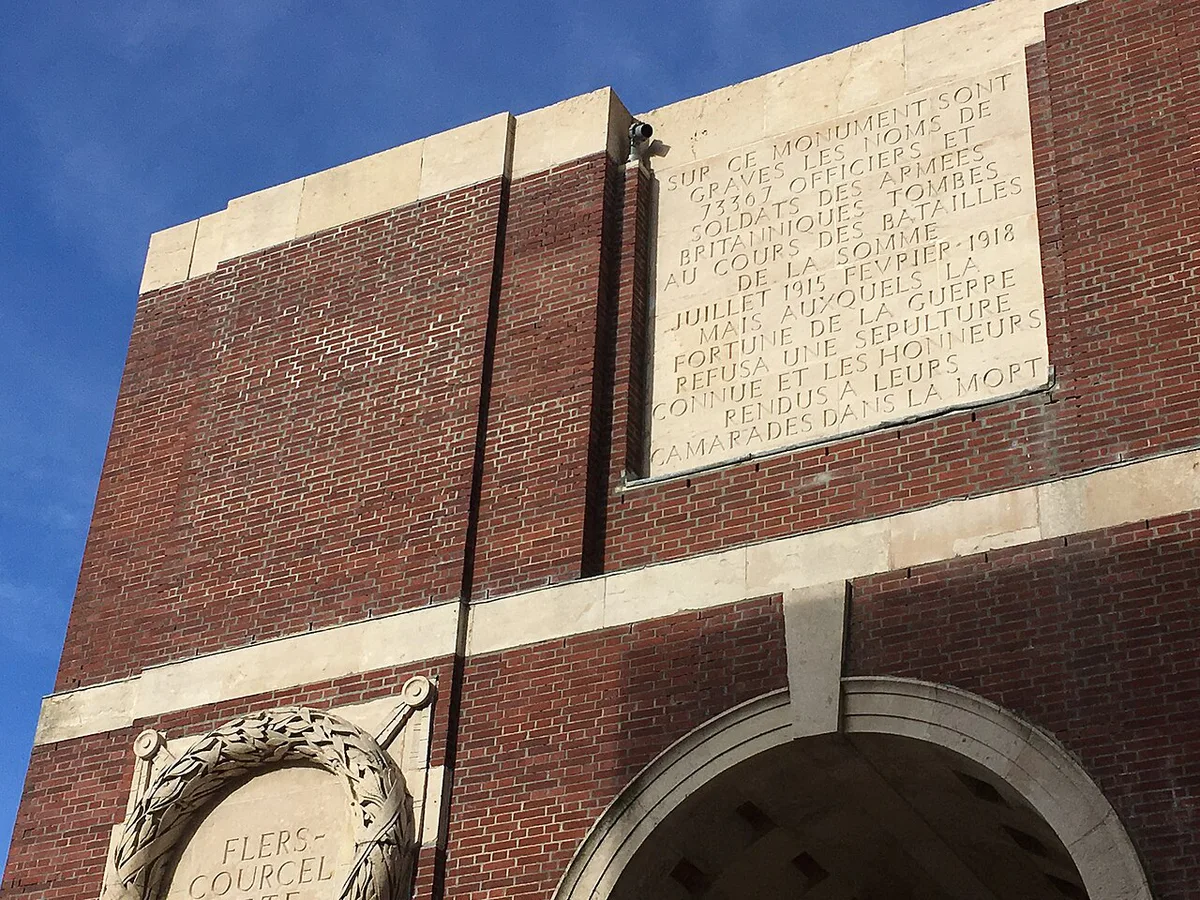
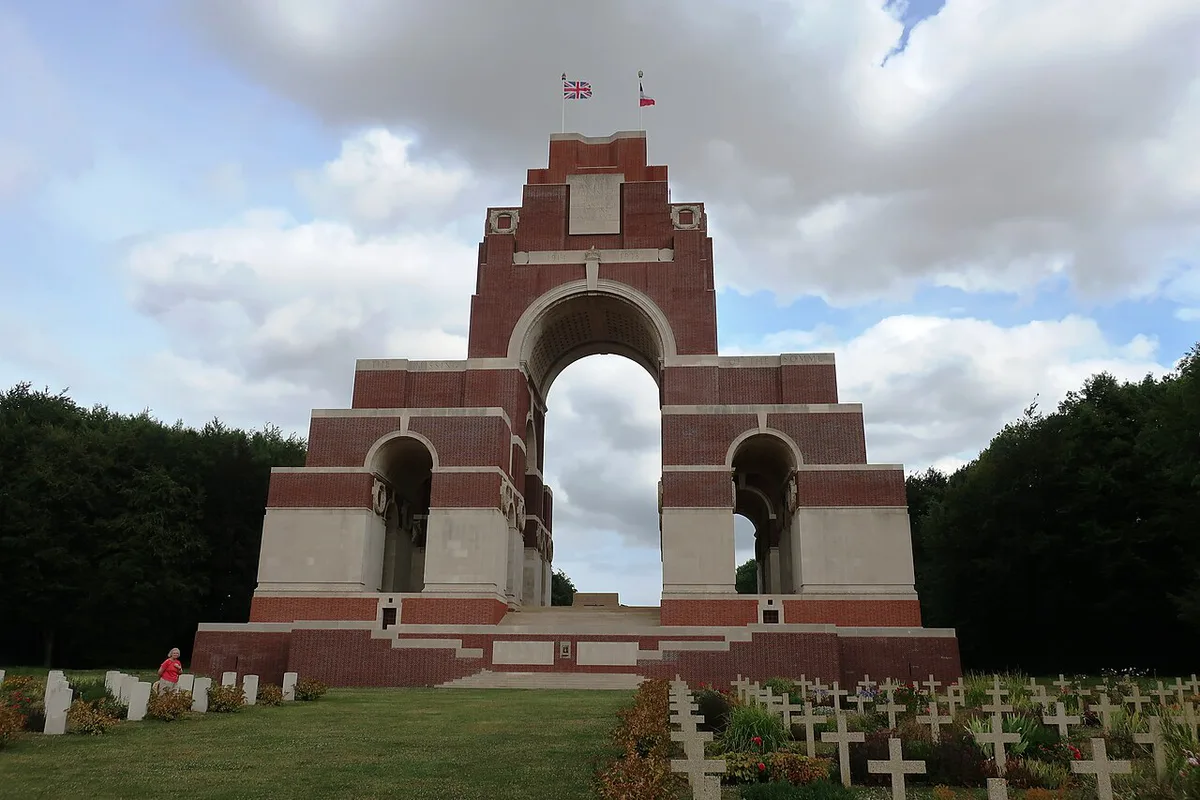
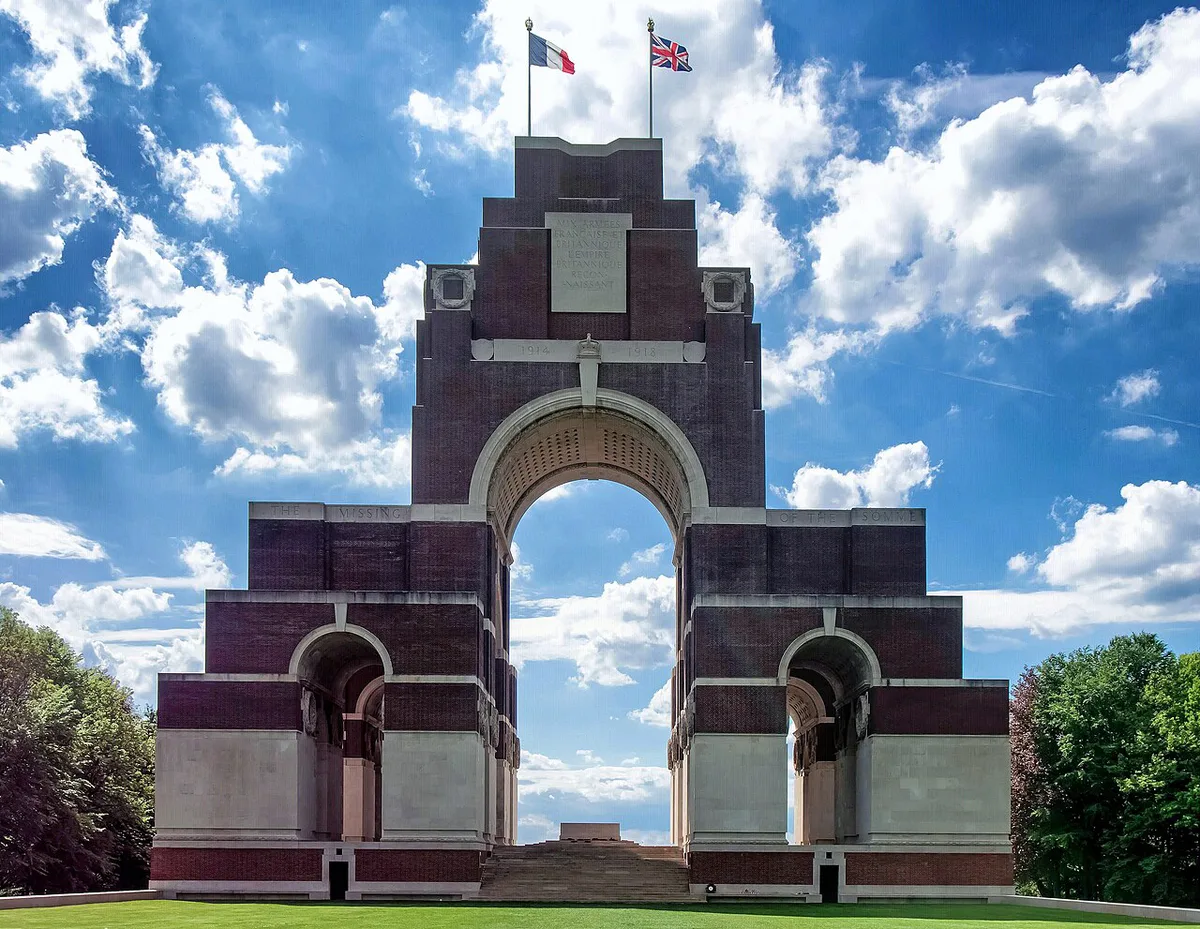
British, Empire and French forces fought the German army here, making the Somme our suggested starting point for many first visits. At Thiepval, the memorial honours British and South African missing with no known grave, and a visitor centre adds context. Lochnagar Crater at La Boisselle was created by a British mine, while the Beaumont-Hamel Newfoundland Memorial protects trench lines and shell-marked ground.
For museum interpretation, consider the Historial de la Grande Guerre, including its Péronne site. Allow a focused day for a selection, using Somme Great War visitor information to check access. Skip it if you cannot arrange transfers and want a single-site visit.
2. Verdun: one battle in depth
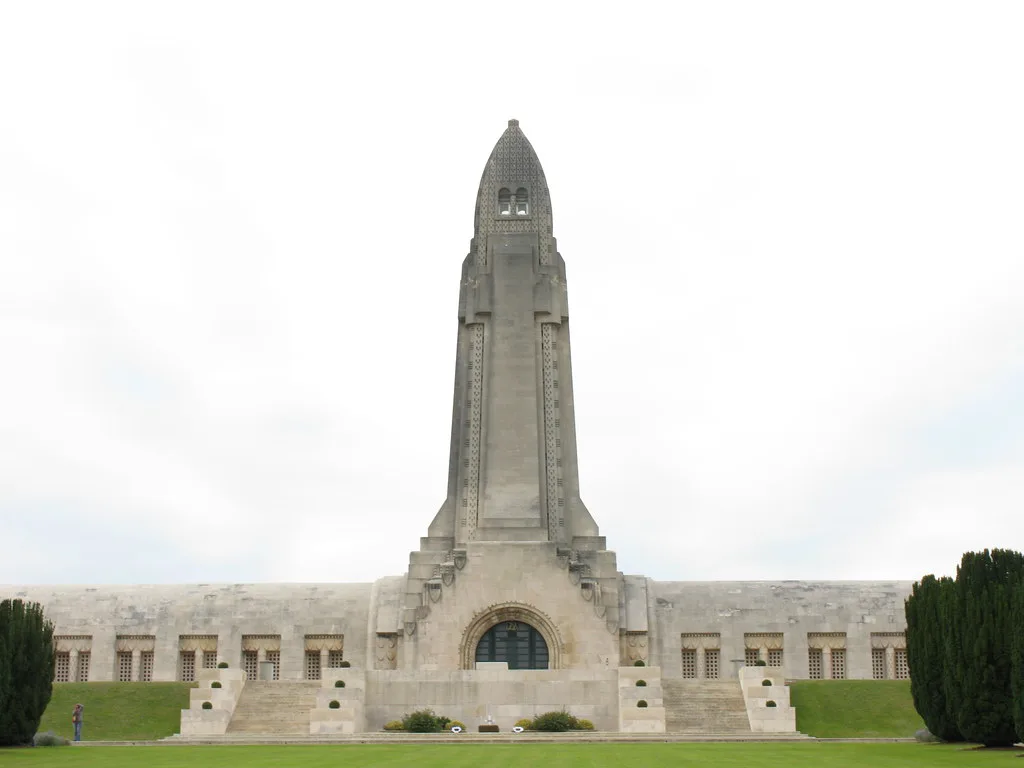
Verdun suits you if your main interest is the long struggle between the French and German armies. Begin with the Mémorial de Verdun museum for context before looking at the surrounding battlefield. Around Douaumont, the fort shows military architecture, while the ossuary is a resting place for unidentified remains and calls for quiet conduct.
In our editorial assessment, this area deserves its own day rather than a rushed add-on to the Somme. Use the town of Verdun as your planning base, and check how you will cover the last leg to each site. Consider another area if your priority is a British Empire unit that did not serve here.
3. Chemin des Dames: a ridge shaped by war
Chemin des Dames is a ridge route in the Aisne associated especially with hard fighting between French and German forces. Its appeal lies in reading the high ground alongside memorials, cemeteries and underground history. At the Caverne du Dragon, a former quarry used by soldiers, check current opening and tour arrangements before building your day around it.
Our guide to the ridge route can help you narrow the stops. Give it a focused outing if French military history matters to you, with travel to the area counted separately. First-time visitors wanting an easy, self-explanatory circuit may prefer a museum-led option or a guide.
4. The Marne around Meaux: museum-led context
Fighting on the Marne was central to the war's opening campaign in France. Around Meaux, your clearest anchor is the Musée de la Grande Guerre, a museum devoted to the First World War. Go for objects and interpretation that connect the local fighting with the wider conflict.
This choice suits a short history-focused visit or travellers who would rather spend less time moving between outdoor stops. Check the museum's directions, admission, hours and accessibility details before travelling. Skip it as your main choice if you came chiefly to walk preserved trenches or crater fields.
How Much Can You See in Your Time?
With one focused day, choose one area. A Somme day might pair Thiepval with Lochnagar Crater, then add Beaumont-Hamel if your transfers and opening times work. Verdun can fill its own day with the Mémorial and Douaumont. Longer trips can add a second region, but travel between regions needs separate time. Do not assume the Somme and Verdun make a comfortable same-day pairing.
Leave out a museum or memorial before shortening every stop. Readers chiefly interested in earthworks can compare surviving trench sites. For indoor interpretation, browse these First World War museum choices. To widen your route, explore more French places linked to the war.
Armistice history can make a useful extension, although the Compiègne site is not a battlefield on this list. Read about the Compiègne clearing and armistice before deciding whether it fits.
- First visit: choose the Somme and limit the number of stops.
- French and German history: give Verdun its own day.
- Return visit: study Chemin des Dames before planning a ridge route.
- Museum-led visit: build your outing around Meaux.
Self-Drive, Guided Tour or Public Transport?
Self-driving offers the most control over scattered stops. Your costs can include vehicle hire, fuel, parking, tolls and museum admission, depending on your route. A guide can add historical interpretation and reduce navigation work, but you pay for that service and may follow a set itinerary. Ask whether transport, entrance charges and your particular family-history interest are included.
Visiting without a car is a different planning problem. Reaching a base town does not guarantee access to its outlying memorials. Check the final leg and return journey before booking. Possible planning bases include Verdun for its battlefield and Meaux for the Marne museum. For the Somme or Chemin des Dames, choose accommodation after fixing your stops and transport. The Verdun tourism office is a starting point for local visitor planning.
- Self-drive: suits flexible routes, with navigation and driving left to you.
- Guided visit: suits readers seeking interpretation; confirm the route and inclusions.
- Public transport: suits a narrow plan only when every connection works.
- Walking: check path access, terrain and your return before setting out.
What to Check Before You Go
Check museums and visitor centres separately from outdoor memorials, because their access arrangements may differ. Budgeting depends on your chosen paid museums, transport and guide. Adding more ticketed venues or hiring a guide can raise the total compared with a self-planned memorial visit. Consult each venue's official page for admission and booking details, and do not assume every battlefield stop is free.
Ceremony-day plans on 11 November need the car-free route checked first, because a base town may not reach outlying memorials.

Uneven ground, slopes, steps or underground spaces may limit access. Ask each operator about the exact route, toilets, parking and step-free entry if these affect your visit. Weather also matters on exposed outdoor stops.
For 11 November visits, check for ceremonies, temporary restrictions and altered transport. Our guide to November commemorations in France can help with date planning. Readers following anniversary history can also see places connected with centenary remembrance.
- Opening dates, last entry and seasonal closures
- Booking requirements and guided-visit arrangements
- Last-leg transport and the return connection
- Mobility needs, terrain and weather exposure
How to Research a Family or National Connection
Confirm your relative's full name and service details before choosing a route. A unit, service number or burial record can help you avoid following the wrong person or battlefield. Check where the unit served during your relative's time with it. A national memorial alone does not establish where an individual fought. For a nationality-led route, explore Canadian places of wartime remembrance. Newfoundland was separate from Canada during the war, so research Newfoundland service on its own terms.
Trench maps can add geographical detail once you know a relevant trench or location. The Western Front Association describes TrenchMapper as thousands of trench maps placed on modern mapping, searchable by trench name. Its fullest detail is available through the members' area. A historical map does not mean that today's land is open to visitors.
How to Visit Responsibly
Treat cemeteries, ossuaries and memorials as places of mourning. Follow posted conduct and photography rules, keep your voice low and respect ceremonies. Stay where access is allowed, especially around preserved ground, farmland and private property.
Do not dig, collect, handle or remove battlefield finds. Leave any suspected munition untouched, move away and seek help from local emergency services or authorities. Check official local rules before dealing with protected sites or metal detecting; a public view of a field does not grant permission to enter it.
- Use permitted paths and obey barriers.
- Do not climb on memorials, graves or preserved features.
- Leave every object where you find it.
Frequently Asked Questions
What countries fought on the Western Front?
Germany faced Allied forces that included France, Britain and its empire, Belgium and the United States. Canada, Newfoundland, Australia, New Zealand, South Africa and India were among the places whose troops served there. Other nations also took part, so use service records when tracing a particular person.
Explore More Guides
Keep planning your trip with these guides.
Guides
Keep planning
Guides on the same trip